Experience Relief from Failed Back Surgery Pain at Seamless Medical Centers
You went through back surgery hoping it would finally bring relief. You followed the instructions. You committed to recovery. And yet, the pain is still there.
For many people, persistent pain after spinal surgery is not just physically exhausting — it is emotionally draining. It can feel discouraging, confusing, and even isolating. If you are still struggling with back or leg pain months after surgery, you are not alone. This condition is often referred to as failed back surgery syndrome (FBSS).
At Seamless, we understand how frustrating this experience can be. Our approach is not just about treating symptoms — it is about listening carefully, identifying the true source of pain, and helping you regain control of your life. One advanced treatment option that has helped many patients with FBSS is spinal cord stimulation.
Let’s explore what that means and whether it could be right for you.
What Is Failed Back Surgery Syndrome?
Failed back surgery syndrome does not mean the surgery itself was necessarily done incorrectly. Instead, it describes ongoing or recurring pain after spinal procedures such as discectomy, laminectomy, or spinal fusion.
There are many possible reasons pain may persist, including:
Scar tissue forming around nerves
Incomplete nerve decompression
Recurrent disc herniation
Nerve irritation or damage
Degeneration in nearby spinal segments
An initial diagnosis that did not fully capture the root cause
The pain is often neuropathic, meaning it stems from irritated or damaged nerves. Patients commonly describe it as burning, tingling, stabbing, or shooting pain that radiates into the legs.
Most importantly, it is real. And it deserves thoughtful, compassionate care.
When Traditional Treatments Are Not Enough
Most patients with FBSS try several treatments before exploring advanced options. These may include:
Physical therapy
Anti-inflammatory medications
Opioid medications
Epidural steroid injections
Nerve blocks
Behavioral therapy for coping strategies
While these approaches can be helpful, they do not always provide lasting relief — especially for chronic nerve-related pain.
If you feel like you have “tried everything” and are still struggling, Spinal cord stimulation may offer a different path forward.
What Is Spinal Cord Stimulation?
Spinal cord stimulation is a minimally invasive therapy designed to change how pain signals travel to the brain. A small device, similar to a pacemaker, is placed under the skin. Thin wires called leads deliver gentle electrical impulses to specific areas of the spinal cord.
These impulses modify pain signals before they reach the brain, reducing how strongly pain is perceived. Rather than masking pain with medication, spinal cord stimulation works directly within the nervous system to help calm amplified pain signals.
How It Works in Simple Terms
Think of chronic nerve pain like a faulty alarm system that keeps sounding even when there is no danger.
Spinal cord stimulation helps “turn down the volume” of that alarm.
Depending on the system used, patients may feel:
A mild tingling sensation replacing pain
Or, with newer high-frequency systems, no sensation at all — just reduced pain
The goal is not to numb you, but to help your nervous system communicate more normally again.
What to Expect: A Two-Step Process
One of the most reassuring aspects of spinal cord stimulation is that it begins with a trial phase. During this temporary period, patients can experience the potential pain relief firsthand before committing to a permanent implant, ensuring confidence, comfort, and informed decision-making throughout the treatment process.
Trial Phase
Before committing to a permanent implant, a temporary device is placed to test whether the therapy provides meaningful relief.
During this several-day trial, you will evaluate:
How much your pain improves
Whether daily activities feel easier
Your comfort with the system
This step ensures you have control in the decision-making process.
Permanent Implantation
If the trial is successful, a permanent device is implanted. The procedure typically involves:
Placing leads in the epidural space
Positioning a small pulse generator under the skin
Custom programming to match your pain pattern
It is minimally invasive and usually performed as an outpatient procedure.
Potential Benefits for Patients with FBSS
For the right candidate, spinal cord stimulation can offer meaningful improvements:
Significant Pain Reduction
Many patients experience at least 50 percent pain relief, while some achieve even greater improvement.
Reduced Dependence on Medications
Lower reliance on opioids and other pain medications can reduce long-term side effects and health risks.
Improved Daily Function
Better pain control often allows patients to return to activities they had stopped — walking longer distances, traveling, or simply sleeping more comfortably.
Adjustable and Reversible
Unlike additional spine surgery, spinal cord stimulation is reversible. The device can be adjusted over time or removed if needed.
Is It Safe?
As with any procedure, there are potential risks, including:
Infection
Lead movement
Device malfunction
Discomfort at the implant site
However, careful patient selection and experienced technique significantly reduce these risks. At Seamless, your safety and comfort remain the highest priorities throughout every step.
Who Is a Good Candidate?
Spinal cord stimulation may be appropriate if you:
Have experienced chronic pain for several months or longer
Have not found relief with conservative treatments
Suffer primarily from nerve-related pain
Are not a strong candidate for additional corrective surgery
Are open to completing a trial period
A thorough evaluation — including imaging, medical history review, and sometimes psychological assessment — ensures the treatment aligns with your specific needs.
What the Research Shows
Clinical studies consistently show that spinal cord stimulation can provide:
Meaningful pain reduction
Improved quality of life
Higher satisfaction rates compared to repeat spine surgery in selected patients
While outcomes vary from person to person, it remains one of the most studied and established treatments for persistent neuropathic pain after back surgery.
Living with a Spinal Cord Stimulator
Most patients adjust well to life with a stimulator. You will learn how to:
Use a handheld controller
Adjust settings as needed
Attend follow-up appointments for fine-tuning
It is important to understand that spinal cord stimulation does not cure the underlying structural issue. Instead, it gives you a powerful tool to manage pain more effectively — and often reclaim parts of your life that pain had taken away.
When to Consider This Option
You might consider spinal cord stimulation if:
Your surgery did not deliver the relief you hoped for
Pain continues to interfere with work, sleep, or relationships
You feel discouraged after multiple treatments
You want to explore alternatives before undergoing another surgery
Living with failed back surgery syndrome can feel overwhelming especially after you placed so much hope in your initial procedure. But persistent pain does not mean you are out of options. Spinal cord stimulation offers a different approach, one that focuses on calming the nervous system and restoring comfort rather than repeatedly operating on the spine.
At Seamless, we believe exceptional care begins with listening. If you are struggling with ongoing back or leg pain after surgery, we are here to help you explore your options with clarity, honesty, and genuine compassion. Contact Seamless to schedule a consultation and take the next step toward relief.
Osteoarthritis (OA) is more than just wear-and-tear on your joints; it’s a common degenerative condition that affects millions of people worldwide.
In OA, the protective cartilage that cushions your joints gradually breaks down, causing bones to rub together. This can lead to discomfort, reduced flexibility, and challenges in performing everyday activities.
The knees, hips, hands, spine, and other weight-bearing joints are most often affected.
Because it develops slowly, many people try to adapt to mild symptoms. Without proper care, osteoarthritis can progress, limiting mobility and overall quality of life.
In this post, we’ll explore what osteoarthritis is, its causes, symptoms, treatments, and ways you can prevent or manage it to keep your joints healthy and active.
What is Osteoarthritis?
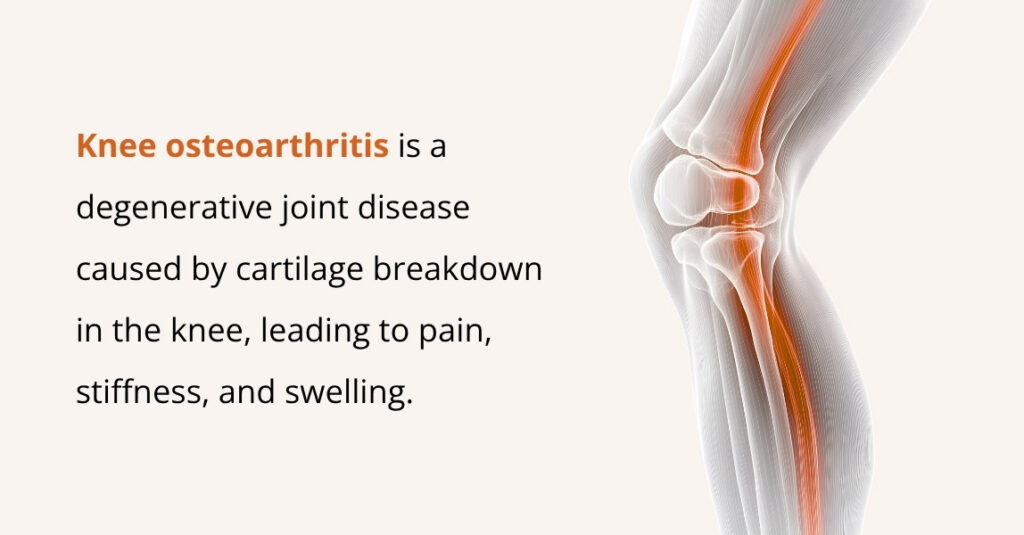
Osteoarthritis is the most common form of arthritis, a condition that affects the joints. It develops when the cartilage that cushions your joints gradually wears down, causing the bones to rub against each other during movement.
OA affects the entire joint (bones, cartilage, ligaments, and synovium) and can also cause bone spurs (osteophytes) to form at the edges.
Because of these changes, OA is often called a degenerative arthritis or degenerative joint disease.
Osteoarthritis can affect any joint in the body, but it most commonly occurs in the:
Hands
Knees
Hips
Neck (cervical spine)
Lower back (lumbar spine)
Symptoms usually develop gradually and may worsen over time, especially with regular joint use.
What are the Types of Osteoarthritis?
Osteoarthritis is generally classified into two main types based on its cause: primary osteoarthritis and secondary osteoarthritis.
Primary Osteoarthritis
Primary osteoarthritis is the most common form of OA. It develops slowly over time, usually as a result of aging and long-term joint use.
Rather than having one clear cause, it is linked to multiple risk factors such as increasing age, genetic predisposition, obesity, and everyday wear and tear on the joints.
Secondary Osteoarthritis
Secondary osteoarthritis occurs when joint damage is triggered by a specific condition or injury.
This may include a past joint injury, repetitive stress from sports or physical work, joint deformities present at birth, or other joint diseases such as rheumatoid arthritis.
In these cases, identifying and managing the underlying cause can help slow the progression of osteoarthritis.
What are the Causes of Osteoarthritis?
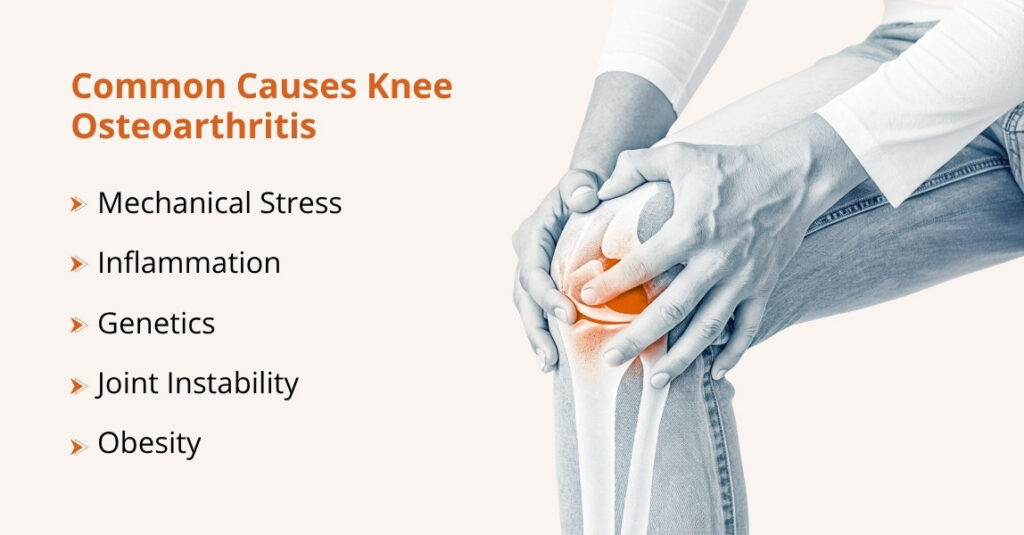
Osteoarthritis results from the gradual breakdown of joint cartilage and changes to nearby bone structures. Several risk factors are known to increase the risk of developing osteoarthritis:
Age: OA is more common as people get older. The cartilage repair process slows with age, so even normal daily stress can lead to damage.
Genetics: Family history of OA raises risk. Genetic factors may influence cartilage strength and bone shape.
Gender: Women, especially after menopause, are more likely to develop OA than men.
Obesity: Excess body weight adds stress to weight-bearing joints (knees, hips, spine) and may produce inflammatory chemicals.
Joint Injuries/Overuse: Past injuries (fractures, torn ligaments, or meniscus) or repeated stress from sports and certain jobs can precipitate OA.
Falls: Falls can injure joints or bones, leading to long-term joint damage that may later develop into osteoarthritis.
Mechanical/Structural Issues: Abnormal joint anatomy (like bowed legs or hip dysplasia) or weak muscles around a joint can increase wear and tear.
Metabolic and Medical Conditions: Some diseases (e.g., diabetes, hemochromatosis) and certain forms of inflammatory arthritis (e.g., gout) can damage cartilage, leading to secondary OA.
Certain Health Conditions: Disorders such as Ehlers-Danlos syndrome or joint hypermobility syndrome weaken joint support and make joints more prone to osteoarthritis over time.
What are the Signs and Symptoms of Osteoarthritis?
Symptoms of osteoarthritis often start gradually and typically affect one or a few joints. Common symptoms include:
Joint Pain and Aching: A deep, throbbing pain in the joint that worsens with use (walking, climbing stairs, etc.) and often improves with rest.
Stiffness: Joints feel stiff, particularly after inactivity. Morning stiffness lasting less than ~30 minutes is classic for OA.
Tenderness or Swelling: The joint may be tender to the touch and sometimes swollen. Inactivity or overuse can trigger mild swelling or warmth around the joint.
Limited Flexibility: Range of motion decreases as cartilage thins. Over time, you may lose some ability to straighten or bend the joint fully.
Crepitus (Grating or Crackling): You may feel or hear a grating, crackling, or popping sensation when moving the joint. This comes from rough cartilage surfaces and bone rubbing.
Bone Spurs (Osteophytes): Hard bony lumps can form at the joint edges. These may be felt as bumps (e.g., on finger joints) and contribute to pain and reduced range of motion.
Weakness or Instability: Muscle weakness around the joint can make it feel like it will give way (especially the knee). In severe OA, misalignment or deformity of the joint may develop.
These symptoms usually build over time. A person may first notice occasional discomfort or slight stiffness after activity, which gradually worsens.
In advanced OA, the joint may ache even at rest, and daily activities become limited.
How to Treat Osteoarthritis?
Your healthcare provider will help create a treatment plan to manage your osteoarthritis symptoms and improve joint function.
While there is no cure for osteoarthritis, and damaged cartilage cannot be restored, many treatments can reduce pain, ease stiffness, and help you stay active.
Common treatments for osteoarthritis include:
Lifestyle Management
Lifestyle changes are the foundation of OA treatment. For example:
Weight Management: Losing body weight can dramatically reduce pain and improve function in knee and hip OA.
Exercise: Low-impact aerobic exercise (walking, cycling, swimming) improves cardiovascular health and endurance.
Activity Pacing & Joint Protection: Learning to balance activity with rest, using assistive devices (cane, jar opener), and modifying tasks to reduce joint strain.
Healthy Diet: An anti-inflammatory diet rich in fruits, vegetables, whole grains, and omega-3 fatty acids (fish) may help.
Physical and Complementary Therapies
Physical therapy and related therapies are key to managing OA. Most common ones include:
Physical Therapy (PT): A PT can design a customized exercise program, teach proper body mechanics, and use modalities like ultrasound or TENS (transcutaneous electrical nerve stimulation) for pain relief.
Heat and cold therapy: Applying heat or cold to painful joints may relieve discomfort and stiffness.
Occupational Therapy (OT): OTs help adapt the home and workplace and recommend assistive devices to maintain independence.
Acupuncture: Some patients find significant pain relief, which is thought to stimulate the release of natural pain-relieving chemicals.
Bracing & Orthotics: Knee braces can provide stability and unload specific knee compartments. Shoe inserts (orthotics) can help with alignment and reduce stress on knees and hips.
Medications
Some medications are used to control pain and inflammation, but always under medical guidance.
Topical Analgesics: Creams, gels, or patches containing NSAIDs (diclofenac) or capsaicin can provide localized pain relief with minimal systemic side effects.
Oral Pain Relievers:
Acetaminophen: First-line for mild to moderate pain, but has limits on daily dosage.
Nonsteroidal Anti-Inflammatory Drugs (NSAIDs): Effective for pain and inflammation but carry risks of stomach, heart, and kidney issues with long-term use.
Duloxetine: An antidepressant that is FDA-approved for chronic musculoskeletal pain, including OA.
Supplements: Glucosamine and chondroitin sulfate may provide modest symptom relief for some, though evidence is mixed. They are generally safe.
Injections
For when oral medications and therapy are insufficient, a healthcare professional might recommend injections, such as:
Corticosteroid Injections: Powerful anti-inflammatory injections that can provide weeks to months of pain relief.
Hyaluronic Acid (Viscosupplementation) Injections: Injected into the knee, these aim to supplement the joint’s natural lubricating fluid, providing cushioning.
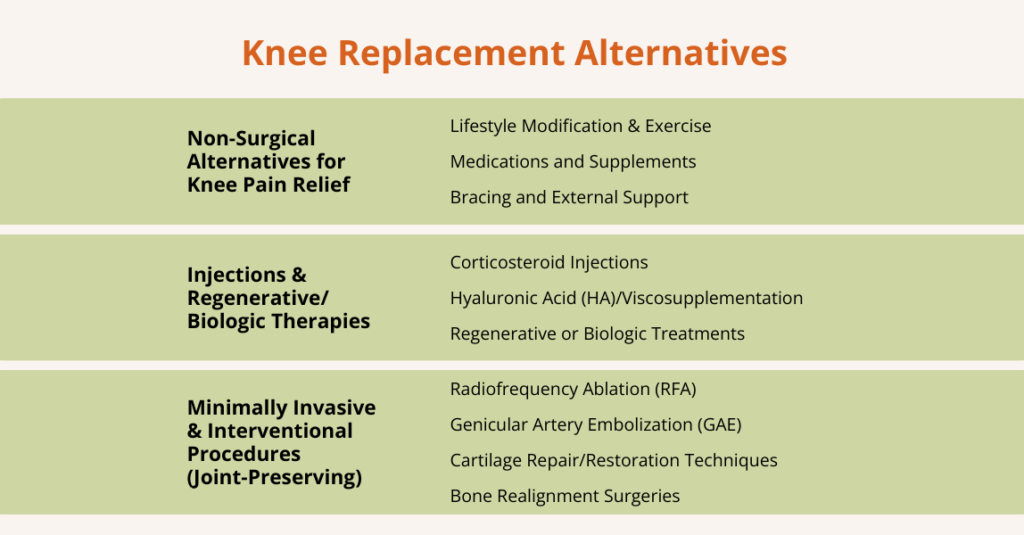
For example, Genicular Artery Embolization (GAE) is a minimally invasive procedure used mainly for knee osteoarthritis. It works by blocking tiny inflamed blood vessels around the knee joint that contribute to pain.
By reducing inflammation, GAE can relieve pain, improve mobility, and help some patients delay or avoid knee replacement surgery. It does not repair damaged cartilage but can provide meaningful symptom relief.
Surgical Interventions
Considered when conservative treatments fail, and quality of life is severely impacted.
Arthroscopy: Cleans out debris and repairs torn cartilage. Primarily useful for specific mechanical symptoms, not generalized OA.
Osteotomy: Realigns bone to shift weight away from the damaged part of the joint (common in knee OA for younger, active patients).
Joint Replacement (Arthroplasty): The gold standard for end-stage, severe OA. Damaged joint surfaces are replaced with metal and plastic components.
How to Prevent Osteoarthritis?
While not all OA can be prevented, several strategies can help reduce risk:
Maintain a Healthy Weight: This is the most impactful modifiable factor for preventing knee pain and slowing its progression.
Stay Active with Smart Exercise: Regular, moderate exercise strengthens muscles and nourishes cartilage. Prioritize low-impact activities and include strength training.
Prevent Injuries: Use proper techniques and protective gear during sports and work. Rehabilitate fully from any joint injury.
Listen to Your Body: Pay attention to pain. It is a signal to modify activity, not necessarily to stop altogether.
Manage Blood Sugar: Evidence links diabetes to faster OA progression, likely due to systemic inflammation and advanced glycation end products (AGEs) that stiffen tissues.
Eat a Joint-Healthy Diet: A balanced diet supports overall health and may help maintain healthy cartilage.
Frequently Asked Questions (FAQs)
What does osteoarthritis feel like?
People with OA typically experience a deep, aching pain in the affected joint that worsens with use. As it progresses, you may experience stiffness when you first get up, a grating sensation when moving, and pain with everyday motions. Swelling and tenderness can make the joint feel full and sensitive to touch.
When does osteoarthritis start?
OA usually develops gradually and is most common in older adults. Symptoms often appear after age 50 and become more prevalent with advancing age. However, cartilage wear can begin earlier, especially if there was a prior joint injury or excessive joint stress. In fact, research shows that many people over age 60 have some OA changes on X-rays, even if they don’t have symptoms. If you have risk factors (like a knee injury, obesity, or family history), OA can start in middle age or even younger.
What is the best treatment for osteoarthritis?
There is no single best treatment; it is a personalized, multi-faceted approach. Non-drug strategies are considered first-line: staying active, doing physical therapy exercises, and losing weight if needed. These lifestyle measures can reduce pain and improve joint function. Over-the-counter pain relievers (NSAIDs, acetaminophen) or topical creams can help control symptoms. For many patients, combining exercise, weight management, and pain medications works better than any single therapy. In more severe cases, doctors may add injections or recommend surgery.
Is osteoarthritis an autoimmune disease?
No. Osteoarthritis is not autoimmune. It is a degenerative (wear-and-tear) arthritis caused by the mechanical breakdown of joint cartilage, not by the immune system attacking the joint.
Conclusion
Osteoarthritis is a common joint condition that can cause pain, stiffness, and reduced mobility, often impacting daily life and overall well-being.
However, understanding the condition is the first step toward managing it effectively.
By noticing early symptoms and being aware of risk factors, such as past injuries, aging, or excess weight, you can take meaningful steps to protect your joints and your daily life.
The good news is that there are many ways to manage osteoarthritis and stay active.
Gentle, low-impact exercise, physical therapy, and maintaining a healthy weight all help keep your joints strong and flexible.
When pain persists, medications, injections, or minimally invasive treatments can provide relief and help you stay mobile.
With the right combination of lifestyle habits, professional guidance, and support, most people with osteoarthritis can continue to live active, fulfilling lives.
A stiff knee is a very common problem that can happen to anyone.
For some, it may develop after physical activity or overuse, while for others, especially older adults, it can be linked to natural wear and tear in the knee joint.
When your knee feels stiff, you may find it hard to bend or straighten it fully. This limited movement is often accompanied by discomfort or pain, which can make everyday activities such as walking, standing, or climbing stairs difficult and frustrating.
While occasional stiffness might be a minor inconvenience, persistent symptoms can signal an underlying issue requiring attention. Ignoring these symptoms may allow the condition to worsen over time.
In this post, we explain what a stiff knee really means, explore the possible causes and warning signs, and discuss treatments you can try at home as well as professional care options.
What is a Stiff Knee?
A stiff knee is a sensation of tightness or resistance in the knee joint that limits normal movement.
You may find it hard to fully straighten (extend) or bend (flex) your knee. This stiffness can be accompanied by pain, swelling, or a feeling of “locking.”
It’s not a diagnosis itself but rather a symptom of various conditions affecting the joint’s structures, including bones, cartilage, ligaments, tendons, or the joint lining.
For example, if a meniscus cartilage is torn or a ligament is stretched, you might feel the knee locking or catching and unable to straighten. Likewise, arthritis causes swelling of the joint surfaces, making movement feel painful and limited.
What are the Causes of a Stiff Knee?
Knee stiffness can arise from a variety of causes, including injuries, wear and tear, inflammation, and infection. Potential causes of knee stifness include:
Meniscus or Cartilage Injury
The menisci are C-shaped cushions of cartilage between the thighbone and shinbone. A sudden twist or fall can tear a meniscus, or age-related wear can weaken it.
When the meniscus tears, the knee often locks or becomes stiff because the torn fragment blocks motion. Patients may hear or feel a pop when it tears, then notice:
Pain and swelling around the knee
Locking or catching, inability to fully straighten the knee
Loss of motion and a feeling that the knee might give way
Even if you can still walk, the knee may feel stiff or stuck. Torn cartilage is a common cause of acute stiffness, and it often requires imaging or a doctor’s exam for diagnosis.
Ligament Sprains or Tears
Ligaments are strong bands that connect the knee bones. A sudden twist, impact, or hyperextension can sprain or tear a ligament.
This usually causes immediate pain and swelling, which in turn makes the knee stiff. You might also feel the knee is unstable or weak. Common signs include:
Instability, like a sensation that the knee may buckle or give out
Limited motion and difficulty bending or straightening the knee fully.
For example, an anterior cruciate ligament (ACL) tear often causes rapid swelling (hemarthrosis) and a sensation of the knee locking in place. Like a torn meniscus, a torn ligament usually causes stiffness until it heals or is repaired.
Fracture (Broken Bone around the Knee)
A bone fracture in or near the knee (such as a broken kneecap, tibia, or femur) makes the knee very stiff. The fracture causes severe pain, swelling, and, in many cases, a visible deformity, thereby preventing normal knee movement.
Symptoms of a knee-area fracture include:
Severe pain, especially with any weight on the leg
Swelling and bruising around the knee
Tenderness and deformity (the knee may look “out of place” or bent)
Because a fracture is an emergency, it must be treated right away (often with immobilization or surgery). Without proper alignment, broken pieces will keep the knee locked and stiff.
Post-Surgical Scar Tissue (Arthrofibrosis)
Sometimes, after surgery (or a bad injury), the knee heals with too much scar tissue in the joint. This condition, called arthrofibrosis or “stiff knee syndrome,” literally glues down the joint.
Excess scar tissue makes bending or straightening the knee very difficult. People with arthrofibrosis typically have:
Progressively worsening pain and stiffness after surgery
Swelling and a feeling of heat in the knee
Difficulty fully extending the knee (often the leg stays slightly bent)
Research shows that about 2–35% of patients develop arthrofibrosis after major knee operations like ACL reconstruction or joint replacement.
Tendonitis or Bursitis
Overuse or irritation of knee tendons and bursae can also cause stiffness. For example, patellar tendonitis (“jumper’s knee”) inflames the tendon below the kneecap.
Likewise, bursitis inflames a fluid-filled sac (bursa) in the knee (often in front of or inside the knee). Both lead to swelling and pain that limit motion. Typical features include:
Patellar (knee) tendonitis: Pain and tenderness at the front of the knee, especially just below the kneecap.
Knee bursitis: Painful swelling over a bony point of the knee. The area often feels warm, tender, and swollen, and knee movement may be painful or limited.
In both cases, inflammation makes the joint feel tight and usually worsens with activity (e.g, jumping or climbing stairs).
Weak or Tight Knee Muscles
The muscles around your knee, especially the quadriceps (front of the thigh) and hamstrings (back of the thigh), play a key role in supporting and stabilizing the joint.
If these muscles are weak, the knee can move less smoothly and may be more prone to injury. On the other hand, if the muscles are very tight, they can pull on the joint unevenly, limiting motion and making the knee feel stiff.
Research has shown that tight quadriceps muscles can increase stress on the knee joint and may contribute to the development of osteoarthritis over time.
Osteoarthritis (OA) is the most common reason for long-term knee stiffness. In OA, the cartilage cushioning the joint gradually wears away.
As the cartilage thins, bone rubs on bone, and small bony spurs (osteophytes) can grow. This leads to chronic pain, swelling, and stiffness. As a result, individuals often notice stiffness when rising from a seated position or upon waking.
Rheumatoid and Other Inflammatory Arthritis
Autoimmune arthritis (like rheumatoid arthritis, psoriatic arthritis, or lupus) attacks the knee’s lining (synovium) and causes chronic inflammation.
In rheumatoid arthritis (RA), for example, the immune system inflames the joint lining, leading to swelling, warmth, and pain. This inflammation causes the knee to become extremely stiff, particularly in the morning or after rest, resulting in:
Other inflammatory diseases, such as gout or pseudogout (see below), similarly cause episodes of sudden pain and stiffness. Overall, any form of chronic arthritis means ongoing joint swelling that leads to limited motion and stiffness.
What are the Symptoms of a Stiff Knee?
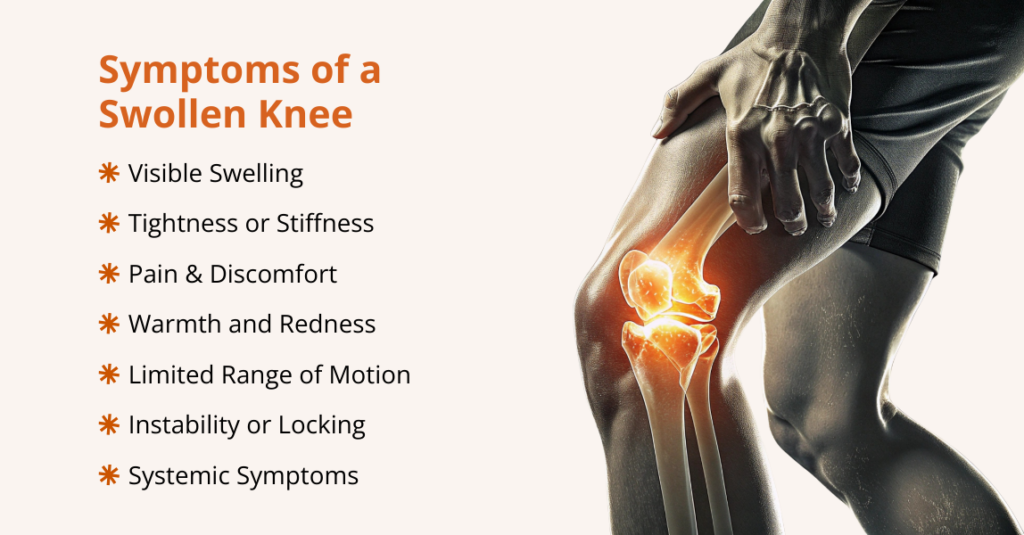
A stiff knee often comes with other symptoms. These may include:
Pain: You may feel aching, burning or stabbing pain in the knee. Bel Marra Health notes that a stiff knee often brings sharp or aching pain, especially when moving.
Swelling and Redness: Inflammation often causes the knee to swell. Warmth and redness can occur if there is active inflammation or infection.
Limited Range of Motion: You might not be able to fully bend or straighten the knee. The joint may feel locked or catch at certain angles.
Grinding or Popping: You may hear or feel noises in the knee, such as creaking, clicking or grinding sounds (called crepitus) when moving an arthritic knee.
Instability or Giving Way: The knee may feel weak or buckle under weight. Ligament injuries or advanced arthritis can make the knee unstable.
Stiffness After Rest: Knees with arthritis or inactivity may feel especially stiff after sitting or sleeping. It often eases with light movement
Other Associated Symptoms: Other symptoms like fever, severe pain at rest, or knee deformity are less common but important red flags.
Importantly, a key point is that stiffness often comes with some pain or swelling, though the knee may not always be very painful.
Treatments for Stiff Knees
The most suitable treatment for knee stiffness depends on the cause and severity. Mild stiffness often improves with home care, while persistent or severe cases may need medical treatments.
At-Home Care
For many people, simple home remedies can significantly ease knee stiffness:
RICE/PRICE
Rest the knee to avoid further strain. Apply Ice packs for 10–20 minutes several times a day to reduce swelling. Use Compression (an elastic bandage or sleeve) to support the knee and minimize swelling.
Elevate the leg on pillows to help drain fluid. The “PRICE” principle (Protect, Rest, Ice, Compress, Elevate) is often recommended for early stiffness relief.
Gentle Exercise & Stretching
Once acute pain subsides, gentle motion helps keep the knee flexible. Strengthening the muscles around the knee (quadriceps, hamstrings) can reduce stress on the joint.
For example, straight-leg raises, hamstring curls, and half-squats (within a pain-free range) build support for the knee. Stretches like heel slides, calf stretches, and using a strap for assisted knee stretches improve range of motion.
Cold packs (cryotherapy) can numb pain and reduce inflammation. You can also use heat (warm bath or heating pad) to relax tight muscles before activity.
For example, using heat before exercise and icing afterward is a common strategy.
Supportive Devices
A knee brace or compression sleeve can help stabilize the knee and prevent movements that worsen stiffness. Even taping the knee or using a simple bandage can offer support during recovery.
Self-Massage
Gently massaging the muscles around the knee (quads, hamstrings) can improve circulation and relieve tightness. Some people also use topical ointments (menthol, capsaicin creams) for temporary relief, although these effects are mild.
Lifestyle Changes
Adjusting daily habits can help relieve chronic stiffness and prevent flare-ups:
Maintain a Healthy Weight
Excess weight puts extra load on the knees. Losing even a small amount of weight can reduce pressure and stiffness in the knee joint.
Research shows that weight loss can significantly reduce knee stiffness and pain. Even modest weight reduction improves symptoms.
For every 1% of body weight lost, knee pain, stiffness, and physical function scores improve by about 2%. Larger weight loss leads to even greater benefits.
Anti-Inflammatory Diet
A balanced diet rich in fruits, vegetables, whole grains, and omega-3 fats (fish oil, walnuts) can help control inflammation.
If gout is the issue, limiting red meat, alcohol, and sugary drinks can lower uric acid levels and reduce knee flares.
Regular Low-Impact Exercise
Incorporate joint-friendly exercise into your routine. Water aerobics, cycling, or walking on soft surfaces strengthen knee muscles without jarring the joints.
Avoid Prolonged Inactivity
Don’t stay seated or standing still for too long. If you have a desk job or long drives, take breaks to stand, walk, and gently bend your knees.
Proper Footwear and Support
Wear shoes with good arch support and cushioning. Avoid high heels or unsupportive shoes that can alter your knee alignment. In some cases, orthotic inserts or a cane (to offload the knee) can help.
Practice Good Posture
When walking or exercising, use proper form. Strong hip and core muscles take some burden off your knees.
Quit Smoking
While not a direct cause of knee stiffness, smoking impairs blood flow and slows healing, which can make recovery from knee problems harder.
By making these lifestyle changes, you can minimize factors that contribute to knee stress and stiffness.
Professional Treatments
If stiffness persists or is severe, medical intervention may be needed.
Medical Evaluation
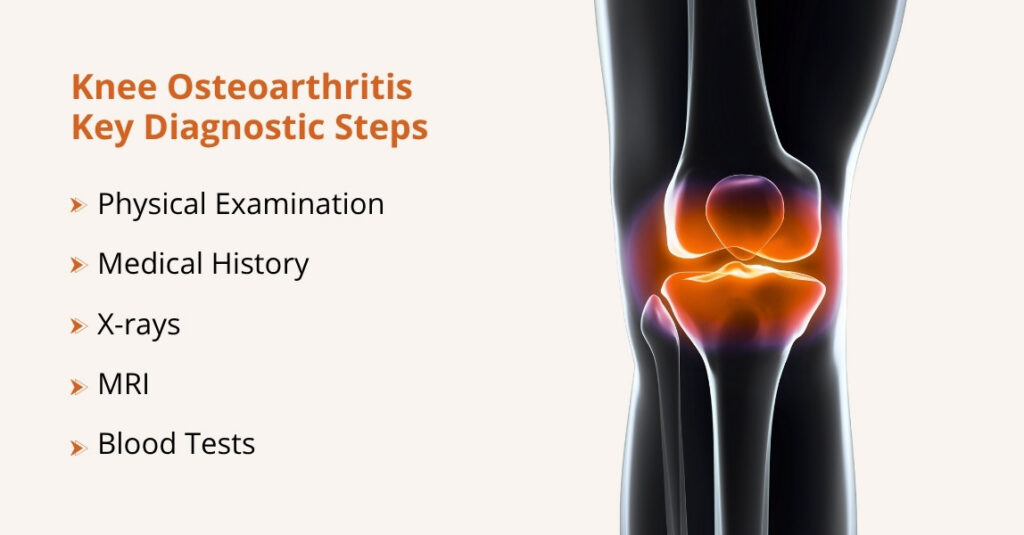
A doctor will take a history (how the knee stiffened, what aggravates it) and perform a physical exam. Also, they may order imaging tests (X-ray, MRI) to look for arthritis, fractures, ligament tears, or meniscus injuries.
Physical Therapy
A physical therapist can design a personalized exercise program to increase knee flexibility and strength. PT is often the first-line professional treatment for stiffness.
Exercises may include guided range-of-motion stretches, strengthening routines, balance training, and manual therapy.
Medications
In addition to OTC drugs, doctors can prescribe stronger anti-inflammatories, pain relievers, or muscle relaxants if needed.
Corticosteroid Injections
For many kinds of knee inflammation (arthritis flare, bursitis), injecting a corticosteroid into the knee joint can dramatically reduce swelling and stiffness for weeks to months.
Viscosupplementation
In osteoarthritis, injections of hyaluronic acid derivatives (gel) can sometimes improve lubrication in the joint and reduce stiffness, though results vary.
Knee Bracing and Orthotics
A doctor or therapist can fit you for a specialized knee brace or orthotic insert (shoe insert) to realign or relieve the joint.
Surgery
If conservative treatments fail, possible procedures include arthroscopic surgery to trim torn meniscus or remove scar tissue, ligament reconstruction (e.g. ACL repair), or knee replacement for advanced arthritis.
The most suitable treatment for knee stiffness depends entirely on the cause and severity. That is why a doctor’s evaluation is important if home remedies don’t help or symptoms worsen.
Frequently Asked Questions (FAQs)
Why does my knee feel stiff?
Your knee feels stiff because something is interfering with the normal, smooth mechanics of the joint. Stiffness occurs when the hinge becomes swollen, tight, or lacks adequate support.
Here’s why that might be happening:
Inflammation and Swelling: Whether from an injury (such as a sprain or tear) or arthritis, inflammation causes fluid and swelling within the joint. This physically limits space and makes movement difficult and stiff.
Muscle Weakness or Tightness: Weak muscles, especially in the thighs, fail to stabilize the joint properly. Tight muscles in the hips or legs can also pull on the knee, causing stiffness and restricting motion.
Structural Changes: Conditions like osteoarthritis wear down the smooth cartilage that cushions your knee. This can lead to bone spurs and joint space loss, resulting in stiff, gritty movement.
Weight and Pressure: Carrying extra weight places significantly more pressure on the knees with each step, which can accelerate wear and contribute to stiffness.
For example, after sitting for a while, fluid can settle in the knee, and your muscles cool down, making the joint feel stiff until you move.
Is walking good for a stiff knee?
Generally, yes, walking is a gentle, low-impact exercise that can actually help a stiff knee. Moving the knee promotes circulation and lubricates the joint, which can reduce stiffness over time. However, start slowly and stop if walking causes sharp pain. If weight-bearing is painful, you might use walking aids or perform exercises in a pool until the knee gets stronger.
Does knee stiffness ever go away?
Yes, knee stiffness can go away, but it depends on the underlying cause. In many cases, stiffness caused by minor injuries, muscle tightness, overuse, or temporary inflammation improves with rest, gentle movement, stretching, and proper treatment.
Can you reverse stiff knees?
In some cases, stiff knees can be reversed, but it depends on what is causing the stiffness. When stiffness is due to muscle tightness, weakness, minor injuries, or inflammation, it can often be improved, or even fully reversed, with targeted exercises, stretching, physical therapy, and lifestyle changes such as weight management. However, if stiffness is caused by long-term joint damage, such as advanced osteoarthritis, the structural changes cannot be completely reversed.
When to see a Doctor for a stiff knee?
You should see a doctor for a stiff knee if you notice any of the following:
Knee stiffness that lasts more than a few days or continues to worsen
Severe or persistent knee pain that does not improve with rest
Significant swelling, redness, or warmth around the knee
Inability to fully bend or straighten the knee
The knee locks, catches, or feels stuck during movement
The knee gives way or feels unstable when walking or standing
Stiffness following a fall, twist, or direct injury to the knee
Fever or signs of infection along with knee pain or swelling
Seeking medical care early can help identify the cause of knee stiffness and prevent further joint damage.
Conclusion
Knee stiffness can be a source of worry and discomfort, but understanding its causes and treatments can help you regain movement.
Stiffness most often comes from injuries or arthritis, which inflame the joint and limit motion.
Thankfully, many cases can be relieved with simple measures: resting, applying ice, taking anti-inflammatories, and doing gentle exercises will often reduce stiffness
Also, lifestyle changes like weight control and low-impact exercise further aid recovery.
Listen to your body: if home remedies aren’t enough or warning signs appear, see a doctor for help in keeping your knees healthy and pain-free.
With the right care you can often work past stiffness to move more freely.
If you’ve been struggling with persistent knee pain from osteoarthritis, you’re not alone. Adults aged 45 and older who experience knee osteoarthritis often find limited relief from traditional treatments like medications, physical therapy, or injections. While many eventually face the prospect of knee replacement surgery, a revolutionary alternative is changing the treatment landscape: Genicular Artery Embolization (GAE).
GAE offers a minimally invasive path to lasting knee pain relief without the risks, lengthy recovery, and surgical trauma associated with traditional knee surgery. This breakthrough procedure is helping patients reclaim their mobility and quality of life through an outpatient treatment that takes just a few hours.
What Is Genicular Artery Embolization?
Genicular Artery Embolization is a minimally invasive procedure that treats chronic knee pain caused by osteoarthritis by reducing abnormal blood flow and inflammation in the knee joint. Unlike surgery that replaces or removes damaged joint tissue, GAE addresses the issues that cause osteoarthritis pain: synovial inflammation and abnormal blood vessel growth.
How GAE Works
Genicular Artery Embolization (GAE) is a minimally invasive procedure that targets one of the key sources of osteoarthritis pain — inflammation in the knee joint lining. When osteoarthritis develops, the synovial membrane (the soft tissue that lines the joint) can become inflamed and grow abnormal new blood vessels and pain-sensing nerves. These changes feed ongoing inflammation and increase pain sensitivity.
During the GAE procedure, an interventional radiologist makes a tiny incision, usually in the groin or wrist, and inserts a thin catheter into the bloodstream. Using advanced X-ray imaging, the doctor carefully guides the catheter to the genicular arteries, which supply blood to the knee joint. Once in position, microscopic embolic particles are gently released into these arteries. These particles block the abnormal small vessels that sustain inflammation in the joint. By reducing excess blood flow and calming pain-sensitive nerves, GAE helps decrease swelling and relieve pain.
The result is lasting pain reduction and improved knee function — all without removing any bone, cartilage, or healthy tissue.
The Benefits of GAE for Knee Osteoarthritis
Proven Pain Relief
Genicular Artery Embolization (GAE) has been shown in clinical studies to deliver lasting relief from knee pain and significant improvements in quality of life. Approximately 70-80% of patients experience significant pain reduction and improved function. Many patients report being able to walk longer distances, stay active, and return to their daily routines with greater comfort. Sleep quality often improves as nighttime pain decreases, and overall joint stiffness and inflammation are noticeably reduced.
GAE offers an effective, minimally invasive option for those seeking relief from chronic knee pain without surgery.
Minimally Invasive with Rapid Recovery
Unlike knee replacement surgery that requires large incisions, extended hospital stays, and months of rehabilitation, GAE is performed as an outpatient procedure. Most patients return home the same day with only a small bandage covering the catheter insertion site. Recovery is remarkably quick—many patients resume normal activities within one to two weeks, compared to the three to six months typically required after knee replacement.
No General Anesthesia Required
GAE is performed under moderate sedation, eliminating the risks associated with general anesthesia. This makes the procedure accessible to patients who might be considered high-risk surgical candidates due to age or other medical conditions like heart disease or diabetes.
Long-Lasting Results
Research shows that GAE provides sustained pain relief extending from 1-3 years or longer for many patients. For patients seeking to delay or avoid knee replacement surgery, GAE offers a durable solution that can provide years of improved function and quality of life.
Who Is a Candidate for GAE?
Genicular Artery Embolization (GAE) may be an excellent option for individuals seeking relief from chronic knee pain caused by osteoarthritis — especially when other treatments haven’t provided lasting results.
You may be a good candidate if you:
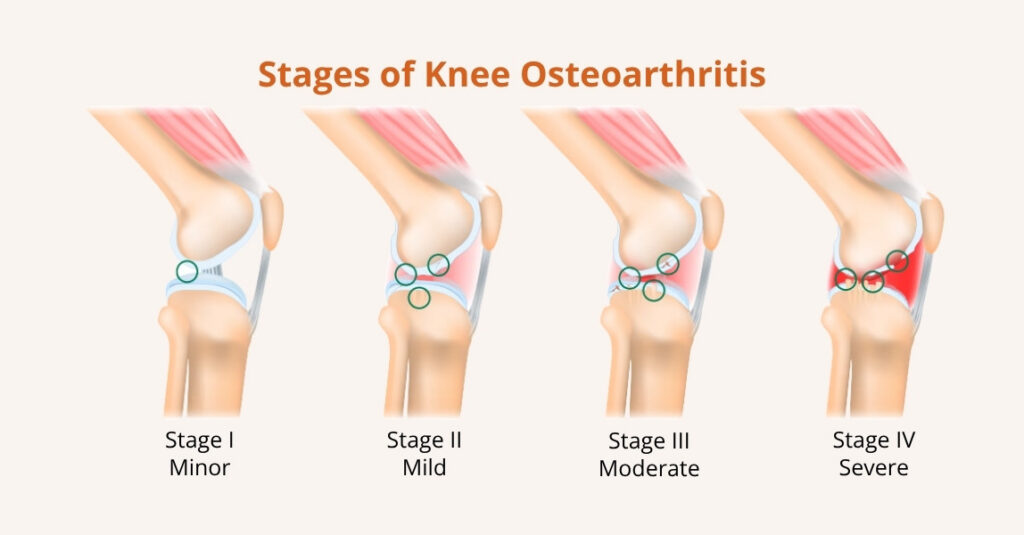
Have mild to moderate knee osteoarthritis (Kellgren–Lawrence grade 2–3)Experience persistent knee pain despite conservative treatmentsHave not found adequate relief from physical therapy, anti-inflammatory medications, or cortisone injectionsWish to avoid or delay knee replacement surgeryAre not a surgical candidate due to other medical conditionsHave preserved joint structure but ongoing pain from inflammation
Patients with more advanced osteoarthritis can still experience benefits from GAE, though outcomes are often more durable in earlier stages of the disease.
During your consultation, an interventional radiologist will review your imaging studies and medical history to determine whether GAE is the most appropriate treatment for your condition.
The GAE Procedure: What to Expect
Before Your Procedure
Your interventional radiologist will review your medical history, current medications, and imaging studies. You’ll receive detailed instructions about preparing for the procedure, including when to stop eating and drinking. Blood tests may be ordered to ensure your body can safely process the contrast dye used during imaging.
During the Procedure
On the day of your treatment, you’ll receive moderate sedation to keep you comfortable but awake. The interventional radiologist will numb the access site (typically your groin or wrist) and make a tiny puncture to insert the catheter. Using real-time X-ray guidance, the catheter is advanced to the genicular arteries supplying your knee.
Contrast dye is injected to visualize the blood vessels and identify the abnormal vessels contributing to your pain. Once identified, embolization material is carefully delivered through the catheter to block these vessels. The entire procedure typically takes one to two hours.
After the Procedure
Following the GAE procedure, you’ll rest in a recovery area for several hours while medical staff monitor you. Most patients experience minimal discomfort and are discharged home the same day with specific care instructions. You’ll be advised to avoid strenuous activities for a few days, but most people can walk immediately after the procedure.
Recovery and Results Timeline
Pain relief from GAE typically begins within one to two weeks as inflammation in the knee joint subsides. Many patients notice gradual, continued improvement over the following two to three months. During this time, the abnormal blood vessels remain blocked while your body’s normal circulation adapts to maintain healthy knee tissue.
You can expect to return to work within a few days, depending on your job’s physical demands. Low-impact activities like walking can usually resume almost immediately, while higher-impact activities may need to wait a few weeks. Your interventional radiologist will provide personalized guidance based on your recovery progress.
Experience GAE at Seamless Medical Centers
At Seamless Medical Centers in Port Arthur, TX, Dr. Zagum Bhatti and our team of board-certified interventional radiologists specialize in providing life-changing, minimally invasive procedures like Genicular Artery Embolization. Dr. Bhatti’s patient-first philosophy means we’re committed to helping you understand all your treatment options—even if that means recommending a procedure we don’t offer, because your health and wellbeing come first.
We understand that chronic knee pain significantly impacts every aspect of your life—from limiting your favorite activities to affecting your independence and overall well-being. GAE offers hope for those who thought surgery was their only option, providing an effective, minimally invasive alternative that can restore your quality of life with less pain, fewer risks, and faster recovery times.
Most insurance plans, including Medicare and Medicaid, cover medically necessary procedures like GAE. We’ll work with your insurance provider to verify coverage and obtain pre-authorization before scheduling your treatment.
If you’re tired of living with knee pain and want to explore whether GAE is right for you, we invite you to schedule a consultation with our team. We’ll thoroughly evaluate your condition, answer all your questions, and ensure you fully understand your options.
Contact Seamless Medical Centers Today
Ready to explore minimally invasive solutions for your knee pain?Phone: 409-213-9575Address: 3300 Jimmy Johnson Blvd, Suite #130, Port Arthur, Texas 77642
Call us or book your consultation online to learn how Genicular Artery Embolization can help you return to the activities you love—the seamless way.
Chronic knee pain from osteoarthritis doesn’t have to limit your mobility or quality of life. If you’re facing persistent knee discomfort that interferes with daily activities, you’re among millions of Americans seeking effective relief that doesn’t require major surgery.
Genicular Artery Embolization (GAE) represents a groundbreaking approach to treating knee pain that’s changing the landscape of arthritis care. At Seamless Medical Centers, we’re proud to offer this innovative, minimally invasive procedure that provides significant pain relief without the risks and lengthy recovery associated with knee replacement surgery.
Understanding Genicular Artery Embolization
Genicular Artery Embolization is a cutting-edge procedure that targets the abnormal blood vessels feeding inflammation around the knee joint. By blocking these specific vessels with microscopic particles, GAE reduces inflammation and provides significant pain relief for patients with osteoarthritis.
The GAE process:
Tiny particles are delivered through a small catheter to block specific knee arteriesReduced blood flow to inflamed tissue decreases pain and inflammationJoint structure remains intact while symptoms improveBenefits develop progressively over weeks to months
The Science Behind Knee Pain and GAE
Recent research has revealed that chronic knee pain from osteoarthritis is often associated with increased blood flow to inflamed tissue around the joint. This abnormal vascularization contributes to both pain and ongoing inflammation.
GAE works by:
Precisely targeting these abnormal blood vessels
Reducing inflammatory activity around the joint
Decreasing pressure on pain-sensitive nerve endings
Preserving normal blood flow to healthy tissue
Who Benefits from GAE?
GAE is particularly well-suited for patients who:
Experience moderate to severe knee pain from osteoarthritis:
Daily pain that limits walking, climbing stairs, or normal activities
Pain that persists despite conservative treatments
Stiffness and reduced range of motion
Difficulty sleeping due to knee discomfort
Want to avoid major surgery:
Concerned about risks associated with knee replacement
Desire to maintain their natural knee joint
Need faster recovery to return to work or activities
Prefer outpatient treatment options
Haven’t found adequate relief with other treatments:
Limited improvement with physical therapy or medications
Temporary relief from injections that doesn’t last
Side effects from pain medications
Looking for a more definitive treatment approach
GAE vs. Traditional Knee Treatments
GAE vs. Knee Replacement Surgery
GAE advantages:
No surgical incisions or bone cutting
Preserves natural knee joint and structure
Same-day outpatient procedure
Return to activities within 1-2 days
No risk of implant complications
May delay or prevent need for knee replacement
GAE vs. Steroid Injections
GAE advantages:
Longer-lasting relief (months to years vs. weeks to months)
Addresses underlying inflammation rather than masking symptoms
No repeated procedures needed
No risk of cartilage damage from repeated injections
GAE vs. Physical Therapy and Medications
GAE advantages:
Targets the source of inflammation directly
Provides relief when conservative measures have failed
Reduces dependence on pain medications
Complements rather than replaces healthy lifestyle approaches
The GAE Procedure: What to Expect
Understanding the process helps ease concerns about this innovative treatment:
Pre-Procedure Evaluation:
Comprehensive assessment of knee pain and function
Review of previous treatments and their effectiveness
Imaging studies to evaluate knee structure and blood flow
Discussion of expectations and recovery plan
During the Procedure:
GAE is performed under local anesthesia and mild sedation
A tiny catheter is inserted through a small puncture in the upper thigh or foot
Using X-ray guidance, your doctor navigates to the abnormal blood vessels
Microscopic particles are precisely delivered to block inflammation-feeding vessels
Typical procedure time is 1-2 hours
Immediate Recovery:
Brief monitoring period before discharge home
Return to normal activities within 1-2 days
Specific post-procedure instructions provided
Follow-up appointments scheduled to track progress
Recovery and Results Timeline
One of GAE’s most attractive features is the minimal recovery time:
First 1-2 Days:
Some soreness at the access site
Gradual return to normal walking and activities
Temporary increase in knee pain possible (normal inflammatory response)
Weeks 1-4:
Initial improvements in pain levels often noticeable
Reduced stiffness and improved mobility
Gradual increase in activity levels as comfort allows
Months 1-6:
Significant pain reduction typically achieved
Improved function and quality of life
Enhanced ability to participate in activities
Maximum benefits usually evident by 3-6 months
Benefits of GAE
Immediate benefits:
Minimally invasive approach with tiny incision
Outpatient procedure with same-day discharge
Local anesthesia avoiding risks of general anesthesia
Rapid return to normal activities
Long-term benefits:
Significant pain reduction in most patients
Preserved knee joint structure and function
Potential to delay or prevent knee replacement surgery
Improved quality of life and activity levels
Sustained relief lasting months to years
Potential Risks and Considerations
Like any medical procedure, GAE has potential risks, though they are generally minimal:
Minor risks:
Temporary increase in pain for 1-3 days post-procedure
Minor bruising or discomfort at the access site
Temporary swelling around the knee
Rare risks:
Small risk of non-target embolization
Allergic reactions to contrast material
Access site complications (very rare)
Individual response variation:
Not all patients experience the same degree of improvement
Some may need additional treatments for optimal results
Success rates vary based on arthritis severity and individual factors
Success Rates and Patient Satisfaction
Clinical studies demonstrate encouraging results for GAE:
Pain reduction:
Significant improvement in pain scores in 70-85% of patients
Average pain reduction of 40-60% at 6 months
Sustained benefits lasting 12 months or longer
Functional improvement:
Enhanced mobility and activity tolerance
Improved sleep quality due to reduced nighttime pain
Better overall quality of life measures
Reduced reliance on pain medications
Patient satisfaction:
High rates of patient satisfaction with the procedure
Most patients would recommend GAE to others
Low rates of serious complications or regrets
Who Should Consider GAE?
GAE may be ideal if you:
Have moderate to severe knee pain from osteoarthritis
Want to avoid knee replacement surgery
Haven’t found lasting relief with conservative treatments
Prefer a minimally invasive approach
Need to return to activities quickly
Want to preserve your natural knee joint
Seamless Medical Centers Advantage
Our interventional radiologists bring specialized expertise in advanced embolization procedures specifically designed for joint pain relief:
What sets us apart:
Board-certified interventional radiologists with extensive GAE experience
State-of-the-art imaging technology for optimal precision
Comprehensive evaluation to determine if GAE is right for you
Personalized treatment plans based on your specific needsComplete post-procedure support and follow-up care
Insurance Coverage and Accessibility
GAE is increasingly recognized by insurance providers as an effective treatment for knee osteoarthritis:
Coverage considerations:
Growing insurance coverage for GAE procedures
Often covered when conservative treatments have failed
Cost-effective compared to knee replacement surgery
Reduced indirect costs due to faster recovery
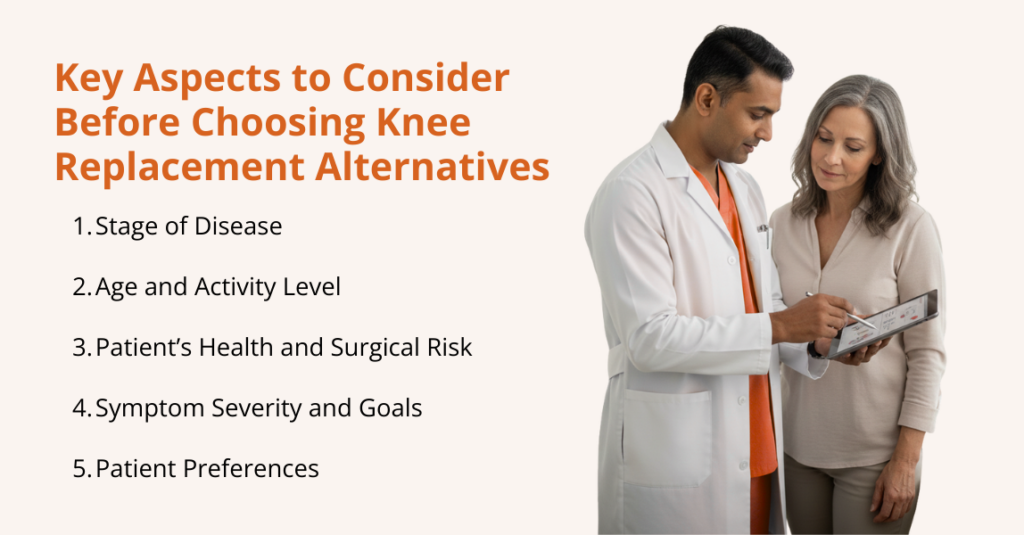
Making an Informed Decision
Choosing treatment for knee osteoarthritis involves multiple considerations:
Medical factors:
Severity of arthritis and pain levels
Previous treatments tried and their effectiveness
Overall health status and ability to heal
Anatomy and suitability for the procedure
Lifestyle factors:
Activity goals and expectations
Work and family responsibilities
Recovery time preferences
Risk tolerance and treatment philosophy
Your Consultation Process
During your GAE consultation, we’ll thoroughly evaluate:
Your knee pain history and current symptoms
Previous treatments and their outcomesImaging studies to assess your knee condition
Suitability for GAE based on your specific situation
Realistic expectations for pain relief and functional improvement
Moving Forward
Knee osteoarthritis doesn’t have to control your life. If conservative treatments haven’t provided the relief you need, GAE offers a promising alternative that can help you regain your mobility and quality of life without major surgery.
Ready to learn more about GAE?
Contact us to schedule your consultation. Our experienced team will evaluate your specific situation and determine if this innovative treatment is right for your knee pain needs.