Category: Patient Education

Guides to how minimally invasive, image-guided procedures actually work, what recovery involves, and how to prepare for a consultation or for treatment.

  • Can Fibroids Be Cancerous?

    Can Fibroids Be Cancerous?

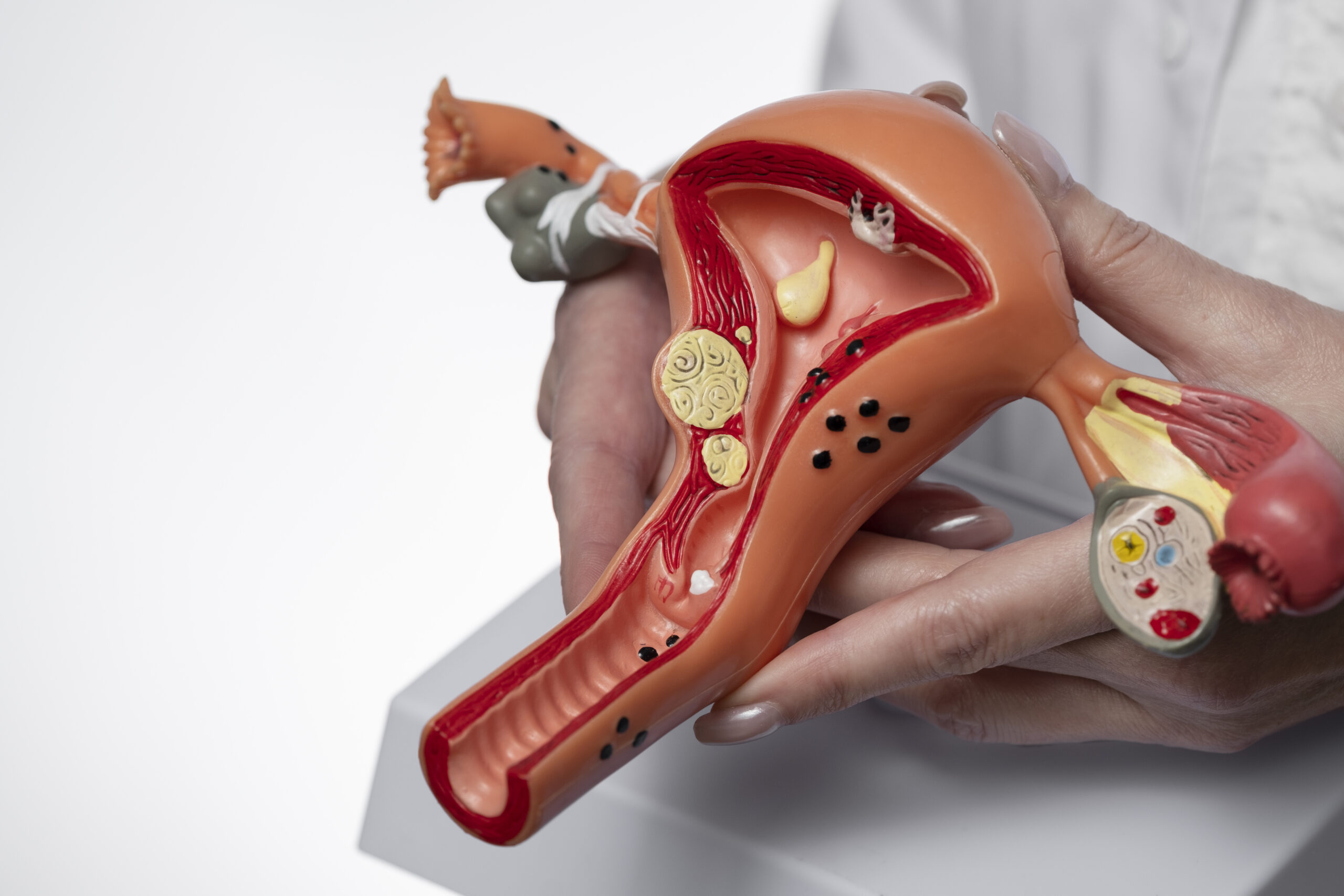
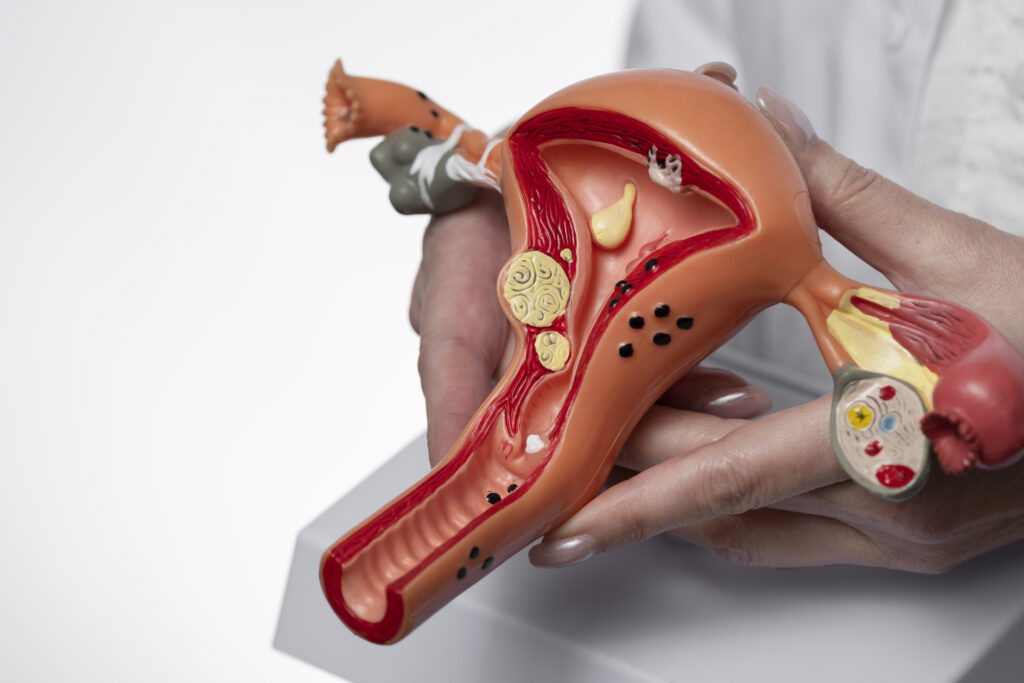
    The current image has no alternative text. The file name is: hand-holding-uterus-ovary-model-scaled.jpg

    You have been told you have fibroids, and somewhere between the appointment and now the question arrived anyway. Possibly a scan report used a word you did not recognise. Possibly you have been managing symptoms for years and started wondering what else might explain them. Either way you want a straight answer rather than a reassuring one.

    The straight answer is this. Fibroids are benign growths of uterine muscle tissue, and they do not turn into cancer. There is a separate, rare cancer of the uterine muscle called leiomyosarcoma, and because it arises in the same tissue it can resemble a fibroid on imaging. It is not a fibroid that became malignant — it is a different condition from the outset. That distinction is the whole substance of this question, and it is the part most sources skip.

    At Seamless Medical Centers, Dr. Zagum Bhatti, Board-Certified Interventional Radiologist and Founder & Chief Medical Officer of Seamless Medical Centers, this question comes up in most consultations even when nobody raises it out loud. It deserves a direct answer, which is what follows — including the parts that are less tidy than a simple reassurance.

    Fibroids Are Benign, and They Do Not Become Malignant

    A fibroid is an overgrowth of the smooth muscle tissue that makes up the wall of the uterus, wrapped in fibrous material and fed by its own blood supply. They are extremely common — most women develop at least one during their reproductive years — and the overwhelming majority cause either no symptoms at all or symptoms that are a quality-of-life problem rather than a health threat.

    It helps to know why the word benign is used so confidently here. A fibroid is defined by what its cells actually are when examined — orderly smooth muscle tissue, growing in a contained mass, without the features that characterise malignant tissue. This is not a probabilistic reassurance about fibroids as a category; it is what the diagnosis means. A growth that turned out to have different cellular features would not be called a fibroid.

    The transformation model many women have in mind, where a benign growth gradually turns into a malignant one over time, does not describe what happens here. Having fibroids does not raise your risk of uterine cancer, and having had them for many years does not accumulate risk. A fibroid you have carried for a decade is not more dangerous for having been there a decade.

    This also means that a fibroid growing is not, in itself, a warning sign. Growth is what fibroids do, it is slow and uneven and varies enormously between women, and our guide to how fast fibroids grow covers what is and is not known about it. Size, similarly, is a poor predictor of almost everything — our guide to fibroid size and what it actually determines explains why position matters more.

    The Separate Condition, and Why It Causes Confusion

    Leiomyosarcoma is a cancer that arises in the smooth muscle of the uterus. It is rare — substantially rarer than fibroids, which are among the most common conditions in women — and it is a distinct disease rather than a stage of one. The confusion exists because both develop in the same tissue and can therefore look similar on a scan.

    It is most often found in women past menopause, though not exclusively, and it tends to behave differently from a fibroid: growing quickly rather than slowly, and frequently appearing at a point in life when fibroids would ordinarily be becoming less active rather than more. Those behavioural differences are what raise or lower suspicion clinically, far more than any single feature on a scan.

    It is worth holding the proportions in mind while reading this. Fibroids are ordinary; this condition is rare. Most women reading this page have fibroids and will simply have fibroids. The reason it merits a clear explanation rather than a passing mention is that a vague answer leaves the question open, and an open question is considerably more corrosive than an honest one.

    Why Imaging Cannot Fully Settle It

    Here is the part usually left out, and it is the reason this page exists. Ultrasound and MRI can characterise a growth in real detail — size, position, blood supply, tissue characteristics — and MRI in particular can identify features that make one explanation more or less likely. What no scan can do is provide a definitive answer, because that requires examining the tissue itself under a microscope. Our guide to what your fibroid imaging shows covers what a report can and cannot establish.

    This is not a gap in your particular care or a limitation of a particular clinic. It is inherent to the two conditions arising in the same tissue. In practice it rarely changes anything: the overwhelming likelihood in any given case is a fibroid, and treatment proceeds on that basis. It matters in the small number of situations where the clinical picture is genuinely unusual, and knowing about it in advance means that if your clinician suggests a different approach, you understand why rather than being alarmed by it.

    It is also worth being clear about what happens in the ordinary case, because the paragraph above can read as more ominous than the reality warrants. For the vast majority of women, imaging shows fibroids, the picture is entirely consistent, nobody raises any other possibility, and treatment proceeds on that basis without the question ever arising. The uncertainty described here is real in principle and almost never operative in practice, which is precisely why it belongs in a paragraph rather than a warning.

    The practical upshot is that clinical judgement carries the weight here — how the growth is behaving, at what age, alongside which symptoms. That is a more reliable guide than any single scan feature, and it is why a specialist reviewing your actual imaging and history is worth more than any amount of reading.

    What Would Prompt Closer Attention

    A short list of situations leads clinicians to look harder rather than proceed on assumption. Rapid growth over a short period, particularly where growth is clearly out of keeping with the slow pattern fibroids usually follow. Growth after menopause, when declining hormones would ordinarily make fibroids less active. New or unusual symptoms that do not fit the fibroid picture, including bleeding after menopause has completed — which is always a reason for prompt assessment, whatever the suspected cause. Our guide to how fibroids are diagnosed sets out the evaluation.

    Worth adding to that list is the situation where symptoms and imaging simply do not match — significant symptoms with findings that do not account for them, or the reverse. That mismatch is common and almost always has an ordinary explanation, frequently adenomyosis or a second condition alongside the fibroids. It earns further evaluation rather than a procedure, which is the same conclusion the rest of this cluster keeps arriving at from different directions.

    If any of those apply to you, the appropriate response is an appointment, not alarm. Each of them has ordinary explanations that are far more likely than the rare one, and the point of assessment is to establish which applies rather than to confirm a fear. What none of them warrants is waiting to see whether things settle.

    And if none of them applies — if you have fibroids that are behaving the way fibroids behave, producing the symptoms fibroids produce — then the honest answer to the question that brought you here is that this is not what you are dealing with, and the more useful question is what to do about the symptoms you actually have.

    What This Means for Treatment

    For the great majority of women, this question does not change the treatment conversation at all. Where fibroids are confirmed and symptoms warrant treatment, the options are the usual ones: medical management, uterine fibroid embolization, myomectomy, and hysterectomy. Our overview of how UFE works and who it helps covers candidacy, and our comparisons of UFE and hysterectomy and UFE and myomectomy set out the alternatives.

    There is one genuine exception, and it is worth stating plainly. Where malignancy is actively suspected, embolization is not the appropriate path. Procedures that shrink or remove growths without producing tissue for examination are not how you answer a diagnostic question — that requires a diagnosis first, and a treatment plan built on it. Any specialist should tell you this unprompted; it belongs in the same category as the other honest limitations set out in our guide to UFE side effects and who it suits less well.

    If the question has been weighing on you, it is worth raising it out loud at your next appointment rather than carrying it. Clinicians are entirely used to it, it takes very little time to address in the context of your own imaging and history, and a specific answer about your situation settles it far more effectively than any general reading can. Women frequently leave consultations having discussed everything except the thing that worried them most.

    In practice this means that a thorough evaluation before treatment serves two purposes at once. It establishes whether your fibroids explain your symptoms, which is what determines whether treating them will help. And it establishes that the clinical picture is what it appears to be. Both are reasons to want the assessment done properly rather than quickly, and both are questions you are entitled to ask directly.

    Frequently Asked Questions

    Can fibroids turn into cancer?

    No. Fibroids are benign growths of uterine muscle and do not transform into malignant ones. Leiomyosarcoma is a separate, rare cancer that arises in the same tissue and can resemble a fibroid on imaging, but it is a distinct condition rather than a fibroid that changed.

    Do fibroids increase my risk of uterine cancer?

    Having fibroids does not raise your risk of uterine cancer. Nor does having had them for many years accumulate risk over time.

    Does a fibroid growing mean something is wrong?

    Growth is normal fibroid behaviour and is usually slow and uneven. What prompts closer attention is growth that is rapid and clearly out of keeping with that pattern, or growth occurring after menopause when fibroids would ordinarily become less active.

    Can an ultrasound tell whether a growth is cancerous?

    Imaging can characterise a growth in detail and identify features that make one explanation more or less likely, and MRI adds considerably to that. No scan provides a definitive answer, because that requires examining the tissue itself. In practice the overwhelming likelihood is a fibroid, and clinical judgement guides the rest.

    Should I have my fibroids removed just to be safe?

    Fibroids causing no symptoms are usually monitored rather than treated, and being benign is precisely why that approach is reasonable. Treatment decisions are guided by symptoms rather than by precaution against a condition fibroids do not become.

    What symptoms should prompt prompt evaluation?

    Bleeding after menopause has completed, rapid change in size, and new symptoms that do not fit your usual pattern. Each has ordinary explanations that are far more likely, and each is a reason to be seen rather than to wait.

    Is UFE appropriate if malignancy has been raised as a possibility?

    No. Where malignancy is actively suspected, the priority is establishing a tissue diagnosis rather than performing a procedure that shrinks a growth without producing tissue for examination. Treatment planning follows diagnosis, not the other way around.

    Is UFE appropriate if I want to become pregnant?

    Uterine fibroid embolization is generally not recommended as a first-line option for women planning future pregnancy; myomectomy is typically preferred in that situation. Raise your fertility plans at consultation so the recommendation reflects them.

    Talk to a Specialist About Your Symptoms

    If you want a specialist’s read on what your imaging actually shows, Contact Seamless Medical Centers to discuss your options. An evaluation establishes what is driving your symptoms and what can reasonably be done about it.

    Phone: 409-213-9575

    Address: 3300 Jimmy Johnson Blvd, Suite #130, Port Arthur, Texas 77642

    Medical Disclaimer

    Individual results may vary. This information is for educational purposes only and should not replace professional medical advice. Treatment decisions should be made in consultation with qualified healthcare providers.

    Published by Seamless Medical Centers | Clinical information reflects the expertise of Dr. Zagum Bhatti, MD, Board-Certified Interventional Radiologist, Founder of Seamless Medical Centers.

    Why Choose Seamless Medical Centers?

    • Minimally Invasive: Most procedures require only a small incision and are performed as outpatient services.
    • Expert Care: Board-certified interventional radiologists with extensive training and experience.
    • Faster Recovery: Less downtime compared to traditional surgery, getting you back to your life sooner.
    • Advanced Technology: State-of-the-art imaging and treatment equipment for precise, effective care.
    • Patient-Centered: Personalized treatment plans tailored to your unique needs and goals.

    Published by Seamless Medical Centers

    Clinical information on this site is based on the expertise of Zagum Bhatti, M.D. — Board Certified in Interventional Radiology/Diagnostic Radiology (American Board of Radiology), dual-fellowship-trained (Neuroradiology; Vascular & Interventional Radiology, Rush University Medical Center), former Assistant Professor of VIR at UTHealth Houston, and Founder & Chief Medical Officer of Seamless Medical Centers.


    Read Dr. Bhatti’s full profile →

  • PAE Insurance Coverage and Referrals: How the Process Works

    PAE Insurance Coverage and Referrals: How the Process Works

    The current image has no alternative text. The file name is: this-is-your-booking-trip-young-man-planning-vacation-about-sign-purchase-agreement-with-travel-agent-scaled.jpg

    Two questions tend to sit unspoken behind the clinical ones. Will insurance cover this, and do I need someone to send me. Both are reasonable, both affect whether treatment actually happens, and both are answered less often than they should be — partly because the honest answer involves more variability than anyone likes to put in writing.

    What follows is an explanation of how the process works rather than a set of figures, because figures that are accurate for one man’s plan are misleading for another’s. Coverage for prostate artery embolization varies by insurance provider and by policy, and the only number that means anything is the one produced by verifying your specific plan.

    At Seamless Medical Centers in Port Arthur, Texas, Dr. Zagum Bhatti, Board-Certified Interventional Radiologist and Founder & Chief Medical Officer of Seamless Medical Centers, performs PAE, and coverage verification is handled by the practice rather than left to the patient.

    Is PAE Covered by Insurance?

    Coverage varies by insurance provider and by policy. Many major insurance plans now cover PAE when it is medically necessary, though some may still consider it investigational. Both halves of that sentence matter, and the gap between them is where most of the uncertainty in this area lives.

    The phrase “medically necessary” is doing real work. Coverage generally attaches to documented symptomatic benign prostatic hyperplasia, established through the evaluation rather than asserted — symptom history and scoring, prostate volume measurement, and often documentation that conservative measures have been tried. That is one of several reasons the workup precedes the procedure. Our post on how to prepare for PAE covers what that evaluation involves.

    The “investigational” designation is the other side. Some plans have not updated their coverage position, which produces the situation where two men with similar symptoms and similar prostates get different answers purely because of who insures them. This is also an area where positions shift over time as clinical evidence accumulates and professional bodies update their guidance — and PAE’s standing has moved recently, which is covered below.

    At Seamless Medical Centers, most major plans are accepted, including Medicare and Medicaid, and coverage is verified before your visit.

    How Pre-Authorization Works

    Most coverage for a procedure like PAE runs through pre-authorization, which means the insurer reviews the clinical documentation and issues a determination before the procedure rather than after. This is generally to your advantage: it means the coverage question is settled in advance rather than becoming a bill you did not expect.

    The practice works directly with your insurance provider to obtain pre-authorization and verify coverage. This is administrative work handled by the practice, not something you are expected to navigate yourself, and it is one of the more practical reasons to raise coverage early in the process rather than treating it as a final step.

    What gets submitted is essentially the clinical case: the documented diagnosis, the symptom assessment, the imaging establishing prostate size, and the record of what has already been tried. That is the same material the candidacy assessment produces, which is why the two processes run in parallel rather than in sequence.

    Our team will inform you of your coverage status and any out-of-pocket costs before scheduling your procedure. That sequencing is deliberate — you should know where you stand financially before a date is set, not afterward.

    Do You Need a Referral?

    Whether you need a referral depends on your insurance plan rather than on the procedure. Plans differ substantially in this respect, and it is one of the first things verification establishes.

    There is a separate question that often gets confused with it, which is whether you need to have seen a urologist. Many men arrive at PAE having already been under urological care — that is the common pathway, and the documentation from it is frequently what supports the medical-necessity case. Current professional guidance also emphasises a team-based approach to the longitudinal care of men with BPH, with interventional radiology and urology working alongside each other rather than in isolation.

    If you have not seen a urologist, that does not necessarily close the door, but it is a specific question about your plan and your situation, and the answer comes from verification rather than from an article. Contact the practice and ask directly.

    What the Current Guidance Means for Coverage

    Two developments are worth knowing, because coverage positions tend to follow professional guidance rather than lead it.

    The American Urological Association’s 2026 guideline recommends PAE as a Conditional Recommendation with Grade B evidence for prostates of 50 mL or greater, an upgrade from Grade C in the prior amendment. The Society of Interventional Radiology published updated practice guidance for prostatic artery embolization in June 2026 in the Journal of Vascular and Interventional Radiology, replacing its 2019 multisociety consensus position statement.

    What this means practically is that the evidentiary basis insurers assess has strengthened, and that the “investigational” characterisation is harder to sustain than it once was. What it does not mean is that any particular plan has updated its position. Guidance changes and coverage policy changes are related but not simultaneous, and the only way to know where your plan stands is verification.

    There is one further wrinkle that catches men out, which is that coverage for the procedure and coverage for the workup leading up to it are not necessarily the same conversation. Imaging, laboratory testing, and specialist consultation each carry their own coverage treatment under most plans, and a man who has confirmed that the procedure itself is covered may still encounter costs earlier in the process that he had not anticipated. Raising this at the outset rather than after the imaging is booked tends to produce fewer surprises.

    It is also worth understanding that a coverage determination is specific to the clinical picture submitted at the time. If your symptoms change materially, or if a significant interval passes between authorisation and the procedure, the determination may need revisiting. This is routine rather than alarming, but it is a reason not to let an authorisation sit indefinitely.

    Questions Worth Asking

    If you want to understand your own position before or alongside the practice’s verification, a few questions are more useful than others.

    Ask whether your plan requires pre-authorization for the procedure and whether a referral is required for specialist care. Ask what your plan’s position on PAE is specifically, since a plan that covers other BPH procedures does not automatically cover this one. Ask what your deductible status is for the current year and how the facility and physician components are handled, since those can be processed differently.

    Keep a record of who you spoke to and when. Insurance conversations have a way of needing to be repeated, and a documented history of them is worth more than a recollection.

    A related point concerns timing. Men frequently delay asking about coverage until they have decided they want the procedure, on the reasoning that there is no sense investigating the finances of something they may not pursue. That sequencing tends to work against them, because verification takes time and because knowing the coverage position often clarifies the decision rather than following it. Starting verification alongside the clinical evaluation costs nothing and removes one variable from a decision that already has several.

    Why Cost Figures Are Not Published Here

    You will find PAE cost figures elsewhere online, and they are worth treating carefully. What a procedure costs depends on the facility, the region, the specific components billed, and — most significantly — what your particular plan covers and where you stand against your deductible. A national average tells you very little about your bill.

    Rather than publish a figure that may be wrong for you, our team will inform you of your coverage status and any out-of-pocket costs before scheduling. That number is generated from your actual plan, which is the only version of it that is useful.

    Financing Options Through Cherry

    Coverage and affordability are related questions but not the same one. A procedure can be covered and still leave a deductible, a coinsurance share, or a patient-responsibility balance that arrives as a single sum rather than spread out.

    For patients in that position, Seamless Medical Centers offers patient financing through Cherry, including 0% APR plans for qualified applicants. To be clear about what this covers: financing applies to the balance you are responsible for after insurance has been applied — the deductible, coinsurance, or patient-responsibility portion. It is not a way to finance the full cost of the procedure independently of your coverage. The practical effect is that whatever balance verification returns can be paid over time rather than up front.

    Two features are worth understanding, because they differ from how some medical credit products work. The application uses a soft credit check, which does not affect your credit score — you can find out what you qualify for without that inquiry appearing on your credit report. And where a 0% APR plan is approved, it is a true 0% rate rather than a deferred-interest promotion. That distinction matters more than it sounds: under a deferred-interest product, interest accrues quietly during the promotional window and is charged retroactively if the balance is not cleared in time or a payment is missed. A true 0% plan does not work that way, so there is no retroactive charge waiting at the end of the term.

    Approval, the amount available, the plan lengths offered, and whether a 0% rate applies are all determined by Cherry based on your application rather than by the practice. Longer-term plans that carry interest are also available for larger balances. Cherry issues each practice its own application link, so if you want to explore this, ask our team rather than applying through a general page.

    This is why verification comes first rather than alongside. If your plan covers the procedure in full, the question does not arise at all. If it returns a balance, knowing a payment option exists changes what that balance means for your decision. Our team will inform you of your coverage status and any out-of-pocket costs before scheduling your procedure, and financing can be discussed at the same time.

    What Happens If Coverage Is Denied

    A denial is not always the end of the matter, and it is worth knowing that before it happens.

    Denials arise for several reasons, and they are not equivalent. Some are administrative — missing documentation, a coding issue, a submission that did not include the imaging or the symptom scoring. Those are frequently resolved by resubmission. Others are substantive, reflecting a plan position that PAE is investigational for its members. Those are a different matter, and they are the ones where the strengthening evidence base and updated professional guidance become relevant.

    Most plans have an appeals process, and appeals in this area generally turn on documentation of medical necessity and on the clinical evidence supporting the procedure for your specific situation. The Society of Interventional Radiology maintains patient appeal resources for exactly this circumstance. If a denial arrives, contact the practice rather than treating it as final, because the response depends heavily on which kind of denial it is.

    Is PAE Right for You?

    If urinary symptoms from an enlarged prostate are disrupting your life and the coverage question has been holding you back from finding out more, PAE may be an appropriate option worth discussing, and verification can be started alongside the clinical evaluation. Contact Seamless Medical Centers to arrange a consultation with Dr. Zagum Bhatti, read about who is and is not a candidate for PAE, or see the full range of procedures offered at our practice.

    Phone: 409-213-9575

    Address: 3300 Jimmy Johnson Blvd, Suite #130, Port Arthur, Texas 77642

    Frequently Asked Questions About PAE Coverage and Referrals

    Is prostate artery embolization covered by insurance?

    Coverage varies by insurance provider and policy. Many major insurance plans now cover PAE when it is medically necessary, though some may still consider it investigational. At Seamless Medical Centers most major plans are accepted, including Medicare and Medicaid, and coverage is verified before your visit.

    Do I need a referral for PAE?

    That depends on your insurance plan rather than on the procedure. Plans differ, and verification establishes what yours requires. Contact the practice and ask directly about your situation.

    Do I need to see a urologist before PAE?

    Many men arrive having already been under urological care, and that documentation frequently supports the medical-necessity case. Current professional guidance emphasises a team-based approach involving both urology and interventional radiology. Whether it is required in your case is a question for the practice.

    What does “medically necessary” mean for PAE coverage?

    Generally, documented symptomatic benign prostatic hyperplasia established through evaluation — symptom history and scoring, prostate volume measurement, and often documentation of what conservative measures have been tried. This is the same material the candidacy assessment produces.

    Who handles the pre-authorization?

    The practice works directly with your insurance provider to obtain pre-authorization and verify coverage. It is not something you are expected to navigate yourself.

    Will I know my out-of-pocket cost before the procedure?

    Yes. Our team will inform you of your coverage status and any out-of-pocket costs before scheduling your procedure, so the financial position is settled before a date is set.

    Does Seamless Medical Centers offer financing, and what does it cover?

    Yes. The practice offers patient financing through Cherry, including 0% APR plans for qualified applicants. It applies to the patient-responsibility portion — your deductible, coinsurance, or whatever balance remains once your plan has paid — not to the full cost of the procedure. Verification establishes that figure first, and financing is discussed against it. Approval and plan terms are determined by Cherry based on your application; ask our team for the practice’s application link.

    Will applying for Cherry financing affect my credit score?

    Cherry’s application uses a soft credit check, which does not affect your credit score. That means you can find out what you qualify for before deciding anything.

    Is Cherry’s 0% APR a deferred-interest plan?

    No. Where a 0% APR plan is approved, it is a true 0% rate rather than a deferred-interest promotion, so interest is not accrued during the term and charged retroactively if the balance is not cleared in time. Plan terms are set by Cherry at the time of approval.

    Why isn’t a price listed on this page?

    Because a figure accurate for one plan is misleading for another. Cost depends on the facility, the components billed, your plan’s coverage, and your deductible status. The number that matters is the one generated from your specific plan during verification.

    Medical Disclaimer

    Individual results may vary. This information is for educational purposes only and should not replace professional medical advice. Insurance coverage information is general and does not constitute a guarantee of coverage; coverage is determined by your individual plan. Treatment decisions should be made in consultation with qualified healthcare providers.

    Published by Seamless Medical Centers | Clinical information reflects the expertise of Dr. Zagum Bhatti, MD, Board-Certified Interventional Radiologist, Founder of Seamless Medical Centers.

    Why Choose Seamless Medical Centers?

    • Minimally Invasive: Most procedures require only a small incision and are performed as outpatient services.
    • Expert Care: Board-certified interventional radiologists with extensive training and experience.
    • Faster Recovery: Less downtime compared to traditional surgery, getting you back to your life sooner.
    • Advanced Technology: State-of-the-art imaging and treatment equipment for precise, effective care.
    • Patient-Centered: Personalized treatment plans tailored to your unique needs and goals.
  • PAE vs. UroLift, Rezum, and Aquablation: How These Procedures Differ

    PAE vs. UroLift, Rezum, and Aquablation: How These Procedures Differ

    The current image has no alternative text. The file name is: side-view-doctor-with-gloves-mask-unfilling-syringe-into-vial-horizontal-scaled.jpg

    Most men researching treatment for an enlarged prostate hit the same wall. There are now several procedures presented as minimally invasive alternatives to traditional surgery, each described in broadly similar language — quick, outpatient, less downtime, fewer side effects — and it becomes difficult to see what actually separates them. The marketing converges even where the procedures do not.

    The clearest way through is to ignore the outcome language entirely and look at what each procedure physically does to the gland. Those mechanisms are genuinely different, and almost every practical difference that matters follows from them. This post lays out the four side by side on that basis.

    At Seamless Medical Centers in Port Arthur, Texas, Dr. Zagum Bhatti, Board-Certified Interventional Radiologist and Founder & Chief Medical Officer of Seamless Medical Centers, performs prostate artery embolization. We do not perform the other three, and this post does not attempt to rank them — it describes what each does so that the conversation with whoever is treating you is a better-informed one.

    The One Structural Difference That Matters Most

    Before the individual procedures, there is a division that organises the whole field.

    Three of these four are transurethral. UroLift, Rezum, and Aquablation are all delivered by passing an instrument through the urethra to reach the prostate from the inside. Prostate artery embolization is endovascular — it reaches the gland through the arteries that supply it, with access taken at the wrist or upper thigh, and no instrument passes through the urethra at all.

    That distinction drives a great deal. Transurethral approaches act directly on the tissue narrowing the channel, which means they can act on it immediately. They also involve instrumenting the urethra and the bladder neck, which is the anatomy responsible for ejaculatory function. The endovascular approach does neither: it cannot act immediately, because it works by starving tissue of blood supply so that it shrinks over subsequent weeks, but it also does not instrument the structures that transurethral approaches must pass through.

    It is worth noting that this division does not track how “invasive” the procedures are in any simple sense. All four are considerably less invasive than open surgery, and grouping them by that label obscures more than it reveals. What separates them is not degree of invasiveness but route and mechanism, and those are the things that determine which anatomy each one suits.

    Speed of effect and proximity to the bladder neck are, in a sense, the same trade-off viewed from two directions.

    UroLift: Mechanical Retraction

    The UroLift system works by holding tissue out of the way rather than removing or destroying it. Small permanent implants are placed to retract the enlarged lateral lobes of the prostate away from the urethra, mechanically widening the channel.

    Nothing is cut, heated, or removed. The gland remains the size it was; the obstruction is relieved by repositioning tissue rather than reducing it. Because the effect is mechanical and immediate, relief does not depend on a period of tissue change.

    The implants are permanent, which is a consideration some men weigh and others do not. Suitability depends substantially on the shape of the gland — particularly on how the lobes are configured and whether a median lobe is present — which is why anatomy assessment features heavily in candidacy for it.

    Rezum: Water Vapour Thermal Therapy

    Rezum uses steam. Sterile water vapour is injected into the prostate tissue, and the thermal energy released causes targeted cell death in the treated area. Over subsequent weeks the body reabsorbs the treated tissue, and the gland reduces in volume.

    Unlike UroLift, this does reduce the size of the gland rather than repositioning it, so the mechanism is closer to PAE in that respect. Unlike PAE, it is delivered transurethrally and acts by thermal ablation rather than by reducing blood supply.

    Because tissue is being ablated and reabsorbed, the effect develops over time rather than immediately, and a urinary catheter is typically needed for a period afterward while the treated tissue resolves.

    Aquablation: Waterjet Tissue Removal

    Aquablation is the most substantial of the four in terms of what it does to the gland. It uses a high-pressure waterjet, guided by real-time ultrasound imaging and delivered robotically, to remove prostate tissue.

    This is genuine tissue resection — the gland is physically reduced by removing part of it. The distinguishing features relative to traditional resection are the use of a waterjet rather than heat, and image-guided robotic control of where tissue is removed.

    Because it is a resective procedure, it is generally performed under anesthesia in an operating room rather than as an office-based or outpatient interventional procedure, and it involves the bleeding considerations that accompany tissue removal. It also acts immediately in the sense that the obstruction is physically removed.

    PAE: Reducing the Blood Supply

    Prostate artery embolization works from inside the blood vessels. A catheter is advanced through an artery, usually accessed at the wrist or upper thigh, to the vessels supplying the prostate. Particles are then delivered to reduce blood flow to the gland, which causes it to shrink gradually over subsequent weeks and months, easing pressure on the urethra.

    No instrument enters the urethra, no tissue is cut or heated, and the bladder neck is not instrumented. It is performed under local anesthesia with conscious sedation rather than general anesthesia, on an outpatient basis with same-day discharge.

    The trade-off is pace. Improvement is not immediate; it develops as the gland reduces, often becoming noticeable within the first several weeks with maximum benefit over roughly one to three months. Our post on PAE and sexual function covers the anatomical reasoning behind the differing side-effect profiles in more depth, and our PAE safety profile covers what the procedure’s own considerations are.

    Where the Practical Differences Lie

    Setting the four beside each other, several dimensions separate them, and it is worth being explicit that these follow from mechanism rather than from any claim about which works better.

    Anesthesia and setting differ. PAE is performed with conscious sedation on an outpatient basis. Aquablation, as a resective procedure, generally involves anesthesia in an operating room. The transurethral energy-based approaches sit between depending on setting and patient factors.

    Speed of effect differs. The procedures that physically remove or retract tissue act on the obstruction at the time of the procedure. Those that work by reducing or ablating tissue for later reabsorption act over weeks.

    Gland size interacts differently with each. Approaches that work by removing or repositioning tissue face a scaling problem as volume increases — more tissue to address, and in some cases stated upper size limits. PAE does not scale that way, because the procedural task is vessel navigation rather than tissue removal, which is why it is often discussed specifically for larger glands. Our post on PAE for a very large prostate covers that in detail.

    Gland shape interacts differently too. Configuration of the lobes, and whether a median lobe is present, bears meaningfully on suitability for some transurethral approaches.

    And candidacy is established differently. PAE candidacy turns substantially on arterial anatomy — whether the vessels supplying the prostate can be safely navigated — which is a question the other three do not raise at all, and which is assessed by imaging in advance. Our post on who is and is not a candidate for PAE covers what can rule it out.

    What the Current Guidance Says About PAE

    For PAE specifically, two developments are worth noting. The American Urological Association’s 2026 guideline recommends PAE as a Conditional Recommendation with Grade B evidence for prostates of 50 mL or greater, an upgrade from Grade C in the prior amendment. The Society of Interventional Radiology published updated practice guidance for PAE in June 2026 in the Journal of Vascular and Interventional Radiology, replacing its 2019 multisociety consensus position statement and emphasising a team-based approach to the care of men with BPH.

    We are not in a position to characterise the evidence base for procedures we do not perform, and we would treat any single practice’s comparative claims about a competitor’s device with caution — including our own. The manufacturers and the treating physicians for those procedures are the appropriate sources.

    For the comparison against traditional resective surgery, our post on PAE and TURP covers that separately.

    How to Use This Comparison

    The useful conclusion is not that one of these is best. It is that they differ on mechanism, and that the mechanism differences map onto questions you can actually answer about yourself: how large your gland is, what shape it is, how much anesthesia risk your medical history carries, how much you weigh immediate relief against avoiding urethral instrumentation, and what your priorities are regarding ejaculatory function.

    A specialist assessing you for any one of these is assessing anatomy first. What no article can tell you is which of these your particular anatomy suits, because that is established by imaging and examination rather than by reading.

    Is PAE Right for You?

    If urinary symptoms from an enlarged prostate are affecting your sleep and your daily routine, and you are weighing the minimally invasive options against each other, PAE may be an appropriate option worth discussing. Contact Seamless Medical Centers to arrange a consultation with Dr. Zagum Bhatti, or see the full range of procedures offered at our practice.

    Phone: 409-213-9575

    Address: 3300 Jimmy Johnson Blvd, Suite #130, Port Arthur, Texas 77642

    Frequently Asked Questions About Comparing BPH Procedures

    What is the main difference between PAE and UroLift, Rezum, or Aquablation?

    Route and mechanism. UroLift, Rezum, and Aquablation are delivered through the urethra and act directly on prostate tissue — retracting it, ablating it with steam, or removing it with a waterjet. PAE is delivered through the arteries and works by reducing the gland’s blood supply so it shrinks over weeks. No instrument passes through the urethra during PAE.

    Which procedure works fastest?

    Approaches that physically remove or retract tissue act on the obstruction at the time of the procedure. PAE and steam-based ablation work over subsequent weeks as tissue reduces or is reabsorbed. Speed of effect is a mechanism difference, not a measure of overall effectiveness.

    Does prostate size affect which procedure is suitable?

    Yes. Procedures that remove or reposition tissue face a scaling problem as volume increases, and some carry stated upper size limits. PAE does not scale the same way, because the procedural task is vessel navigation rather than tissue removal.

    Which procedure has the fewest sexual side effects?

    We are not in a position to make comparative claims about devices we do not perform. What can be said on mechanism is that PAE does not instrument the bladder neck, which is the anatomy responsible for ejaculatory function. Discuss the specific risk profile of any procedure with the physician who performs it.

    Does Seamless Medical Centers offer UroLift, Rezum, or Aquablation?

    No. We perform prostate artery embolization. Part of the consultation is an honest assessment of whether PAE fits your situation, including when a different approach — one we do not perform — is the more appropriate option.

    What does the AUA guideline say about PAE?

    The 2026 AUA guideline recommends PAE as a Conditional Recommendation with Grade B evidence for prostates of 50 mL or greater, upgraded from Grade C in the prior amendment.

    When would PAE not be appropriate?

    When symptoms are not caused by obstruction, when the prostatic arterial anatomy cannot be safely navigated, or when kidney function, contrast allergy, an uncorrectable bleeding disorder, or active infection makes the procedure inadvisable. In those situations another approach may be the better fit.

    Medical Disclaimer

    Individual results may vary. This information is for educational purposes only and should not replace professional medical advice. Treatment decisions should be made in consultation with qualified healthcare providers. UroLift, Rezum, and Aquablation are registered trademarks of their respective manufacturers; this article describes their mechanisms for comparison and is not affiliated with or endorsed by them.

    Published by Seamless Medical Centers | Clinical information reflects the expertise of Dr. Zagum Bhatti, MD, Board-Certified Interventional Radiologist, Founder of Seamless Medical Centers.

    Why Choose Seamless Medical Centers?

    • Minimally Invasive: Most procedures require only a small incision and are performed as outpatient services.
    • Expert Care: Board-certified interventional radiologists with extensive training and experience.
    • Faster Recovery: Less downtime compared to traditional surgery, getting you back to your life sooner.
    • Advanced Technology: State-of-the-art imaging and treatment equipment for precise, effective care.
    • Patient-Centered: Personalized treatment plans tailored to your unique needs and goals.
  • How to Prepare for Prostate Artery Embolization

    How to Prepare for Prostate Artery Embolization

    The current image has no alternative text. The file name is: listening-doctor-1-scaled.jpg

    There is a gap between deciding to go ahead with a procedure and actually having it, and that gap tends to be filled with more uncertainty than it needs to be. Most of what happens in it is straightforward — a workup, some imaging, a set of instructions, and a few logistics to arrange. Knowing the shape of it in advance turns several weeks of vague apprehension into a sequence of appointments.

    This post covers what generally happens between the consultation and the day of the procedure. Every practice runs this slightly differently and every patient’s workup reflects their own medical history, so where your instructions differ from anything described here, yours are the ones that apply.

    At Seamless Medical Centers in Port Arthur, Texas, Dr. Zagum Bhatti, Board-Certified Interventional Radiologist and Founder & Chief Medical Officer of Seamless Medical Centers, performs PAE as an outpatient procedure, and the preparation process is built around establishing two things: that the procedure is appropriate for you, and that the arterial route to your prostate is workable.

    The Pre-Procedure Evaluation

    Preparation begins with confirming that PAE addresses what is actually causing your symptoms, because that question is not settled by symptoms alone. Two men describing identical complaints can have entirely different underlying mechanisms, and only one of them has anything for the procedure to act on.

    A symptom history establishes what the complaints are, how long they have been present, and how they have changed. Standardized symptom scoring is often used here, which serves a second purpose beyond assessment: it gives you a baseline number to compare against later, and comparing against a recorded baseline is considerably more reliable than comparing against memory.

    A post-void residual measurement — a bladder ultrasound performed immediately after you urinate — shows how completely your bladder empties. Urine testing rules out infection, which is a temporary barrier to any procedure involving the urinary tract. Bloodwork typically covers kidney function, clotting parameters, and prostate-specific antigen. Kidney function matters here for a specific reason: the procedure uses iodinated contrast dye for imaging guidance, and contrast places a burden on the kidneys, so that function needs to be established beforehand.

    If anything in that workup raises a question that has not been answered, it gets resolved before treatment for benign enlargement proceeds. That is not a reason to assume the worst — the large majority of prostate enlargement is exactly what it appears to be — but it is why the full evaluation comes first rather than after.

    Imaging the Prostate and Its Blood Supply

    Two separate imaging questions have to be answered, and they are worth distinguishing because patients often assume one scan covers both.

    The first is the gland itself: its size, its shape, and how it is enlarging. Prostate volume is measured because it bears directly on whether PAE is a suitable approach and on what to expect from it. This is typically established by ultrasound or MRI. Our discussion of PAE for very large prostates covers why gland size features so prominently in the decision.

    The second is the arterial anatomy — whether the vessels supplying the prostate can be identified and navigated. This varies considerably between individuals. In some men the vessels are straightforward. In others they are unusually small, unusually tortuous, or arise from an atypical origin, and severe atherosclerotic disease in the pelvic arteries adds a further complication. Cross-sectional angiographic imaging is generally used to map this in advance rather than discovering it during the procedure.

    This second study is the one most likely to change the plan. Anatomy that cannot be safely navigated is one of the more common reasons a man who is otherwise a good candidate turns out not to be one, and our post on who is and is not a candidate for PAE covers the full set of circumstances that can rule the procedure out.

    Medications and the Pre-Procedure Review

    Every practice reviews your full medication list before the procedure, and this review covers more than prescriptions. Over-the-counter products, supplements, and anything taken occasionally all belong on the list, because several categories interact with bleeding risk or with kidney function in ways that are not obvious.

    Anticoagulant and antiplatelet medications receive particular attention, since the procedure involves arterial access. Being on one of them does not by itself rule out PAE — timing and coordination usually resolve it — but that coordination happens between the proceduralist and the physician who prescribed the medication. It is not a decision to make on your own, and stopping a prescribed medication without that conversation carries its own risks that may be considerably more serious than the procedural bleeding risk being managed.

    Medications for diabetes, particularly in combination with contrast dye, are another category that gets specific attention, as are any known allergies to contrast material. A documented severe contrast allergy is a substantial consideration, though pre-treatment protocols exist in some circumstances.

    The practical instruction here is simple: bring a complete and current list, including things you would not think to mention, and let the review determine what matters.

    Eating, Drinking, and the Day Before

    Because sedation is used, there are fasting requirements before the procedure. The specific window — how many hours without food, whether clear liquids are permitted and until when — is given to you directly, and it varies with the timing of your procedure and with your medical history. Following it precisely matters, because arriving without having followed fasting instructions is one of the more common reasons a procedure gets postponed on the day.

    Hydration in the days beforehand is generally encouraged, particularly given the contrast load, unless you have been told otherwise for a specific reason such as a cardiac or renal condition.

    Beyond that, the day before is mostly logistical rather than medical. Confirm your arrival time, confirm your transportation, and confirm that any medication instructions you were given have been followed.

    Arranging Transportation and Support

    This one is non-negotiable and it catches people out. Sedation is used during PAE, which means you cannot drive yourself home. Arranging transportation is a prerequisite for the procedure going ahead, not a recommendation, and a procedure will be postponed if it has not been arranged.

    Having someone with you for the first evening is generally advisable rather than required, and men living alone often find it worth organizing. The first twenty-four hours are usually uneventful, but they are also the window in which questions are most likely to come up.

    It is also worth thinking about the days after rather than only the day itself. Most men return to light activity within twenty-four to forty-eight hours and to normal routines within about a week, though the specifics depend on the access site and on what your work involves. If you have travel or a physically demanding commitment coming up, that is a conversation to have while the procedure is still being scheduled rather than after the date is fixed. Our guide to activity restrictions after PAE covers what to plan around.

    What to Expect on the Day

    You will arrive with time built in before the procedure for check-in, an intravenous line, and a final review of your history and instructions. This is the last opportunity to raise anything that has changed since your last appointment — a new medication, a recent illness, a new symptom — and it is worth using rather than assuming it is too late to mention.

    The procedure itself is typically performed under local anesthesia with conscious sedation rather than general anesthesia. Access is taken at the wrist or the upper thigh, and which one is used has implications for your recovery instructions afterward, so it is worth knowing which was used in your case.

    Afterward there is an observation period before same-day discharge. You will be given specific post-procedure instructions covering access site care, activity restrictions, what to monitor, and how to reach the practice. Reading them before you leave, while someone is present to answer questions, is more useful than reading them at home.

    Setting Expectations for the Weeks After

    Preparation is not only practical. Knowing what the first weeks tend to involve changes how they are experienced, and this is the single most useful thing to have straight beforehand.

    Urinary symptoms frequently become more pronounced before they improve. The inflammatory response to the embolization causes the gland to swell slightly before it begins to shrink, which briefly narrows the urethra further. Improvement comes later, developing over subsequent weeks to months as the gland reduces in volume, and symptom improvement often begins to be noticeable within the first several weeks with maximum benefit typically over roughly one to three months. Individual results may vary.

    A man who has been told to expect a difficult second and third day generally has a much easier time with it than a man who has not, which is the entire reason it is covered in advance. Our post on post-PAE syndrome and the first two weeks covers that period in detail.

    Is PAE Right for You?

    If an enlarged prostate is disrupting your sleep and your daily routine, PAE may be an appropriate option worth discussing, and the evaluation described above is where that determination is made. Contact Seamless Medical Centers to arrange a consultation with Dr. Zagum Bhatti, or see the full range of procedures offered at our practice.

    Phone: 409-213-9575

    Address: 3300 Jimmy Johnson Blvd, Suite #130, Port Arthur, Texas 77642

    Frequently Asked Questions About Preparing for PAE

    What tests are done before prostate artery embolization?

    Typically a symptom history and standardized symptom scoring, a post-void residual bladder ultrasound, urine testing to rule out infection, bloodwork covering kidney function and PSA, imaging to establish prostate size, and angiographic imaging to map the arterial anatomy.

    Do I need to stop my blood thinner before PAE?

    That decision is made by the physician who prescribed it, in coordination with the proceduralist. Being on an anticoagulant or antiplatelet medication does not by itself rule out PAE. Do not stop any prescribed medication on your own.

    Can I eat before prostate artery embolization?

    No. Because sedation is used, fasting is required beforehand. The specific window is given to you directly and varies with your procedure timing and medical history. Arriving without having followed fasting instructions is a common reason procedures get postponed.

    Can I drive myself to and from PAE?

    You cannot drive yourself home. Sedation is used, and arranging transportation is a prerequisite for the procedure going ahead rather than a suggestion.

    How long does the PAE procedure take?

    The procedure itself typically takes on the order of one to two hours, with additional time before for preparation and afterward for observation before same-day discharge.

    Why does my prostate need to be measured before PAE?

    Prostate volume bears directly on whether PAE is a suitable approach and on what to expect from it, which is why size is established by ultrasound or MRI as part of the workup rather than estimated.

    What if something in my workup comes back abnormal?

    An unresolved finding pauses the process until it has been answered. Treatment for benign enlargement proceeds after the picture is clear, which is the reason the full evaluation comes before the procedure rather than after.

    Medical Disclaimer

    Individual results may vary. This information is for educational purposes only and should not replace professional medical advice. Treatment decisions should be made in consultation with qualified healthcare providers.

    Published by Seamless Medical Centers | Clinical information reflects the expertise of Dr. Zagum Bhatti, MD, Board-Certified Interventional Radiologist, Founder of Seamless Medical Centers.

    Why Choose Seamless Medical Centers?

    • Minimally Invasive: Most procedures require only a small incision and are performed as outpatient services.
    • Expert Care: Board-certified interventional radiologists with extensive training and experience.
    • Faster Recovery: Less downtime compared to traditional surgery, getting you back to your life sooner.
    • Advanced Technology: State-of-the-art imaging and treatment equipment for precise, effective care.
    • Patient-Centered: Personalized treatment plans tailored to your unique needs and goals.
  • Activity Restrictions After Prostate Artery Embolization: Driving, Work, Exercise & Travel

    Activity Restrictions After Prostate Artery Embolization: Driving, Work, Exercise & Travel

    The current image has no alternative text. The file name is: handsome-business-man-working-computer-car-scaled.jpg

    The questions men actually ask after scheduling a procedure are rarely the clinical ones. They are logistical. Can I drive myself home. How many days do I need to take off. Is the trip I have booked in three weeks going to be a problem. When can I get back to the gym, and when can I stop thinking about this and go back to my life.

    These questions are worth taking seriously, because the answers determine whether the timing of a procedure works at all. A man who cannot take a week off in October needs to know that before he schedules, not afterward. This post covers what the restrictions after PAE generally involve and — more usefully — what actually drives them, because understanding the reasoning lets you apply it to the specifics of your own situation rather than trying to match yourself to a generic timeline.

    At Seamless Medical Centers in Port Arthur, Texas, Dr. Zagum Bhatti, Board-Certified Interventional Radiologist and Founder & Chief Medical Officer of Seamless Medical Centers, performs PAE as an outpatient procedure. Every patient receives individual post-procedure instructions, and where those differ from anything written here, they are the ones that apply.

    What Determines Your Activity Restrictions

    Almost every activity restriction after PAE traces back to one of two things, and separating them makes the whole picture easier to reason about.

    The first is the arterial access site. The catheter enters through an artery, usually at the wrist or the upper thigh, and that puncture in an artery needs time to seal reliably. Arteries are under pressure in a way veins are not, which is why the site is taken seriously and why the restrictions around it are firm rather than advisory. Most of the short-term, specific rules — about lifting, straining, bathing, and exertion in the first days — exist to protect that site.

    The second is the body’s inflammatory response to the embolization itself, which produces fatigue and discomfort in the early period. That is what governs the softer, more variable guidance about pacing yourself, and it is the reason two men can receive identical instructions and have quite different experiences of the first week.

    Which access site was used matters here. A wrist approach and a groin approach carry different practical implications for the first days, and this is one of the more common reasons a man’s instructions differ from what he read somewhere. It is worth knowing which was used in your case.

    When Should You Contact Your Doctor After PAE?

    Before the activity-by-activity detail, it is worth having the escalation picture straight, because it is short and because it is the part you want to already know rather than look up. Most of what happens in the first week is expected. A brief list of things is not.

    • Bleeding from the access site that does not stop with firm, steady pressure, or a lump at the site that is rapidly growing — apply pressure and seek emergency care.
    • Complete inability to urinate despite a full, painful bladder — this is acute urinary retention. Call 911 or go to the nearest emergency room.
    • Fever, particularly with chills, or increasing redness, warmth, swelling, or drainage at the access site — contact the practice promptly.
    • Pain that is escalating rather than settling, at the access site or in the pelvis — contact the practice.
    • Symptoms that are getting worse rather than gradually better after the first several days — contact the practice.

    The distinction running through that list is trajectory rather than presence. Bruising, mild tenderness, fatigue, and temporarily heavier urinary symptoms are all common in the days after PAE and generally settle on their own. What warrants a call is the same symptom moving in the wrong direction. What warrants emergency care is bleeding that will not stop or an inability to pass urine at all. Your post-procedure instructions include direct contact information, and using it is not an imposition — it is what it is there for.

    With that established, the rest of this guide covers the ordinary case: what you can do, and when.

    Driving After PAE

    Driving yourself home on the day of the procedure is not an option. Sedation is used during PAE, and its effects on reaction time and judgment persist beyond the point at which a person feels normal. Arranging transportation is a prerequisite for the procedure going ahead, not a suggestion, and it is worth sorting out well in advance rather than on the day.

    Beyond that first day, returning to driving depends on the access site and on how you are feeling. The considerations are practical: whether you can comfortably and safely perform the physical actions driving requires, and whether any discomfort would distract you. A groin access site raises different questions about sitting position and leg movement than a wrist site does.

    As a general rule, driving is commonly restricted for at least the first twenty-four hours after any procedure involving sedation, and many patients are able to resume after that point provided they feel well enough to drive safely and have not been given different instructions. Some need longer, particularly if discomfort at the access site makes operating a vehicle awkward. The interval that applies to you is set in your post-procedure instructions, and if you are taking anything that affects alertness, that changes the answer independently of the procedure itself.

    Returning to Work After PAE

    PAE is performed on an outpatient basis, and most men return to light activity within twenty-four to forty-eight hours and to normal routines within about a week. What that means for work depends almost entirely on what your work involves.

    Desk-based work is generally resumable within a few days for most men, with the main limiting factor being fatigue rather than any restriction on the activity itself. Men often underestimate how tired they will be during the first week, and returning at partial capacity or with the option to stop early tends to work better than committing to a full schedule immediately.

    Work involving heavy lifting, significant physical exertion, or prolonged standing sits differently, because those activities interact directly with the access site. The interval before returning to that kind of work is longer and is set individually.

    There is also a consideration specific to this procedure that is easy to overlook. Urinary symptoms are frequently more pronounced during the first week rather than less, which means the first days back at work may involve more bathroom trips than usual rather than fewer. Our discussion of post-PAE syndrome and the first two weeks covers why that happens and how long it typically lasts. Planning around it is more comfortable than being caught out by it.

    Exercise and Heavy Lifting After PAE

    Exercise resumes in stages, and the staging follows the access site healing rather than how well you feel.

    Walking is generally encouraged as tolerated and is usually the first thing resumed. It supports circulation and general recovery, and it places little stress on the access site. For most men it is available almost immediately, and it is worth doing rather than treating the first week as bed rest.

    Heavy lifting, straining, core work, and vigorous cardiovascular exercise are commonly restricted for longer, because they can place additional stress on the healing arterial access site. This is the category where men most often move too quickly, usually because they feel well before the site has finished healing. Feeling recovered and being recovered are different things here, and the access site does not provide much warning.

    Cycling deserves specific mention for men who had groin access, given the direct pressure involved. Swimming and anything involving submersion is a separate question governed by the site being fully closed rather than by exertion.

    The specific intervals are individual. What is consistent is the principle: build back gradually, and let the access site rather than your energy level set the pace.

    Showering, Bathing, and Swimming After PAE

    Showering and soaking are two different questions, and they get different answers. Showering is usually permitted fairly early, often with instructions to keep the access site dry or covered for a defined initial period. Baths, swimming pools, and hot tubs are held considerably longer, because submerging the site carries infection risk while the puncture is still sealing. If you take one thing from this section, it is that being cleared to shower is not the same as being cleared to soak.

    You will be given specific guidance on caring for the site, what normal healing looks like, and what would warrant a call. Bruising and mild tenderness around the site are common. Expanding swelling, increasing pain, warmth, or drainage are not, and those warrant contacting the practice rather than watching.

    Traveling After PAE

    Short local travel is generally unrestricted fairly quickly. Longer journeys involve two separate considerations.

    The first is prolonged sitting, particularly relevant with a groin access site, and particularly relevant on long flights or drives where movement is limited. The second is proximity to care during the early period, which is the more substantive consideration for international travel or trips to remote areas. The first week is when questions are most likely to come up, and being far from the practice complicates answering them.

    If you have travel booked, raise it during the consultation rather than after the procedure. Scheduling can usually accommodate it if the conversation happens early enough, and this is one of the more common reasons a procedure date gets adjusted.

    Sex After PAE

    Resuming sexual activity is covered in individual post-procedure instructions rather than by a fixed universal interval, and it depends on comfort and on the access site. Some institutions restrict ejaculation for a defined period after the procedure; whether that applies to you is a question for your treating physician rather than something to infer from general guidance.

    A small amount of blood in the semen is frequently reported in the early period after PAE and typically resolves on its own. It is disconcerting if unexpected, which is the main reason it is worth knowing about in advance. Our post on PAE and sexual function covers the longer-term picture, which is a separate question from the short-term one.

    Sleeping After PAE

    There is no restriction on sleeping position after PAE, though comfort may dictate preferences in the first nights depending on the access site.

    The more relevant point about the early period is fatigue, which is consistently underestimated. Men who have been told the procedure is minimally invasive sometimes read that as meaning recovery is negligible, and then interpret ordinary tiredness as a sign something is wrong. Fatigue can occur during early recovery as the body responds to the procedure, and feeling tired does not by itself indicate a problem — though symptoms that are worsening rather than settling should be discussed with your care team.

    Nighttime urination may also be more frequent during the first week rather than less, which compounds the fatigue. Both settle. Our complete guide to PAE recovery covers the longer arc, including when improvement typically becomes noticeable.

    Questions About Medications After PAE

    Any question about medication before or after the procedure belongs to your physicians rather than to general guidance, and that includes both prescribed medications and anything you might take without much thought.

    Decisions about pausing or resuming anticoagulant or antiplatelet medications are made by the physician who prescribed them, in coordination with the proceduralist. Guidance on managing post-procedure discomfort comes from your care team as part of your individual instructions. These answers vary with your medical history and with the specifics of your procedure, and that is exactly why they are handled individually rather than by rule.

    Current Clinical Guidance

    PAE’s standing among BPH treatments has moved in the past year. The Society of Interventional Radiology published updated practice guidance for prostatic artery embolization in June 2026 in the Journal of Vascular and Interventional Radiology, replacing its 2019 multisociety consensus position statement and covering patient selection, technique, and periprocedural care. That document emphasizes a team-based approach to the longitudinal care of men with BPH. The American Urological Association’s 2026 guideline also recognizes PAE as a treatment option for BPH-related lower urinary tract symptoms.

    That guidance addresses patient selection and periprocedural care rather than prescribing a universal set of activity restrictions, which is one reason post-procedure instructions still differ between institutions and between individual patients.

    Is PAE Right for You?

    If an enlarged prostate is affecting your sleep and your daily routine, and the practical question of downtime is part of what you are weighing, PAE may be an appropriate option worth discussing — it is performed on an outpatient basis with most men back to normal routines within about a week. Contact Seamless Medical Centers to arrange a consultation with Dr. Zagum Bhatti, or find out who is and is not a candidate for the procedure.

    Phone: 409-213-9575

    Address: 3300 Jimmy Johnson Blvd, Suite #130, Port Arthur, Texas 77642

    Frequently Asked Questions About Activity After PAE

    Can I drive myself home after PAE?

    No. Sedation is used during the procedure, and arranging transportation is a prerequisite for it going ahead. Returning to driving in the days afterward depends on the access site and on how you are feeling, and the interval is set in your post-procedure instructions.

    How soon can I go back to work after PAE?

    Most men return to light activity within twenty-four to forty-eight hours and to normal routines within about a week. Desk-based work is generally resumable within a few days, with fatigue the main limiting factor. Physically demanding work involving lifting or prolonged standing requires a longer interval set individually.

    When can I exercise again after PAE?

    Walking is usually resumed early. Lifting, straining, and vigorous exercise are restricted longer because they stress the healing arterial access site. The specific intervals are individual, and the access site rather than your energy level should set the pace.

    Can I travel after PAE?

    Short local travel is generally unrestricted fairly quickly. Longer trips involve prolonged sitting and distance from care during the early period. If you have travel booked, raise it at the consultation — scheduling can often accommodate it when the conversation happens early enough.

    When can I shower after PAE?

    Showering is usually permitted fairly quickly, with instructions on keeping the access site dry or covered initially. Baths, pools, and hot tubs are held longer because submersion carries infection risk while the puncture is still sealing.

    Why am I so tired after a minimally invasive procedure?

    Fatigue in the first week reflects the body’s inflammatory response to the embolization, which has a real metabolic cost even though nothing was cut or removed. It is one of the more consistently underestimated parts of recovery and it settles as the inflammatory phase passes.

    How long should I avoid heavy lifting after PAE?

    Heavy lifting is commonly restricted during the early recovery period because it places additional stress on the healing arterial access site. The specific weight limit and duration vary between institutions and between patients, and the figure that applies to you comes from your post-procedure instructions rather than from general guidance.

    Can I walk after PAE?

    Walking is generally encouraged as tolerated and is usually the first activity resumed, since it places little stress on the access site. Strenuous activity and heavy lifting are restricted for longer. Your physician may give different instructions depending on your access site and recovery.

    Medical Disclaimer

    Individual results may vary. This information is for educational purposes only and should not replace professional medical advice. Treatment decisions should be made in consultation with qualified healthcare providers.

    Published by Seamless Medical Centers | Clinical information reflects the expertise of Dr. Zagum Bhatti, MD, Board-Certified Interventional Radiologist, Founder of Seamless Medical Centers.

    Why Choose Seamless Medical Centers?

    • Minimally Invasive: Most procedures require only a small incision and are performed as outpatient services.
    • Expert Care: Board-certified interventional radiologists with extensive training and experience.
    • Faster Recovery: Less downtime compared to traditional surgery, getting you back to your life sooner.
    • Advanced Technology: State-of-the-art imaging and treatment equipment for precise, effective care.
    • Patient-Centered: Personalized treatment plans tailored to your unique needs and goals.
  • Who Is Not a Candidate for Prostate Artery Embolization?

    Who Is Not a Candidate for Prostate Artery Embolization?

    The current image has no alternative text. The file name is: senior-man-doctor-appointment-covid-19-pandemic-patient-wearing-mask-doctor-protective-wear-healthcare-consultation-medicinal-system-private-modern-clinic-scaled.jpg

    Most material written about prostate artery embolization is written to explain why it works. That is useful up to a point, but it leaves out the question many men actually arrive with, which is not whether the procedure works in general but whether it applies to them specifically. Reading a list of benefits tells you nothing about whether you are in the group those benefits were measured in.

    This post covers the other side of that question: the circumstances in which PAE is not an appropriate option. Some of them are absolute, some are temporary, and some are less about the procedure being unsuitable than about a different treatment fitting the situation better. Knowing which category applies changes the conversation you have with a specialist, because it moves you from asking whether the procedure is good to asking whether it is relevant.

    At Seamless Medical Centers in Port Arthur, Texas, Dr. Zagum Bhatti, Board-Certified Interventional Radiologist and Founder & Chief Medical Officer of Seamless Medical Centers, performs PAE for men with symptomatic benign prostatic hyperplasia. Part of what a candidacy assessment establishes is who the procedure will not help, and that determination is made before anything else is discussed.

    What Candidacy Actually Means

    PAE works by reducing the blood supply to an enlarged prostate so the gland shrinks over time, easing the pressure it places on the urethra. Everything about candidacy follows from that single mechanism. The procedure addresses one problem — a prostate large enough to obstruct urine flow — and it addresses it through one route, the arteries that supply the gland.

    That gives three separate places where candidacy can fail. The symptoms may not be caused by obstruction, in which case shrinking the prostate has nothing to act on. The arteries may not be navigable, in which case the mechanism cannot be delivered. Or the broader medical picture may make the procedure inadvisable at that time. A man can be an excellent candidate on two of those and unsuitable on the third, which is why candidacy is assessed as a whole rather than as a checklist.

    It is also worth separating a genuine contraindication from a preference. Some men are not candidates because the procedure would not work for them. Others are candidates but would be expected to do as well or better with a different treatment. Those are different findings, and conflating them is where a lot of confusion originates.

    When the Symptoms Are Not Coming From Obstruction

    This is the most common reason PAE turns out not to apply, and it is frequently a surprise, because the symptoms that bring men in are the same either way.

    Frequent urination, urgency, waking at night, and a sense of not having emptied can all arise from an obstructing prostate. They can also arise from a bladder that is signaling inappropriately, from nerve conditions affecting bladder coordination, from pelvic floor muscles that do not relax during voiding, or from the kidneys producing a disproportionate volume of urine overnight. In each of those situations the prostate may well be enlarged — enlargement is nearly universal with age — but the enlargement is incidental rather than causal. Shrinking a gland that is not obstructing anything does not resolve symptoms that were never coming from it.

    A related situation involves the bladder muscle itself. After years of contracting against a narrowed outlet, the bladder wall can thicken and eventually lose some of its capacity to generate a strong, sustained contraction. When that has progressed far enough, relieving the obstruction may not restore normal emptying, because the pump has been affected alongside the outlet. Assessing how much of the problem is outlet and how much is bladder is a central part of the workup, and our discussion of what happens when BPH goes untreated covers how that progression tends to unfold.

    This is the reason a specialist will not schedule a procedure on the strength of symptoms alone. Two men describing identical complaints can have entirely different underlying mechanisms, and only one of them has anything for PAE to act on.

    When the Arterial Anatomy Does Not Permit It

    PAE is delivered through the arteries supplying the prostate, which means the anatomy of those arteries determines whether it can be performed at all.

    Prostatic arterial anatomy varies considerably between individuals. In some men the vessels are straightforward to identify and navigate. In others they are unusually small, unusually tortuous, or arise from an atypical origin that makes selective catheterization difficult or impossible. Severe atherosclerotic disease in the pelvic arteries adds a further layer, both by narrowing the route and by making the vessels harder to work with safely.

    There is also the question of where else those vessels supply. The particles used in embolization are intended to lodge in the prostatic vasculature. When branches connect the prostatic arteries to the bladder, rectum, or other nearby structures in a way that cannot be safely isolated, the risk of embolizing tissue that was not the target rises. Anatomy of that kind may mean the procedure is not offered, or is offered only after further imaging clarifies the picture.

    None of this is knowable from symptoms or from a physical examination. It is established with imaging, and it is the reason candidacy cannot be settled in a conversation. Our review of the PAE safety profile and side effects discusses non-target embolization in more detail.

    Medical Factors That Rule It Out or Require Delay

    Several general medical circumstances affect eligibility, and the distinction between permanent and temporary matters here.

    An active urinary tract infection is a temporary barrier. Procedures involving the urinary tract are generally not performed while an infection is present, but treating the infection removes the obstacle rather than the candidacy.

    Kidney function is a more durable consideration. PAE relies on iodinated contrast dye for imaging guidance, and contrast places a burden on the kidneys. Significantly impaired renal function may make the contrast load inadvisable. Similarly, a documented severe allergy to contrast material is a substantial barrier, though pre-treatment protocols exist in some circumstances.

    Bleeding and clotting are handled case by case. Men taking anticoagulants or antiplatelet medications are not automatically excluded — timing and coordination with the prescribing physician often resolve it — but an uncorrectable bleeding disorder is a different matter. Any decision about pausing a blood thinner belongs to the physician who prescribed it, not to the patient and not to the proceduralist acting alone.

    Finally, an undiagnosed abnormality found during workup will pause the process. If imaging or bloodwork raises a question that has not yet been answered, that question is resolved before any treatment for benign enlargement is considered. This is not a reason to assume the worst — the large majority of prostate enlargement is exactly what it appears to be — but it is the reason a full evaluation precedes a procedure rather than following it.

    When Another Treatment Typically Fits Better

    Some men are technically eligible for PAE and still end up choosing or being offered something else, and it is worth being clear that this is a different finding from ineligibility.

    Men with mild symptoms that are not meaningfully affecting daily life generally have not exhausted conservative approaches, and procedural treatment of any kind is not usually where that conversation starts. Men who have not yet tried medication are in a similar position, though medication is not a prerequisite in every case. Our overview of BPH treatment options beyond medication covers the stage at which the discussion typically shifts.

    At the other end, men in complete urinary retention or with complications such as recurrent infections, bladder stones, or effects on kidney function are in a situation where the timeline matters, and the treatment chosen often reflects how quickly obstruction needs to be relieved. PAE shrinks the prostate gradually over weeks to months rather than immediately, and that pace is a poor match for a problem that needs resolving now.

    Prostate size cuts in an unexpected direction here. The American Urological Association’s 2026 guideline recommends PAE as a Conditional Recommendation with Grade B evidence for prostates of 50 mL or greater, an upgrade from Grade C in the prior amendment, and the Society of Interventional Radiology published updated practice guidance for the procedure in June 2026 in the Journal of Vascular and Interventional Radiology. Very large glands are often where PAE is most useful, since some alternative procedures become technically harder or carry more morbidity as size increases. A gland that makes another approach difficult may make PAE more relevant rather than less. Conversely, a prostate that is not substantially enlarged offers little for the procedure to reduce.

    What Age Does and Does Not Determine

    There is no upper age limit for PAE, and framing candidacy in terms of age tends to obscure what is actually being assessed.

    What matters is the combination of arterial anatomy, kidney function, overall health, and whether the symptoms are obstructive. Those correlate loosely with age but are not determined by it. In practice, PAE is sometimes considered specifically for older men and for men with significant medical comorbidity, because it is performed without general anesthesia and without a surgical incision, which changes the risk calculation relative to procedures that require both.

    Age at the younger end raises a different set of considerations, chiefly around how long a treatment is expected to last and what a man’s priorities are regarding sexual function. Those are matters for discussion rather than exclusion criteria.

    What the Candidacy Evaluation Involves

    The assessment is designed to answer the three questions above in order. A symptom history establishes what the complaints actually are and how they have changed. A post-void residual measurement — a bladder ultrasound performed immediately after urinating — shows how completely the bladder empties. Urine testing rules out infection, and bloodwork covers kidney function and prostate-specific antigen. Imaging of the prostate establishes size and shape, and imaging of the pelvic vasculature establishes whether the arterial route is workable.

    Taken together, that produces one of several outcomes: the symptoms are obstructive and the anatomy permits the procedure; the symptoms are obstructive but the anatomy or medical picture does not permit it; or the symptoms are not primarily obstructive, in which case the conversation moves elsewhere entirely.

    Part of the value of the evaluation is that it can return an answer of no. At Seamless Medical Centers, men who would not benefit are told so, including when the more appropriate option is a procedure the practice does not perform. An assessment that only ever confirms candidacy is not an assessment.

    Frequently Asked Questions About PAE Candidacy

    Who is not a candidate for prostate artery embolization?

    Broadly, three groups: men whose urinary symptoms are not caused by prostate obstruction, men whose prostatic arterial anatomy cannot be safely navigated, and men whose kidney function, contrast allergy, uncorrectable bleeding disorder, or active infection makes the procedure inadvisable. Some of those are permanent and some are temporary.

    Is there an age limit for PAE?

    No. Candidacy is determined by arterial anatomy, kidney function, overall health, and whether the symptoms are obstructive rather than by age itself. Because PAE is performed without general anesthesia or a surgical incision, it is sometimes considered for men whose age or medical history makes other procedures higher risk.

    Can PAE be performed if the prostate is very large?

    Very large glands are frequently where PAE is most applicable, since some alternative procedures become more difficult or carry more morbidity as prostate size increases. The relevant question is whether the arterial anatomy permits the procedure, not whether the gland exceeds a particular weight.

    Does taking a blood thinner rule out PAE?

    Not automatically. Anticoagulant and antiplatelet medications are usually managed through timing and coordination with the prescribing physician. An uncorrectable bleeding disorder is a more substantial barrier. Decisions about pausing any prescribed medication are made by the prescribing physician.

    What if my symptoms turn out not to be caused by my prostate?

    Then PAE would not be expected to help, because the procedure works by shrinking the prostate. Bladder overactivity, pelvic floor dysfunction, neurological conditions, and overnight urine overproduction can all produce similar symptoms, and each is managed differently. Distinguishing among them is the purpose of the workup.

    Can PAE be repeated if symptoms return?

    Repeat embolization is possible in some circumstances, depending on the original result, the current anatomy, and what is driving the returning symptoms. It is assessed the same way an initial procedure is, and it is not assumed to be available.

    How is candidacy actually determined?

    Through symptom history, a post-void residual measurement, urine testing, bloodwork covering kidney function and PSA, imaging of the prostate to establish size, and imaging of the pelvic vasculature to establish whether the arterial route is workable. Candidacy is not established from symptoms alone.

    Is PAE Right for You?

    If you are dealing with frequent urination, waking repeatedly at night, a weak or interrupted stream, or a persistent sense that your bladder has not emptied — and those symptoms are being caused by an enlarged prostate — PAE may be an appropriate option for you. A candidacy assessment establishes whether that is the case, including when it is not. Contact Seamless Medical Centers to arrange a consultation with Dr. Zagum Bhatti, read our overview of prostate artery embolization as a treatment for BPH, or see the full range of procedures offered at our practice.

    Phone: 409-213-9575

    Address: 3300 Jimmy Johnson Blvd, Suite #130, Port Arthur, Texas 77642

    Medical Disclaimer

    Individual results may vary. This information is for educational purposes only and should not replace professional medical advice. Treatment decisions should be made in consultation with qualified healthcare providers.

    Published by Seamless Medical Centers | Clinical information reflects the expertise of Dr. Zagum Bhatti, MD, Board-Certified Interventional Radiologist, Founder of Seamless Medical Centers.

    Why Choose Seamless Medical Centers?

    • Minimally Invasive: Most procedures require only a small incision and are performed as outpatient services.
    • Expert Care: Board-certified interventional radiologists with extensive training and experience.
    • Faster Recovery: Less downtime compared to traditional surgery, getting you back to your life sooner.
    • Advanced Technology: State-of-the-art imaging and treatment equipment for precise, effective care.
    • Patient-Centered: Personalized treatment plans tailored to your unique needs and goals.
  • Dr. Zagum Bhatti: Pioneering Minimally Invasive Care at Seamless Medical Centers

    Dr. Zagum Bhatti: Pioneering Minimally Invasive Care at Seamless Medical Centers

    If you’ve ever felt like just another number in a crowded waiting room, or wondered if your doctor was recommending a procedure based on what’s best for you or what’s best for the hospital’s bottom line, you’re not alone. These frustrations drove Dr. Zagum Bhatti to completely reimagine what patient care could look like.

    For Dr. Zagum Bhatti, a board-certified interventional radiologist and minimally invasive procedure specialist, the conviction that patients deserve better has been the guiding principle throughout his distinguished career. Frustrated by a healthcare system that often prioritizes the bottom line over individual well-being, Dr. Bhatti founded Seamless Medical Centers—a practice where he could revolutionize the entire patient experience, from start-to-finish.

    Educational Excellence: The Foundation of Expertise

    Dr. Bhatti’s journey to becoming one of Texas’s leading interventional radiologists began with rigorous medical training at some of the nation’s most prestigious institutions.

    He earned his medical degree from the Medical College of Wisconsin, consistently ranked among America’s top medical schools for clinical excellence and innovative research. Following medical school, Dr. Bhatti completed his Diagnostic Radiology Residency at Michigan State University College of Human Medicine in Grand Rapids, Michigan, from 2008 to 2013. His exceptional clinical skills and leadership abilities earned him the prestigious position of Chief Resident—an honor reserved for the most outstanding residents who demonstrate excellence in patient care, teaching ability, and leadership.

    Dr. Bhatti completed two fellowship programs to develop his specialized skills. His Fellowship in Neuroradiology at the Medical College of Wisconsin focused on imaging the brain, spine, and nervous system. He then completed a Fellowship in Vascular and Interventional Radiology at Rush University Medical Center in Chicago, where he trained in minimally invasive, image-guided procedures.

    With 17 years of medical experience, Dr. Bhatti has performed thousands of successful minimally invasive procedures. His extensive hands-on experience and proficiency in interventional radiology allow Dr. Bhatti to deliver effective, precise care for his patients.

    The Seamless Difference: Patient-Centered Philosophy

    Why Dr. Bhatti Founded His Own Practice

    Throughout his career, Dr. Bhatti witnessed a troubling pattern: patients being pushed toward more invasive, expensive procedures when minimally invasive alternatives could achieve equal or better outcomes with less risk and faster recovery. The healthcare system’s financial incentives often seemed misaligned with patient interests.

    This frustration drove him to found Seamless Medical Centers, where he could control every aspect of the patient experience and ensure that treatment decisions are based solely on what’s best for each individual patient.

    What Makes Seamless Medical Centers Different?

    Comprehensive, Unhurried Consultations: Unlike rushed appointments common in traditional healthcare settings, Dr. Bhatti and his team ensure patients fully understand their condition and all available treatment options. The philosophy at Seamless is that informed patients make better decisions about their health.

    Truly Minimally Invasive Care: Most procedures are performed via pinhole access point just 2-3 millimeters wide. Advanced image guidance allows Dr. Bhatti to treat only the affected areas while preserving healthy tissue. According to the Society of Interventional Radiology, minimally invasive procedures significantly reduce risks of infection, bleeding, and other complications compared to surgery. Patients are discharged the same day as their procedure and generally return to normal activities within just a few days.

    Transparent Decision Making: Dr. Bhatti recommends the best treatment option even if it’s not one his practice offers, provides transparent discussion of all risks and benefits, and respects patient preferences and values. Patients are true partners in their care—never pressured toward procedures they don’t need.

    Outstanding Patient Reviews

    The true measure of Dr. Bhatti’s approach to patient care comes from those he’s treated. Patients consistently share stories of transformative experiences—from walking pain-free after procedures they thought would require lengthy recoveries, to finally finding a physician who takes time to listen and explain treatment options thoroughly.

    Many express surprise at how different their experience was compared to traditional healthcare settings, noting that Dr. Bhatti treated them as partners in their care rather than just another appointment on a busy schedule. These genuine patient testimonials reflect what happens when a physician prioritizes patient wellbeing above all else, combining advanced medical expertise with authentic compassion and respect for each individual’s unique concerns and goals.

    Experience the Difference: Schedule Your Consultation

    Whether you’re suffering from prostate issues, chronic knee pain, uterine fibroids, or other conditions treatable through minimally invasive interventions, Dr. Bhatti offers the expertise, technology, and patient-centered approach you deserve.

    Contact Us:

    Location: 3300 Jimmy Johnson Blvd, Suite #130, Port Arthur, Texas 77642

    Phone: 409-213-9575