Category: Medical Symptoms

Urinary changes, heavy bleeding, pelvic pressure and the other symptoms patients ask about — what each one can mean, and when it is worth an evaluation.

  • Frequent Urination: Causes, Symptoms, Treatment

    Frequent Urination: Causes, Symptoms, Treatment

    Do you find yourself running to the bathroom more often than usual, even disrupting your day or sleep?

    Most healthy adults urinate about 6–8 times a day, so going more than eight times, or waking repeatedly at night (nocturia), can feel frustrating and inconvenient.

    Sometimes, frequent urination is harmless, like during pregnancy or after drinking a lot of fluids. However, it can also indicate an underlying health issue.

    This guide breaks down why frequent urination happens in both women and men, the symptoms to watch for, practical self-care tips, and available medical treatments.

    What is Frequent Urination?

    Frequent urination means needing to pee more often than usual during the day or at night. It can be annoying and disruptive, and it is a common issue experienced by many people.

    For example, waking up more than twice at night to void (nocturia) is generally beyond the normal range. Urinating more than 8 times per day falls into the “frequent urination” range.

    In contrast, most healthy adults urinate 6–8 times per day (roughly every 3–4 hours) and wake only once at night at most.

    Needing to urinate much more often than this, especially if it suddenly increases, can be a sign of conditions ranging from mild (such as increased fluid intake) to serious (such as infections, metabolic or neurologic disease).

    What Causes Frequent Urination?

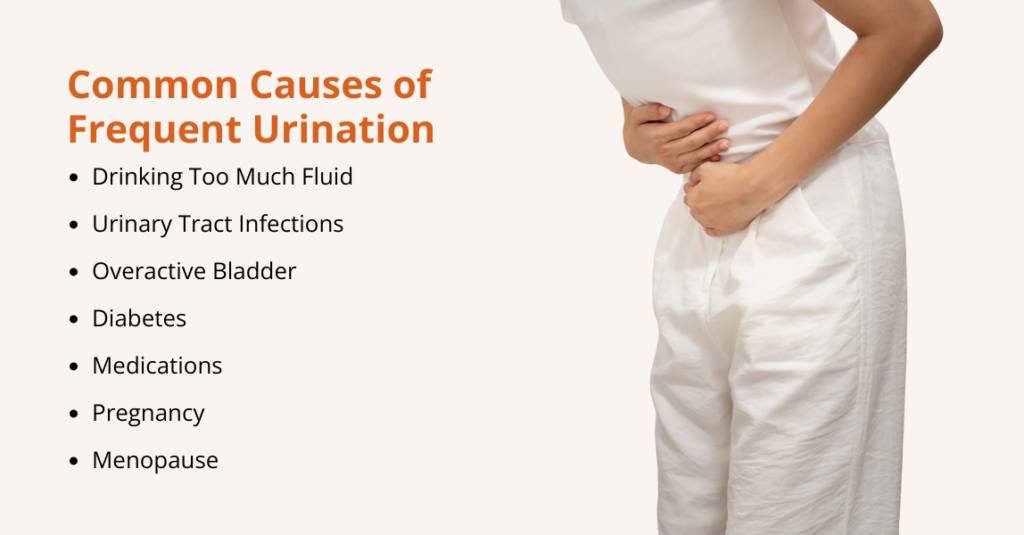
    what causes frequent urination

    Frequent urination can result from many different factors. Common causes include:

    • Drinking too Much Fluid: If you drink a lot, especially coffee, tea, energy drinks, or alcohol, you empty your bladder more quickly.
    • Urinary Tract Infections (UTIs): A UTI irritates the bladder lining and triggers a strong, repeated urge to pee. People often feel a burning sensation, need to pee even when little comes out, or notice cloudy or bloody urine.
    • Overactive Bladder (OAB): With OAB, the bladder muscles suddenly contract, causing urgency and frequent trips to the bathroom, even if the bladder isn’t full.
    • Diabetes: High blood sugar causes extra glucose to spill into the urine, pulling more water with it. This leads to passing large amounts of urine and feeling thirsty all the time.
    • Medications (Diuretics): “Water pills” used for high blood pressure or swelling make the kidneys release more salt and water, so you pee more.
    • Pregnancy: The uterus presses on the bladder, and the kidneys work harder, leading to more frequent urination.
    • Menopause: Lower estrogen levels weaken bladder tissues and increase the risk of UTIs, urgency, and leakage.

    Anything that fills or irritates the bladder can increase urination frequency, and understanding these causes is the first step toward appropriate treatment.

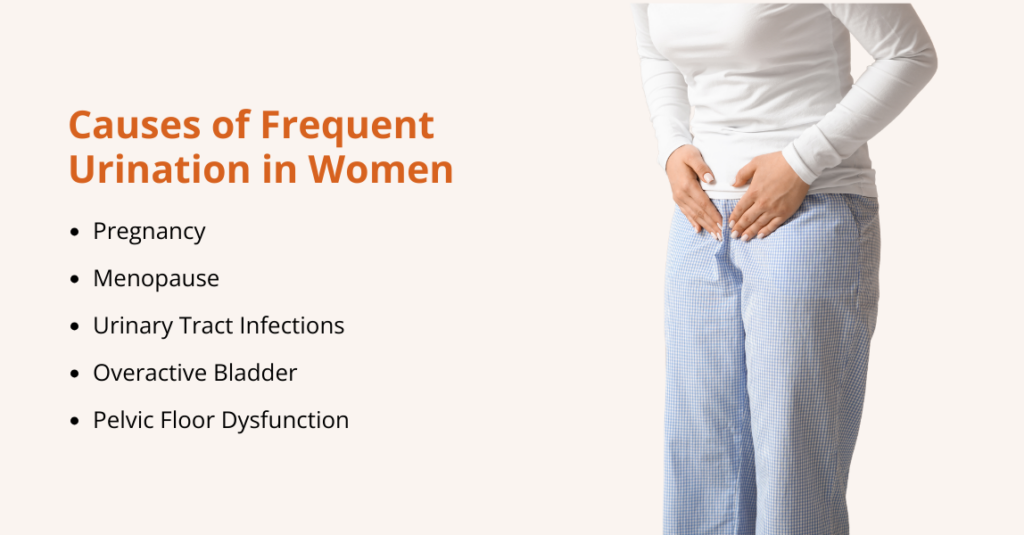
    Causes of Frequent Urination in Women

    what causes frequent urination in women

    Women experience frequent urination for several gender-specific reasons. Key female causes and risk factors include:

    • Pregnancy: Hormonal changes, increased urine production, and pressure from the growing uterus make frequent urination very common, especially in the first and third trimesters.
    • Menopause: Lower estrogen weakens bladder and urethral tissues, leading to urgency, leakage, and a higher risk of UTIs, which can trigger sudden, frequent urination.
    • Urinary Tract Infections (UTIs): Because women have a shorter urethra, bacteria reach the bladder more easily. UTIs cause repeated urges to pee, burning, and small amounts.
    • Overactive Bladder (OAB): Women are slightly more likely to develop OAB, which causes sudden urges and frequent daytime and nighttime urination.
    • Pelvic Floor Dysfunction: Pregnancy, childbirth, or surgery can weaken pelvic floor muscles, causing urgency, leaks, and the need to urinate more often.

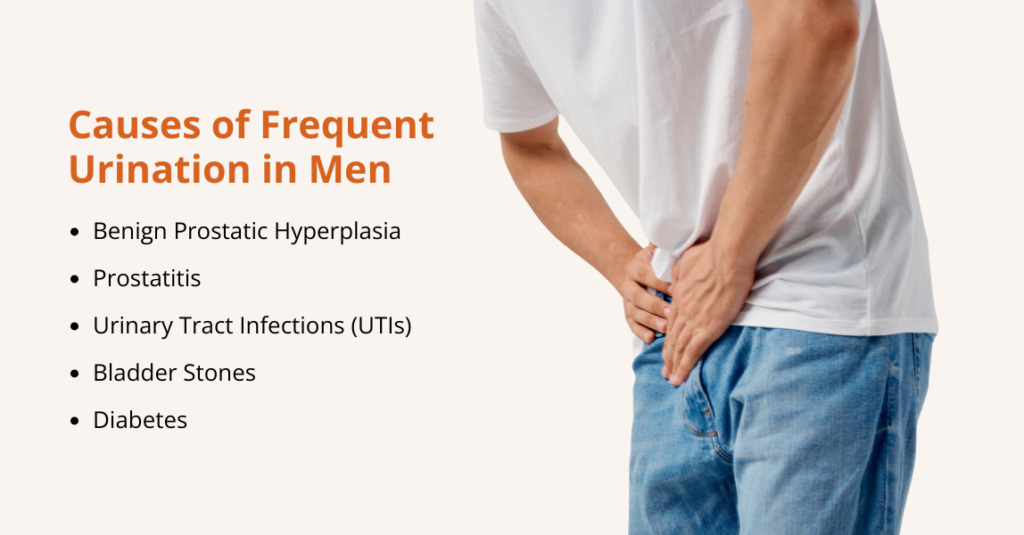
    Causes of Frequent Urination in Men

    what causes frequent urination in men

    Men can have frequent urination for some causes unique to males, in addition to the general factors above (like fluid intake or diabetes). Important male-specific causes include:

    • Benign Prostatic Hyperplasia (BPH): The prostate enlarges with age and presses on the urethra, causing weak flow, incomplete emptying, and frequent or nighttime urination.
    • Prostatitis: Inflammation of the prostate leads to pelvic pain, burning with urination, and repeated urges to pee, often with a feeling of not emptying fully.
    • Urinary Tract Infections (UTIs): Less common in men, but when present, they cause urgency, burning, frequent urination, and sometimes blood, often linked to prostate issues.
    • Bladder Stones: More common in men, especially when bladder emptying is poor. Stones irritate the bladder wall, causing frequent urination, urgency, pain, or hematuria.
    • Diabetes: Hyperglycemia leads to increased urine production. Men with uncontrolled diabetes may notice increased thirst, large urine volumes, and frequent nighttime urination.

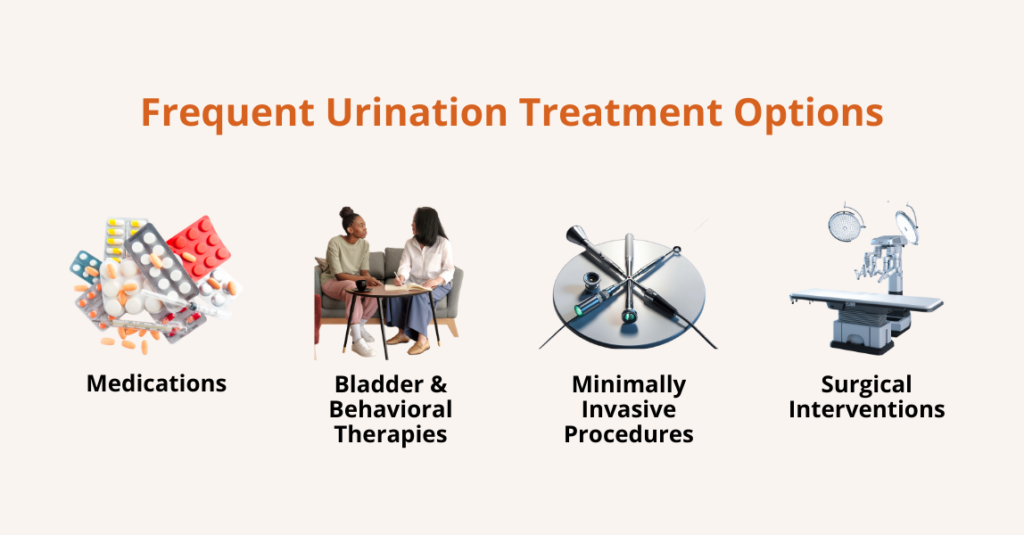
    Frequent Urination Treatment Options

    frequent urination treatment options

    When lifestyle and behavioral changes are insufficient, or when there is an underlying medical cause, medical treatment may be necessary.

    Here are the most common treatment options:

    Medications

    These treatments help manage urgency, frequency, and bladder control by addressing the specific cause of symptoms.

    • Anticholinergics & Beta-3 Agonists: Used for overactive bladder. Anticholinergics block bladder muscle contractions; beta-3 agonists relax the bladder.
    • Alpha-Blockers: For men with BPH. They relax the prostate and the bladder neck to improve urine flow.
    • Diuretics: Increase urination; timing may be adjusted if they cause bothersome frequency.
    • Topical Estrogen: Helps postmenopausal women by improving vaginal and urethral tissue health and reducing urgency.

    Bladder and Behavioral Therapies

    These are non-surgical approaches that focus on training and strengthening the bladder and pelvic muscles to improve control and reduce frequent urination or incontinence:

    • Bladder Training: This method helps you gradually increase the interval, enabling the bladder to hold more urine and reducing urgency and frequency.
    • Pelvic Floor Exercises (Kegel Exercises): These exercises strengthen the pelvic floor muscles, which support the bladder and urethra.
    • Biofeedback: Biofeedback uses sensors or devices to help you see how your pelvic muscles are working. It guides you in contracting and relaxing the right muscles.

    These therapies are often used in combination and guided by a healthcare professional to achieve optimal results.

    Minimally Invasive Procedures

    These treatments offer non-surgical options for managing urinary problems:

    • Prostatic Artery Embolization (PAE)

    Prostatic artery embolization is a minimally invasive, non‑surgical treatment for Benign Prostatic Hyperplasia (BPH), i.e., an enlarged prostate. A small catheter is inserted, usually through the wrist or groin, and guided to the arteries supplying the prostate.

    Tiny particles are injected to block blood flow, causing the prostate to shrink over time. This relieves pressure on the urethra, improving urine flow and reducing the frequency of urination. The procedure is done without surgery, often as an outpatient treatment, and has a short recovery time.

    • Bladder Botox (OnabotulinumtoxinA)

    This is used for refractory overactive bladder. Under anesthesia, Botox is injected directly into multiple sites in the bladder wall. The toxin paralyzes part of the bladder muscle, reducing involuntary contractions.

    Botox can prevent bladder contractions, providing symptom relief for approximately 6–9 months. However, periodic re-injections may be needed.

    Surgical Interventions

    When medications and minimally invasive treatments aren’t enough, surgical options can help relieve urinary symptoms and improve bladder control.

    • Prostate Surgery

    For severe BPH, procedures like Transurethral Resection of the Prostate (TURP) or laser prostatectomy remove excess prostate tissue, opening the urinary channel. This often significantly reduces urinary frequency by relieving bladder obstruction.

    • Anti-Incontinence Surgery

    For women with stress urinary incontinence (UI), procedures like mid-urethral slings or bladder neck suspensions support the urethra, preventing leaks. By reducing incontinence, these surgeries can also improve overall bladder habits.

    • Neuromodulation Devices

    For refractory cases of overactive bladder, sacral nerve stimulators (InterStim) or tibial nerve stimulators (PTNS) deliver mild electrical pulses to modulate bladder activity. These advanced therapies are used when medications and conservative treatments fail.

    Remember, each treatment plan is individualized. A doctor will consider the severity of symptoms, the underlying cause, patient preferences, and health.

    For example, a young woman with mild OAB may do well with Kegel exercises and bladder training alone, while an older man with BPH may need medications or even surgery for relief.

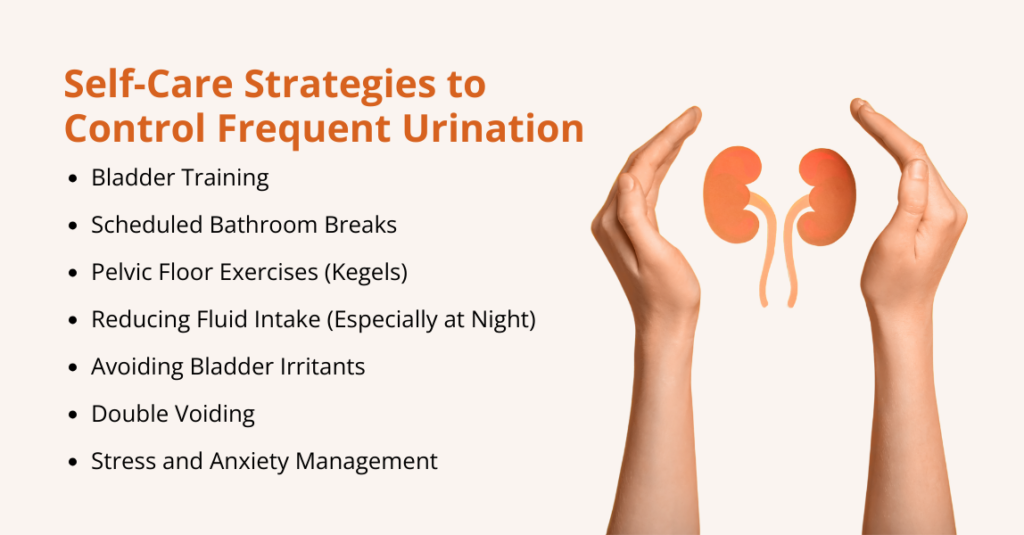
    How to Stop Frequent Urination?

    how to stop frequent urination

    If frequent urination is due to lifestyle factors or an overactive bladder, several self-care strategies can help strengthen bladder control and reduce frequency.

    Many of these are first-line recommendations before or alongside medications:

    1. Bladder Training

    This involves gradually extending the time between bathroom visits.

    For example, if you are going every 30 minutes out of habit or urgency, you might try delaying for 5 minutes, then 10, then longer, gradually increasing bladder capacity.

    Over days or weeks, this can condition the bladder to hold more urine and reduce the number of trips. Bladder training is widely recommended as a first-line therapy for an overactive bladder.

    2. Scheduled Bathroom Breaks

    Similar to bladder training, setting a regular voiding schedule can help. For example, try urinating at predetermined intervals (e.g., every 2–3 hours) even if you don’t feel a strong urge yet.

    This prevents “sudden” emergencies and helps your bladder get used to holding urine. It can also help you track how often you truly need to go and whether you are going out of habit.

    3. Pelvic Floor Exercises (Kegels)

    The pelvic floor muscles support the bladder and help control urination. Strengthening these muscles can reduce urgency and incontinence.

    To do Kegel exercises, simply tighten (squeeze) the muscles you would use to stop the flow of urine, hold for a few seconds, then relax. Repeat 10–15 times per session, several times a day. Over the course of weeks, this can markedly improve control.

    4. Reducing Fluid Intake (Especially at Night)

    Limit evening beverages, so you’re not forcing the kidneys to produce excessive urine before bedtime. This helps reduce nocturia (nighttime trips). Additionally, avoid excessive daily fluid intake if your bladder is overly sensitive.

    Importantly, do not overrestrict fluid intake; staying hydrated is necessary, but avoid drinking a liter right before bed. Similarly, cut back on caffeine (coffee, tea, sodas) and alcohol, as both act as diuretics and bladder irritants.

    5. Avoiding Bladder Irritants

    Certain foods and drinks can irritate the bladder lining and exacerbate urgency.

    The most common offenders include spicy foods, citrus fruits/juices, tomatoes, carbonated drinks, and artificial sweeteners. If you notice a surge in frequency after spicy meals or coffee, try eliminating these triggers.

    6. Double Voiding

    Especially useful if you feel the bladder is not fully emptying. After you finish peeing, wait a minute or two, then try to pee again. Sometimes this second attempt will release a small additional amount that was left behind.

    With time, emptying the bladder more completely may reduce the sensation of fullness that leads to multiple trips.

    7. Stress and Anxiety Management

    Stress can worsen urinary frequency (due to the “fight or flight” response and pelvic muscle tension).

    If you find yourself rushing to the bathroom whenever you feel even a little stress, consider stress reduction exercises. Practice relaxation techniques like deep breathing, mindfulness meditation, or yoga to reduce anxiety.

    With these self-help methods, many people see improvement. However, it is important to track progress and provide relevant information if you later require a medical evaluation.

    Frequently Asked Questions (FAQs)

    How does drinking too much fluid lead to frequent urination?

    Drinking large volumes of any fluid increases urine production. Think of the kidneys as filtering blood: the more fluid you drink, the more they filter, and the more urine is produced. This is especially true for beverages with diuretic effects, like coffee and alcohol. In effect, these fluids increase the amount of water in your bloodstream that needs to be excreted.

    Why do I feel like I have to pee every 5 minutes?

    Feeling like you need to pee every few minutes can be caused by an overactive bladder, which triggers sudden “gotta go” urges and frequent bathroom trips, or a urinary tract infection, which often brings burning, urgency, and discomfort. Certain medications, such as diuretics, can also increase urination. If you experience other symptoms such as pain, fever, or burning, it’s important to see a physician for proper evaluation.

    Why am I peeing so much all of a sudden?

    A sudden change in frequency of urination suggests a new factor. Common causes include urinary infections and diabetes. For example, a bladder infection can develop quickly and irritate your bladder, causing urgency every few minutes. New-onset diabetes can also cause a rapid increase in urination. It’s also worth reviewing any new medications or dietary changes (e.g., starting caffeine or supplements) that could be affecting your bladder. If the frequent urination is sudden and accompanied by other symptoms (e.g., thirst, sugar cravings), checking blood glucose and urine for infection may be prudent.

    When should I worry about peeing a lot?

    You should worry and see a healthcare provider if frequent urination comes with concerning symptoms or seriously affects your daily life. Red flags include pain or burning while urinating, blood in the urine, fever, or a sudden, sharp increase in how often you go. Waking up multiple times at night, particularly if it disrupts sleep and daytime functioning, warrants evaluation. Any warning signs, such as pain, fever, blood in the urine, or unusual discharge, require prompt medical attention.

    Is it normal to urinate every 2 hours?

    Urinating every 2 hours can be normal for someone drinking a lot or with bladder training, but it’s more frequent than the average of 6-8 times a day (every 3-4 hours). Normal frequency depends on your fluid intake and the size of your bladder. If there are no other symptoms, it may not need worrying. But if it’s more frequent than usual for you, or you feel urgency or discomfort, it may need further attention.

    Is it normal to pee every 30 minutes?

    No, peeing every 30 minutes is far outside the normal range for adults. Going every half hour suggests a serious problem, possibly a bladder infection, severely overactive bladder, or other issue. It should be evaluated by a doctor.

    When should someone see a doctor for frequent urination?

    You should consult a doctor if you urinate more than 8 times a day or wake frequently at night, especially if it disrupts your daily life or comes with other symptoms. These may indicate infections (like UTIs), diabetes, kidney problems, or other serious conditions. Also, see a doctor if you experience any of the following signs:

    • Pain/Burning: Discomfort while urinating (dysuria).
    • Blood in Urine: Urine appears pink, red, or brown (hematuria).
    • Signs of Infection: Fever, chills, cloudy urine, or lower back/side pain.
    • Urgency & Incontinence: Sudden, uncontrollable need to urinate or leaking urine.
    • Nocturia: Waking more than once or twice at night, disrupting sleep.
    • Systemic Symptoms: Excessive thirst or hunger, fatigue, or unexplained weight loss.
    • Difficulty Urinating: Trouble starting, weak stream, or feeling of incomplete emptying.

    Conclusion

    Frequent urination is a common condition with a wide range of causes. In some cases, it may simply result from drinking large amounts of fluids or consuming diuretics such as caffeine and alcohol.

    However, it can also indicate more serious medical issues, including urinary tract infections (UTIs), diabetes, an overactive bladder, or prostate enlargement in men.

    Therefore, understanding the context and symptoms is essential. New, sudden, or severe increases in urination, especially when combined with pain, burning, blood in the urine, fever, or other systemic symptoms, should prompt timely medical evaluation.

    For many people, non-invasive options such as behavioral and bladder therapies, like bladder training, Kegel exercises, and fluid management, can significantly improve symptoms. In other cases, medications may help manage an overactive bladder, prostate issues, or infections.

    For persistent or severe problems, minimally invasive procedures or surgical interventions may be necessary to relieve obstruction or restore bladder function.

    Importantly, early evaluation and intervention can prevent complications. With the right combination of lifestyle adjustments, medical treatment, or procedures, most people experience meaningful improvements in urinary frequency and quality of life.

  • Leg Pain: Types, Causes, Symptoms, Treatments & Prevention

    Leg Pain: Types, Causes, Symptoms, Treatments & Prevention

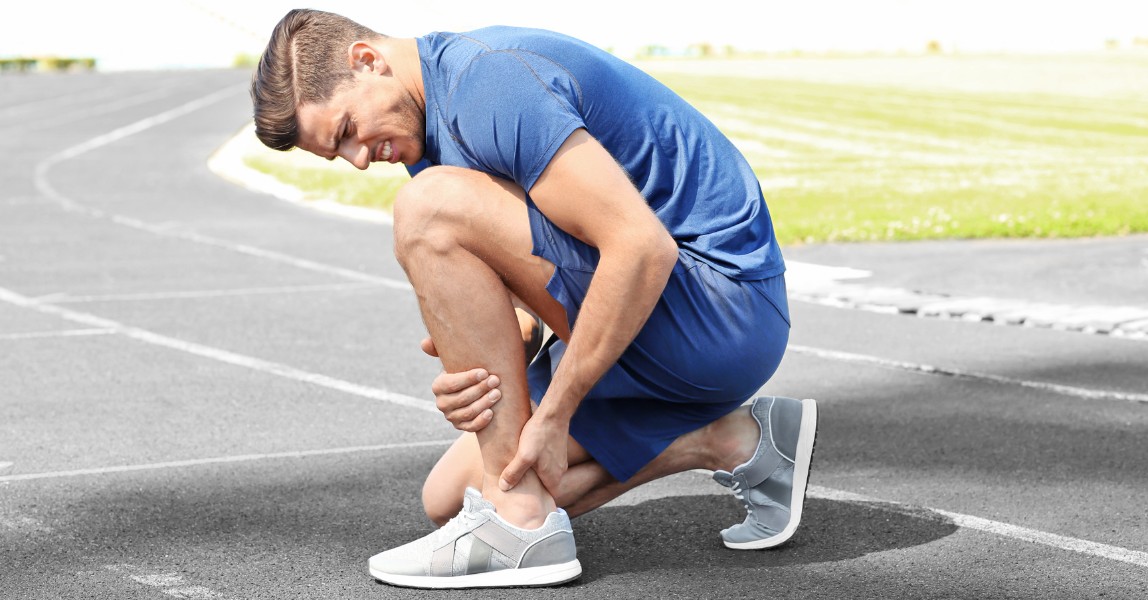
    Leg pain is a common yet often misunderstood symptom.

    While many people experience temporary aches after exercise, long work shifts, or standing all day, persistent or severe leg pain can be a sign of something more serious.

    In fact, leg pain is one of the most frequently misdiagnosed symptoms because it can stem from multiple structures, muscles, nerves, joints, bones, or blood vessels. This overlap often confuses.

    For example, peripheral artery disease (PAD) is commonly mistaken for back pain or sciatica, and some patients even undergo spine evaluations or treatments before the vascular cause is identified.

    Meanwhile, nerve-related pain, such as sciatica, can mimic vascular or muscular disorders.

    However, location, type of pain, and what triggers or relieves it are often the biggest clues: sharp, shooting pain often points toward nerve involvement; dull, aching pain suggests muscle or joint irritation; and cramping during walking may indicate circulation problems.

    To help patients, families, and caregivers, this guide clarifies what leg pain is, explores the major types of leg pain, reviews common causes, highlights red‑flag symptoms, and summarizes evidence‑based treatments and prevention strategies.

    What is Leg Pain?

    From a medical perspective, leg pain refers to any discomfort, soreness, or aching felt between the hip and the ankle. It can be acute (sudden and short-term) or chronic (lasting weeks or longer), and it may come and go or stay constant.

    People often describe leg pain as:

    • A sharp, shooting pain
    • A dull or heavy ache
    • A burning or tingling sensation
    • Cramping, especially at night.

    Leg pain can come from almost any structure in the leg, including your:

    • Bones
    • Muscles
    • Tendons and ligaments
    • Joints
    • Nerves
    • Blood vessels
    • Soft tissues

    Because so many tissues are involved, the cause of leg pain varies widely.

    However, it’s important to seek medical care if the pain is severe, persistent, or comes with swelling, numbness, colour changes, or difficulty walking.

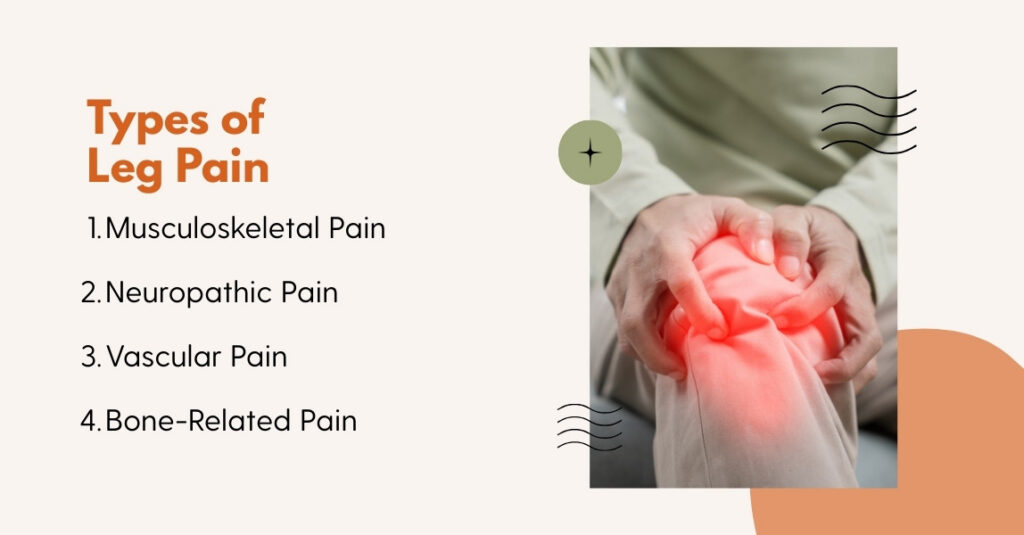
    4 Types of Leg Pain

    types of leg pain

    Medical experts and researchers typically classify leg pain by the major tissue type or system affected, as this helps guide diagnosis and treatment.

    Here are the main types of leg pain:

    1. Musculoskeletal Pain (Muscle and Tendon)

    Musculoskeletal leg pain refers to discomfort that arises from muscles, tendons, ligaments, and other soft-tissue structures.

    They can occur due to:

    • Muscle strains: These injuries happen when a muscle is overstretched or torn. Strains are common, especially in athletes or during sudden increases in activity.
    • Shin splints: This condition involves irritation and inflammation of the muscles, tendons, or tissues surrounding the shin bone (tibia), often triggered by overuse.
    • Stress fractures: Tiny cracks in the bone caused by repetitive force or impact, often seen in runners and other high-impact sports.
    • Tendinitis: Also called tendonitis, this occurs when the tendon connecting muscle to bone becomes inflamed, typically from overuse or repetitive motion.

    2. Neuropathic Pain (Nerve-Related)

    Neuropathic leg pain occurs when the nerves are irritated, damaged, or compressed. Conditions such as sciatica, nerve compression, and neuropathy commonly trigger this type of pain.

    Unlike muscle-related discomfort, neuropathic pain follows nerve pathways and often radiates from the lower back or hip into the leg.

    People typically describe neuropathic pain with distinct sensations, including:

    • Burning pain
    • Tingling or pins and needles
    • Shooting or electric-shock sensations
    • Numbness
    • Sometimes, leg weakness or reduced sensation

    These features help differentiate nerve-related pain from musculoskeletal pain and often indicate an underlying neurological issue that requires proper evaluation.

    A prospective study of patients with low-back–related leg pain found that depending on the definition used, 48% to 74% of these cases showed neuropathic pain features.

    3. Vascular Pain (Blood-Flow/Circulation-Related Pain)

    Vascular leg pain occurs when blood flow to or from the leg is impaired.

    Typical features of vascular pain include:

    • Varicose veins: These develop when blood pools inside the veins, causing them to enlarge and appear blue or purple beneath the skin. They may lead to heaviness, aching, or swelling in the legs.
    • Peripheral artery disease (PAD): PAD occurs when plaque made of fat and cholesterol builds up in the arteries, narrowing them and reducing blood supply to the legs. This often causes cramping or aching during activity.
    • Deep vein thrombosis (DVT): DVT is a blood clot in a deep vein that blocks normal blood flow. It can cause swelling, warmth, and tenderness in one leg. This condition is serious and requires prompt medical attention.

    A recent biomechanical study showed that people with PAD have impaired gait, even when not currently in pain, which underlines how vascular problems affect leg function beyond just subjective discomfort.

    4. Bone-Related Pain

    Bone-related leg pain originates from problems in the bone itself, such as stress fractures, shin splints, or arthritis.

    The underlying mechanism is usually: repetitive mechanical stress → micro-damage to bone → bone irritation or fractures → ongoing pain.

    This type of pain is typically deep, persistent, and often worsens with impact or weight-bearing activities like walking or running. It can also occur due to:

    • Arthritis: A very common condition characterized by joint pain, stiffness, and inflammation. There are more than 100 different types, affecting people of all ages.
    • Gout: A form of inflammatory arthritis that causes sudden episodes of intense joint pain and swelling. It occurs when uric acid builds up in the body and forms sharp crystals in the joints.

    Although many reviews separate bone and joint pain from soft-tissue musculoskeletal pain, classic orthopedic and sports-medicine literature lists stress fractures and bone-stress injuries as frequent causes of chronic leg pain, especially in athletes or people who are increasing their activity.

    Because these injuries can worsen if left untreated, proper diagnosis, often including imaging, and load management, such as rest or reduced-impact activity, are essential to prevent further damage.

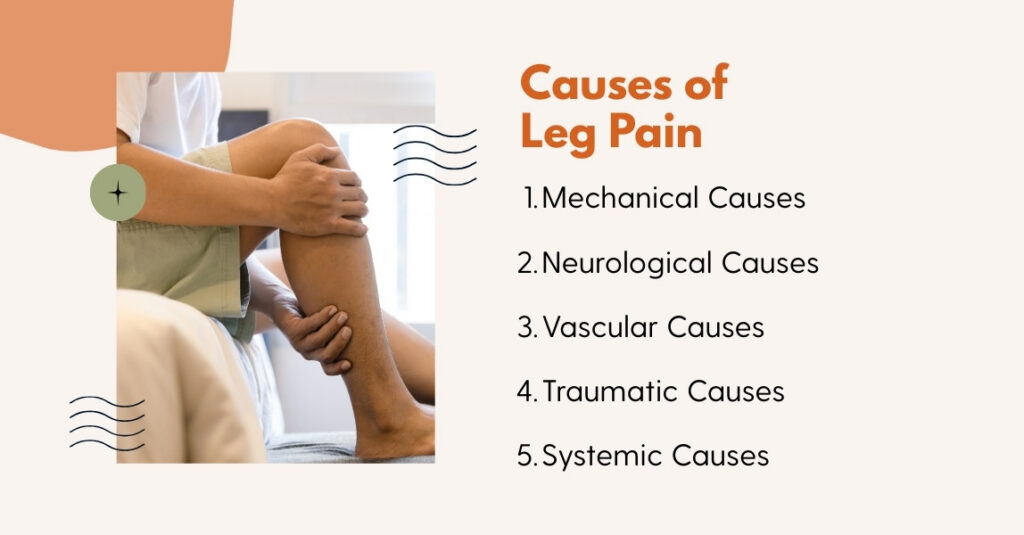
    What Causes Leg Pain?

    what causes of leg pain

    Leg pain can arise from a wide range of mechanical, neurological, vascular, traumatic, and systemic factors. Thus, understanding the underlying cause is essential for accurate treatment and prevention.

    1. Mechanical Causes

    Mechanical issues occur when the muscles, bones, or joints are stressed beyond their capacity.

    Overuse injuries and muscle imbalances are common: repetitive activity, sudden increases in training, or weak supporting muscles can lead to strains, tendinitis, or stress fractures.

    Even sedentary jobs can lead to stiffness and cramps when activity resumes.

    Improper footwear and flat feet also contribute. Also, poor arch support alters biomechanics, placing extra stress on muscles and joints and increasing the risk of shin splints or plantar fasciitis.

    2. Neurological Causes

    Leg pain can stem from nerve problems. Herniated discs or spinal stenosis compress spinal nerves, leading to sciatica, burning, tingling, or numbness in the leg.

    Nerve entrapment conditions, such as peroneal neuropathy, may cause weakness or difficulty lifting the foot.

    Moreover, prolonged sitting or poor posture can tighten hip flexors, compressing nerves and contributing to neuropathic leg pain.

    3. Vascular Causes

    Circulatory problems are another major source of leg pain. Peripheral Artery Disease (PAD) occurs when atherosclerosis narrows leg arteries, causing cramping or aching during walking or activity.

    The risk factors include smoking, diabetes, hypertension, and high cholesterol. The symptoms include unilateral swelling, tenderness, warmth, or a “pulling” sensation in the calf.

    Research shows that varicose veins and venous insufficiency result from prolonged standing or genetic factors, leading to leg heaviness, cramps, and visible veins. Roughly one in four adults may have visible varicose veins.

    4. Traumatic Causes

    Direct trauma from falls, accidents, or sports injuries can cause fractures, sprains, or contusions.

    If you experience this, seek immediate care if you hear a popping sound, notice a visible deformity, or are unable to bear weight.

    Similarly, compartment syndrome is a serious condition where swelling within muscle compartments causes severe pain and requires emergency surgery to prevent permanent damage.

    5. Systemic or Metabolic Causes

    Diabetes and neuropathy can damage nerves and blood vessels, producing burning, tingling, and numbness in the legs. Also, inflammatory joint conditions like arthritis or gout can cause deep joint pain, stiffness, and swelling.

    Moreover, infections, including cellulitis or osteomyelitis (bone infection), may produce redness, warmth, and pain. Fever accompanied by other symptoms is a red flag that requires urgent medical attention.

    Kristofer Jones, MD, an orthopaedic surgeon at UCLA Health, says that many people with sedentary jobs cram all their physical activity into the weekend. This sudden spike in load can cause strains or stress fractures; he recommends gradually increasing activity, varying exercises, and building core strength. Ignoring early discomfort can turn a minor strain into a serious injury.

    The “Weekend-Warrior-Mentality”

    What are the Symptoms of Leg Pain?

    Leg pain can appear in many forms. It may affect a small, specific area or spread across the entire leg. The discomfort can also extend into the buttocks, foot, lower back, or spine, depending on the cause.

    In some cases, pain occurs in multiple body regions at the same time. The pain may feel:

    • Dull or sharp
    • Burning or tingling
    • Your leg may also feel numb

    It can be triggered by activity (for example, walking or running), by position (standing or sitting), or by coming on at night. Common features associated with leg pain include swelling, numbness, colour changes, warmth or redness, and difficulty walking.

    Additional signs and symptoms that can accompany leg pain include:

    • Swelling, especially if one leg looks noticeably different from the other
    • Varicose veins
    • Sores or ulcers
    • Redness/warmth
    • Numbness/sensory change
    • Color changes in the leg or foot
    • Slow-healing wounds
    • General unwellness, especially during recovery from an infection or fracture

    It is important to seek medical attention if your leg pain is sudden, severe, persistent, or if you experience any of these additional symptoms.

    Vascular surgeon George Anton, MD, notes that visible venous disease is not only cosmetic, “When veins are big enough, the blood that pools in them can also clot. Clots can travel through your body, putting you at risk for a pulmonary embolism, which could be life-threatening.”

    Clinical Insight

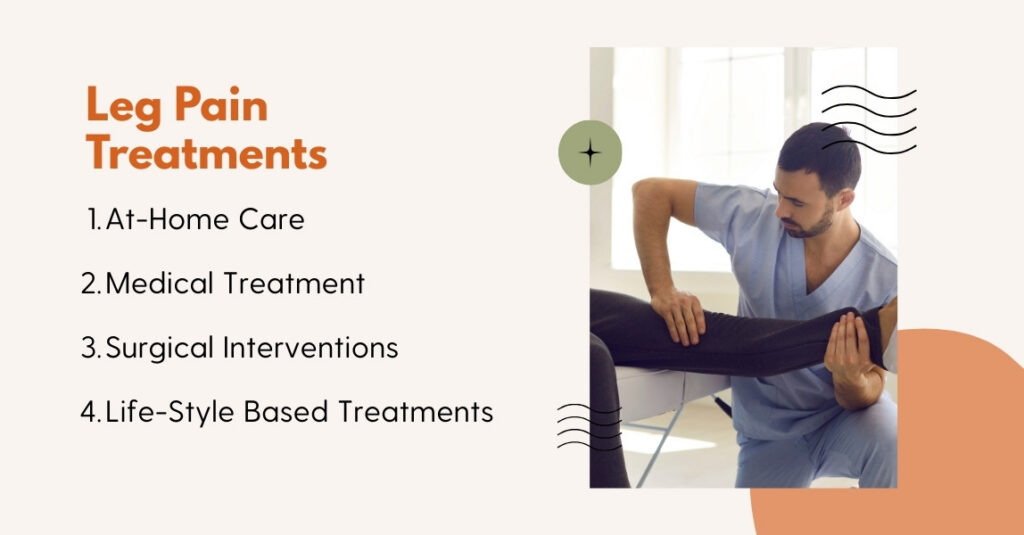
    Leg Pain Treatments

    leg pain treatment options

    Leg pain treatment depends on the cause, but many mild issues improve with home care, such as gentle stretching, movement, and simple pain relievers like paracetamol or ibuprofen.

    More serious causes may require antibiotics, targeted medication, or, in some cases, surgery.

    At-Home Care

    For many mild leg problems, especially muscle, tendon, or soft-tissue pain, at-home care can help relieve pain and support healing.

    Some of the common approaches include:

    • RICE (Rest, Ice, Compression, Elevation)

    Rest the leg, apply ice, use gentle compression (e.g., bandage), and elevate the leg above heart level. Research shows that RICE can reduce pain and swelling after a strain, sprain, or minor injury.

    • Stretching and hydration

    Gentle stretching helps keep muscles and tendons flexible. Staying well-hydrated supports muscle health and may reduce the chance of cramps or overuse injury.

    • Epsom salt soaks

    Warm salt baths (when no open wounds) can help ease muscle soreness and promote relaxation, useful for muscle or tendon discomfort.

    According to a study, Epsom salt has anti-inflammatory and analgesic properties, making it a pain-relieving agent.

    • Over-the-counter (OTC) pain relievers/anti-inflammatories

    Drugs like non-steroidal anti-inflammatory drugs (NSAIDs) or acetaminophen help relieve pain, reduce inflammation, and make movement easier.

    These “home-care” methods often work for sprains, strains, mild tendon irritation, or post-activity soreness. If pain persists or worsens, seeking medical care is advised.

    Medical Treatments

    When at-home care isn’t enough, or when leg pain stems from vascular, nerve, or deeper structural problems, medical treatments may be required:

    • Physical therapy

    A physical therapist can guide gentle movement, strengthen muscles, improve flexibility, and correct movement patterns. This helps many people with musculoskeletal or nerve-related leg pain recover without surgery.

    • Anti-inflammatory medications(NSAIDs)

    For pain and inflammation, NSAIDs remain a first-line treatment. They reduce swelling and relieve discomfort in soft-tissue injuries, arthritis, or after surgery.

    • Antibiotics

    If leg pain stems from an infection (e.g., cellulitis, infected joint, bone infection), antibiotics are required. Infections accompanied by redness, warmth, fever, or spreading pain warrant prompt medical treatment.

    • Nerve blocks or nerve-directed treatments

    For severe nerve-related pain (nerve compression, radiculopathy), nerve-block injections or other nerve-targeted therapies may be recommended, especially when conservative measures fail.

    • Blood thinners (anticoagulants)

    If leg pain is due to a blood clot (deep vein thrombosis, DVT), anticoagulant (“blood thinner”) medications are standard treatment to prevent clot growth or migration.

    For vascular problems like DVT or chronic venous insufficiency, compression therapy (compression stockings or wraps) may also be prescribed to improve blood flow and reduce swelling.

    Surgical or Procedural Interventions

    When conservative or medical treatments are insufficient, surgery or interventional procedures may become necessary, for example:

    • Fractures, severe bone damage, or structural joint problems may require surgical repair or stabilization.
    • Severe nerve compression (e.g., spinal nerve-root compression) may require surgical decompression.
    • Vascular blockages, clots, or severe venous/arterial disease may require vascular intervention, such as clot removal, angioplasty, or vein surgery (depending on the condition).

    In post-surgical situations, pain medications and physical therapy often support recovery. It is evident that NSAIDs, acetaminophen, and pain-management strategies help reduce pain after surgery.

    Lifestyle-Based & Preventive Treatments

    Prevention and long-term management often depend on lifestyle and biomechanical adjustments:

    • Custom orthotics

    For foot or gait-related leg pain (e.g., flat feet, shin splints, tendon issues), custom orthotics or insoles can correct biomechanics, reduce abnormal stress, and prevent recurrence.

    • Strength building and regular exercise

    Strengthening muscles, improving flexibility, and balancing muscle groups help support joints and bones, reducing the risk of overuse injuries, tension, or biomechanical stress that can lead to pain.

    • Weight management

    Maintaining a healthy weight reduces load on bones, joints, and vessels, lowering the risk of arthritis, vascular disease, or overuse injuries.

    • Smoking cessation

    For vascular-related leg pain (like peripheral artery disease, PAD), stopping smoking is critical to improve blood flow and slow disease progression.

    Also, for those at risk of vascular problems or blood clots, lifestyle habits, such as regular movement, avoiding prolonged immobility (e.g., on long flights), maintaining a healthy diet, and staying hydrated, help reduce risk.

    How to Prevent Leg Pain?

    You can lower your risk of leg pain by stretching before and after physical activity, staying hydrated, and eating potassium-rich foods like bananas and chicken to support healthy muscles and tendons.

    To prevent health conditions that can cause leg nerve damage:

    • Maintain overall health: Get enough sleep, stay hydrated, and eat a balanced diet rich in potassium, magnesium, and calcium to support muscle and nerve function.
    • Exercise regularly and gradually: Include aerobic, strength, and flexibility training, increasing intensity slowly to avoid overuse injuries.
    • Warm-up and cool-down: Gentle stretching before and after activity helps prevent strains.
    • Wear proper footwear: Good arch support and cushioning reduce stress on joints and bones.
    • Maintain a healthy weight and avoid smoking: Both reduce strain on the circulatory system and lower the risk of PAD and varicose veins.
    • Monitor key health markers: Keep blood pressure, cholesterol, and blood sugar within healthy ranges through regular check-ups.
    • Take movement breaks: Avoid prolonged sitting or standing to improve circulation and reduce nerve compression.
    • Listen to your body: Stop activity if you notice unusual pain, swelling, or numbness and seek timely medical care.

    Frequently Asked Questions (FAQs)

    When should someone see a doctor?

    You should seek medical attention if you experience any of the following:

    • Pain lasting more than 3–5 days without improvement
    • Severe or worsening pain that interferes with daily activities
    • Swelling in one or both legs, especially if sudden or accompanied by redness or warmth
    • Numbness, tingling, or weakness in the leg
    • Pain after an injury such as a fall, twist, or direct impact
    • Red flags like inability to bear weight, fever, or sudden color changes in the leg

    Prompt evaluation is important to identify underlying issues such as nerve compression, blood clots, vascular problems, or serious musculoskeletal injuries.

    Is Leg Pain Always from Injury?

    No, leg pain is not always caused by an injury. While strains, sprains, or fractures are common sources of leg pain, it can also arise from nerve, spinal, or vascular issues.

    • Nerve-related causes: Conditions such as sciatica, peripheral neuropathy, or spinal nerve compression can cause burning, tingling, shooting pain, or numbness in the leg, even without trauma.
    • Spinal issues: Herniated discs or spinal stenosis can compress nerves, causing pain to radiate down the leg. Often, patients feel leg pain more than back pain.
    • Vascular causes: Problems with blood flow, including peripheral artery disease (PAD), deep vein thrombosis (DVT), or varicose veins, can lead to aching, heaviness, swelling, or color changes. These pains may worsen with activity or prolonged standing and are unrelated to muscle injury.

    Understanding the underlying cause is crucial because treatment differs depending on whether the pain comes from muscles, nerves, bones, or blood vessels.

    Why Does Leg Pain Worsen at Night?

    Leg pain often feels worse at night due to several factors:

    • Circulation changes: When you lie down, blood flow and venous return in the legs can shift, sometimes worsening discomfort from conditions like peripheral artery disease (PAD) or varicose veins.
    • Nerve irritation: Nerve-related pain, such as sciatica or peripheral neuropathy, can become more noticeable at rest because there are fewer distractions and the body is more aware of discomfort.
    • Restless Leg Syndrome (RLS): This neurological condition causes an uncontrollable urge to move the legs, often accompanied by aching, tingling, or crawling sensations, which typically intensify in the evening or at night.

    Recognizing the pattern and timing of leg pain can help clinicians identify the underlying cause and guide appropriate treatment.

    Conclusion

    Leg pain is a symptom with many faces. While minor aches after exercise are common, persistent or severe pain may indicate underlying musculoskeletal, neurologic, vascular, or systemic disorders.

    Early recognition of symptoms and prompt medical evaluation are crucial, especially for red flags like sudden swelling, color changes, or neurological deficits.

    Evidence‑based treatments range from at‑home RICE therapy to physical therapy, medications, surgery, or anticoagulation, depending on the cause.

    Moreover, preventive strategies such as regular exercise, proper footwear, smoking cessation, and careful attention to cardiovascular health can substantially reduce the risk of leg pain.

    Remember that an accurate diagnosis is the key to effective treatment.

    Consult healthcare professionals rather than self‑diagnosing, and take leg pain seriously; it might be your body’s warning of a more significant health issue.

  • Pelvic Pain: Causes, Symptoms, Diagnosis, & Treatments

    Pelvic Pain: Causes, Symptoms, Diagnosis, & Treatments

    Pelvic pain usually presents as discomfort or pain in the lower abdomen or pelvic region, and for many, it’s more than just physical pain.

    Importantly, it can disrupt daily routines, affect work and relationships, and leave people feeling worried, frustrated, or unheard.

    Pelvic pain can have multiple causes, including reproductive organs, the urinary tract, parts of the digestive system, and supportive muscles and ligaments, making diagnosis difficult without proper care.

    What feels like a simple ache one day may raise anxiety the next when it doesn’t go away.

    In this post, we’ll guide you through everything you need to know about pelvic pain, what it is, the common causes and symptoms, how it’s diagnosed, and the treatment options that can help you find relief.

    What is Pelvic Pain?

    Pelvic pain refers to discomfort in the lower abdomen and pelvic region. While it is often associated with the female reproductive organs, it can affect people of all sexes.

    Pelvic pain can feel different depending on its cause. Some people describe it as a dull, aching sensation in the lower abdomen, while others may feel sharp, stabbing, or cramping pain.

    It can be constant or come and go, and sometimes it spreads to the lower back, hips, or thighs. The intensity can range from mild discomfort to severe pain that interferes with daily activities.

    In women, pelvic pain may also be linked to menstruation, ovulation, or sexual activity, making it feel more noticeable at certain times.

    Where is Pelvic Pain Located?

    The pelvis is the lowest part of the abdomen, bounded by the pelvic bones and containing the reproductive organs, parts of the digestive and urinary tracts, and supporting muscles and ligaments. Pain may be localised or diffuse.

    What are the Causes of Pelvic Pain?

    Pelvic pain can come from the reproductive system, the urinary tract, the bowel, muscles/ligaments, or nerves. Causes often overlap, and one person may have more than one reason for their pain.

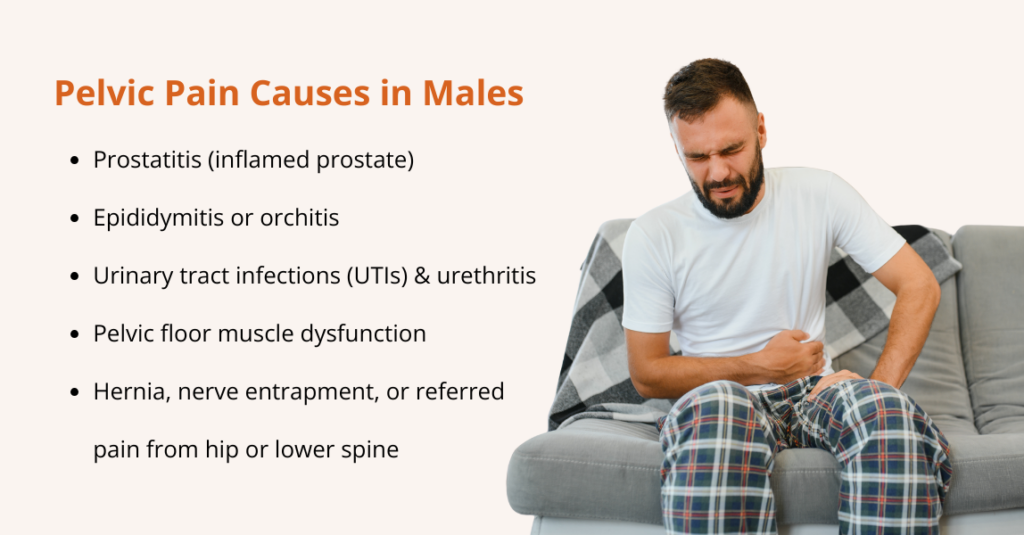
    Pelvic Pain Causes in Males

    Possible pelvic pain causes in males include:

    • Prostatitis (inflamed prostate) can cause aching, burning, painful ejaculation, or urinary problems.
    • Epididymitis or orchitis is inflammation or infection of the testicle or epididymis.
    • Urinary tract infections (UTIs) and urethritis (including STIs) can cause pain with urination, urgency, or discharge.
    • Pelvic floor muscle dysfunction can tighten or spasm pelvic muscles that cause ongoing pain, aching, or pain with sitting/sex.
    • Hernia, nerve entrapment, or referred pain from hip or lower spine problems.

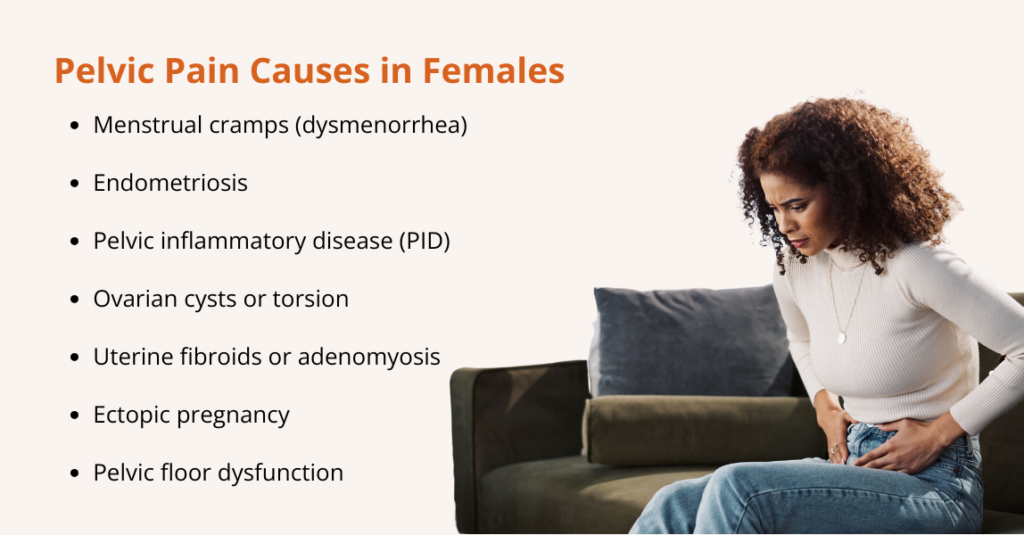
    Pelvic Pain Causes in Females

    Possible pelvic pain causes in females include:

    • Menstrual cramps (dysmenorrhea) can cause crampy pelvic pain during periods.
    • Endometriosis, or uterine lining tissue outside the uterus, can cause chronic or cyclical pain.
    • Pelvic inflammatory disease (PID) is an infection of the reproductive organs, often from STIs, causing deep pelvic pain and sometimes fever.
    • Ovarian cysts or torsion can cause sudden, sharp pain if a cyst ruptures or the ovary twists.
    • Uterine fibroids or adenomyosis can cause heavy bleeding and pelvic pressure or pain.
    • Ectopic pregnancy is a medical emergency that causes sharp, one-sided pelvic pain and should be ruled out in anyone of childbearing potential with acute pain.
    • Pelvic floor dysfunction (also common in people assigned female) can cause pain with intercourse, bowel movements, or sitting.

    Pelvic Conditions that Affect all Genders

    Possible causes of pelvic pain in both males and females may include:

    • Gastrointestinal problems, such as constipation, irritable bowel syndrome (IBS), diverticulitis, and appendicitis.
    • Urinary causes, including kidney stones, pyelonephritis (kidney infection), and recurrent UTIs.
    • Musculoskeletal, pulled hip, or abdominal muscles, pubic symphysis pain, or referred pain from the back.
    • Nerve problems, such as pudendal nerve entrapment or other nerve irritation, can cause burning or shooting pain.

    What are the Symptoms of Pelvic Pain?

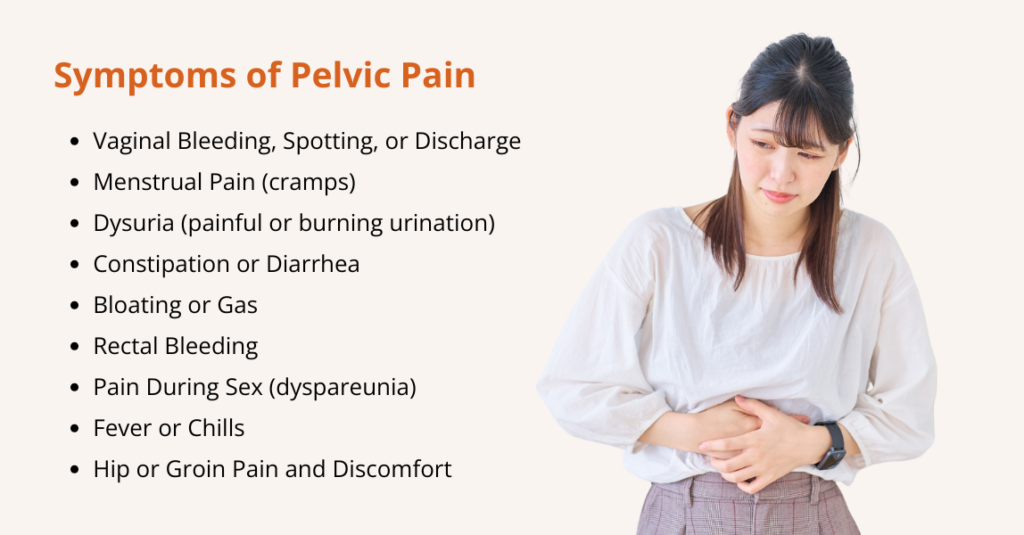
    Symptoms of pelvic pain vary and may include:

    • Vaginal Bleeding, Spotting, or Discharge

    This includes unusual bleeding between periods or after sex, unusual vaginal discharge, or bleeding heavier than normal. 

    • Menstrual Pain (cramps)

    Painful cramps before or during periods are common and may be part of normal menstruation, but if unusually severe, they can indicate conditions like endometriosis or fibroids.

    • Dysuria (painful or burning urination)

    Pain, burning, or discomfort during urination may indicate a urinary tract infection (UTI), bladder irritation, or other urinary issues.

    • Constipation or Diarrhea

    Digestive changes such as hard stools, infrequent bowel movements, or loose stools with discomfort may occur with pelvic pain, particularly when the intestines or nerves near the pelvis are involved.

    • Bloating or Gas

    Feeling full, stretched, or gassy in the lower belly often goes with pelvic pain caused by digestive conditions like irritable bowel syndrome (IBS).

    • Rectal Bleeding

    Seeing blood when you have a bowel movement can be alarming and may come from conditions like hemorrhoids or more serious digestive issues. If present with pelvic pain, it needs evaluation.

    • Pain During Sex (dyspareunia)

    Pain with intercourse is a frequent companion to pelvic pain and can be related to muscular tension, reproductive organ conditions, or pelvic floor dysfunction.

    • Fever or Chills

    Feeling hot or shivery with pelvic pain may suggest an infection, such as PID (pelvic inflammatory disease) or a UTI that has spread.

    • Hip or Groin Pain and Discomfort

    Pain that spreads to the hip, groin, or lower back often accompanies pelvic pain, especially when muscles, ligaments, or nerves in the area are involved.

    Which Kind of Pelvic Pain Is This? Matching the Pattern to the Right Path

    Pelvic pain resolves faster when the pattern is matched to the right starting point, and three patterns cover most of what this page describes. Pain accompanied by heavy or prolonged periods, pressure or fullness that persists through the month, and bladder or bowel changes fits the fibroid pattern — our guide to pelvic pain and pressure from fibroids covers it, and uterine fibroid embolization is the non-surgical treatment path where fibroids are confirmed.

    Pain that has lasted more than six months, worsens through the day on your feet or after standing, eases when lying down, and often dates from a pregnancy fits the pelvic congestion pattern — assessed differently, and treatable with ovarian vein embolization where enlarged pelvic veins are confirmed. Pain in men alongside urinary symptoms points toward the prostate and is covered in our prostate health resources]. None of these patterns is a diagnosis; each is a reason to have the right evaluation rather than a general one.

    How is Pelvic Pain Diagnosed?

    Because pelvic pain has numerous causes, diagnosis requires a comprehensive evaluation. 

    Initial Assessment

    Your doctor will ask about when the pain started, where it hurts, what makes it better or worse, whether it’s related to urination, bowel movements, sexual activity, or your menstrual cycle, and your medical history.

    Medical History

    Your clinician will ask detailed questions about:

    • Pain pattern and duration
    • Other related symptoms (urinary, bowel, sexual)
    • Past infections, surgeries, or conditions

    These details help narrow down the possible causes.

    Physical Exam

    A physical and pelvic exam allows the physician to assess tenderness, masses, muscle tightness, or abnormalities around the pelvis. This exam guides what tests might be needed next. 

    Lab & Imaging Tests

    Blood and urine tests can identify infections, inflammation, anaemia, or pregnancy.

    • Blood Tests: Used to check for infection, inflammation, and sometimes pregnancy (when relevant). They can also screen for sexually transmitted infections if indicated.
    • Urine Tests: Urinalysis helps rule out urinary tract infections, kidney stones, or bladder problems that can cause pelvic pain.
    • Pregnancy Test: A pregnancy test is essential for persons of reproductive age to rule out pregnancy‑related causes such as ectopic pregnancy.
    • Ultrasound: Ultrasound uses sound waves to create images of the pelvic organs and is often the first imaging test. It can identify ovarian cysts, fibroids, and other structural issues. Both transabdominal and transvaginal ultrasounds may be used.
    • CT Scan/MRI: CT and MRI offer detailed cross‑sectional imaging that can reveal abnormalities of bone, organs, or soft tissues and help diagnose conditions that ultrasound can’t fully visualize. 

    Specialized Procedures

    Depending on the case, the following specialized procedures may be required:

    • Laparoscopy: This is a minimally invasive surgical procedure where a camera is inserted through a small incision to directly view pelvic organs. It is often used when other tests don’t clarify the cause or when conditions like endometriosis, adhesions, or cysts are suspected.
    • Cystoscopy: A thin scope with a camera is inserted through the urethra to examine the bladder for inflammation, structural abnormalities, or other causes of pain.
    • Colonoscopy or Sigmoidoscopy: These procedures examine the colon and rectum using a flexible scope. They may be used if bowel causes (e.g., inflammatory bowel disease, ulcers, tumors) are suspected.

    What are the Treatments for Pelvic Pain?

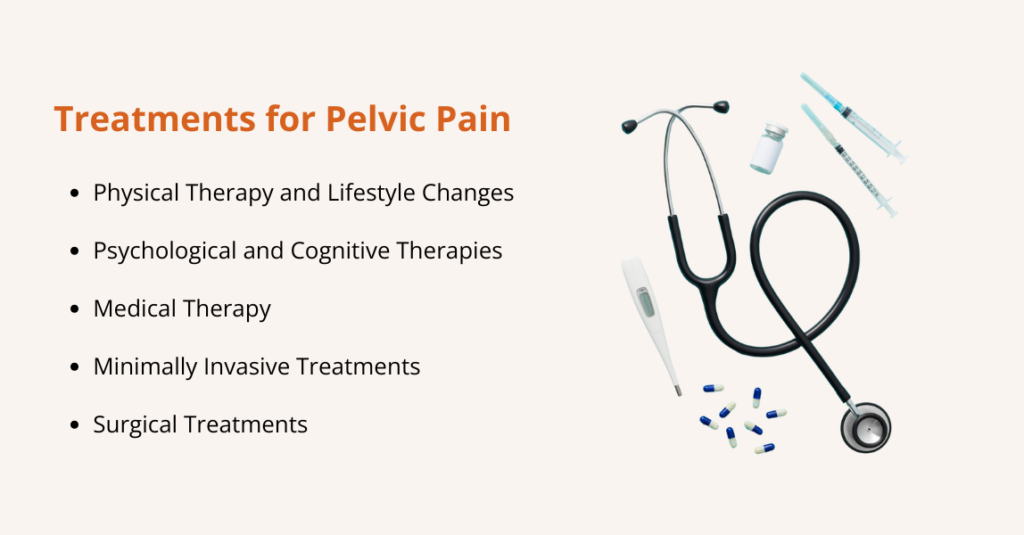
    Treatment depends on the underlying cause, the severity and duration of pain, and the individual’s goals. Management usually involves one or more of the following approaches:

    Physical Therapy and Lifestyle Changes

    Pelvic floor physical therapy helps relax or strengthen pelvic muscles, reduce trigger points, and improve bladder and bowel function. Techniques may include manual therapy, biofeedback, and guided exercises.

    Also, lifestyle changes such as regular physical activity, stretching, a high-fiber diet, and smoking cessation also support pain reduction and overall pelvic health.

    Psychological and Cognitive Therapies

    Chronic pelvic pain often involves nervous system sensitivity and emotional stress.

    Cognitive behavioral therapy (CBT), mindfulness, and counseling can help manage pain, improve coping skills, and address anxiety or depression linked to long-term pain.

    Medical Therapy

    Over-the-counter pain relievers such as NSAIDs and acetaminophen (i.e. Advil & Tylenol) are commonly used to ease mild to moderate pain.

    For chronic or nerve-related pelvic pain, doctors may prescribe medications like tricyclic antidepressants, SNRIs, or anticonvulsants.

    Antibiotics are used when pelvic pain is caused by bacterial infections such as pelvic inflammatory disease (PID), urinary tract infections (UTIs), or bacterial vaginosis, and early treatment helps prevent complications like infertility.

    Moreover, hormonal therapies, including combined oral contraceptives, progestin-only pills, depot medroxyprogesterone, or GnRH agonists with add-back therapy, help reduce pain by suppressing ovulation and thinning the uterine lining, making them effective for conditions like endometriosis and painful periods.

    In some cases, muscle relaxants, vaginal medications, antidepressants, or targeted pain injections are used, and nerve blocks may be performed to interrupt pain signals, serving both diagnostic and therapeutic purposes.

    Minimally Invasive Treatments

    When conservative care fails, or a specific cause is found, several minimally invasive or image-guided options may be used before or instead of open surgery:

    • Laparoscopy: Small-port surgery with a camera to excise endometriosis implants, drain or remove ovarian cysts, or free adhesions.
    • Uterine Fibroid Embolization (UFE): A non-surgical, interventional radiology procedure that blocks blood flow to fibroids to shrink them and relieve symptoms.
    • Ovarian Vein Embolization (OVE): an image-guided procedure that closes the malfunctioning pelvic veins responsible for pelvic congestion syndrome (PCS). PCS is chronic pelvic pain lasting more than six months that worsens with standing and often follows pregnancy.
    • Neuromodulation/Spinal Cord Stimulation: Implanted or percutaneous devices that alter pain signals for refractory pelvic pain syndromes; can be trialed minimally invasively.
    • Targeted Nerve Blocks and Injections: Pudendal or other nerve blocks are used diagnostically and therapeutically to reduce pain.

    Surgical Treatments

    Surgery is considered when minimally invasive options are insufficient or when definitive removal of pathology is required:

    • Excisional Surgery (laparoscopic or open): Removal of disease, such as deep endometriosis; the choice of approach depends on the extent and location of the disease.
    • Myomectomy: Surgical removal of symptomatic fibroids when uterine preservation is desired.
    • Hysterectomy: Removal of the uterus for chronic, refractory uterine causes of pain when childbearing is complete, and other treatments have failed.

    How to Relieve Pelvic Pain?

    For people with chronic or mild pelvic pain, there are several steps you can take at home to help manage and ease your symptoms. For example:

    • Heat Therapy: Applying a heating pad or warm compress to the pelvic area, or taking a warm bath, relaxes muscles and improves blood flow.
    • Regular Exercise: Moderate physical activity improves circulation and may reduce discomfort. Avoid overuse; limit activities requiring prolonged standing or walking.
    • Dietary Adjustments: A high‑fibre diet aids bowel movements and prevents constipation-related pelvic pain. Stay hydrated and limit caffeine and alcohol if they exacerbate bladder pain.
    • Relaxation and Mindfulness: Practices such as yoga, meditation, or mindfulness reduce stress and tension and may ease chronic pain.
    • Stop Smoking: Tobacco products inflame nerves and reduce blood flow; quitting smoking may help relieve pain.
    • It’s important to consult a healthcare professional before attempting self‑treatment, especially when pain is severe, new, or accompanied by concerning symptoms.

      Frequently Asked Questions (FAQs)

      What are the different types of pelvic pain?

      There are several ways to classify pelvic pain, and understanding the pattern helps clinicians identify potential causes.

      1. Acute vs. Chronic: Acute pelvic pain occurs suddenly, lasts minutes to days, and often signals an urgent condition (e.g., ruptured ovarian cyst, appendicitis, ectopic pregnancy). Chronic pelvic pain lasts at least six months; it may be constant or intermittent and can be cyclic (related to the menstrual cycle) or non‑cyclic.
      2. Cyclic vs. Non‑Cyclic: Cyclic pain occurs at specific times in the menstrual cycle, such as menstrual cramps or mid-cycle ovulation pain. Non-cyclic pain has no link to the menstrual cycle and may be caused by conditions like endometriosis, interstitial cystitis, IBS, or pelvic floor dysfunction.
      3. Primary vs. Secondary Chronic Pain: Primary chronic pelvic pain occurs without an identifiable physical cause and is often linked to nervous system sensitization and psychological factors. Secondary chronic pelvic pain results from a known condition such as infection, inflammation, nerve damage, or endometriosis.
      4. Visceral vs. Somatic vs. Neuropathic: Visceral pain comes from internal organs and feels dull or crampy. Somatic pain arises from muscles, ligaments, or bones and is usually sharp or aching. Neuropathic pain is caused by nerve injury or entrapment and may present as burning or electric sensations.
      5. By Organ System: Pelvic pain may also be classified by the affected system, including gynecologic, urologic, gastrointestinal, musculoskeletal/neurologic, or psychological causes.

      Can pelvic pain be prevented?

      Pelvic pain cannot always be prevented, but certain healthy habits may help lower your risk and reduce symptom flare-ups, such as:

      • Avoid overuse: Limit activities that involve prolonged standing or walking to reduce strain on the pelvic muscles.
      • Eat more fiber: A high-fiber diet supports digestion and may help prevent pelvic pain associated with constipation or diverticulitis.
      • Exercise regularly: Staying active maintains muscle and joint strength and improves overall pelvic health.
      • Stretch before activity: Warming up and stretching before exercise helps reduce muscle tension and the risk of injury.
      • See your healthcare provider regularly: Routine checkups can help detect and treat potential issues early, before symptoms worsen.

      When should I see a doctor for pelvic pain?

      Seek immediate medical care if pelvic pain is sharp, severe, or sudden; if you cannot stand upright; if you notice blood in your urine or stool; if you have a fever; or if you are pregnant or have been pregnant in the last six months. Persistent pelvic pain lasting more than two weeks also warrants evaluation. Red‑flag findings such as postcoital bleeding, postmenopausal bleeding, unexplained weight loss, or a pelvic mass require prompt assessment.

      Conclusion

      Pelvic pain is more than just a physical symptom; it can affect your comfort, confidence, relationships, and daily life.

      Its causes are complex and may involve the reproductive organs, urinary system, digestive tract, muscles, nerves, or emotional health.

      Sudden pelvic pain can be frightening and may signal an urgent medical problem, while ongoing or recurring pain can be exhausting and discouraging, especially when answers are not immediate.

      Chronic pelvic pain, in particular, is often influenced by how the nervous system processes pain and by emotional stress, making it feel overwhelming and isolating for many people.

      Therefore, a thorough medical evaluation is essential to understand what’s happening and to rule out serious conditions.

      Treatment is highly individualized and may include medications, hormonal therapy, antibiotics, pelvic floor physical therapy, lifestyle adjustments, psychological support, or surgery.

      Most importantly, persistent pelvic pain is not something you should ignore or feel you must “live with.” If pelvic pain is affecting you, reaching out to a healthcare provider is an important first step toward understanding, support, and healing.

  • Urinary Hesitancy: Causes, Symptoms, & Treatments

    Urinary Hesitancy: Causes, Symptoms, & Treatments

    Urinary hesitancy, the difficulty, delay, or interruption in starting urination, can be a frustrating and unsettling experience. 

    What should be an automatic bodily function becomes a source of stress and anxiety. Simple bathroom visits can become stressful and frustrating when your body doesn’t respond as expected.

    Many people find themselves planning activities around bathroom access or feeling isolated and worried about their symptoms.

    However, in most cases, targeted pelvic floor exercises, gentle stretching, medications, and lifestyle modifications can support healthy bladder function and improve urine flow.

    In this guide, we will explore the causes, symptoms, and potential complications of urinary hesitancy, as well as diagnosis and treatment options to help you manage symptoms and regain confidence in your daily life.

    What is Urinary Hesitancy?

    Urinary hesitancy is the difficulty initiating or maintaining a steady stream of urine despite the urge to void.

    It’s more than just a minor inconvenience; it’s a disruption of a fundamental process. It often occurs alongside other symptoms like a weak stream, straining, or a sensation of incomplete emptying.

    What does urinary hesitancy feel like?

    Patients describe it as:

    • A frustrating “hold-up” where you feel ready, but your body doesn’t cooperate.
    • Needing to concentrate or wait several seconds to a minute for the flow to begin.
    • A stop-and-start pattern during urination.
    • The need to apply abdominal pressure or strain to get started.
    • An underlying feeling that you haven’t fully emptied your bladder, even after finishing.

    What are the Causes of Urinary Hesitancy?

    Hesitancy is a symptom, not a disease itself. It signals an obstruction, a neurological issue, or weakened muscles. Causes often differ by biological sex due to anatomical differences.

    Causes of Urinary Hesitancy in Females

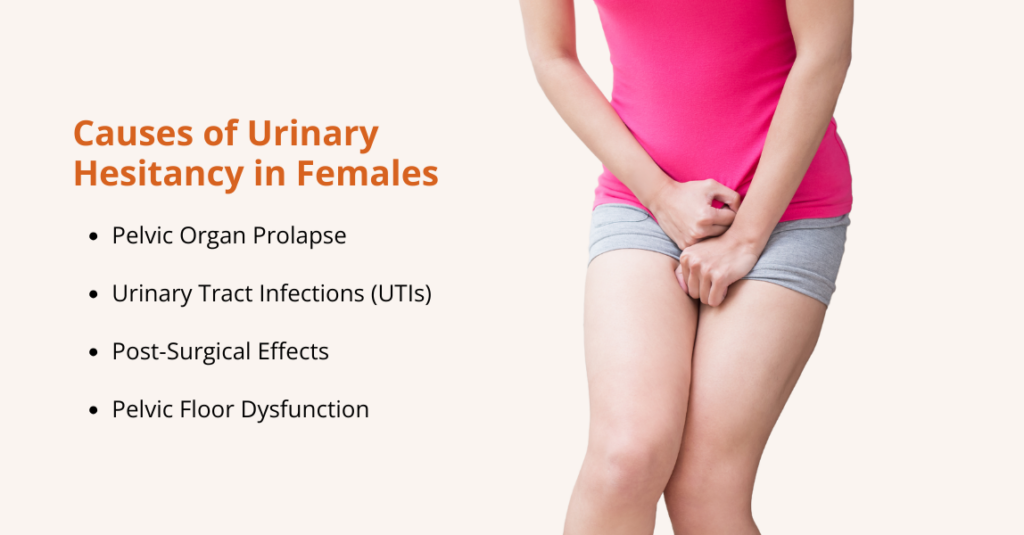
    • Pelvic Organ Prolapse: When the bladder, uterus, or rectum descends into the vaginal canal, it can alter the urethra’s angle and function.
    • Urinary Tract Infections (UTIs): Inflammation and swelling in the urinary tract can cause hesitation and pain.
    • Post-Surgical Effects: Scar tissue or nerve damage following pelvic or back surgeries (e.g., hysterectomy, spinal surgery).
    • Pelvic Floor Dysfunction: Overactive or tight pelvic floor muscles (not just weak ones) can prevent the urethral sphincter from relaxing properly to allow urine out.

    A study of female patients found that a continuous detrusor voiding pressure curve and a prolonged, “tailed” shape on the free urine flow curve were strongly associated with bladder outlet obstruction (BOO).

    Causes of Urinary Hesitancy in Males

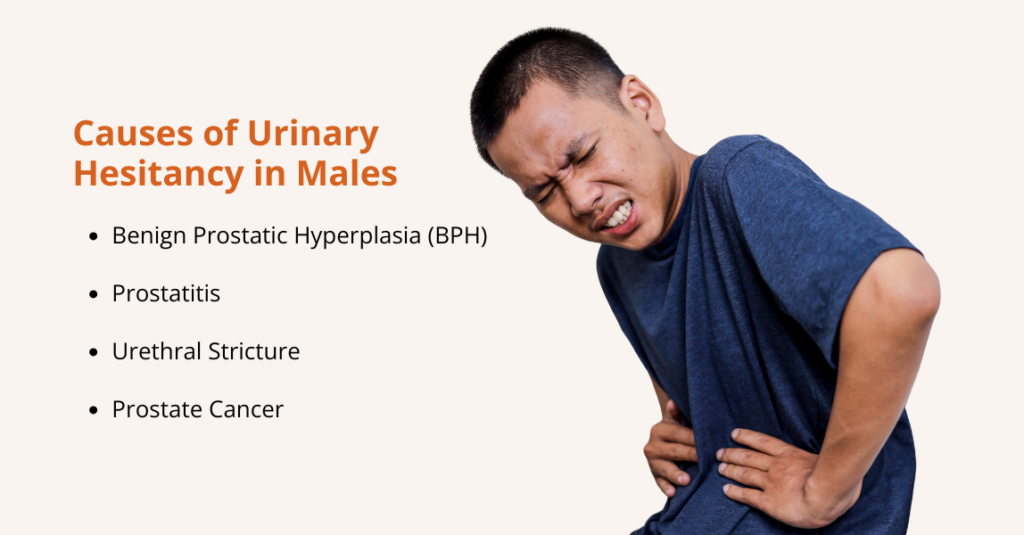
    • Benign Prostatic Hyperplasia (BPH): The most common cause in men over 50. An enlarged prostate gland constricts the urethra, acting like a kink in a garden hose.
    • Prostatitis: Inflammation or infection of the prostate gland, causing swelling and irritation.
    • Urethral Stricture: Scarring that narrows the urethra, often from past injury, infection, or medical procedures.
    • Prostate Cancer: While less common, it can cause similar obstructive symptoms.

    A clinical study examined nearly 500 men with BPH and found that symptoms such as weak urinary stream and hesitancy are among the most common and bothersome components of BPH-related Lower urinary tract symptoms (LUTS).

    Common Causes in All Genders:

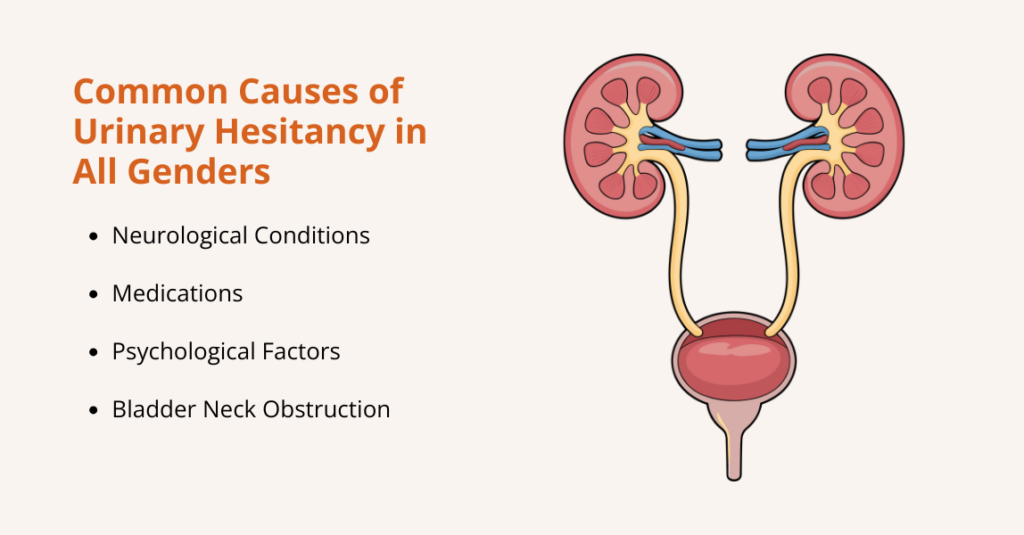
    • Neurological Conditions: Diseases that disrupt nerve signals between the brain and bladder (e.g., Multiple Sclerosis, Parkinson’s, Stroke, Spinal Cord Injuries, Diabetes-induced neuropathy).
    • Medications: Side effects of common drugs like antihistamines, decongestants, anticholinergics, tricyclic antidepressants, and certain muscle relaxants.
    • Psychological Factors: Extreme anxiety, “shy bladder” syndrome (paruresis), or a history of trauma.
    • Bladder Neck Obstruction: A malfunction of the muscles at the bladder’s outlet.

    What are the Symptoms of Urinary Hesitancy?

    Hesitancy rarely occurs in isolation. Look for these accompanying signs:

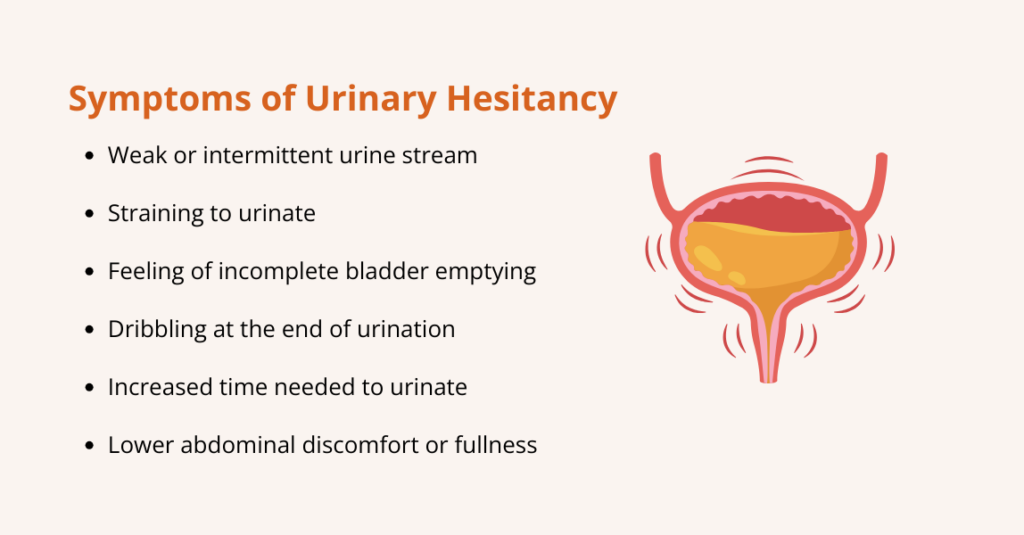
    • Weak or intermittent urine stream
    • Straining to urinate
    • Feeling of incomplete bladder emptying
    • Dribbling at the end of urination
    • Increased time needed to urinate
    • Lower abdominal discomfort or fullness

    What are the Risk Factors for Urinary Hesitancy?

    Urinary hesitancy does not usually happen without a reason. Certain health conditions, lifestyle factors, and medications can increase the risk of having trouble starting urination.

    Age-Related Changes

    As people age, the muscles that control the bladder and urethra may weaken or lose coordination. This can slow urine flow and make it harder to start urinating.

    • More common in adults over 50
    • Often develops gradually

    Prostate-Related Conditions (in men)

    An enlarged prostate is one of the most common risk factors for urinary hesitancy.

    Neurological Conditions

    The bladder depends on proper nerve signals to function normally. Any condition that affects these signals can cause hesitancy.

    • Diabetes-related nerve damage
    • Parkinson’s disease
    • Multiple sclerosis
    • Stroke or spinal cord injury

    Psychological Factors

    In some cases, mental or emotional factors play a role.

    • Anxiety or stress
    • Habitually holding urine for long periods
    • Difficulty urinating in public settings

    Medications

    Some medications interfere with bladder muscle contraction or tighten the urinary sphincter. Common examples include:

    • Antihistamines and cold medications
    • Decongestants
    • Certain antidepressants
    • Opioid pain medications

    Other Key Factors

    Several additional conditions can also interfere with normal urine flow. 

    For example, urinary tract infections and inflammation, such as UTIs, prostatitis, or urethritis, can cause swelling and irritation that temporarily narrow the urinary passage.

    Similarly, pelvic floor disorders, including pelvic organ prolapse, childbirth-related muscle strain, or chronic pelvic muscle tension, may disrupt the coordination needed to start urination.

    In other cases, structural blockages, such as urethral strictures, bladder or kidney stones, pelvic tumors, or scar tissue from previous surgery or injury, can physically obstruct urine flow.

    In addition, severe or long-term constipation can place pressure on the bladder and urethra, making it harder to begin urinating.

    What are the Complications of Urinary Hesitancy?

    When urine stays in the bladder, er it creates problems: bacteria can grow, the bladder can overstretch or weaken, and pressure can back up into the kidneys. Left untreated, these changes can progress.

    Common complications of urinary hesitancy include:

    • Recurrent urinary tract infections (UTIs)
    • Acute or chronic urinary retention
    • Bladder overdistension and detrusor (muscle) damage
    • Bladder stones (calculi)
    • Overflow incontinence
    • Hydronephrosis and kidney injury
    • Bladder diverticula and structural changes
    • Sepsis (rare but serious)

    If urinary hesitancy is new, progressive, painful, or accompanied by fever or reduced urine output, seek medical evaluation. Prompt treatment of retention or infection prevents most of these complications.

    How Do Doctors Test for Urinary Hesitancy?

    Urinary hesitancy is usually diagnosed by a primary care physician (PCP) or healthcare provider.

    Initial Assessment

    The evaluation begins with a detailed discussion of your symptoms, a review of your medical history, and a physical examination.

    During this visit, your provider may ask questions such as:

    • How long have you had difficulty starting urination?
    • Has your urine stream become weaker than usual?
    • Did the symptoms develop gradually or start suddenly?
    • Are you taking any prescription or over-the-counter medications?
    • Do your symptoms worsen after certain activities or after consuming specific foods or drinks?

    These questions help identify possible causes and guide further testing.

    Tests Used to Diagnose Urinary Hesitancy

    If needed, your healthcare provider may order tests to confirm the diagnosis and determine the underlying cause.

    Urodynamic Testing

    Urodynamic tests measure how well your bladder and urethra store and release urine. These tests can assess:

    • The amount of urine you pass
    • The speed and strength of your urine stream
    • Pressure within the bladder during filling and emptying

    Additional Diagnostic Tests

    Depending on your symptoms, your provider may also recommend:

    • Imaging tests, such as an ultrasound or CT scan, are used to evaluate bladder emptying and check prostate size
    • Cystoscopy, which uses a small camera to look inside the urethra and bladder
    • Digital rectal exam, to assess prostate size and detect abnormalities
    • Urinalysis, to examine urine for signs of infection, blood, or other abnormalities
    • Urine culture, to identify bacterial infections

    Together, these evaluations help determine the cause of urinary hesitancy and guide appropriate treatment.

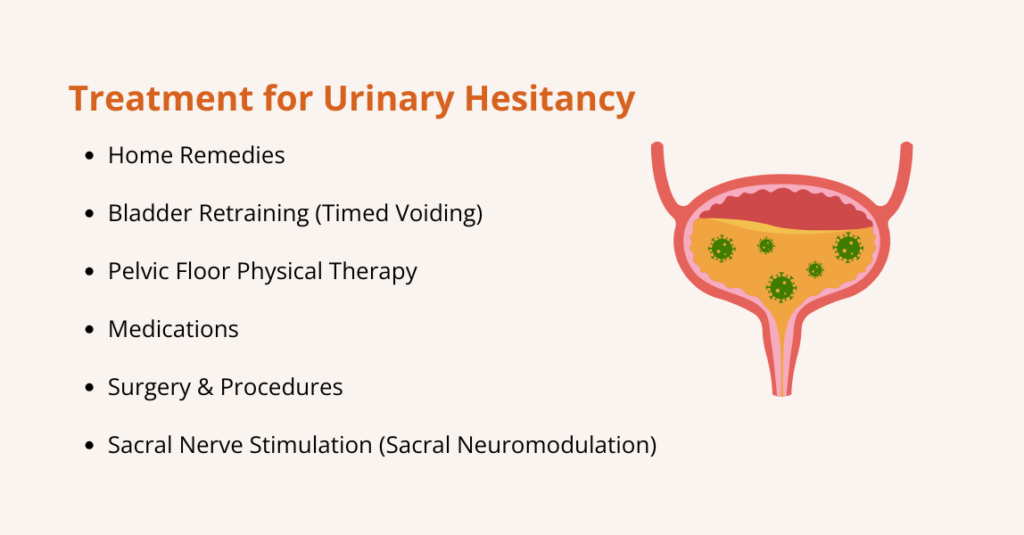
    Treatment for Urinary Hesitancy

    Treatment for urinary hesitancy depends on the underlying cause and any other comorbidities. Your healthcare provider may recommend

    • Home Remedies
    • Bladder Retraining (Timed Voiding)
    • Pelvic Floor Physical Therapy
    • Medications
    • Surgery & Procedures
    • Sacral Nerve Stimulation (Sacral Neuromodulation)

    Home Remedies

    Some cases of urinary hesitancy can improve with safe home strategies, but always consult your provider first:

    • Heat: Applying a heating pad, using a hot water bottle, or taking a warm shower/bath can relax the pelvic muscles.
    • Gentle abdominal massage: Light pressure near the bladder while peeing may help strengthen the stream.
    • Bowel regulation: Using stool softeners or adjusting diet to prevent constipation can reduce pressure on the bladder.
    • Bladder diary: Track fluid intake, urine volume, stream strength, time to urinate, frequency, and other symptoms to help your provider monitor progress and adjust treatment.

    Bladder Retraining (Timed Voiding)

    Bladder retraining involves voiding at set intervals, typically every 2 hours, to prevent overfilling of the bladder.

    You do this even if you don’t feel the urge to urinate. Over time, it helps improve bladder control and ease hesitancy.

    Pelvic Floor Physical Therapy

    Pelvic floor physical therapy (PT) is an effective way to treat urinary hesitancy caused by tight or uncoordinated pelvic floor muscles.

    These muscles need to contract and fully relax to allow normal urination. If the muscles remain tense, go into spasm, or cannot relax properly, it can lead to urinary hesitancy and other bladder symptoms.

    Targeted exercises help stretch and relax the pelvic floor muscles, improving urine flow. You can perform some exercises at home, but working with a physical therapist ensures personalized guidance.

    Medications

    Depending on the cause, your provider may prescribe:

    • Alpha-blockers to relax muscles in the bladder and prostate
    • 5-alpha-reductase inhibitors (like dutasteride or finasteride) to shrink the prostate
    • Antibiotics to treat urinary tract infections

    Surgery & Procedures

    Surgery is considered when medications, physical therapy, or less invasive treatments are not effective. Common surgical options include:

    • Prostate surgery (partial prostatectomy or transurethral resection of the prostate) to remove excess prostate tissue and relieve BPH-related obstruction.
    • Pelvic organ prolapse repair to restore support to dropped organs, reducing pressure on the bladder and improving urination.

    In addition, minimally invasive procedures can improve urine flow without major surgery:

    • Urethral dilation or reconstruction for a narrow or obstructed urethra.
    • Prostatic Artery Embolization (PAE), a non-surgical procedure for BPH, reduces blood flow to the enlarged prostate, shrinking it and relieving urinary symptoms.

    Sacral Nerve Stimulation (Sacral Neuromodulation)

    A small device is implanted near the upper buttock. It sends mild electrical impulses to the sacral nerve, helping stimulate bladder muscles and improve urine flow.

    Frequently Asked Questions (FAQs)

    What is the difference between urinary hesitancy and urinary retention?

    Urinary hesitancy and urinary retention are related but distinct problems in the urinary process. Urinary hesitancy refers specifically to the difficulty or delay in initiating the flow of urine once you feel the urge to go; it’s about a troublesome start, often accompanied by straining or a weak stream, but you usually can eventually urinate. Urinary retention, on the other hand, is the more severe condition where the bladder cannot empty properly, meaning little or no urine is released despite an urge, often leading to painful bladder distention and the potential for serious complications.

    Why does it feel like I have to pee, but nothing comes out?

    This sensation is often caused by urinary hesitancy or incomplete bladder emptying. Even though your bladder signals the need to urinate, several factors can prevent urine from flowing normally:

    • Weak bladder muscle contractions (detrusor underactivity): The bladder isn’t squeezing strongly enough to push urine out.
    • Obstruction in the urinary tract: In men, an enlarged prostate (BPH) can block the urethra; in women, pelvic organ prolapse or urethral narrowing can have a similar effect.
    • Tight or uncoordinated pelvic floor muscles: If the muscles around the bladder and urethra remain tense, they can prevent urine from starting or fully flowing.
    • Nerve or neurological issues: Conditions such as diabetes, multiple sclerosis, or spinal injuries can interfere with the signals between the bladder and brain.
    • Infections or inflammation: Swelling from a urinary tract infection or urethritis can make it difficult for urine to pass.

    If you experience this frequently, feel discomfort, or cannot urinate at all, it’s important to seek medical evaluation. 

    When should someone seek medical care for urinary hesitancy?

    You should seek medical evaluation for urinary hesitancy if:

    • Your symptoms suddenly appear or get worse over time.
    • You experience pain, burning, or discomfort while urinating.
    • There is blood in your urine or unusual discharge.
    • You are unable to urinate at all.
    • You have fever, nausea, or lower back/flank pain, which could indicate an infection or kidney problem.

    Even if your symptoms are mild, persistent urinary hesitancy should be discussed with a healthcare provider to identify the cause and prevent complications.

    How can urinary hesitancy be prevented?

    You can help prevent urinary hesitancy through healthy bladder habits, such as going to the bathroom regularly and avoiding holding urine for long periods. Staying hydrated and managing constipation can reduce pressure on the bladder and urethra, while pelvic floor exercises help maintain muscle strength and proper coordination. Additionally, promptly addressing urinary tract infections, prostate issues, or other underlying conditions can lower the risk of complications that contribute to hesitancy.

    What is the most common treatment for urinary retention?

    The most common initial treatment for urinary retention is catheterization, which temporarily drains urine from the bladder to relieve discomfort and prevent complications. Depending on the cause, healthcare providers may also recommend medications (such as alpha-blockers for men with prostate enlargement), pelvic floor therapy, or surgical procedures to address obstructions or improve bladder function. However, the exact approach depends on whether the retention is acute (sudden) or chronic (long-term), as well as on the underlying cause.

    What medication is used for urinary hesitancy?

    The medication prescribed for urinary hesitancy depends on the underlying cause:

    • Alpha-blockers (e.g., tamsulosin, alfuzosin) help relax the muscles in the bladder neck and prostate, thereby improving urine flow, and are commonly used for men with benign prostatic hyperplasia (BPH).
    • 5-alpha-reductase inhibitors (e.g., finasteride, dutasteride) may be prescribed to shrink an enlarged prostate over time.
    • Antibiotics are used if urinary tract infections contribute to hesitancy.

    Always consult a healthcare provider before starting any medication, as the choice depends on your specific condition, other health factors, and potential side effects.

    How many seconds is urinary hesitancy?

    There isn’t a strict “number of seconds” that defines urinary hesitancy, because it varies by person and by the underlying cause. Research suggests that a delay of over 11.3 seconds after attempting to urinate may be considered significant, especially if it happens repeatedly or is accompanied by other symptoms like a weak stream, straining, or incomplete emptying.

    Conclusion

    The journey with urinary hesitancy is more than physical; it’s an emotional drain that can make you feel like your body is working against you.

    The constant anticipation, the planning, the silent worry, it’s a heavy load to carry alone. But please understand this: Your struggle is valid, and it is treatable.

    With appropriate evaluation, targeted therapies, lifestyle modifications, and, in some cases, medical or surgical interventions, most people can achieve meaningful improvement.

    Small changes, guided exercises, and professional support can help restore confidence, reduce frustration, and allow you to reclaim control over daily routines.

    Remember, seeking help is the first step toward relief. You don’t have to navigate urinary hesitancy alone; support, treatment, and better bladder health are within reach.

  • Knee Pain: Its Causes, Diagnosis, Treatment, & Prevention

    Knee Pain: Its Causes, Diagnosis, Treatment, & Prevention

    Knee pain can quietly creep into your life or arrive in a single sudden moment, the twinge that stops you on the stairs, the ache that makes you skip a walk with a friend, or the sharp pain after a fall.

    Essentially, it is discomfort experienced in or around the knee, the largest joint in the body that bears your weight and allows movement such as bending, walking, and climbing.

    No matter how it appears, it’s more than a physical problem: it can frustrate your daily routine, steal small joys, and leave you worried about what’s next.

    This discomfort often arises from injuries, overuse, inflammation, arthritis, or other underlying conditions, and it can range from mild soreness to severe, debilitating pain.

    Fortunately, there are several ways to manage knee pain, depending on its cause.

    For example, home remedies such as rest, ice, and over-the-counter pain relief can help in the short term, while physical therapy and exercises strengthen the joint for longer-term improvement.

    Additionally, non-surgical treatments such as injections or minimally invasive procedures provide targeted relief, and in some cases, surgery may be necessary when other methods aren’t enough.

    In this post, we will explore what knee pain is, its causes, diagnosis, and treatment options, so you can understand your condition and take the right steps toward relief.

    What is Knee Pain?

    what is a knee pain

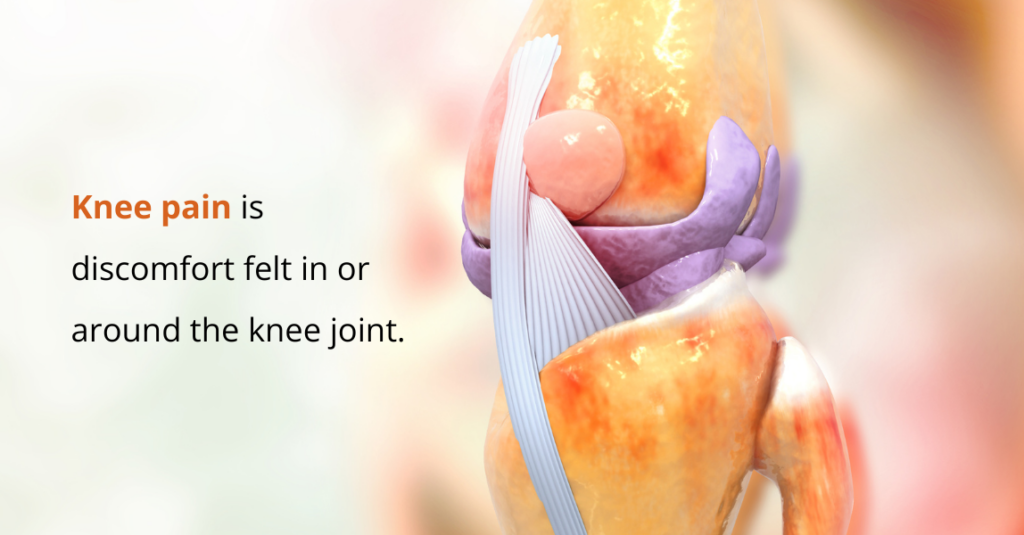
    Knee pain is discomfort felt in or around the knee joint, the largest joint in the body. Where you feel the pain can often give clues about what’s causing it.

    Your knee is a joint, the place where two bones meet. It connects your thigh bone (femur) to your lower leg bone (shin or tibia). This joint plays a major role in movement, balance, and weight support.

    The knee is the largest joint in the body and absorbs a lot of stress when you walk, run, bend, or climb stairs. Because of this, it’s one of the most commonly injured joints. Knee pain can be short-term and temporary, or it can become a long-term (chronic) condition.

    Some people notice pain when moving, bending, or putting weight on the knee, while others feel relief when resting. Pain may also vary throughout the day, often worse in the morning, at night, or after physical activity.

    What are the Causes of Knee Pain?

    what are the causes of a knee pain

    Knee pain can come from many different problems. Sometimes it’s due to an injury from a fall, twist, or sports activity. At other times, it develops over time due to wear and tear, inflammation, or other medical conditions.

    Here are the main causes of knee pain:

    • Ligament Injuries

    Tears or sprains of ligaments such as the ACL, PCL, MCL, or LCL often occur with sudden twists, stops, or impacts. They can cause pain, swelling, and instability.

    • Meniscus Tears

    The meniscus is cartilage that cushions the knee. A tear often from twisting the knee while bearing weight can lead to pain, stiffness, and difficulty moving.

    • Fractures

    A fracture of the kneecap or nearby bones can result from falls, collisions, or other trauma. This causes sharp pain and usually needs prompt care.

    • Tendinitis

    Overuse of the tendons around the knee (especially the patellar tendon) can cause inflammation. This common condition, known as “jumper’s knee,” causes pain during activity.

    • Bursitis

    The bursae are small fluid-filled sacs that cushion the knee. When they become irritated or inflamed, they cause pain and swelling, especially with pressure or movement.

    • Osteoarthritis

    This “wear-and-tear” arthritis happens when the protective cartilage of the knee wears down over time, leading to pain, stiffness, and swelling.

    • Rheumatoid Arthritis

    An autoimmune condition in which the body’s immune system attacks the joints, causing inflammation, pain, and potentially long-term damage.

    • Gout and Pseudogout

    These are caused by tiny crystals forming in the joint, which can trigger sudden and severe pain, redness, and swelling.

    • Mechanical Problems

    Issues such as a dislocated kneecap, a loose piece of bone/cartilage floating in the joint, or irritation of the iliotibial (IT) band can all trigger pain by affecting knee mechanics.

    • Patellofemoral Pain Syndrome

    Pain around or under the kneecap, common among athletes and active individuals, often results from misalignment, overuse, or muscle imbalance.

    How to Diagnose Knee Pain?

    how to diagnose a knee pain

    To diagnose knee pain, health care providers combine your medical history, a physical exam, and, if needed, special tests or imaging to see inside the joint.

    Medical History

    Your doctor or clinician will ask questions about:

    • When the pain started and how it began (suddenly or gradually)
    • What movements make it worse or better
    • Any recent injuries or activities that could have caused strain
    • Other symptoms like swelling, stiffness, or instability

    Physical Exam

    During the exam, your provider will:

    • Look at your knee for swelling, bruising, warmth, or tenderness
    • Check how far you can bend and straighten the knee
    • Move your knee in different directions to test stability
    • Feel for pain or weakness in specific areas

    These tests help identify which structures (ligaments, tendons, cartilage, bones) might be involved.

    Imaging Tests

    Imaging helps doctors see inside the knee when the physical exam isn’t enough or the pain is severe:

    • X-ray: First and most common test. It shows bone fractures, joint space narrowing (arthritis), and bone alignment problems.
    • MRI (Magnetic Resonance Imaging): It provides detailed images of soft tissues, including ligaments, tendons, cartilage, and menisci. It’s very useful when a tear or soft tissue injury is suspected.
    • CT Scan: Provides detailed bone images and may be used when X-rays are unclear or when fractures are difficult to visualize.
    • Ultrasound: Uses sound waves to view soft tissues and see fluid or tendon injuries in real time.
    • Bone Scan or Arthroscopy: Sometimes used in special cases to find bone activity or to directly look inside the joint with a camera.

    Lab Tests and Joint Fluid Analysis

    If the doctor suspects infection, inflammation, or arthritis, they may order:

    • Blood tests (e.g., inflammation markers or autoimmune markers)
    • Joint aspiration: Removing a small amount of fluid from the knee with a needle to check for infection, crystals (like in gout), or inflammation.

    Your clinician will combine information from your history, exam, and test results to make a diagnosis.

    What are the Treatments for Knee Pain Relief?

    how to treat a knee pain

    Knee pain treatment usually involves a combination of therapies and, when necessary, surgery. The best approach depends on the cause of the pain, its severity, and the patient’s individual needs and goals.

    Rest, Ice, Compression & Elevation (RICE)

    These simple steps help reduce pain, swelling, and stiffness—especially right after an injury.

    • Rest: Take a break from activities that hurt.
    • Ice: Apply a cold pack wrapped in a towel to reduce swelling and numb pain.
    • Compression: Wrap the knee with a bandage to limit fluid buildup.
    • Elevation: Raise the leg on pillows to facilitate drainage away from the knee.

    Over-the-Counter Pain Relief

    Over-the-counter pain medications can help manage knee pain. NSAIDs (like ibuprofen or naproxen) reduce pain and, at higher doses, inflammation, but should be used with caution if you have stomach ulcers, bleeding disorders, or certain kidney conditions.

    Moreover, topical treatments such as gels or creams containing menthol or capsaicin can provide local pain relief. For more severe pain, doctors may recommend prescription-strength medications.

    Physical Therapy & Exercise

    A physical therapist can show you exercises to:

    • Strengthen the muscles around your knee
    • Improve flexibility and balance
    • Reduce stress on the joint

    Regular physical activity, such as walking, swimming, cycling, tai chi, or yoga, can also help with long‑term knee pain and improve mobility.

    Braces & Supportive Devices

    Knee braces, sleeves, or shoe inserts can:

    • Help stabilize the knee joint
    • Reduce strain during activities
    • Improve alignment and comfort

    These are often used alongside exercise or therapy.

    Non-Surgical Options

    There are non-surgical options for managing knee pain that provide relief without surgery.

    • Genicular Artery Embolization (GAE): GAE is a minimally invasive procedure performed by an interventional radiologist. Tiny particles are used to block blood flow to inflamed areas around the knee, thereby reducing chronic pain, particularly in osteoarthritis.
    • Intra-Articular Injections: Intra-articular injections deliver medications, such as corticosteroids, hyaluronic acid, or platelet-rich plasma, directly into the knee joint. These injections help reduce inflammation, improve joint lubrication, and relieve pain.

    Surgery (When Needed)

    If conservative treatments don’t help and the pain is disabling, surgery may be considered:

    • Arthroscopy: Small repairs inside the knee
    • Partial or total knee replacement: Replaces damaged joint surfaces
    • Osteotomy: Realigns bones to take pressure off worn areas

    These options are usually for severe injuries, advanced arthritis, or cases that limit daily activities.

    How to Prevent Knee Pain?

    Keeping your knees healthy is mostly about smart movement, good habits, and a few common-sense safety steps. Try these practical tips to lower your risk of injury and long-term pain:

    • Warm up and cool down: Spend 5–10 minutes warming up (light walking, gentle movement) before exercise and cool down with slow walking and stretching afterward to protect muscles and joints.
    • Build strength and flexibility: Perform regular exercises targeting the quadriceps, hamstrings, hips, and core, and incorporate gentle stretching or mobility exercises.
    • Increase activity gradually: Raise intensity, distance, or weight slowly, and don’t jump into a harder routine overnight.
    • Choose low-impact options: Swap high-impact activities (sprinting, repetitive jumping) for cycling, swimming, or elliptical workouts when possible to reduce joint stress.
    • Use proper technique and gear: Learn correct form for sports and lifting. Wear supportive shoes and use protective equipment (e.g., knee pads, braces) as appropriate.
    • Listen to your body: If your knee hurts during or after activity, stop, rest, and consult a professional before continuing.
    • Manage weight and overall health: Keeping a healthy weight reduces pressure on the knees. Control chronic conditions (like diabetes or arthritis) that can affect joint health.
    • Make your home safer: Remove tripping hazards, use stable step stools (not chairs), install handrails where needed, and use a cane or walker if you’re at risk of falling.

    Small, consistent choices add up, protecting your knees today helps keep you active and pain-free tomorrow.

    Frequently Asked Questions (FAQs)

    Why do I have knee pain?

    Knee pain can result from many causes, ranging from injuries to long-term joint conditions. Common causes include:

    • Injuries: Sprains, ligament tears (like ACL or MCL), meniscus tears, or fractures can cause sudden pain, swelling, or instability.
    • Arthritis: Osteoarthritis or rheumatoid arthritis gradually wears down the joint, leading to chronic pain, stiffness, and swelling.
    • Overuse: Repetitive activities such as running, jumping, or kneeling can strain the muscles, tendons, and ligaments around the knee.
    • Inflammation: Conditions such as bursitis or tendinitis can irritate the tissues surrounding the knee.
    • Mechanical issues: Problems such as a dislocated kneecap, loose cartilage, or alignment problems can cause pain during movement.

    Your knee may also be affected by a combination of these factors. Understanding the cause is important for choosing the right treatment, from rest and physical therapy to medications, injections, or minimally invasive procedures.

    What is the fastest way to relieve knee pain?

    While long-term relief depends on treating the underlying cause, you can ease knee pain quickly using these methods:

    • Rest the Knee: Avoid activities that worsen pain or put weight on the joint. Short-term rest reduces strain.
    • Ice Therapy: Apply a cold pack for 15–20 minutes several times a day to reduce pain and swelling.
    • Compression: Use an elastic bandage or knee sleeve to support the joint and limit swelling.
    • Elevation: Raise your leg on pillows so the knee is above heart level to help fluid drain away.
    • Over-the-Counter Pain Relievers: NSAIDs (such as ibuprofen or naproxen) quickly reduce pain and inflammation. Acetaminophen may be beneficial if inflammation is not the primary issue.
    • Topical Pain Creams: Menthol or capsaicin gels applied to the knee can provide fast local relief.
    • Gentle Movement: Light stretches or walking (if tolerable) can prevent stiffness and maintain circulation.

    What’s the best thing for knee pain?

    The best approach for knee pain combines exercise and physical therapy to strengthen the joint, pain relief with ice or medications, and, if needed, injections or minimally invasive treatments for persistent pain, with surgery as a last resort.

    What can I take for knee pain?

    For knee pain, you can take over-the-counter medications such as NSAIDs (e.g., ibuprofen, naproxen) to reduce pain and inflammation, or acetaminophen for pain relief without anti-inflammatory effects. Topical creams or gels (e.g., menthol or capsaicin) can provide local relief. For persistent pain, doctors may recommend prescription medications or intra-articular injections.

    When should I see a doctor for knee pain?

    Most mild knee pain can improve with rest, home care, and over-the-counter treatments. However, you should consult a healthcare professional if you experience any of the following:

    • Severe or sudden pain that doesn’t improve with rest
    • Swelling, redness, or warmth around the knee
    • Inability to bear weight or move the knee normally
    • Deformity or popping/clicking sounds after an injury
    • Pain that persists for several weeks despite home treatment
    • Fever or signs of infection in the knee
    • Recurring or worsening pain that affects daily activities

    Early evaluation helps prevent complications, ensures accurate diagnosis, and allows for timely treatment.

    Conclusion

    Knee pain can be more than just a physical discomfort. It can disrupt daily life, limit activities you enjoy, and leave you feeling frustrated or worried about the future.

    Understanding why your knee hurts is the first step toward finding relief. Whether it stems from an injury, overuse, arthritis, or inflammation, identifying the cause helps guide the right treatment.

    Simple measures such as rest, ice, and over-the-counter pain relievers can ease discomfort, while physical therapy and targeted exercises can strengthen the joint and improve mobility.

    Non-surgical options, such as injections or minimally invasive procedures, offer relief for persistent pain, and surgery is reserved for cases where other treatments aren’t enough.

    Remember, knee pain doesn’t have to define your life.

    Seeking timely advice, understanding your options, and following a personalized treatment plan can help you regain comfort, restore movement, and return to the activities you love.

    Taking the first step toward care is the start of reclaiming your freedom.