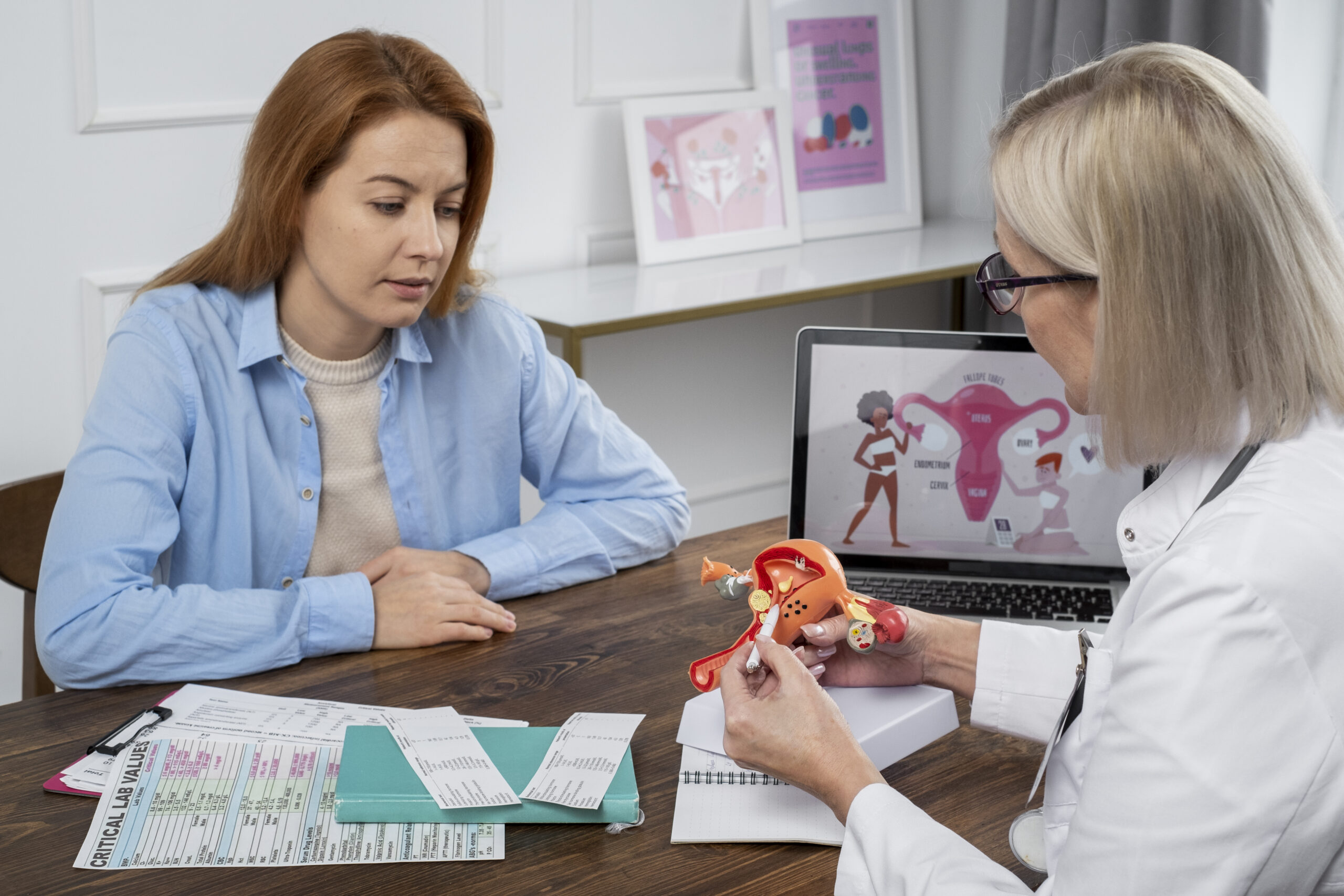
You’re exhausted in a way that rest doesn’t fix. You’re pale, you feel short of breath climbing stairs, and your heart races doing things that never used to wind you. Your periods are heavy—so heavy that you plan your schedule around them, keep extra supplies everywhere, and have stopped wearing anything light-colored. You may have started putting these two things together: the blood loss and the exhaustion.
Heavy menstrual bleeding that leads to iron-deficiency anemia is one of the most medically significant—and most commonly undertreated—consequences of uterine fibroids. Women across Houston and surrounding communities often accept this level of blood loss as “just how their periods are,” not realizing that the fatigue, weakness, and shortness of breath they’ve normalized are symptoms of anemia caused by their periods, not simply stress or being busy.
At Seamless Medical Centers, Dr. Zagum Bhatti, Board-Certified Interventional Radiologist, treats women with fibroid-related heavy bleeding from across the Houston area—including Katy, Sugar Land, The Woodlands, Pearland, League City, Friendswood, and Pasadena. Houston-area patients are seen at our Port Arthur office. Learn about UFE for Houston-area patients or our menorrhagia treatment page.
How Fibroids Cause Heavy Bleeding and Anemia
Uterine fibroids are noncancerous growths that develop within or around the uterine wall. When fibroids grow in certain locations—particularly submucosal fibroids that protrude into the uterine cavity—they dramatically increase the surface area of uterine lining that sheds during menstruation. They also interfere with the uterus’s ability to contract effectively, which is the mechanism that normally limits menstrual blood loss.
The result is menorrhagia: heavy menstrual bleeding defined as soaking through more than one pad or tampon per hour for several consecutive hours, passing large blood clots, or bleeding for more than seven days. When this level of blood loss occurs month after month, the body cannot replace the lost iron and red blood cells fast enough. Iron-deficiency anemia develops, characterized by fatigue, weakness, pallor, shortness of breath with exertion, headaches, and difficulty concentrating.
For women in Houston’s sprawling suburbs—managing demanding jobs in The Woodlands’ corporate corridors, caring for families in Katy and Friendswood, commuting across Harris County and Fort Bend County—the fatigue of fibroid-related anemia can make an already demanding life feel unmanageable. Read more about UFE and how it addresses fibroid symptoms to understand how treatment works.
Why Iron Supplementation Alone Is Not Enough
Many women with fibroid-related anemia are prescribed iron supplements. Iron supplementation is appropriate and helps replenish iron stores, but it cannot solve the underlying problem if heavy bleeding continues. If you’re taking iron every day but your periods are still soaking through a pad every hour, you’re supplementing at the same time as the problem continues. It’s like trying to fill a bath with the drain still open.
Meaningful resolution of fibroid-related anemia requires addressing the heavy bleeding itself—which requires addressing the fibroids causing it. Once the source of the excessive blood loss is treated, iron stores can recover and anemia resolves. For many women, this represents a turning point: energy returns, shortness of breath resolves, and they feel like themselves again.
UFE: Treating the Bleeding at the Source
Uterine fibroid embolization (UFE) is a minimally invasive procedure that treats fibroids by blocking the blood vessels that supply them. Without a blood supply, fibroids shrink over the following weeks and months, and the heavy bleeding they were causing typically decreases significantly. For appropriate candidates, UFE offers a fibroid treatment option that does not require surgery, does not require a hysterectomy, and allows most patients to return to normal activities within one to two weeks. Compare UFE to hysterectomy and UFE to myomectomy to understand how the options compare.
Patients with significant anemia at the time of evaluation may also benefit from iron supplementation or other anemia management in the weeks before UFE, so that any necessary sedation or procedure is done with the best possible hemoglobin level. The team at Seamless Medical Centers accounts for anemia in the pre-procedure planning process.
Learn about UFE at our Port Arthur location, where Houston-area patients are seen. Port Arthur is approximately 90 miles from central Houston, with same-week consultations often available.
Frequently Asked Questions About Fibroid-Related Heavy Bleeding and Anemia
How do I know if my heavy bleeding is caused by fibroids?
A pelvic ultrasound can identify uterine fibroids in most cases. Women with heavy periods who have not had a recent ultrasound should ask their gynecologist for imaging. If fibroids are identified, the size, number, and location help determine whether they are likely causing the heavy bleeding. Submucosal fibroids—those that grow into the uterine cavity—are most commonly associated with menorrhagia.
Can I be treated for anemia before having UFE?
Yes. Optimizing hemoglobin levels before the procedure is often recommended. Iron supplementation, dietary changes, and in some cases other medications can help build iron stores before UFE. Dr. Bhatti will evaluate your hemoglobin and iron levels as part of the pre-procedure assessment and make specific recommendations.
How long after UFE does heavy bleeding typically improve?
Many women notice a reduction in menstrual bleeding within the first one to three cycles after UFE as fibroids begin to shrink. The full benefit typically develops over three to six months as the fibroids continue to reduce in size. Individual results vary based on fibroid size, number, and type.
Is UFE appropriate if I still want to have children?
UFE is generally not recommended as a first-line option for women who plan future pregnancies. Myomectomy—surgical removal of the fibroids—is typically the preferred approach for women seeking fibroid treatment while preserving fertility. However, each situation is different, and this is an important discussion to have during the consultation.
Schedule Your Consultation
If heavy periods have been affecting your quality of life and you’re ready to explore your options, contact Seamless Medical Centers to schedule a consultation. Houston-area patients are seen at our Port Arthur office. Phone: 409-213-9575. Address: 3300 Jimmy Johnson Blvd, Suite #130, Port Arthur, Texas 77642.
Individual results may vary. This information is for educational purposes only and should not replace professional medical advice. Treatment decisions should be made in consultation with qualified healthcare providers.
Published by Seamless Medical Centers | Clinical information reflects the expertise of Dr. Zagum Bhatti, MD, Board-Certified Interventional Radiologist, Founder of Seamless Medical Centers.

Severe cramping that doubles you over. Constant pelvic aching that worsens throughout the day. Sharp pain that makes you catch your breath. Back pain that radiates down your legs. If fibroids are causing pain that disrupts your ability to work, care for your family, or enjoy daily activities, you don’t have to accept it as something you just have to live with.
For women throughout the Golden Triangle—Port Arthur, Beaumont, Orange, and Nederland—Fibroid Pain-related often goes untreated for years because they’ve been told it’s normal or that hysterectomy is the only solution. At Seamless Medical Centers, Dr. Zagum Bhatti provides treatment for fibroid pain in Port Arthur, offering minimally invasive relief that preserves your uterus and gets you back to your life quickly.
Understanding Fibroid-Related Pain
Fibroids cause pain through several mechanisms. Large fibroids create constant pelvic pressure and aching simply by taking up space in your pelvis and pressing on surrounding organs. Submucosal fibroids that protrude into the uterine cavity trigger severe cramping as your uterus contracts trying to expel them, especially during menstruation. When fibroids press on nerves, you may experience pain that radiates to your lower back, hips, or down your legs.
Fibroid degeneration—when a fibroid outgrows its blood supply—causes acute pain that can be severe and alarming. This pain is sharp and localized, often accompanied by fever and tenderness over the affected area. The pain typically lasts several days to a week as the fibroid tissue dies and begins to shrink. Pedunculated fibroids attached by a stalk can twist on themselves, causing sudden severe pain that may require emergency evaluation.
Some women experience pain only during certain activities or times of their cycle, while others have constant background discomfort punctuated by episodes of sharper pain. The pain may interfere with work, exercise, intimacy, and sleep. When fibroid pain significantly affects your quality of life, treatment becomes appropriate regardless of fibroid size.
Pain Patterns That Signal Fibroids
Fibroid pain often has characteristic patterns. Cramping that is significantly worse than your typical menstrual cramps and doesn’t respond well to over-the-counter pain medications may indicate submucosal fibroids. Pelvic pressure and aching that worsen as the day progresses and improve when you lie down suggest large fibroids creating mechanical pressure. Pain during intercourse, particularly with deep penetration, can signal fibroids pressing on sensitive pelvic structures.
Lower back pain that doesn’t respond to typical back pain treatments may actually be referred pain from posterior fibroids pressing on nerves. Leg pain, particularly pain that runs down the back of your thigh, can occur when large fibroids compress nerves in the pelvis. For women in western Louisiana who have traveled to Baton Rouge or New Orleans for care, Port Arthur offers closer access to specialized fibroid treatment.
Pain that interferes with your daily activities warrants evaluation and treatment. If you’re missing work because of fibroid pain, avoiding activities you enjoy, unable to exercise, having difficulty sleeping, or relying on pain medications daily, your fibroids are significantly impacting your quality of life. Pain during intercourse that affects your relationship or prevents intimacy is another valid reason to seek treatment.
Sudden severe pain, particularly if accompanied by fever, requires prompt medical evaluation to rule out fibroid degeneration, torsion of a pedunculated fibroid, or other complications. While these conditions may resolve on their own, proper evaluation ensures appropriate care and rules out other serious problems.
If conservative treatments like pain medications haven’t adequately controlled your fibroid pain, learn how UFE compares to hysterectomy for treating fibroid-related symptoms while preserving your uterus.
Treatment Options for Fibroid Pain
Pain medications can help manage fibroid discomfort temporarily but don’t address the underlying problem. Hormonal treatments may slow fibroid growth or reduce symptoms for some women, though effects are typically temporary and symptoms return when treatment stops. For lasting relief, treatment must target the fibroids themselves.
Uterine fibroid embolization blocks blood flow to fibroids, causing them to shrink and die. As fibroids shrink, pressure on surrounding organs decreases and pain improves. The procedure is performed through a tiny puncture with no abdominal surgery, allowing most women to return to work within a week. For women seeking relief from fibroid pain in the Golden Triangle, UFE in Port Arthur offers effective treatment close to home.
Frequently Asked Questions About Fibroid Pain
Why do fibroids cause so much pain?
Fibroids cause pain by pressing on surrounding organs and nerves, triggering uterine cramping (especially submucosal fibroids), or degenerating when they outgrow their blood supply. The type and severity of pain depends on fibroid size, location, and number.
Can fibroid pain come and go?
Yes, fibroid pain can be constant or intermittent. Some women experience pain only during menstruation or certain activities, while others have ongoing discomfort with episodes of sharper pain. Pain patterns often correlate with hormonal fluctuations during your menstrual cycle.
Will fibroid pain get worse over time?
Fibroid pain typically worsens as fibroids grow larger. Without treatment, fibroids often continue growing during reproductive years, leading to progressively worse symptoms. Waiting for menopause to shrink fibroids can mean years of pain.
Can I treat fibroid pain without surgery?
Yes, uterine fibroid embolization is a minimally invasive procedure performed through a tiny puncture rather than abdominal surgery. UFE effectively reduces fibroid pain without requiring hysterectomy or surgical removal of fibroids, preserving your uterus with faster recovery than traditional surgery.
Find Relief from Fibroid Pain in Southeast Texas
If fibroid pain is affecting your quality of life, contact Seamless Medical Centers to schedule a consultation with Dr. Bhatti. We serve patients throughout Southeast Texas and western Louisiana, providing advanced fibroid treatment without the need to travel to Houston or Louisiana cities.
Phone: 409-213-9575
Address: 3300 Jimmy Johnson Blvd, Suite #130, Port Arthur, Texas 77642
Medical Disclaimer
Individual results may vary. This information is for educational purposes only. Treatment decisions should be made in consultation with qualified healthcare providers.
Published by Seamless Medical Centers | Clinical information reflects the expertise of Dr. Zagum Bhatti, MD, Board-Certified Interventional Radiologist, Founder of Seamless Medical Centers.

Soaking through a tampon or pad every hour. Changing protection in the middle of the night. Passing blood clots the size of quarters. Feeling exhausted all the time. If this describes your menstrual experience, you’re dealing with heavy periods and you don’t have to accept this as normal.
For women throughout the Houston area from Katy and Sugar Land to The Woodlands and Pearland heavy menstrual bleeding often signals an underlying condition that can be treated. At Seamless Medical Centers, Dr. Zagum Bhatti provides treatment for heavy periods in Houston, helping patients across Harris County, Fort Bend County, and Montgomery County understand what’s causing their symptoms and find effective solutions.
What Defines Heavy Menstrual Bleeding?
Heavy menstrual bleeding medically called menorrhagia—is defined as losing more than 80 milliliters of blood during a period or having periods that last longer than seven days. Since measuring blood loss isn’t practical, healthcare providers use more straightforward indicators. Signs of heavy menstrual bleeding include situations where you you soak through a pad or tampon every hour for several consecutive hours, pass blood clots larger than a quarter, need to double up on protection, wake up at night to change protection, or feel tired and weak from blood loss.
While some variation in flow is normal from cycle to cycle, consistently heavy bleeding that disrupts your daily activities or causes anemia is not something you should ignore. Many women throughout League City, Friendswood, and Missouri City delay seeking help because they assume heavy periods are just part of being a woman. This assumption prevents them from getting treatment that could significantly improve their quality of life.
Common Causes of Heavy Periods
Several conditions can cause heavy menstrual bleeding. Uterine fibroids benign growths in or on the uterus are one of the most common causes, particularly when fibroids grow into the uterine cavity or increase the surface area of the uterine lining. Hormonal imbalances that prevent normal shedding of the uterine lining can also lead to heavy flow. Adenomyosis, where uterine lining tissue grows into the muscular wall, often causes both heavy bleeding and severe cramping.
Polyps small growths on the uterine lining may contribute to heavy bleeding, as can certain intrauterine devices (IUDs). Blood clotting disorders, thyroid problems, and certain medications can also affect menstrual flow. For women in Cypress, Spring, or Humble experiencing heavy periods, identifying the underlying cause is the first step toward finding effective treatment.
Heavy menstrual bleeding does more than create inconvenience. The constant worry about leaking through clothing affects your confidence at work, during social activities, and in daily interactions. Planning your schedule around your period avoiding travel, missing events at the Houston Zoo or Discovery Green, turning down invitations becomes exhausting. The fatigue and weakness from chronic blood loss make it difficult to maintain energy for your job, family responsibilities, and activities you enjoy.
Iron deficiency anemia develops when heavy bleeding depletes your body’s iron stores faster than they can be replaced. Symptoms include persistent fatigue, weakness, pale skin, shortness of breath with exertion, and difficulty concentrating. Many women throughout Pasadena, Kingwood, and Pearland find themselves too tired to exercise, struggle to keep up at work, or lack the energy to spend quality time with family all because of untreated heavy periods.
The emotional toll matters too. Feeling trapped by your menstrual cycle, frustrated by ineffective treatments, or embarrassed by heavy bleeding in public situations takes a psychological toll that deserves recognition and appropriate care.
When to See a Specialist About Heavy Periods
You should see a healthcare provider if your periods regularly last longer than seven days, you soak through protection every one to two hours, you pass large blood clots, bleeding interferes with your daily activities, or you experience symptoms of anemia like fatigue and weakness. These signs indicate that your bleeding exceeds normal parameters and warrants evaluation.
Initial evaluation typically includes a pelvic exam, blood tests to check for anemia and thyroid problems, and imaging studies like ultrasound to visualize your uterus and identify potential causes such as fibroids or polyps. Understanding what’s causing your heavy bleeding allows your physician to recommend appropriate treatment rather than simply trying to manage symptoms.
If you’ve been diagnosed with fibroids and conservative treatments haven’t adequately controlled your heavy bleeding, explore how UFE compares to hysterectomyfor treating fibroid-related menorrhagia.
Treatment Options for Heavy Menstrual Bleeding
Treatment for heavy periods depends on the underlying cause, your desire for future pregnancy, and the severity of your symptoms. Hormonal medications like birth control pills or hormonal IUDs can reduce flow for some women. Iron supplements address anemia but don’t fix the underlying bleeding problem. For fibroid-related heavy bleeding, minimally invasive procedures like uterine fibroid embolization offer effective treatment without requiring hysterectomy.
Uterine fibroid embolization blocks blood flow to fibroids, causing them to shrink and reducing heavy bleeding. The procedure is performed through a tiny puncture with no abdominal incisions, allowing most women to return to normal activities within a week. For Houston-area women seeking fibroid treatment that preserves the uterus, UFE in Houston provides an alternative to more invasive surgical options.
Understanding UFE recovery timelines helps you plan treatment around your work and family schedule.
Frequently Asked Questions About Heavy Periods
Can fibroids cause heavy periods?
Yes, uterine fibroids are one of the most common causes of heavy menstrual bleeding. Fibroids increase the surface area of the uterine lining and interfere with normal uterine contractions, leading to heavier, longer periods with larger blood clots.
When should I see a doctor about heavy periods?
See a doctor if you regularly soak through a pad or tampon every hour, pass blood clots larger than a quarter, have periods lasting more than seven days, or experience fatigue and weakness from blood loss. These signs indicate abnormal bleeding that warrants evaluation.
Why are my periods so heavy?
Heavy periods can result from uterine fibroids, hormonal imbalances, adenomyosis, polyps, blood clotting disorders, or thyroid problems. Imaging studies and blood tests help identify the underlying cause so appropriate treatment can be recommended.
Can heavy periods cause anemia?
Yes, chronic heavy menstrual bleeding can lead to iron deficiency anemia. When you lose more blood than your body can replace, iron stores become depleted, causing fatigue, weakness, pale skin, and shortness of breath. Blood tests can confirm anemia.
What treatment options exist for heavy bleeding from fibroids?
Treatment options for fibroid-related heavy bleeding include hormonal medications, uterine fibroid embolization, myomectomy (fibroid removal), and hysterectomy. UFE offers a minimally invasive approach that preserves the uterus while effectively reducing bleeding for many women.
Find Relief from Heavy Periods in Houston
If heavy menstrual bleeding is affecting your quality of life,contact Seamless Medical Centers to schedule a consultation with Dr. Bhatti. We serve patients throughout the Houston area and can help determine what’s causing your heavy periods and discuss treatment options that fit your goals.
Phone: 409-213-9575
Address: 3300 Jimmy Johnson Blvd, Suite #130, Port Arthur, Texas 77642
Medical Disclaimer
Individual results may vary. This information is for educational purposes only and should not replace professional medical advice. Treatment decisions should be made in consultation with qualified healthcare providers who can evaluate your specific symptoms.
Find Relief from Uterine Fibroids at Seamless Medical Centers
Living with uterine fibroids can feel exhausting, frustrating, and at times overwhelming. Heavy periods that disrupt your workday. Cramping that makes you cancel plans. Fatigue caused by blood loss that leaves you feeling drained and not like yourself.
If you’re searching for uterine fibroid treatment in Port Arthur TX, you’re likely not just looking for information, you’re looking for relief, reassurance, and a solution that truly fits your life.
At Seamless, we understand that fibroid symptoms affect more than your body. They impact your confidence, your energy, your relationships, and your peace of mind. That’s why we offer minimally invasive uterine fibroid embolization, a non surgical fibroid treatment designed to relieve symptoms while preserving your uterus and minimizing downtime.
This guide explains your treatment options with clarity and understanding, while recognizing what you’re experiencing.
Understanding Uterine Fibroids
Uterine fibroids (also called leiomyomas) are noncancerous growths that develop within the muscular wall of the uterus.They are incredibly common, especially during reproductive years, yet many women feel alone in their experience.
Some fibroids remain small and symptom-free. Others can significantly interfere with daily life.
Common Fibroid Symptoms
If you are experiencing any of the following, you are not imagining it — and you are not overreacting:
Heavy bleeding during periods
Prolonged menses lasting more than seven days
Pelvic pressure or fullness
Lower back discomfort
Frequent urination
Constipation
Pain during intercourse
Ongoing fatigue
For many women, treatment for heavy bleeding during periods becomes urgent when anemia develops or when everyday life starts revolving around managing menstrual flow.
You deserve more than just coping strategies. You deserve answers.
Why Women Seek Uterine Fibroid Treatment in Port Arthur TX
Many women try medications first. While medications may help temporarily, they often do not address the underlying fibroids themselves.
Traditional surgery — such as hysterectomy or myomectomy — has long been considered the standard solution. However, surgery involves incisions, anesthesia, longer recovery time, and in some cases, removal of the uterus.
For women who want to:
Preserve their uterus
Avoid major surgery
Minimize time away from family or work
Feel heard and supported in their care decisions
Minimally invasive fibroid treatment offers an empowering alternative.
What Is Uterine Fibroid Embolization?
Uterine fibroid embolization (UFE) is a minimally invasive fibroid treatment that works by blocking blood flow to fibroids, causing them to shrink over time.
Instead of surgically removing fibroids or the uterus, this non-surgical fibroid treatment treats fibroids from the inside — through a small catheter placed in an artery.
How the Procedure Works
A tiny incision is made in the wrist or groin.
A thin catheter is guided to the uterine arteries.
Small particles are released to block blood flow to the fibroids.
Over time, the fibroids shrink, and symptoms improve.
The procedure typically takes one to two hours and is performed on an outpatient basis. Most women return home the same day.
There are no large incisions. No hospital stay. No removal of the uterus.
Just targeted treatment focused on restoring your comfort.
Benefits of Minimally Invasive Fibroid Treatment
Choosing uterine fibroid treatment is deeply personal. Many women feel relief simply knowing they have an option that respects both their health and their preferences.
Uterine Preservation
Your uterus remains intact. For many women, this matters emotionally, culturally, or for future fertility considerations.
Outpatient Convenience
You recover at home — in your own space — rather than spending nights in the hospital.
Faster Recovery
Most women resume light activity within a few days and return to normal routines within one to two weeks.
Meaningful Symptom Relief
Women often experience significant improvement in:
Heavy menstrual bleeding
Prolonged menses
Pelvic pressure and discomfort
Energy levels
When bleeding becomes manageable again, many patients describe feeling like themselves for the first time in years.
Who May Be a Candidate for Fibroid Treatment Without Surgery?
You may be a candidate for uterine fibroid embolization if you:
Experience heavy menstrual bleeding
Have prolonged menses
Feel pelvic pressure or discomfort
Prefer to avoid major surgery
Wish to preserve your uterus
A comprehensive evaluation, including imaging such as ultrasound or MRI, ensures that the treatment plan is tailored specifically to you.
At Seamless, your concerns are heard first. The technology comes second.
Finding Relief from Heavy Bleeding and Prolonged Menses
Heavy periods are not something you simply have to endure.
Fibroids can increase the surface area of the uterine lining and interfere with normal contractions, leading to excessive or prolonged bleeding.
Treatment for Heavy Bleeding During Periods
By reducing blood supply to fibroids, uterine fibroid embolization often leads to lighter periods within a few months.
Prolonged Menses Treatment
As fibroids shrink, menstrual cycles typically become shorter and more predictable.
Instead of managing symptoms month after month, this non surgical fibroid treatment addresses the root cause.
What to Expect: Before, During, and After
We know medical procedures can cause anxiety. Understanding the process can bring peace of mind.
Before Treatment
Thorough medical review
Imaging to confirm diagnosis
Honest discussion of risks and benefits
Clear preparation instructions
You will have time to ask questions — and you will receive real answers.
During the Procedure
The procedure is performed under local anesthesia with sedation. You remain comfortable without general anesthesia.
A small bandage covers the insertion site afterward. There are no large scars.
After the Procedure
Some cramping and fatigue are common for a few days. Medication helps manage discomfort.
Over the next several months, fibroids shrink gradually, and symptoms steadily improve.
We stay connected with you through follow-up care to ensure your recovery feels supported every step of the way.
Safety and Long-Term Outcomes
Uterine fibroid embolization is considered safe and effective for appropriately selected patients.
Possible risks may include:
Infection
Temporary menstrual changes
Mild fever or cramping (post embolization syndrome)
Rare complications
Serious complications are uncommon. A detailed consultation ensures you feel confident in your decision.
Many women experience long lasting relief, improved energy, and renewed confidence after treatment.
Choosing Uterine Fibroid Treatment in Port Arthur TX
Choosing treatment is about more than medical outcomes. It’s about how you feel throughout the process.
At Seamless, compassionate care is not an afterthought — it’s the foundation of everything we do. From your first consultation to your final follow-up, our goal is to make you feel:
Heard
Respected
Supported
Fully informed
If fibroid symptoms are interfering with your life, you do not have to continue pushing through the discomfort.
Conclusion
If you’re searching for uterine fibroid treatment in Port Arthur TX, know that relief is possible — and you don’t have to choose between effective treatment and compassionate care.
Minimally invasive uterine fibroid embolization offers a uterine-preserving, outpatient solution for heavy bleeding, prolonged menses, and pelvic discomfort.
At Seamless, we are committed to delivering advanced treatment with exceptional patient care. Contact us today to schedule your consultation and learn whether minimally invasive fibroid treatment is right for you.
Frequently Asked Questions
What is recovery time after uterine fibroid embolization?
Most women return to light activity within a few days and resume normal routines in one to two weeks.
Will my periods stop completely?
The goal is to reduce heavy bleeding and prolonged menses, not eliminate periods entirely.
Is UFE effective for heavy periods?
Yes, uterine fibroid embolization is widely used as treatment for heavy menstrual bleeding when fibroids are the cause.
Can fibroids return?
Treated fibroids typically shrink permanently. However, new fibroids may develop over time.
Heavy periods that interfere with your daily life. Pelvic pressure that makes you uncomfortable. Frequent trips to the bathroom. If these symptoms sound familiar, you might be among the millions of women dealing with uterine fibroids.
At Seamless Medical Centers, we believe knowledge empowers better health decisions. Understanding what fibroids are and recognizing their symptoms is the first step toward reclaiming your comfort and confidence.
What Are Uterine Fibroids?
Uterine fibroids are noncancerous growths that develop in the smooth muscle cells of the uterus. These growths can appear alone or in groups and range dramatically in size, from as small as a grain of rice to as large as a melon. While the exact cause remains unclear, research indicates that genetics, age, race, and prolonged estrogen exposure may increase your risk.
The numbers tell a compelling story: An estimated 20% to 50% of women of reproductive age currently have fibroids, and up to 77% of women will develop fibroids sometime during their childbearing years. Despite their prevalence, many women suffer silently, accepting symptoms as “normal” parts of womanhood.
Recognizing Fibroid Symptoms
Fibroids don’t always cause symptoms, but when they do, the impact on your daily life can be significant. Common symptoms include:
Heavy and Prolonged Bleeding: Women with fibroids often have periods lasting longer than seven days that can be very heavy, requiring changing sanitary protection frequently.
Pelvic Pressure and Pain: Large fibroids can create a feeling of fullness in your lower abdomen or cause chronic pelvic discomfort.
Urinary Issues: Frequent urination or difficulty emptying your bladder completely when fibroids press against the bladder.
Digestive Problems: Constipation or rectal pressure when fibroids affect nearby organs.
Reproductive Challenges: In some cases, fibroids can contribute to fertility issues or pregnancy complications.
Types and Locations Matter
Understanding where your fibroids are located helps determine the best treatment approach. Our specialists classify fibroids by their position:
Subserosal: Located on the outer wall of the uterus, typically causing bulk or pressure symptoms.
Intramural: Within the muscular walls, often causing heavy bleeding or pressure.
Submucosal: Inside or near the uterine cavity, usually causing heavy bleeding and the least common type.
The size, location, and number of fibroids influence both your symptoms and treatment options.
Modern Treatment: Beyond Traditional Surgery
Gone are the days when hysterectomy was the only solution for problematic fibroids. Today’s minimally invasive approaches offer effective relief while preserving your uterus and dramatically reducing recovery time.
At Seamless Medical Centers, we specialize in advanced techniques that target fibroids precisely while protecting healthy tissue. Uterine Fibroid Embolization (UFE) is a new, FDA-cleared uterine sparing, outpatient procedure for uterine fibroids that utilizes recent technological advancements in instrumentation and imaging.
Your Path Forward
If fibroid symptoms are affecting your quality of life, you have options beyond “waiting it out” or accepting major surgery. Our team of board-certified interventional radiologists brings decades of experience in minimally invasive procedures that can restore your comfort and confidence.
We believe every woman deserves to live free from the limitations that fibroid symptoms can impose. During your consultation, we’ll review your medical history, discuss your symptoms, and create a personalized treatment plan that aligns with your goals and lifestyle.
Take the First Step
Ready to see if UFE is right for you? Contact Seamless Medical Centers to schedule your consultation. Our experienced team will evaluate your specific situation and help determine if PAE is the right choice for your specific needs. Most major insurance plans cover our procedures, and our team handles the authorization process for you.
“I thought heavy periods were just normal.” “This bloating feeling must be part of being a woman.”
These are comments our specialists hear daily from patients who’ve been suffering unnecessarily with fibroid symptoms.
The truth is that debilitating periods and chronic pelvic discomfort are not something you should accept as normal. Approximately 70% of Caucasian women and 80% of African American women have uterine fibroids, but you don’t have to let them control your life.
Defining Abnormal Bleeding
Understanding what constitutes abnormal bleeding helps you recognize when to seek treatment. According to the Centers for Disease Control and Prevention (CDC), a longer than usual period is defined as menstrual bleeding that lasts more than 7 days.
Red flags for abnormal bleeding include:
Changing a pad or tampon every hour for several hours
Using double protection (tampon and pad together)
Bleeding for more than seven daysBlood clots larger than a quarter
Flooding or gushing that limits daily activities
Fibroids can cause your periods to be very heavy or for you to even bleed between periods, leading to anemia and fatigue that compound the problem.
The Hidden Impact of “Managing” Symptoms
Many women develop elaborate coping strategies around their periods – staying close to bathrooms, avoiding white clothing, canceling plans during their cycle. While these adaptations might seem manageable, they represent a significant reduction in quality of life.
Research shows that women with fibroid symptoms often wait years before seeking treatment. The study populations were demographically diverse and clinically heterogeneous, with women waiting an average of 3.6 years to seek treatment.
Beyond Periods: Other Concerning Symptoms
Heavy bleeding gets the most attention, but fibroids cause other symptoms that significantly impact daily life:
Pelvic Pressure: It is not unusual for a uterus with fibroids to reach the size of a four to five month pregnancy. This enlargement creates persistent pressure that can affect your posture, comfort, and confidence.
Urinary Problems: Frequent urination, especially at night, disrupts sleep and daily activities. Some women develop urinary urgency or difficulty emptying their bladder completely.
Digestive Issues: Constipation and bowel pressure occur when fibroids compress nearby organs, affecting normal digestive function.
Fatigue and Anemia: Heavy bleeding often leads to iron deficiency anemia, causing exhaustion, weakness, and difficulty concentrating.
When to Seek Treatment
You don’t need to wait until symptoms become severe. Consider consulting a specialist if you experience:
Menstrual bleeding that interferes with daily activities
Periods lasting longer than seven days
Pelvic pain or pressure that affects your comfortUrinary frequency or urgency
Fatigue related to heavy bleeding
Any symptoms that concern you or reduce your quality of life
Modern Solutions for an Age-Old Problem
The good news is that effective, minimally invasive treatments are available. At Seamless Medical Centers, we offer advanced procedures that address uterine fibroid symptoms without requiring major surgery or long recovery periods.
Our interventional radiology approach uses image-guided techniques to target fibroids precisely while preserving healthy tissue. Uterine Fibroid Embolization (UFE) has proven to be safe, versatile, and effective in reducing or eliminating symptoms related to uterine fibroids.
Benefits of our approach include:
Outpatient procedures with same-day discharge
Minimal incisions (small pinhole access)
Faster recovery compared to traditional surgery
Preservation of the uterus
Significant symptom improvement
Your Journey to Better Health
Every woman’s fibroid experience is unique, which is why we create personalized treatment plans based on your specific symptoms, goals, and medical history. During your consultation, we’ll discuss all available options, ensuring you make an informed decision about your care.
Our team includes board-certified interventional radiologists who specialize in minimally invasive procedures. We understand that choosing treatment involves both medical and personal considerations, and we’re here to support you through every step of the process.
Remember: Your health and comfort matter. You deserve to live without the limitations that fibroid symptoms can impose.
Contact us to learn how modern, minimally invasive treatments can help you reclaim your quality of life.
Periods are a normal part of life, but they shouldn’t dominate it.
Many people silently endure heavy menstrual bleeding, feeling embarrassed or believing it’s just their “normal.”
Yet this condition can drain energy, disrupt work or family life, and lead to anemia and other health problems.
Importantly, heavy periods also stir emotions, fear of leaking in public, cancelling social plans, or worrying about possible health issues. Your struggle is valid, and compassionate care exists.
In this post, we’ll walk you through what heavy periods are, why they happen, and the steps you can take to regain control and feel like yourself again.
What is Heavy Menstrual Bleeding?
Heavy menstrual bleeding, also called menorrhagia, happens when your period is much heavier than normal or lasts longer than seven days.
If heavy or prolonged bleeding isn’t treated, it can start to affect your everyday life and make it hard to do normal activities. It can also lead to anemia, a common blood condition that may cause fatigue, weakness, or low energy.
Also, constantly layering pads, worrying about leaks, and staying home because of heavy bleeding can feel exhausting and overwhelming.
In some cases, ongoing heavy bleeding may be linked to other underlying health problems that need medical care.
Common Causes of Heavy Menstrual Bleeding
Menorrhagia can stem from multiple factors; sometimes the cause is unknown. Common categories include:
Hormonal Imbalances
Estrogen and progesterone control the uterine lining. Imbalances from obesity, insulin resistance, thyroid disease, or polycystic ovary syndrome (PCOS) can thicken the lining and lead to heavy bleeding. Anovulation (when the ovaries don’t release an egg) is another cause.
Noncancerous Growths
Uterine fibroids (benign muscle tumors), polyps, and adenomyosis (endometrial tissue growing into the uterine muscle) increase blood loss. Fibroids can distort the uterus and cause sudden gushes of blood during periods.
Infections and Inflammation
Sex ually transmitted infections such as trichomoniasis, gonorrhea, and chlamydia, or chronic endometritis, can trigger heavy bleeding.
Pregnancy Complications
Miscarriage, ectopic pregnancy, or a cesarean scar (“C‑section niche”) may present as unexpected heavy bleeding.
Bleeding Disorders
Von Willebrand disease, platelet function disorders, and other genetic bleeding disorders impair clotting. These often go undiagnosed but should be considered when menstrual bleeding is severe.
Medications
Blood thinners (e.g., warfarin, apixaban, rivaroxaban), aspirin, and certain hormonal therapies can increase blood flow.
Other Medical Conditions
Liver, kidney, and thyroid problems, pelvic inflammatory disease, leukemia, and certain cancers (uterine or cervical) are linked with heavy bleeding. Obesity and approaching menopause are risk factors.
IUDs and Contraceptive Devices
Hormone‑free intrauterine devices may cause heavier periods. Forgotten IUDs or implants can cause abnormal bleeding.
Symptoms and Signs You’re Losing Too Much Blood
Heavy menstrual bleeding can interfere with daily life and cause anemia. Warning signs include:
Soaking through a pad or tampon every hour for several hours, needing double protection, or changing pads at night.
Periods lasting longer than seven days. Some people report a period lasting two weeks or more.
Passing blood clots the size of a quarter or larger. Clots suggest that blood is pooling and clotting in the uterus.
Feeling tired, short of breath, or dizzy due to anemia. Iron deficiency can cause fatigue and palpitations.
Lower abdominal or back pain and severe cramps.
Sudden gush of blood during period that drenches clothes or bedding; this can be frightening and may suggest fibroids or endometrial polyps.
If you bleed through two or more pads or tampons each hour for two or three hours, you should seek immediate medical care.
Diagnosis: How Doctors Evaluate Heavy Menstrual Bleeding
Doctors evaluate heavy period bleeding using a step-by-step approach to understand symptoms and identify the underlying cause.
This process typically includes a detailed medical history, a physical and pelvic examination, and, when indicated, diagnostic tests.
Patient History & Physical Exam
The evaluation begins with a close review of the patient’s symptoms and the impact of heavy bleeding on daily life. Key areas include:
Menstrual History
The provider will ask about the age of the first period, cycle length and regularity, how long bleeding lasts, and how heavy the flow feels. Patients may be asked to keep a period diary, or track pad, or a tampon use to help estimate blood loss.
Symptom Review
Doctors look for clear signs of HMB, such as soaking through pads or tampons every hour for several hours, passing large blood clots (quarter-sized or larger), needing to change menstrual products during the night, or symptoms of anemia such as fatigue or shortness of breath.
Medical and Family History
The provider will review current health conditions (such as thyroid or liver problems), medications (including blood thinners), and any personal or family history of bleeding disorders or gynecologic cancers.
Physical Examination
This usually includes a general exam to check for signs of anemia and a pelvic exam to look for structural issues like fibroids or polyps, as well as signs of infection or other abnormalities.
Diagnostic Tests
A pelvic ultrasound is the most common test used by healthcare providers to evaluate menorrhagia.
Based on the initial assessment, doctors may order one or more tests. Common diagnostic tests may include:
Blood tests to check for anemia, clotting problems, or thyroid disorders
A transvaginal ultrasound is used to closely examine the organs and tissues in the pelvis
Magnetic resonance imaging (MRI) is used if an ultrasound does not provide enough detail about the uterus
Pap smear to examine cervical cells for abnormal changes that could suggest cancer
Cervical culture to test for infection
Endometrial biopsy to analyze uterine tissue for cancer or other abnormalities
Additional procedures that may help identify the cause include:
Sonohysterogram (saline-infusion sonography): A test in which saline is placed in the uterus to give a clearer view of the uterine lining and detect abnormalities.
Hysteroscopy: A procedure that allows the provider to look directly inside the vagina, cervix, and uterus to identify polyps, fibroids, or other abnormal tissue. In some cases, growths causing heavy bleeding can be removed during this procedure.
Treatments for Heavy Menstrual Bleeding
Treatment depends on the cause, severity, age, overall health, fertility goals, and personal preferences. Options range from lifestyle adjustments and supplements to medication and surgery.
In some cases, menorrhagia may improve on its own without treatment. This is more likely when heavy bleeding is caused by mild hormonal changes or factors such as being overweight. For some individuals, menstrual bleeding may become lighter after achieving a healthier weight.
It’s important to discuss your symptoms, overall health, and treatment goals with your healthcare provider.
Home Remedies and Lifestyle Changes
Some people seek ways to stop menstrual bleeding immediately or ask how to slow down period flow. While there is no “quick fix,” you may try these supportive measures:
Stay Hydrated and Rest: Drink extra water to maintain blood volume and rest when needed.
Cold Compress: Placing a cold pack on the lower abdomen may constrict blood vessels and temporarily reduce bleeding.
Elevate Legs: Raising the legs while lying down can ease blood flow back to the heart.
Avoid Aspirin: Choose ibuprofen or naproxen instead (if safe for you) because aspirin can increase bleeding.
Discuss TENS (transcutaneous electrical nerve stimulation: Some find relief from cramps with TENS units.
If heavy bleeding continues beyond seven days, see a healthcare provider.
Medications to Treat Heavy Menstrual Bleeding
Healthcare providers usually try medications first before recommending surgical treatment. Depending on the cause and severity of your symptoms, treatment options may include:
Iron supplements help restore low iron levels and treat or prevent anemia.
Nonsteroidal anti-inflammatory drugs (NSAIDs), such as ibuprofen or aspirin, can be used to reduce menstrual cramps and help lessen blood loss.
Birth control methods (including pills, patches, vaginal rings, and hormonal IUDs) are used to regulate menstrual cycles and reduce heavy bleeding.
Hormone replacement therapy (HRT) to balance estrogen and progesterone levels and reduce heavy flow; this option is often used during perimenopause and should be discussed carefully due to potential risks.
Gonadotropin-releasing hormone (GnRH) agonists or antagonists are used to reduce or stop menstrual bleeding temporarily.
Desmopressin nasal spray (Stimate®) to control bleeding in people with von Willebrand disease by improving blood clotting.
Antifibrinolytic medications, such as tranexamic acid, help prevent blood clots from breaking down and reduce excessive bleeding.
Your healthcare provider can help determine which medication is most appropriate based on the cause of your heavy periods, overall health, and treatment goals.
Minimally Invasive Procedures for Heavy Menstrual Bleeding
When medications do not provide enough relief, healthcare providers may recommend procedures to control heavy menstrual bleeding.
The choice depends on the cause of bleeding, symptom severity, and whether a future pregnancy is desired.
Hysteroscopy
This procedure allows the provider to look directly inside the uterus using a thin, lighted instrument. It is commonly used to identify and remove polyps or small fibroids located within the uterine cavity that may be causing heavy bleeding.
Dilation and Curettage (D&C)
During a D&C, the cervix is gently opened, and part of the uterine lining is removed. This can help reduce heavy bleeding and may also be used to diagnose underlying causes, such as abnormal tissue growth or complications related to pregnancy, including miscarriage.
Myomectomy
A myomectomy involves the surgical removal of uterine fibroids while preserving the uterus. This option is often recommended for people who wish to maintain fertility but need treatment for fibroids that cause heavy or painful periods.
UFE is a minimally invasive procedure that blocks the blood supply to fibroids, causing them to shrink over time. As fibroids decrease in size, menstrual bleeding and related symptoms often improve.
Endometrial Ablation or Resection
These procedures destroy or remove all or part of the uterine lining using heat, lasers, freezing, or electrical energy. They can significantly reduce or stop menstrual bleeding. However, they are not recommended for people who plan to become pregnant, as the uterus may no longer support a healthy pregnancy.
Hysterectomy
A hysterectomy is the surgical removal of the uterus and is considered a permanent solution for heavy menstrual bleeding. It completely ends menstruation and fertility and is usually reserved for severe cases or when other treatments have not worked.
Frequently Asked Questions (FAQs)
How heavy is too heavy for a period?
A period is generally considered “too heavy” when the amount of bleeding is more than what’s typical and starts to interfere with your life or health. In a typical menstrual cycle, most people lose about 2–3 tablespoons (30–40 mL) of blood over several days. Heavy menstrual bleeding (menorrhagia) is often defined as losing more than about 80 mL (roughly 5–6 tablespoons) of blood during a period, although exact measurement is hard to do in everyday life.
Why is my period so heavy this month?
Your period may be heavier than usual this month due to short-term hormone changes, stress, recent weight changes, or shifts in birth control. Other common causes include uterine conditions like fibroids or polyps, thyroid problems, perimenopause, certain medications (such as blood thinners), or pregnancy-related issues like an early miscarriage. Sometimes, a single heavy period occurs without a serious cause, but if the bleeding is very heavy, lasts more than 7 days, or affects your daily life, it’s important to consult a healthcare provider.
Why am I bleeding so much on my period?
Excessive bleeding (menorrhagia) can result from hormone imbalances, uterine growths, pregnancy issues, bleeding disorders, or medications. Only a healthcare provider can determine the exact cause through history and testing.
When to go to the emergency for heavy menstrual bleeding?
Go to the emergency room for heavy menstrual bleeding if you soak two or more pads or tampons per hour for several hours, pass large clots continuously, feel faint, or have trouble breathing. Heavy bleeding with severe pain or suspected pregnancy complications also warrants urgent medical attention.
How to stop menstrual bleeding after 7 days?
To stop menstrual bleeding that lasts more than 7 days, medical treatments like hormonal birth control (pills, IUD, or implant), NSAIDs, or tranexamic acid are most effective. Lifestyle measures, managing stress, staying hydrated, eating a balanced diet, and gentle exercise, may also help. However, prolonged bleeding should always be evaluated by a doctor to check for underlying health issues.
How to stop heavy menstrual bleeding with clots?
To stop heavy menstrual bleeding with clots, medical treatments are usually the most effective. Options include hormonal therapy such as birth control pills, IUDs, or high-dose progesterone, and tranexamic acid, which helps stabilize blood clots. NSAIDs like ibuprofen can reduce bleeding and relieve cramps. Lifestyle measures, such as staying hydrated, managing stress, engaging in gentle exercise, and using appropriate menstrual products, can also help. However, if bleeding soaks a pad or tampon every hour, passes very large clots, lasts more than 7 days, or causes dizziness, fainting, or rapid heartbeat, it’s important to seek medical care immediately to rule out serious underlying issues and receive urgent treatment.
Conclusion
Heavy menstrual bleeding, or menorrhagia, is more than just an inconvenient period; it’s your body’s way of signaling that something may need attention.
Causes can range from hormonal changes, fibroids or polyps, thyroid issues, pregnancy-related complications, to certain bleeding disorders.
It’s important to recognize the warning signs: soaking through pads or tampons every hour, bleeding for more than seven days, passing large clots, or feeling unusually tired or weak.
These symptoms are not something you have to just “live with.” A careful medical evaluation can help pinpoint the cause and guide the best treatment for you.
Treatment options vary depending on your needs and may include lifestyle changes, iron supplements, NSAIDs, hormonal therapies, minimally invasive procedures, or, in rare cases, surgery.
Most importantly, caring for yourself means seeking help without hesitation; you deserve to live your life fully without being held back by heavy periods.
Not long ago, women with problematic fibroids faced a limited and often daunting set of treatment options: suffer through symptoms, undergo major surgery, or accept hysterectomy as the “final solution.” Today’s landscape looks dramatically different, with minimally invasive procedures offering effective relief without the risks and recovery time of traditional surgery.
At Seamless Medical Centers, we’ve witnessed this evolution firsthand. Our patients often express amazement that they waited so long to seek treatment, not realizing that cutting edge solutions could address their symptoms with minimal disruption to their lives.
The Traditional Treatment Landscape
Historically, fibroid treatment followed a predictable progression:
Watchful Waiting: Monitoring fibroids without active treatment
Medical Management: Hormonal therapies to control symptoms
Myomectomy: Surgical removal of fibroids while preserving the uterusHysterectomy: Complete removal of the uterus
While these approaches remain valid for specific situations, they often involve significant limitations. According to the Fibroid Foundation, 300,000 women a year have hysterectomies due to uterine fibroids, representing a major surgical solution for what might be addressed less invasively.
The Minimally Invasive Revolution
Modern interventional radiology has transformed uterine fibroid treatment by offering procedures that are:
Less Invasive: Using small incisions or no incisions at all
More Precise: Targeting fibroids while preserving healthy tissue
Faster Recovery: Returning to normal activities within days, not weeks
Outpatient-Based: Going home the same day rather than hospital stays
Detailed Treatment Comparison
Traditional Open Myomectomy
Approach: Large abdominal incision to remove fibroids
Approach: Blocking blood supply to fibroids through catheter in leg artery
Recovery: About 1 week
Performed by: Interventional radiologist
Considerations: UFE has proven to be safe, versatile, and effective in reducing or eliminating symptoms related to uterine fibroids
Why Minimally Invasive Matters
The advantages of minimally invasive approaches extend beyond shorter recovery times:
Reduced Complications: Smaller incisions mean lower infection risks and fewer surgical complications.
Faster Healing: Less tissue trauma allows your body to heal more quickly and with less pain.
Preserved Function: Maintaining uterine structure and function when possible offers long-term benefits.
Cost Effectiveness: Shorter procedures, same-day discharge, and faster return to work reduce overall healthcare costs.
Quality of Life: Minimal downtime means less disruption to work, family, and personal activities.
Real-World Outcomes
Research consistently demonstrates the effectiveness of modern minimally invasive approaches. Studies show UFE treatments were associated with fibroid volume reduction of 46.0% at 3 months and 65.4% at 12 months, with significant improvements in quality of life scores.
Patient satisfaction rates for minimally invasive procedures consistently exceed those for traditional surgical approaches, largely due to the combination of effective symptom relief and reduced treatment burden.
Choosing the Right Approach
The best treatment depends on multiple factors:
Fibroid Characteristics: Size, location, and number of fibroids influence treatment options
Symptom Profile: Heavy bleeding, pressure symptoms, or pain may favor different approaches
Personal Goals: Desire to preserve fertility, avoid surgery, or minimize recovery time
Medical History: Previous surgeries, overall health, and other medical conditions
Lifestyle Factors: Work demands, family responsibilities, and personal preferences
Seamless Medical Centers Advantage
Our focus on minimally invasive interventional radiology offers several key benefits:
Expertise: Board-certified interventional radiologists with extensive experience in image-guided procedures
Technology: State-of-the-art equipment and advanced imaging for optimal precision and safety
Comprehensive Care: From initial consultation through follow-up, we support you throughout your treatment journey
Insurance Coverage: Most major insurance plans cover our procedures, and we handle authorization processes
Making an Informed Decision
Choosing fibroid treatment is a personal decision that should be based on accurate, current information about all available options. Many women are surprised to learn about minimally invasive alternatives to traditional surgery.
During your consultation, we’ll:
Review your specific fibroid characteristics
Discuss your symptoms and treatment goals
Explain all appropriate treatment options
Provide detailed information about what to expect
Answer all your questions thoroughly
The Future Is Now
The landscape of fibroid treatment continues to evolve, with new technologies and techniques constantly emerging. However, the fundamental shift toward minimally invasive, precision-based treatments represents a permanent change in how we approach this common condition.
Ready to explore your options?
Contact Seamless Medical Centers to learn how modern, minimally invasive treatments can address your fibroid symptoms effectively while minimizing disruption to your life. Your journey to better health starts with understanding your choices.