
Do you find yourself running to the bathroom more often than usual, even disrupting your day or sleep?
Most healthy adults urinate about 6–8 times a day, so going more than eight times, or waking repeatedly at night (nocturia), can feel frustrating and inconvenient.
Sometimes, frequent urination is harmless, like during pregnancy or after drinking a lot of fluids. However, it can also indicate an underlying health issue.
This guide breaks down why frequent urination happens in both women and men, the symptoms to watch for, practical self-care tips, and available medical treatments.
What is Frequent Urination?
Frequent urination means needing to pee more often than usual during the day or at night. It can be annoying and disruptive, and it is a common issue experienced by many people.
For example, waking up more than twice at night to void (nocturia) is generally beyond the normal range. Urinating more than 8 times per day falls into the “frequent urination” range.
In contrast, most healthy adults urinate 6–8 times per day (roughly every 3–4 hours) and wake only once at night at most.
Needing to urinate much more often than this, especially if it suddenly increases, can be a sign of conditions ranging from mild (such as increased fluid intake) to serious (such as infections, metabolic or neurologic disease).
What Causes Frequent Urination?
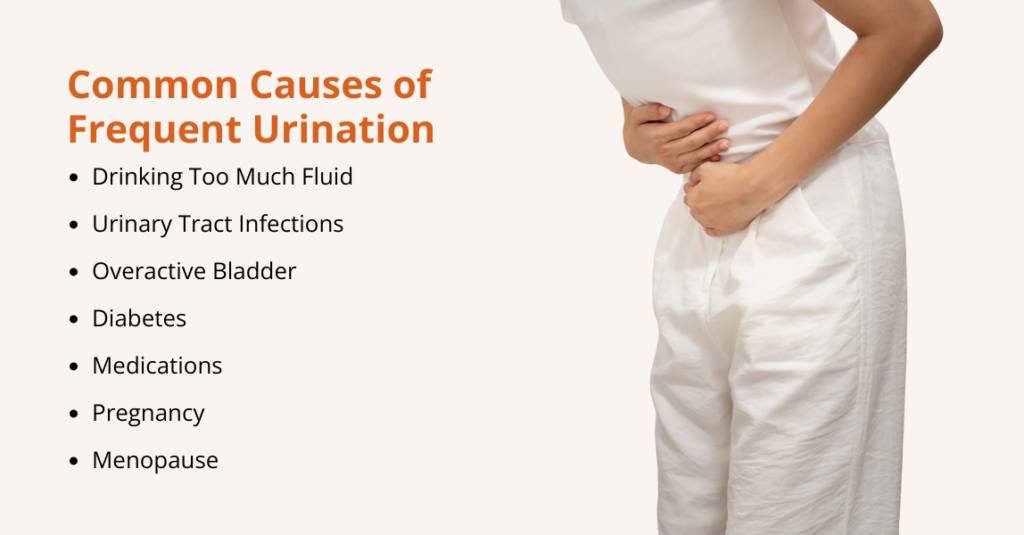
Frequent urination can result from many different factors. Common causes include:
- Drinking too Much Fluid: If you drink a lot, especially coffee, tea, energy drinks, or alcohol, you empty your bladder more quickly.
- Urinary Tract Infections (UTIs): A UTI irritates the bladder lining and triggers a strong, repeated urge to pee. People often feel a burning sensation, need to pee even when little comes out, or notice cloudy or bloody urine.
- Overactive Bladder (OAB): With OAB, the bladder muscles suddenly contract, causing urgency and frequent trips to the bathroom, even if the bladder isn’t full.
- Diabetes: High blood sugar causes extra glucose to spill into the urine, pulling more water with it. This leads to passing large amounts of urine and feeling thirsty all the time.
- Medications (Diuretics): “Water pills” used for high blood pressure or swelling make the kidneys release more salt and water, so you pee more.
- Pregnancy: The uterus presses on the bladder, and the kidneys work harder, leading to more frequent urination.
- Menopause: Lower estrogen levels weaken bladder tissues and increase the risk of UTIs, urgency, and leakage.
Anything that fills or irritates the bladder can increase urination frequency, and understanding these causes is the first step toward appropriate treatment.
Causes of Frequent Urination in Women
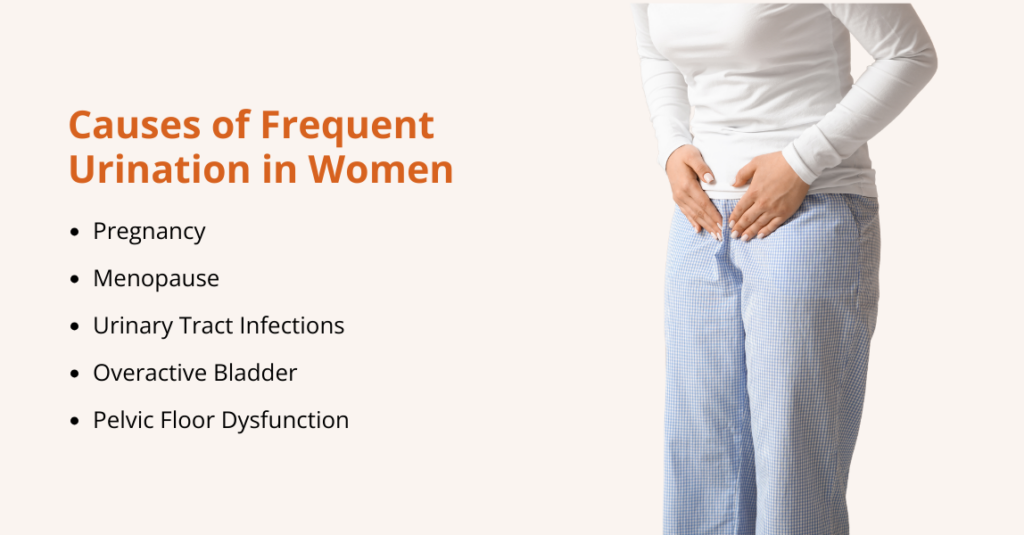
Women experience frequent urination for several gender-specific reasons. Key female causes and risk factors include:
- Pregnancy: Hormonal changes, increased urine production, and pressure from the growing uterus make frequent urination very common, especially in the first and third trimesters.
- Menopause: Lower estrogen weakens bladder and urethral tissues, leading to urgency, leakage, and a higher risk of UTIs, which can trigger sudden, frequent urination.
- Urinary Tract Infections (UTIs): Because women have a shorter urethra, bacteria reach the bladder more easily. UTIs cause repeated urges to pee, burning, and small amounts.
- Overactive Bladder (OAB): Women are slightly more likely to develop OAB, which causes sudden urges and frequent daytime and nighttime urination.
- Pelvic Floor Dysfunction: Pregnancy, childbirth, or surgery can weaken pelvic floor muscles, causing urgency, leaks, and the need to urinate more often.
Causes of Frequent Urination in Men
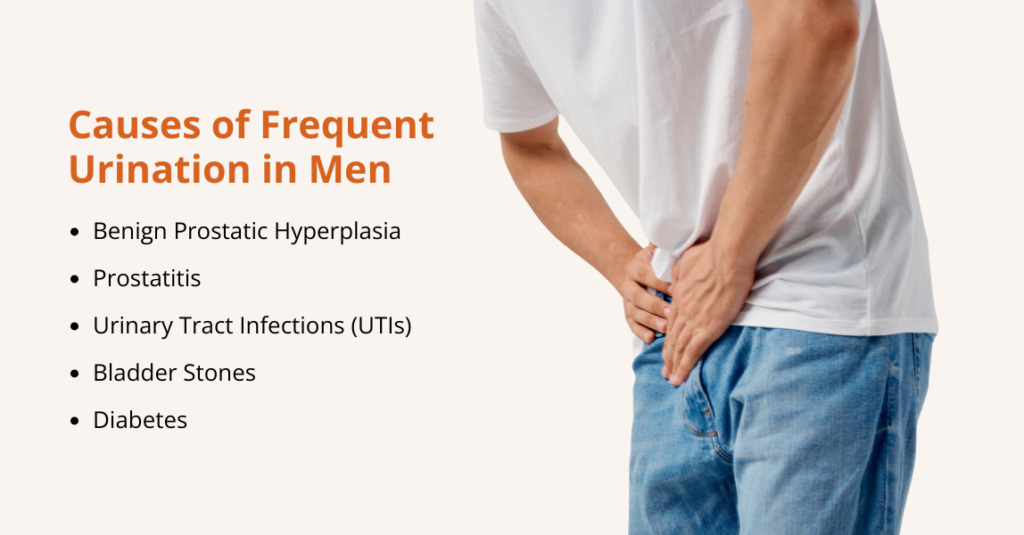
Men can have frequent urination for some causes unique to males, in addition to the general factors above (like fluid intake or diabetes). Important male-specific causes include:
- Benign Prostatic Hyperplasia (BPH): The prostate enlarges with age and presses on the urethra, causing weak flow, incomplete emptying, and frequent or nighttime urination.
- Prostatitis: Inflammation of the prostate leads to pelvic pain, burning with urination, and repeated urges to pee, often with a feeling of not emptying fully.
- Urinary Tract Infections (UTIs): Less common in men, but when present, they cause urgency, burning, frequent urination, and sometimes blood, often linked to prostate issues.
- Bladder Stones: More common in men, especially when bladder emptying is poor. Stones irritate the bladder wall, causing frequent urination, urgency, pain, or hematuria.
- Diabetes: Hyperglycemia leads to increased urine production. Men with uncontrolled diabetes may notice increased thirst, large urine volumes, and frequent nighttime urination.
Frequent Urination Treatment Options
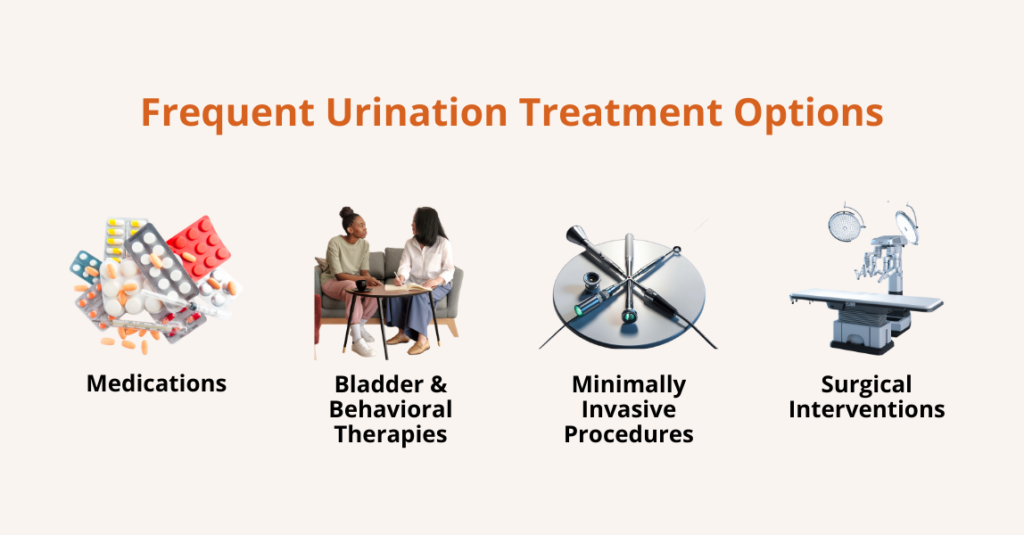
When lifestyle and behavioral changes are insufficient, or when there is an underlying medical cause, medical treatment may be necessary.
Here are the most common treatment options:
Medications
These treatments help manage urgency, frequency, and bladder control by addressing the specific cause of symptoms.
- Anticholinergics & Beta-3 Agonists: Used for overactive bladder. Anticholinergics block bladder muscle contractions; beta-3 agonists relax the bladder.
- Alpha-Blockers: For men with BPH. They relax the prostate and the bladder neck to improve urine flow.
- 5-Alpha-Reductase Inhibitors: Long-term BPH treatment that shrinks the prostate and reduces urinary symptoms.
- Diuretics: Increase urination; timing may be adjusted if they cause bothersome frequency.
- Topical Estrogen: Helps postmenopausal women by improving vaginal and urethral tissue health and reducing urgency.
Bladder and Behavioral Therapies
These are non-surgical approaches that focus on training and strengthening the bladder and pelvic muscles to improve control and reduce frequent urination or incontinence:
- Bladder Training: This method helps you gradually increase the interval, enabling the bladder to hold more urine and reducing urgency and frequency.
- Pelvic Floor Exercises (Kegel Exercises): These exercises strengthen the pelvic floor muscles, which support the bladder and urethra.
- Biofeedback: Biofeedback uses sensors or devices to help you see how your pelvic muscles are working. It guides you in contracting and relaxing the right muscles.
These therapies are often used in combination and guided by a healthcare professional to achieve optimal results.
Minimally Invasive Procedures
These treatments offer non-surgical options for managing urinary problems:
- Prostatic Artery Embolization (PAE)
Prostatic artery embolization is a minimally invasive, non‑surgical treatment for Benign Prostatic Hyperplasia (BPH), i.e., an enlarged prostate. A small catheter is inserted, usually through the wrist or groin, and guided to the arteries supplying the prostate.
Tiny particles are injected to block blood flow, causing the prostate to shrink over time. This relieves pressure on the urethra, improving urine flow and reducing the frequency of urination. The procedure is done without surgery, often as an outpatient treatment, and has a short recovery time.
- Bladder Botox (OnabotulinumtoxinA)
This is used for refractory overactive bladder. Under anesthesia, Botox is injected directly into multiple sites in the bladder wall. The toxin paralyzes part of the bladder muscle, reducing involuntary contractions.
Botox can prevent bladder contractions, providing symptom relief for approximately 6–9 months. However, periodic re-injections may be needed.
Surgical Interventions
When medications and minimally invasive treatments aren’t enough, surgical options can help relieve urinary symptoms and improve bladder control.
- Prostate Surgery
For severe BPH, procedures like Transurethral Resection of the Prostate (TURP) or laser prostatectomy remove excess prostate tissue, opening the urinary channel. This often significantly reduces urinary frequency by relieving bladder obstruction.
- Anti-Incontinence Surgery
For women with stress urinary incontinence (UI), procedures like mid-urethral slings or bladder neck suspensions support the urethra, preventing leaks. By reducing incontinence, these surgeries can also improve overall bladder habits.
- Neuromodulation Devices
For refractory cases of overactive bladder, sacral nerve stimulators (InterStim) or tibial nerve stimulators (PTNS) deliver mild electrical pulses to modulate bladder activity. These advanced therapies are used when medications and conservative treatments fail.
Remember, each treatment plan is individualized. A doctor will consider the severity of symptoms, the underlying cause, patient preferences, and health.
For example, a young woman with mild OAB may do well with Kegel exercises and bladder training alone, while an older man with BPH may need medications or even surgery for relief.
How to Stop Frequent Urination?
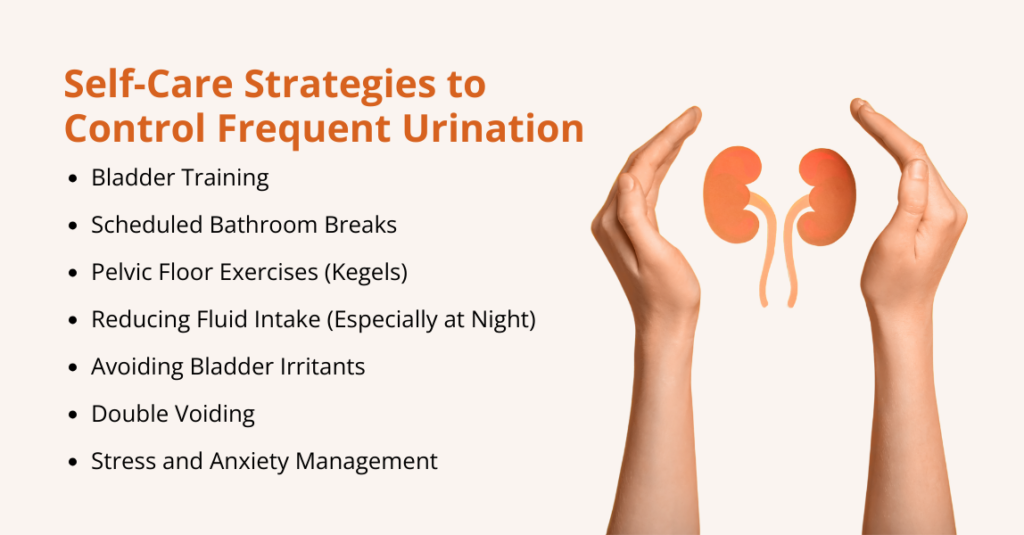
If frequent urination is due to lifestyle factors or an overactive bladder, several self-care strategies can help strengthen bladder control and reduce frequency.
Many of these are first-line recommendations before or alongside medications:
1. Bladder Training
This involves gradually extending the time between bathroom visits.
For example, if you are going every 30 minutes out of habit or urgency, you might try delaying for 5 minutes, then 10, then longer, gradually increasing bladder capacity.
Over days or weeks, this can condition the bladder to hold more urine and reduce the number of trips. Bladder training is widely recommended as a first-line therapy for an overactive bladder.
2. Scheduled Bathroom Breaks
Similar to bladder training, setting a regular voiding schedule can help. For example, try urinating at predetermined intervals (e.g., every 2–3 hours) even if you don’t feel a strong urge yet.
This prevents “sudden” emergencies and helps your bladder get used to holding urine. It can also help you track how often you truly need to go and whether you are going out of habit.
3. Pelvic Floor Exercises (Kegels)
The pelvic floor muscles support the bladder and help control urination. Strengthening these muscles can reduce urgency and incontinence.
To do Kegel exercises, simply tighten (squeeze) the muscles you would use to stop the flow of urine, hold for a few seconds, then relax. Repeat 10–15 times per session, several times a day. Over the course of weeks, this can markedly improve control.
4. Reducing Fluid Intake (Especially at Night)
Limit evening beverages, so you’re not forcing the kidneys to produce excessive urine before bedtime. This helps reduce nocturia (nighttime trips). Additionally, avoid excessive daily fluid intake if your bladder is overly sensitive.
Importantly, do not overrestrict fluid intake; staying hydrated is necessary, but avoid drinking a liter right before bed. Similarly, cut back on caffeine (coffee, tea, sodas) and alcohol, as both act as diuretics and bladder irritants.
5. Avoiding Bladder Irritants
Certain foods and drinks can irritate the bladder lining and exacerbate urgency.
The most common offenders include spicy foods, citrus fruits/juices, tomatoes, carbonated drinks, and artificial sweeteners. If you notice a surge in frequency after spicy meals or coffee, try eliminating these triggers.
6. Double Voiding
Especially useful if you feel the bladder is not fully emptying. After you finish peeing, wait a minute or two, then try to pee again. Sometimes this second attempt will release a small additional amount that was left behind.
With time, emptying the bladder more completely may reduce the sensation of fullness that leads to multiple trips.
7. Stress and Anxiety Management
Stress can worsen urinary frequency (due to the “fight or flight” response and pelvic muscle tension).
If you find yourself rushing to the bathroom whenever you feel even a little stress, consider stress reduction exercises. Practice relaxation techniques like deep breathing, mindfulness meditation, or yoga to reduce anxiety.
With these self-help methods, many people see improvement. However, it is important to track progress and provide relevant information if you later require a medical evaluation.
Frequently Asked Questions (FAQs)
How does drinking too much fluid lead to frequent urination?
Drinking large volumes of any fluid increases urine production. Think of the kidneys as filtering blood: the more fluid you drink, the more they filter, and the more urine is produced. This is especially true for beverages with diuretic effects, like coffee and alcohol. In effect, these fluids increase the amount of water in your bloodstream that needs to be excreted.
Why do I feel like I have to pee every 5 minutes?
Feeling like you need to pee every few minutes can be caused by an overactive bladder, which triggers sudden “gotta go” urges and frequent bathroom trips, or a urinary tract infection, which often brings burning, urgency, and discomfort. Certain medications, such as diuretics, can also increase urination. If you experience other symptoms such as pain, fever, or burning, it’s important to see a physician for proper evaluation.
Why am I peeing so much all of a sudden?
A sudden change in frequency of urination suggests a new factor. Common causes include urinary infections and diabetes. For example, a bladder infection can develop quickly and irritate your bladder, causing urgency every few minutes. New-onset diabetes can also cause a rapid increase in urination. It’s also worth reviewing any new medications or dietary changes (e.g., starting caffeine or supplements) that could be affecting your bladder. If the frequent urination is sudden and accompanied by other symptoms (e.g., thirst, sugar cravings), checking blood glucose and urine for infection may be prudent.
When should I worry about peeing a lot?
You should worry and see a healthcare provider if frequent urination comes with concerning symptoms or seriously affects your daily life. Red flags include pain or burning while urinating, blood in the urine, fever, or a sudden, sharp increase in how often you go. Waking up multiple times at night, particularly if it disrupts sleep and daytime functioning, warrants evaluation. Any warning signs, such as pain, fever, blood in the urine, or unusual discharge, require prompt medical attention.
Is it normal to urinate every 2 hours?
Urinating every 2 hours can be normal for someone drinking a lot or with bladder training, but it’s more frequent than the average of 6-8 times a day (every 3-4 hours). Normal frequency depends on your fluid intake and the size of your bladder. If there are no other symptoms, it may not need worrying. But if it’s more frequent than usual for you, or you feel urgency or discomfort, it may need further attention.
Is it normal to pee every 30 minutes?
No, peeing every 30 minutes is far outside the normal range for adults. Going every half hour suggests a serious problem, possibly a bladder infection, severely overactive bladder, or other issue. It should be evaluated by a doctor.
When should someone see a doctor for frequent urination?
You should consult a doctor if you urinate more than 8 times a day or wake frequently at night, especially if it disrupts your daily life or comes with other symptoms. These may indicate infections (like UTIs), diabetes, kidney problems, or other serious conditions. Also, see a doctor if you experience any of the following signs:
- Pain/Burning: Discomfort while urinating (dysuria).
- Blood in Urine: Urine appears pink, red, or brown (hematuria).
- Signs of Infection: Fever, chills, cloudy urine, or lower back/side pain.
- Urgency & Incontinence: Sudden, uncontrollable need to urinate or leaking urine.
- Nocturia: Waking more than once or twice at night, disrupting sleep.
- Systemic Symptoms: Excessive thirst or hunger, fatigue, or unexplained weight loss.
- Difficulty Urinating: Trouble starting, weak stream, or feeling of incomplete emptying.
Conclusion
Frequent urination is a common condition with a wide range of causes. In some cases, it may simply result from drinking large amounts of fluids or consuming diuretics such as caffeine and alcohol.
However, it can also indicate more serious medical issues, including urinary tract infections (UTIs), diabetes, an overactive bladder, or prostate enlargement in men.
Therefore, understanding the context and symptoms is essential. New, sudden, or severe increases in urination, especially when combined with pain, burning, blood in the urine, fever, or other systemic symptoms, should prompt timely medical evaluation.
For many people, non-invasive options such as behavioral and bladder therapies, like bladder training, Kegel exercises, and fluid management, can significantly improve symptoms. In other cases, medications may help manage an overactive bladder, prostate issues, or infections.
For persistent or severe problems, minimally invasive procedures or surgical interventions may be necessary to relieve obstruction or restore bladder function.
Importantly, early evaluation and intervention can prevent complications. With the right combination of lifestyle adjustments, medical treatment, or procedures, most people experience meaningful improvements in urinary frequency and quality of life.
Leave a Reply