Blog

  • PAE vs. TURP: Comparing Modern Prostate Treatment Options in 2025

    PAE vs. TURP: Comparing Modern Prostate Treatment Options in 2025

    When enlarged prostate symptoms significantly impact your quality of life, two primary treatment options often emerge as leading solutions: prostate artery embolization (PAE) and transurethral resection of the prostate (TURP). Both procedures effectively address benign prostatic hyperplasia (BPH), but they take fundamentally different approaches to achieving symptom relief.

    At Seamless Medical Centers, we believe the best treatment decision comes from understanding all your options thoroughly. This comprehensive comparison examines these two proven treatments, helping you evaluate them based on your individual circumstances, health goals, and lifestyle preferences.

    Understanding Both Procedures

    Prostate Artery Embolization (PAE)

    PAE is a minimally invasive procedure that reduces prostate size by blocking blood flow to the enlarged gland. An interventional radiologist performs PAE using real-time imaging guidance, inserting a tiny catheter through a small puncture to deliver embolic particles directly to the prostate’s blood supply.

    The PAE approach:

    • Targets the prostate’s blood supply system
    • Causes gradual shrinkage over weeks to months
    • Preserves prostate structure while reducing size
    • Requires no surgical incisions or tissue removal

    Transurethral Resection of the Prostate (TURP)

    TURP surgically removes excess prostate tissue that’s blocking urinary flow. A urologist performs this procedure by inserting instruments through the urethra to cut away obstructing prostate tissue, creating a wider channel for improved urine flow.

    The TURP approach:

    • Physically removes obstructing prostate tissue
    • Provides immediate improvement in urinary flow
    • Requires surgical expertise and operating room time
    • Involves tissue cutting and removal through the urethra

    Detailed Procedure Comparison

    Invasiveness and Approach

    PAE:

    • Single needle puncture (typically in groin or wrist)No surgical incisions or tissue removal
    • Conscious sedation, avoiding general anesthesiaOutpatient procedure lasting 60-90 minutes

    TURP:

    • Access through the urethra with surgical instrumentsGeneral or spinal anesthesia required
    • Operating room procedure lasting 1-3 hoursTypically requires 1-2 day hospital stay

    Recovery Timeline

    PAE Recovery:

    • Same-day discharge to home
    • Return to work: 3-7 days typically
    • Full activity: 1-2 weeks
    • Complete symptom improvement: 3-6 months

    TURP Recovery:

    • Hospital stay: 1-3 days typically
    • Catheter required: 1-3 days post-surgery
    • Return to work: 2-4 weeks
    • Full activity: 4-6 weeksImmediate symptom improvement

    The recovery difference is significant. Length and cost of hospitalization are lower for PAE, and most PAE patients return to normal activities weeks sooner than TURP patients.

    Effectiveness and Outcomes

    Symptom Relief Comparison

    Recent research provides compelling comparisons between these treatments:

    During a 12-month follow-up period, both PAE and TURP were comparable on the reduction in IPSS and QoL questionnaire, while TURP showed significant improvements in Qmax and in the reduction in prostate volume.

    PAE outcomes:

    • Significant improvement in urinary symptoms
    • 20-30% average prostate volume reduction
    • Gradual, progressive symptom relief
    • High patient satisfaction rates

    TURP outcomes:

    • Immediate improvement in urinary flow
    • More dramatic reduction in prostate volume
    • Rapid symptom relief
    • Well-established long-term effectiveness

    Long-Term Success Rates

    PAE long-term results:

    • Sustained symptom improvement in 80-90% of patients
    • Low rates of additional treatment needed
    • Durable results lasting years
    • Progressive improvement continuing up to 12 months

    TURP long-term results:

    • Excellent long-term symptom control
    • Gold standard with decades of proven results
    • Low retreatment rates
    • Immediate and sustained benefits

    Risk and Complication Profiles

    PAE Safety Profile

    The PAE procedure has a lower risk of urinary incontinence and sexual side effects when compared with more invasive surgical procedures.

    Minor complications:

    • Post-PAE syndrome (flu-like symptoms for 3-7 days)
    • Temporary urinary frequency or burning
    • Mild pelvic discomfort

    Serious complications (rare):

    • Bladder infection requiring antibiotics
    • Temporary urinary retention
    • Puncture site bleeding or hematoma

    Overall complication rate:

    Studies show complication and adverse events rates were higher in the TURP group rather than in the PAE group (60.6% vs. 35.5%).

    TURP Risk Profile

    Common complications:

    • Retrograde ejaculation (75-90% of patients)
    • Temporary urinary incontinence (5-10%)
    • Urinary tract infection
    • Blood in urine during healing

    Serious complications:

    • Significant bleeding requiring transfusion (2-5%)
    • Urethral stricture requiring additional treatment
    • Permanent incontinence (1-3%)
    • TURP syndrome (rare but serious electrolyte imbalance)

    Overall complication rate:

    Higher than PAE, particularly for sexual side effects and bleeding complications.

    Sexual Function Considerations

    PAE and Sexual Health

    Advantages:

    • Minimal impact on sexual function
    • Preserves ejaculatory function in most men
    • No direct manipulation of sexual anatomy
    • Gradual treatment process allows adaptation

    Considerations:

    • Some men report temporary changes during healing
    • Long-term sexual function generally preserved
    • Individual responses may vary

    TURP and Sexual Health

    Expected changes:

    • Retrograde ejaculation in 75-90% of patients (semen goes into bladder)
    • Fertility affected due to retrograde ejaculation
    • Erectile function typically preserved
    • Orgasm sensation usually maintained

    Permanent considerations:

    • Dry orgasms become the norm for most men
    • Fertility requires medical intervention if desired
    • Sexual satisfaction often remains high despite changes

    Making Your Treatment Decision

    Choose PAE if you:

    • Want the least invasive option available
    • Need to return to work/activities quickly
    • Want to preserve sexual function
    • Prefer to avoid surgery and general anesthesia
    • Are comfortable with gradual improvement
    • Have medical conditions that increase surgical risk

    Choose TURP if you:

    • Want immediate, dramatic symptom improvement
    • Have very large prostate requiring significant tissue removal
    • Are comfortable with surgical recovery
    • Accept potential sexual function changes
    • Want the most proven long-term treatment
    • Have failed previous minimally invasive treatments

    Important Factors to Consider

    Medical considerations:

    • Prostate size and configuration
    • Severity of urinary symptoms
    • Overall health and surgical risk
    • Previous prostate treatments
    • Current medications and medical conditions

    Lifestyle factors:

    • Work and family responsibilities
    • Recovery time availability
    • Sexual function priorities
    • Risk tolerance
    • Treatment preferences

    Expert Consultation Process

    During your consultation at Seamless Medical Centers, we’ll help you understand:

    Your prostate profile: Size, anatomy, and how it’s affecting your symptoms

    Treatment suitability: Which procedures are most appropriate for your situation

    Expected outcomes: Realistic expectations for symptom relief and recovery

    Risk assessment: Personalized evaluation of potential complications

    Alternative options: Discussion of all available treatments including newer alternatives

    The Seamless Medical Centers Approach

    Our experienced interventional radiologists specialize in PAE while maintaining close relationships with urologists who perform TURP. This collaborative approach ensures you receive unbiased guidance about the best treatment for your specific situation.

    Our evaluation process:

    • Comprehensive symptom and medical history assessment
    • Detailed imaging analysis of your prostate
    • Discussion of treatment goals and preferences
    • Honest assessment of expected outcomes for each option
    • Referral coordination if surgical treatment is preferred

    Moving Forward with Confidence

    Understanding your options empowers you to make the best decision for your unique situation. The goal is effective BPH treatment that aligns with your health goals, lifestyle needs, and personal preferences.

    Recent advances in both PAE techniques and patient selection have made this minimally invasive option increasingly attractive for many men. However, TURP remains an excellent choice for appropriate candidates, particularly those needing maximum tissue removal or immediate results.

    Ready to explore your BPH treatment options?

    Contact Seamless Medical Centers to schedule a comprehensive consultation. Our team will evaluate your specific situation, discuss all appropriate treatments, and help you make an informed decision about the best approach for your prostate health.

  • Heavy Periods and Pelvic Pain: When ‘Normal’ Isn’t Actually Normal

    Heavy Periods and Pelvic Pain: When ‘Normal’ Isn’t Actually Normal

    “I thought heavy periods were just normal.” “This bloating feeling must be part of being a woman.”

    These are comments our specialists hear daily from patients who’ve been suffering unnecessarily with fibroid symptoms.

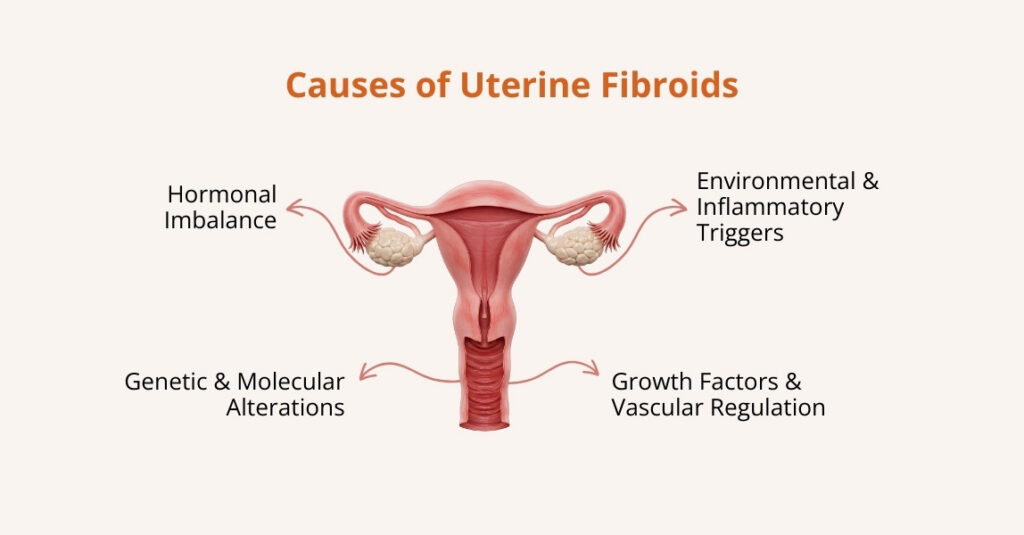
    The truth is that debilitating periods and chronic pelvic discomfort are not something you should accept as normal. Approximately 70% of Caucasian women and 80% of African American women have uterine fibroids, but you don’t have to let them control your life.

    Defining Abnormal Bleeding

    Understanding what constitutes abnormal bleeding helps you recognize when to seek treatment. According to the Centers for Disease Control and Prevention (CDC), a longer than usual period is defined as menstrual bleeding that lasts more than 7 days.

    Red flags for abnormal bleeding include:

    • Changing a pad or tampon every hour for several hours
    • Using double protection (tampon and pad together)
    • Bleeding for more than seven daysBlood clots larger than a quarter
    • Flooding or gushing that limits daily activities

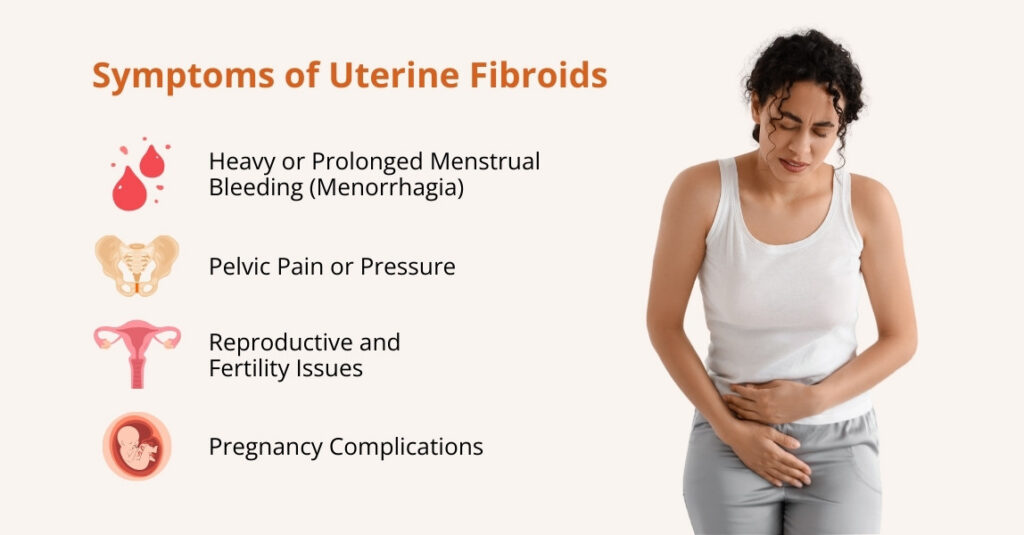
    Fibroids can cause your periods to be very heavy or for you to even bleed between periods, leading to anemia and fatigue that compound the problem.

    The Hidden Impact of “Managing” Symptoms

    Many women develop elaborate coping strategies around their periods – staying close to bathrooms, avoiding white clothing, canceling plans during their cycle. While these adaptations might seem manageable, they represent a significant reduction in quality of life.

    Research shows that women with fibroid symptoms often wait years before seeking treatment. The study populations were demographically diverse and clinically heterogeneous, with women waiting an average of 3.6 years to seek treatment.

    Beyond Periods: Other Concerning Symptoms

    Heavy bleeding gets the most attention, but fibroids cause other symptoms that significantly impact daily life:

    Pelvic Pressure: It is not unusual for a uterus with fibroids to reach the size of a four to five month pregnancy. This enlargement creates persistent pressure that can affect your posture, comfort, and confidence.

    Urinary Problems: Frequent urination, especially at night, disrupts sleep and daily activities. Some women develop urinary urgency or difficulty emptying their bladder completely.

    Digestive Issues: Constipation and bowel pressure occur when fibroids compress nearby organs, affecting normal digestive function.

    Fatigue and Anemia: Heavy bleeding often leads to iron deficiency anemia, causing exhaustion, weakness, and difficulty concentrating.

    When to Seek Treatment

    You don’t need to wait until symptoms become severe. Consider consulting a specialist if you experience:

    • Menstrual bleeding that interferes with daily activities
    • Periods lasting longer than seven days
    • Pelvic pain or pressure that affects your comfortUrinary frequency or urgency
    • Fatigue related to heavy bleeding
    • Any symptoms that concern you or reduce your quality of life

    Modern Solutions for an Age-Old Problem

    The good news is that effective, minimally invasive treatments are available. At Seamless Medical Centers, we offer advanced procedures that address uterine fibroid symptoms without requiring major surgery or long recovery periods.

    Our interventional radiology approach uses image-guided techniques to target fibroids precisely while preserving healthy tissue. Uterine Fibroid Embolization (UFE) has proven to be safe, versatile, and effective in reducing or eliminating symptoms related to uterine fibroids.

    Benefits of our approach include:

    • Outpatient procedures with same-day discharge
    • Minimal incisions (small pinhole access)
    • Faster recovery compared to traditional surgery
    • Preservation of the uterus
    • Significant symptom improvement

    Your Journey to Better Health

    Every woman’s fibroid experience is unique, which is why we create personalized treatment plans based on your specific symptoms, goals, and medical history. During your consultation, we’ll discuss all available options, ensuring you make an informed decision about your care.

    Our team includes board-certified interventional radiologists who specialize in minimally invasive procedures. We understand that choosing treatment involves both medical and personal considerations, and we’re here to support you through every step of the process.

    Remember: Your health and comfort matter. You deserve to live without the limitations that fibroid symptoms can impose.

    Contact us to learn how modern, minimally invasive treatments can help you reclaim your quality of life.

  • Genicular Artery Embolization: How This Knee Pain Treatment Works Without Surgery

    Genicular Artery Embolization: How This Knee Pain Treatment Works Without Surgery

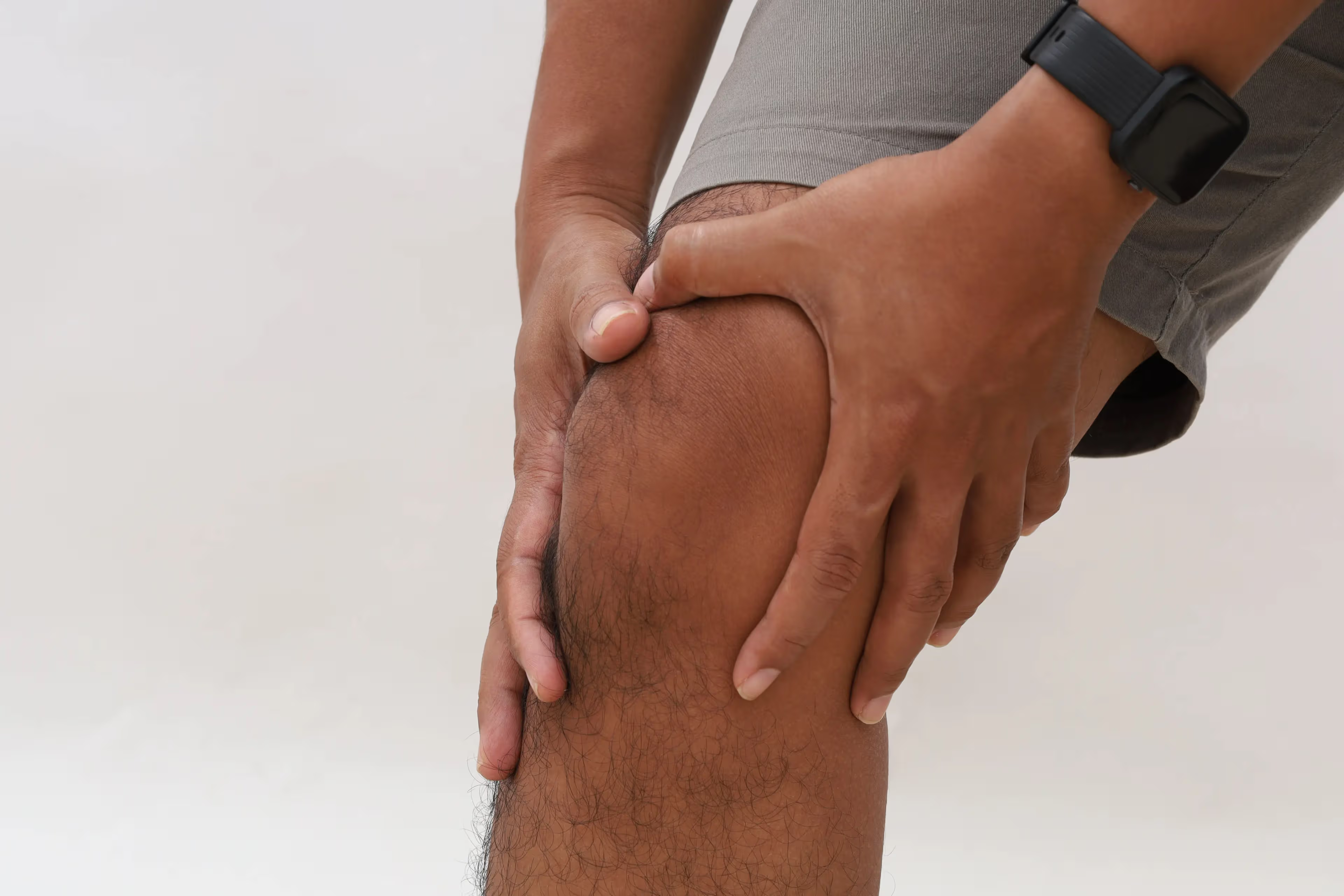
    Chronic knee pain from osteoarthritis doesn’t have to limit your mobility or quality of life. If you’re facing persistent knee discomfort that interferes with daily activities, you’re among millions of Americans seeking effective relief that doesn’t require major surgery.

    Genicular Artery Embolization (GAE) represents a groundbreaking approach to treating knee pain that’s changing the landscape of arthritis care. At Seamless Medical Centers, we’re proud to offer this innovative, minimally invasive procedure that provides significant pain relief without the risks and lengthy recovery associated with knee replacement surgery.

    Understanding Genicular Artery Embolization

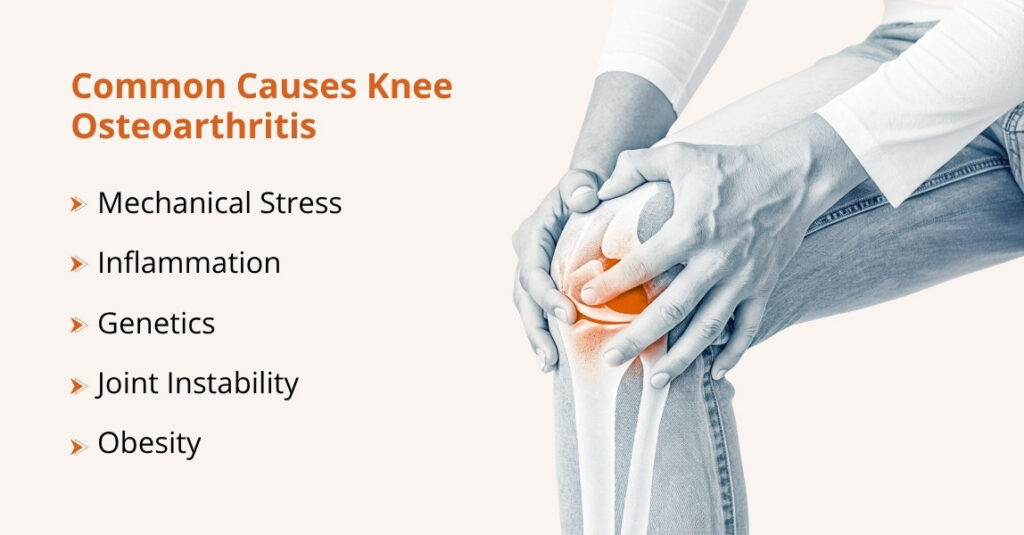
    Genicular Artery Embolization is a cutting-edge procedure that targets the abnormal blood vessels feeding inflammation around the knee joint. By blocking these specific vessels with microscopic particles, GAE reduces inflammation and provides significant pain relief for patients with osteoarthritis.

    The GAE process:

    Tiny particles are delivered through a small catheter to block specific knee arteriesReduced blood flow to inflamed tissue decreases pain and inflammationJoint structure remains intact while symptoms improveBenefits develop progressively over weeks to months

    The Science Behind Knee Pain and GAE

    Recent research has revealed that chronic knee pain from osteoarthritis is often associated with increased blood flow to inflamed tissue around the joint. This abnormal vascularization contributes to both pain and ongoing inflammation.

    GAE works by:

    • Precisely targeting these abnormal blood vessels
    • Reducing inflammatory activity around the joint
    • Decreasing pressure on pain-sensitive nerve endings
    • Preserving normal blood flow to healthy tissue

    Who Benefits from GAE?

    GAE is particularly well-suited for patients who:

    Experience moderate to severe knee pain from osteoarthritis:

    Daily pain that limits walking, climbing stairs, or normal activities

    Pain that persists despite conservative treatments

    Stiffness and reduced range of motion

    Difficulty sleeping due to knee discomfort

    Want to avoid major surgery:

    Concerned about risks associated with knee replacement

    Desire to maintain their natural knee joint

    Need faster recovery to return to work or activities

    Prefer outpatient treatment options

    Haven’t found adequate relief with other treatments:

    Limited improvement with physical therapy or medications

    Temporary relief from injections that doesn’t last

    Side effects from pain medications

    Looking for a more definitive treatment approach

    GAE vs. Traditional Knee Treatments

    GAE vs. Knee Replacement Surgery

    GAE advantages:

    No surgical incisions or bone cutting

    Preserves natural knee joint and structure

    Same-day outpatient procedure

    Return to activities within 1-2 days

    No risk of implant complications

    May delay or prevent need for knee replacement

    GAE vs. Steroid Injections

    GAE advantages:

    Longer-lasting relief (months to years vs. weeks to months)

    Addresses underlying inflammation rather than masking symptoms

    No repeated procedures needed

    No risk of cartilage damage from repeated injections

    GAE vs. Physical Therapy and Medications

    GAE advantages:

    Targets the source of inflammation directly

    Provides relief when conservative measures have failed

    Reduces dependence on pain medications

    Complements rather than replaces healthy lifestyle approaches

    The GAE Procedure: What to Expect

    Understanding the process helps ease concerns about this innovative treatment:

    Pre-Procedure Evaluation:

    Comprehensive assessment of knee pain and function

    Review of previous treatments and their effectiveness

    Imaging studies to evaluate knee structure and blood flow

    Discussion of expectations and recovery plan

    During the Procedure:

    • GAE is performed under local anesthesia and mild sedation
    • A tiny catheter is inserted through a small puncture in the upper thigh or foot
    • Using X-ray guidance, your doctor navigates to the abnormal blood vessels
    • Microscopic particles are precisely delivered to block inflammation-feeding vessels
    • Typical procedure time is 1-2 hours

    Immediate Recovery:

    • Brief monitoring period before discharge home
    • Return to normal activities within 1-2 days
    • Specific post-procedure instructions provided
    • Follow-up appointments scheduled to track progress

    Recovery and Results Timeline

    One of GAE’s most attractive features is the minimal recovery time:

    First 1-2 Days:

    Some soreness at the access site

    Gradual return to normal walking and activities

    Temporary increase in knee pain possible (normal inflammatory response)

    Weeks 1-4:

    Initial improvements in pain levels often noticeable

    Reduced stiffness and improved mobility

    Gradual increase in activity levels as comfort allows

    Months 1-6:

    Significant pain reduction typically achieved

    Improved function and quality of life

    Enhanced ability to participate in activities

    Maximum benefits usually evident by 3-6 months

    Benefits of GAE

    Immediate benefits:

    Minimally invasive approach with tiny incision

    Outpatient procedure with same-day discharge

    Local anesthesia avoiding risks of general anesthesia

    Rapid return to normal activities

    Long-term benefits:

    Significant pain reduction in most patients

    Preserved knee joint structure and function

    Potential to delay or prevent knee replacement surgery

    Improved quality of life and activity levels

    Sustained relief lasting months to years

    Potential Risks and Considerations

    Like any medical procedure, GAE has potential risks, though they are generally minimal:

    Minor risks:

    Temporary increase in pain for 1-3 days post-procedure

    Minor bruising or discomfort at the access site

    Temporary swelling around the knee

    Rare risks:

    Small risk of non-target embolization

    Allergic reactions to contrast material

    Access site complications (very rare)

    Individual response variation:

    Not all patients experience the same degree of improvement

    Some may need additional treatments for optimal results

    Success rates vary based on arthritis severity and individual factors

    Success Rates and Patient Satisfaction

    Clinical studies demonstrate encouraging results for GAE:

    Pain reduction:

    Significant improvement in pain scores in 70-85% of patients

    Average pain reduction of 40-60% at 6 months

    Sustained benefits lasting 12 months or longer

    Functional improvement:

    Enhanced mobility and activity tolerance

    Improved sleep quality due to reduced nighttime pain

    Better overall quality of life measures

    Reduced reliance on pain medications

    Patient satisfaction:

    High rates of patient satisfaction with the procedure

    Most patients would recommend GAE to others

    Low rates of serious complications or regrets

    Who Should Consider GAE?

    GAE may be ideal if you:

    • Have moderate to severe knee pain from osteoarthritis
    • Want to avoid knee replacement surgery
    • Haven’t found lasting relief with conservative treatments
    • Prefer a minimally invasive approach
    • Need to return to activities quickly
    • Want to preserve your natural knee joint

    Seamless Medical Centers Advantage

    Our interventional radiologists bring specialized expertise in advanced embolization procedures specifically designed for joint pain relief:

    What sets us apart:

    • Board-certified interventional radiologists with extensive GAE experience
    • State-of-the-art imaging technology for optimal precision
    • Comprehensive evaluation to determine if GAE is right for you
    • Personalized treatment plans based on your specific needsComplete post-procedure support and follow-up care

    Insurance Coverage and Accessibility

    GAE is increasingly recognized by insurance providers as an effective treatment for knee osteoarthritis:

    Coverage considerations:

    Growing insurance coverage for GAE procedures

    Often covered when conservative treatments have failed

    Cost-effective compared to knee replacement surgery

    Reduced indirect costs due to faster recovery

    Making an Informed Decision

    Choosing treatment for knee osteoarthritis involves multiple considerations:

    Medical factors:

    Severity of arthritis and pain levels

    Previous treatments tried and their effectiveness

    Overall health status and ability to heal

    Anatomy and suitability for the procedure

    Lifestyle factors:

    Activity goals and expectations

    Work and family responsibilities

    Recovery time preferences

    Risk tolerance and treatment philosophy

    Your Consultation Process

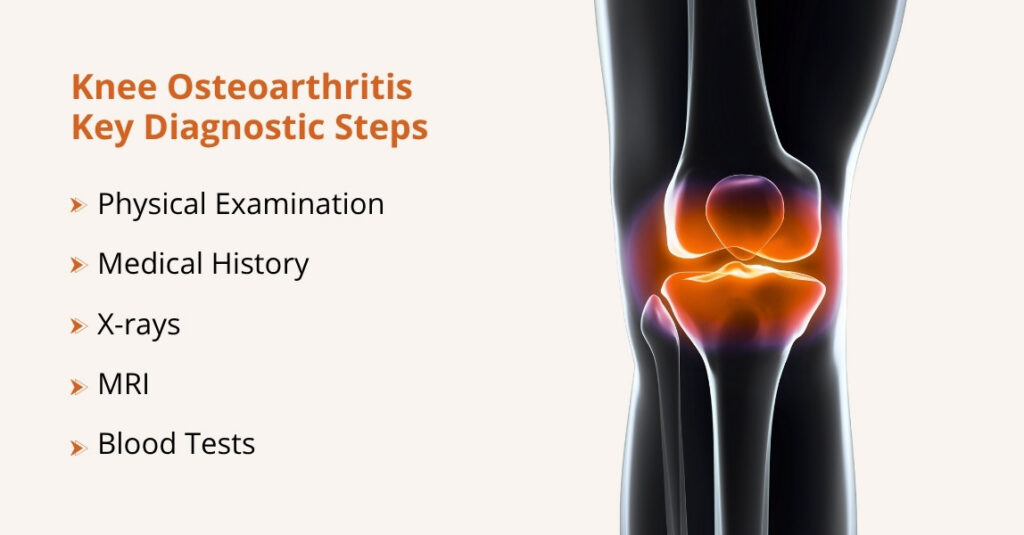
    During your GAE consultation, we’ll thoroughly evaluate:

    • Your knee pain history and current symptoms
    • Previous treatments and their outcomesImaging studies to assess your knee condition
    • Suitability for GAE based on your specific situation
    • Realistic expectations for pain relief and functional improvement

    Moving Forward

    Knee osteoarthritis doesn’t have to control your life. If conservative treatments haven’t provided the relief you need, GAE offers a promising alternative that can help you regain your mobility and quality of life without major surgery.

    Ready to learn more about GAE?

    Contact Seamless Medical Centers to schedule your consultation. Our experienced team will evaluate your specific situation and determine if this innovative treatment is right for your knee pain needs.

  • Comparing Fibroid Treatments: Why Minimally Invasive Options Are Changing the Game

    Comparing Fibroid Treatments: Why Minimally Invasive Options Are Changing the Game

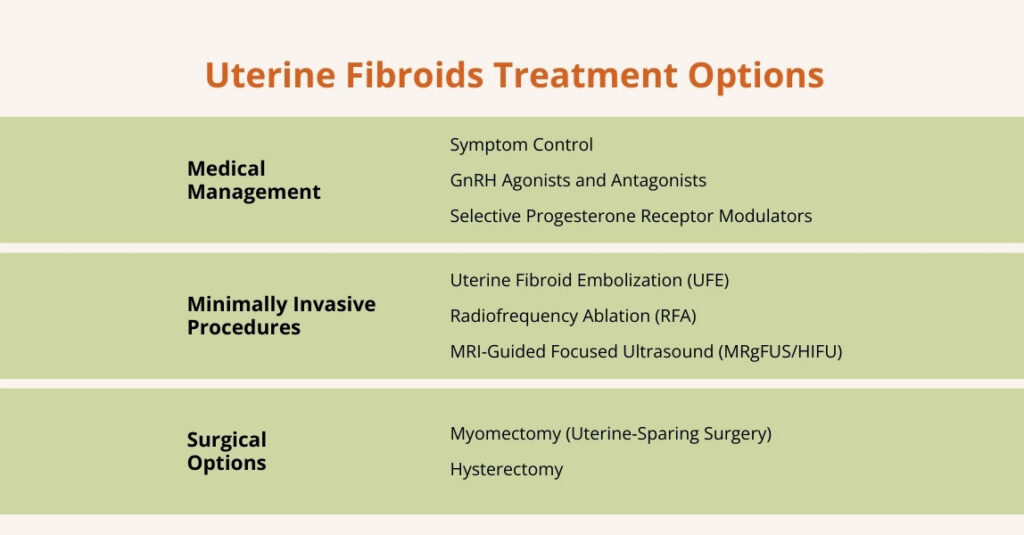
    Not long ago, women with problematic fibroids faced a limited and often daunting set of treatment options: suffer through symptoms, undergo major surgery, or accept hysterectomy as the “final solution.” Today’s landscape looks dramatically different, with minimally invasive procedures offering effective relief without the risks and recovery time of traditional surgery.

    At Seamless Medical Centers, we’ve witnessed this evolution firsthand. Our patients often express amazement that they waited so long to seek treatment, not realizing that cutting edge solutions could address their symptoms with minimal disruption to their lives.

    The Traditional Treatment Landscape

    Historically, fibroid treatment followed a predictable progression:

    Watchful Waiting: Monitoring fibroids without active treatment

    Medical Management: Hormonal therapies to control symptoms

    Myomectomy: Surgical removal of fibroids while preserving the uterusHysterectomy: Complete removal of the uterus

    While these approaches remain valid for specific situations, they often involve significant limitations. According to the Fibroid Foundation, 300,000 women a year have hysterectomies due to uterine fibroids, representing a major surgical solution for what might be addressed less invasively.

    The Minimally Invasive Revolution

    Modern interventional radiology has transformed uterine fibroid treatment by offering procedures that are:

    • Less Invasive: Using small incisions or no incisions at all
    • More Precise: Targeting fibroids while preserving healthy tissue
    • Faster Recovery: Returning to normal activities within days, not weeks
    • Outpatient-Based: Going home the same day rather than hospital stays

    Detailed Treatment Comparison

    Traditional Open Myomectomy

    Approach: Large abdominal incision to remove fibroids

    Recovery: 4-6 weeks off work

    Hospital Stay: 2-3 days typically

    Risks: Higher infection risk, significant scarring, longer anesthesia exposure

    Laparoscopic/Robotic Myomectomy

    Approach: Multiple small incisions with specialized instruments

    Recovery: 2-3 weeks off work

    Hospital Stay: Usually same-day or overnight

    Advantages: Smaller scars, reduced pain compared to open surgery

    Hysterectomy

    Approach: Removal of entire uterus (various surgical approaches)

    Recovery: 6-8 weeks for full recovery

    Considerations: Permanent solution but eliminates future pregnancy possibility

    Impact: Significant life change requiring careful consideration

    Radiofrequency Ablation (RFA)

    Approach: Targeted thermal energy to destroy fibroid tissue

    Recovery: 3-5 days average return to work

    Hospital Stay: Outpatient procedure

    Precision: Treats fibroids while preserving healthy tissue

    Uterine Fibroid Embolization (UFE) – Our Specialty

    Approach: Blocking blood supply to fibroids through catheter in leg artery

    Recovery: About 1 week

    Performed by: Interventional radiologist

    Considerations: UFE has proven to be safe, versatile, and effective in reducing or eliminating symptoms related to uterine fibroids

    Why Minimally Invasive Matters

    The advantages of minimally invasive approaches extend beyond shorter recovery times:

    Reduced Complications: Smaller incisions mean lower infection risks and fewer surgical complications.

    Faster Healing: Less tissue trauma allows your body to heal more quickly and with less pain.

    Preserved Function: Maintaining uterine structure and function when possible offers long-term benefits.

    Cost Effectiveness: Shorter procedures, same-day discharge, and faster return to work reduce overall healthcare costs.

    Quality of Life: Minimal downtime means less disruption to work, family, and personal activities.

    Real-World Outcomes

    Research consistently demonstrates the effectiveness of modern minimally invasive approaches. Studies show UFE treatments were associated with fibroid volume reduction of 46.0% at 3 months and 65.4% at 12 months, with significant improvements in quality of life scores.

    Patient satisfaction rates for minimally invasive procedures consistently exceed those for traditional surgical approaches, largely due to the combination of effective symptom relief and reduced treatment burden.

    Choosing the Right Approach

    The best treatment depends on multiple factors:

    Fibroid Characteristics: Size, location, and number of fibroids influence treatment options

    Symptom Profile: Heavy bleeding, pressure symptoms, or pain may favor different approaches

    Personal Goals: Desire to preserve fertility, avoid surgery, or minimize recovery time

    Medical History: Previous surgeries, overall health, and other medical conditions

    Lifestyle Factors: Work demands, family responsibilities, and personal preferences

    Seamless Medical Centers Advantage

    Our focus on minimally invasive interventional radiology offers several key benefits:

    Expertise: Board-certified interventional radiologists with extensive experience in image-guided procedures

    Technology: State-of-the-art equipment and advanced imaging for optimal precision and safety

    Comprehensive Care: From initial consultation through follow-up, we support you throughout your treatment journey

    Insurance Coverage: Most major insurance plans cover our procedures, and we handle authorization processes

    Making an Informed Decision

    Choosing fibroid treatment is a personal decision that should be based on accurate, current information about all available options. Many women are surprised to learn about minimally invasive alternatives to traditional surgery.

    During your consultation, we’ll:

    • Review your specific fibroid characteristics
    • Discuss your symptoms and treatment goals
    • Explain all appropriate treatment options
    • Provide detailed information about what to expect
    • Answer all your questions thoroughly

    The Future Is Now

    The landscape of fibroid treatment continues to evolve, with new technologies and techniques constantly emerging. However, the fundamental shift toward minimally invasive, precision-based treatments represents a permanent change in how we approach this common condition.

    Ready to explore your options?

    Contact Seamless Medical Centers to learn how modern, minimally invasive treatments can address your fibroid symptoms effectively while minimizing disruption to your life. Your journey to better health starts with understanding your choices.

  • PAE Recovery: Your Complete Guide to Healing After Prostate Artery Embolization

    PAE Recovery: Your Complete Guide to Healing After Prostate Artery Embolization

    Understanding what to expect after prostate artery embolization (PAE) helps you prepare for a smooth recovery and recognize the signs of successful treatment. While PAE recovery is generally faster and more comfortable than traditional prostate surgery, knowing the typical timeline and healing process ensures confidence throughout your journey back to improved urinary function.

    At Seamless Medical Centers, we believe well-informed patients have better outcomes. This comprehensive recovery guide walks you through every phase of PAE healing, from the first hours after your procedure through long-term results.

    Immediate Post-Procedure Period (First 24 Hours)

    What Happens Right After PAE

    Following your PAE procedure, you’ll spend a brief monitoring period at our facility before going home the same day. Most men experience:

    Normal post-procedure sensations:

    • Mild pelvic discomfort or cramping
    • Some burning sensation during urination
    • Slight fatigue from sedation
    • Minimal tenderness at the catheter insertion site

    Our monitoring process:

    • Continuous observation until fully alert
    • Assessment of urinary function
    • Pain management as needed
    • Clear discharge instructions for home care

    Managing First-Day Symptoms

    PAE is designed to minimize post-procedure discomfort. Most men find their symptoms easily manageable with:

    Comfort measures:

    • Over-the-counter pain medications as directed
    • Adequate hydration to promote healing
    • Rest with gradual mobilization
    • Heat therapy for pelvic cramping if needed

    Activity guidelines:

    • Rest at home with gradual return to light activities
    • Avoid driving for 24 hours after sedation
    • No heavy lifting or strenuous activity
    • Short walks encourage circulation and healing

    Early Recovery Phase (Days 2-7)

    Understanding Post-PAE Syndrome

    Some men experience “post-PAE syndrome” during this period, which is a normal part of the healing process:

    Common symptoms include:

    • Low-grade fever (usually resolves in 2-3 days)
    • Flu-like aches and fatigue
    • Pelvic discomfort or burning with urination
    • Temporary increase in urinary frequency

    Why this happens:

    • Normal inflammatory response as the prostate begins to shrink
    • Body’s natural reaction to the embolization process
    • Sign that the procedure is working effectively
    • Typically resolves within a week

    Symptom Management Strategies

    For fever and aches:

    • Over-the-counter fever reducers as directed
    • Adequate rest and fluid intakeLight, nutritious meals
    • Gradual increase in activity as tolerated

    For urinary symptoms:

    Maintain good hydration

    • Avoid caffeine and alcohol initially
    • Empty bladder completely when urinating
    • Contact us if symptoms worsen significantly

    The Improvement Phase (Weeks 2-8)

    When Benefits Begin to Appear

    This is when PAE’s therapeutic effects start becoming noticeable:

    Progressive improvement timeline:

    Weeks 2-3: Resolution of post-procedure symptoms

    Weeks 3-4: Initial improvements in urinary flow may begin

    Weeks 4-6: Reduction in nighttime urination often noticed

    Weeks 6-8: Significant symptom improvements typically evident

    Understanding the Healing Process

    PAE works by gradually shrinking the prostate as blood flow is reduced. This process takes time, which is why benefits accumulate progressively rather than appearing immediately.

    The science of gradual improvement:

    • Prostate tissue begins shrinking within days of PAE
    • Reduced pressure on the urethra follows
    • Urinary symptoms improve as compression decreases
    • Maximum benefits typically occur at 3-6 months

    Peak Benefit Period (Months 2-12)

    Maximum Therapeutic Effects

    This is when most men experience PAE’s full benefits:

    Expected improvements:

    Urinary flow: Stronger, more consistent stream

    Frequency: Significant reduction in daytime and nighttime urination

    Urgency: Improved bladder control and reduced rushing to bathroom

    Emptying: Better sense of complete bladder emptying

    Quality of life: Return to activities without urinary concerns

    Measuring Your Progress

    Regular follow-up appointments help track improvement and ensure optimal results:

    Typical follow-up schedule:

    1-2 weeks: Initial recovery assessment

    1 month: Early symptom evaluation

    3 months: Significant improvement assessment

    6-12 months: Long-term outcome evaluation

    What’s Normal vs. When to Call

    Expected Recovery Experiences

    Normal symptoms that resolve on their own:

    Mild burning with urination for several days

    Temporary increase in urinary frequency

    Some pelvic discomfort or cramping

    Gradual energy return over the first week

    Slight blood in urine initially (rare)

    When to Contact Us Immediately

    Call for concerning symptoms:

    Inability to urinate or severe retention

    High fever (over 101°F) persisting beyond 3 days

    Severe pelvic pain unrelieved by medication

    Heavy bleeding or blood clots in urine

    Signs of infection at the puncture site

  • HAE Recovery: What to Expect After Hemorrhoid Artery Embolization

    HAE Recovery: What to Expect After Hemorrhoid Artery Embolization

    If you’ve just undergone or are considering Hemorrhoidal Artery Embolization (HAE), understanding what to expect during recovery can help ease any anxiety and ensure optimal healing. The good news? HAE recovery is remarkably straightforward, with most patients experiencing minimal discomfort and returning to normal activities within just a few days.

    At Seamless Medical Centers in Port Arthur, TX, we’ve helped countless patients through successful HAE recoveries. This comprehensive guide walks you through every stage of the healing process, from the moment your procedure ends to your return to completely normal activities—hemorrhoid-free.

    Immediate Post-Procedure Period (First 24 Hours)

    In the Recovery Area

    Immediately after your HAE procedure, you’ll be moved to a comfortable recovery area where medical staff will monitor you. This monitoring period allows the sedation to wear off and ensures there’s no bleeding from the catheter insertion site—typically in your wrist or groin.

    During this time, you may feel drowsy from the sedation medication. This is completely normal and expected. Some patients also notice mild fatigue or lightheadedness, which resolves as the medication leaves your system. You’ll be offered water and light snacks once you’re fully alert.

    The puncture site will have a small bandage that should remain clean and dry. Staff will check it periodically to ensure proper hemostasis (blood clotting). Most patients feel well enough to walk to the bathroom and move around the recovery area without difficulty.

    Going Home

    Before discharge, you’ll receive detailed written instructions for home care, prescriptions if needed (typically just over-the-counter pain relievers), and contact information for reaching our team if you have questions or concerns. It’s essential to have someone drive you home, as the sedation medication temporarily impairs your ability to drive safely.

    Most patients go home feeling surprisingly good. The absence of surgical trauma to the anorectal area means you won’t experience the severe pain that characterizes traditional hemorrhoid surgery recovery.

    First Evening at Home

    On your first evening home, plan to take it easy. Rest on the couch or in bed, avoid strenuous activities, and focus on staying comfortable. You can eat normally—there are no dietary restrictions after HAE, though staying well-hydrated is always beneficial.

    You may notice mild rectal pressure or a feeling of fullness in the anal area. This is a normal response to the embolization and typically doesn’t require more than over-the-counter pain medication.

    The puncture site may feel slightly sore or bruised. Keep the area clean and dry, and avoid removing the bandage for at least 24 hours unless instructed otherwise.

    Days 2-7: Early Recovery Phase

    What to Expect

    During the first week after HAE, your body begins responding to the blocked blood flow to your hemorrhoids. This is when post-embolization syndrome may occur—a normal, expected response to embolization procedures that affects a small percentage of patients.

    Post-Embolization Syndrome symptoms include:

    • Low-grade fever (usually under 101°F)
    • Mild fatigue
    • Localized discomfort or irritation in the rectal area
    • General malaise

    These symptoms are your body’s inflammatory response to the embolization and typically resolve within three to five days. They’re mild enough that most patients manage them easily with rest and over-the-counter medications.

    Bowel Movements: You can have normal bowel movements after HAE. There are no restrictions, though some patients prefer to use stool softeners for a few days to avoid straining. You might notice slight spotting or minor bleeding during the first few bowel movements—this is normal and should decrease quickly.

    Activity Level: Most patients feel well enough to return to work within one to two days, especially if your job involves primarily desk work or light activity. If your work is physically demanding, you might want to take three to four days off to allow for complete healing of the puncture site.

    Avoid heavy lifting (anything over 10-15 pounds) for the first week. Light walking is encouraged and helps prevent blood clots, but save vigorous exercise for after your first follow-up appointment.

    Caring for the Puncture Site

    After 24 hours, you can remove the bandage and shower normally. Gently wash the puncture site with mild soap and water, pat it dry, and leave it open to air—no need for continued bandaging unless there’s drainage or your doctor advises otherwise.

    Some bruising around the puncture site is normal and expected. It may look alarming initially but will fade gradually over one to two weeks. Call us if you notice increasing redness, warmth, swelling, or drainage from the site, as these could indicate infection (though this is very rare).

    Managing Discomfort

    • Most HAE patients report minimal pain during the first week. If you do experience discomfort, these strategies can help:
    • Take over-the-counter pain relievers as directed
    • Apply a warm compress to the rectal area for comfort (avoid ice, which can cause discomfort)
    • Use a donut cushion when sitting if you experience pressure
    • Stay well-hydrated to keep stools soft

    Weeks 2-4: Hemorrhoid Shrinkage Phase

    Symptom Improvement Begins

    Weeks 2-4 post-procedure are when you’ll start noticing real improvement in your hemorrhoid symptoms. As your hemorrhoids start to shrink, bleeding should decrease significantly or stop entirely. Many patients report that rectal bleeding—often their most troublesome symptom—resolves completely during this timeframe.

    The sensation of fullness, pressure, or a “lump” in the anal area diminishes as the hemorrhoid tissue reduces in size. Itching and irritation also improve as the engorged tissue shrinks away from sensitive nerve endings.

    Returning to Full Activity

    By week two, most patients have returned to all normal activities, including:

    Full work schedules, including physically demanding jobs

    Regular exercise routines, including running, weightlifting, and sports

    Normal sexual activity with no restrictions

    Travel and all usual daily activities

    There are no long-term activity limitations after HAE. Once you’ve healed from the puncture site (typically within one week), you can resume everything you did before without concern about damaging your treatment results.

    What If Symptoms Persist?

    While most patients notice improvement by week two to four, hemorrhoid shrinkage is a gradual process that continues for several months. If you’re not seeing any improvement by four weeks, or if symptoms worsen, contact our office. Sometimes simple interventions can enhance results, and we want to ensure you’re progressing as expected.

    Months 2-3: Continued Improvement

    Maximum Benefit

    The full benefits of HAE typically become apparent around the three-month mark. By this time, the hemorrhoids have shrunk to their minimal size, and you should be experiencing the maximum improvement in symptoms. Most patients report:

    • Complete resolution of rectal bleeding
    • Elimination of pain and discomfort
    • No more itching or irritation
    • Return to normal bowel function without fear or anxiety
    • Restored confidence and quality of life

    Follow-Up Appointments

    Your interventional radiologist will likely schedule a follow-up appointment during this timeframe to assess your results and ensure optimal healing. This is an excellent opportunity to discuss any lingering concerns and confirm that your hemorrhoids have responded as expected to treatment.

    If you’re among the small percentage who haven’t experienced adequate symptom relief, your doctor can discuss options, which may include repeat HAE (the procedure can be safely repeated) or alternative treatments.

    Long-Term Outlook and Maintenance

    Sustained Results

    One of HAE’s greatest advantages is the durability of results. Clinical studies demonstrate that most patients maintain their improvement long-term, with many remaining symptom-free for years after a single treatment. The procedure doesn’t just temporarily mask symptoms—it actually reduces the size of hemorrhoidal tissue by cutting off its excessive blood supply.

    Because HAE preserves the normal anatomy of the anal canal and doesn’t create surgical changes, your body functions naturally after treatment. There are no permanent alterations that could cause problems down the road.

    Preventing Recurrence

    While HAE is highly effective, hemorrhoids can potentially recur if the underlying factors that caused them aren’t addressed. To maintain your results and minimize recurrence risk:

    Dietary Habits: Consume a high-fiber diet with 25-30 grams of fiber daily from fruits, vegetables, whole grains, and legumes. Adequate fiber keeps stools soft and reduces straining during bowel movements—a primary contributor to hemorrhoid development.

    Hydration: Drink plenty of water throughout the day. Proper hydration works synergistically with fiber to maintain healthy bowel function and prevent constipation.

    Bathroom Habits: Don’t delay bowel movements when you feel the urge. Sitting on the toilet for extended periods increases pressure on hemorrhoidal tissue, so complete your business and move on. Avoid straining—if you’re having difficulty, fiber supplements or stool softeners can help.

    Physical Activity: Regular exercise promotes healthy bowel function and reduces constipation risk. It also helps maintain a healthy weight, reducing pressure on pelvic blood vessels.

    Weight Management: Excess weight increases intra-abdominal pressure, which can contribute to hemorrhoid formation. Maintaining a healthy weight through diet and exercise supports long-term hemorrhoid prevention.

    Avoid Prolonged Sitting: If your job involves long periods of sitting, take breaks to stand and walk every hour. Prolonged sitting increases pressure on the rectal area.

    Tips for Optimal Recovery

    Do’s

    • Stay Active: Light walking from day one promotes circulation and prevents complications. Gradually increase activity as you feel comfortable.
    • Maintain Hygiene: Keep the anal area clean with gentle washing after bowel movements. Pat dry rather than wiping vigorously.
    • Eat Normally: Continue your regular diet with emphasis on fiber-rich foods and adequate hydration.
    • Take Prescribed Medications: If you were given any medications, take them as directed.
    • Rest When Needed: Listen to your body and don’t push yourself too hard in the first few days.
    • Attend Follow-Up Appointments: Keep scheduled appointments so your interventional radiologist can monitor your progress.

    Don’ts

    • Don’t Lift Heavy Objects: Avoid lifting anything over 10-15 pounds for the first week.
    • Don’t Exercise Vigorously: Save intense workouts for after your first week of recovery.
    • Don’t Ignore Warning Signs: Call if you develop fever over 101°F, severe pain, heavy bleeding, or signs of infection.
    • Don’t Remove Bandages Early: Follow instructions about when to remove the puncture site bandage.
    • Don’t Drive While Sedated: Have someone drive you home on procedure day and don’t drive until sedation has completely worn off.
    • Don’t Strain During Bowel Movements: Use stool softeners if needed to keep bowel movements comfortable.

    When to Call Seamless Medical Centers

    While serious complications after HAE are extremely rare, you should contact us immediately if you experience:

    • Temperature above 101°F that doesn’t respond to over-the-counter fever reducers
    • Severe pain not controlled by recommended medications
    • Heavy rectal bleeding (more than spotting)
    • Increasing redness, warmth, swelling, or drainage from the puncture siteInability to urinate
    • Chest pain, shortness of breath, or leg swelling
    • Any symptoms that concern you

    Our team is available to answer questions and address concerns throughout your recovery. We’d rather you call with a question than worry unnecessarily or delay addressing a potential issue.

    Comparing HAE Recovery to Other Treatments

    HAE vs. Hemorrhoidectomy Recovery

    Traditional surgical hemorrhoid removal (hemorrhoidectomy) requires two to six weeks of recovery, with significant pain that often requires prescription pain medications. Patients describe the recovery as one of the most painful experiences they’ve endured, with difficulty sitting, standing, and having bowel movements for weeks.

    In contrast, HAE recovery is so mild that most patients return to work within one to two days and resume full activities within a week—all while experiencing minimal pain that’s easily managed with over-the-counter medications.

    HAE vs. Rubber Band Ligation Recovery

    Rubber band ligation causes the banded hemorrhoid tissue to die and fall off over several days, often causing significant discomfort, bleeding, and the unsettling experience of passing necrotic tissue. Multiple treatment sessions are usually needed, extending the overall recovery process.

    HAE is completed in a single treatment session with minimal discomfort and no tissue necrosis to manage during recovery.

    Your Recovery Success at Seamless Medical Centers

    At Seamless Medical Centers in Port Arthur, TX, we’re committed to supporting you through every stage of your HAE recovery. Our board-certified interventional radiologists provide detailed post-procedure instructions, remain available to answer questions, and schedule appropriate follow-up appointments to ensure optimal outcomes.

    We understand that choosing hemorrhoid treatment requires trust, and we take that responsibility seriously. Our goal is not just to perform an excellent procedure but to guide you through a comfortable recovery that leads to lasting relief from hemorrhoid symptoms.

    Most insurance plans, including Medicare and Medicaid, cover medically necessary HAE procedures. We handle all insurance verification and pre-authorization, so you can focus on healing rather than administrative concerns.

    If you’re considering HAE and have questions about recovery, or if you’ve already had the procedure and have concerns, we invite you to contact our office. We’re here to provide the support, guidance, and expert care you need throughout your journey to hemorrhoid-free living.

    Contact Seamless Medical Centers for Recovery Support

    Have questions about HAE recovery?

    Our team is here to help.

    Phone: 409-213-9575

    Address: 3300 Jimmy Johnson Blvd, Suite #130, Port Arthur, Texas 77642

    Contact us for expert guidance and compassionate care throughout your healing process—the seamless way.

  • PAD Recovery: Life After Peripheral Artery Disease Treatment

    PAD Recovery: Life After Peripheral Artery Disease Treatment

    If you’ve undergone or are preparing for minimally invasive treatment for Peripheral Artery Disease (PAD), understanding the recovery process can help you know what to expect and how to optimize your results. The good news? Modern minimally invasive PAD procedures offer remarkably quick recovery times, with most patients noticing immediate improvement in symptoms and returning to normal activities within just days.

    At Seamless Medical Centers in Port Arthur, TX, we guide patients through successful PAD recoveries every day. This comprehensive guide walks you through what to expect after your procedure, from the immediate post-treatment period through long-term circulation maintenance, helping you achieve the best possible outcomes.

    Immediate Post-Procedure Period (First 24 Hours)

    In the Recovery Area

    Immediately after your angioplasty, stenting, or atherectomy procedure, you’ll be moved to a recovery area where medical staff will closely monitor you. An observation period is crucial for ensuring there’s no bleeding or complications from the catheter insertion site—typically in your groin or wrist.

    Many patients notice an immediate difference in their treated limb during the recovery period. They may feel warmer than before the procedure as restored blood flow brings oxygen-rich blood to tissues that have been deprived. Some patients can wiggle their fingers or toes more easily or notice that previously pale skin has better color.

    Monitoring and Assessments

    Throughout your recovery period, nursing staff will:Check your vital signs regularly (blood pressure, heart rate, oxygen levels)Assess the puncture site for bleeding or swellingMonitor pulses to confirm improved circulationCheck for sensation and movement in your treated limbsEnsure you’re comfortable and pain-free

    You’ll be encouraged to drink plenty of fluids to help flush the contrast dye used during imaging from your kidneys. This is especially important if you have existing kidney concerns or diabetes.

    Going Home

    Our PAD procedures are outpatient, meaning you’ll go home the same day once medical staff confirm you’re stable and the puncture site has clotted properly. Before discharge, you’ll receive:Detailed written instructions for home carePrescriptions for any necessary medicationsInformation about activity restrictionsA follow-up appointmentContact information for reaching us with questions or concerns

    You’ll need someone to drive you home, as you shouldn’t drive for at least 24 hours after the procedure.

    First Evening at Home

    On your first evening home, plan to take it very easy. Rest with your legs elevated when sitting or lying down, which helps reduce swelling and promotes healing. Avoid any strenuous activities, and don’t lift anything heavier than 10 pounds.

    The puncture site will have a bandage or closure device that should remain clean and dry. Some bruising around the site is normal and expected—it may look dramatic but will fade over the coming weeks.

    You might notice improved circulation immediately. Your treated limb may feel warmer, look pinker, and any cramping pain you experienced with walking (claudication) may be dramatically reduced or absent. This immediate relief is one of the most gratifying aspects of PAD treatment for many patients.

    Days 2-7: Early Recovery Phase

    Activity Restrictions

    During the first week after your PAD procedure, it’s recommended that you restrict activity:

    Days 1-2:

    Rest at homeNo driving for 24-48 hoursNo lifting over 10 poundsNo strenuous exercise or heavy physical workLight walking around your house is encouraged

    Days 3-7:

    Gradually increase walking distanceCan return to desk work or light-duty jobsContinue avoiding heavy lifting, pushing, or pullingNo vigorous exercise yetCan drive if you feel comfortable

    Caring for the Access Site

    Keep the puncture site clean and dry for the first 48 hours. After this time, you can shower normally but avoid soaking in bathtubs, hot tubs, or swimming pools for one week to prevent infection.

    Watch for signs of complications at the access site:

    Normal: Mild tenderness, small bruise (1-3 inches), slight swellingCall Us If You Notice: Large or expanding bruise, significant swelling, warmth and redness suggesting infection, drainage or oozing, numbness or tingling, severe pain

    A small hard lump at the puncture site is normal and will gradually dissolve over several weeks as your body absorbs the clotted blood.

    Managing Discomfort

    Most patients experience minimal pain after PAD procedures. Any discomfort is typically related to the access site rather than the treated artery. Over-the-counter pain relievers are usually sufficient.

    Some patients experience mild cramping in the treated limb as muscles adjust to improved blood flow. This typically resolves within a few days and is actually a positive sign that circulation is improving.

    Walking and Exercise

    Walking is one of the best things you can do during recovery. Start with short distances—even just to the mailbox and back—and gradually increase as you feel able. Walking promotes circulation, prevents blood clots, and helps maintain the openness of your treated arteries.

    You’ll likely notice you can walk farther and longer without leg pain than before your procedure. This is the goal of PAD treatment, and you should take advantage of your improved circulation by staying active.

    Weeks 2-4: Returning to Full Activity

    Resuming Normal Activities

    By week two, most PAD patients have returned to their normal routines:
    Work: Most people can return to full work schedules, including moderately physical jobs. Very heavy labor may need to wait until week three or four.Exercise: You can resume regular exercise routines, including walking programs, stationary cycling, swimming, and light strength training. Start gradually and build up intensity over time.Driving: Full driving privileges resume, including long-distance travel.Household Activities: Normal household tasks, including laundry, cooking, cleaning, and yard work (though avoid very heavy lifting).Travel: Air travel and long car trips are fine, though make sure to move around regularly to prevent blood clots.

    Continued Improvement

    During weeks two through four, you’ll continue noticing improvements in circulation-related symptoms:Walking Distance: You should be able to walk significantly farther without cramping painLeg Appearance: Improved color and temperature in your feet and legsWound Healing: Any ulcers or sores should show signs of healing with healthy tissueNight Symptoms: Reduction or elimination of nighttime leg pain or coldness

    Follow-Up Appointments

    Your interventional radiologist will schedule follow-up visits to assess your recovery and ensure your treated arteries remain open. These typically occur around two to four weeks post-procedure and may include:Physical examination of your legs and feetAnkle-brachial index (ABI) testing to measure circulation improvementUltrasound imaging of treated arteriesDiscussion of your symptoms and activity levels

    Long-Term Recovery and Maintenance (Months 2-12 and Beyond)

    Sustained Circulation Improvement

    The full benefits of PAD treatment become apparent over the first three to six months as your body adapts to restored blood flow. Many patients find they can:Walk without pain for extended distancesResume recreational activities they’d given upExperience complete healing of wounds that wouldn’t closeFeel confident and independent in their daily activities

    Medication Management

    Long-term success after PAD treatment requires ongoing medication to prevent new blockages and optimize cardiovascular health. Your doctor will likely prescribe:

    Antiplatelet Therapy: Medications like aspirin or clopidogrel (Plavix) keep platelets from clumping and forming clots in your arteries. These are crucial after stenting and important for all PAD patients.

    Cholesterol Management: Statins lower cholesterol levels and stabilize plaque in your arteries, reducing the risk of new blockages.

    Blood Pressure Control: ACE inhibitors or other blood pressure medications protect your arteries and reduce cardiovascular disease risk.

    Diabetes Management: If you have diabetes, optimal blood sugar control is essential for preventing further vascular damage.

    Take all prescribed medications exactly as directed, even if you feel great. These medications work behind the scenes to protect your circulation and overall cardiovascular health.

    Lifestyle Modifications for Long-Term Success

    Your PAD treatment opens a window of opportunity, but maintaining results requires addressing the factors that caused PAD in the first place.

    Smoking Cessation: This is absolutely critical. Smoking is the single most significant risk factor for PAD progression. If you smoke, quitting is the most important thing you can do for your vascular health.

    Regular Exercise: Aim for at least 30 minutes of walking most days of the week. Structured exercise programs specifically for PAD have been shown to dramatically improve walking distance and quality of life.

    Heart-Healthy Diet: Follow a diet rich in fruits, vegetables, whole grains, lean proteins, and healthy fats. Limit saturated fats, trans fats, and sodium.

    Weight Management: If you’re overweight, even modest weight loss (5-10% of body weight) can significantly improve your cardiovascular health and reduce PAD symptoms.

    Diabetes Control: If you have diabetes, work closely with your endocrinologist to maintain optimal blood sugar levels through diet, exercise, and medication.

    Foot Care: Daily foot inspection and proper foot care are essential for PAD patients. Check your feet every day for cuts, blisters, or sores, especially if you have diabetes. Wear proper footwear and see a podiatrist regularly.

    Monitoring for Restenosis

    While PAD procedures are highly effective, arteries can occasionally narrow again over time—a complication called restenosis. Watch for the return of symptoms:Leg cramping or pain with walking that progressively worsensNew coldness or color changes in your feetWounds or sores that won’t healRest pain in your legs or feetDecreased walking distance

    If you notice any of these symptoms, contact Seamless Medical Centers promptly. Early detection of restenosis allows for simple interventional procedures to restore circulation before serious problems develop.

    When to Contact Seamless Medical Centers

    Emergency Symptoms (Call 911 or Go to ER):

    Sudden severe pain in your treated legLeg becomes cold, pale, and pulselessLoss of sensation or ability to move your legChest pain or shortness of breathSigns of stroke (facial drooping, arm weakness, speech difficulty)

    Urgent Symptoms (Call Our Office):

    Increasing pain not controlled by medicationLarge or expanding bruise at access siteBleeding from the puncture site that doesn’t stop with pressureSigns of infection (fever, redness, warmth, drainage)Return of claudication symptomsNew numbness or weakness in your leg

    Your Partner in Vascular Health

    At Seamless Medical Centers in Port Arthur, TX, we’re committed to supporting you through every stage of your PAD recovery and beyond. Our board-certified interventional radiologists combine technical expertise with compassionate care, ensuring you receive the highest quality treatment and ongoing support.

    We understand that PAD affects not just your physical health but your independence, confidence, and quality of life. Our goal is to restore your circulation and help you return to the activities you love through minimally invasive procedures that offer less pain, fewer risks, and faster recovery than traditional surgery.

    Most insurance plans, including Medicare and Medicaid, cover medically necessary PAD treatments. We handle all insurance verification and pre-authorization, allowing you to focus on your recovery rather than administrative details.

    Contact Seamless Medical Centers for PAD Recovery Support

    Have questions about recovering from PAD treatment? Our team is here to help you every step of the way.Phone: 409-213-9575Address: 3300 Jimmy Johnson Blvd, Suite #130, Port Arthur, Texas 77642

    Contact us for expert guidance and compassionate care—the seamless way.

  • Genicular Artery Embolization: Revolutionary Knee Pain Treatment Without Surgery

    Genicular Artery Embolization: Revolutionary Knee Pain Treatment Without Surgery

    If you’ve been struggling with persistent knee pain from osteoarthritis, you’re not alone. Adults aged 45 and older who experience knee osteoarthritis often find limited relief from traditional treatments like medications, physical therapy, or injections. While many eventually face the prospect of knee replacement surgery, a revolutionary alternative is changing the treatment landscape: Genicular Artery Embolization (GAE).

    GAE offers a minimally invasive path to lasting knee pain relief without the risks, lengthy recovery, and surgical trauma associated with traditional knee surgery. This breakthrough procedure is helping patients reclaim their mobility and quality of life through an outpatient treatment that takes just a few hours.

    What Is Genicular Artery Embolization?

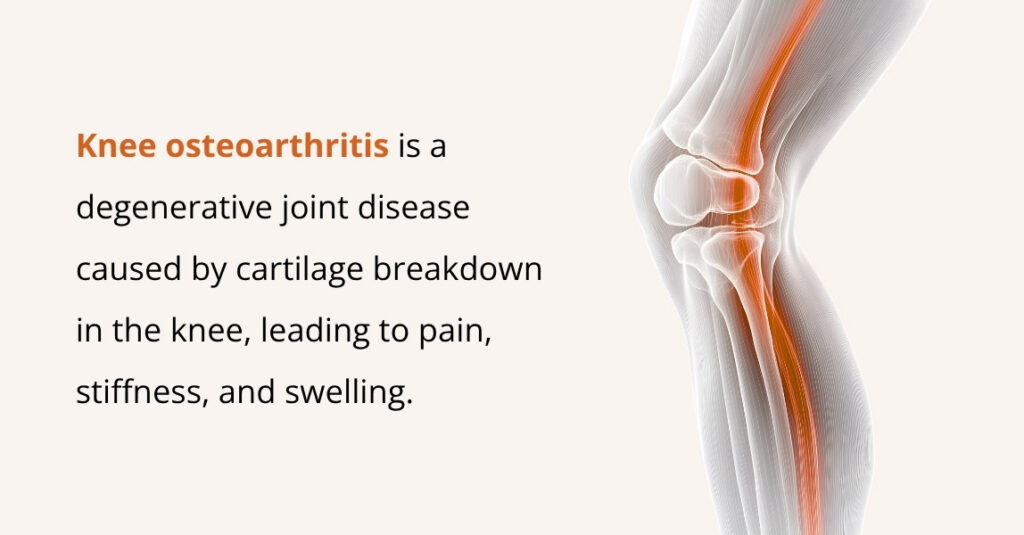
    Genicular Artery Embolization is a minimally invasive procedure that treats chronic knee pain caused by osteoarthritis by reducing abnormal blood flow and inflammation in the knee joint. Unlike surgery that replaces or removes damaged joint tissue, GAE addresses the issues that cause osteoarthritis pain: synovial inflammation and abnormal blood vessel growth.

    How GAE Works

    Genicular Artery Embolization (GAE) is a minimally invasive procedure that targets one of the key sources of osteoarthritis pain — inflammation in the knee joint lining. When osteoarthritis develops, the synovial membrane (the soft tissue that lines the joint) can become inflamed and grow abnormal new blood vessels and pain-sensing nerves. These changes feed ongoing inflammation and increase pain sensitivity.

    During the GAE procedure, an interventional radiologist makes a tiny incision, usually in the groin or wrist, and inserts a thin catheter into the bloodstream. Using advanced X-ray imaging, the doctor carefully guides the catheter to the genicular arteries, which supply blood to the knee joint. Once in position, microscopic embolic particles are gently released into these arteries. These particles block the abnormal small vessels that sustain inflammation in the joint. By reducing excess blood flow and calming pain-sensitive nerves, GAE helps decrease swelling and relieve pain.

    The result is lasting pain reduction and improved knee function — all without removing any bone, cartilage, or healthy tissue.

    The Benefits of GAE for Knee Osteoarthritis

    Proven Pain Relief

    Genicular Artery Embolization (GAE) has been shown in clinical studies to deliver lasting relief from knee pain and significant improvements in quality of life. Approximately 70-80% of patients experience significant pain reduction and improved function. Many patients report being able to walk longer distances, stay active, and return to their daily routines with greater comfort. Sleep quality often improves as nighttime pain decreases, and overall joint stiffness and inflammation are noticeably reduced.

    GAE offers an effective, minimally invasive option for those seeking relief from chronic knee pain without surgery.

    Minimally Invasive with Rapid Recovery

    Unlike knee replacement surgery that requires large incisions, extended hospital stays, and months of rehabilitation, GAE is performed as an outpatient procedure. Most patients return home the same day with only a small bandage covering the catheter insertion site. Recovery is remarkably quick—many patients resume normal activities within one to two weeks, compared to the three to six months typically required after knee replacement.

    No General Anesthesia Required

    GAE is performed under moderate sedation, eliminating the risks associated with general anesthesia. This makes the procedure accessible to patients who might be considered high-risk surgical candidates due to age or other medical conditions like heart disease or diabetes.

    Long-Lasting Results

    Research shows that GAE provides sustained pain relief extending from 1-3 years or longer for many patients. For patients seeking to delay or avoid knee replacement surgery, GAE offers a durable solution that can provide years of improved function and quality of life.

    Who Is a Candidate for GAE?

    Genicular Artery Embolization (GAE) may be an excellent option for individuals seeking relief from chronic knee pain caused by osteoarthritis — especially when other treatments haven’t provided lasting results.

    You may be a good candidate if you:

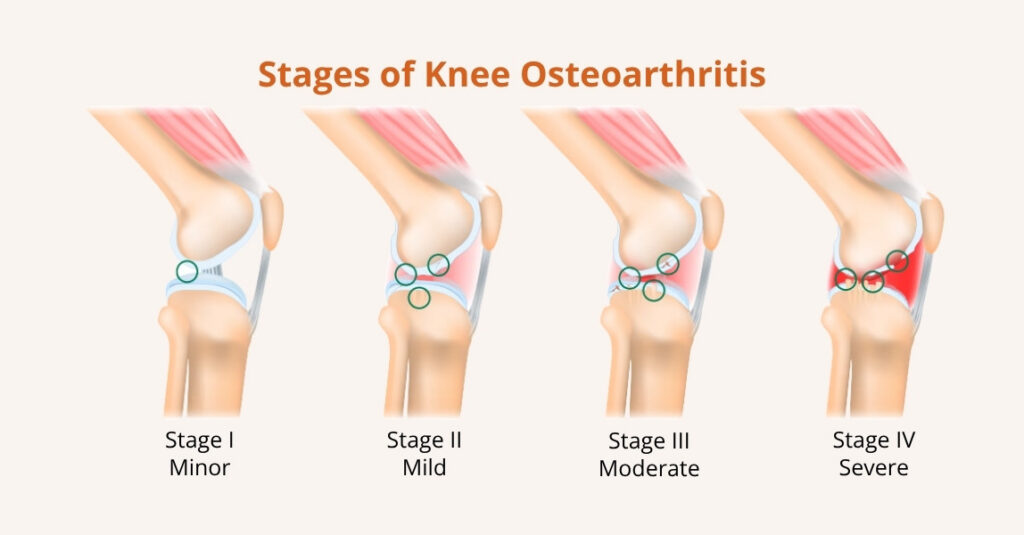
    Have mild to moderate knee osteoarthritis (Kellgren–Lawrence grade 2–3)Experience persistent knee pain despite conservative treatmentsHave not found adequate relief from physical therapy, anti-inflammatory medications, or cortisone injectionsWish to avoid or delay knee replacement surgeryAre not a surgical candidate due to other medical conditionsHave preserved joint structure but ongoing pain from inflammation

    Patients with more advanced osteoarthritis can still experience benefits from GAE, though outcomes are often more durable in earlier stages of the disease.

    During your consultation, an interventional radiologist will review your imaging studies and medical history to determine whether GAE is the most appropriate treatment for your condition.

    The GAE Procedure: What to Expect

    Before Your Procedure

    Your interventional radiologist will review your medical history, current medications, and imaging studies. You’ll receive detailed instructions about preparing for the procedure, including when to stop eating and drinking. Blood tests may be ordered to ensure your body can safely process the contrast dye used during imaging.

    During the Procedure

    On the day of your treatment, you’ll receive moderate sedation to keep you comfortable but awake. The interventional radiologist will numb the access site (typically your groin or wrist) and make a tiny puncture to insert the catheter. Using real-time X-ray guidance, the catheter is advanced to the genicular arteries supplying your knee.

    Contrast dye is injected to visualize the blood vessels and identify the abnormal vessels contributing to your pain. Once identified, embolization material is carefully delivered through the catheter to block these vessels. The entire procedure typically takes one to two hours.

    After the Procedure

    Following the GAE procedure, you’ll rest in a recovery area for several hours while medical staff monitor you. Most patients experience minimal discomfort and are discharged home the same day with specific care instructions. You’ll be advised to avoid strenuous activities for a few days, but most people can walk immediately after the procedure.

    Recovery and Results Timeline

    Pain relief from GAE typically begins within one to two weeks as inflammation in the knee joint subsides. Many patients notice gradual, continued improvement over the following two to three months. During this time, the abnormal blood vessels remain blocked while your body’s normal circulation adapts to maintain healthy knee tissue.

    You can expect to return to work within a few days, depending on your job’s physical demands. Low-impact activities like walking can usually resume almost immediately, while higher-impact activities may need to wait a few weeks. Your interventional radiologist will provide personalized guidance based on your recovery progress.

    Experience GAE at Seamless Medical Centers

    At Seamless Medical Centers in Port Arthur, TX, Dr. Zagum Bhatti and our team of board-certified interventional radiologists specialize in providing life-changing, minimally invasive procedures like Genicular Artery Embolization. Dr. Bhatti’s patient-first philosophy means we’re committed to helping you understand all your treatment options—even if that means recommending a procedure we don’t offer, because your health and wellbeing come first.

    We understand that chronic knee pain significantly impacts every aspect of your life—from limiting your favorite activities to affecting your independence and overall well-being. GAE offers hope for those who thought surgery was their only option, providing an effective, minimally invasive alternative that can restore your quality of life with less pain, fewer risks, and faster recovery times.

    Most insurance plans, including Medicare and Medicaid, cover medically necessary procedures like GAE. We’ll work with your insurance provider to verify coverage and obtain pre-authorization before scheduling your treatment.

    If you’re tired of living with knee pain and want to explore whether GAE is right for you, we invite you to schedule a consultation with our team. We’ll thoroughly evaluate your condition, answer all your questions, and ensure you fully understand your options.

    Contact Seamless Medical Centers Today

    Ready to explore minimally invasive solutions for your knee pain?Phone: 409-213-9575Address: 3300 Jimmy Johnson Blvd, Suite #130, Port Arthur, Texas 77642

    Call us or book your consultation online to learn how Genicular Artery Embolization can help you return to the activities you love—the seamless way.

  • Dr. Zagum Bhatti: Pioneering Minimally Invasive Care at Seamless Medical Centers

    Dr. Zagum Bhatti: Pioneering Minimally Invasive Care at Seamless Medical Centers

    If you’ve ever felt like just another number in a crowded waiting room, or wondered if your doctor was recommending a procedure based on what’s best for you or what’s best for the hospital’s bottom line, you’re not alone. These frustrations drove Dr. Zagum Bhatti to completely reimagine what patient care could look like.

    For Dr. Zagum Bhatti, a board-certified interventional radiologist and minimally invasive procedure specialist, the conviction that patients deserve better has been the guiding principle throughout his distinguished career. Frustrated by a healthcare system that often prioritizes the bottom line over individual well-being, Dr. Bhatti founded Seamless Medical Centers—a practice where he could revolutionize the entire patient experience, from start-to-finish.

    Educational Excellence: The Foundation of Expertise

    Dr. Bhatti’s journey to becoming one of Texas’s leading interventional radiologists began with rigorous medical training at some of the nation’s most prestigious institutions.

    He earned his medical degree from the Medical College of Wisconsin, consistently ranked among America’s top medical schools for clinical excellence and innovative research. Following medical school, Dr. Bhatti completed his Diagnostic Radiology Residency at Michigan State University College of Human Medicine in Grand Rapids, Michigan, from 2008 to 2013. His exceptional clinical skills and leadership abilities earned him the prestigious position of Chief Resident—an honor reserved for the most outstanding residents who demonstrate excellence in patient care, teaching ability, and leadership.

    Dr. Bhatti completed two fellowship programs to develop his specialized skills. His Fellowship in Neuroradiology at the Medical College of Wisconsin focused on imaging the brain, spine, and nervous system. He then completed a Fellowship in Vascular and Interventional Radiology at Rush University Medical Center in Chicago, where he trained in minimally invasive, image-guided procedures.

    With 17 years of medical experience, Dr. Bhatti has performed thousands of successful minimally invasive procedures. His extensive hands-on experience and proficiency in interventional radiology allow Dr. Bhatti to deliver effective, precise care for his patients.

    The Seamless Difference: Patient-Centered Philosophy

    Why Dr. Bhatti Founded His Own Practice

    Throughout his career, Dr. Bhatti witnessed a troubling pattern: patients being pushed toward more invasive, expensive procedures when minimally invasive alternatives could achieve equal or better outcomes with less risk and faster recovery. The healthcare system’s financial incentives often seemed misaligned with patient interests.

    This frustration drove him to found Seamless Medical Centers, where he could control every aspect of the patient experience and ensure that treatment decisions are based solely on what’s best for each individual patient.

    What Makes Seamless Medical Centers Different?

    Comprehensive, Unhurried Consultations: Unlike rushed appointments common in traditional healthcare settings, Dr. Bhatti and his team ensure patients fully understand their condition and all available treatment options. The philosophy at Seamless is that informed patients make better decisions about their health.

    Truly Minimally Invasive Care: Most procedures are performed via pinhole access point just 2-3 millimeters wide. Advanced image guidance allows Dr. Bhatti to treat only the affected areas while preserving healthy tissue. According to the Society of Interventional Radiology, minimally invasive procedures significantly reduce risks of infection, bleeding, and other complications compared to surgery. Patients are discharged the same day as their procedure and generally return to normal activities within just a few days.

    Transparent Decision Making: Dr. Bhatti recommends the best treatment option even if it’s not one his practice offers, provides transparent discussion of all risks and benefits, and respects patient preferences and values. Patients are true partners in their care—never pressured toward procedures they don’t need.

    Outstanding Patient Reviews

    The true measure of Dr. Bhatti’s approach to patient care comes from those he’s treated. Patients consistently share stories of transformative experiences—from walking pain-free after procedures they thought would require lengthy recoveries, to finally finding a physician who takes time to listen and explain treatment options thoroughly.

    Many express surprise at how different their experience was compared to traditional healthcare settings, noting that Dr. Bhatti treated them as partners in their care rather than just another appointment on a busy schedule. These genuine patient testimonials reflect what happens when a physician prioritizes patient wellbeing above all else, combining advanced medical expertise with authentic compassion and respect for each individual’s unique concerns and goals.

    Experience the Difference: Schedule Your Consultation

    Whether you’re suffering from prostate issues, chronic knee pain, uterine fibroids, or other conditions treatable through minimally invasive interventions, Dr. Bhatti offers the expertise, technology, and patient-centered approach you deserve.

    Contact us today:

    Houston/Port Arthur Office:Phone: 409-213-9575Address: 3300 Jimmy Johnson Blvd, Suite #130, Port Arthur, Texas 77642

  • Understanding Uterine Fibroids: What Every Woman Should Know in 2025

    Understanding Uterine Fibroids: What Every Woman Should Know in 2025

    Heavy periods that interfere with your daily life. Pelvic pressure that makes you uncomfortable. Frequent trips to the bathroom. If these symptoms sound familiar, you might be among the millions of women dealing with uterine fibroids.

    At Seamless Medical Centers, we believe knowledge empowers better health decisions. Understanding what fibroids are and recognizing their symptoms is the first step toward reclaiming your comfort and confidence.

    What Are Uterine Fibroids?

    Uterine fibroids are noncancerous growths that develop in the smooth muscle cells of the uterus. These growths can appear alone or in groups and range dramatically in size, from as small as a grain of rice to as large as a melon. While the exact cause remains unclear, research indicates that genetics, age, race, and prolonged estrogen exposure may increase your risk.

    The numbers tell a compelling story: An estimated 20% to 50% of women of reproductive age currently have fibroids, and up to 77% of women will develop fibroids sometime during their childbearing years. Despite their prevalence, many women suffer silently, accepting symptoms as “normal” parts of womanhood.

    Recognizing Fibroid Symptoms

    Fibroids don’t always cause symptoms, but when they do, the impact on your daily life can be significant. Common symptoms include:

    Heavy and Prolonged Bleeding: Women with fibroids often have periods lasting longer than seven days that can be very heavy, requiring changing sanitary protection frequently.

    Pelvic Pressure and Pain: Large fibroids can create a feeling of fullness in your lower abdomen or cause chronic pelvic discomfort.

    Urinary Issues: Frequent urination or difficulty emptying your bladder completely when fibroids press against the bladder.

    Digestive Problems: Constipation or rectal pressure when fibroids affect nearby organs.

    Reproductive Challenges: In some cases, fibroids can contribute to fertility issues or pregnancy complications.

    Types and Locations Matter

    Understanding where your fibroids are located helps determine the best treatment approach. Our specialists classify fibroids by their position:

    Subserosal: Located on the outer wall of the uterus, typically causing bulk or pressure symptoms.

    Intramural: Within the muscular walls, often causing heavy bleeding or pressure.

    Submucosal: Inside or near the uterine cavity, usually causing heavy bleeding and the least common type.

    The size, location, and number of fibroids influence both your symptoms and treatment options.

    Modern Treatment: Beyond Traditional Surgery

    Gone are the days when hysterectomy was the only solution for problematic fibroids. Today’s minimally invasive approaches offer effective relief while preserving your uterus and dramatically reducing recovery time.

    At Seamless Medical Centers, we specialize in advanced techniques that target fibroids precisely while protecting healthy tissue. Uterine Fibroid Embolization (UFE) is a new, FDA-cleared uterine sparing, outpatient procedure for uterine fibroids that utilizes recent technological advancements in instrumentation and imaging.

    Your Path Forward

    If fibroid symptoms are affecting your quality of life, you have options beyond “waiting it out” or accepting major surgery. Our team of board-certified interventional radiologists brings decades of experience in minimally invasive procedures that can restore your comfort and confidence.

    We believe every woman deserves to live free from the limitations that fibroid symptoms can impose. During your consultation, we’ll review your medical history, discuss your symptoms, and create a personalized treatment plan that aligns with your goals and lifestyle.

    Take the First Step

    Ready to see if UFE is right for you? Contact Seamless Medical Centers to schedule your consultation. Our experienced team will evaluate your specific situation and help determine if PAE is the right choice for your specific needs. Most major insurance plans cover our procedures, and our team handles the authorization process for you.