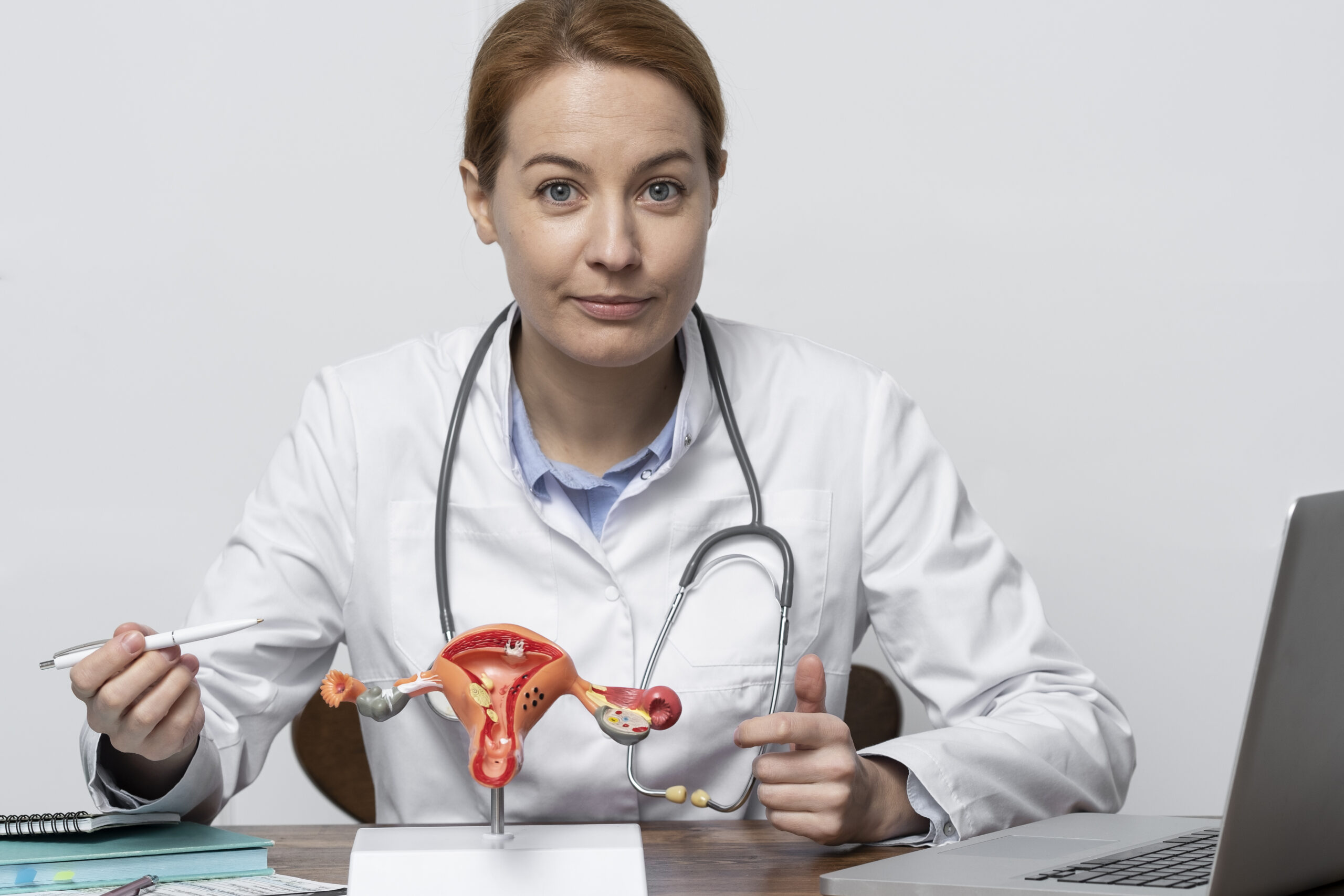
If you have been told you have uterine fibroids and are exploring your treatment options, you may have heard about uterine fibroid embolization without a clear explanation of what it actually involves. UFE is a minimally invasive procedure that treats fibroids by cutting off their blood supply, causing them to shrink and the symptoms they cause to improve — without removing the uterus or requiring open surgery.
Uterine fibroids are noncancerous growths that develop in the walls or on the surface of the uterus. They are remarkably common — many women have them without knowing it. But when fibroids cause heavy menstrual bleeding, pelvic pain or pressure, urinary symptoms, or significant impact on daily life, treatment becomes an important consideration.
At Seamless Medical Centers, Dr. Zagum Bhatti, Board-Certified Interventional Radiologist, performs UFE for patients across Southeast Texas and the Houston area. UFE is available for both Houston-area patients and Port Arthur patients. The procedure is also available for menorrhagia — heavy menstrual bleeding — through dedicated service pages for Houston and Port Arthur.
What Causes Uterine Fibroids?
Uterine fibroids develop from the smooth muscle cells of the uterine wall. The exact trigger for their development is not fully understood, but the growth of existing fibroids is strongly influenced by estrogen and progesterone — the hormones that regulate the menstrual cycle. This is why fibroids typically grow during the reproductive years, may enlarge during pregnancy, and tend to shrink after menopause when hormone levels decline.
Risk factors for developing fibroids include family history, race (Black women develop fibroids more often and at younger ages, with more severe symptoms), obesity, and never having been pregnant. Diet and lifestyle factors may also influence development, though the evidence is less definitive. Fibroids can be single or multiple, range from microscopic to larger than a grapefruit, and can be located inside the uterine cavity (submucosal), within the uterine wall (intramural), or on the outer surface of the uterus (subserosal).
The location of fibroids matters as much as their size for determining symptoms. Submucosal fibroids that protrude into the uterine cavity are most commonly associated with heavy menstrual bleeding because they increase the surface area that sheds during menstruation and disrupt normal uterine contractions. Intramural fibroids can cause both bleeding and pressure symptoms. Subserosal fibroids are more likely to cause pelvic pressure, urinary symptoms, and back pain.
How UFE Works: The Procedure Step by Step
UFE is performed by an interventional radiologist using image guidance to navigate a catheter through the vascular system to the uterine arteries — the vessels that supply blood to the uterus and, critically, to the fibroids. Fibroids are highly dependent on their blood supply for survival and growth. When that supply is cut off, they shrink and the symptoms they cause improve.
The procedure begins with a small puncture, typically in the wrist or groin, through which the catheter is introduced. Using real-time X-ray imaging (fluoroscopy), Dr. Bhatti navigates the catheter to the uterine arteries on both sides of the pelvis. Once positioned, tiny embolic particles — microspheres smaller than a grain of sand — are delivered to block these arteries. The particles lodge in the small vessels supplying the fibroids, blocking blood flow.
UFE is performed under conscious sedation, not general anesthesia. The procedure itself typically takes 45 to 90 minutes, and patients go home the same day or after a short overnight observation period. The uterus itself retains its blood supply through collateral vessels, which is why UFE treats fibroids without removing or permanently damaging the uterus.
What to Expect After UFE: Symptom Improvement
Over the weeks and months following UFE, fibroids gradually shrink as their blood supply is eliminated. Most patients notice reduction in heavy menstrual bleeding within the first one to two cycles after the procedure. Pelvic pressure, bulk symptoms, and urinary frequency typically improve as the fibroids reduce in volume. The extent and timeline of improvement vary by individual, fibroid characteristics, and overall response to treatment. Read the complete UFE recovery guide for a detailed timeline of what to expect during healing.
The post-embolization syndrome — a period of cramping, pelvic discomfort, low-grade fever, and fatigue in the days following the procedure — is a normal part of the recovery process as the body responds to the treated fibroids. Most patients manage this with prescribed pain medication and return to work within one to two weeks, significantly faster than recovery from hysterectomy or myomectomy.
UFE Versus Surgical Options
Two surgical alternatives to UFE are most commonly compared: hysterectomy (surgical removal of the uterus) and myomectomy (surgical removal of individual fibroids while preserving the uterus). Understanding how UFE differs from each helps clarify whether it may be the right choice for your situation. Read the UFE vs hysterectomy comparison and UFE vs myomectomy comparison for detailed breakdowns.
The key advantages of UFE compared to surgical options include no incisions to the abdomen, no general anesthesia, no risk of adhesion formation, shorter recovery time, and preservation of the uterus. UFE is performed as an outpatient or short-stay procedure. Surgical options involve operating room time, anesthesia, longer recoveries, and the specific risks associated with abdominal surgery.
UFE treats all fibroids simultaneously rather than requiring the surgeon to individually locate and remove each one — an advantage in women with multiple fibroids. However, UFE is generally not recommended for women who plan future pregnancies, as its effect on fertility is less well-studied than myomectomy, which is the preferred surgical option for fertility-preserving fibroid treatment.
Who Is a Good Candidate for UFE?
UFE is most appropriate for women with symptomatic fibroids who want to preserve their uterus, who prefer to avoid surgery and general anesthesia, and who are not planning future pregnancies. Candidates should have adequate ovarian reserve and should not have evidence of malignancy on imaging. Fibroids of varying sizes, numbers, and locations can generally be treated with UFE, though the degree of benefit depends on fibroid characteristics that Dr. Bhatti evaluates during the consultation.
Women with pedunculated subserosal fibroids — fibroids that are attached to the outside of the uterus by a narrow stalk — may not be ideal candidates because there is a risk that the fibroid could detach after embolization, which can require surgical management. Submucosal and intramural fibroids causing heavy bleeding are among the most reliably treated with UFE.
To determine whether UFE is appropriate for your specific situation, a consultation with Dr. Bhatti includes review of your symptoms, imaging, and overall health to make a specific recommendation. Contact Seamless Medical Centers to schedule. Visit our services overview for information on all available procedures.
Why Many Women Are Never Told About UFE
One of the most common reactions women have when they first learn about uterine fibroid embolization is frustration that no one mentioned it sooner. There is a structural reason for that. Fibroids are usually managed by gynecologists, whose training centers on medication and surgery, while UFE is performed by interventional radiologists – a different specialty that many patients never get referred to. As a result, the typical path runs from watchful waiting to hormonal medication to a recommendation for hysterectomy or myomectomy, sometimes without the minimally invasive, uterus-preserving option ever being raised. This is not a criticism of gynecologists, who provide essential care; it simply reflects how specialties are organized. UFE is not experimental or fringe – it is a well-established treatment supported by decades of clinical use and recognized by major medical organizations as an appropriate option for many women with symptomatic fibroids. The practical takeaway is that if you have been told surgery is your only choice, it is reasonable to ask specifically whether you are a candidate for UFE, or to seek an opinion from an interventional radiologist. You can compare the approaches directly in our overviews of UFE versus hysterectomy and UFE versus myomectomy. Being informed about every option is what lets you make a choice that genuinely fits your body and your life.
Schedule Your Consultation
If you’re ready to explore your options, contact Seamless Medical Centers to schedule a consultation with Dr. Bhatti. Phone: 409-213-9575. Address: 3300 Jimmy Johnson Blvd, Suite #130, Port Arthur, Texas 77642.
Medical Disclaimer
Individual results may vary. This information is for educational purposes only and should not replace professional medical advice. Treatment decisions should be made in consultation with qualified healthcare providers.
Published by Seamless Medical Centers | Clinical information reflects the expertise of Dr. Zagum Bhatti, MD, Board-Certified Interventional Radiologist, Founder of Seamless Medical Centers.
Leave a Reply