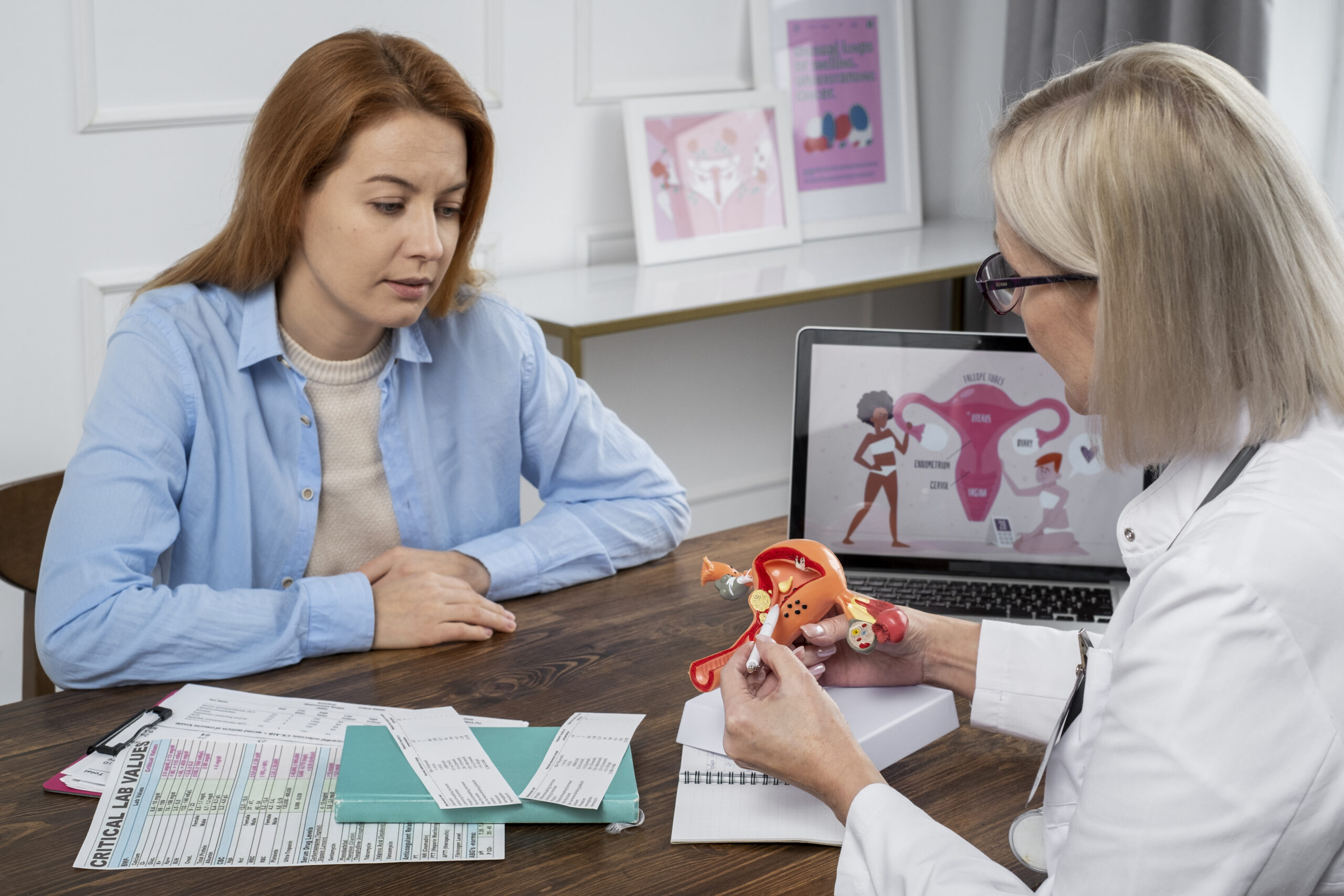
According to the National Institutes of Health, uterine fibroids affect up to 70 to 80 percent of women by age 50, making them one of the most common gynecological conditions. Despite being so prevalent, many women throughout Southeast Texas don’t fully understand what fibroids are, why they develop, or when treatment becomes necessary. If you’ve been told you have fibroids or are experiencing symptoms that might indicate their presence, understanding this condition helps you make informed decisions about your health.
At Seamless Medical Centers in Port Arthur, TX, Dr. Zagum Bhatti provides comprehensive fibroid treatment in Port Arthur for patients across the Golden Triangle, including Beaumont, Orange, Nederland, and western Louisiana. Our minimally invasive approach offers relief without requiring hysterectomy.
What Are Uterine Fibroids?
Uterine fibroids are benign (non-cancerous) growths that develop in or on the uterus. They consist of muscle tissue and fibrous connective tissue, ranging in size from as small as a seed to as large as a melon. Some women have a single fibroid, while others develop multiple fibroids of varying sizes. The medical term for fibroids is leiomyomas or myomas.
Fibroids are classified by their location in the uterus. Intramural fibroids grow within the muscular uterine wall and are the most common type. Submucosal fibroids protrude into the uterine cavity and often cause heavy menstrual bleeding even when relatively small. Subserosal fibroids grow on the outer surface of the uterus and may cause pelvic pressure and pain. Pedunculated fibroids attach to the uterus by a thin stalk and can twist, causing sudden severe pain.
While fibroids are benign, they can cause significant symptoms and impact quality of life. The good news is that cancer developing within a fibroid is extremely rare—fewer than one in 1,000 fibroids becomes malignant. However, symptomatic fibroids warrant treatment to restore comfort and normal function.
Common Fibroid Symptoms
Many women with small fibroids experience no symptoms at all. However, as fibroids grow or depending on their location, symptoms often develop. Heavy menstrual bleeding is the most common symptom, particularly with submucosal fibroids. You may soak through pads or tampons every hour, pass large blood clots, or have periods lasting more than seven days. This excessive bleeding can lead to anemia, causing fatigue, weakness, and shortness of breath.
Pelvic pain and pressure affect many women with fibroids. You might feel a constant sense of fullness in your lower abdomen, aching that worsens as the day progresses, or sharp pain if a fibroid degenerates or twists. Large fibroids can press on your bladder, causing frequent urination, urgency, or difficulty emptying your bladder completely. Pressure on your rectum can cause constipation or a feeling of rectal fullness.
Other fibroid symptoms include pain during intercourse, lower back pain, leg pain from nerve compression, and an enlarged abdomen that makes you look pregnant. For women throughout Lumberton, Groves, and Bridge City dealing with these symptoms, understanding that fibroids are causing them is the first step toward finding effective treatment.
When to Seek Treatment for Fibroids
Not all fibroids require treatment. Small fibroids causing no symptoms can often be monitored with periodic ultrasounds to track their growth. However, treatment becomes appropriate when fibroids cause symptoms that interfere with your daily life, when heavy bleeding leads to anemia, or when fibroids grow rapidly.
You should seek evaluation if you experience heavy periods that soak through protection hourly, pelvic pain that doesn’t respond to over-the-counter medications, pressure symptoms affecting your bladder or bowel function, or difficulty conceiving when fibroids are suspected as a contributing factor. Women in western Louisiana who have limited local options for fibroid care can access specialized treatment in Port Arthur, just across the state line.
Understanding how uterine fibroid embolization works helps you evaluate whether this minimally invasive treatment is appropriate for your situation.
Treatment Options for Uterine Fibroids
Treatment for fibroids ranges from watchful waiting to surgery, with several options in between. Medications can help manage heavy bleeding or shrink fibroids temporarily, though symptoms typically return when medication is stopped. Hormonal IUDs may reduce bleeding for some women. For more definitive treatment, options include uterine fibroid embolization, myomectomy (surgical removal of fibroids while preserving the uterus), and hysterectomy (removal of the entire uterus).
Uterine fibroid embolization blocks blood flow to fibroids, causing them to shrink and die. The procedure is performed through a tiny puncture with no abdominal incisions, allowing most women to return to work within a week. For Golden Triangle women seeking treatment that preserves the uterus, UFE in Port Arthur offers an alternative to major surgery with faster recovery.
Understanding UFE recovery expectations helps you prepare for treatment and plan your return to normal activities.
Who Develops Fibroids, and Why
Fibroids are extraordinarily common, but they do not affect everyone equally, and understanding the factors involved helps put your own situation in context. Fibroids are hormonally responsive, growing under the influence of estrogen and progesterone, which is why they typically develop during the reproductive years and tend to shrink after menopause when hormone levels fall. Age is a clear factor, with fibroids becoming more common as women move through their thirties and forties. Family history matters too: having a mother or sister with fibroids raises your likelihood of developing them, pointing to a genetic component. Research has also found that fibroids are more common, often appear earlier, and can be more severe in Black women, for reasons that are still being studied. Other factors that have been associated with fibroid development include earlier onset of menstruation and certain aspects of diet and body weight, though the picture is complex and no single cause explains why a particular woman develops them. Importantly, fibroids are not caused by anything you did wrong, and they are not a sign of cancer. For women across the Golden Triangle and western Louisiana, the practical message is simply that fibroids are common and influenced by factors largely outside your control – so the focus belongs on recognizing symptoms and understanding options rather than on assigning blame.
How Fibroids Are Diagnosed and Monitored
Because fibroid symptoms overlap with those of other conditions, diagnosis relies on imaging rather than symptoms alone. The most common tool is a pelvic ultrasound, which is widely available, painless, and able to confirm the presence of fibroids and show their size, number, and location, including whether any are submucosal and protruding into the uterine cavity. In some cases – when fibroids are numerous, very large, or when detailed mapping is needed to plan treatment – an MRI provides a more precise picture. A pelvic examination may first raise the suspicion of fibroids when a uterus feels enlarged or irregular, prompting imaging to confirm. Once fibroids are identified, not every case requires immediate treatment; small fibroids that are not causing symptoms can often simply be monitored with periodic ultrasounds to track whether they are growing or changing. This watchful approach is reasonable precisely because many fibroids remain stable and asymptomatic. The purpose of diagnosis, then, is not only to confirm that fibroids are present but to characterize them well enough to guide a sensible plan – whether that means monitoring, medical management, or a procedure. For women in Southeast Texas, having clear imaging is what turns uncertainty about vague symptoms into a concrete understanding of what is there and what, if anything, needs to be done.
Connecting Your Symptoms to the Right Information
Because fibroids can cause such a range of symptoms, it helps to follow the thread from whichever symptom is troubling you most to a fuller understanding of it. If heavy menstrual bleeding is your main concern, our guide on heavy periods and when to seek help goes deeper, and if that bleeding has left you exhausted, our guide on heavy bleeding and anemia explains the connection. For pain and pressure, our guides on fibroid pain and on pelvic pain and pressure address those symptoms specifically, while worsening period cramps and fibroid-related urinary symptoms each have their own dedicated guide. Seeing fibroids as a single condition that can show up in several different ways helps make sense of a confusing mix of symptoms – and it underscores why an individualized evaluation is so useful, since the right approach depends on which symptoms you have and how much they affect you. For women throughout the Golden Triangle and western Louisiana, the encouraging reality is that fibroids are common, well understood, and treatable, with options ranging from monitoring to minimally invasive procedures that preserve the uterus.
Frequently Asked Questions About Uterine Fibroids
What causes uterine fibroids?
The exact cause of fibroids is not fully understood, but they appear to be influenced by hormones (particularly estrogen and progesterone) and genetics. Women with a family history of fibroids are more likely to develop them. Fibroids grow during reproductive years and typically shrink after menopause when hormone levels decline.
Are uterine fibroids cancerous?
Uterine fibroids are benign (non-cancerous) growths. While extremely rare cases of leiomyosarcoma (a malignant tumor) can develop, this occurs in fewer than one in 1,000 cases. Fibroids do not increase your risk of developing uterine cancer.
Can fibroids go away on their own?
Fibroids typically grow during reproductive years and shrink after menopause when estrogen levels drop. However, waiting for menopause can mean years of symptoms. Fibroids rarely disappear completely on their own before menopause.
Do I need surgery for fibroids?
Surgery is not the only option for fibroids. Minimally invasive procedures like uterine fibroid embolization can effectively treat symptomatic fibroids without requiring abdominal surgery, hysterectomy, or removal of the uterus. Your treatment choice depends on your symptoms, fibroid characteristics, and personal goals.
Can fibroids affect pregnancy?
Fibroids can sometimes interfere with conception or pregnancy, particularly submucosal fibroids that distort the uterine cavity. However, many women with fibroids have successful pregnancies. If you’re planning pregnancy, discuss your fibroids with your physician to determine whether treatment is advisable.
Fibroid Treatment in Southeast Texas
If you’ve been diagnosed with fibroids or are experiencing symptoms, contact Seamless Medical Centers to schedule a consultation with Dr. Bhatti. We serve patients throughout the Golden Triangle and western Louisiana, providing access to advanced fibroid treatment close to home.
Phone: 409-213-9575
Address: 3300 Jimmy Johnson Blvd, Suite #130, Port Arthur, Texas 77642
Medical Disclaimer
Individual results may vary. This information is for educational purposes only and should not replace professional medical advice. Treatment decisions should be made in consultation with qualified healthcare providers.
Published by Seamless Medical Centers | Clinical information reflects the expertise of Dr. Zagum Bhatti, MD, Board-Certified Interventional Radiologist, Founder of Seamless Medical Centers.
Leave a Reply