Category: Vascular

Peripheral artery disease, circulation problems and leg pain — how these vascular conditions are diagnosed and treated with minimally invasive procedures.

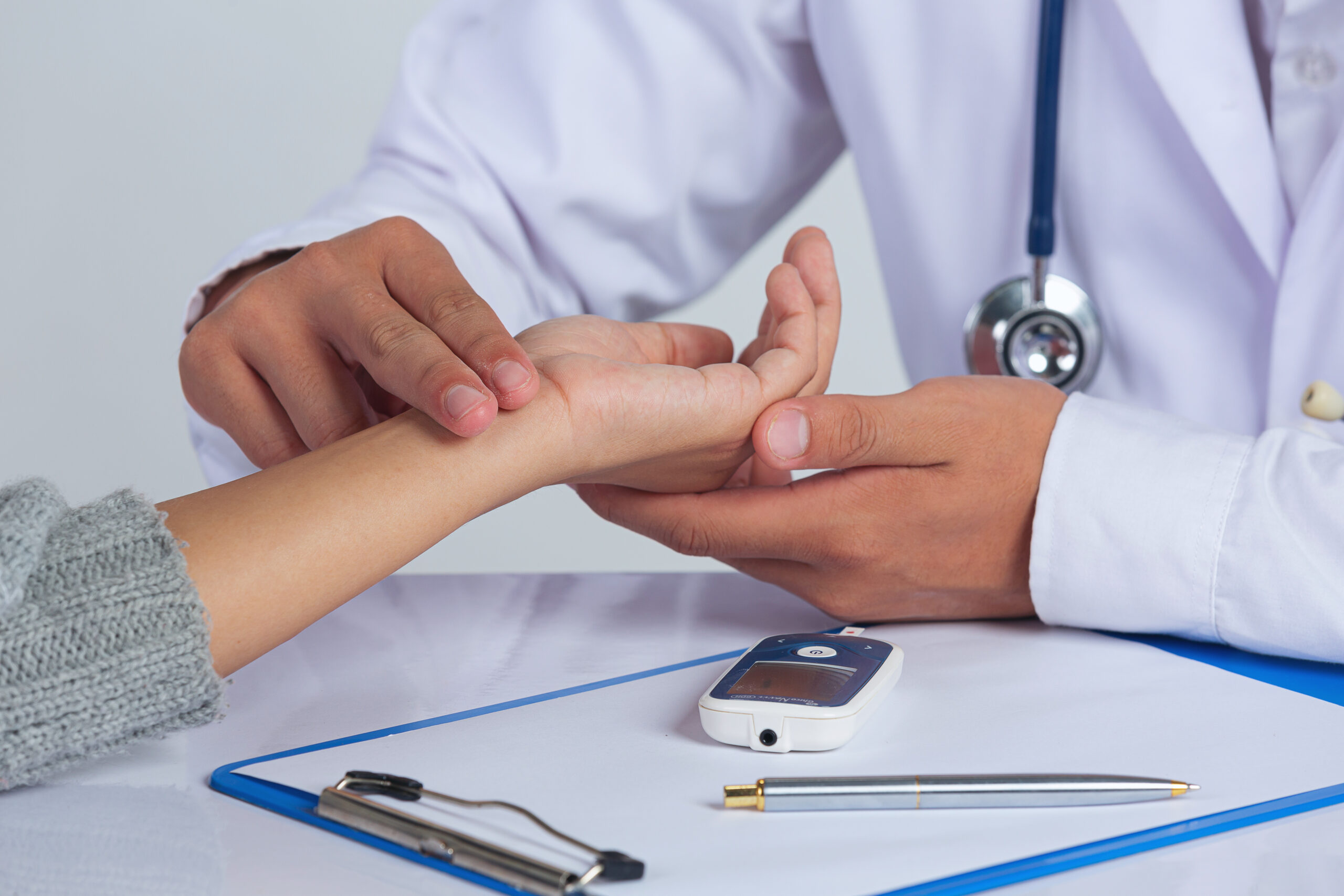
  • Diabetes and Peripheral Artery Disease: Understanding the Elevated Risk

    Diabetes and Peripheral Artery Disease: Understanding the Elevated Risk

    If you have diabetes, your risk of developing peripheral artery disease is two to four times higher than in someone without diabetes. And if you develop PAD, the consequences tend to be more severe: the disease progresses faster, symptoms may present differently, foot complications are more common, and wound healing is impaired in ways that turn minor foot injuries into serious medical events. Understanding this connection — and what to do about it — is one of the most important pieces of vascular health management for patients with diabetes.

    Diabetes is more common across Southeast Texas than in much of the country — adult diabetes prevalence in Texas runs above the national average, and the CDC has identified East Texas counties as having higher diabetes prevalence than the rest of the state. The Golden Triangle communities of Port Arthur, Beaumont, Orange, Nederland, Groves, Port Neches, Vidor, and Bridge City reflect this pattern. For diabetic patients in Jefferson County and Orange County, the combination of diabetes with other regional PAD risk factors — smoking and hypertension being particularly common — creates a compounded risk that deserves proactive vascular attention.

    At Seamless Medical Centers, Dr. Zagum Bhatti, Board-Certified Interventional Radiologist, provides PAD evaluation and minimally invasive treatment for diabetic patients across Southeast Texas. Port Arthur PAD service. Houston-area PAD service.

    Why Diabetes Accelerates Vascular Disease

    Chronically elevated blood glucose damages blood vessel walls in multiple ways. It accelerates atherosclerotic plaque formation, promotes inflammation in the vascular endothelium, increases platelet aggregation (clotting tendency), and stiffens arterial walls — reducing their ability to dilate in response to increased demand. These mechanisms compound standard cardiovascular risk factors, making arterial narrowing develop faster and affect smaller vessels more severely in diabetic patients.

    Diabetic PAD also frequently affects the smaller vessels below the knee — the tibial and peroneal arteries — in addition to the larger vessels affected in non-diabetic PAD. This makes the disease pattern more diffuse and technically more challenging to treat, though minimally invasive revascularization remains effective for many patients.

    The Silent PAD Problem in Diabetic Patients

    Peripheral neuropathy — nerve damage from long-standing diabetes — blunts the pain sensation that normally prompts PAD evaluation. The classic claudication pain that brings non-diabetic patients to medical attention may be absent or significantly reduced in diabetic patients, allowing PAD to progress to advanced stages without being recognized. A diabetic patient with severe PAD may have minimal pain and a non-healing foot wound as their first presentation.

    This is why screening for PAD with ankle-brachial index testing is recommended for diabetic patients, particularly those over 50 or with longer duration of diabetes — not waiting for symptoms, but proactively assessing vascular health as part of diabetes management.

    Foot Care as PAD Management

    For diabetic PAD patients, foot care is not cosmetic — it is medical. Peripheral neuropathy reduces sensation, PAD reduces healing capacity, and the combination means that minor foot injuries can become serious quickly and without early warning pain. Daily foot inspection, properly fitting footwear, avoiding barefoot walking, and prompt evaluation of any wound, blister, or skin change are all components of foot care that directly affect limb outcomes in diabetic PAD.

    Any foot wound in a diabetic patient with known or suspected PAD should be evaluated urgently. Wounds in this population do not simply heal with time — they require active management and often require revascularization to create the blood flow necessary for healing. Review PAD treatment options to understand what interventional approaches are available.

    What Treatment Involves for Diabetic PAD

    Diabetic peripheral artery disease often affects the smaller arteries below the knee, including the tibial and peroneal vessels, in addition to the larger arteries involved in non-diabetic PAD. This makes the disease pattern more diffuse and technically more demanding to treat, but it remains very treatable with minimally invasive techniques. At Seamless Medical Centers, Dr. Bhatti and the team have particular experience treating the small arteries of the lower leg and foot, using angioplasty, stenting, and atherectomy delivered through a small puncture.

    These are outpatient procedures performed under conscious sedation, with most patients observed for a few hours and discharged the same day. For diabetic patients with a non-healing foot wound, restoring blood flow is frequently what finally allows the wound to heal, which is why prompt vascular evaluation is so important when a wound appears.

    Why Regular Screening Matters in Diabetes

    Because neuropathy can blunt the warning pain that normally prompts an evaluation, peripheral artery disease can advance silently in people with diabetes, sometimes presenting first as a non-healing wound rather than leg pain. For this reason, screening with the ankle-brachial index is recommended for diabetic patients, particularly those over 50 or with a longer duration of diabetes, as a proactive part of diabetes care rather than something to pursue only after symptoms appear. Most insurance plans, including Medicare and Medicaid, cover medically necessary evaluation and treatment.

    Coordinating PAD Care With Diabetes Management

    For people with diabetes, peripheral artery disease is best managed as one part of overall diabetes care rather than as a separate problem. Tight blood-sugar control slows the vascular damage that underlies diabetic PAD, and while it cannot reverse existing narrowing, it reduces the rate of new plaque formation and supports the small vessels that are so often affected. Blood pressure and cholesterol control, antiplatelet therapy where appropriate, and smoking cessation work in the same direction, protecting both the legs and the heart.

    Because reduced sensation can hide developing problems, regular foot checks, both at home and at medical visits, become an essential safeguard. Coordinating vascular care with your diabetes management team ensures that circulation, blood sugar, and foot health are addressed together rather than in isolation, which is what gives the limb the best long-term protection.

    Building Screening Into Routine Diabetes Care

    For people with diabetes, the case for screening rather than waiting for symptoms is especially strong, because neuropathy can mask the warning pain that would otherwise prompt an evaluation. Incorporating a periodic ankle-brachial index and a careful foot examination into routine diabetes care can catch reduced circulation before it leads to a wound or other complication. Guidelines generally support screening for diabetic patients over fifty, and earlier for those with a longer duration of diabetes or additional risk factors such as smoking.

    Pairing this with daily foot inspection at home creates two layers of early detection, which is what gives the limb the best protection. When screening or a foot check turns up a concern, prompt vascular evaluation allows circulation to be assessed and, if needed, restored before a small problem becomes a serious one.

    For anyone living with diabetes, peripheral artery disease is a risk worth taking seriously and managing proactively rather than waiting for it to announce itself. Because neuropathy can hide its warning signs, regular screening, daily foot care, and tight control of blood sugar, blood pressure, and cholesterol together form the best defense. When PAD is found, it is very treatable, including in the smaller arteries below the knee that diabetes so often affects, and restoring circulation is frequently what allows a stubborn foot wound to heal. Coordinating vascular care with your diabetes management team gives the limb its best long-term protection.

    Frequently Asked Questions About Diabetes and PAD

    Q1. How often should diabetic patients be screened for PAD?

    Most guidelines recommend ABI screening for diabetic patients over 50, or earlier in patients with longer disease duration, smoking history, or other cardiovascular risk factors. The frequency of repeat screening depends on initial results and ongoing risk factor management.

    Q2. Can PAD be treated effectively in diabetic patients?

    Yes. Diabetic patients can benefit from minimally invasive revascularization procedures, including angioplasty and stenting of the tibial arteries. Technical success rates and outcomes are somewhat lower than in non-diabetic PAD, but meaningful improvement in blood flow and wound healing can be achieved. Dr. Bhatti will discuss the specific technical considerations for your anatomy.

    Q3. I have diabetes and a foot wound that won’t heal. What should I do?

    A non-healing foot wound in a diabetic patient should be evaluated by both a wound care specialist and a vascular specialist promptly. If PAD is contributing to impaired healing, revascularization to restore blood flow is often necessary for the wound to close. Do not wait to see if it improves on its own.

    Q4. Does better blood sugar control help PAD?

    Yes. Optimizing blood glucose control slows the progression of vascular damage that underlies diabetic PAD. While it cannot reverse existing arterial disease, better glycemic management reduces the rate of new plaque formation and endothelial damage, making it an important component of PAD management alongside revascularization and cardiovascular risk factor control.

    Schedule Your Consultation

    Contact Seamless Medical Centers at our Port Arthur office. Phone: 409-213-9575. Address: 3300 Jimmy Johnson Blvd, Suite #130, Port Arthur, Texas 77642.


  • When Leg Cramps Mean More Than Aging: Recognizing PAD in Southeast Texas

    When Leg Cramps Mean More Than Aging: Recognizing PAD in Southeast Texas

    You’ve been telling yourself the leg cramping is just getting older. Your knees have been bothering you, your back has its moments, and leg cramps seem like just another thing on the list of changes that come with being in your 60s or 70s. But there’s something specific about this cramping that nags at you: it comes on when you walk, it forces you to stop, and it goes away when you rest. Every time. Predictably.

    That pattern — walking-induced muscle cramping that reliably resolves with rest — is not a generic aging phenomenon. It is the hallmark of claudication, and claudication is a symptom of peripheral artery disease. PAD is treatable, and recognizing it early gives you the most options for restoring your walking capacity before the disease progresses further.

    At Seamless Medical Centers in Port Arthur, TX, Dr. Zagum Bhatti, Board-Certified Interventional Radiologist, evaluates and treats PAD for patients across the Golden Triangle — Port Arthur, Beaumont, Nederland, Orange, Vidor, Lumberton, Bridge City, and surrounding communities. Patients from western Louisiana including Lake Charles and Sulphur also access care at our Port Arthur location. Port Arthur PAD service.

    The Difference Between Aging and PAD Leg Pain

    Leg pain from aging is nonspecific: general muscle soreness after activity, joint stiffness that loosens with movement, fatigue that varies day to day. It doesn’t follow rules. PAD claudication follows very specific rules: it comes on at a predictable walking distance, affects a specific muscle group (usually the calf, sometimes the thigh or buttock), and reliably resolves within two to five minutes of standing still. If your leg cramping is this predictable, it is not generic aging.

    Other age-related conditions that cause leg pain — arthritis, spinal stenosis, venous insufficiency — have their own patterns that differ from vascular claudication. For patients in Silsbee, Groves, Orangefield, and Port Neches who have been dismissing leg pain as part of getting older, a simple screening test (the ankle-brachial index) can quickly determine whether the vascular system is involved.

    Risk Factors Common in the Golden Triangle

    Several PAD risk factors are common across the Southeast Texas region, including diabetes, hypertension, and obesity, with diabetes prevalence running above state and national averages. These factors compound each other — a patient who smokes and has diabetes has dramatically higher PAD risk than someone with only one risk factor. If you have multiple risk factors and walking-induced leg cramping, PAD evaluation is particularly important.

    Understanding PAD and its symptoms and how claudication is distinguished from other leg pain provides useful context before your evaluation.

    How Doctors Tell PAD Apart From Other Causes of Leg Pain

    Several conditions can cause leg pain in older adults, and telling them apart shapes the right treatment. Vascular claudication from PAD appears at a predictable walking distance, affects a specific muscle group such as the calf, and eases within minutes of rest in any position. Pain from spinal stenosis also worsens with walking but is typically relieved by sitting or leaning forward rather than simply stopping, and often involves numbness or tingling. Arthritis pain is centered at a joint, varies with position and activity rather than tracking a walking distance, and tends to be stiff after rest.

    Because these conditions frequently coexist in the same person, the evaluation does not rely on the story alone. A pulse and skin examination together with the ankle-brachial index gives objective evidence of whether arterial flow is reduced, which is the piece that distinguishes a vascular cause from a nerve- or joint-related one.

    What an Evaluation Involves

    A PAD evaluation is quick and non-invasive. After a conversation about your symptoms and a focused examination, the ankle-brachial index compares blood pressure at the ankle and the arm to confirm or rule out reduced circulation, and duplex ultrasound can show where arteries are narrowed if treatment is being considered. At Seamless Medical Centers in Port Arthur, patients from the Golden Triangle, the wider Southeast Texas region, and western Louisiana are evaluated in unhurried visits with direct access to the physician.

    If significant PAD is found and is limiting activity, Dr. Bhatti restores blood flow with minimally invasive techniques performed through a small puncture on an outpatient basis, and most insurance plans, including Medicare and Medicaid, cover medically necessary evaluation and treatment.

    Ordinary Aging Versus a Pattern Worth Checking

    Some leg discomfort with age is genuinely ordinary: general stiffness, soreness after unusual activity, or fatigue that varies from day to day. What distinguishes PAD is regularity. When cramping appears at a consistent walking distance, settles within minutes of stopping, and does so every time, it has stopped behaving like ordinary aging and started behaving like a circulation problem. That repeatability is the single most useful clue a person can notice on their own.

    Night-time leg cramps that jolt you awake are a separate phenomenon and are usually not PAD; they are common and often related to hydration or electrolytes. PAD-related rest discomfort is different, a persistent ache in the foot when lying down that eases when the foot is lowered, and that specific pattern does warrant evaluation.

    Why Early Recognition Pays Off

    Catching PAD at the claudication stage, before rest pain or wounds develop, opens the widest range of treatment options and produces the best results. Lifestyle changes, supervised exercise, and, when needed, minimally invasive procedures can all meaningfully improve walking capacity at this stage. Because PAD also reflects broader atherosclerosis, recognizing it early is also an opportunity to protect the heart and brain.

    Other Causes of Leg Cramps to Consider

    Not every leg cramp signals a circulation problem. Cramps that strike at night or at rest are common and are often linked to dehydration, electrolyte imbalances, certain medications, or simple muscle fatigue, and they do not follow the activity-and-rest pattern of vascular claudication. Muscle strains cause pain tied to specific movements and ease over days rather than minutes, and nerve-related pain from the spine tends to involve numbness or tingling and changes with position.

    What sets PAD apart is the link to walking: cramping that reliably appears at a certain distance and resolves with a brief rest. When cramps follow that vascular pattern, particularly alongside risk factors such as smoking or diabetes, an evaluation is warranted; when they do not, the cause is more often one of these other, generally less serious explanations, though persistent or worsening symptoms of any kind are worth discussing with a physician.

    The simple test is whether the cramping follows rules. Ordinary aging is irregular and varied; vascular claudication is predictable, appearing at a consistent walking distance and easing within minutes of rest. When leg cramps behave that way, especially alongside risk factors such as smoking or diabetes, they deserve a closer look rather than a shrug. A short, painless evaluation can establish whether circulation is the cause, and if peripheral artery disease is found, it is both treatable and a useful early signal for protecting the heart and brain. Recognizing the pattern, rather than dismissing it as age, is what opens the door to effective care.

    Frequently Asked Questions About Leg Cramps and PAD

    Q1. Could my leg cramps at night be PAD?

    Nighttime leg cramps that occur at rest — waking you from sleep with a sudden muscle spasm — are usually not PAD claudication. Nighttime rest cramps are common, often related to dehydration, electrolyte imbalances, or neurological factors. PAD rest pain is different: it is a persistent aching in the foot or lower leg that occurs when lying down and is relieved by dangling the foot. If you have this specific pattern, evaluation for advanced PAD is warranted.

    Q2. What is the first test I should ask for if I think I have PAD?

    Ask your doctor for an ankle-brachial index (ABI). This is a non-invasive blood pressure comparison between the ankle and the arm that takes a few minutes and provides objective evidence of arterial restriction. It can be done in a primary care or vascular clinic setting.

    Q3. Are patients from Louisiana able to see Dr. Bhatti in Port Arthur?

    Yes. Patients from Lake Charles, Sulphur, DeQuincy, and western Louisiana regularly access care at our Port Arthur location, which is significantly closer than traveling to Baton Rouge or New Orleans for specialist interventional radiology care.

    Q4. How treatable is PAD when caught at the claudication stage?

    PAD identified at the claudication stage — before rest pain or limb-threatening complications develop — is very treatable. Lifestyle modifications, supervised exercise, and minimally invasive revascularization procedures can all improve walking capacity meaningfully. Early identification and treatment produce the best outcomes.

    Schedule Your Consultation

    Contact Seamless Medical Centers at our Port Arthur office. Phone: 409-213-9575. Address: 3300 Jimmy Johnson Blvd, Suite #130, Port Arthur, Texas 77642.

  • PAD Progression: Understanding Disease Stages and Amputation Risk

    PAD Progression: Understanding Disease Stages and Amputation Risk

    If you have been diagnosed with peripheral artery disease, you may have heard that the condition can progress — but not received a clear picture of what that progression actually looks like, what factors determine whether and how fast it advances, and at what point serious complications like non-healing wounds or amputation become risks. Understanding the disease stages of PAD and what escalation looks like helps you make informed decisions about whether and when to pursue more active treatment.

    At Seamless Medical Centers in Port Arthur, TX, Dr. Zagum Bhatti, Board-Certified Interventional Radiologist, provides minimally invasive PAD treatment for patients across the Golden Triangle — including Port Arthur, Beaumont, Nederland, Groves, Port Neches, and Orange — and the surrounding Southeast Texas region. Port Arthur PAD service. Houston-area PAD service.

    The Clinical Stages of PAD

    PAD is staged using the Rutherford or Fontaine classification systems. In practical terms, the progression follows a recognizable pattern. Early PAD is often asymptomatic — arterial narrowing exists on testing but the patient has no symptoms because collateral circulation or reduced activity masks the limitation. Claudication — the predictable leg cramping with walking that resolves with rest — represents the next stage and affects daily function to varying degrees.

    As arterial narrowing progresses, claudication distance shortens. Eventually, blood flow may become insufficient to meet even the legs’ resting oxygen needs, producing rest pain — a severe aching in the foot and lower leg that occurs at night or while lying down and is partially relieved by dangling the foot off the bed. Rest pain is a sign that the limb is at risk. The most advanced stage, critical limb ischemia (CLI), involves rest pain combined with non-healing wounds or gangrene, representing a limb-threatening emergency.

    Who Is at Highest Risk of Progression

    Not all patients with claudication progress to critical limb ischemia. The majority of patients with stable claudication managed with appropriate risk factor modification and exercise maintain their symptoms without dramatic progression. However, certain factors substantially increase the risk of faster progression and limb complications: continued smoking (the highest-risk behavior for PAD progression), diabetes (which compounds vascular disease and impairs wound healing), uncontrolled hypertension and hyperlipidemia, and advanced age with multiple comorbidities.

    For patients in Port Arthur, Beaumont, Orange, Vidor, Bridge City, Lumberton, and the surrounding Jefferson County and Orange County communities, as well as the broader Southeast Texas region — where diabetes prevalence runs above state and national averages and other vascular risk factors are common — awareness of personal risk factors and the willingness to address them directly affects long-term limb outcomes.

    When to Treat Proactively

    The window for minimally invasive revascularization is largest before critical limb ischemia develops. Patients with significantly limiting claudication, those with deteriorating claudication distance, and those with high-risk features (diabetes, continued smoking, rapidly progressing symptoms) benefit from earlier evaluation and treatment planning rather than waiting until the disease reaches its most advanced stage. Review PAD treatment options to understand what interventions are available and when they are most effective.

    How PAD Is Staged and Monitored Over Time

    Clinicians describe the severity of peripheral artery disease using staging systems such as the Rutherford and Fontaine classifications, which range from disease that is present on testing but causes no symptoms, through claudication of increasing severity, to rest pain and finally critical limb ischemia with non-healing wounds or tissue loss. These categories are useful because they connect a person’s symptoms to how urgently treatment is needed and to the likelihood of progression.

    Monitoring relies on tracking symptoms and on objective measures such as the ankle-brachial index, repeated over time to detect change. A shrinking walking distance, a new or worsening foot wound, or the onset of pain at rest are all signals that the disease may be advancing and that an evaluation should not wait. Regular follow-up allows treatment to be adjusted before a manageable problem becomes a limb-threatening one.

    Catching Progression Early

    Most people with stable claudication who manage their risk factors do not progress to critical limb ischemia, so the goal of monitoring is not alarm but timing. The window for minimally invasive treatment is widest before the disease reaches its most advanced stage, which is why people with worsening symptoms or high-risk features, such as continued smoking, diabetes, or a rapidly shortening walking distance, benefit from earlier evaluation rather than waiting.

    At Seamless Medical Centers, when treatment is warranted, blood flow is restored using minimally invasive, outpatient techniques performed through a small puncture, and a treated segment that narrows again can typically be treated once more. Having a procedure does not foreclose future options.

    What Determines How Fast PAD Progresses

    The pace of peripheral artery disease varies widely from person to person, and much of that variation comes down to factors within a person’s control. Continued smoking is the single strongest driver of faster progression and limb complications. Poorly controlled diabetes compounds the disease and impairs healing, and uncontrolled blood pressure and cholesterol add further. Conversely, people who stop smoking, manage these conditions, and stay active often remain at the same functional stage for years.

    This is why two people with similar findings on testing can have very different futures. The disease is not on a fixed timeline; it responds to how aggressively its drivers are addressed, which puts a meaningful degree of influence in the patient’s hands.

    Why Acting Before the Advanced Stage Matters

    The most important reason to understand progression is timing. Treatment is most effective, and the limb most readily protected, before the disease reaches critical limb ischemia. Once non-healing wounds and rest pain develop, the situation becomes more urgent and more complex. Recognizing the earlier warning signs, a shrinking walking distance or a new foot wound, and seeking evaluation promptly is what keeps the widest range of options available and produces the best outcomes.

    The Role of Follow-Up Care

    Because peripheral artery disease is chronic and can change over time, regular follow-up is part of managing it well. Periodic visits allow symptoms to be reviewed, risk factors to be checked, and the ankle-brachial index to be repeated so that any change in arterial flow is detected early. This monitoring is what makes it possible to act before a stable situation becomes an urgent one, and it is especially valuable for people with higher-risk features such as diabetes or a history of smoking.

    Follow-up also matters after treatment. A treated artery can narrow again over time, so watching for the return of familiar symptoms and keeping scheduled appointments allows any restenosis to be caught and addressed, often with another minimally invasive procedure, before it causes significant problems.

    Understanding how peripheral artery disease can progress is not a reason for alarm but a reason for good timing. Most people with stable claudication who manage their risk factors do well, and the steps that slow progression are largely within reach. What matters most is not waiting once the warning signs appear, a shrinking walking distance, new rest pain, or a wound that will not heal, because the window for the most effective, least invasive treatment is widest before the disease becomes advanced. Recognizing the trajectory, staying engaged with follow-up, and acting on changes promptly are what keep the most options open.

    Frequently Asked Questions About PAD Progression

    Q1. How quickly does PAD typically progress?

    The rate of PAD progression varies significantly based on risk factor burden. Patients with well-controlled risk factors and stable claudication may remain at the same functional stage for years. Patients with continued smoking, poorly controlled diabetes, or multiple vascular risk factors may progress more rapidly. There is no universal timeline.

    Q2. What percentage of PAD patients eventually need amputation?

    The majority of patients with claudication do not progress to amputation. The risk of major limb loss is primarily concentrated in patients with critical limb ischemia, particularly those with diabetes and non-healing wounds. Proactive risk factor management and appropriate revascularization when indicated significantly reduces this risk.

    Q3. Does having an angioplasty or stent affect future treatment options?

    No. Minimally invasive revascularization does not foreclose future options. If a treated segment re-narrows (restenosis), it can typically be treated again. Stents do not prevent future open surgical bypass if that becomes necessary.

    Q4. Should I be seen urgently if I develop a wound on my foot?

    Yes. Any new foot wound in a patient with known or suspected PAD should be evaluated urgently. Impaired circulation prevents normal wound healing, and wounds that become infected in a setting of poor blood flow can escalate rapidly. Do not wait for a routine appointment if you develop a foot wound.

    Schedule Your Consultation

    Contact Seamless Medical Centers at our Port Arthur office. Phone: 409-213-9575. Address: 3300 Jimmy Johnson Blvd, Suite #130, Port Arthur, Texas 77642.

  • Smoking and Peripheral Artery Disease: Breaking the Cycle in Southeast Texas

    Smoking and Peripheral Artery Disease: Breaking the Cycle in Southeast Texas

    If you smoke, or used to, and your legs cramp or ache when you walk, the two may be more connected than you realize. That tightness in your calf that forces you to stop and rest can be an early sign of peripheral artery disease – and smoking is the single most powerful risk factor behind it, more so than diabetes, high blood pressure, or high cholesterol. For many people across Southeast Texas who smoke or once did, understanding that link directly is an important first step toward protecting their legs. When PAD is already present, continuing to smoke tends to speed its progression and worsen outcomes, while quitting can meaningfully change the course.

    This is not a lecture. If you’re reading this because you have leg pain and you smoke, you probably already know smoking is involved. What’s more useful is understanding exactly how smoking damages the arteries, what the realistic consequences are of continuing versus quitting, and how PAD treatment fits into the picture for current and former smokers.

    At Seamless Medical Centers in Port Arthur, TX, Dr. Zagum Bhatti, Board-Certified Interventional Radiologist, treats PAD for patients across the Golden Triangle, including Port Arthur, Beaumont, Vidor, Orange, and surrounding communities. Port Arthur PAD service. Houston PAD service for Houston-area patients.

    How Smoking Accelerates Arterial Disease

    Tobacco smoke contains thousands of chemicals that damage the inner lining of blood vessels (the endothelium), promote inflammation throughout the vascular system, accelerate plaque formation and progression, cause spasm in arterial walls, increase blood clotting tendency, and reduce the oxygen-carrying capacity of blood. Each mechanism compounds the others, making atherosclerosis in smokers develop faster and affect vessels more severely than in non-smokers with the same other risk factors.

    For patients in Port Arthur, Beaumont, Lumberton, and Silsbee who have smoked for decades, the cumulative damage to the peripheral arteries can be substantial by the time claudication symptoms first appear. By that point, the plaque has been building for years or decades.

    What Quitting Does — Even Now

    Smoking cessation at any age and any stage of PAD produces meaningful benefits. Within weeks, carbon monoxide levels normalize and blood viscosity decreases. Within months, endothelial function begins to improve. Over years, the rate of cardiovascular events decreases substantially. For PAD specifically, cessation slows disease progression, reduces the risk of critical limb ischemia and amputation, and significantly improves the durability of revascularization procedures — patients who quit maintain their procedure results far longer than those who continue smoking.

    The benefit is real even if plaque cannot be reversed. Stopping the acceleration of damage, reducing clotting risk, and improving treatment durability are each independently meaningful outcomes of cessation.

    PAD Treatment for Smokers and Former Smokers

    Both current and former smokers with symptomatic PAD are candidates for evaluation and minimally invasive revascularization when indicated. Smoking history increases the technical complexity in some patients due to more diffuse and calcified disease, but it does not preclude treatment. Learn about PAD treatment options and understand PAD symptoms and diagnosis. Contact us to schedule a PAD evaluation.

    Smoking, Wound Healing, and Limb Outcomes

    One of the most consequential effects of smoking in peripheral artery disease is its impact on the limb itself. Beyond accelerating plaque formation, smoking promotes inflammation, encourages clotting, and impairs the body’s ability to heal, a combination that makes wounds on the feet and legs slower to close and more likely to become serious. In people who already have reduced circulation, this is the pathway by which a minor blister or cut can progress toward a non-healing ulcer, infection, and, in the worst cases, tissue loss.

    Continued smoking also raises the likelihood of progression from manageable claudication toward rest pain and critical limb ischemia, the most advanced stage of the disease. This is why, among everything that can be done for PAD, stopping smoking is consistently one of the highest-impact steps for protecting the limb.

    What to Expect During and After Treatment

    Both current and former smokers with symptomatic PAD are candidates for evaluation and, when appropriate, minimally invasive treatment. A long smoking history can make the disease more diffuse and the arteries more heavily calcified, which adds technical complexity, but it does not rule out treatment. At Seamless Medical Centers, Dr. Bhatti treats PAD with angioplasty, stenting, and atherectomy performed through a small puncture on an outpatient basis, with most patients returning home the same day.

    The durability of these results is meaningfully better in people who stop smoking, since treated arteries and any stents placed tend to stay open longer in non-smokers, so cessation is encouraged alongside any procedure rather than viewed as a separate issue. Most insurance plans, including Medicare and Medicaid, cover medically necessary PAD care, and the practice handles verification and pre-authorization.

    The First Weeks and Months After Quitting

    The benefits of stopping smoking begin sooner than many people expect. Within the first day, the carbon monoxide that competes with oxygen in the blood starts to clear, and within weeks circulation and the blood’s oxygen-carrying capacity improve. Over the following months, the function of the vessel lining begins to recover, and over years the risk of major cardiovascular events falls substantially. For the legs specifically, quitting slows the progression of arterial disease and reduces the risk of advancing toward rest pain and limb-threatening complications.

    None of this requires the plaque already present to disappear. The value of quitting lies in halting the acceleration of damage, lowering the tendency to clot, and improving how well treatments hold up, each of which is meaningful on its own.

    Making a Quit Attempt Stick

    Quitting is genuinely difficult, and willpower alone has modest success rates, which is why support matters. Counseling roughly doubles the odds of success, and combining it with FDA-approved medication or nicotine replacement improves them further. These resources are most effective when used together and alongside PAD treatment rather than as an afterthought, so it is worth raising the subject directly with your physician and asking which combination is right for you.

    Combining Cessation Support With Your Care

    Because stopping smoking is so central to PAD outcomes, it is best treated as part of the medical plan rather than a separate personal project. Several forms of help are available and work best in combination. Telephone coaching through the Texas Tobacco Quitline is free and confidential, prescription medications such as varenicline and bupropion meaningfully raise quit rates, and nicotine replacement is available over the counter. Using counseling together with medication is more effective than relying on willpower alone.

    For someone who already has peripheral artery disease, timing matters: quitting before and after a procedure improves how long the results last, so it is worth coordinating a quit attempt with any planned treatment. Raising the subject with your physician means the cessation plan and the vascular care can reinforce each other rather than proceed in isolation.

    Smoking and peripheral artery disease are closely linked, but that link also points to one of the most powerful steps available: stopping. The benefits begin within days and grow over time, and they apply at every stage of the disease, whether or not a procedure is part of the plan. Pairing a quit attempt with vascular care, and using counseling together with medication, gives both the best chance of success. For anyone who smokes and has leg symptoms, the combination of evaluation, treatment when needed, and cessation support offers the strongest protection for the limb and for cardiovascular health overall.

    Frequently Asked Questions About Smoking and PAD

    Is it too late to benefit from quitting if I already have PAD?

    No. The benefits of cessation are present at every stage of disease. For patients with established PAD, quitting smoking is one of the highest-yield interventions available — not only for limb outcomes but for cardiovascular survival overall.

    Will my PAD symptoms get worse if I keep smoking?

    For most patients, continued smoking accelerates PAD progression. The claudication distance typically decreases over time, and the risk of progression to rest pain, non-healing wounds, and critical limb ischemia is substantially higher in continued smokers than in those who quit.

    Can I have a revascularization procedure if I still smoke?

    Yes. Smoking history or current smoking does not preclude vascular procedures. However, patients who quit before and after procedures have significantly better long-term outcomes than those who continue. The treated arteries and any stents placed are more durable in non-smokers.

    What cessation support is available in Southeast Texas?

    Your primary care provider can prescribe cessation medications including varenicline and bupropion, which meaningfully increase quit rates compared to willpower alone. The Texas Quitline (1-877-YES-QUIT) offers free telephone coaching. Nicotine replacement therapy is available over the counter. These resources should be discussed in parallel with PAD treatment.

    Schedule Your Consultation

    Contact Seamless Medical Centers at our Port Arthur office. Phone: 409-213-9575. Address: 3300 Jimmy Johnson Blvd, Suite #130, Port Arthur, Texas 77642.
  • Why Are Your Feet Always Cold? Circulation Problems You Shouldn’t Ignore

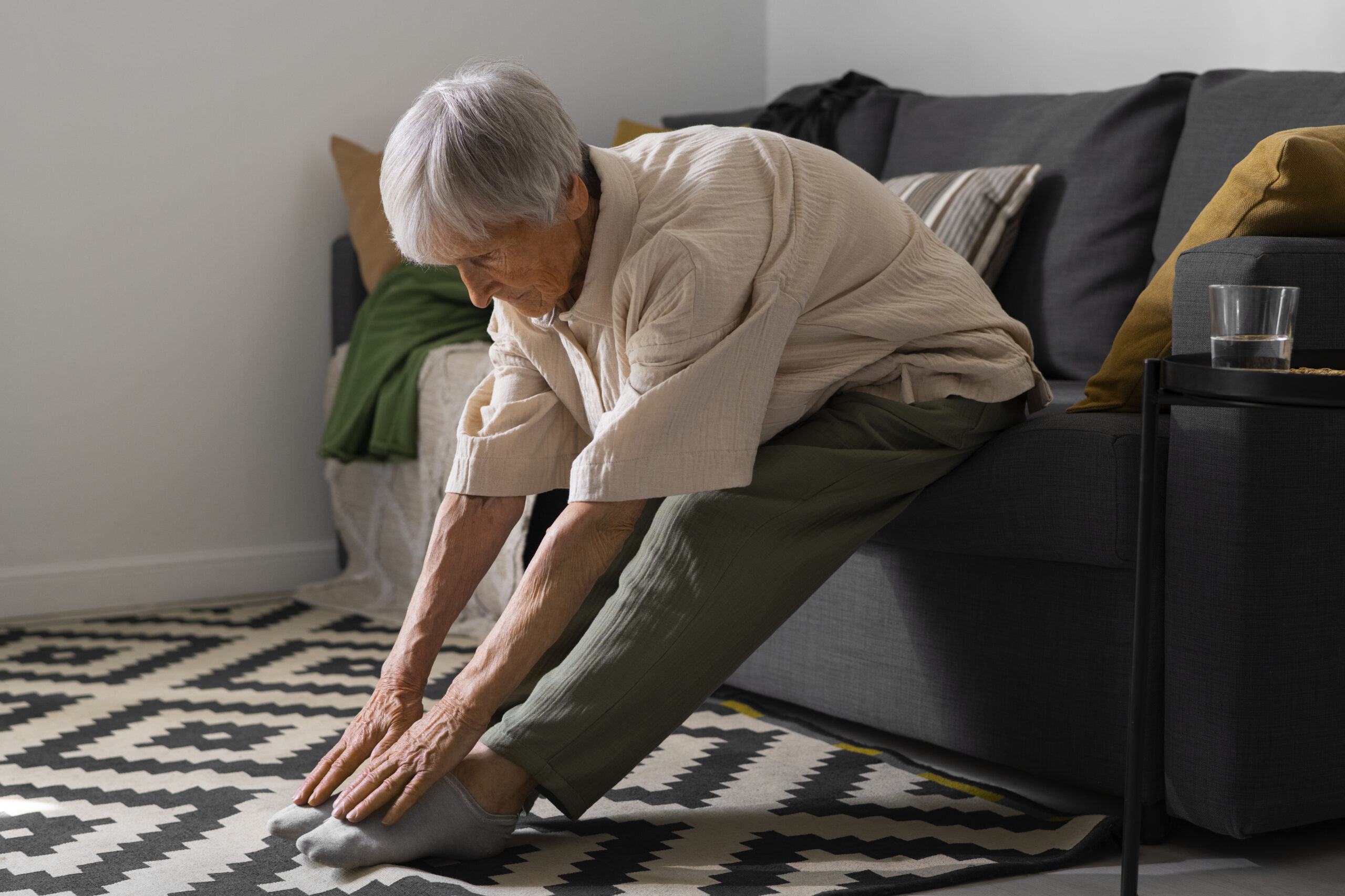
    Why Are Your Feet Always Cold? Circulation Problems You Shouldn’t Ignore

    You wear socks to bed in August. Your feet are cold when the rest of you is warm. You’ve been told it’s “just bad circulation” and to wear warmer socks. But cold feet that are persistently, noticeably colder than the rest of your body — particularly if only one foot is cold, or if you also have leg pain with walking — may be a symptom of peripheral artery disease, not just a constitutional quirk.

    Reduced blood flow to the feet from arterial narrowing means less warm arterial blood reaching the foot, which causes the foot to remain cooler than it should be. When only one foot is cold and the other is warm, the asymmetry is particularly significant — it suggests that one side has meaningfully less arterial flow than the other.

    At Seamless Medical Centers, Dr. Zagum Bhatti, Board-Certified Interventional Radiologist, evaluates circulatory problems in the legs and feet for Houston-area patients from Katy, Sugar Land, The Woodlands, Pearland, and communities across Harris County. Houston-area patients are seen at our Port Arthur office. Houston PAD service. Port Arthur PAD service.

    Cold Feet as a Vascular Symptom

    Cold feet have multiple possible causes. Raynaud’s phenomenon causes episodic color changes in the fingers and toes in response to cold or stress, due to exaggerated vascular spasm rather than fixed arterial disease. Hypothyroidism reduces metabolic rate and can cause generalized cold intolerance including cold feet. Peripheral neuropathy from diabetes can alter the normal vascular regulation of the foot.

    PAD-related cold feet differ from these in important ways. They tend to be persistent rather than episodic, worse with elevation of the leg (when gravity no longer assists blood flow to the foot), and associated with other PAD symptoms such as claudication, skin changes (thinning, hair loss, shiny skin), or slow-healing foot wounds. The presence of any of these additional features alongside cold feet makes PAD evaluation specifically warranted.

    For patients in Houston’s Galleria area, Memorial, Midtown, and Heights neighborhoods who dismiss cold feet as personal quirk — especially in a warm climate where cold feet stand out — a simple ankle-brachial index can quickly determine whether arterial disease is contributing.

    When Cold Feet Become Urgent

    Cold feet with rest pain — pain in the foot or lower leg that occurs while lying down and is relieved by dangling the foot off the bed — represents more advanced PAD and should be evaluated promptly. Rest pain indicates that blood flow is inadequate even at rest, not just with activity. Similarly, any foot wound that is not healing normally in the context of cold or mottled feet warrants urgent vascular evaluation.

    Other Causes of Cold Feet, and How They Are Told Apart

    Cold feet have several possible causes besides peripheral artery disease, and distinguishing them guides the right evaluation. Raynaud’s phenomenon causes episodic color changes in the toes and fingers triggered by cold or stress, reflecting temporary vessel spasm rather than fixed arterial narrowing. An underactive thyroid lowers the body’s metabolic rate and can produce generalized cold intolerance, including cold feet. Peripheral neuropathy, often from diabetes, can alter the way the foot regulates temperature and is frequently accompanied by numbness or burning.

    PAD-related cold feet tend to behave differently: they are persistent rather than episodic, may be worse when the leg is elevated, and often come with other clues such as claudication, skin changes, or slow-healing wounds. When only one foot is consistently colder than the other, the asymmetry is a stronger signal of reduced arterial flow on that side. The presence of any of these additional features alongside cold feet is what makes a vascular evaluation worthwhile.

    What Evaluation Involves, and When It Is Urgent

    Evaluation starts with the ankle-brachial index, a quick and painless blood-pressure comparison between the ankle and the arm that can confirm or rule out reduced circulation in a single visit, often supported by duplex ultrasound. At Seamless Medical Centers in Port Arthur, these evaluations are unhurried, and Houston-area and western Louisiana patients are seen there as well.

    Some situations call for prompt attention rather than routine scheduling. Cold feet accompanied by pain in the foot at rest, particularly pain that appears when lying down and eases when the foot is dangled over the edge of the bed, can indicate more advanced disease, and any foot wound that is not healing in the setting of cold or discolored feet warrants urgent vascular evaluation.

    Why One Cold Foot Deserves Particular Attention

    While cold feet in general have many causes, an asymmetry, one foot consistently colder than the other, is a more specific clue. The two feet are supplied by mirror-image arterial systems, so when one runs noticeably cooler, it suggests that the artery feeding that side may be more narrowed than its counterpart. Constitutional causes such as low thyroid function or a generally cool body temperature tend to affect both feet evenly. A persistent, one-sided difference is therefore worth mentioning to a physician, particularly if it is accompanied by any of the other signs of reduced circulation.

    Simple Steps, and When They Are Not Enough

    For cold feet without other warning signs, sensible everyday measures, warm socks, keeping the feet dry, staying active, and avoiding tight footwear that restricts circulation, are reasonable and often sufficient. What these measures cannot do is fix a narrowed artery, so they are not a substitute for evaluation when cold feet are persistent, one-sided, or paired with leg pain on walking, skin changes, or slow-healing wounds.

    If reduced arterial flow turns out to be the cause, restoring circulation through a minimally invasive procedure frequently warms the foot and improves its overall condition, which is one of the more immediately noticeable benefits patients report after treatment.

    Everyday Habits That Support Circulation

    While no home measure can reverse a narrowed artery, several everyday habits support healthy circulation and overall vascular health. Staying physically active, particularly with regular walking, helps the circulatory system work efficiently. Not smoking is the single most important factor, since tobacco directly damages blood vessels. Keeping blood pressure, cholesterol, and blood sugar well controlled protects the arteries over time, and avoiding prolonged immobility, along with footwear that does not constrict the feet, helps as well.

    These habits are worthwhile for everyone, but they are not a substitute for evaluation when warning signs are present. Persistent or one-sided cold feet, especially alongside leg pain on walking or slow-healing wounds, point toward a circulation problem that should be assessed rather than simply managed with warmer socks.

    Cold feet are common enough that they are easy to ignore, and often they are harmless. But when the cold is persistent, one-sided, or accompanied by leg pain on walking, skin changes, or wounds that are slow to heal, it can be the body’s way of signaling reduced circulation. Distinguishing a harmless quirk from a vascular problem does not require guesswork: a short, painless evaluation provides a clear answer. If reduced arterial flow is the cause, it is treatable, and many people find that restoring circulation improves not only the temperature of the foot but its overall comfort and health.

    Frequently Asked Questions About Cold Feet and Circulation

    Is one cold foot more concerning than two cold feet?

    Asymmetric cold feet — one significantly colder than the other — is more specific for PAD than bilateral cold feet, as it suggests asymmetric arterial disease on one side. Bilateral cold feet can reflect PAD but also the constitutional or systemic causes described above. Asymmetric cold feet warrants vascular evaluation.

    Can cold feet be improved with PAD treatment?

    When cold feet are caused by reduced arterial blood flow from PAD, revascularization that restores flow through narrowed arteries typically improves foot temperature and circulation. Many patients notice that the treated foot becomes warmer and more normally perfused after a successful procedure.

    Are there other signs of PAD I should look for alongside cold feet?

    Yes. Look for leg or calf pain that comes on with walking and resolves with rest (claudication), skin changes on the lower legs or feet (hair loss, shiny skin, thickening), toe or foot wounds that heal slowly, and color changes in the foot (pale when elevated, red when dependent). Any combination of these with cold feet strengthens the case for PAD evaluation.

    How is PAD evaluated in Houston-area patients?

    The primary screening test is the ankle-brachial index, a simple non-invasive blood pressure comparison. Houston-area patients are evaluated at the Seamless Medical Centers Port Arthur office. Visit the Houston PAD service page for scheduling.

    Schedule Your Consultation

    Houston-area patients are seen at our Port Arthur office. Contact Seamless Medical Centers to schedule. Phone: 409-213-9575. Address: 3300 Jimmy Johnson Blvd, Suite #130, Port Arthur, Texas 77642.
  • Leg Pain Limiting Your Life in Houston? It May Be More Than Aging

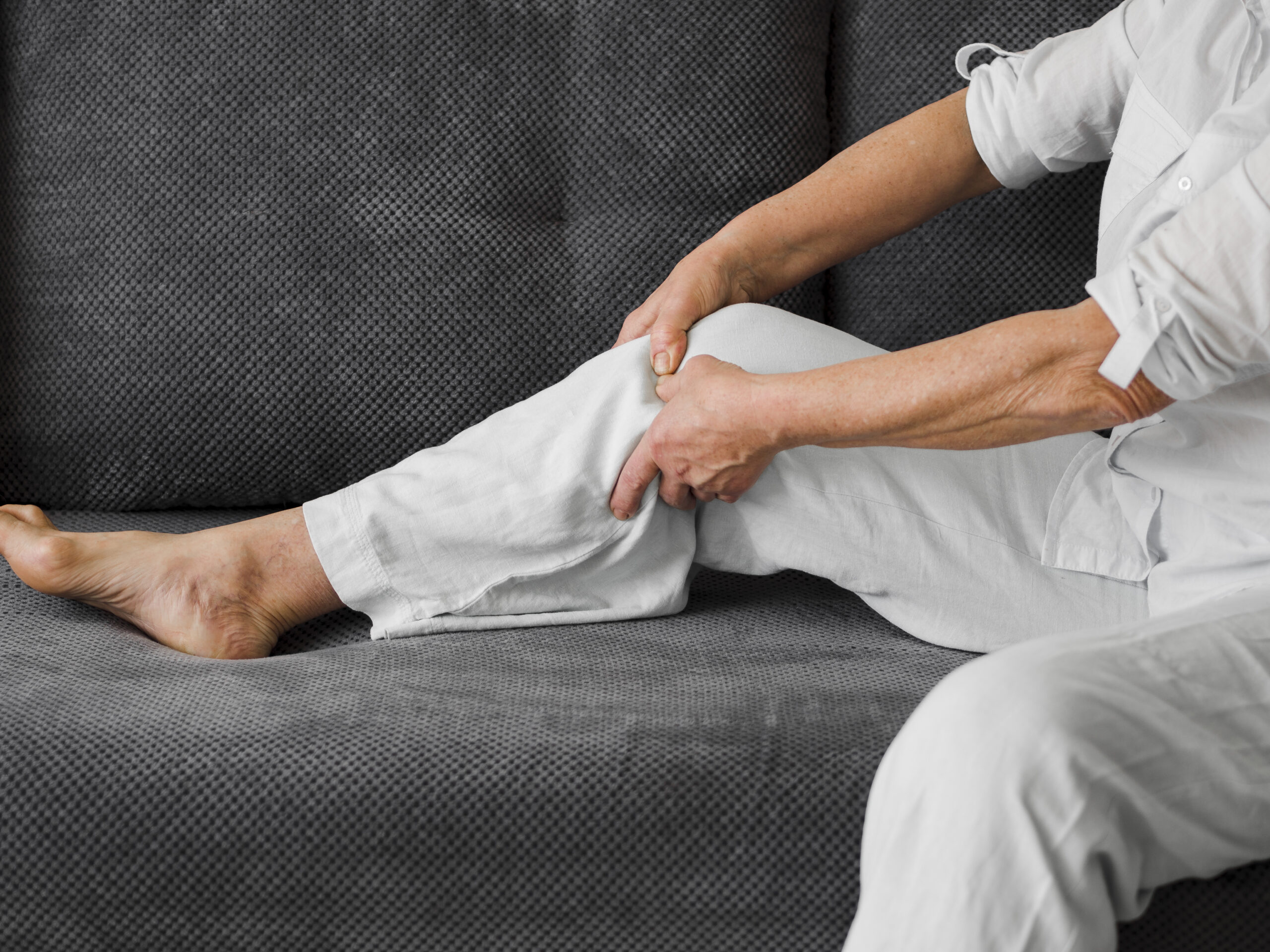
    Leg Pain Limiting Your Life in Houston? It May Be More Than Aging

    Houston has a lot to offer — walking through Hermann Park, browsing the Museum District, catching a game at Minute Maid Park, exploring Discovery Green, navigating the Galleria on a busy Saturday. But if leg pain, cramping, or fatigue is limiting how far you can walk before needing to stop and rest, these everyday Houston experiences have started to feel inaccessible. And you’ve probably told yourself it’s just getting older.

    Leg pain that comes on consistently with walking a specific distance and resolves with rest is not simply aging. It is one of the most recognizable symptoms of peripheral artery disease — a condition caused by narrowed arteries that restricts blood flow to the legs during activity. PAD is treatable, and restoring adequate blood flow can restore the walking capacity that has been quietly disappearing.

    At Seamless Medical Centers, Dr. Zagum Bhatti, Board-Certified Interventional Radiologist, evaluates and treats PAD for Houston-area patients from Katy, Sugar Land, Pearland, League City, Friendswood, and communities across Harris County. Houston-area patients are seen at our Port Arthur office. Houston PAD service. Port Arthur PAD service.

    The Activities Houston Patients Report Losing First

    PAD restricts walking in a very specific way: there is a predictable distance or time threshold before the cramping and aching force a stop. Early in the disease, this threshold may be a mile. As it progresses, it can become several blocks, then a single block, then the walk from the parking lot. For Houston patients, the activities that go first are typically those involving the most walking: sports events at Toyota Center or Minute Maid Park, full park visits at Memorial Park or Buffalo Bayou, and shopping trips to the Galleria or Heights boutiques.

    The adaptation is gradual and invisible. Patients stop going to certain events, park differently, rely on family members to handle errands. Life reorganizes around the limitation without the limitation ever being named. Recognizing the reorganization — and asking what is causing it — is often the first step toward evaluation.

    What PAD Evaluation Involves

    Evaluation begins with the ankle-brachial index — a simple, non-invasive blood pressure comparison between the ankle and arm that takes minutes and provides immediate information about arterial restriction. This is followed by imaging if indicated to map the specific locations of blockages and plan treatment. Learn about claudication and the PAD symptom pattern and PAD treatment options from lifestyle to procedures.

    Protecting Your Heart While You Treat Your Legs

    Peripheral artery disease is rarely confined to the legs. The same atherosclerosis that narrows the leg arteries tends to affect the arteries supplying the heart and brain, which is why a PAD diagnosis is associated with a higher risk of heart attack and stroke. The practical implication is reassuring: the steps that treat PAD, including stopping smoking, controlling cholesterol and blood pressure, managing diabetes, and staying active, are the same ones that protect the rest of the cardiovascular system. Restoring your walking ability and protecting your heart are part of the same effort.

    Moving From Diagnosis to Treatment

    Evaluation is straightforward and begins with the ankle-brachial index, a painless blood-pressure comparison between the ankle and the arm that provides immediate information about arterial flow. If it points to PAD, duplex ultrasound and, when treatment is being planned, CT or MR angiography map the blockages in detail. When a procedure is warranted, Dr. Bhatti treats PAD with minimally invasive techniques, including angioplasty, stenting, and atherectomy, performed through a small puncture under conscious sedation.

    These are outpatient procedures: most patients are observed for a few hours and return home the same day, then resume light activity within days, often noticing improved walking comfort soon after circulation is restored. Houston-area patients are seen at the Port Arthur office, and most insurance plans, including Medicare and Medicaid, cover medically necessary PAD care, with the practice handling verification and pre-authorization.

    Because PAD progresses quietly, the walking activities people lose first, a full visit to a park, a walk through a museum, an afternoon at a ballgame, are often the clearest early sign that something beyond ordinary aging is at work. Recognizing that pattern and getting evaluated keeps more options open and produces the best outcomes.

    How PAD Quietly Narrows Daily Life

    PAD rarely announces itself. Instead, it narrows the radius of daily life one activity at a time. Early on, the threshold might be a mile, then several blocks, then a single block, then the walk from the parking lot. Because the change is gradual, people adapt without noticing, dropping the longest-walking activities first: a full afternoon at a park, a stroll through a museum, an evening that involves a lot of standing and walking. Naming what is happening, and recognizing that it is not simply age, is often the first step toward getting it addressed.

    The reassuring part is that the walking capacity lost to PAD is frequently recoverable. Structured exercise can extend it, and when circulation is the limiting factor, restoring blood flow often brings noticeable improvement within weeks. The sooner the pattern is recognized, the more can typically be regained.

    Taking the First Step

    If leg pain, cramping, or fatigue has been quietly shrinking what you can do, a simple evaluation can determine whether reduced circulation is responsible. The ankle-brachial index takes only minutes and is painless, and it provides a clear answer about whether the arteries are involved. From there, treatment, if needed, can be matched to how much the disease is affecting your life, with the goal of returning you to the activities that PAD has been quietly taking away.

    Why It Is Worth Acting Now

    It is easy to postpone an evaluation for something that has come on slowly and that you have learned to work around. But peripheral artery disease tends to progress when left unaddressed, and the walking threshold that is several blocks today can become a single block over time. Acting earlier rather than later matters for two concrete reasons: treatment tends to be more effective and the limb more easily protected before the disease reaches its advanced stages, and the activities you have given up are more readily regained when circulation is restored sooner.

    There is also the broader picture. Because PAD reflects atherosclerosis throughout the body, getting evaluated is not only about walking comfort; it is an opportunity to recognize and manage a higher risk of heart attack and stroke. Far from being an overreaction, looking into persistent leg symptoms is one of the more practical things a person can do for both mobility and long-term health.

    The activities that make life in and around Houston enjoyable, from a long walk in a park to an afternoon on your feet at an event, are worth protecting. When leg pain has been quietly shrinking that list, an evaluation offers a way to understand why and, in many cases, to reverse it. Peripheral artery disease is both treatable and an important signal about overall cardiovascular health, so looking into persistent leg symptoms serves two purposes at once. The first step is simple and painless, and it opens the door to a plan aimed at giving you back the mobility that has slipped away.

    Frequently Asked Questions

    How do I know if my leg fatigue is from PAD or just being out of shape?

    The distinguishing feature is the pattern: deconditioning causes generalized fatigue across activity without a predictable threshold. PAD claudication causes specific muscle cramping (usually the calf) that comes on at a consistent walking distance and reliably resolves within minutes of rest. If your leg symptoms follow this pattern, PAD evaluation is appropriate regardless of fitness level.

    Can PAD cause fatigue without obvious cramping?

    Yes. Some patients describe leg heaviness, tiredness, or a leaden feeling with walking rather than sharp cramping. This can still represent vascular claudication, particularly in patients with diffuse mild arterial disease or in those with diabetes where the classic pain response may be blunted.

    If I improve my fitness, will my walking distance improve?

    Supervised exercise therapy for claudication can meaningfully improve walking distance by developing collateral circulation and improving muscle efficiency. However, the arterial narrowing itself does not reverse with exercise. If symptoms are limiting daily life despite activity, revascularization restores flow through the narrowed vessels and typically produces more dramatic improvement.

    Is PAD connected to heart disease?

    Yes. PAD and coronary artery disease share the same underlying cause — atherosclerosis — and frequently coexist. Patients with confirmed PAD have a significantly elevated cardiovascular risk and should be evaluated for cardiovascular disease management alongside their PAD treatment.

    Schedule Your Consultation

    Houston-area patients are seen at our Port Arthur office. Contact Seamless Medical Centers to schedule. Phone: 409-213-9575. Address: 3300 Jimmy Johnson Blvd, Suite #130, Port Arthur, Texas 77642.

  • Leg Pain Misdiagnosed as Sciatica? It Could Be Your Circulation

    Leg Pain Misdiagnosed as Sciatica? It Could Be Your Circulation

    You’ve been to your doctor for leg pain. You’ve been told it’s sciatica or arthritis. You’ve done physical therapy, you’ve taken anti-inflammatories, you’ve had an MRI of your spine that showed “some degenerative changes.” But the treatment hasn’t helped. The leg cramping and aching still comes on when you walk, still forces you to stop and rest, still returns when you resume walking. Nothing about your back treatment has touched it.

    When leg pain has the classic features of claudication — predictable onset with walking, relief with rest, reproducible distance — but has been attributed to spinal or musculoskeletal causes without improvement, peripheral artery disease should be specifically evaluated. The two can coexist, but PAD claudication requires vascular evaluation and treatment, not spine care.

    At Seamless Medical Centers, Dr. Zagum Bhatti, Board-Certified Interventional Radiologist, provides vascular evaluation and PAD treatment for Houston-area patients from Katy, Sugar Land, The Woodlands, Pearland, Humble, and communities across Harris County and Montgomery County. Houston-area patients are seen at our Port Arthur office. Houston PAD service. Port Arthur PAD service.

    Why PAD Gets Mistaken for Sciatica

    PAD and lumbar radiculopathy (sciatica) both cause leg pain that worsens with activity. Both are common in older adults. Both may coexist in the same patient. The distinction is in the details: vascular claudication follows a precise activity-distance-rest-relief cycle, the pain is cramping in specific muscle groups (usually the calf), and relief is complete within minutes of stopping. Sciatic pain tends to be more shooting or burning, often extends from the back into the leg, is associated with specific spine movements or positions, and may be present at rest.

    The ankle-brachial index (ABI) is the key diagnostic test that distinguishes them. An ABI measures blood pressure at the ankle compared to the arm — a simple, non-invasive test that can be performed in a clinic and provides objective evidence of arterial restriction. If PAD has not been specifically tested with an ABI, the vascular cause has not been ruled out, regardless of what the spine imaging shows.

    For patients in The Woodlands, Kingwood, Cypress, and Spring who have been through rounds of spine-focused care without improvement, the comparison of PAD versus sciatica and arthritis describes the key distinguishing features in detail.

    What an Accurate Vascular Workup Looks Like

    When leg pain has been attributed to the spine but spine-focused treatment has not helped, a vascular workup can establish whether reduced circulation is the missing piece. The central test is the ankle-brachial index, a painless comparison of blood pressure at the ankle and the arm; a value below roughly 0.9 indicates significant arterial narrowing. When symptoms are clearly brought on by walking but the resting index is borderline, an exercise ankle-brachial index measured after walking can expose a circulation problem that is hidden at rest.

    If these tests point to PAD, duplex ultrasound and CT or MR angiography map the location and severity of the blockages so that treatment can be planned precisely. The important principle is simple: if an ankle-brachial index has never been done, peripheral artery disease has not actually been ruled out, no matter what the spine imaging shows.

    When Spine and Artery Problems Coexist

    Lumbar spine disease and peripheral artery disease are both common in older adults and frequently occur together, which is one reason vascular causes are so often overlooked. When both are present, treating only the spine leaves the arterial component unaddressed, and the leg symptoms persist. This is why persistent leg pain after physical therapy, injections, or even spine surgery deserves a vascular evaluation when it carries the hallmark features of claudication, a predictable onset with walking and reliable relief with rest.

    At Seamless Medical Centers, Dr. Bhatti concentrates on that vascular question: confirming or excluding arterial disease with objective testing, and, when significant PAD is found and is limiting activity, restoring blood flow through minimally invasive, outpatient procedures performed through a small puncture. The practice serves Southeast Texas and western Louisiana from its Port Arthur office.

    What Happens After a PAD Diagnosis

    If testing confirms peripheral artery disease, the next step is to determine how much it is contributing to the symptoms and whether treatment is warranted. Mild disease is often managed with exercise, risk-factor control, and medication. When symptoms limit daily activity, imaging maps the blockages and a minimally invasive procedure can restore blood flow through a small puncture, on an outpatient basis. Where spinal or joint disease is also present, treating the vascular component does not replace care for those conditions, but it does address the part that spine-focused treatment could never reach.

    Because PAD also signals broader cardiovascular risk, a diagnosis prompts attention to the heart and brain as well, which makes the evaluation valuable even when leg symptoms turn out to be only part of the picture.

    If Spine Treatment Has Not Helped

    When rounds of spine-focused care have not relieved leg pain that still follows the walking-and-rest pattern, a few questions can help redirect the workup. It is reasonable to ask whether peripheral artery disease has actually been tested for, and specifically whether an ankle-brachial index has ever been performed, because spine imaging, however detailed, says nothing about arterial flow. It is also fair to ask whether the leg symptoms truly match the spine findings, since degenerative changes are common with age and do not always explain a person’s pain.

    Persistent leg pain after physical therapy, injections, or even surgery does not necessarily mean the original treatment failed; it may mean a second, vascular cause was present all along. A straightforward circulation evaluation can settle the question, and if PAD is found, it is both treatable on its own terms and an important signal for overall cardiovascular health.

    If your leg pain has the hallmarks of claudication and spine-focused care has not helped, asking for a circulation evaluation is a reasonable and often clarifying step. It does not mean the earlier diagnosis was wrong, only that a second cause may have been present alongside it. An ankle-brachial index is quick, painless, and definitive about whether the arteries are involved, and if peripheral artery disease is found, it can be treated on its own terms while any spine or joint care continues. Getting the full picture is what finally allows treatment to match the actual source of the pain rather than chasing the wrong target.

    When a Sciatica Diagnosis Doesn’t Add Up

    If you have been treated for sciatica or arthritis but your leg pain keeps returning in the same place at the same walking distance, it is worth asking whether something was missed. The hardest part of a misdiagnosis is not only the pain that never quite resolves; it is the months or years spent on physical therapy, injections, imaging, and sometimes surgery aimed at a structure that may not have been the real problem. Spine imaging almost always shows some age-related change, and that finding can seem to confirm a back diagnosis even when the changes are incidental and reduced circulation is the actual cause.

    The detail that breaks the cycle is consistency. Sciatica and arthritis tend to shift with position and movement, while vascular leg pain appears at a reliable walking distance and settles within minutes of standing still. If that activity-and-rest rhythm sounds like your experience, it is reasonable to ask whether your circulation has ever been tested directly, because no amount of spine-directed treatment will relieve pain that originates in a narrowed artery. A single, painless ankle-brachial index can answer the question that rounds of back-focused care may have left open.

    Frequently Asked Questions About PAD Misdiagnosis

    Q1. Can I have both sciatica and PAD at the same time?

    Yes. The two conditions are not mutually exclusive and frequently coexist in older adults because they share cardiovascular risk factors and age as contributors. When both are present, both need to be treated. Treating only the spine component while leaving significant arterial disease unaddressed does not achieve full functional recovery.

    Q2. What test confirms PAD specifically?

    The ankle-brachial index (ABI) is the standard screening test for PAD. An ABI below 0.9 indicates significant arterial narrowing. This test is inexpensive, non-invasive, and takes only a few minutes. If you have leg pain with walking that has not been evaluated with an ABI, requesting one is appropriate.

    Q3. If I have had spine surgery but still have leg pain, could it be PAD?

    Persistent leg pain after spine surgery that follows the activity-rest-relief pattern of claudication should be evaluated for PAD, as spine surgery does not address arterial disease. Post-surgical leg pain attribution to ‘failed back surgery syndrome’ may be incomplete if vascular claudication is a contributing factor.

    Q4. How quickly can a vascular evaluation determine whether I have PAD?

    An ABI can be performed and interpreted at a single clinic visit. If the ABI suggests PAD, additional imaging such as duplex ultrasound or CT angiography provides detailed information about blockage location and severity to guide treatment planning.

    Schedule Your Consultation

    Houston-area patients are seen at our Port Arthur office. Contact Seamless Medical Centers to schedule. Phone: 409-213-9575. Address: 3300 Jimmy Johnson Blvd, Suite #130, Port Arthur, Texas 77642.

  • Can’t Walk Through the Grocery Store Anymore? Claudication and What It Means

    Can’t Walk Through the Grocery Store Anymore? Claudication and What It Means

    You used to walk through the entire store without thinking about it. Now you plan your route to minimize walking, park close to the entrance, grip the cart for support, and find yourself stopping in the middle of an aisle to rest your legs. The calf cramping and aching that forces you to stop has a name — claudication — and it is a sign of peripheral artery disease that warrants evaluation, not just acceptance.

    Claudication is the leg pain that comes on predictably with walking and resolves with rest. It reflects inadequate blood flow to the leg muscles during activity — the arteries are narrowed enough that they can meet the legs’ oxygen needs at rest but cannot increase flow enough to keep pace with walking. The grocery store scenario is one of the most common ways Houston-area patients first describe their functional limitation, because it’s one of the first weekly activities that gets affected.

    At Seamless Medical Centers, Dr. Zagum Bhatti, Board-Certified Interventional Radiologist, evaluates and treats PAD for Houston-area patients from Katy, Sugar Land, The Woodlands, Pearland, League City, and communities across Harris County and Fort Bend County. Houston-area patients are seen at our Port Arthur office. Houston PAD service. Port Arthur patients: Port Arthur PAD service.

    The Grocery Store Test for Claudication Severity

    The distance you can walk before claudication forces you to stop is called your claudication distance, and it is one of the key clinical measures of PAD severity. Patients who can walk two or three grocery store aisles before needing to stop have a different functional limitation than those who can only make it from the parking lot to the entrance. Tracking this — what distance consistently triggers your pain — provides important information for your care team.

    Many patients unconsciously shorten their claudication distance over months or years as they adapt. They stop planning long walks, they take scooters at stores, they send family members for errands. The limitation becomes invisible because the life has been reorganized around it. Recognizing this pattern is often the prompt to finally seek evaluation.

    For patients in Memorial, Clear Lake, Pasadena, and communities across Houston who have been adapting around leg pain, understanding claudication and PAD clarifies what is happening physiologically and what treatment can accomplish.

    What Treatment Can Restore Walking Distance

    Supervised exercise therapy for claudication — structured walking programs that progressively push the claudication threshold — can improve walking distance meaningfully by developing collateral circulation and improving muscle efficiency. When exercise alone is insufficient, minimally invasive revascularization procedures (angioplasty and stenting) restore blood flow through narrowed arteries, often producing dramatic improvement in claudication distance within weeks. Read about PAD treatment options for a full breakdown of approaches.

    What a PAD Evaluation Involves

    If walking through a store has become a stop-and-rest exercise, a straightforward evaluation can determine whether reduced circulation is the cause. It begins with a conversation about your symptoms and how far you can walk before they start, followed by a check of the pulses and skin in your legs and feet. The ankle-brachial index, a painless comparison of blood pressure at the ankle and the arm, provides objective evidence of reduced flow, and duplex ultrasound can show where arteries are narrowed. When treatment is being planned, more detailed imaging maps the blockages.

    At Seamless Medical Centers in Port Arthur, these evaluations are unhurried and patients have direct access to the physician. Houston-area patients are seen at the Port Arthur office, and most insurance plans, including Medicare and Medicaid, cover medically necessary PAD evaluation and treatment, with the practice handling verification and pre-authorization.

    Why It Is Worth Getting Evaluated Early

    The walking limitation of PAD tends to advance quietly, so the distance you can cover before pain often shrinks gradually over months or years. Many people reorganize their lives around it, parking closer, skipping outings, sending others on errands, without naming what is happening. Recognizing the pattern and getting evaluated early matters for two reasons: treatment is most effective before the disease reaches its advanced stages, and PAD is also a signal of atherosclerosis elsewhere in the body, so addressing it helps protect the heart and brain as well as the legs.

    Smoking, diabetes, high blood pressure, high cholesterol, advancing age, and a family history of vascular disease all raise the likelihood of PAD, and most people who develop it have more than one of these factors. If walking-related leg pain is accompanied by any of them, an evaluation is especially worthwhile.

    Recognizing the Pattern Before It Narrows Your World

    The most useful thing to track is the consistency of the symptom. Vascular claudication is reproducible: the same walking distance brings it on, and a few minutes of rest reliably relieves it, regardless of how you stand or sit. That predictability is what separates it from arthritis, which is more variable and position-dependent, and from ordinary fatigue, which does not follow a fixed threshold. If your trip through the store ends at roughly the same point each time, that pattern is worth taking seriously.

    Left unaddressed, the threshold tends to shrink, and the adaptations grow until walking-based activities quietly disappear from daily life. Recognizing the pattern early, while the claudication distance is still relatively long, keeps the widest range of treatment options open and offers the best chance of preserving and even restoring walking capacity.

    What Recovery Looks Like After Treatment

    Treatment is matched to severity. For milder symptoms, a structured walking program and risk-factor control, including smoking cessation, can lengthen the distance you walk before pain begins by encouraging collateral circulation. When symptoms limit daily life, minimally invasive procedures performed through a small puncture can reopen the narrowed arteries directly, and most people notice improved walking comfort within days. Because these procedures are outpatient, most patients return home the same day.

    Small Signs Worth Noticing

    The grocery-store pattern is often the most obvious sign, but it rarely appears alone. Many people also notice that one foot feels colder than the other, that the skin on the lower legs has become shiny or lost hair, that toenails grow more slowly, or that small cuts on the feet are slow to heal. None of these is dramatic on its own, which is why they are easy to dismiss, but together with walking-related cramping they strengthen the case for an evaluation.

    Paying attention to these quieter signals can move the timeline forward, prompting an evaluation before the walking limitation becomes severe. Because PAD is most treatable in its earlier stages, noticing and acting on these small signs is genuinely worthwhile rather than alarmist, and it gives any treatment the best chance of preserving your mobility.

    If the trip through the store has quietly become a series of stops, that change is worth a conversation rather than a workaround. The pattern points to something specific and treatable, and identifying it early tends to make treatment simpler and more effective. Whether the answer turns out to be a structured walking program, medication, a minimally invasive procedure, or a combination, the first step is the same: a short, painless evaluation that establishes whether reduced circulation is the cause. From there, the goal is straightforward, returning you to the everyday activities, including a full trip through the store, that the leg pain has been taking away.

    Frequently Asked Questions About Claudication and Daily Activities

    How do I know if my leg pain is claudication and not arthritis or a muscle issue?

    The key distinguishing feature of vascular claudication is its predictability: it comes on at a consistent walking distance and reliably resolves within minutes of rest, regardless of position. Arthritis pain is joint-centered and more variable. Muscle strains improve with rest over days, not minutes. If your leg pain follows the activity-rest-relief pattern consistently, claudication is a strong possibility worth evaluating.

    Is it dangerous to push through claudication and keep walking?

    Supervised exercise therapy for claudication actually involves walking to the point of discomfort, resting briefly, and resuming — this is therapeutic and helps develop collateral circulation. Casual walking through claudication pain is not dangerous. However, exercising with severe rest pain or non-healing wounds is different and should be done only with medical guidance.

    Can PAD get better on its own?

    PAD does not reverse on its own. Lifestyle modifications can slow progression and supervised exercise can improve functional capacity, but the arterial narrowing causing claudication requires either exercise therapy to adapt around it or revascularization to restore flow through it. Without intervention, PAD tends to progress over time.

    How are Houston patients served for PAD evaluation?

    Houston-area patients are seen at the Seamless Medical Centers Port Arthur office. Visit the Houston PAD service page for scheduling details.

    Schedule Your Consultation

    Houston-area patients are seen at our Port Arthur office. Contact Seamless Medical Centers to schedule. Phone: 409-213-9575. Address: 3300 Jimmy Johnson Blvd, Suite #130, Port Arthur, Texas 77642.

  • PAD, Sciatica, and Arthritis: Understanding the Different Causes of Leg Pain

    PAD, Sciatica, and Arthritis: Understanding the Different Causes of Leg Pain

    Leg pain is one of the most common medical complaints, and it has many possible causes. Peripheral artery disease, lumbar spine problems causing sciatica or neurogenic claudication, and knee or hip arthritis can all cause leg pain with activity — and they are frequently confused for one another, sometimes for years. Getting the right diagnosis matters because the treatment for vascular leg pain is completely different from the treatment for nerve-related or joint-related pain.

    At Seamless Medical Centers, Dr. Zagum Bhatti, Board-Certified Interventional Radiologist, helps patients with vascular leg pain get the correct diagnosis and appropriate treatment. Houston-area PAD evaluation and Port Arthur services are available.

    This article compares the three conditions most commonly confused as sources of leg pain — vascular claudication from peripheral artery disease, neurogenic claudication from spinal stenosis, and arthritis of the hip or knee — so you can recognize which pattern fits your symptoms and pursue the evaluation that matches it.

    Vascular Claudication: The PAD Pattern

    Vascular claudication from PAD follows a predictable pattern: cramping or aching in a specific muscle group (most often the calf, though thigh and buttock pain occurs with more proximal disease) that comes on after walking a specific distance and resolves within minutes of rest. The pain is reproducible — the same distance triggers it, rest always relieves it. Read the full explanation of claudication for a complete description.

    Skin changes on the foot and lower leg — thinning, hair loss, shiny skin, or pallor when the leg is elevated and redness when dependent — are physical signs that suggest arterial insufficiency. Cold feet, slower-healing cuts or abrasions on the feet, and pain that worsens when the legs are elevated and improves when dependent (gravity helps push blood to the feet) are additional PAD indicators.

    Neurogenic Claudication: The Spinal Stenosis Pattern

    Lumbar spinal stenosis causes narrowing of the spinal canal that compresses the nerves supplying the legs. The resulting pain is called neurogenic claudication and shares some features with vascular claudication — it worsens with walking and prolonged standing. However, several key differences help distinguish it.

    Neurogenic claudication is typically associated with back pain or stiffness, may involve numbness, tingling, or weakness rather than pure cramping, and is often bilateral (both legs). Critically, it is relieved by positions that reduce spinal pressure: sitting down, leaning forward, or flexing the spine. Patients with spinal stenosis often find they can walk longer distances leaning on a shopping cart (which flexes the spine slightly) than walking upright. Vascular claudication is relieved by any rest position, not specifically by spinal flexion.

    Arthritis: The Joint Pain Pattern

    Hip or knee arthritis causes pain that is centered at the joint rather than in the muscle belly. Hip arthritis causes groin pain, lateral hip pain, or pain that radiates down the thigh, typically with activity but also at rest in advanced cases. Knee arthritis causes pain at the knee joint, worsening with stairs, prolonged walking, and kneeling. Stiffness is typically worse after periods of rest (the “gelling” phenomenon) and gradually loosens with movement.

    Unlike vascular claudication, arthritis pain does not have the precise onset-and-relief pattern tied to a walking distance. Joint pain is more variable and position-dependent rather than purely exercise-distance-dependent. However, when multiple conditions coexist — which is common in older adults — distinguishing the relative contribution of vascular versus joint disease to functional limitation requires careful clinical assessment.

    Why Correct Diagnosis Matters

    A patient with PAD who receives treatment for sciatica will not experience improvement in their vascular symptoms. A patient with spinal stenosis who undergoes vascular evaluation will not have their spinal canal decompressed. Given that PAD, arthritis, and spinal disease all increase in prevalence with age and share cardiovascular risk factors, they frequently coexist, and each condition may require its own evaluation and management.

    If your leg pain has features of vascular claudication — particularly the activity-distance-rest-relief pattern — vascular evaluation including an ankle-brachial index (ABI) measurement is appropriate even if you also have arthritis or back problems. Review the full PAD overview and contact us to schedule a vascular evaluation.

    How Each Condition Is Diagnosed

    Distinguishing vascular leg pain from spinal or joint causes usually comes down to pattern plus targeted testing. For PAD, the ankle-brachial index provides objective evidence of reduced arterial flow, and duplex ultrasound or angiography can show exactly where arteries are narrowed. For suspected spinal stenosis or sciatica, imaging of the lumbar spine and a neurological examination identify nerve compression. For arthritis, the joint examination and X-rays of the hip or knee reveal the joint changes responsible for the pain.

    The key point is that a normal spine MRI does not rule out PAD, and degenerative changes on imaging are so common with age that they do not prove the spine is the source of the symptoms. If leg pain has the activity-distance-rest-relief pattern of vascular claudication, an ankle-brachial index is appropriate even when back or joint problems are also present.

    When These Conditions Overlap

    PAD, spinal disease, and arthritis all become more common with age and frequently coexist, which is exactly why leg pain is so often misattributed. A person can have arthritic knees and narrowed leg arteries at the same time, and treating only one will leave the other unaddressed. Sorting out how much each condition contributes to the limitation usually requires a careful clinical assessment rather than a single test.

    When PAD is part of the picture, identifying it matters because it is both treatable and a marker of broader cardiovascular risk. At Seamless Medical Centers, Dr. Bhatti focuses on the vascular evaluation, confirming or excluding arterial disease and, when it is present and limiting, restoring blood flow with minimally invasive, outpatient techniques.

    Why the Right Diagnosis Changes the Treatment

    The reason it is worth the effort to identify the true source of leg pain is that the treatments share almost nothing in common. Vascular claudication is addressed by improving circulation, through exercise, risk-factor control, and, when needed, minimally invasive procedures to reopen narrowed arteries. Spinal stenosis is managed with measures aimed at the spine, from physical therapy to, in some cases, decompression. Arthritis is treated at the joint. A treatment aimed at the wrong target will not relieve the symptom, which is how people end up cycling through interventions without improvement.

    This matters all the more because PAD carries implications beyond the leg. Unlike isolated arthritis or a mechanical back problem, peripheral artery disease signals atherosclerosis that also raises the risk of heart attack and stroke, so identifying it changes not only how the leg is treated but how the person’s overall cardiovascular risk is managed.

    If your leg pain has the hallmark vascular pattern, an ankle-brachial index is a reasonable next step even if you carry a prior diagnosis of arthritis or a back problem, because the conditions so often coexist and only objective testing can confirm whether circulation is part of the picture.

    What to Tell Your Doctor

    Because the pattern of the pain is so central to sorting out its cause, describing it precisely helps your physician point the workup in the right direction. It is worth noting how far you can walk before the pain begins, whether that distance is consistent, how quickly the pain eases once you stop, and whether sitting or leaning forward changes anything. Mentioning associated features, such as cold feet, skin changes, back pain, or numbness, adds useful detail.

    If the pattern fits vascular claudication, it is reasonable to ask specifically whether an ankle-brachial index has been done, since that simple test is what confirms or excludes reduced arterial flow. Being clear about what has already been tried, and whether it helped, also keeps the evaluation from retracing ground unnecessarily and helps the physician focus on the most likely cause.

    Frequently Asked Questions

    Can I have PAD and sciatica or arthritis at the same time?

    Yes, and it is common, because these conditions share age as a risk factor. When more than one is present, each may need its own evaluation and treatment; addressing the spine or joints alone will not relieve symptoms caused by reduced circulation.

    What single test best identifies the vascular cause?

    The ankle-brachial index is the standard first test for PAD. It is painless, takes only a few minutes, and provides objective evidence of reduced arterial flow; if it suggests PAD, ultrasound or angiography can map the blockages.

    My spine imaging showed degenerative changes, could my pain still be vascular?

    It can. Degenerative spine findings are extremely common with age and do not exclude PAD. If your leg pain follows the predictable walking-distance-and-rest pattern of claudication, a vascular evaluation is reasonable even with an abnormal spine study.

    Schedule Your Consultation

    Contact Seamless Medical Centers to schedule a consultation with Dr. Bhatti. Phone: 409-213-9575. Address: 3300 Jimmy Johnson Blvd, Suite #130, Port Arthur, Texas 77642.

  • Claudication: Understanding the Leg Pain That Signals Poor Circulation

    Claudication: Understanding the Leg Pain That Signals Poor Circulation

    You’ve noticed it on your walks. You get partway through the grocery store, or halfway up your street, and your calf starts to cramp and ache in a way that forces you to stop. You rest for a few minutes and the pain fades. You start walking again and, after covering a predictable distance, it returns. This pattern — pain that comes on with walking a specific distance and resolves reliably with rest — is the defining characteristic of claudication, and it is one of the primary symptoms of peripheral artery disease.

    Claudication is frequently misattributed to muscle fatigue, getting older, or arthritis, which delays appropriate diagnosis and treatment. Understanding what claudication actually is, what causes it, and how it differs from other causes of leg pain is the first step toward getting the right evaluation.

    At Seamless Medical Centers, Dr. Zagum Bhatti, Board-Certified Interventional Radiologist, evaluates and treats claudication for patients across Southeast Texas and the Houston area. Houston-area PAD services and Port Arthur services are available.

    What Causes Claudication?

    Claudication results from inadequate blood flow to the leg muscles during exercise. The calf muscles (or thigh or buttock muscles, depending on where the arterial blockage is located) need increased oxygen delivery during walking. When arteries are narrowed by atherosclerotic plaque, blood flow cannot increase adequately to meet this demand. The resulting oxygen shortage causes the characteristic cramping, aching, or tired sensation that defines claudication.

    Rest relieves claudication because the muscles’ oxygen demands decrease when you stop moving. The limited blood flow through narrowed arteries can meet the resting muscle’s needs, so symptoms resolve within minutes of stopping. The pain reliably returns when walking resumes because the same supply-demand mismatch recurs at the same exercise intensity.

    The location of the arterial blockage determines where claudication is felt. Aortoiliac disease (blockages in the pelvic arteries) causes pain in the buttocks, hips, or thighs. Femoral artery disease (blockages in the thigh artery) causes classic calf claudication. Tibial artery disease causes foot and lower calf symptoms. Some patients have multilevel disease with pain in multiple locations.

    How Claudication Differs From Other Leg Pain

    Several other conditions cause leg pain and can be confused with claudication, most commonly lumbar spinal stenosis (neurogenic claudication), sciatica, and venous insufficiency. Read the detailed comparison of PAD versus sciatica and arthritis for a thorough breakdown of how to tell them apart.

    Neurogenic claudication from spinal stenosis also causes leg pain with walking but differs in important ways: it is often associated with back pain, may involve numbness or tingling rather than pure cramping, is relieved by sitting or leaning forward (positions that relieve spinal pressure) rather than simply stopping to stand, and may affect both legs with a more diffuse distribution. Vascular claudication is typically cramping in a specific muscle group (most often the calf), appears at a predictable walking distance, and resolves within a few minutes of rest in any position.

    The Claudication Distance

    One of the diagnostically useful features of vascular claudication is its predictability. Patients can often describe quite precisely how far they can walk before symptoms begin — whether that is one block, half a mile, or from the car to the office. This claudication distance reflects the severity of arterial restriction: the shorter the claudication distance, the more significant the blood flow limitation.

    Many patients unconsciously adapt by limiting their activity to avoid triggering claudication. They park closer, avoid stairs, take elevators, and reduce their daily walking without recognizing how much their activity has shrunk. Recognizing the pattern — and the progressive limitation it may be causing — is often what prompts patients to seek evaluation.

    For more information on claudication evaluation and treatment, review the full PAD treatment options guide. Contact Seamless Medical Centers to schedule a vascular evaluation.

    How Claudication Is Diagnosed

    Because claudication has a distinctive pattern, the diagnosis often begins with the story itself: pain in a specific muscle group that appears at a predictable walking distance and resolves within minutes of rest. The physician confirms reduced circulation with a focused examination of the pulses and skin and with the ankle-brachial index, a painless comparison of blood pressure at the ankle and the arm. When symptoms are clearly activity-related but the resting index is borderline, an exercise ankle-brachial index, measured before and immediately after walking, can reveal how circulation fails to keep up with demand.

    When the diagnosis is established and treatment is being planned, imaging maps the blockages in detail. Duplex ultrasound shows blood flow and pinpoints narrowed segments, while CT or MR angiography provides a fuller picture of the arteries throughout the leg. Together, these studies tell the physician where the disease is, how severe it is, and which approach is most likely to help.

    Treatment Options for Claudication

    Treatment aims to improve walking ability, protect the limb, and reduce overall cardiovascular risk. For many people, a structured walking program improves the distance they can cover before pain begins by encouraging the development of collateral circulation. Stopping smoking, controlling cholesterol and blood pressure, and managing diabetes slow the underlying disease, and certain medications can ease symptoms for some patients.

    When these measures do not provide enough relief, or when symptoms are limiting daily life, minimally invasive revascularization can restore blood flow through the narrowed arteries. At Seamless Medical Centers, angioplasty, stenting, and atherectomy are performed through a small puncture on an outpatient basis, with most patients going home the same day and noticing improved walking comfort within days.

    Living With and Monitoring Claudication

    For many people, claudication is a manageable, stable condition for years, particularly when risk factors are controlled and a regular walking routine is maintained. Keeping track of your claudication distance, the point at which symptoms reliably begin, gives you and your physician a practical measure of whether the disease is stable, improving, or progressing.

    A shortening claudication distance, pain that begins to appear at rest, or a wound that will not heal are all signs that the disease may be advancing and that an evaluation should not be delayed. Between visits, consistent attention to smoking cessation, exercise, diet, and medication does more to protect the limb than any single intervention.

    Because claudication is also a marker of widespread atherosclerosis, monitoring extends beyond the legs. Regular review of blood pressure, cholesterol, and blood sugar, along with attention to any cardiac or neurological symptoms, is part of comprehensive care, since protecting the heart and brain is as important as preserving walking ability.

    How Supervised Exercise Helps

    Among the non-procedural treatments for claudication, structured exercise has some of the strongest evidence behind it. The approach is straightforward: walk until the claudication discomfort begins, rest until it eases, then resume, repeating the cycle across a session of roughly thirty to forty-five minutes, several times a week. Over weeks to months, this trains the leg to function better on the blood supply it has, partly by encouraging the growth of collateral vessels that route around the blockages and partly by improving the efficiency of the muscles themselves.

    The improvement is real but gradual, and it depends on consistency. Exercise does not reopen the narrowed artery, so when symptoms are severe or limiting despite a committed effort, it is reasonable to consider a procedure that restores blood flow directly. For many people, though, a walking program is a valuable first step and remains worthwhile even after other treatments, because the cardiovascular benefits extend well beyond the legs.

    For most people, the answer is not a single treatment but a combination tailored to how much claudication is affecting daily life. Risk-factor control and a walking program form the foundation, medication addresses cardiovascular risk and sometimes symptoms directly, and minimally invasive revascularization is available when these are not enough. Because the right mix changes as the disease and a person’s goals change, claudication is best thought of as something to manage over time rather than to fix once. Regular review with a physician keeps the plan matched to the current situation and keeps the focus on both walking comfort and the broader cardiovascular health that claudication signals.

    Frequently Asked Questions

    Q1. Is it safe to keep walking when I have claudication?

    For most people, walking through mild claudication discomfort during a structured program is not only safe but therapeutic, because it helps build collateral circulation. Rest pain or non-healing wounds are different and should be evaluated before continuing to exercise, so it is worth discussing your specific situation with a physician.

    Q2. Will claudication get worse over time?

    Claudication can progress, especially with continued smoking or poorly controlled diabetes, and the distance you can walk before pain may shorten. With risk-factor management and appropriate treatment, however, many people remain stable for years or improve.

    Q3. Does claudication mean I am at risk for other problems?

    Yes. Because claudication reflects atherosclerosis, it is associated with a higher risk of heart attack and stroke, which is why treatment addresses overall cardiovascular health and not just the legs.

    Schedule Your Consultation

    Contact Seamless Medical Centers to schedule a consultation with Dr. Bhatti. Phone: 409-213-9575. Address: 3300 Jimmy Johnson Blvd, Suite #130, Port Arthur, Texas 77642.