Category: Vascular

Peripheral artery disease, circulation problems and leg pain — how these vascular conditions are diagnosed and treated with minimally invasive procedures.

  • PAD Treatment: From Lifestyle Changes to Minimally Invasive Procedures

    PAD Treatment: From Lifestyle Changes to Minimally Invasive Procedures

    When your legs cramp after walking a short distance, or an ache that used to come only on long walks now shows up crossing the kitchen, it’s natural to wonder what can actually be done about it. The reassuring answer is that peripheral artery disease is treatable, and care usually follows a step-by-step path – from lifestyle changes and supervised walking programs to minimally invasive procedures when they are needed. Understanding what each step involves, and when moving to the next one makes sense, helps you make informed decisions at every stage of your care.

    At Seamless Medical Centers, Dr. Zagum Bhatti, Board-Certified Interventional Radiologist, provides the full range of minimally invasive PAD treatments for patients across Southeast Texas and the Houston area. Houston-area PAD services and Port Arthur PAD services are available.

    The Foundation: Lifestyle Modifications

    For all patients with PAD, regardless of severity, lifestyle modifications are the foundation of treatment because they address the underlying cardiovascular risk and the progression of atherosclerosis. Smoking cessation is the single most impactful modifiable change — smoking profoundly accelerates arterial disease and substantially increases the risk of limb-threatening complications. Even moderate reductions in smoking are beneficial, and complete cessation provides the greatest cardiovascular benefit.

    Management of diabetes, hypertension, and elevated cholesterol through medication and lifestyle changes slows PAD progression. Regular low-intensity physical activity — particularly walking — is strongly supported by evidence as a treatment for claudication. The mechanism involves both general cardiovascular conditioning and the development of collateral circulation (new blood vessel pathways that route around blockages). Supervised exercise therapy, typically structured walking programs, produces meaningful improvement in walking distance for many PAD patients.

    Medications

    Several medication categories play roles in PAD management. Antiplatelet agents reduce the risk of arterial thrombosis and cardiovascular events and are a standard part of PAD care. Statins reduce cholesterol and have additional plaque-stabilizing effects that benefit arterial disease beyond their lipid-lowering function. Medications for blood pressure and diabetes management are important in patients with those comorbidities.

    Medications specifically targeting claudication symptoms have limited effectiveness compared to exercise and revascularization, but may be appropriate as an adjunct in some patients. The prescribing of these medications is managed by the patient’s internist, cardiologist, or primary vascular care provider in coordination with the interventional team.

    Minimally Invasive Revascularization

    When lifestyle modifications and exercise therapy do not provide adequate symptom relief, or when PAD has progressed to more severe stages (rest pain, non-healing wounds), revascularization — restoring blood flow through narrowed or blocked arteries — is considered. Minimally invasive approaches are preferred when anatomy allows because they avoid the recovery burden and risks of open vascular surgery.

    Balloon angioplasty involves threading a catheter with a small balloon at its tip to the site of arterial narrowing, then inflating the balloon to press the plaque against the artery wall and widen the channel. Stenting places a small metal mesh tube within the treated artery to maintain its widened diameter and prevent re-narrowing. Atherectomy uses catheter-based tools to physically remove or debulk plaque within the artery. The appropriate technique depends on the location, length, and characteristics of the blockage.

    These procedures are performed under conscious sedation through catheter access in the groin or wrist, guided by real-time X-ray imaging. Most patients are observed for a few hours and go home the same day. Recovery is measured in days rather than the weeks required after open bypass surgery.

    When Revascularization Is Most Appropriate

    The decision to proceed with revascularization considers symptom severity, the anatomic location and extent of disease, the patient’s overall cardiovascular health, and whether the procedure is likely to provide meaningful benefit given the patient’s specific anatomy. Learn about PAD symptoms and diagnosis to understand the range of PAD presentations. Patients with severely limiting claudication that prevents daily activities, rest pain, or non-healing wounds are typically the strongest candidates for revascularization. For patients with milder claudication, the decision involves weighing the potential benefit of symptom improvement against the procedural risks and recovery involved. Contact Seamless Medical Centers to discuss your specific situation.

    What to Expect During a Minimally Invasive Procedure

    Endovascular treatment for PAD is performed through a small puncture rather than a surgical incision. After local anesthesia and conscious sedation, the physician guides a thin catheter into the artery, typically from the wrist or groin, using real-time X-ray imaging to reach the narrowed segment. Depending on what the imaging shows, the blockage may be widened with a balloon (angioplasty), held open with a small mesh stent, or cleared of plaque with an atherectomy device, and these techniques are often combined. Because there is no large incision, most patients feel little more than mild soreness at the puncture site afterward.

    Recovery and Long-Term Results

    PAD procedures at Seamless Medical Centers are outpatient. After treatment, patients are monitored for a few hours to ensure the puncture site is secure and then discharged the same day with detailed instructions; hospital admission is rarely necessary. Most people resume light activity within a few days while avoiding heavy exertion for about a week, and many notice improved walking comfort soon after circulation is restored, with further gains over the following weeks.

    PAD is a chronic condition, so results last longest when paired with ongoing care. Treated arteries can occasionally narrow again over time, a process called restenosis, so it is worth watching for the return of familiar symptoms such as leg cramping with walking, new coldness or color changes, slow-healing wounds, or rest pain, and reporting them promptly, since restenosis can usually be treated again with another minimally invasive procedure. Continued smoking cessation, exercise, and medication, along with regular follow-up, give treatment the best chance of lasting.

    Insurance and Getting Started

    Most insurance plans, including Medicare and Medicaid, cover medically necessary PAD treatment, and Seamless Medical Centers handles insurance verification and pre-authorization so patients can focus on their care rather than paperwork. The practice serves Southeast Texas and western Louisiana from its Port Arthur office, and Houston-area patients are seen there as well.

    Lifestyle and Medication: The Foundation of Treatment

    Even when a procedure is appropriate, lifestyle measures and medication remain the foundation of PAD care, because they slow the underlying disease and protect the heart and brain. Stopping smoking is the single most impactful change, and structured walking, a heart-healthy diet, and weight management all contribute. Medications commonly include an antiplatelet agent to reduce clotting risk, a statin to slow plaque progression, and treatment for blood pressure and diabetes when those are present.

    These measures work alongside any procedure rather than instead of it. Restoring blood flow can relieve symptoms, but without ongoing risk-factor control the underlying atherosclerosis continues, so the most durable results come from combining the two. The prescribing of these medications is usually coordinated with the patient’s primary care provider or cardiologist.

    Will I need to take medication long term?

    Many people with PAD remain on antiplatelet and cholesterol-lowering medication long term, because these reduce the risk of heart attack and stroke as well as slowing the disease in the legs. The specific regimen is tailored to each person by the physician managing their care.

    Treatment works best as a partnership that continues after any procedure. The most durable outcomes come when patients stay engaged with follow-up visits, keep their risk factors in check, and report new or returning symptoms promptly rather than waiting. Because peripheral artery disease is a long-term condition, the goal is not a single fix but lasting circulation and a lower overall cardiovascular risk, achieved through the combination of minimally invasive treatment when it is needed and consistent day-to-day management. Patients at Seamless Medical Centers have direct access to their physician, which makes that ongoing communication straightforward, and the practice coordinates with primary care and cardiology so that every part of the plan reinforces the others.

    Frequently Asked Questions

    Q1. How do I know which treatment is right for me?

    The best approach depends on your symptoms, the location and extent of the blockages, and your overall health. Mild symptoms are often managed with lifestyle changes and medication, while symptoms that limit daily life or signs of more advanced disease may call for a procedure to restore blood flow. The decision is made together with your physician after imaging shows exactly where and how severe the narrowing is.

    Q2. Is the procedure painful?

    Most patients have only local anesthesia and conscious sedation and feel little during the procedure. Afterward, soreness at the small puncture site is usually mild and short-lived, which is one of the advantages of a minimally invasive approach over open surgery.

    Q3. How soon will I notice improvement?

    Many people experience better walking comfort within days of having blood flow restored, with maximum benefit developing over several weeks as circulation continues to improve. Results last longest when combined with risk-factor management and follow-up care.

    Schedule Your Consultation

    Contact Seamless Medical Centers to schedule a consultation with Dr. Bhatti. Phone: 409-213-9575. Address: 3300 Jimmy Johnson Blvd, Suite #130, Port Arthur, Texas 77642.

  • Peripheral Artery Disease: Understanding Circulation Problems in the Legs

    Peripheral Artery Disease: Understanding Circulation Problems in the Legs

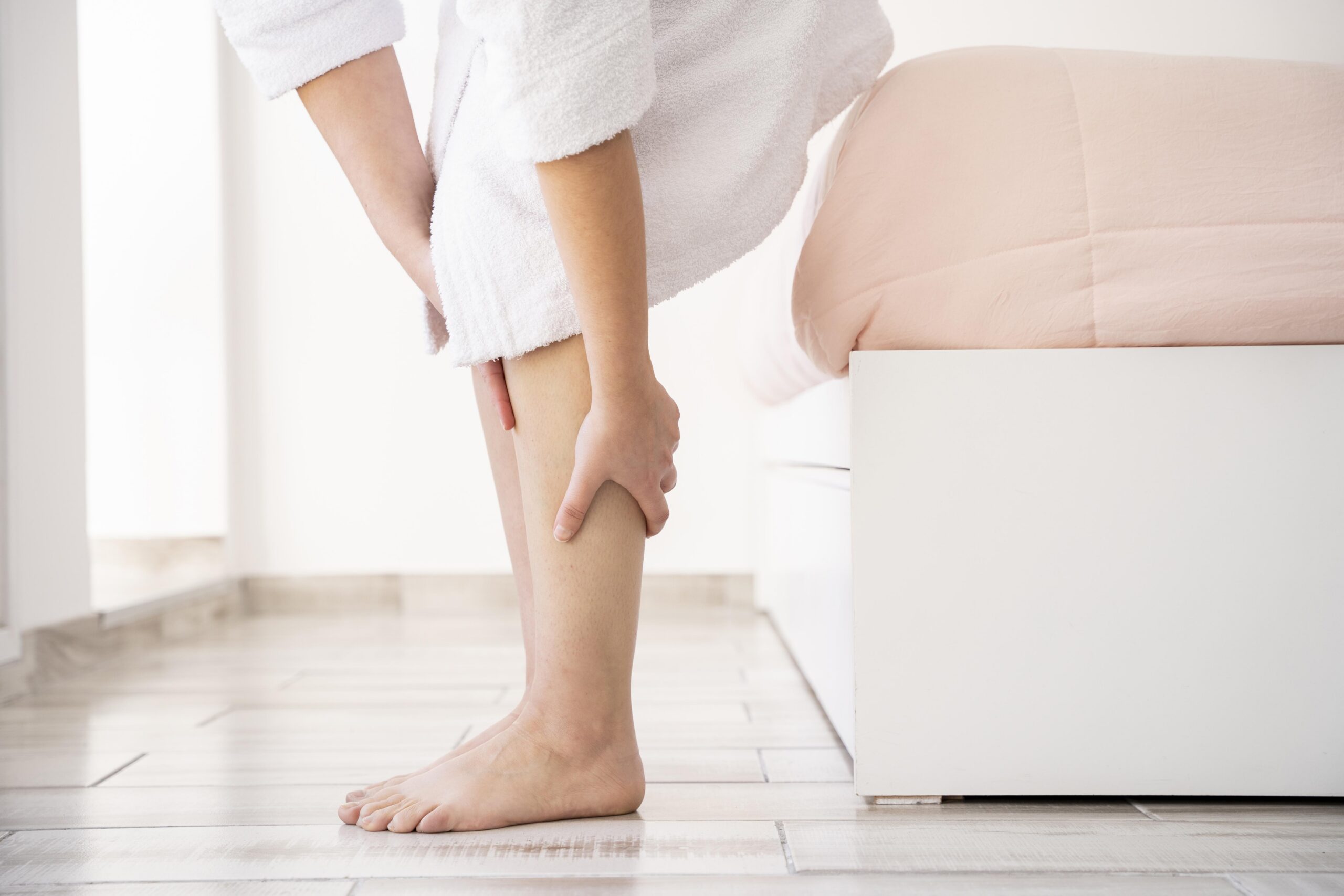
    If your legs ache, cramp, or feel heavy when you walk — and the discomfort goes away when you stop and rest — peripheral artery disease may be the explanation. PAD affects the arteries that carry blood from the heart to the legs and feet. When these arteries narrow due to plaque buildup, the legs don’t receive adequate blood flow to meet the demands of activity. The resulting pain is called claudication, and it is one of the most recognizable symptoms of PAD.

    Peripheral artery disease is underdiagnosed and undertreated, in part because its early symptoms are easy to attribute to aging, arthritis, or being out of shape. But PAD is a vascular disease with meaningful consequences if left unaddressed — including progressive limitation of walking ability, non-healing wounds, and increased risk of heart attack and stroke.

    At Seamless Medical Centers, Dr. Zagum Bhatti, Board-Certified Interventional Radiologist, provides minimally invasive PAD treatment for patients across Southeast Texas and the Houston area. Both Houston-area PAD services and Port Arthur PAD services are available.

    What Is Peripheral Artery Disease?

    Peripheral artery disease is caused by atherosclerosis — the same process that causes heart attacks and strokes, but occurring in the arteries of the legs rather than the coronary or carotid arteries. Plaque — a buildup of fat, cholesterol, calcium, and other substances — accumulates on artery walls over time, narrowing the vessel lumen and reducing blood flow. In the legs, this reduced flow becomes symptomatic during exercise when the muscles demand more oxygen-rich blood than the narrowed arteries can supply.

    The most common locations for PAD blockages are the iliac arteries in the pelvis, the femoral arteries in the thigh, the popliteal artery behind the knee, and the tibial arteries in the lower leg. The location of the blockage influences where symptoms are felt: aortoiliac disease causes buttock and thigh pain; femoral disease causes calf pain; tibial disease affects the foot and lower calf.

    Risk factors for PAD are the same as for cardiovascular disease generally: smoking (the single strongest modifiable risk factor), diabetes, hypertension, high cholesterol, obesity, advancing age, and family history. PAD and coronary artery disease frequently coexist, and patients with PAD have a significantly elevated risk of heart attack and stroke.

    Recognizing the Symptoms

    The hallmark symptom of PAD is claudication — calf, thigh, or buttock pain that comes on with walking a predictable distance and resolves with rest. The muscle pain reflects oxygen shortage: the narrowed arteries can meet the legs’ oxygen needs at rest but cannot increase flow enough to meet the demands of walking. Rest relieves the pain because the muscles’ oxygen demands decrease. Read the in-depth guide to claudication for a detailed explanation of this symptom.

    In more advanced PAD, symptoms may include rest pain — pain in the foot or lower leg that occurs at night or when lying down, and is often relieved by dangling the foot off the bed. Skin changes on the feet and lower legs (thinning, hair loss, shiny appearance), slow-healing or non-healing wounds on the feet or lower legs, and coldness in the foot compared to the other side are also signs of more severe arterial insufficiency.

    Diagnosis

    The primary diagnostic tool for PAD is the ankle-brachial index (ABI) — a non-invasive measurement that compares blood pressure in the ankle to blood pressure in the arm. A normal ratio is approximately 1.0 to 1.4; a ratio below 0.9 suggests significant arterial disease. The ABI is a simple, inexpensive test that can be performed in a clinic setting and provides important information about the severity of arterial restriction.

    When more detailed information is needed — particularly when planning a revascularization procedure — imaging studies including duplex ultrasound, CT angiography, or MR angiography can map the location and severity of blockages throughout the leg arteries. This information allows Dr. Bhatti to plan the most effective minimally invasive approach for each patient.

    Treatment Options

    PAD treatment addresses both symptom management and the underlying cardiovascular risk. Lifestyle modifications including smoking cessation, regular supervised walking exercise (which helps develop collateral circulation), and management of diabetes, hypertension, and cholesterol are the foundation of PAD care. When these measures are not sufficient to adequately control symptoms, minimally invasive revascularization procedures can restore blood flow through the narrowed arteries. Read the full guide to PAD treatment options for a detailed breakdown. Contact us to schedule a PAD evaluation.

    Who Is at Risk, and Who Should Consider Screening

    Peripheral artery disease shares its risk factors with cardiovascular disease more broadly. The strongest is smoking, which both speeds plaque formation and worsens outcomes once PAD develops. Diabetes is the next most significant, and the two together are especially damaging. High blood pressure, high cholesterol, advancing age, obesity, a sedentary lifestyle, chronic kidney disease, and a family history of vascular disease all add to the total picture, and most people who develop PAD carry more than one of these at once.

    Because early PAD is often silent, screening matters for higher-risk groups even without symptoms. Cardiovascular organizations suggest discussing an evaluation with your physician if you are between 50 and 64 with risk factors such as diabetes or a smoking history, under 50 with diabetes plus one additional risk factor, 65 or older, or already diagnosed with coronary or carotid disease. A simple ankle-brachial index can confirm or rule out reduced circulation in a single visit, which is why raising the question early is worthwhile.

    Why PAD Matters Beyond Your Legs

    It is tempting to treat PAD as only a leg problem, but narrowing in the leg arteries usually signals the same process elsewhere in the body. The plaque limiting blood flow to your calves can also sit in the arteries feeding the heart and brain, which is why a PAD diagnosis carries a meaningfully higher risk of heart attack and stroke. Treating PAD is therefore never only about leg pain: controlling cholesterol and blood pressure, managing diabetes, and stopping smoking are the same steps that protect the heart and brain. Addressing your circulation is, in practice, part of protecting your whole cardiovascular system.

    What Treatment at Seamless Medical Centers Involves

    When narrowed arteries need to be reopened, Dr. Bhatti treats PAD with minimally invasive, image-guided techniques rather than open surgery. Angioplasty, stenting, and atherectomy are performed through a small puncture, usually in the wrist or groin, under conscious sedation. These are outpatient procedures: most patients are observed for a few hours and go home the same day, returning to light activity within days. Most insurance plans, including Medicare and Medicaid, cover medically necessary PAD care, and the practice handles verification and pre-authorization.

    Getting Evaluated Close to Home

    For patients across Southeast Texas and western Louisiana, a PAD evaluation does not require traveling to a major metropolitan center. At the Port Arthur office, the ankle-brachial index and ultrasound assessment are done locally, and when treatment is warranted, the same minimally invasive, outpatient procedures are available close to home. Houston-area patients are seen at the Port Arthur location as well, and the practice handles insurance verification so the focus stays on care.

    If you recognize the pattern of PAD in your own legs, the most useful next step is to ask the question rather than wait and see. Because the disease is treatable and its early signs are so easily mistaken for ordinary aging, an evaluation that confirms or rules out reduced circulation is worthwhile even when symptoms feel minor or come and go. The earlier peripheral artery disease is identified, the more options remain for protecting both your mobility and your long-term cardiovascular health, and the simpler the path to feeling better tends to be. A short, painless test is often all it takes to move from uncertainty to a clear answer and a plan.

    Frequently Asked Questions

    Is peripheral artery disease reversible?

    The underlying atherosclerosis cannot be fully reversed, but PAD is very manageable. Lifestyle changes and medication can slow or halt its progression, supervised exercise can improve how far you walk before pain begins, and minimally invasive procedures can restore blood flow through narrowed arteries when symptoms warrant it.

    How is PAD different from simply having cold feet or tired legs?

    Occasional cold feet or tiredness is common and usually harmless. PAD tends to produce a consistent pattern, cramping that comes on at a predictable walking distance and eases with rest, often alongside cold feet, skin changes, or slow-healing wounds. It is the repeatable, activity-linked pattern that sets it apart.

    Will I need surgery?

    Most people with PAD do not. Treatment usually begins with lifestyle measures, exercise, and medication, and the procedures used when those are not enough are minimally invasive ones performed through a small puncture, not open surgery. At Seamless Medical Centers, all PAD revascularization is done this way, on an outpatient basis.

    Schedule Your Consultation

    Contact Seamless Medical Centers to schedule a consultation with Dr. Bhatti. Phone: 409-213-9575. Address: 3300 Jimmy Johnson Blvd, Suite #130, Port Arthur, Texas 77642.

  • Foot Pain and Numbness? Understanding Circulation Problems in Southeast Texas

    Foot Pain and Numbness? Understanding Circulation Problems in Southeast Texas

    Persistent pain in your feet. Numbness or tingling in your toes. A feeling that your feet have fallen asleep that never quite goes away. These symptoms can signal either poor circulation from peripheral artery disease, nerve damage from neuropathy, or both. Understanding what’s causing your foot symptoms helps you get the right treatment and prevent serious complications.

    For Southeast Texas residents experiencing foot pain or numbness, Seamless Medical Centers in Port Arthur provides comprehensive evaluation to determine the cause. Dr. Zagum Bhatti serves patients throughout the Golden Triangle and western Louisiana, offering expert diagnosis and treatment for circulation and nerve-related foot problems.

    Foot Pain from Poor Circulation

    When peripheral artery disease severely reduces blood flow to your feet, you may develop rest pain—discomfort even when you’re not walking. This pain often worsens at night when you lie flat and gravity no longer helps blood reach your feet. You might find yourself hanging your leg over the side of the bed or sleeping in a recliner to reduce pain. Rest pain indicates critical limb ischemia requiring urgent treatment to prevent tissue loss.

    The pain from PAD is typically described as aching, burning, or cramping in the toes or forefoot. It may be constant or worse at night. Elevating your foot often worsens the pain, while hanging it down may provide some relief by allowing gravity to help blood reach your foot. This pattern distinguishes circulation-related pain from other causes.

    Other signs of poor circulation include cold feet, one foot colder than the other, pale or bluish skin color, shiny hairless skin, thick brittle toenails, and weak or absent pulses in the feet. Wounds or sores that won’t heal are serious warning signs. For residents of Beaumont, Orange, Nederland, Groves, and Port Neches experiencing these symptoms, prompt evaluation can help prevent progression to more serious complications, including non-healing wounds and limb loss.

    Numbness from Nerve Damage

    Peripheral neuropathy—nerve damage most commonly caused by diabetes—produces numbness, tingling, or burning sensations in the feet and toes. Unlike circulation-related pain that often worsens at night when lying down, neuropathy symptoms may be worse at night but aren’t specifically related to position. The sensation is often described as pins and needles, burning, or feeling like your foot is wrapped in a sock when it’s not.

    Neuropathy typically affects both feet in a stocking-glove distribution, starting in the toes and gradually progressing upward. You may lose sensation to touch, temperature, or pain, making you unable to feel cuts, blisters, or injuries. This loss of protective sensation is dangerous—you can injure your foot without realizing it, and injuries can become serious before you notice them.

    Some people with neuropathy experience painful burning sensations rather than numbness. This burning pain doesn’t follow the activity-rest pattern of claudication and may be constant or worse at night. The pain can be severe enough to interfere with sleep and daily activities.

    The Dangerous Combination: PAD and Neuropathy

    Many people with diabetes develop both peripheral artery disease and peripheral neuropathy. This combination is particularly dangerous. Neuropathy prevents you from feeling the claudication pain that would normally signal PAD, allowing circulation problems to advance undetected. Neuropathy also means you can’t feel injuries, while PAD impairs healing. Together, these conditions dramatically increase the risk of foot ulcers, infections, and amputations.

    If you have diabetes and notice foot numbness, skin changes, wounds that heal slowly, or color changes in your feet, you need evaluation for both neuropathy and PAD. Distinguishing between these conditions requires physical examination, circulation testing with ankle-brachial index, and neurological testing. Many people require treatment addressing both conditions.

    Other Causes of Foot Pain and Numbness

    While PAD and neuropathy are common causes, other conditions can produce foot pain or numbness. Spinal stenosis or herniated discs can compress nerves, causing radiating pain or numbness into the feet. Tarsal tunnel syndrome—compression of a nerve in the ankle—causes numbness and tingling in the foot. Vitamin B12 deficiency can cause peripheral neuropathy. Certain medications, excessive alcohol use, and autoimmune conditions can damage nerves.

    Distinguishing between these causes requires careful evaluation. Your physician reviews your medical history, examines your feet and legs, checks pulses and sensation, and may order tests including ankle-brachial index, nerve conduction studies, or imaging. Accurate diagnosis ensures you receive appropriate treatment.

    When Foot Symptoms Require Urgent Attention

    Certain foot symptoms require immediate medical evaluation. Sudden severe pain, sudden color changes (pale, blue, or black), sudden loss of sensation, wounds that aren’t healing despite proper care, signs of infection (redness, warmth, pus, fever), or pain at rest that’s worsening all warrant urgent attention. These symptoms can indicate critical limb ischemia, infection, or acute arterial blockage requiring immediate treatment to save your foot.

    Understanding PAD symptoms helps you recognize when circulation problems need treatment.

    Treatment for Foot Pain and Numbness

    Treatment depends on the underlying cause. For PAD-related foot pain, restoring blood flow through minimally invasive procedures can provide dramatic relief. Angioplasty, stenting, and atherectomy open blocked arteries, improving circulation and healing. For neuropathy, blood sugar control is crucial. Medications can help manage painful neuropathy symptoms.

    Proper foot care becomes essential when you have either PAD or neuropathy. Daily foot inspection catches problems early. Well-fitting shoes prevent blisters and sores. Never going barefoot prevents injuries. Promptly treating any cuts, blisters, or skin changes prevents them from becoming serious. For western Louisiana residents in communities like Lake Charles and Sulphur who may have limited local access to specialized vascular care, Port Arthur offers comprehensive treatment closer than Baton Rouge or New Orleans.

    Protecting Your Feet When Circulation or Sensation Is Reduced

    When peripheral artery disease, neuropathy, or both reduce the foot’s circulation and protective sensation, everyday foot care becomes genuinely medical rather than cosmetic. Reduced sensation means an injury can occur without being felt, and reduced blood flow means that injury may heal slowly or not at all, so small problems can escalate quickly. Daily foot inspection, including the soles and between the toes, catches cuts, blisters, and color changes early. Well-fitting shoes prevent the friction and pressure that create wounds, and avoiding going barefoot reduces the risk of unnoticed injury.

    Any wound, blister, or skin change that is slow to heal deserves prompt evaluation rather than watchful waiting, particularly for people with diabetes, because infection in the setting of poor blood flow can progress rapidly. Keeping blood sugar, blood pressure, and cholesterol well controlled supports both nerve health and circulation over time.

    How Treatment Restores Circulation

    When reduced blood flow from PAD is the underlying problem, restoring circulation is often what allows a stubborn foot wound to finally heal. At Seamless Medical Centers, this is done with minimally invasive techniques, including angioplasty, stenting, and atherectomy, performed through a small puncture rather than open surgery. These are outpatient procedures: most patients are observed for a few hours and return home the same day, then resume light activity within days. For western Louisiana and Southeast Texas residents, this advanced vascular care is available close to home in Port Arthur.

    Frequently Asked Questions

    How can I tell if foot numbness is from circulation or nerves?

    While both can cause numbness, circulation problems typically also cause cold feet, color changes, and absent pulses. Nerve damage often causes symmetric symptoms in both feet. Medical evaluation with circulation and neurological testing provides definitive answers.

    Can foot numbness be reversed?

    For circulation-related numbness, restoring blood flow can improve sensation. For nerve damage, early intervention and blood sugar control can prevent progression, and some medications help manage symptoms. Complete reversal isn’t always possible, but treatment helps.

    Is foot pain at night always serious?

    Foot pain that worsens at night when lying down and improves when hanging your leg down signals severely reduced circulation requiring urgent evaluation. Other causes of nighttime foot pain exist, but this pattern indicates critical limb ischemia.

    Because foot pain and numbness can stem from circulation, nerves, or both, an accurate diagnosis is what makes treatment effective rather than guesswork. A focused vascular evaluation, including the ankle-brachial index, can confirm whether reduced blood flow is involved, and when it is, restoring circulation through a minimally invasive, outpatient procedure is often what allows symptoms to ease and stubborn wounds to heal. For people with diabetes in particular, pairing this with regular foot checks and good blood-sugar control offers the strongest long-term protection for the foot.

    Expert Evaluation in Southeast Texas

    If you’re experiencing foot pain or numbness, contact Seamless Medical Centers to determine the cause and get appropriate treatment. Dr. Bhatti provides comprehensive evaluation for circulation and nerve-related foot problems. Patients travel to our Port Arthur office from across Jefferson County and Orange County, including nearby Bridge City and Vidor, when foot pain, numbness, or circulation changes need answers.

    Phone: 409-213-9575

    Address: 3300 Jimmy Johnson Blvd, Suite #130, Port Arthur, Texas 77642

  • Recognizing PAD Symptoms in Southeast Texas

    Recognizing PAD Symptoms in Southeast Texas

    Maybe it started as a cramp in your calf when you walked to the mailbox or across a parking lot – a tightness that eased once you stopped. Maybe your feet feel cold even when the rest of you is warm, or a small sore on your foot is taking far longer to heal than it should. These everyday signs are easy to brush off as part of getting older, but they can be early signals of peripheral artery disease (PAD), a narrowing of the arteries that carry blood to your legs and feet. Recognizing them early gives you the best chance to protect your mobility and avoid complications like ongoing pain or wounds that won’t heal.

    For Southeast Texas residents experiencing potential PAD symptoms, Seamless Medical Centers in Port Arthur provides comprehensive evaluation and treatment. Dr. Zagum Bhatti serves patients throughout the Golden Triangle—Beaumont, Orange, Nederland—and western Louisiana, offering advanced vascular care close to home.

    Classic PAD Symptoms

    Claudication—leg pain or cramping that occurs with walking and improves with rest—is the hallmark PAD symptom. The pain typically affects your calves, though it can occur in your thighs, hips, or buttocks depending on which arteries are blocked. What makes claudication distinctive is its predictable pattern: pain starts after walking a certain distance, forces you to stop, and improves within minutes of resting.

    The claudication distance often becomes predictable—you might reliably make it two blocks before cramping starts. As PAD progresses, this distance typically decreases. You may notice you can walk a shorter distance before pain begins, or that pain takes longer to resolve with rest. For Lumberton, Groves, and Bridge City residents experiencing this pattern of leg pain, medical evaluation confirms whether PAD is the cause.

    Claudication pain is described as cramping, aching, fatigue, or heaviness rather than sharp or stabbing. Some people describe their legs feeling like wood or concrete. The key distinguishing feature is the activity-rest relationship—pain consistently occurs with activity and consistently improves with rest.

    Changes in Skin and Nails

    Chronically reduced blood flow causes visible changes. Your skin may appear shiny, pale, or bluish. Hair loss on the legs and feet signals poor circulation over time. Toenails may grow slowly, become thick and brittle, or develop ridges. These changes develop gradually and may go unnoticed until they’re quite pronounced.

    Skin temperature differences are significant. Your feet may feel cold even in warm weather, or one foot may be noticeably colder than the other. The skin may feel cool to touch compared to other parts of your body. These temperature changes reflect reduced blood flow delivering warmth to your extremities.

    Advanced PAD Symptoms

    As PAD progresses, symptoms worsen. Rest pain—discomfort in your feet or toes even when you’re not walking—indicates severely reduced circulation. This pain often worsens at night when you lie down and gravity no longer helps blood reach your feet. You might find yourself hanging your leg over the side of the bed or sleeping in a recliner to reduce pain. Rest pain signals critical limb ischemia requiring urgent treatment.

    Non-healing wounds are serious warning signs. Small cuts, blisters, or sores on your feet or legs that don’t heal within a normal timeframe indicate insufficient blood flow for tissue repair. These wounds may become infected, further complicating healing. Ulcers—open sores—that develop without obvious injury also signal critically reduced circulation.

    Changes in color can indicate severe PAD. Feet or toes that turn pale when elevated and become dark red or purple when hanging down (dependent rubor) show that circulation can’t maintain normal skin color. Blue or black discoloration indicates tissue death (gangrene) requiring emergency treatment to save the limb.

    Symptoms Often Overlooked

    Not everyone with PAD experiences obvious symptoms. Mild PAD may cause no symptoms at all, with reduced circulation only detected during physical examination when weak or absent foot pulses are found. Some people attribute subtle symptoms to aging or being out of shape rather than recognizing them as signs of vascular disease.

    Numbness or tingling in feet and toes can signal either PAD or nerve damage (neuropathy), particularly common in diabetes. Many people with diabetes have both conditions, making it challenging to distinguish which is causing symptoms. Proper evaluation with circulation testing and neurological examination helps determine the cause.

    Erectile dysfunction can be an early sign of PAD in men. The same atherosclerosis that blocks leg arteries can affect arteries supplying erectile tissue. Men with erectile dysfunction and cardiovascular risk factors should be evaluated for PAD.

    When to Seek Evaluation

    You should seek medical evaluation if you experience leg pain when walking that improves with rest, have feet that feel persistently cold, notice wounds on your feet or legs that heal slowly, have weak or absent pulses in your feet, or have been told you’re at high risk for PAD due to smoking, diabetes, or cardiovascular disease.

    Urgent evaluation is necessary if you develop rest pain, sudden severe leg pain, sudden color changes in your feet or toes, or wounds that aren’t healing despite proper care. These symptoms indicate severely compromised circulation requiring immediate treatment to prevent amputation.

    Understanding peripheral artery disease and its progression helps you recognize when symptoms warrant medical attention.

    Who Is Most at Risk for PAD

    Because early peripheral artery disease often produces few or no symptoms, knowing who is at higher risk helps determine when an evaluation is worthwhile even before problems appear. Smoking is the strongest modifiable risk factor, followed closely by diabetes; high blood pressure, high cholesterol, advancing age, obesity, a sedentary lifestyle, chronic kidney disease, and a family history of vascular disease each add to the picture. Most people who develop PAD carry more than one of these factors at the same time.

    Major cardiovascular organizations suggest discussing a PAD evaluation with a physician for anyone between 50 and 64 with risk factors such as diabetes or a history of smoking, anyone under 50 who has diabetes plus one additional risk factor, anyone 65 or older, and anyone already diagnosed with coronary or carotid artery disease. For residents of the Golden Triangle and western Louisiana who fall into these groups, raising the question early is one of the simplest ways to catch reduced circulation before it limits daily life.

    What to Expect at Your Evaluation

    A PAD evaluation begins with a conversation about your symptoms, walking limits, and medical history, followed by a focused examination in which the physician checks the pulses in your legs and feet and inspects the skin for color, temperature, and wound changes. The ankle-brachial index, a painless blood-pressure comparison between the ankle and the arm, provides objective confirmation of reduced flow, and duplex ultrasound can show exactly where arteries are narrowed. When treatment is being considered, additional imaging maps the blockages in detail.

    At Seamless Medical Centers in Port Arthur, these evaluations are unhurried, and patients have direct access to their physician rather than being moved quickly through a crowded schedule. Most insurance plans, including Medicare and Medicaid, cover medically necessary PAD evaluation and treatment, and the practice handles insurance verification and pre-authorization so patients can focus on their care.

    When PAD Symptoms Are an Emergency

    Most PAD symptoms develop gradually, but certain changes call for urgent rather than routine attention. Sudden, severe leg pain, a leg that becomes pale, cold, or numb over a short period, or a foot that changes color to blue or black can indicate a sudden loss of blood flow that needs immediate evaluation. Likewise, a wound that is rapidly worsening, or signs of infection such as spreading redness, warmth, or fever, should not wait for a scheduled appointment.

    For people who already know they have PAD, the appearance of rest pain or a new non-healing wound marks a meaningful change in the disease and warrants prompt evaluation to protect the limb. When in doubt, it is safer to be seen sooner rather than later, because circulation problems can escalate quickly once tissue is at risk.

    Frequently Asked Questions

    Q1. Can PAD cause no symptoms?

    Yes, mild PAD may cause no symptoms. Some people only discover they have PAD during routine examination or testing for other conditions. This is why screening is important for people with risk factors even without symptoms.

    Q2. Do PAD symptoms come and go?

    Claudication typically follows a predictable pattern related to activity level. However, symptom severity can vary day to day based on temperature, your overall health, and activity demands. Cold weather often worsens symptoms.

    Q3. How quickly do PAD symptoms worsen?

    PAD progression varies. Some people remain stable for years with appropriate management, while others experience more rapid worsening. Smoking, diabetes, and inadequate risk factor control accelerate progression.

    Q4. Can PAD symptoms improve?

    Yes, with treatment many people experience significant symptom improvement. Exercise programs, medications, and procedures to restore blood flow can all improve symptoms and quality of life.

    Expert PAD Evaluation

    If you’re experiencing symptoms of peripheral artery disease, contact Seamless Medical Centers to schedule an evaluation. Dr. Bhatti provides comprehensive PAD care for patients throughout Southeast Texas and western Louisiana.

    Phone: 409-213-9575

    Address: 3300 Jimmy Johnson Blvd, Suite #130, Port Arthur, Texas 77642

  • PAD vs Other Vascular Conditions: Understanding the Differences

    PAD vs Other Vascular Conditions: Understanding the Differences

    Leg pain, swelling, skin changes, or circulation problems can result from various vascular conditions. Peripheral artery disease affects arteries carrying blood to your legs. Chronic venous insufficiency affects veins returning blood to your heart. Deep vein thrombosis involves blood clots in leg veins. While these conditions share some symptoms, they have different causes, require different treatments, and carry different risks. Understanding which condition you’re dealing with ensures appropriate care.

    At Seamless Medical Centers, Dr. Zagum Bhatti provides comprehensive evaluation and treatment for all types of vascular conditions. We serve patients throughout Southeast Texas and the Houston area, ensuring you receive accurate diagnosis and appropriate care for your specific condition.

    Peripheral Artery Disease (PAD) vs Peripheral Vascular Disease (PVD)

    Peripheral vascular disease is a broad term encompassing any disease affecting blood vessels outside the heart and brain. This includes both arterial diseases (like PAD) and venous diseases (like chronic venous insufficiency). Peripheral artery disease specifically refers to atherosclerotic blockages in arteries supplying the legs and feet.

    While the terms PAD and PVD are sometimes used interchangeably, PAD is actually one type of PVD. When physicians discuss PAD, they’re specifically referring to arterial blockages that reduce blood flow to the legs. PVD encompasses both arterial conditions (PAD, thromboangiitis obliterans) and venous conditions (chronic venous insufficiency, deep vein thrombosis).

    In practice, when someone says they have peripheral vascular disease, they usually mean peripheral artery disease. However, clarifying which specific vascular condition you have ensures appropriate treatment and risk assessment.

    PAD vs Chronic Venous Insufficiency (CVI)

    Peripheral artery disease and chronic venous insufficiency affect different parts of your circulatory system. PAD involves blocked arteries that can’t deliver enough blood to your legs. CVI involves damaged veins that can’t efficiently return blood from your legs to your heart. This fundamental difference means the conditions cause different symptoms and require different treatments.

    PAD symptoms include claudication (leg pain with walking that improves with rest), cold feet, pale or bluish skin, and non-healing wounds. Pain from PAD worsens with activity and improves with rest because working muscles need more blood flow. Advanced PAD causes rest pain when circulation is so poor that even resting tissue doesn’t receive adequate blood.

    CVI symptoms include leg swelling (particularly at the end of the day), varicose veins, skin discoloration (brownish staining around the ankles), itching, and aching that worsens with prolonged standing. Pain from CVI improves with leg elevation because gravity no longer works against damaged veins trying to return blood upward. Unlike PAD pain that occurs with walking, CVI discomfort typically develops with prolonged standing or sitting.

    Visual differences help distinguish these conditions. PAD causes pale or bluish skin from inadequate blood delivery, hairless shiny skin, and thick brittle toenails. CVI causes brownish skin discoloration from blood pooling, swelling, and often visible varicose veins. Both can cause ulcers, but PAD ulcers typically occur on toes or the top of the foot, while CVI ulcers develop near the ankle, particularly on the inner ankle.

    It’s possible to have both PAD and CVI simultaneously. Some people with venous ulcers also have a degree of arterial disease. This makes proper evaluation crucial—treatments beneficial for CVI (compression stockings) can be harmful if significant PAD is present.

    PAD vs Deep Vein Thrombosis (DVT)

    Deep vein thrombosis is a blood clot in a deep vein, usually in the leg. DVT is an acute condition that develops suddenly, while PAD is a chronic condition that develops gradually over years. The two conditions have very different presentations, treatments, and complications.

    DVT typically causes sudden onset of leg swelling, pain, warmth, and redness, often affecting one leg more than the other. The swelling can be dramatic, with your calf or entire leg significantly larger than the other side. Pain from DVT is constant and may worsen when you walk or stand, but it doesn’t follow the activity-rest pattern of claudication.

    PAD develops gradually, with symptoms slowly worsening over months to years. PAD may affect both legs similarly if blockages occur in arteries supplying both sides. The hallmark claudication pattern—pain with walking that improves with rest—doesn’t occur with DVT.

    DVT is dangerous because clots can break loose and travel to the lungs, causing potentially fatal pulmonary embolism. This makes DVT a medical emergency requiring immediate treatment with blood thinners. While PAD also carries serious risks (heart attack, stroke, amputation), it doesn’t pose the immediate life-threatening risk of pulmonary embolism that DVT does.

    Sometimes, chronic DVT that has damaged vein valves leads to post-thrombotic syndrome, causing chronic leg swelling and discomfort similar to CVI. People with post-thrombotic syndrome may also develop PAD over time, particularly if they have cardiovascular risk factors like smoking or diabetes.

    PAD vs Diabetic Neuropathy

    People with diabetes often develop both peripheral artery disease and peripheral neuropathy (nerve damage), making it challenging to distinguish between conditions. Diabetic neuropathy causes numbness, tingling, burning pain, or loss of sensation in the feet and legs in a stocking-glove distribution. This nerve pain differs from claudication’s predictable relationship to activity.

    Neuropathy pain is often worse at night and may feel like burning, shooting, or electric shocks. It doesn’t consistently correlate with activity level. Some people with severe neuropathy feel numbness rather than pain, creating dangerous situations where foot injuries go unnoticed. PAD pain, in contrast, predictably occurs with walking and improves with rest.

    The combination of PAD and neuropathy in diabetes is particularly dangerous. Neuropathy prevents you from feeling claudication pain, so PAD may advance undetected. Neuropathy also impairs your ability to feel injuries, while PAD impairs healing. This combination makes people with diabetes highly susceptible to foot ulcers and infections that can progress to gangrene and amputation.

    Proper examination distinguishes these conditions. Checking pulses, performing the ankle-brachial index test, and assessing sensation helps determine whether symptoms stem primarily from vascular disease, nerve damage, or both. Many people with diabetes require treatment addressing both conditions.

    Why Accurate Diagnosis Matters

    Distinguishing between vascular conditions is crucial because treatments differ markedly. Compression stockings help CVI but can be dangerous if you have significant PAD. Blood thinners treat DVT but don’t address PAD blockages. Exercise helps PAD but may worsen symptoms from other conditions. Accurate diagnosis ensures you receive appropriate treatment and avoid therapies that could be harmful.

    The conditions also carry different risks and prognoses. PAD indicates generalized atherosclerosis and increased risk of heart attack and stroke. DVT raises concerns about pulmonary embolism. CVI typically doesn’t increase cardiovascular risk but can cause chronic disability from leg swelling and ulcers. Understanding your specific diagnosis helps you and your healthcare team address both immediate symptoms and long-term health.

    Understanding peripheral artery disease helps you recognize symptoms and seek appropriate evaluation.

    Because PAD, chronic venous insufficiency, deep vein thrombosis, and diabetic neuropathy can produce overlapping symptoms, the evaluation focuses on tests that separate arterial, venous, and nerve-related causes. The ankle-brachial index compares blood pressure at the ankle and the arm and provides objective evidence of reduced arterial flow when PAD is present. Duplex ultrasound visualizes blood moving through both arteries and veins, helping identify arterial blockages as well as venous reflux or clots. When nerve symptoms predominate, sensory examination and, in some cases, nerve testing help establish whether neuropathy is contributing.

    A careful evaluation ensures the diagnosis is right before treatment begins. At Seamless Medical Centers, that assessment includes an unhurried review of symptoms and history, a pulse and skin examination, and ultrasound imaging, with direct access to the physician throughout.

    Frequently Asked Questions

    Q1. Can these conditions occur together?

    Yes. It is possible to have arterial disease alongside venous insufficiency, and the two are sometimes present in the same leg. This is one reason a careful evaluation matters, because a treatment chosen for one condition can be inappropriate when the other is also present. Testing that looks at both arterial and venous flow helps clarify the full picture before any treatment begins.

    Q2. Which symptoms point to an artery problem rather than a vein problem?

    Arterial disease tends to cause pain with walking that eases with rest, cold or pale feet, and wounds on the toes or pressure points, while venous problems more often cause swelling, aching that worsens with prolonged standing, and skin changes around the inner ankle. Because these can overlap, objective testing is the most reliable way to tell them apart.

    Q3. Can leg swelling be a sign of PAD?

    Swelling is more often linked to venous problems or a deep vein clot than to PAD, which tends to cause pain with walking, cold or pale feet, and slow-healing wounds. Because swelling can have several causes, an evaluation that checks both arterial and venous flow helps identify what is driving your symptoms.

    Getting the Right Diagnosis

    If you’re experiencing leg pain, swelling, skin changes, or other symptoms suggesting vascular disease, comprehensive evaluation determines the cause. This includes reviewing your medical history, assessing symptoms and their patterns, performing physical examination, and conducting appropriate testing such as ankle-brachial index, ultrasound, or other imaging studies.

    For questions about leg symptoms or vascular conditions, contact Seamless Medical Centers to schedule an evaluation with Dr. Bhatti. Accurate diagnosis leads to effective treatment and better outcomes.

    Phone: 409-213-9575

    Address: 3300 Jimmy Johnson Blvd, Suite #130, Port Arthur, Texas 77642

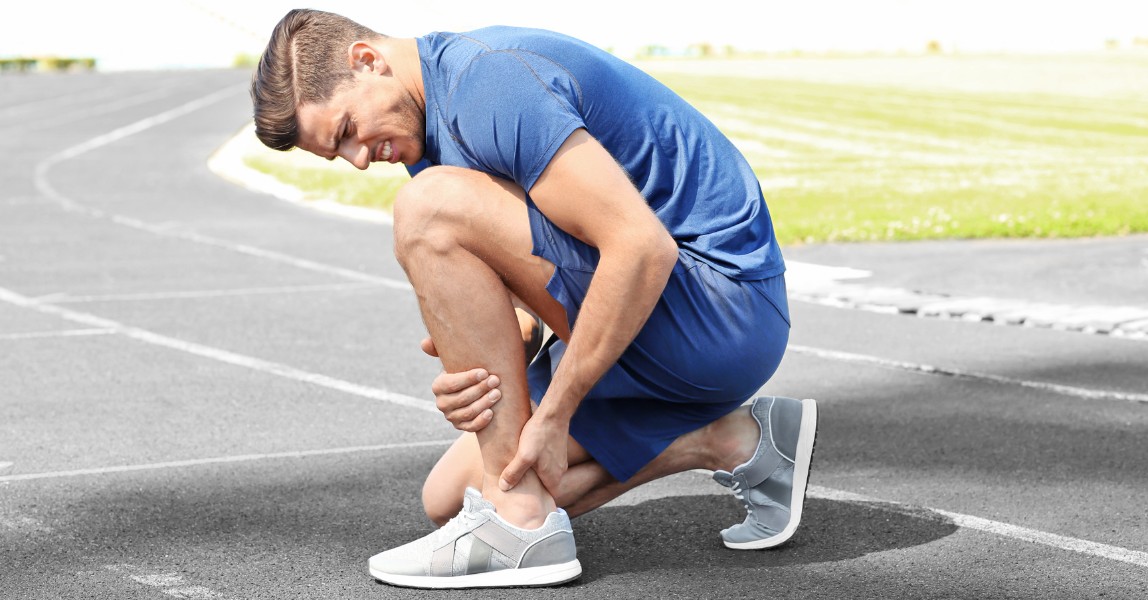
  • Leg Pain: Types, Causes, Symptoms, Treatments & Prevention

    Leg Pain: Types, Causes, Symptoms, Treatments & Prevention

    Leg pain is a common yet often misunderstood symptom.

    While many people experience temporary aches after exercise, long work shifts, or standing all day, persistent or severe leg pain can be a sign of something more serious.

    In fact, leg pain is one of the most frequently misdiagnosed symptoms because it can stem from multiple structures, muscles, nerves, joints, bones, or blood vessels. This overlap often confuses.

    For example, peripheral artery disease (PAD) is commonly mistaken for back pain or sciatica, and some patients even undergo spine evaluations or treatments before the vascular cause is identified.

    Meanwhile, nerve-related pain, such as sciatica, can mimic vascular or muscular disorders.

    However, location, type of pain, and what triggers or relieves it are often the biggest clues: sharp, shooting pain often points toward nerve involvement; dull, aching pain suggests muscle or joint irritation; and cramping during walking may indicate circulation problems.

    To help patients, families, and caregivers, this guide clarifies what leg pain is, explores the major types of leg pain, reviews common causes, highlights red‑flag symptoms, and summarizes evidence‑based treatments and prevention strategies.

    What is Leg Pain?

    From a medical perspective, leg pain refers to any discomfort, soreness, or aching felt between the hip and the ankle. It can be acute (sudden and short-term) or chronic (lasting weeks or longer), and it may come and go or stay constant.

    People often describe leg pain as:

    • A sharp, shooting pain
    • A dull or heavy ache
    • A burning or tingling sensation
    • Cramping, especially at night.

    Leg pain can come from almost any structure in the leg, including your:

    • Bones
    • Muscles
    • Tendons and ligaments
    • Joints
    • Nerves
    • Blood vessels
    • Soft tissues

    Because so many tissues are involved, the cause of leg pain varies widely.

    However, it’s important to seek medical care if the pain is severe, persistent, or comes with swelling, numbness, colour changes, or difficulty walking.

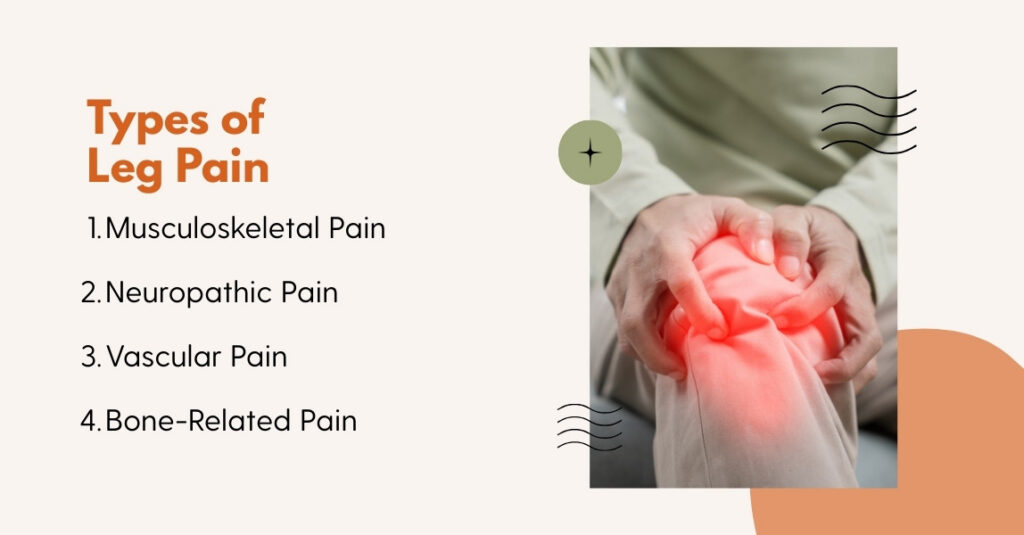
    4 Types of Leg Pain

    types of leg pain

    Medical experts and researchers typically classify leg pain by the major tissue type or system affected, as this helps guide diagnosis and treatment.

    Here are the main types of leg pain:

    1. Musculoskeletal Pain (Muscle and Tendon)

    Musculoskeletal leg pain refers to discomfort that arises from muscles, tendons, ligaments, and other soft-tissue structures.

    They can occur due to:

    • Muscle strains: These injuries happen when a muscle is overstretched or torn. Strains are common, especially in athletes or during sudden increases in activity.
    • Shin splints: This condition involves irritation and inflammation of the muscles, tendons, or tissues surrounding the shin bone (tibia), often triggered by overuse.
    • Stress fractures: Tiny cracks in the bone caused by repetitive force or impact, often seen in runners and other high-impact sports.
    • Tendinitis: Also called tendonitis, this occurs when the tendon connecting muscle to bone becomes inflamed, typically from overuse or repetitive motion.

    2. Neuropathic Pain (Nerve-Related)

    Neuropathic leg pain occurs when the nerves are irritated, damaged, or compressed. Conditions such as sciatica, nerve compression, and neuropathy commonly trigger this type of pain.

    Unlike muscle-related discomfort, neuropathic pain follows nerve pathways and often radiates from the lower back or hip into the leg.

    People typically describe neuropathic pain with distinct sensations, including:

    • Burning pain
    • Tingling or pins and needles
    • Shooting or electric-shock sensations
    • Numbness
    • Sometimes, leg weakness or reduced sensation

    These features help differentiate nerve-related pain from musculoskeletal pain and often indicate an underlying neurological issue that requires proper evaluation.

    A prospective study of patients with low-back–related leg pain found that depending on the definition used, 48% to 74% of these cases showed neuropathic pain features.

    3. Vascular Pain (Blood-Flow/Circulation-Related Pain)

    Vascular leg pain occurs when blood flow to or from the leg is impaired.

    Typical features of vascular pain include:

    • Varicose veins: These develop when blood pools inside the veins, causing them to enlarge and appear blue or purple beneath the skin. They may lead to heaviness, aching, or swelling in the legs.
    • Peripheral artery disease (PAD): PAD occurs when plaque made of fat and cholesterol builds up in the arteries, narrowing them and reducing blood supply to the legs. This often causes cramping or aching during activity.
    • Deep vein thrombosis (DVT): DVT is a blood clot in a deep vein that blocks normal blood flow. It can cause swelling, warmth, and tenderness in one leg. This condition is serious and requires prompt medical attention.

    A recent biomechanical study showed that people with PAD have impaired gait, even when not currently in pain, which underlines how vascular problems affect leg function beyond just subjective discomfort.

    4. Bone-Related Pain

    Bone-related leg pain originates from problems in the bone itself, such as stress fractures, shin splints, or arthritis.

    The underlying mechanism is usually: repetitive mechanical stress → micro-damage to bone → bone irritation or fractures → ongoing pain.

    This type of pain is typically deep, persistent, and often worsens with impact or weight-bearing activities like walking or running. It can also occur due to:

    • Arthritis: A very common condition characterized by joint pain, stiffness, and inflammation. There are more than 100 different types, affecting people of all ages.
    • Gout: A form of inflammatory arthritis that causes sudden episodes of intense joint pain and swelling. It occurs when uric acid builds up in the body and forms sharp crystals in the joints.

    Although many reviews separate bone and joint pain from soft-tissue musculoskeletal pain, classic orthopedic and sports-medicine literature lists stress fractures and bone-stress injuries as frequent causes of chronic leg pain, especially in athletes or people who are increasing their activity.

    Because these injuries can worsen if left untreated, proper diagnosis, often including imaging, and load management, such as rest or reduced-impact activity, are essential to prevent further damage.

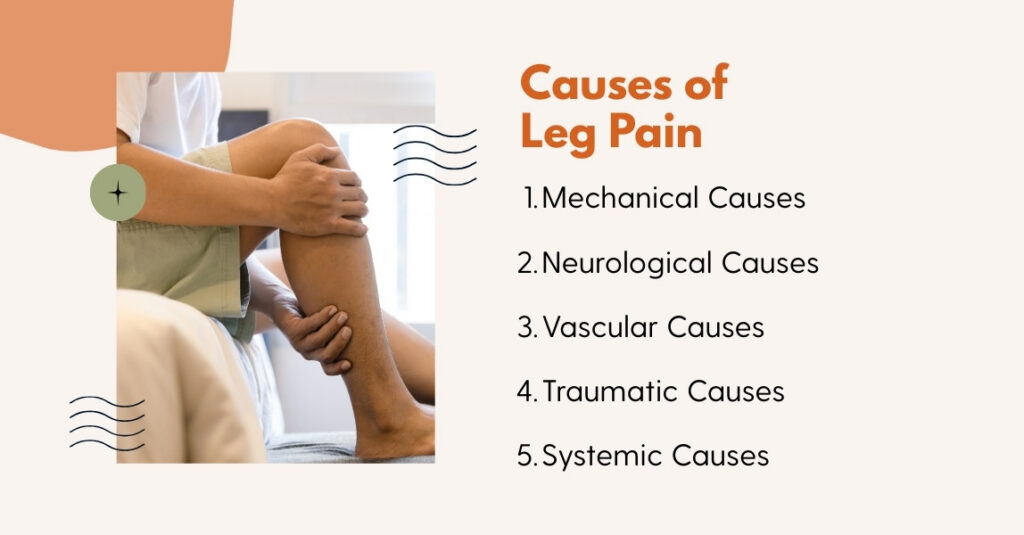
    What Causes Leg Pain?

    what causes of leg pain

    Leg pain can arise from a wide range of mechanical, neurological, vascular, traumatic, and systemic factors. Thus, understanding the underlying cause is essential for accurate treatment and prevention.

    1. Mechanical Causes

    Mechanical issues occur when the muscles, bones, or joints are stressed beyond their capacity.

    Overuse injuries and muscle imbalances are common: repetitive activity, sudden increases in training, or weak supporting muscles can lead to strains, tendinitis, or stress fractures.

    Even sedentary jobs can lead to stiffness and cramps when activity resumes.

    Improper footwear and flat feet also contribute. Also, poor arch support alters biomechanics, placing extra stress on muscles and joints and increasing the risk of shin splints or plantar fasciitis.

    2. Neurological Causes

    Leg pain can stem from nerve problems. Herniated discs or spinal stenosis compress spinal nerves, leading to sciatica, burning, tingling, or numbness in the leg.

    Nerve entrapment conditions, such as peroneal neuropathy, may cause weakness or difficulty lifting the foot.

    Moreover, prolonged sitting or poor posture can tighten hip flexors, compressing nerves and contributing to neuropathic leg pain.

    3. Vascular Causes

    Circulatory problems are another major source of leg pain. Peripheral Artery Disease (PAD) occurs when atherosclerosis narrows leg arteries, causing cramping or aching during walking or activity.

    The risk factors include smoking, diabetes, hypertension, and high cholesterol. The symptoms include unilateral swelling, tenderness, warmth, or a “pulling” sensation in the calf.

    Research shows that varicose veins and venous insufficiency result from prolonged standing or genetic factors, leading to leg heaviness, cramps, and visible veins. Roughly one in four adults may have visible varicose veins.

    4. Traumatic Causes

    Direct trauma from falls, accidents, or sports injuries can cause fractures, sprains, or contusions.

    If you experience this, seek immediate care if you hear a popping sound, notice a visible deformity, or are unable to bear weight.

    Similarly, compartment syndrome is a serious condition where swelling within muscle compartments causes severe pain and requires emergency surgery to prevent permanent damage.

    5. Systemic or Metabolic Causes

    Diabetes and neuropathy can damage nerves and blood vessels, producing burning, tingling, and numbness in the legs. Also, inflammatory joint conditions like arthritis or gout can cause deep joint pain, stiffness, and swelling.

    Moreover, infections, including cellulitis or osteomyelitis (bone infection), may produce redness, warmth, and pain. Fever accompanied by other symptoms is a red flag that requires urgent medical attention.

    Kristofer Jones, MD, an orthopaedic surgeon at UCLA Health, says that many people with sedentary jobs cram all their physical activity into the weekend. This sudden spike in load can cause strains or stress fractures; he recommends gradually increasing activity, varying exercises, and building core strength. Ignoring early discomfort can turn a minor strain into a serious injury.

    The “Weekend-Warrior-Mentality”

    What are the Symptoms of Leg Pain?

    Leg pain can appear in many forms. It may affect a small, specific area or spread across the entire leg. The discomfort can also extend into the buttocks, foot, lower back, or spine, depending on the cause.

    In some cases, pain occurs in multiple body regions at the same time. The pain may feel:

    • Dull or sharp
    • Burning or tingling
    • Your leg may also feel numb

    It can be triggered by activity (for example, walking or running), by position (standing or sitting), or by coming on at night. Common features associated with leg pain include swelling, numbness, colour changes, warmth or redness, and difficulty walking.

    Additional signs and symptoms that can accompany leg pain include:

    • Swelling, especially if one leg looks noticeably different from the other
    • Varicose veins
    • Sores or ulcers
    • Redness/warmth
    • Numbness/sensory change
    • Color changes in the leg or foot
    • Slow-healing wounds
    • General unwellness, especially during recovery from an infection or fracture

    It is important to seek medical attention if your leg pain is sudden, severe, persistent, or if you experience any of these additional symptoms.

    Vascular surgeon George Anton, MD, notes that visible venous disease is not only cosmetic, “When veins are big enough, the blood that pools in them can also clot. Clots can travel through your body, putting you at risk for a pulmonary embolism, which could be life-threatening.”

    Clinical Insight

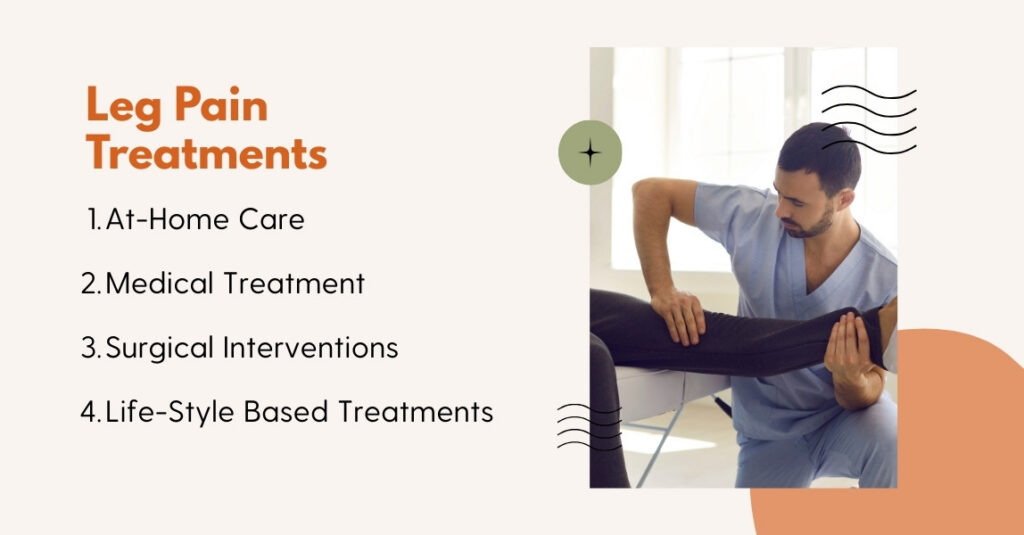
    Leg Pain Treatments

    leg pain treatment options

    Leg pain treatment depends on the cause, but many mild issues improve with home care, such as gentle stretching, movement, and simple pain relievers like paracetamol or ibuprofen.

    More serious causes may require antibiotics, targeted medication, or, in some cases, surgery.

    At-Home Care

    For many mild leg problems, especially muscle, tendon, or soft-tissue pain, at-home care can help relieve pain and support healing.

    Some of the common approaches include:

    • RICE (Rest, Ice, Compression, Elevation)

    Rest the leg, apply ice, use gentle compression (e.g., bandage), and elevate the leg above heart level. Research shows that RICE can reduce pain and swelling after a strain, sprain, or minor injury.

    • Stretching and hydration

    Gentle stretching helps keep muscles and tendons flexible. Staying well-hydrated supports muscle health and may reduce the chance of cramps or overuse injury.

    • Epsom salt soaks

    Warm salt baths (when no open wounds) can help ease muscle soreness and promote relaxation, useful for muscle or tendon discomfort.

    According to a study, Epsom salt has anti-inflammatory and analgesic properties, making it a pain-relieving agent.

    • Over-the-counter (OTC) pain relievers/anti-inflammatories

    Drugs like non-steroidal anti-inflammatory drugs (NSAIDs) or acetaminophen help relieve pain, reduce inflammation, and make movement easier.

    These “home-care” methods often work for sprains, strains, mild tendon irritation, or post-activity soreness. If pain persists or worsens, seeking medical care is advised.

    Medical Treatments

    When at-home care isn’t enough, or when leg pain stems from vascular, nerve, or deeper structural problems, medical treatments may be required:

    • Physical therapy

    A physical therapist can guide gentle movement, strengthen muscles, improve flexibility, and correct movement patterns. This helps many people with musculoskeletal or nerve-related leg pain recover without surgery.

    • Anti-inflammatory medications(NSAIDs)

    For pain and inflammation, NSAIDs remain a first-line treatment. They reduce swelling and relieve discomfort in soft-tissue injuries, arthritis, or after surgery.

    • Antibiotics

    If leg pain stems from an infection (e.g., cellulitis, infected joint, bone infection), antibiotics are required. Infections accompanied by redness, warmth, fever, or spreading pain warrant prompt medical treatment.

    • Nerve blocks or nerve-directed treatments

    For severe nerve-related pain (nerve compression, radiculopathy), nerve-block injections or other nerve-targeted therapies may be recommended, especially when conservative measures fail.

    • Blood thinners (anticoagulants)

    If leg pain is due to a blood clot (deep vein thrombosis, DVT), anticoagulant (“blood thinner”) medications are standard treatment to prevent clot growth or migration.

    For vascular problems like DVT or chronic venous insufficiency, compression therapy (compression stockings or wraps) may also be prescribed to improve blood flow and reduce swelling.

    Surgical or Procedural Interventions

    When conservative or medical treatments are insufficient, surgery or interventional procedures may become necessary, for example:

    • Fractures, severe bone damage, or structural joint problems may require surgical repair or stabilization.
    • Severe nerve compression (e.g., spinal nerve-root compression) may require surgical decompression.
    • Vascular blockages, clots, or severe venous/arterial disease may require vascular intervention, such as clot removal, angioplasty, or vein surgery (depending on the condition).

    In post-surgical situations, pain medications and physical therapy often support recovery. It is evident that NSAIDs, acetaminophen, and pain-management strategies help reduce pain after surgery.

    Lifestyle-Based & Preventive Treatments

    Prevention and long-term management often depend on lifestyle and biomechanical adjustments:

    • Custom orthotics

    For foot or gait-related leg pain (e.g., flat feet, shin splints, tendon issues), custom orthotics or insoles can correct biomechanics, reduce abnormal stress, and prevent recurrence.

    • Strength building and regular exercise

    Strengthening muscles, improving flexibility, and balancing muscle groups help support joints and bones, reducing the risk of overuse injuries, tension, or biomechanical stress that can lead to pain.

    • Weight management

    Maintaining a healthy weight reduces load on bones, joints, and vessels, lowering the risk of arthritis, vascular disease, or overuse injuries.

    • Smoking cessation

    For vascular-related leg pain (like peripheral artery disease, PAD), stopping smoking is critical to improve blood flow and slow disease progression.

    Also, for those at risk of vascular problems or blood clots, lifestyle habits, such as regular movement, avoiding prolonged immobility (e.g., on long flights), maintaining a healthy diet, and staying hydrated, help reduce risk.

    How to Prevent Leg Pain?

    You can lower your risk of leg pain by stretching before and after physical activity, staying hydrated, and eating potassium-rich foods like bananas and chicken to support healthy muscles and tendons.

    To prevent health conditions that can cause leg nerve damage:

    • Maintain overall health: Get enough sleep, stay hydrated, and eat a balanced diet rich in potassium, magnesium, and calcium to support muscle and nerve function.
    • Exercise regularly and gradually: Include aerobic, strength, and flexibility training, increasing intensity slowly to avoid overuse injuries.
    • Warm-up and cool-down: Gentle stretching before and after activity helps prevent strains.
    • Wear proper footwear: Good arch support and cushioning reduce stress on joints and bones.
    • Maintain a healthy weight and avoid smoking: Both reduce strain on the circulatory system and lower the risk of PAD and varicose veins.
    • Monitor key health markers: Keep blood pressure, cholesterol, and blood sugar within healthy ranges through regular check-ups.
    • Take movement breaks: Avoid prolonged sitting or standing to improve circulation and reduce nerve compression.
    • Listen to your body: Stop activity if you notice unusual pain, swelling, or numbness and seek timely medical care.

    Frequently Asked Questions (FAQs)

    When should someone see a doctor?

    You should seek medical attention if you experience any of the following:

    • Pain lasting more than 3–5 days without improvement
    • Severe or worsening pain that interferes with daily activities
    • Swelling in one or both legs, especially if sudden or accompanied by redness or warmth
    • Numbness, tingling, or weakness in the leg
    • Pain after an injury such as a fall, twist, or direct impact
    • Red flags like inability to bear weight, fever, or sudden color changes in the leg

    Prompt evaluation is important to identify underlying issues such as nerve compression, blood clots, vascular problems, or serious musculoskeletal injuries.

    Is Leg Pain Always from Injury?

    No, leg pain is not always caused by an injury. While strains, sprains, or fractures are common sources of leg pain, it can also arise from nerve, spinal, or vascular issues.

    • Nerve-related causes: Conditions such as sciatica, peripheral neuropathy, or spinal nerve compression can cause burning, tingling, shooting pain, or numbness in the leg, even without trauma.
    • Spinal issues: Herniated discs or spinal stenosis can compress nerves, causing pain to radiate down the leg. Often, patients feel leg pain more than back pain.
    • Vascular causes: Problems with blood flow, including peripheral artery disease (PAD), deep vein thrombosis (DVT), or varicose veins, can lead to aching, heaviness, swelling, or color changes. These pains may worsen with activity or prolonged standing and are unrelated to muscle injury.

    Understanding the underlying cause is crucial because treatment differs depending on whether the pain comes from muscles, nerves, bones, or blood vessels.

    Why Does Leg Pain Worsen at Night?

    Leg pain often feels worse at night due to several factors:

    • Circulation changes: When you lie down, blood flow and venous return in the legs can shift, sometimes worsening discomfort from conditions like peripheral artery disease (PAD) or varicose veins.
    • Nerve irritation: Nerve-related pain, such as sciatica or peripheral neuropathy, can become more noticeable at rest because there are fewer distractions and the body is more aware of discomfort.
    • Restless Leg Syndrome (RLS): This neurological condition causes an uncontrollable urge to move the legs, often accompanied by aching, tingling, or crawling sensations, which typically intensify in the evening or at night.

    Recognizing the pattern and timing of leg pain can help clinicians identify the underlying cause and guide appropriate treatment.

    Conclusion

    Leg pain is a symptom with many faces. While minor aches after exercise are common, persistent or severe pain may indicate underlying musculoskeletal, neurologic, vascular, or systemic disorders.

    Early recognition of symptoms and prompt medical evaluation are crucial, especially for red flags like sudden swelling, color changes, or neurological deficits.

    Evidence‑based treatments range from at‑home RICE therapy to physical therapy, medications, surgery, or anticoagulation, depending on the cause.

    Moreover, preventive strategies such as regular exercise, proper footwear, smoking cessation, and careful attention to cardiovascular health can substantially reduce the risk of leg pain.

    Remember that an accurate diagnosis is the key to effective treatment.

    Consult healthcare professionals rather than self‑diagnosing, and take leg pain seriously; it might be your body’s warning of a more significant health issue.

  • PAD Recovery: Life After Peripheral Artery Disease Treatment

    PAD Recovery: Life After Peripheral Artery Disease Treatment

    If you’ve undergone or are preparing for minimally invasive treatment for Peripheral Artery Disease (PAD), understanding the recovery process can help you know what to expect and how to optimize your results. The good news? Modern minimally invasive PAD procedures offer remarkably quick recovery times, with most patients noticing immediate improvement in symptoms and returning to normal activities within just days.

    At Seamless Medical Centers in Port Arthur, TX, we guide patients through successful PAD recoveries every day. This comprehensive guide walks you through what to expect after your procedure, from the immediate post-treatment period through long-term circulation maintenance, helping you achieve the best possible outcomes.

    Immediate Post-Procedure Period (First 24 Hours)

    In the Recovery Area

    Immediately after your angioplasty, stenting, or atherectomy procedure, you’ll be moved to a recovery area where medical staff will closely monitor you. An observation period is crucial for ensuring there’s no bleeding or complications from the catheter insertion site—typically in your groin or wrist.

    Many patients notice an immediate difference in their treated limb during the recovery period. They may feel warmer than before the procedure as restored blood flow brings oxygen-rich blood to tissues that have been deprived. Some patients can wiggle their fingers or toes more easily or notice that previously pale skin has better color.

    Monitoring and Assessments

    Throughout your recovery period, nursing staff will:Check your vital signs regularly (blood pressure, heart rate, oxygen levels)Assess the puncture site for bleeding or swellingMonitor pulses to confirm improved circulationCheck for sensation and movement in your treated limbsEnsure you’re comfortable and pain-free

    You’ll be encouraged to drink plenty of fluids to help flush the contrast dye used during imaging from your kidneys. This is especially important if you have existing kidney concerns or diabetes.

    Going Home

    Our PAD procedures are outpatient, meaning you’ll go home the same day once medical staff confirm you’re stable and the puncture site has clotted properly. Before discharge, you’ll receive:Detailed written instructions for home carePrescriptions for any necessary medicationsInformation about activity restrictionsA follow-up appointmentContact information for reaching us with questions or concerns

    You’ll need someone to drive you home, as you shouldn’t drive for at least 24 hours after the procedure.

    First Evening at Home

    On your first evening home, plan to take it very easy. Rest with your legs elevated when sitting or lying down, which helps reduce swelling and promotes healing. Avoid any strenuous activities, and don’t lift anything heavier than 10 pounds.

    The puncture site will have a bandage or closure device that should remain clean and dry. Some bruising around the site is normal and expected—it may look dramatic but will fade over the coming weeks.

    You might notice improved circulation immediately. Your treated limb may feel warmer, look pinker, and any cramping pain you experienced with walking (claudication) may be dramatically reduced or absent. This immediate relief is one of the most gratifying aspects of PAD treatment for many patients.

    Days 2-7: Early Recovery Phase

    Activity Restrictions

    During the first week after your PAD procedure, it’s recommended that you restrict activity:

    Days 1-2:

    Rest at homeNo driving for 24-48 hoursNo lifting over 10 poundsNo strenuous exercise or heavy physical workLight walking around your house is encouraged

    Days 3-7:

    Gradually increase walking distanceCan return to desk work or light-duty jobsContinue avoiding heavy lifting, pushing, or pullingNo vigorous exercise yetCan drive if you feel comfortable

    Caring for the Access Site

    Keep the puncture site clean and dry for the first 48 hours. After this time, you can shower normally but avoid soaking in bathtubs, hot tubs, or swimming pools for one week to prevent infection.

    Watch for signs of complications at the access site:

    Normal: Mild tenderness, small bruise (1-3 inches), slight swellingCall Us If You Notice: Large or expanding bruise, significant swelling, warmth and redness suggesting infection, drainage or oozing, numbness or tingling, severe pain

    A small hard lump at the puncture site is normal and will gradually dissolve over several weeks as your body absorbs the clotted blood.

    Managing Discomfort

    Most patients experience minimal pain after PAD procedures. Any discomfort is typically related to the access site rather than the treated artery. Over-the-counter pain relievers are usually sufficient.

    Some patients experience mild cramping in the treated limb as muscles adjust to improved blood flow. This typically resolves within a few days and is actually a positive sign that circulation is improving.

    Walking and Exercise

    Walking is one of the best things you can do during recovery. Start with short distances—even just to the mailbox and back—and gradually increase as you feel able. Walking promotes circulation, prevents blood clots, and helps maintain the openness of your treated arteries.

    You’ll likely notice you can walk farther and longer without leg pain than before your procedure. This is the goal of PAD treatment, and you should take advantage of your improved circulation by staying active.

    Weeks 2-4: Returning to Full Activity

    Resuming Normal Activities

    By week two, most PAD patients have returned to their normal routines:
    Work: Most people can return to full work schedules, including moderately physical jobs. Very heavy labor may need to wait until week three or four.Exercise: You can resume regular exercise routines, including walking programs, stationary cycling, swimming, and light strength training. Start gradually and build up intensity over time.Driving: Full driving privileges resume, including long-distance travel.Household Activities: Normal household tasks, including laundry, cooking, cleaning, and yard work (though avoid very heavy lifting).Travel: Air travel and long car trips are fine, though make sure to move around regularly to prevent blood clots.

    Continued Improvement

    During weeks two through four, you’ll continue noticing improvements in circulation-related symptoms:Walking Distance: You should be able to walk significantly farther without cramping painLeg Appearance: Improved color and temperature in your feet and legsWound Healing: Any ulcers or sores should show signs of healing with healthy tissueNight Symptoms: Reduction or elimination of nighttime leg pain or coldness

    Follow-Up Appointments

    Your interventional radiologist will schedule follow-up visits to assess your recovery and ensure your treated arteries remain open. These typically occur around two to four weeks post-procedure and may include:Physical examination of your legs and feetAnkle-brachial index (ABI) testing to measure circulation improvementUltrasound imaging of treated arteriesDiscussion of your symptoms and activity levels

    Long-Term Recovery and Maintenance (Months 2-12 and Beyond)

    Sustained Circulation Improvement

    The full benefits of PAD treatment become apparent over the first three to six months as your body adapts to restored blood flow. Many patients find they can:Walk without pain for extended distancesResume recreational activities they’d given upExperience complete healing of wounds that wouldn’t closeFeel confident and independent in their daily activities

    Medication Management

    Long-term success after PAD treatment requires ongoing medication to prevent new blockages and optimize cardiovascular health. Your doctor will likely prescribe:

    Antiplatelet Therapy: Medications like aspirin or clopidogrel (Plavix) keep platelets from clumping and forming clots in your arteries. These are crucial after stenting and important for all PAD patients.

    Cholesterol Management: Statins lower cholesterol levels and stabilize plaque in your arteries, reducing the risk of new blockages.

    Blood Pressure Control: ACE inhibitors or other blood pressure medications protect your arteries and reduce cardiovascular disease risk.

    Diabetes Management: If you have diabetes, optimal blood sugar control is essential for preventing further vascular damage.

    Take all prescribed medications exactly as directed, even if you feel great. These medications work behind the scenes to protect your circulation and overall cardiovascular health.

    Lifestyle Modifications for Long-Term Success

    Your PAD treatment opens a window of opportunity, but maintaining results requires addressing the factors that caused PAD in the first place.

    Smoking Cessation: This is absolutely critical. Smoking is the single most significant risk factor for PAD progression. If you smoke, quitting is the most important thing you can do for your vascular health.

    Regular Exercise: Aim for at least 30 minutes of walking most days of the week. Structured exercise programs specifically for PAD have been shown to dramatically improve walking distance and quality of life.

    Heart-Healthy Diet: Follow a diet rich in fruits, vegetables, whole grains, lean proteins, and healthy fats. Limit saturated fats, trans fats, and sodium.

    Weight Management: If you’re overweight, even modest weight loss (5-10% of body weight) can significantly improve your cardiovascular health and reduce PAD symptoms.

    Diabetes Control: If you have diabetes, work closely with your endocrinologist to maintain optimal blood sugar levels through diet, exercise, and medication.

    Foot Care: Daily foot inspection and proper foot care are essential for PAD patients. Check your feet every day for cuts, blisters, or sores, especially if you have diabetes. Wear proper footwear and see a podiatrist regularly.

    Monitoring for Restenosis

    While PAD procedures are highly effective, arteries can occasionally narrow again over time—a complication called restenosis. Watch for the return of symptoms:Leg cramping or pain with walking that progressively worsensNew coldness or color changes in your feetWounds or sores that won’t healRest pain in your legs or feetDecreased walking distance

    If you notice any of these symptoms, contact Seamless Medical Centers promptly. Early detection of restenosis allows for simple interventional procedures to restore circulation before serious problems develop.

    When to Contact Seamless Medical Centers

    Emergency Symptoms (Call 911 or Go to ER):

    Sudden severe pain in your treated legLeg becomes cold, pale, and pulselessLoss of sensation or ability to move your legChest pain or shortness of breathSigns of stroke (facial drooping, arm weakness, speech difficulty)

    Urgent Symptoms (Call Our Office):

    Increasing pain not controlled by medicationLarge or expanding bruise at access siteBleeding from the puncture site that doesn’t stop with pressureSigns of infection (fever, redness, warmth, drainage)Return of claudication symptomsNew numbness or weakness in your leg

    Your Partner in Vascular Health

    At Seamless Medical Centers in Port Arthur, TX, we’re committed to supporting you through every stage of your PAD recovery and beyond. Our board-certified interventional radiologists combine technical expertise with compassionate care, ensuring you receive the highest quality treatment and ongoing support.

    We understand that PAD affects not just your physical health but your independence, confidence, and quality of life. Our goal is to restore your circulation and help you return to the activities you love through minimally invasive procedures that offer less pain, fewer risks, and faster recovery than traditional surgery.

    Most insurance plans, including Medicare and Medicaid, cover medically necessary PAD treatments. We handle all insurance verification and pre-authorization, allowing you to focus on your recovery rather than administrative details.

    Contact Seamless Medical Centers for PAD Recovery Support

    Have questions about recovering from PAD treatment? Our team is here to help you every step of the way.Phone: 409-213-9575Address: 3300 Jimmy Johnson Blvd, Suite #130, Port Arthur, Texas 77642

    Contact us for expert guidance and compassionate care—the seamless way.