Author: a_mustafa

  • Osteoarthritis: Causes, Symptoms, Treatments, & Prevention

    Osteoarthritis: Causes, Symptoms, Treatments, & Prevention

    Osteoarthritis (OA) is more than just wear-and-tear on your joints; it’s a common degenerative condition that affects millions of people worldwide. 

    In OA, the protective cartilage that cushions your joints gradually breaks down, causing bones to rub together. This can lead to discomfort, reduced flexibility, and challenges in performing everyday activities.

    The knees, hips, hands, spine, and other weight-bearing joints are most often affected.

    Because it develops slowly, many people try to adapt to mild symptoms. Without proper care, osteoarthritis can progress, limiting mobility and overall quality of life.

    In this post, we’ll explore what osteoarthritis is, its causes, symptoms, treatments, and ways you can prevent or manage it to keep your joints healthy and active.
    Osteoarthritis 1

    What is Osteoarthritis?

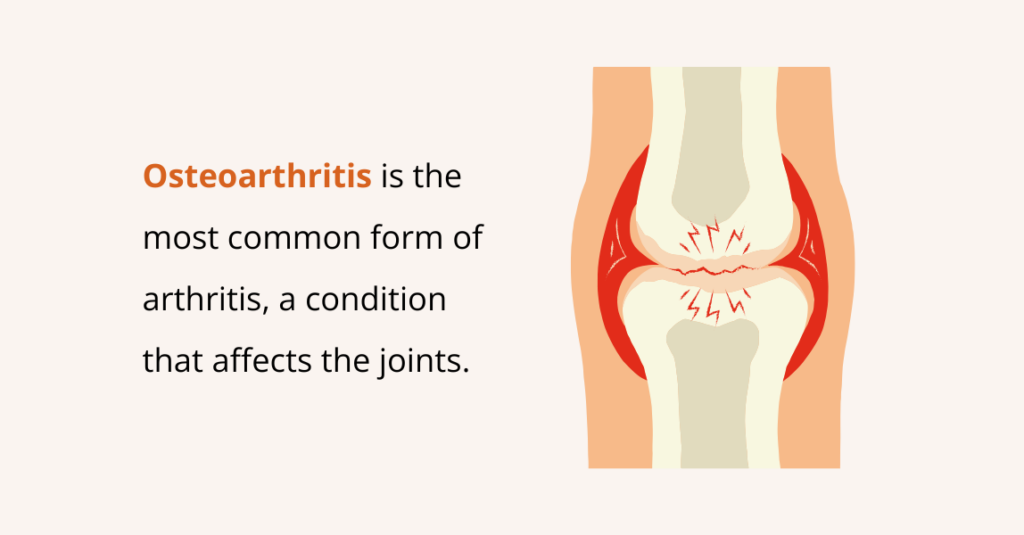
    Osteoarthritis is the most common form of arthritis, a condition that affects the joints. It develops when the cartilage that cushions your joints gradually wears down, causing the bones to rub against each other during movement.

    OA affects the entire joint (bones, cartilage, ligaments, and synovium) and can also cause bone spurs (osteophytes) to form at the edges.

    Because of these changes, OA is often called a degenerative arthritis or degenerative joint disease.

    Osteoarthritis can affect any joint in the body, but it most commonly occurs in the:

    • Hands
    • Knees
    • Hips
    • Neck (cervical spine)
    • Lower back (lumbar spine)

    Symptoms usually develop gradually and may worsen over time, especially with regular joint use.

    What are the Types of Osteoarthritis?

    Osteoarthritis is generally classified into two main types based on its cause: primary osteoarthritis and secondary osteoarthritis.

    Primary Osteoarthritis

    Primary osteoarthritis is the most common form of OA. It develops slowly over time, usually as a result of aging and long-term joint use.

    Rather than having one clear cause, it is linked to multiple risk factors such as increasing age, genetic predisposition, obesity, and everyday wear and tear on the joints.

    Secondary Osteoarthritis

    Secondary osteoarthritis occurs when joint damage is triggered by a specific condition or injury.

    This may include a past joint injury, repetitive stress from sports or physical work, joint deformities present at birth, or other joint diseases such as rheumatoid arthritis.

    In these cases, identifying and managing the underlying cause can help slow the progression of osteoarthritis.
    causes of Osteoarthritis

    What are the Causes of Osteoarthritis?

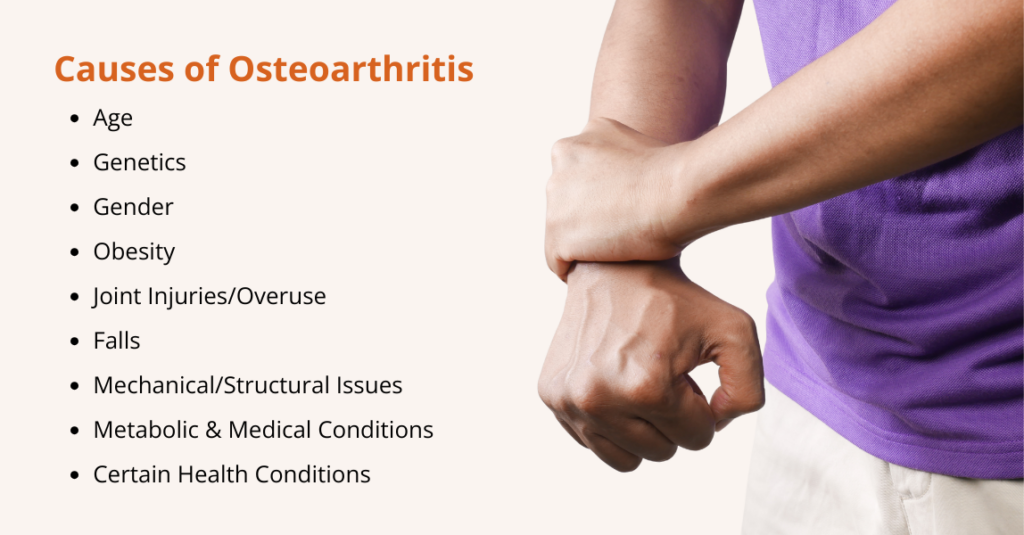
    Osteoarthritis results from the gradual breakdown of joint cartilage and changes to nearby bone structures. Several risk factors are known to increase the risk of developing osteoarthritis:

    • Age: OA is more common as people get older. The cartilage repair process slows with age, so even normal daily stress can lead to damage.
    • Genetics: Family history of OA raises risk. Genetic factors may influence cartilage strength and bone shape.
    • Gender: Women, especially after menopause, are more likely to develop OA than men.
    • Obesity: Excess body weight adds stress to weight-bearing joints (knees, hips, spine) and may produce inflammatory chemicals.
    • Joint Injuries/Overuse: Past injuries (fractures, torn ligaments, or meniscus) or repeated stress from sports and certain jobs can precipitate OA.
    • Falls: Falls can injure joints or bones, leading to long-term joint damage that may later develop into osteoarthritis.
    • Mechanical/Structural Issues: Abnormal joint anatomy (like bowed legs or hip dysplasia) or weak muscles around a joint can increase wear and tear.
    • Metabolic and Medical Conditions: Some diseases (e.g., diabetes, hemochromatosis) and certain forms of inflammatory arthritis (e.g., gout) can damage cartilage, leading to secondary OA.
    • Certain Health Conditions: Disorders such as Ehlers-Danlos syndrome or joint hypermobility syndrome weaken joint support and make joints more prone to osteoarthritis over time.
    symptoms of Osteoarthritis

    What are the Signs and Symptoms of Osteoarthritis?

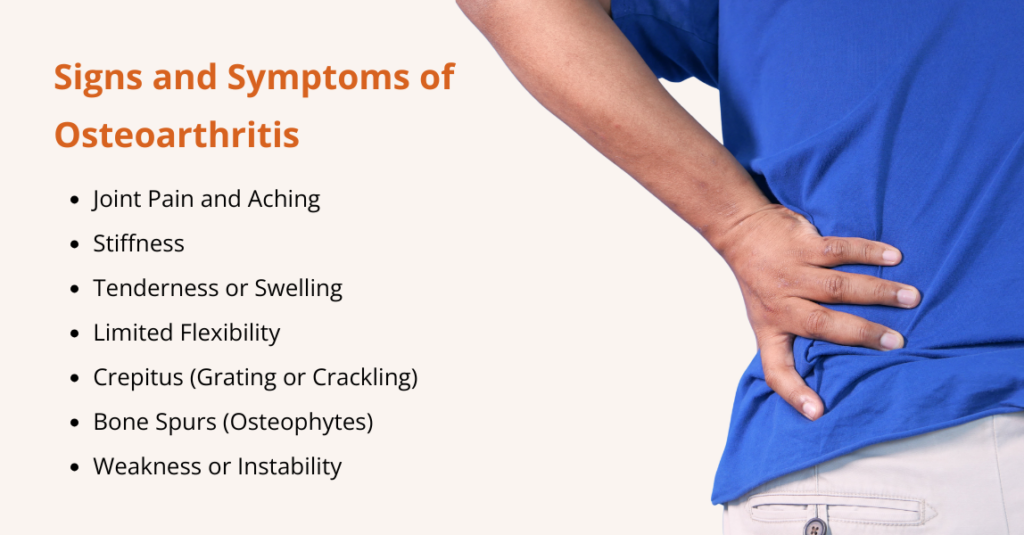
    Symptoms of osteoarthritis often start gradually and typically affect one or a few joints. Common symptoms include:

    • Joint Pain and Aching: A deep, throbbing pain in the joint that worsens with use (walking, climbing stairs, etc.) and often improves with rest. 
    • Stiffness: Joints feel stiff, particularly after inactivity. Morning stiffness lasting less than ~30 minutes is classic for OA.
    • Tenderness or Swelling: The joint may be tender to the touch and sometimes swollen. Inactivity or overuse can trigger mild swelling or warmth around the joint.
    • Limited Flexibility: Range of motion decreases as cartilage thins. Over time, you may lose some ability to straighten or bend the joint fully. 
    • Crepitus (Grating or Crackling): You may feel or hear a grating, crackling, or popping sensation when moving the joint. This comes from rough cartilage surfaces and bone rubbing.
    • Bone Spurs (Osteophytes): Hard bony lumps can form at the joint edges. These may be felt as bumps (e.g., on finger joints) and contribute to pain and reduced range of motion.
    • Weakness or Instability: Muscle weakness around the joint can make it feel like it will give way (especially the knee). In severe OA, misalignment or deformity of the joint may develop.

    These symptoms usually build over time. A person may first notice occasional discomfort or slight stiffness after activity, which gradually worsens.

    In advanced OA, the joint may ache even at rest, and daily activities become limited.
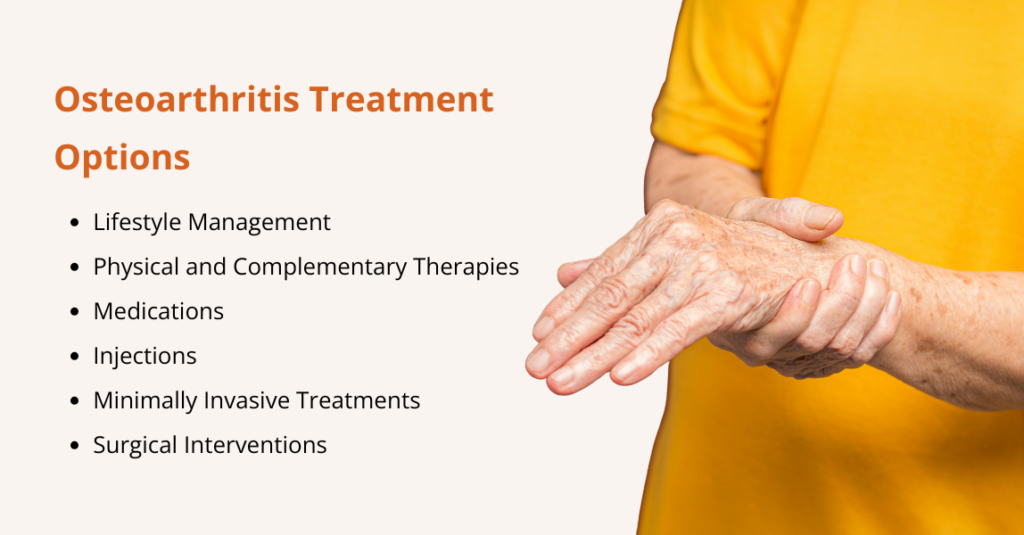
    treatment of Osteoarthritis

    How to Treat Osteoarthritis?

    Your healthcare provider will help create a treatment plan to manage your osteoarthritis symptoms and improve joint function.

    While there is no cure for osteoarthritis, and damaged cartilage cannot be restored, many treatments can reduce pain, ease stiffness, and help you stay active.

    Common treatments for osteoarthritis include:

    Lifestyle Management

    Lifestyle changes are the foundation of OA treatment. For example:

    • Weight Management: Losing body weight can dramatically reduce pain and improve function in knee and hip OA.
    • Exercise: Low-impact aerobic exercise (walking, cycling, swimming) improves cardiovascular health and endurance. 
    • Activity Pacing & Joint Protection: Learning to balance activity with rest, using assistive devices (cane, jar opener), and modifying tasks to reduce joint strain.
    • Healthy Diet: An anti-inflammatory diet rich in fruits, vegetables, whole grains, and omega-3 fatty acids (fish) may help.

    Physical and Complementary Therapies

    Physical therapy and related therapies are key to managing OA. Most common ones include:

    • Physical Therapy (PT): A PT can design a customized exercise program, teach proper body mechanics, and use modalities like ultrasound or TENS (transcutaneous electrical nerve stimulation) for pain relief.
    • Heat and cold therapy: Applying heat or cold to painful joints may relieve discomfort and stiffness. 
    • Occupational Therapy (OT): OTs help adapt the home and workplace and recommend assistive devices to maintain independence.
    • Acupuncture: Some patients find significant pain relief, which is thought to stimulate the release of natural pain-relieving chemicals.
    • Bracing & Orthotics: Knee braces can provide stability and unload specific knee compartments. Shoe inserts (orthotics) can help with alignment and reduce stress on knees and hips.

    Medications

    Some medications are used to control pain and inflammation, but always under medical guidance.

    • Topical Analgesics: Creams, gels, or patches containing NSAIDs (diclofenac) or capsaicin can provide localized pain relief with minimal systemic side effects.
    • Oral Pain Relievers:
      • Acetaminophen: First-line for mild to moderate pain, but has limits on daily dosage.
      • Nonsteroidal Anti-Inflammatory Drugs (NSAIDs): Effective for pain and inflammation but carry risks of stomach, heart, and kidney issues with long-term use.
      • Duloxetine: An antidepressant that is FDA-approved for chronic musculoskeletal pain, including OA.
    • Supplements: Glucosamine and chondroitin sulfate may provide modest symptom relief for some, though evidence is mixed. They are generally safe.

    Injections

    For when oral medications and therapy are insufficient, a healthcare professional might recommend injections, such as:

    • Corticosteroid Injections: Powerful anti-inflammatory injections that can provide weeks to months of pain relief.
    • Hyaluronic Acid (Viscosupplementation) Injections: Injected into the knee, these aim to supplement the joint’s natural lubricating fluid, providing cushioning.

    Minimally Invasive Treatments

    Minimally invasive treatments are designed to reduce pain and improve joint function without major surgery.

    For example, Genicular Artery Embolization (GAE) is a minimally invasive procedure used mainly for knee osteoarthritis. It works by blocking tiny inflamed blood vessels around the knee joint that contribute to pain.

    By reducing inflammation, GAE can relieve pain, improve mobility, and help some patients delay or avoid knee replacement surgery. It does not repair damaged cartilage but can provide meaningful symptom relief.

    Surgical Interventions

    Considered when conservative treatments fail, and quality of life is severely impacted.

    • Arthroscopy: Cleans out debris and repairs torn cartilage. Primarily useful for specific mechanical symptoms, not generalized OA.
    • Osteotomy: Realigns bone to shift weight away from the damaged part of the joint (common in knee OA for younger, active patients).
    • Joint Replacement (Arthroplasty): The gold standard for end-stage, severe OA. Damaged joint surfaces are replaced with metal and plastic components.

    How to Prevent Osteoarthritis?

    While not all OA can be prevented, several strategies can help reduce risk:

    • Maintain a Healthy Weight: This is the most impactful modifiable factor for preventing knee pain and slowing its progression.
    • Stay Active with Smart Exercise: Regular, moderate exercise strengthens muscles and nourishes cartilage. Prioritize low-impact activities and include strength training.
    • Prevent Injuries: Use proper techniques and protective gear during sports and work. Rehabilitate fully from any joint injury.
    • Listen to Your Body: Pay attention to pain. It is a signal to modify activity, not necessarily to stop altogether.
    • Manage Blood Sugar: Evidence links diabetes to faster OA progression, likely due to systemic inflammation and advanced glycation end products (AGEs) that stiffen tissues.
    • Eat a Joint-Healthy Diet: A balanced diet supports overall health and may help maintain healthy cartilage.

    Frequently Asked Questions (FAQs)

    What does osteoarthritis feel like?

    People with OA typically experience a deep, aching pain in the affected joint that worsens with use. As it progresses, you may experience stiffness when you first get up, a grating sensation when moving, and pain with everyday motions. Swelling and tenderness can make the joint feel full and sensitive to touch.

    When does osteoarthritis start?

    OA usually develops gradually and is most common in older adults. Symptoms often appear after age 50 and become more prevalent with advancing age. However, cartilage wear can begin earlier, especially if there was a prior joint injury or excessive joint stress. In fact, research shows that many people over age 60 have some OA changes on X-rays, even if they don’t have symptoms. If you have risk factors (like a knee injury, obesity, or family history), OA can start in middle age or even younger.

    What is the best treatment for osteoarthritis?

    There is no single best treatment; it is a personalized, multi-faceted approach. Non-drug strategies are considered first-line: staying active, doing physical therapy exercises, and losing weight if needed. These lifestyle measures can reduce pain and improve joint function. Over-the-counter pain relievers (NSAIDs, acetaminophen) or topical creams can help control symptoms. For many patients, combining exercise, weight management, and pain medications works better than any single therapy. In more severe cases, doctors may add injections or recommend surgery.

    Is osteoarthritis an autoimmune disease?

    No. Osteoarthritis is not autoimmune. It is a degenerative (wear-and-tear) arthritis caused by the mechanical breakdown of joint cartilage, not by the immune system attacking the joint.

    Conclusion

    Osteoarthritis is a common joint condition that can cause pain, stiffness, and reduced mobility, often impacting daily life and overall well-being.

    However, understanding the condition is the first step toward managing it effectively.

    By noticing early symptoms and being aware of risk factors, such as past injuries, aging, or excess weight, you can take meaningful steps to protect your joints and your daily life.

    The good news is that there are many ways to manage osteoarthritis and stay active.

    Gentle, low-impact exercise, physical therapy, and maintaining a healthy weight all help keep your joints strong and flexible.

    When pain persists, medications, injections, or minimally invasive treatments can provide relief and help you stay mobile.

    With the right combination of lifestyle habits, professional guidance, and support, most people with osteoarthritis can continue to live active, fulfilling lives.
  • Stiff Knee: Causes, Symptoms, and Treatments

    Stiff Knee: Causes, Symptoms, and Treatments

    A stiff knee is a very common problem that can happen to anyone.

    For some, it may develop after physical activity or overuse, while for others, especially older adults, it can be linked to natural wear and tear in the knee joint.

    When your knee feels stiff, you may find it hard to bend or straighten it fully. This limited movement is often accompanied by discomfort or pain, which can make everyday activities such as walking, standing, or climbing stairs difficult and frustrating. 

    While occasional stiffness might be a minor inconvenience, persistent symptoms can signal an underlying issue requiring attention. Ignoring these symptoms may allow the condition to worsen over time.

    In this post, we explain what a stiff knee really means, explore the possible causes and warning signs, and discuss treatments you can try at home as well as professional care options.

    What is a Stiff Knee?

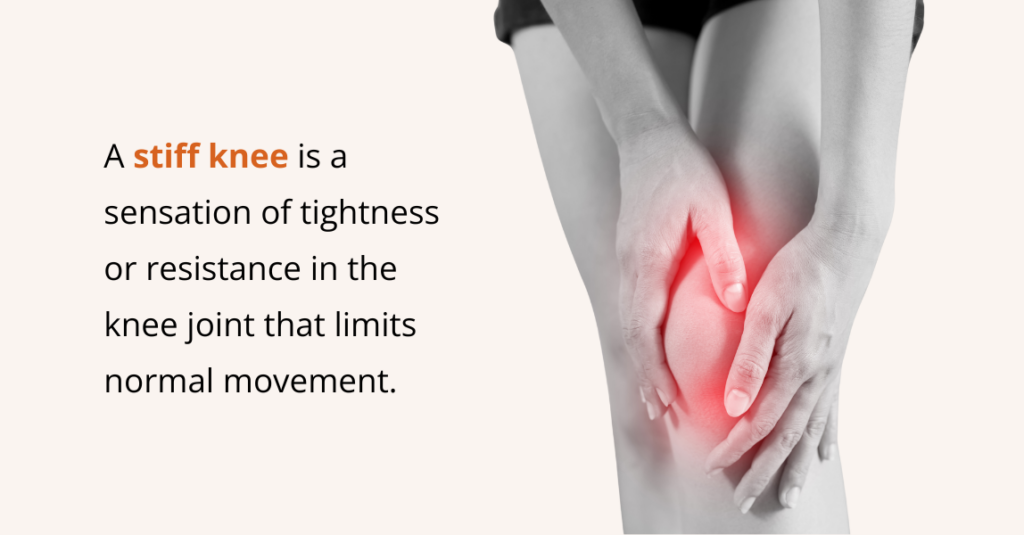
    A stiff knee is a sensation of tightness or resistance in the knee joint that limits normal movement.

    You may find it hard to fully straighten (extend) or bend (flex) your knee. This stiffness can be accompanied by pain, swelling, or a feeling of “locking.”

    It’s not a diagnosis itself but rather a symptom of various conditions affecting the joint’s structures, including bones, cartilage, ligaments, tendons, or the joint lining.

    For example, if a meniscus cartilage is torn or a ligament is stretched, you might feel the knee locking or catching and unable to straighten. Likewise, arthritis causes swelling of the joint surfaces, making movement feel painful and limited.

    What are the Causes of a Stiff Knee?

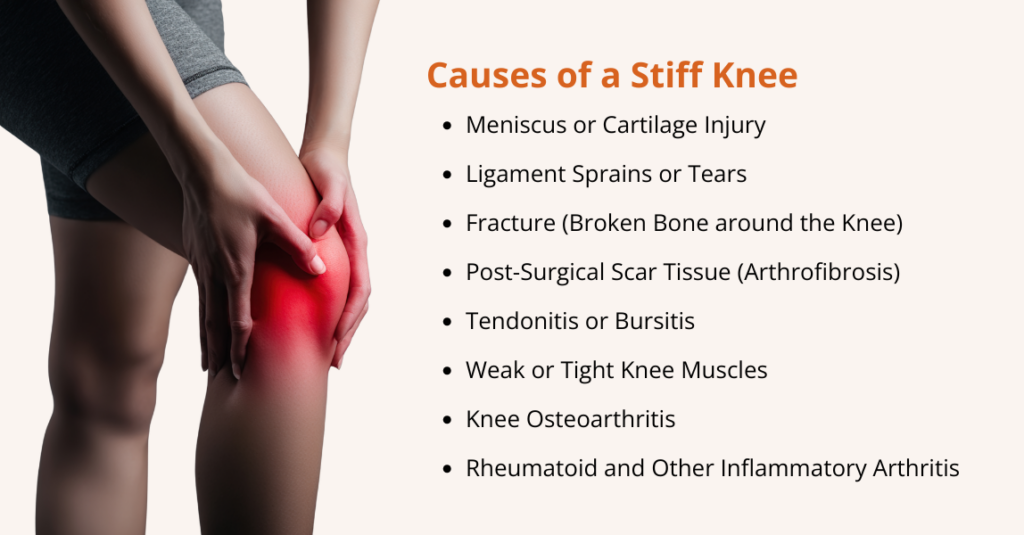
    Knee stiffness can arise from a variety of causes, including injuries, wear and tear, inflammation, and infection. Potential causes of knee stifness include:

    Meniscus or Cartilage Injury

    The menisci are C-shaped cushions of cartilage between the thighbone and shinbone. A sudden twist or fall can tear a meniscus, or age-related wear can weaken it.

    When the meniscus tears, the knee often locks or becomes stiff because the torn fragment blocks motion. Patients may hear or feel a pop when it tears, then notice:

    • Pain and swelling around the knee
    • Locking or catching, inability to fully straighten the knee
    • Loss of motion and a feeling that the knee might give way

    Even if you can still walk, the knee may feel stiff or stuck. Torn cartilage is a common cause of acute stiffness, and it often requires imaging or a doctor’s exam for diagnosis.

    Ligament Sprains or Tears

    Ligaments are strong bands that connect the knee bones. A sudden twist, impact, or hyperextension can sprain or tear a ligament.

    This usually causes immediate pain and swelling, which in turn makes the knee stiff. You might also feel the knee is unstable or weak. Common signs include:

    • Knee pain and swelling shortly after the injury
    • Instability, like a sensation that the knee may buckle or give out
    • Limited motion and difficulty bending or straightening the knee fully.

    For example, an anterior cruciate ligament (ACL) tear often causes rapid swelling (hemarthrosis) and a sensation of the knee locking in place. Like a torn meniscus, a torn ligament usually causes stiffness until it heals or is repaired.

    Fracture (Broken Bone around the Knee)

    A bone fracture in or near the knee (such as a broken kneecap, tibia, or femur) makes the knee very stiff. The fracture causes severe pain, swelling, and, in many cases, a visible deformity, thereby preventing normal knee movement.

    Symptoms of a knee-area fracture include:

    • Severe pain, especially with any weight on the leg
    • Swelling and bruising around the knee
    • Tenderness and deformity (the knee may look “out of place” or bent)

    Because a fracture is an emergency, it must be treated right away (often with immobilization or surgery). Without proper alignment, broken pieces will keep the knee locked and stiff.

    Post-Surgical Scar Tissue (Arthrofibrosis)

    Sometimes, after surgery (or a bad injury), the knee heals with too much scar tissue in the joint. This condition, called arthrofibrosis or “stiff knee syndrome,” literally glues down the joint.

    Excess scar tissue makes bending or straightening the knee very difficult. People with arthrofibrosis typically have:

    • Progressively worsening pain and stiffness after surgery
    • Swelling and a feeling of heat in the knee
    • Difficulty fully extending the knee (often the leg stays slightly bent)

    Research shows that about 2–35% of patients develop arthrofibrosis after major knee operations like ACL reconstruction or joint replacement.

    Tendonitis or Bursitis

    Overuse or irritation of knee tendons and bursae can also cause stiffness. For example, patellar tendonitis (“jumper’s knee”) inflames the tendon below the kneecap.

    Likewise, bursitis inflames a fluid-filled sac (bursa) in the knee (often in front of or inside the knee). Both lead to swelling and pain that limit motion. Typical features include:

    • Patellar (knee) tendonitis: Pain and tenderness at the front of the knee, especially just below the kneecap.
    • Knee bursitis: Painful swelling over a bony point of the knee. The area often feels warm, tender, and swollen, and knee movement may be painful or limited.

    In both cases, inflammation makes the joint feel tight and usually worsens with activity (e.g, jumping or climbing stairs).

    Weak or Tight Knee Muscles

    The muscles around your knee, especially the quadriceps (front of the thigh) and hamstrings (back of the thigh), play a key role in supporting and stabilizing the joint.

    If these muscles are weak, the knee can move less smoothly and may be more prone to injury. On the other hand, if the muscles are very tight, they can pull on the joint unevenly, limiting motion and making the knee feel stiff.

    Research has shown that tight quadriceps muscles can increase stress on the knee joint and may contribute to the development of osteoarthritis over time.

    Knee Osteoarthritis

    Osteoarthritis (OA) is the most common reason for long-term knee stiffness. In OA, the cartilage cushioning the joint gradually wears away.

    As the cartilage thins, bone rubs on bone, and small bony spurs (osteophytes) can grow. This leads to chronic pain, swelling, and stiffness. As a result, individuals often notice stiffness when rising from a seated position or upon waking.

    Rheumatoid and Other Inflammatory Arthritis

    Autoimmune arthritis (like rheumatoid arthritis, psoriatic arthritis, or lupus) attacks the knee’s lining (synovium) and causes chronic inflammation.

    In rheumatoid arthritis (RA), for example, the immune system inflames the joint lining, leading to swelling, warmth, and pain. This inflammation causes the knee to become extremely stiff, particularly in the morning or after rest, resulting in:

    • Swollen knee
    • Warm joints
    • Persistent stiffness
    • Fluctuating pain

    Other inflammatory diseases, such as gout or pseudogout (see below), similarly cause episodes of sudden pain and stiffness. Overall, any form of chronic arthritis means ongoing joint swelling that leads to limited motion and stiffness.

    What are the Symptoms of a Stiff Knee?

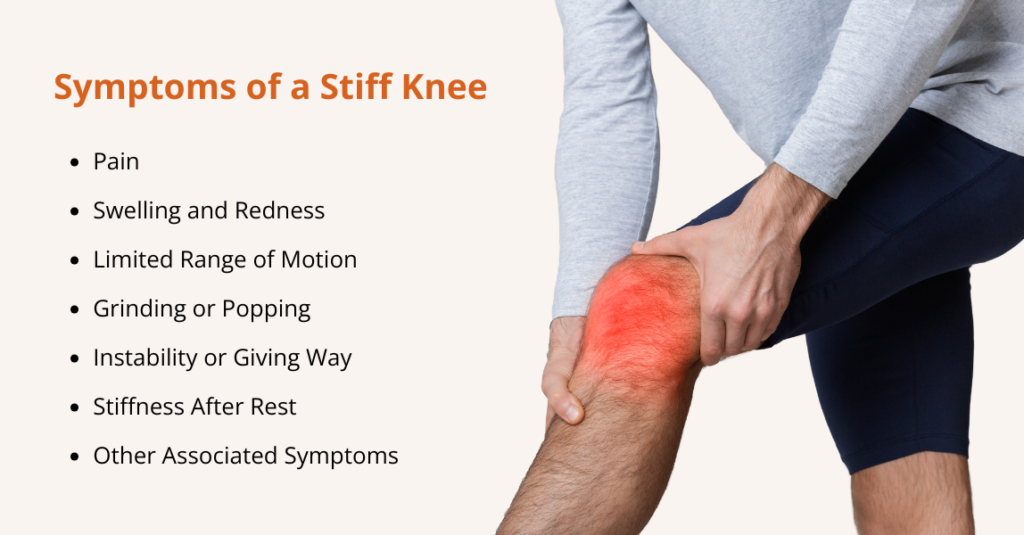
    A stiff knee often comes with other symptoms. These may include:

    • Pain: You may feel aching, burning or stabbing pain in the knee. Bel Marra Health notes that a stiff knee often brings sharp or aching pain, especially when moving.
    • Swelling and Redness: Inflammation often causes the knee to swell. Warmth and redness can occur if there is active inflammation or infection.
    • Limited Range of Motion: You might not be able to fully bend or straighten the knee. The joint may feel locked or catch at certain angles. 
    • Grinding or Popping: You may hear or feel noises in the knee, such as creaking, clicking or grinding sounds (called crepitus) when moving an arthritic knee.
    • Instability or Giving Way: The knee may feel weak or buckle under weight. Ligament injuries or advanced arthritis can make the knee unstable.
    • Stiffness After Rest: Knees with arthritis or inactivity may feel especially stiff after sitting or sleeping. It often eases with light movement
    • Other Associated Symptoms: Other symptoms like fever, severe pain at rest, or knee deformity are less common but important red flags.

    Importantly, a key point is that stiffness often comes with some pain or swelling, though the knee may not always be very painful.

    Treatments for Stiff Knees

    The most suitable treatment for knee stiffness depends on the cause and severity. Mild stiffness often improves with home care, while persistent or severe cases may need medical treatments.

    At-Home Care

    For many people, simple home remedies can significantly ease knee stiffness:

    • RICE/PRICE

    Rest the knee to avoid further strain. Apply Ice packs for 10–20 minutes several times a day to reduce swelling. Use Compression (an elastic bandage or sleeve) to support the knee and minimize swelling.

    Elevate the leg on pillows to help drain fluid. The “PRICE” principle (Protect, Rest, Ice, Compress, Elevate) is often recommended for early stiffness relief.

    • Gentle Exercise & Stretching

    Once acute pain subsides, gentle motion helps keep the knee flexible. Strengthening the muscles around the knee (quadriceps, hamstrings) can reduce stress on the joint.

    For example, straight-leg raises, hamstring curls, and half-squats (within a pain-free range) build support for the knee. Stretches like heel slides, calf stretches, and using a strap for assisted knee stretches improve range of motion.

    Low-impact cardio (walking, swimming, cycling) keeps joints moving without jarring them. 

    • Heat and Cold Therapy

    Cold packs (cryotherapy) can numb pain and reduce inflammation. You can also use heat (warm bath or heating pad) to relax tight muscles before activity.

    For example, using heat before exercise and icing afterward is a common strategy.

    • Supportive Devices

    A knee brace or compression sleeve can help stabilize the knee and prevent movements that worsen stiffness. Even taping the knee or using a simple bandage can offer support during recovery.

    • Self-Massage

    Gently massaging the muscles around the knee (quads, hamstrings) can improve circulation and relieve tightness. Some people also use topical ointments (menthol, capsaicin creams) for temporary relief, although these effects are mild.

    Lifestyle Changes

    Adjusting daily habits can help relieve chronic stiffness and prevent flare-ups:

    • Maintain a Healthy Weight

    Excess weight puts extra load on the knees. Losing even a small amount of weight can reduce pressure and stiffness in the knee joint.

    Research shows that weight loss can significantly reduce knee stiffness and pain. Even modest weight reduction improves symptoms. 

    For every 1% of body weight lost, knee pain, stiffness, and physical function scores improve by about 2%. Larger weight loss leads to even greater benefits.

    • Anti-Inflammatory Diet

    A balanced diet rich in fruits, vegetables, whole grains, and omega-3 fats (fish oil, walnuts) can help control inflammation.

    If gout is the issue, limiting red meat, alcohol, and sugary drinks can lower uric acid levels and reduce knee flares.

    • Regular Low-Impact Exercise

    Incorporate joint-friendly exercise into your routine. Water aerobics, cycling, or walking on soft surfaces strengthen knee muscles without jarring the joints.

    • Avoid Prolonged Inactivity

    Don’t stay seated or standing still for too long. If you have a desk job or long drives, take breaks to stand, walk, and gently bend your knees.

    • Proper Footwear and Support

    Wear shoes with good arch support and cushioning. Avoid high heels or unsupportive shoes that can alter your knee alignment. In some cases, orthotic inserts or a cane (to offload the knee) can help.

    • Practice Good Posture

    When walking or exercising, use proper form. Strong hip and core muscles take some burden off your knees.

    • Quit Smoking

    While not a direct cause of knee stiffness, smoking impairs blood flow and slows healing, which can make recovery from knee problems harder.

    By making these lifestyle changes, you can minimize factors that contribute to knee stress and stiffness.

    Professional Treatments

    If stiffness persists or is severe, medical intervention may be needed.

    • Medical Evaluation

    A doctor will take a history (how the knee stiffened, what aggravates it) and perform a physical exam. Also, they may order imaging tests (X-ray, MRI) to look for arthritis, fractures, ligament tears, or meniscus injuries.

    • Physical Therapy

    A physical therapist can design a personalized exercise program to increase knee flexibility and strength. PT is often the first-line professional treatment for stiffness.

    Exercises may include guided range-of-motion stretches, strengthening routines, balance training, and manual therapy.

    • Medications

    In addition to OTC drugs, doctors can prescribe stronger anti-inflammatories, pain relievers, or muscle relaxants if needed.

    • Corticosteroid Injections

    For many kinds of knee inflammation (arthritis flare, bursitis), injecting a corticosteroid into the knee joint can dramatically reduce swelling and stiffness for weeks to months.

    • Viscosupplementation

    In osteoarthritis, injections of hyaluronic acid derivatives (gel) can sometimes improve lubrication in the joint and reduce stiffness, though results vary.

    • Knee Bracing and Orthotics

    A doctor or therapist can fit you for a specialized knee brace or orthotic insert (shoe insert) to realign or relieve the joint.

    • Surgery

    If conservative treatments fail, possible procedures include arthroscopic surgery to trim torn meniscus or remove scar tissue, ligament reconstruction (e.g. ACL repair), or knee replacement for advanced arthritis.

    The most suitable treatment for knee stiffness depends entirely on the cause and severity. That is why a doctor’s evaluation is important if home remedies don’t help or symptoms worsen.

    Frequently Asked Questions (FAQs)

    Why does my knee feel stiff?

    Your knee feels stiff because something is interfering with the normal, smooth mechanics of the joint. Stiffness occurs when the hinge becomes swollen, tight, or lacks adequate support.

    Here’s why that might be happening:

    • Inflammation and Swelling: Whether from an injury (such as a sprain or tear) or arthritis, inflammation causes fluid and swelling within the joint. This physically limits space and makes movement difficult and stiff.
    • Muscle Weakness or Tightness: Weak muscles, especially in the thighs, fail to stabilize the joint properly. Tight muscles in the hips or legs can also pull on the knee, causing stiffness and restricting motion.
    • Structural Changes: Conditions like osteoarthritis wear down the smooth cartilage that cushions your knee. This can lead to bone spurs and joint space loss, resulting in stiff, gritty movement.
    • Weight and Pressure: Carrying extra weight places significantly more pressure on the knees with each step, which can accelerate wear and contribute to stiffness.

    For example, after sitting for a while, fluid can settle in the knee, and your muscles cool down, making the joint feel stiff until you move. 

    Is walking good for a stiff knee?

    Generally, yes, walking is a gentle, low-impact exercise that can actually help a stiff knee. Moving the knee promotes circulation and lubricates the joint, which can reduce stiffness over time. However, start slowly and stop if walking causes sharp pain. If weight-bearing is painful, you might use walking aids or perform exercises in a pool until the knee gets stronger.

    Does knee stiffness ever go away?

    Yes, knee stiffness can go away, but it depends on the underlying cause. In many cases, stiffness caused by minor injuries, muscle tightness, overuse, or temporary inflammation improves with rest, gentle movement, stretching, and proper treatment. 

    Can you reverse stiff knees?

    In some cases, stiff knees can be reversed, but it depends on what is causing the stiffness. When stiffness is due to muscle tightness, weakness, minor injuries, or inflammation, it can often be improved, or even fully reversed, with targeted exercises, stretching, physical therapy, and lifestyle changes such as weight management. However, if stiffness is caused by long-term joint damage, such as advanced osteoarthritis, the structural changes cannot be completely reversed.

    When to see a Doctor for a stiff knee?

    You should see a doctor for a stiff knee if you notice any of the following:

    • Knee stiffness that lasts more than a few days or continues to worsen
    • Severe or persistent knee pain that does not improve with rest
    • Significant swelling, redness, or warmth around the knee
    • Inability to fully bend or straighten the knee
    • The knee locks, catches, or feels stuck during movement
    • The knee gives way or feels unstable when walking or standing
    • Stiffness following a fall, twist, or direct injury to the knee
    • Fever or signs of infection along with knee pain or swelling

    Seeking medical care early can help identify the cause of knee stiffness and prevent further joint damage.

    Conclusion

    Knee stiffness can be a source of worry and discomfort, but understanding its causes and treatments can help you regain movement.

    Stiffness most often comes from injuries or arthritis, which inflame the joint and limit motion.

    Thankfully, many cases can be relieved with simple measures: resting, applying ice, taking anti-inflammatories, and doing gentle exercises will often reduce stiffness

    Also, lifestyle changes like weight control and low-impact exercise further aid recovery.

    Listen to your body: if home remedies aren’t enough or warning signs appear, see a doctor for help in keeping your knees healthy and pain-free.

    With the right care you can often work past stiffness to move more freely.

  • Heavy Menstrual Bleeding Explained: Causes, Symptoms & Solutions

    Heavy Menstrual Bleeding Explained: Causes, Symptoms & Solutions

    Periods are a normal part of life, but they shouldn’t dominate it.

    Many people silently endure heavy menstrual bleeding, feeling embarrassed or believing it’s just their “normal.”

    Yet this condition can drain energy, disrupt work or family life, and lead to anemia and other health problems.

    Importantly, heavy periods also stir emotions, fear of leaking in public, cancelling social plans, or worrying about possible health issues. Your struggle is valid, and compassionate care exists.

    In this post, we’ll walk you through what heavy periods are, why they happen, and the steps you can take to regain control and feel like yourself again.

    What is Heavy Menstrual Bleeding?

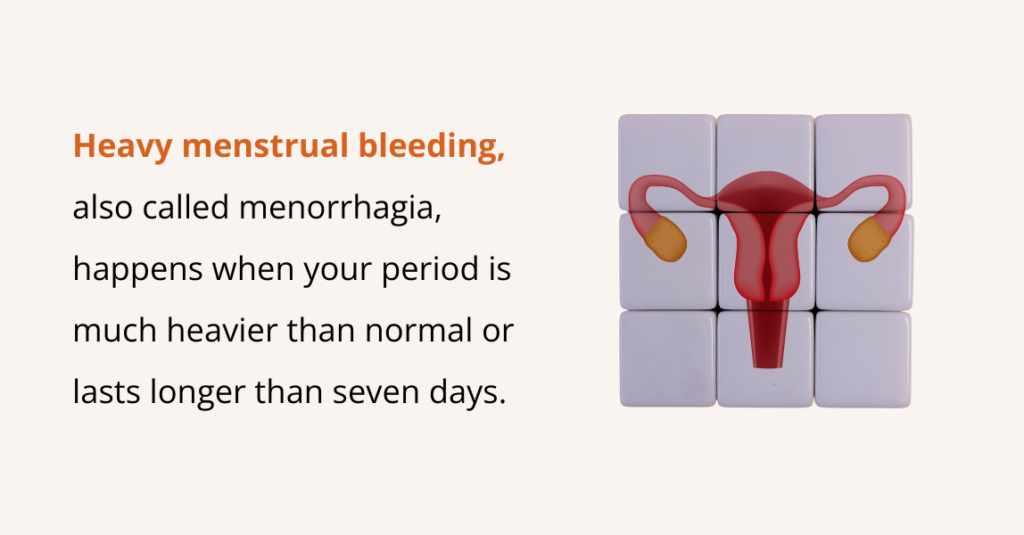
    Heavy menstrual bleeding, also called menorrhagia, happens when your period is much heavier than normal or lasts longer than seven days.

    If heavy or prolonged bleeding isn’t treated, it can start to affect your everyday life and make it hard to do normal activities. It can also lead to anemia, a common blood condition that may cause fatigue, weakness, or low energy.

    Also, constantly layering pads, worrying about leaks, and staying home because of heavy bleeding can feel exhausting and overwhelming.

    In some cases, ongoing heavy bleeding may be linked to other underlying health problems that need medical care.

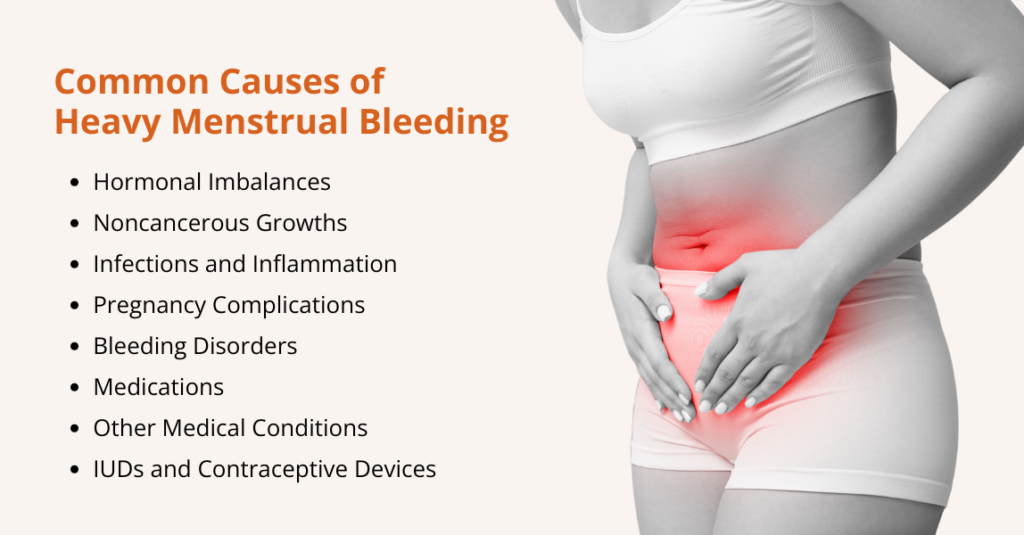
    Common Causes of Heavy Menstrual Bleeding

    Menorrhagia can stem from multiple factors; sometimes the cause is unknown. Common categories include:

    Hormonal Imbalances

    Estrogen and progesterone control the uterine lining. Imbalances from obesity, insulin resistance, thyroid disease, or polycystic ovary syndrome (PCOS) can thicken the lining and lead to heavy bleeding. Anovulation (when the ovaries don’t release an egg) is another cause.

    Noncancerous Growths

    Uterine fibroids (benign muscle tumors), polyps, and adenomyosis (endometrial tissue growing into the uterine muscle) increase blood loss. Fibroids can distort the uterus and cause sudden gushes of blood during periods.

    Infections and Inflammation

    Sex ually transmitted infections such as trichomoniasis, gonorrhea, and chlamydia, or chronic endometritis, can trigger heavy bleeding.

    Pregnancy Complications

    Miscarriage, ectopic pregnancy, or a cesarean scar (“C‑section niche”) may present as unexpected heavy bleeding.

    Bleeding Disorders

    Von Willebrand disease, platelet function disorders, and other genetic bleeding disorders impair clotting. These often go undiagnosed but should be considered when menstrual bleeding is severe.

    Medications

    Blood thinners (e.g., warfarin, apixaban, rivaroxaban), aspirin, and certain hormonal therapies can increase blood flow.

    Other Medical Conditions

    Liver, kidney, and thyroid problems, pelvic inflammatory disease, leukemia, and certain cancers (uterine or cervical) are linked with heavy bleeding. Obesity and approaching menopause are risk factors.

    IUDs and Contraceptive Devices

    Hormone‑free intrauterine devices may cause heavier periods. Forgotten IUDs or implants can cause abnormal bleeding.

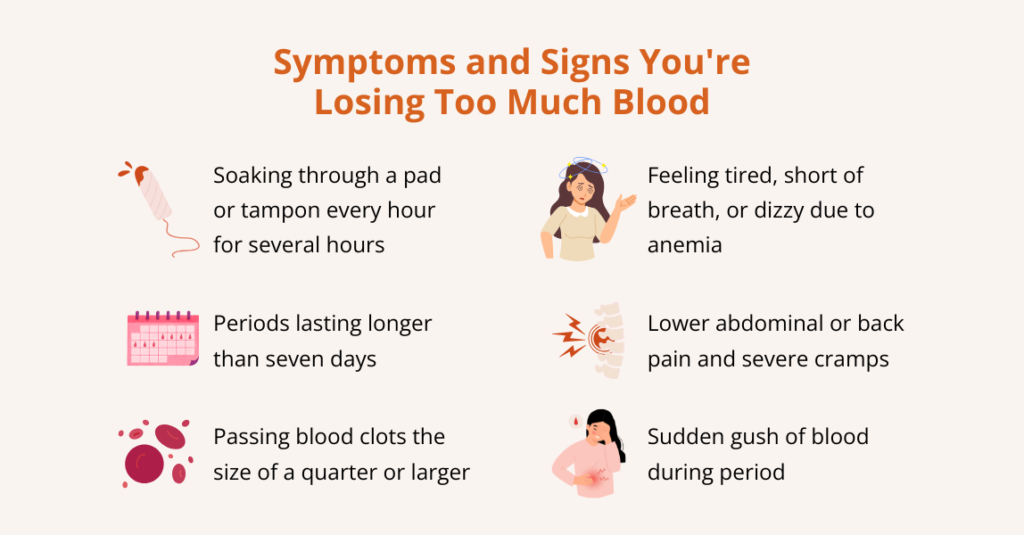
    Symptoms and Signs You’re Losing Too Much Blood

    Heavy menstrual bleeding can interfere with daily life and cause anemia. Warning signs include:

    • Soaking through a pad or tampon every hour for several hours, needing double protection, or changing pads at night.
    • Periods lasting longer than seven days. Some people report a period lasting two weeks or more.
    • Passing blood clots the size of a quarter or larger. Clots suggest that blood is pooling and clotting in the uterus.
    • Feeling tired, short of breath, or dizzy due to anemia. Iron deficiency can cause fatigue and palpitations.
    • Lower abdominal or back pain and severe cramps.
    • Sudden gush of blood during period that drenches clothes or bedding; this can be frightening and may suggest fibroids or endometrial polyps.

    If you bleed through two or more pads or tampons each hour for two or three hours, you should seek immediate medical care.

    Diagnosis: How Doctors Evaluate Heavy Menstrual Bleeding

    Doctors evaluate heavy period bleeding using a step-by-step approach to understand symptoms and identify the underlying cause.

    This process typically includes a detailed medical history, a physical and pelvic examination, and, when indicated, diagnostic tests.

    Patient History & Physical Exam

    The evaluation begins with a close review of the patient’s symptoms and the impact of heavy bleeding on daily life. Key areas include:

    Menstrual History

    The provider will ask about the age of the first period, cycle length and regularity, how long bleeding lasts, and how heavy the flow feels. Patients may be asked to keep a period diary, or track pad, or a tampon use to help estimate blood loss.

    Symptom Review

    Doctors look for clear signs of HMB, such as soaking through pads or tampons every hour for several hours, passing large blood clots (quarter-sized or larger), needing to change menstrual products during the night, or symptoms of anemia such as fatigue or shortness of breath.

    Medical and Family History

    The provider will review current health conditions (such as thyroid or liver problems), medications (including blood thinners), and any personal or family history of bleeding disorders or gynecologic cancers.

    Physical Examination

    This usually includes a general exam to check for signs of anemia and a pelvic exam to look for structural issues like fibroids or polyps, as well as signs of infection or other abnormalities.

    Diagnostic Tests

    A pelvic ultrasound is the most common test used by healthcare providers to evaluate menorrhagia.

    Based on the initial assessment, doctors may order one or more tests. Common diagnostic tests may include:

    • Blood tests to check for anemia, clotting problems, or thyroid disorders
    • A transvaginal ultrasound is used to closely examine the organs and tissues in the pelvis
    • Magnetic resonance imaging (MRI) is used if an ultrasound does not provide enough detail about the uterus
    • Pap smear to examine cervical cells for abnormal changes that could suggest cancer
    • Cervical culture to test for infection
    • Endometrial biopsy to analyze uterine tissue for cancer or other abnormalities

    Additional procedures that may help identify the cause include:

    • Sonohysterogram (saline-infusion sonography): A test in which saline is placed in the uterus to give a clearer view of the uterine lining and detect abnormalities.
    • Hysteroscopy: A procedure that allows the provider to look directly inside the vagina, cervix, and uterus to identify polyps, fibroids, or other abnormal tissue. In some cases, growths causing heavy bleeding can be removed during this procedure.

    Treatments for Heavy Menstrual Bleeding

    Treatment depends on the cause, severity, age, overall health, fertility goals, and personal preferences. Options range from lifestyle adjustments and supplements to medication and surgery.

    In some cases, menorrhagia may improve on its own without treatment. This is more likely when heavy bleeding is caused by mild hormonal changes or factors such as being overweight. For some individuals, menstrual bleeding may become lighter after achieving a healthier weight.

    It’s important to discuss your symptoms, overall health, and treatment goals with your healthcare provider.

    Home Remedies and Lifestyle Changes

    Some people seek ways to stop menstrual bleeding immediately or ask how to slow down period flow. While there is no “quick fix,” you may try these supportive measures:

    1. Stay Hydrated and Rest: Drink extra water to maintain blood volume and rest when needed.
    2. Cold Compress: Placing a cold pack on the lower abdomen may constrict blood vessels and temporarily reduce bleeding.
    3. Elevate Legs: Raising the legs while lying down can ease blood flow back to the heart.
    4. Avoid Aspirin: Choose ibuprofen or naproxen instead (if safe for you) because aspirin can increase bleeding.
    5. Discuss TENS (transcutaneous electrical nerve stimulation: Some find relief from cramps with TENS units.

    If heavy bleeding continues beyond seven days, see a healthcare provider.

    Medications to Treat Heavy Menstrual Bleeding

    Healthcare providers usually try medications first before recommending surgical treatment. Depending on the cause and severity of your symptoms, treatment options may include:

    • Iron supplements help restore low iron levels and treat or prevent anemia.
    • Nonsteroidal anti-inflammatory drugs (NSAIDs), such as ibuprofen or aspirin, can be used to reduce menstrual cramps and help lessen blood loss.
    • Birth control methods (including pills, patches, vaginal rings, and hormonal IUDs) are used to regulate menstrual cycles and reduce heavy bleeding.
    • Hormone replacement therapy (HRT) to balance estrogen and progesterone levels and reduce heavy flow; this option is often used during perimenopause and should be discussed carefully due to potential risks.
    • Gonadotropin-releasing hormone (GnRH) agonists or antagonists are used to reduce or stop menstrual bleeding temporarily.
    • Desmopressin nasal spray (Stimate®) to control bleeding in people with von Willebrand disease by improving blood clotting.
    • Antifibrinolytic medications, such as tranexamic acid, help prevent blood clots from breaking down and reduce excessive bleeding.

    Your healthcare provider can help determine which medication is most appropriate based on the cause of your heavy periods, overall health, and treatment goals.

    Minimally Invasive Procedures for Heavy Menstrual Bleeding

    When medications do not provide enough relief, healthcare providers may recommend procedures to control heavy menstrual bleeding.

    The choice depends on the cause of bleeding, symptom severity, and whether a future pregnancy is desired.

    Hysteroscopy

    This procedure allows the provider to look directly inside the uterus using a thin, lighted instrument. It is commonly used to identify and remove polyps or small fibroids located within the uterine cavity that may be causing heavy bleeding.

    Dilation and Curettage (D&C)

    During a D&C, the cervix is gently opened, and part of the uterine lining is removed. This can help reduce heavy bleeding and may also be used to diagnose underlying causes, such as abnormal tissue growth or complications related to pregnancy, including miscarriage.

    Myomectomy

    A myomectomy involves the surgical removal of uterine fibroids while preserving the uterus. This option is often recommended for people who wish to maintain fertility but need treatment for fibroids that cause heavy or painful periods.

    Uterine Fibroid Embolization (UFE)

    UFE is a minimally invasive procedure that blocks the blood supply to fibroids, causing them to shrink over time. As fibroids decrease in size, menstrual bleeding and related symptoms often improve.

    Endometrial Ablation or Resection

    These procedures destroy or remove all or part of the uterine lining using heat, lasers, freezing, or electrical energy. They can significantly reduce or stop menstrual bleeding. However, they are not recommended for people who plan to become pregnant, as the uterus may no longer support a healthy pregnancy.

    Hysterectomy

    A hysterectomy is the surgical removal of the uterus and is considered a permanent solution for heavy menstrual bleeding. It completely ends menstruation and fertility and is usually reserved for severe cases or when other treatments have not worked.

    Frequently Asked Questions (FAQs)

    How heavy is too heavy for a period?

    A period is generally considered “too heavy” when the amount of bleeding is more than what’s typical and starts to interfere with your life or health. In a typical menstrual cycle, most people lose about 2–3 tablespoons (30–40 mL) of blood over several days. Heavy menstrual bleeding (menorrhagia) is often defined as losing more than about 80 mL (roughly 5–6 tablespoons) of blood during a period, although exact measurement is hard to do in everyday life.

    Why is my period so heavy this month?

    Your period may be heavier than usual this month due to short-term hormone changes, stress, recent weight changes, or shifts in birth control. Other common causes include uterine conditions like fibroids or polyps, thyroid problems, perimenopause, certain medications (such as blood thinners), or pregnancy-related issues like an early miscarriage. Sometimes, a single heavy period occurs without a serious cause, but if the bleeding is very heavy, lasts more than 7 days, or affects your daily life, it’s important to consult a healthcare provider.

    Why am I bleeding so much on my period?

    Excessive bleeding (menorrhagia) can result from hormone imbalances, uterine growths, pregnancy issues, bleeding disorders, or medications. Only a healthcare provider can determine the exact cause through history and testing.

    When to go to the emergency for heavy menstrual bleeding?

    Go to the emergency room for heavy menstrual bleeding if you soak two or more pads or tampons per hour for several hours, pass large clots continuously, feel faint, or have trouble breathing. Heavy bleeding with severe pain or suspected pregnancy complications also warrants urgent medical attention.

    How to stop menstrual bleeding after 7 days?

    To stop menstrual bleeding that lasts more than 7 days, medical treatments like hormonal birth control (pills, IUD, or implant), NSAIDs, or tranexamic acid are most effective. Lifestyle measures, managing stress, staying hydrated, eating a balanced diet, and gentle exercise, may also help. However, prolonged bleeding should always be evaluated by a doctor to check for underlying health issues.

    How to stop heavy menstrual bleeding with clots?

    To stop heavy menstrual bleeding with clots, medical treatments are usually the most effective. Options include hormonal therapy such as birth control pills, IUDs, or high-dose progesterone, and tranexamic acid, which helps stabilize blood clots. NSAIDs like ibuprofen can reduce bleeding and relieve cramps. Lifestyle measures,  such as staying hydrated, managing stress, engaging in gentle exercise, and using appropriate menstrual products, can also help. However, if bleeding soaks a pad or tampon every hour, passes very large clots, lasts more than 7 days, or causes dizziness, fainting, or rapid heartbeat, it’s important to seek medical care immediately to rule out serious underlying issues and receive urgent treatment.

    Conclusion

    Heavy menstrual bleeding, or menorrhagia, is more than just an inconvenient period; it’s your body’s way of signaling that something may need attention.

    Causes can range from hormonal changes, fibroids or polyps, thyroid issues, pregnancy-related complications, to certain bleeding disorders.

    It’s important to recognize the warning signs: soaking through pads or tampons every hour, bleeding for more than seven days, passing large clots, or feeling unusually tired or weak.

    These symptoms are not something you have to just “live with.” A careful medical evaluation can help pinpoint the cause and guide the best treatment for you.

    Treatment options vary depending on your needs and may include lifestyle changes, iron supplements, NSAIDs, hormonal therapies, minimally invasive procedures, or, in rare cases, surgery.

    Most importantly, caring for yourself means seeking help without hesitation; you deserve to live your life fully without being held back by heavy periods.

  • Knee Pain: Its Causes, Diagnosis, Treatment, & Prevention

    Knee Pain: Its Causes, Diagnosis, Treatment, & Prevention

    Knee pain can quietly creep into your life or arrive in a single sudden moment, the twinge that stops you on the stairs, the ache that makes you skip a walk with a friend, or the sharp pain after a fall.

    Essentially, it is discomfort experienced in or around the knee, the largest joint in the body that bears your weight and allows movement such as bending, walking, and climbing.

    No matter how it appears, it’s more than a physical problem: it can frustrate your daily routine, steal small joys, and leave you worried about what’s next.

    This discomfort often arises from injuries, overuse, inflammation, arthritis, or other underlying conditions, and it can range from mild soreness to severe, debilitating pain.

    Fortunately, there are several ways to manage knee pain, depending on its cause.

    For example, home remedies such as rest, ice, and over-the-counter pain relief can help in the short term, while physical therapy and exercises strengthen the joint for longer-term improvement.

    Additionally, non-surgical treatments such as injections or minimally invasive procedures provide targeted relief, and in some cases, surgery may be necessary when other methods aren’t enough.

    In this post, we will explore what knee pain is, its causes, diagnosis, and treatment options, so you can understand your condition and take the right steps toward relief.

    What is Knee Pain?

    what is a knee pain

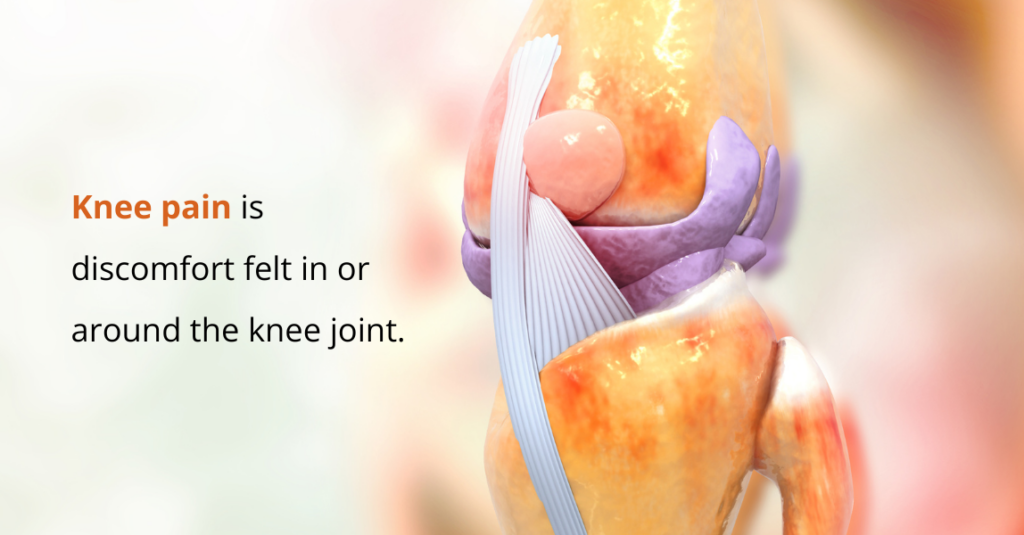
    Knee pain is discomfort felt in or around the knee joint, the largest joint in the body. Where you feel the pain can often give clues about what’s causing it.

    Your knee is a joint, the place where two bones meet. It connects your thigh bone (femur) to your lower leg bone (shin or tibia). This joint plays a major role in movement, balance, and weight support.

    The knee is the largest joint in the body and absorbs a lot of stress when you walk, run, bend, or climb stairs. Because of this, it’s one of the most commonly injured joints. Knee pain can be short-term and temporary, or it can become a long-term (chronic) condition.

    Some people notice pain when moving, bending, or putting weight on the knee, while others feel relief when resting. Pain may also vary throughout the day, often worse in the morning, at night, or after physical activity.

    What are the Causes of Knee Pain?

    what are the causes of a knee pain

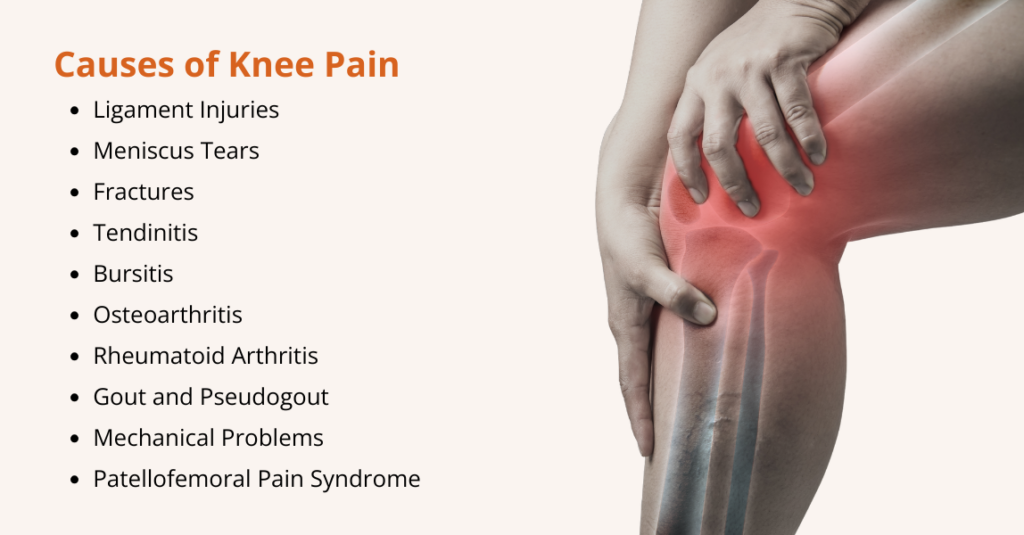
    Knee pain can come from many different problems. Sometimes it’s due to an injury from a fall, twist, or sports activity. At other times, it develops over time due to wear and tear, inflammation, or other medical conditions.

    Here are the main causes of knee pain:

    • Ligament Injuries

    Tears or sprains of ligaments such as the ACL, PCL, MCL, or LCL often occur with sudden twists, stops, or impacts. They can cause pain, swelling, and instability.

    • Meniscus Tears

    The meniscus is cartilage that cushions the knee. A tear often from twisting the knee while bearing weight can lead to pain, stiffness, and difficulty moving.

    • Fractures

    A fracture of the kneecap or nearby bones can result from falls, collisions, or other trauma. This causes sharp pain and usually needs prompt care.

    • Tendinitis

    Overuse of the tendons around the knee (especially the patellar tendon) can cause inflammation. This common condition, known as “jumper’s knee,” causes pain during activity.

    • Bursitis

    The bursae are small fluid-filled sacs that cushion the knee. When they become irritated or inflamed, they cause pain and swelling, especially with pressure or movement.

    • Osteoarthritis

    This “wear-and-tear” arthritis happens when the protective cartilage of the knee wears down over time, leading to pain, stiffness, and swelling.

    • Rheumatoid Arthritis

    An autoimmune condition in which the body’s immune system attacks the joints, causing inflammation, pain, and potentially long-term damage.

    • Gout and Pseudogout

    These are caused by tiny crystals forming in the joint, which can trigger sudden and severe pain, redness, and swelling.

    • Mechanical Problems

    Issues such as a dislocated kneecap, a loose piece of bone/cartilage floating in the joint, or irritation of the iliotibial (IT) band can all trigger pain by affecting knee mechanics.

    • Patellofemoral Pain Syndrome

    Pain around or under the kneecap, common among athletes and active individuals, often results from misalignment, overuse, or muscle imbalance.

    How to Diagnose Knee Pain?

    how to diagnose a knee pain

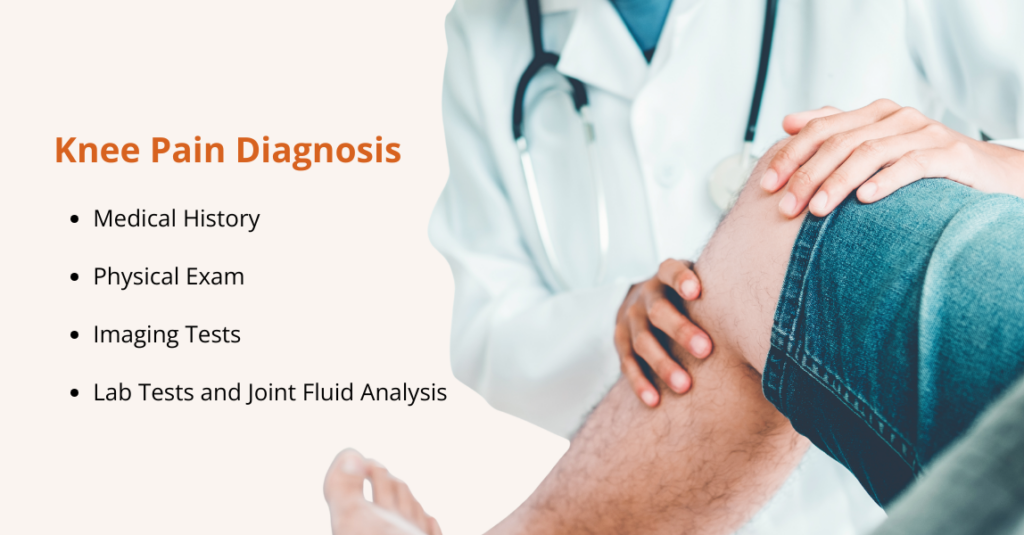
    To diagnose knee pain, health care providers combine your medical history, a physical exam, and, if needed, special tests or imaging to see inside the joint.

    Medical History

    Your doctor or clinician will ask questions about:

    • When the pain started and how it began (suddenly or gradually)
    • What movements make it worse or better
    • Any recent injuries or activities that could have caused strain
    • Other symptoms like swelling, stiffness, or instability

    Physical Exam

    During the exam, your provider will:

    • Look at your knee for swelling, bruising, warmth, or tenderness
    • Check how far you can bend and straighten the knee
    • Move your knee in different directions to test stability
    • Feel for pain or weakness in specific areas

    These tests help identify which structures (ligaments, tendons, cartilage, bones) might be involved.

    Imaging Tests

    Imaging helps doctors see inside the knee when the physical exam isn’t enough or the pain is severe:

    • X-ray: First and most common test. It shows bone fractures, joint space narrowing (arthritis), and bone alignment problems.
    • MRI (Magnetic Resonance Imaging): It provides detailed images of soft tissues, including ligaments, tendons, cartilage, and menisci. It’s very useful when a tear or soft tissue injury is suspected.
    • CT Scan: Provides detailed bone images and may be used when X-rays are unclear or when fractures are difficult to visualize.
    • Ultrasound: Uses sound waves to view soft tissues and see fluid or tendon injuries in real time.
    • Bone Scan or Arthroscopy: Sometimes used in special cases to find bone activity or to directly look inside the joint with a camera.

    Lab Tests and Joint Fluid Analysis

    If the doctor suspects infection, inflammation, or arthritis, they may order:

    • Blood tests (e.g., inflammation markers or autoimmune markers)
    • Joint aspiration: Removing a small amount of fluid from the knee with a needle to check for infection, crystals (like in gout), or inflammation.

    Your clinician will combine information from your history, exam, and test results to make a diagnosis.

    What are the Treatments for Knee Pain Relief?

    how to treat a knee pain

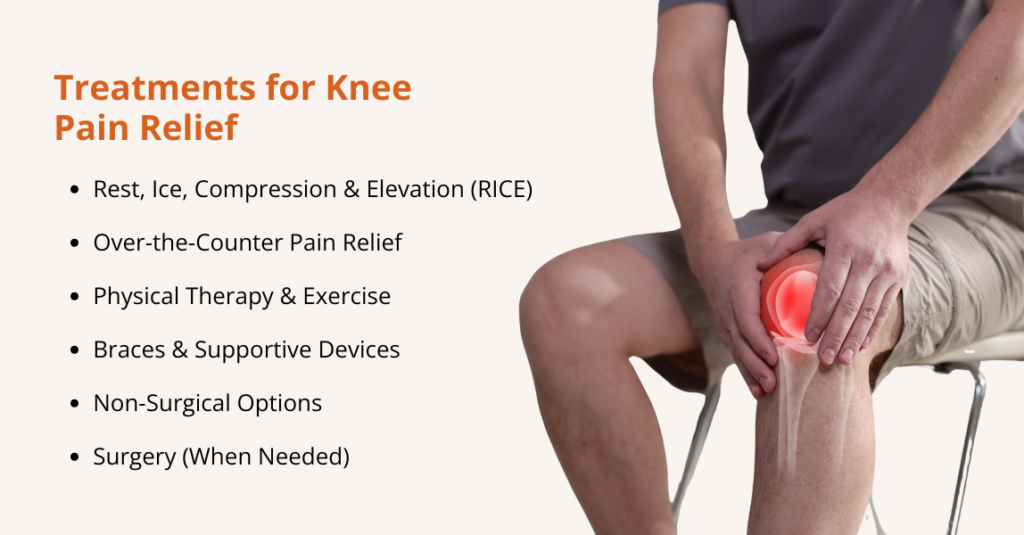
    Knee pain treatment usually involves a combination of therapies and, when necessary, surgery. The best approach depends on the cause of the pain, its severity, and the patient’s individual needs and goals.

    Rest, Ice, Compression & Elevation (RICE)

    These simple steps help reduce pain, swelling, and stiffness—especially right after an injury.

    • Rest: Take a break from activities that hurt.
    • Ice: Apply a cold pack wrapped in a towel to reduce swelling and numb pain.
    • Compression: Wrap the knee with a bandage to limit fluid buildup.
    • Elevation: Raise the leg on pillows to facilitate drainage away from the knee.

    Over-the-Counter Pain Relief

    Over-the-counter pain medications can help manage knee pain. NSAIDs (like ibuprofen or naproxen) reduce pain and, at higher doses, inflammation, but should be used with caution if you have stomach ulcers, bleeding disorders, or certain kidney conditions.

    Moreover, topical treatments such as gels or creams containing menthol or capsaicin can provide local pain relief. For more severe pain, doctors may recommend prescription-strength medications.

    Physical Therapy & Exercise

    A physical therapist can show you exercises to:

    • Strengthen the muscles around your knee
    • Improve flexibility and balance
    • Reduce stress on the joint

    Regular physical activity, such as walking, swimming, cycling, tai chi, or yoga, can also help with long‑term knee pain and improve mobility.

    Braces & Supportive Devices

    Knee braces, sleeves, or shoe inserts can:

    • Help stabilize the knee joint
    • Reduce strain during activities
    • Improve alignment and comfort

    These are often used alongside exercise or therapy.

    Non-Surgical Options

    There are non-surgical options for managing knee pain that provide relief without surgery.

    • Genicular Artery Embolization (GAE): GAE is a minimally invasive procedure performed by an interventional radiologist. Tiny particles are used to block blood flow to inflamed areas around the knee, thereby reducing chronic pain, particularly in osteoarthritis.
    • Intra-Articular Injections: Intra-articular injections deliver medications, such as corticosteroids, hyaluronic acid, or platelet-rich plasma, directly into the knee joint. These injections help reduce inflammation, improve joint lubrication, and relieve pain.

    Surgery (When Needed)

    If conservative treatments don’t help and the pain is disabling, surgery may be considered:

    • Arthroscopy: Small repairs inside the knee
    • Partial or total knee replacement: Replaces damaged joint surfaces
    • Osteotomy: Realigns bones to take pressure off worn areas

    These options are usually for severe injuries, advanced arthritis, or cases that limit daily activities.

    How to Prevent Knee Pain?

    Keeping your knees healthy is mostly about smart movement, good habits, and a few common-sense safety steps. Try these practical tips to lower your risk of injury and long-term pain:

    • Warm up and cool down: Spend 5–10 minutes warming up (light walking, gentle movement) before exercise and cool down with slow walking and stretching afterward to protect muscles and joints.
    • Build strength and flexibility: Perform regular exercises targeting the quadriceps, hamstrings, hips, and core, and incorporate gentle stretching or mobility exercises.
    • Increase activity gradually: Raise intensity, distance, or weight slowly, and don’t jump into a harder routine overnight.
    • Choose low-impact options: Swap high-impact activities (sprinting, repetitive jumping) for cycling, swimming, or elliptical workouts when possible to reduce joint stress.
    • Use proper technique and gear: Learn correct form for sports and lifting. Wear supportive shoes and use protective equipment (e.g., knee pads, braces) as appropriate.
    • Listen to your body: If your knee hurts during or after activity, stop, rest, and consult a professional before continuing.
    • Manage weight and overall health: Keeping a healthy weight reduces pressure on the knees. Control chronic conditions (like diabetes or arthritis) that can affect joint health.
    • Make your home safer: Remove tripping hazards, use stable step stools (not chairs), install handrails where needed, and use a cane or walker if you’re at risk of falling.

    Small, consistent choices add up, protecting your knees today helps keep you active and pain-free tomorrow.

    Frequently Asked Questions (FAQs)

    Why do I have knee pain?

    Knee pain can result from many causes, ranging from injuries to long-term joint conditions. Common causes include:

    • Injuries: Sprains, ligament tears (like ACL or MCL), meniscus tears, or fractures can cause sudden pain, swelling, or instability.
    • Arthritis: Osteoarthritis or rheumatoid arthritis gradually wears down the joint, leading to chronic pain, stiffness, and swelling.
    • Overuse: Repetitive activities such as running, jumping, or kneeling can strain the muscles, tendons, and ligaments around the knee.
    • Inflammation: Conditions such as bursitis or tendinitis can irritate the tissues surrounding the knee.
    • Mechanical issues: Problems such as a dislocated kneecap, loose cartilage, or alignment problems can cause pain during movement.

    Your knee may also be affected by a combination of these factors. Understanding the cause is important for choosing the right treatment, from rest and physical therapy to medications, injections, or minimally invasive procedures.

    What is the fastest way to relieve knee pain?

    While long-term relief depends on treating the underlying cause, you can ease knee pain quickly using these methods:

    • Rest the Knee: Avoid activities that worsen pain or put weight on the joint. Short-term rest reduces strain.
    • Ice Therapy: Apply a cold pack for 15–20 minutes several times a day to reduce pain and swelling.
    • Compression: Use an elastic bandage or knee sleeve to support the joint and limit swelling.
    • Elevation: Raise your leg on pillows so the knee is above heart level to help fluid drain away.
    • Over-the-Counter Pain Relievers: NSAIDs (such as ibuprofen or naproxen) quickly reduce pain and inflammation. Acetaminophen may be beneficial if inflammation is not the primary issue.
    • Topical Pain Creams: Menthol or capsaicin gels applied to the knee can provide fast local relief.
    • Gentle Movement: Light stretches or walking (if tolerable) can prevent stiffness and maintain circulation.

    What’s the best thing for knee pain?

    The best approach for knee pain combines exercise and physical therapy to strengthen the joint, pain relief with ice or medications, and, if needed, injections or minimally invasive treatments for persistent pain, with surgery as a last resort.

    What can I take for knee pain?

    For knee pain, you can take over-the-counter medications such as NSAIDs (e.g., ibuprofen, naproxen) to reduce pain and inflammation, or acetaminophen for pain relief without anti-inflammatory effects. Topical creams or gels (e.g., menthol or capsaicin) can provide local relief. For persistent pain, doctors may recommend prescription medications or intra-articular injections.

    When should I see a doctor for knee pain?

    Most mild knee pain can improve with rest, home care, and over-the-counter treatments. However, you should consult a healthcare professional if you experience any of the following:

    • Severe or sudden pain that doesn’t improve with rest
    • Swelling, redness, or warmth around the knee
    • Inability to bear weight or move the knee normally
    • Deformity or popping/clicking sounds after an injury
    • Pain that persists for several weeks despite home treatment
    • Fever or signs of infection in the knee
    • Recurring or worsening pain that affects daily activities

    Early evaluation helps prevent complications, ensures accurate diagnosis, and allows for timely treatment.

    Conclusion

    Knee pain can be more than just a physical discomfort. It can disrupt daily life, limit activities you enjoy, and leave you feeling frustrated or worried about the future.

    Understanding why your knee hurts is the first step toward finding relief. Whether it stems from an injury, overuse, arthritis, or inflammation, identifying the cause helps guide the right treatment.

    Simple measures such as rest, ice, and over-the-counter pain relievers can ease discomfort, while physical therapy and targeted exercises can strengthen the joint and improve mobility.

    Non-surgical options, such as injections or minimally invasive procedures, offer relief for persistent pain, and surgery is reserved for cases where other treatments aren’t enough.

    Remember, knee pain doesn’t have to define your life.

    Seeking timely advice, understanding your options, and following a personalized treatment plan can help you regain comfort, restore movement, and return to the activities you love.

    Taking the first step toward care is the start of reclaiming your freedom.

  • Urinary Retention, Causes, Symptoms, Diagnoses, & Treatments

    Urinary Retention, Causes, Symptoms, Diagnoses, & Treatments

    Urinary retention is a condition where the bladder does not empty properly.

    For many people, it starts as a heavy or tight feeling in the lower abdomen. You may feel a strong urge to urinate but struggle to start, strain to pass urine, or release only a small amount even though your bladder still feels full.

    This can be uncomfortable, frustrating, and sometimes painful.

    In some cases, urinary retention happens suddenly and causes severe pain and pressure. In others, it develops slowly over time.

    Because these symptoms can build up gradually, they are sometimes ignored until the discomfort becomes hard to manage.

    Urinary retention can affect both men and women and may be linked to blockages, nerve problems, medications, infections, or recent surgery.

    This guide explains what urinary retention is, its causes, signs, and symptoms, how it is diagnosed, and the treatment options available, so you can better understand what is happening and what steps to take next.

    What is Urinary Retention?

    what is urinary retention

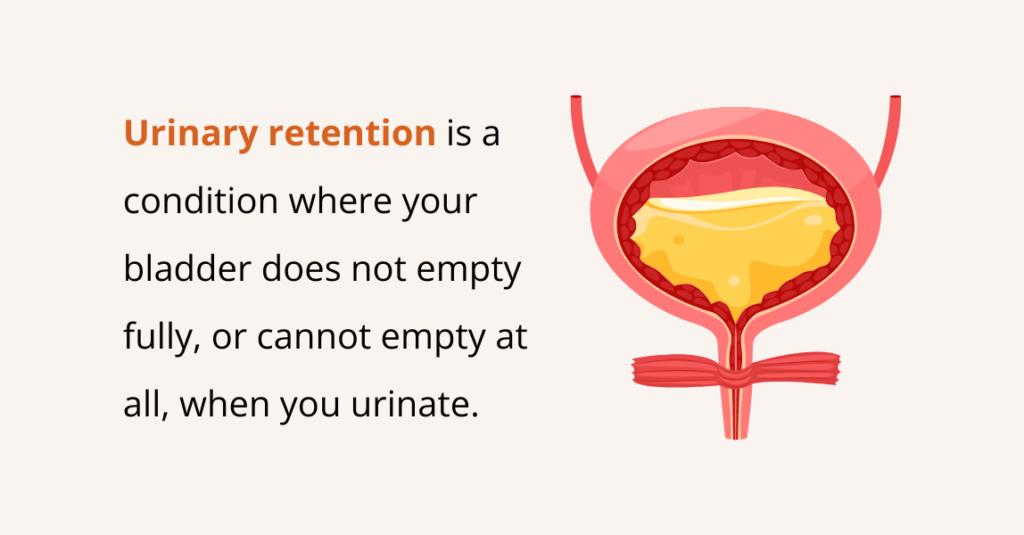
    Urinary retention is a condition where your bladder does not empty fully, or cannot empty at all, when you urinate (pee). This means urine stays trapped inside the bladder instead of flowing out normally.

    Your bladder works like a storage tank. Your kidneys filter waste from your blood and turn it into urine. That urine travels to your bladder, where it is stored until you’re ready to urinate.

    When you pee, the bladder muscles squeeze, and urine flows out through the urethra.

    With urinary retention, this process does not work properly. The bladder may not squeeze properly, the urethra may be blocked, or the nerves may not send the right signals. As a result, urine stays in the bladder, causing pressure, discomfort, and other urinary problems.

    What Causes Urinary Retention?

    Urinary retention can happen for several different reasons. Common causes can include:

    • A blockage in the urine flow
    • Medications that affect the nervous system
    • Nerve problems that stop the brain and the urinary system from communicating
    • Infections or inflammations can block or slow the flow
    • Surgery or anesthesia can cause retention

    While these causes apply to both men and women, the specific reasons for urinary retention often differ by sex due to anatomical differences and common health conditions.

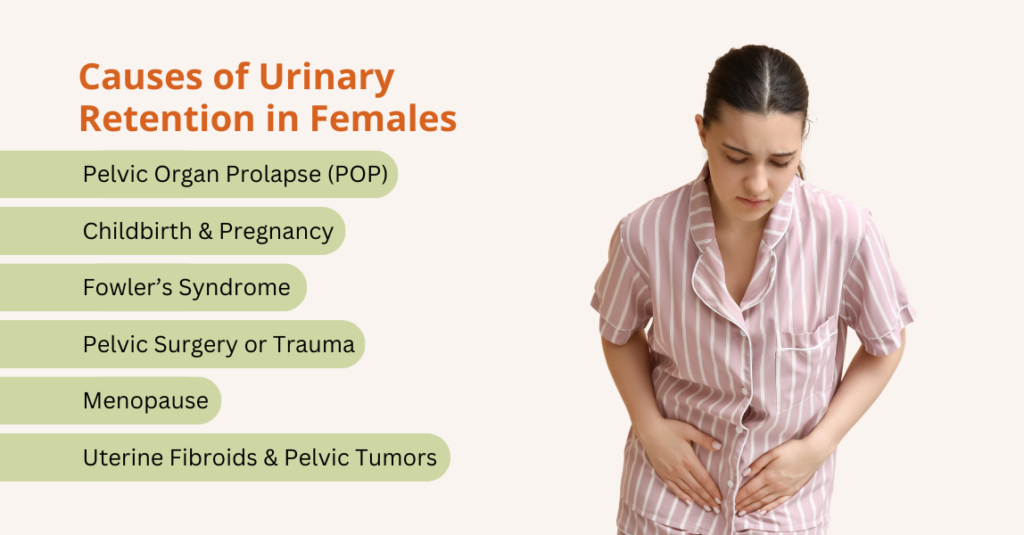
    What are the Causes of Urinary Retention in Females?

    what are the causes of urinary retention in females

    The most common and female-specific causes include:

    Pelvic Organ Prolapse (POP)

    Sometimes the bladder, uterus, or other pelvic organs sag or drop down. When the bladder bulges into the vagina (a cystocele), it can kink the bladder outlet or press on the urethra, making it hard to empty fully.

    Childbirth & Pregnancy

    Pregnancy and vaginal delivery can stretch or injure the pelvic muscles and nerves that help you pee. A very full uterus or an unusual uterus position (like a retroverted uterus) can press on the bladder.

    Epidural anesthesia during labor can also make the bladder less able to squeeze for a short time.

    Fowler’s Syndrome

    A less common problem in younger women is where the ring of muscle around the urethra (the sphincter) doesn’t relax properly. That tightness obstructs urine flow even when the bladder is full.

    Pelvic Surgery or Trauma

    Operations on the pelvis (for example, for urine incontinence or hysterectomy) or injuries can damage nerves or change the shape of pelvic organs. That can weaken bladder control or cause a physical condition that impedes the flow of urine.

    Menopause

    Lower hormone levels after menopause result in thinner, less elastic pelvic tissues. The urethral opening can narrow, and weak tissues can alter the position of the bladder and urethra, which may lead to difficulty emptying.

    Uterine Fibroids and Pelvic Tumors

    Noncancerous growths (fibroids) or other pelvic masses can press on the bladder or urethra. That pressure can partially obstruct urine flow or make it difficult to fully empty the bladder.

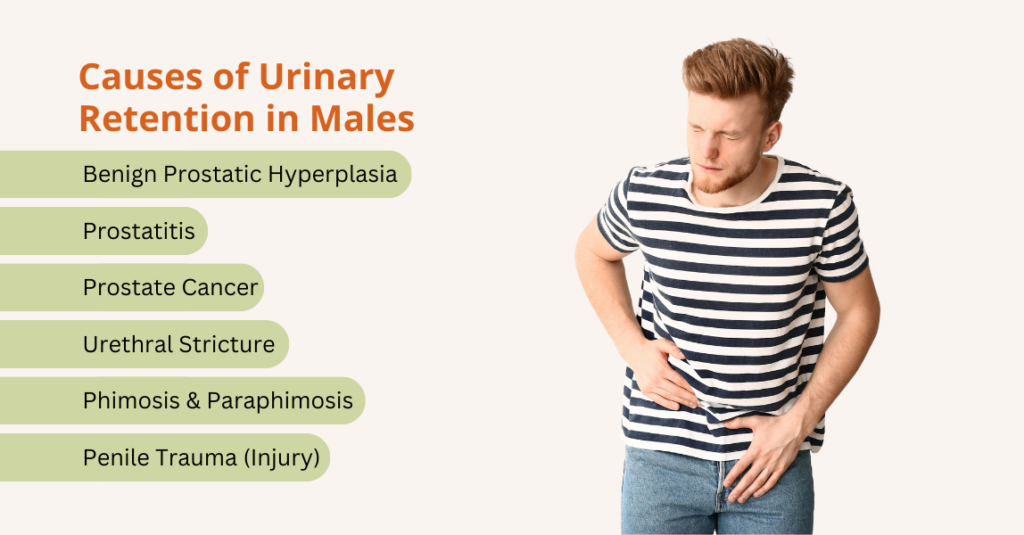
    What are the Causes of Urinary Retention in Males?

    what are the causes of urinary retention in males

    The most common and male-specific causes include:

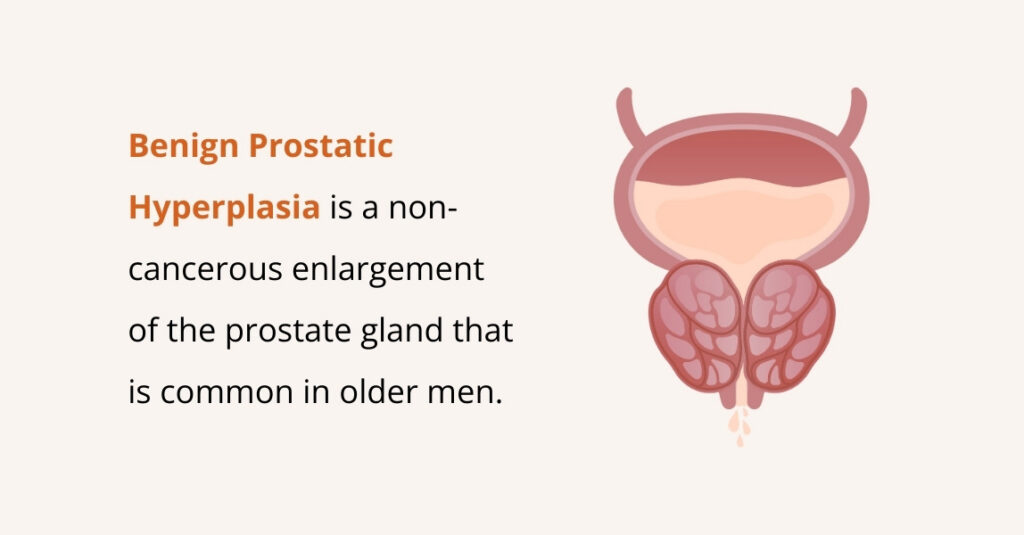
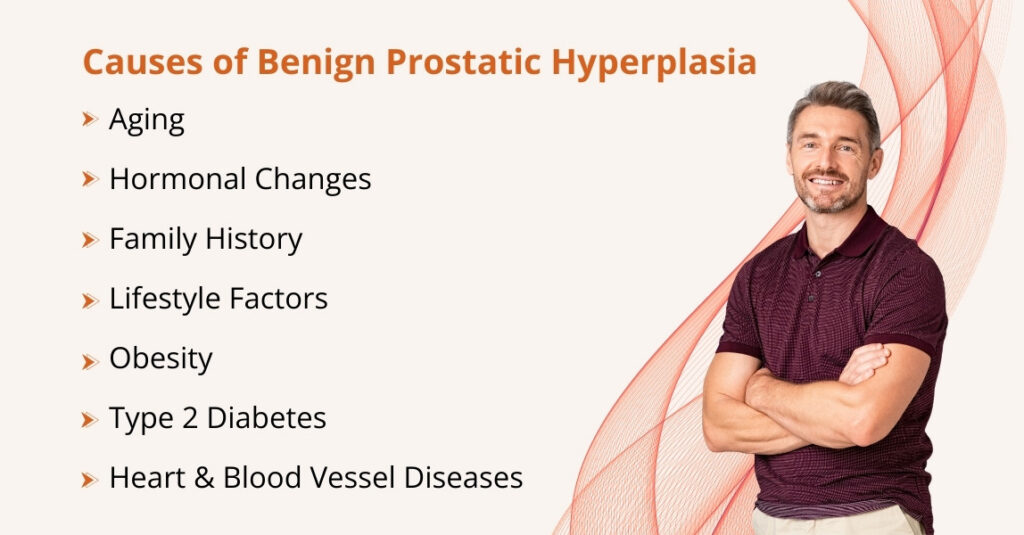
    Benign Prostatic Hyperplasia (BPH)

    As men get older, the prostate gland often becomes enlarged. The prostate sits just below the bladder and surrounds the urethra (the tube that carries urine out of the body). When it enlarges, it can squeeze the urethra, slowing or blocking urine flow.

    Prostatitis

    Prostatitis is inflammation or infection of the prostate. It can cause the prostate to swell suddenly, narrowing the urethra.

    Prostate Cancer

    Prostate cancer can also press on the urethra and block urine flow. Unlike infections, this usually develops slowly over time.

    Urethral Stricture

    A urethral stricture occurs when scar tissue narrows the urethra. This scar tissue can form after injury, surgery, catheterization, or infection (e.g., sexually transmitted infections), restricting urinary flow.

    Phimosis and Paraphimosis

    These conditions affect uncircumcised men.

    • Phimosis happens when the foreskin cannot be pulled back over the tip of the penis, which can trap urine and cause swelling.
    • Paraphimosis occurs when the foreskin is pulled back but cannot return to its normal position, causing painful swelling that can block urine flow.

    Penile Trauma (Injury)

    Injury to the penis, such as from an accident, fall, or sports injury, can cause swelling, bleeding, or damage to the urethra. This swelling or damage can block urine flow and lead to sudden urinary retention.

    What are the Signs and Symptoms of Urinary Retention?

    The symptoms of urinary retention can be different depending on whether it is acute (sudden) or chronic (long-term).

    Some people, especially those with nerve damage, may not feel pain even when the bladder is not emptying properly.

    Acute (Sudden)

    People with acute urinary retention (AUR) may experience:

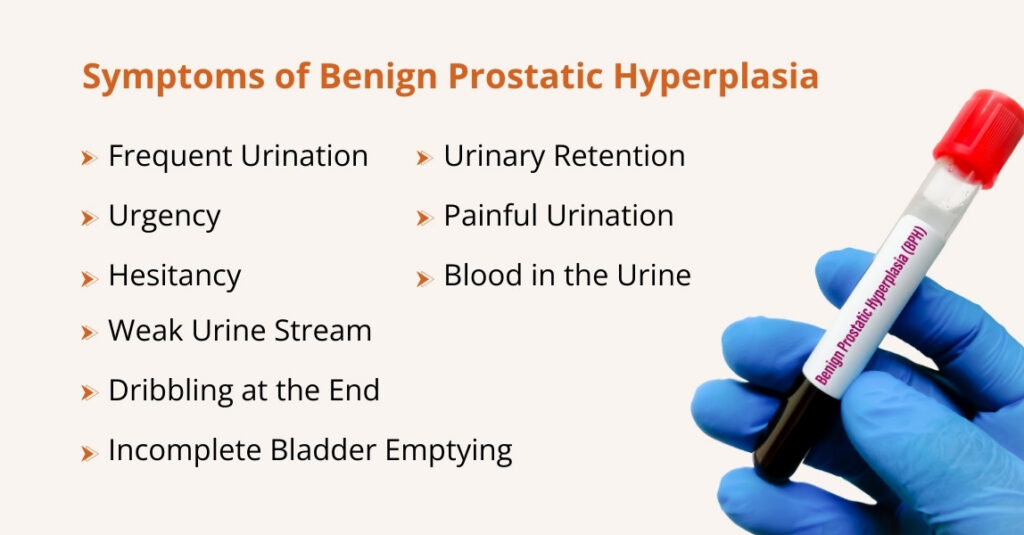
    • Sudden inability to urinate despite a strong urge
    • Severe pressure, pain, or discomfort in the lower abdomen
    • Swelling or bloating in the lower belly
    • Lower back pain

    Chronic (Long-Term)

    Chronic urinary retention (CUR) typically develops gradually and may not cause severe pain initially. People with chronic urinary retention may experience:

    • Trouble starting urine flow
    • A weak or slow urine stream
    • A urine stream that stops and starts
    • A strong urge to urinate, but passing only a small amount
    • Feeling the need to urinate again right after going
    • Frequent trips to the bathroom, including at night
    • Mild, ongoing discomfort in the lower abdomen or urinary tract
    • Leakage of urine during sleep or at rest due to bladder overflow

    ​How is Urinary Retention Diagnosed?

    ​how is urinary retention diagnosed

    Healthcare professionals diagnose urinary retention by reviewing your medical history, performing a physical exam, and measuring how much urine remains in your bladder after you urinate (called a post-void residual).

    Additional lab tests and imaging studies may be ordered to find the exact cause.

    Medical History

    Your health care professional will ask detailed questions about your health and symptoms, including:

    • Urinary symptoms (also called lower urinary tract symptoms)
    • Current and past medical conditions, surgeries, or catheter use
    • Prostate problems (in men)
    • Pregnancy and childbirth history (in women)
    • Over-the-counter and prescription medications
    • Eating and drinking habits
    • Bowel habits

    This information helps identify possible triggers or underlying causes.

    Physical Exam

    A physical exam is done to look for signs of bladder or nerve problems. This may include:

    • Checking your lower abdomen for a full or swollen bladder
    • A rectal exam to examine the prostate (in men)
    • A pelvic exam (in women)
    • A basic neurological exam to assess nerve function

    Post-Void Residual (PVR) Urine Measurement

    A post-void residual test measures how much urine remains in your bladder after you urinate. The leftover urine is called the post-void residual.

    This test is done using:

    • A small catheter is placed briefly into the bladder, or
    • A bladder ultrasound scan
    • A high amount of leftover urine suggests urinary retention.

    Lab Tests

    Your health care professional may order lab tests to look for conditions linked to urinary retention, such as:

    • Urinalysis: Checks for urinary tract infection (UTI), kidney problems, or diabetes
    • Blood tests: Check kidney function and chemical imbalances in the body

    You may be asked to provide a urine sample for testing.

    Imaging Tests

    Imaging tests help identify structural problems or blockages in the urinary tract. These may include:

    • Ultrasound: Uses sound waves to view the bladder, kidneys, and urinary tract
    • Voiding cystourethrogram (VCUG): Uses X-rays to show how urine flows through the bladder and urethra
    • MRI (magnetic resonance imaging): Creates detailed images of the urinary tract and spine
    • CT scan: Provides detailed cross-sectional images of the urinary system

    Urodynamic Testing

    Urodynamic tests check how well the bladder, urethra, and sphincter muscles store and release urine. These tests may include:

    • Uroflowmetry: Measures how much urine you pass and how fast
    • Pressure-flow studies: Measure bladder pressure and urine flow during urination
    • Video urodynamics: Uses images or video to show bladder filling and emptying
    • Cystometry: Measures bladder capacity and pressure as it fills
    • Electromyography: Tests how well nerves and muscles around the bladder work together

    Cystoscopy

    Cystoscopy is a procedure in which a thin, flexible tube with a camera (a cystoscope) is inserted into the urethra to visualize the urethra and bladder. This helps doctors check for:

    • Blockages or narrowing
    • Inflammation or infection
    • Tumors or cancer
    • Structural abnormalities

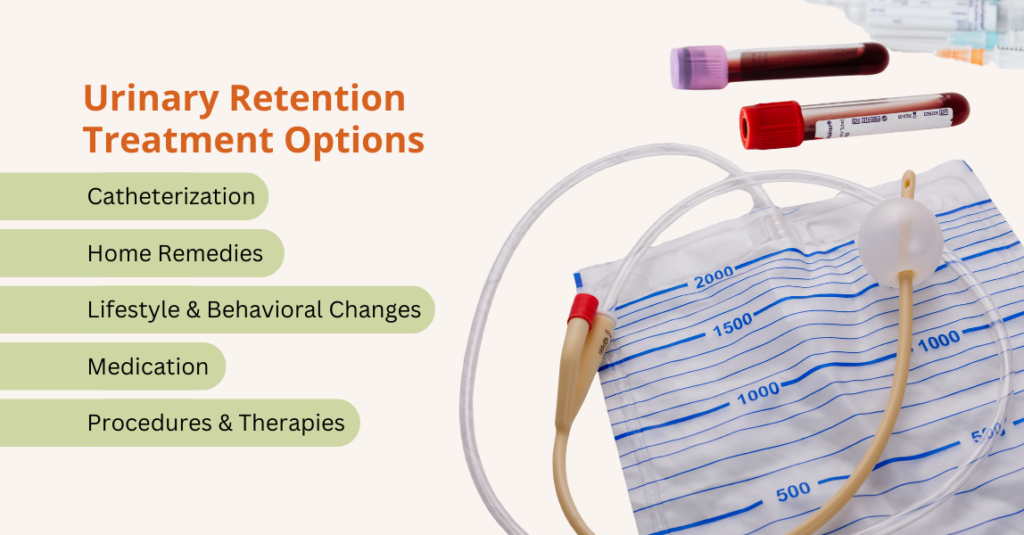
    Urinary Retention Treatment Options

    urinary retention treatment options

    There are several treatment options for urinary retention, including the following:

    Catheterization

    Acute urinary retention is a medical emergency. If you suddenly can’t pee at all, a doctor will quickly drain your bladder. This is usually performed by inserting a thin tube (a catheter) through the urethra into the bladder to allow urine to flow out.

    Draining the bladder relieves pain and prevents damage to your bladder or kidneys. Once the bladder is empty, doctors will treat the cause (for example, an enlarged prostate, a blood clot, or an infection).

    In some cases of long-term (chronic) retention, people learn to use a catheter at home to empty their bladder regularly.

    Home Remedies

    While medical treatment is essential for urinary retention, some gentle at-home tricks can help encourage urination. These are not cures, but they may make it easier to go until you can see a doctor:

    • Warm water and sound: Sit on the toilet and run warm water from the tap. The sound and feel of warm water can sometimes trigger bladder emptying.
    • Warm bath or perineal rinse: A warm sitz bath or rinsing the genital area with warm water can relax pelvic muscles.
    • Body position and relaxation: Lean slightly forward while sitting on the toilet (for women, putting feet on a small stool) and take deep breaths.
    • Walking and gentle movement: Sometimes a short walk or light activity can help stimulate bladder function or relieve constipation, which in turn can facilitate urination.
    • Peppermint oil: Some individuals report that the scent of peppermint oil may facilitate urination.
    • Herbal teas: Teas made from herbs such as dandelion or stinging nettle are sometimes used to relieve bladder symptoms.

    If you still cannot urinate or have severe pain, seek medical help right away. Home tips are intended only for mild cases or for use while waiting for care.

    Lifestyle & Behavioral Changes

    Certain habits and exercises can support treatment and ease symptoms over time. These changes are especially useful for chronic retention or after initial treatment:

    • Bladder training: Go to the toilet at regular times, even if you don’t feel a strong urge. For example, try urinating every 2–4 hours.
    • Double voiding: After you urinate, wait a minute and then try again. This “double peeing” helps make sure your bladder is as empty as possible.
    • Relax on the toilet: Take a moment to relax while seated fully. Breathe deeply and give yourself time. For women, sitting with the knees apart (or even slightly squatting) allows the pelvic muscles to relax more effectively.
    • Fluid management: Drink adequate water during the day, but limit fluids before bedtime to avoid nocturnal retention.
    • Avoid bladder irritants: Cut down on caffeine (coffee, tea, cola), alcohol, and carbonated drinks, as these can irritate the bladder and make retention worse.
    • Go when you need to: Don’t “hold it” when you feel the urge. Responding promptly to the urge to urinate helps prevent bladder overstretching.
    • Manage constipation: Straining during defecation can worsen retention by compressing the bladder or pelvic nerves.
    • Weight and posture: Maintaining a healthy weight and good posture can reduce pressure on pelvic organs. Lifting properly (bending the knees, not the back) can also help prevent problems.

    Making these changes takes time, but they are low-risk ways to help your bladder. Always discuss lifestyle plans with your doctor or nurse.

    Medication

    Your health care provider may prescribe medicines to treat the underlying cause of urinary retention. The type of medication depends on what is preventing your bladder from emptying properly.

    • Enlarged prostate (in men): Medicines such as alpha-blockers help relax the muscles around the prostate and bladder neck, making it easier for urine to flow. 5-alpha reductase inhibitors work by slowly shrinking the prostate, which can reduce blockage over time.
    • Infections: If an infection is causing swelling or blockage, antibiotics are used to clear the infection and relieve urinary retention.

    Medical Procedures

    If medicines and behavior changes aren’t enough, doctors have many procedures and therapies to fix the cause of retention:

    • Cystoscopy and stone removal: A cystoscope is a thin, lighted tube passed into the bladder. It allows the physician to see inside and remove any stones or growths obstructing urine flow.
    • Urethral dilation: If a urethral stricture (scar tissue narrowing the urethra) is the problem, the doctor can stretch or widen the urethra during an office visit.
    • Vaginal pessary (women): In women with pelvic organ prolapse, a pessary is a removable ring placed inside the vagina to hold the bladder up.
    • Pelvic floor therapy: A specialized pelvic-floor therapist can use biofeedback, electrical stimulation, or manual techniques to improve pelvic muscle function.

    Frequently Asked Questions (FAQs)

    Can UTI cause urinary retention?

    Yes, a urinary tract infection (UTI) can cause urinary retention. When the bladder or urethra becomes inflamed or swollen due to infection, it can block or slow the flow of urine. In some cases, the bladder muscles may also become weak or unable to contract properly, making it difficult to empty the bladder completely. Urinary retention and UTIs can also make each other worse: urine left in the bladder provides a place for bacterial growth, increasing the risk of infection. If you experience difficulty urinating along with symptoms of a UTI, such as burning, urgency, or lower abdominal discomfort, it’s essential to seek medical care promptly.

    Can urinary retention be cured?

    Yes, urinary retention can often be cured or well-managed. Treatment usually involves draining the bladder and addressing the underlying cause, which may include an enlarged prostate, infections, or nerve problems. Depending on the cause, doctors may use catheters, medications, pelvic floor therapy, or surgery to restore normal urination, relieve discomfort, and improve bladder function.

    Does constipation cause urinary retention?

    Yes, constipation can contribute to urinary retention. A full rectum can press on the bladder or urethra, making it hard to empty, and straining can weaken pelvic muscles or interfere with the nerves that control urination. This can lead to incomplete bladder emptying and increase the risk of urinary tract infections.

    Can you die from urinary retention?

    Yes, urinary retention can be life-threatening, but usually only if complications develop. When urine stays in the bladder for too long, it can lead to serious infections that may spread to the kidneys or bloodstream, causing sepsis, a dangerous body-wide reaction that can result in organ failure. It can also cause acute kidney damage if the blockage prevents urine from leaving the body.

    What can urinary retention lead to?

    Urinary retention can lead to several complications if it isn’t treated, including:

    • Urinary tract infections (UTIs): Residual urine allows bacteria to grow, increasing the risk of recurrent or severe infections.
    • Bladder damage: A chronically overfilled bladder can stretch and weaken, reducing its ability to contract and empty.
    • Overflow incontinence: The bladder may leak small amounts of urine when it becomes overly full.
    • Urine backup in the kidneys (hydronephrosis): A blockage can cause urine to flow backward into the kidneys, leading to swelling and damage.
    • Acute kidney injury/chronic kidney disease: Severe or prolonged obstruction can impair kidney function.
    • Sepsis (blood infection): A UTI that spreads can lead to life-threatening sepsis, particularly in older adults or immunocompromised individuals.
    • Stones and irritation: Stagnant urine can lead to bladder stones and ongoing irritation or inflammation.
    • Sexual dysfunction & reduced quality of life: Ongoing urinary problems can affect sexual function, sleep, mood, and daily activities.
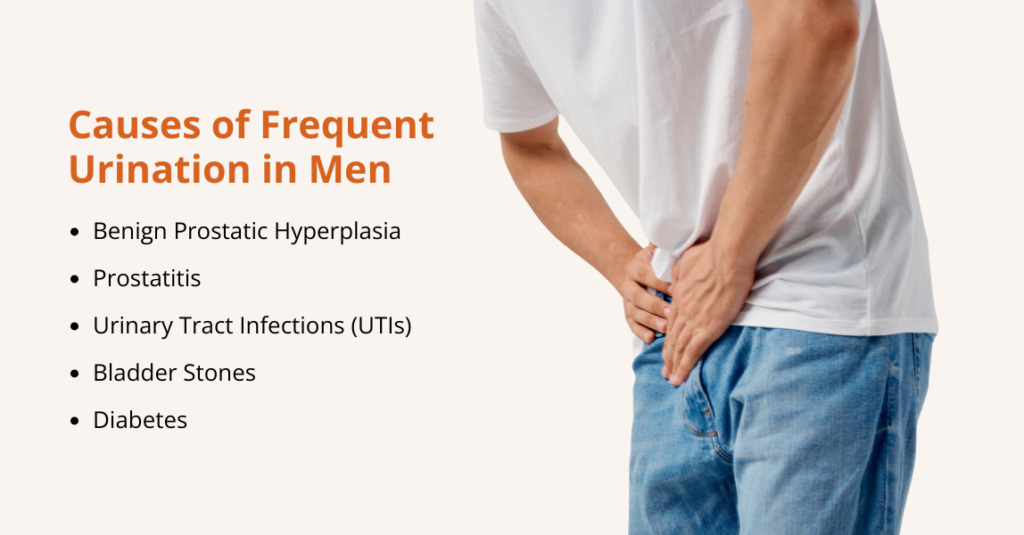
    • Falls or injuries: Nighttime urgency or hurried bathroom trips increase the risk of falls, particularly among older adults.
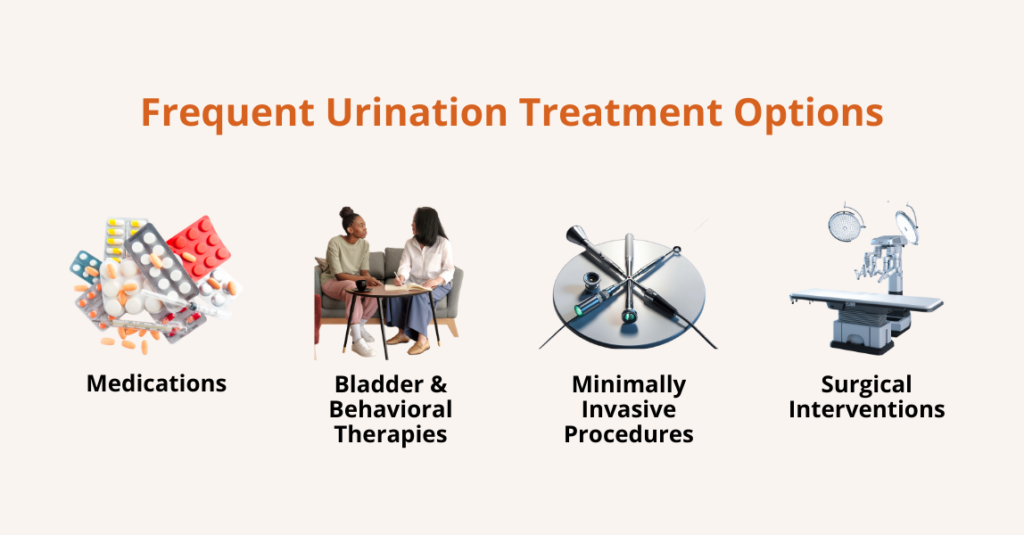
    • When to get urgent care: inability to urinate at all, severe belly pain, fever, chills, confusion, vomiting, fainting, or decreased urine output. These can signal serious complications and need immediate medical attention.
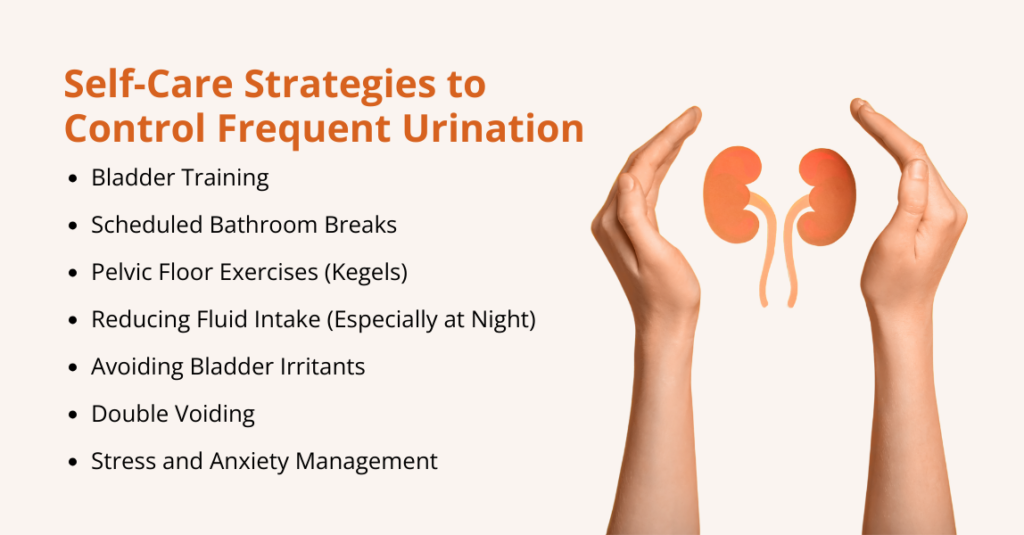
    How long before urinary retention is dangerous?

    If urinary retention is acute (sudden), it becomes dangerous right away, and you should seek emergency care the moment you cannot urinate because immediate bladder drainage is needed to prevent pain and complications. Research shows that obstruction can cause acute kidney injury within hours to days, and the risk of lasting kidney damage rises noticeably after about 48–72 hours of ongoing blockage. Whereas chronic (long-term) retention is less often immediately life-threatening but can slowly cause bladder damage, infections, stones, and kidney problems over weeks to months if not treated.

    How long does post-operative urinary retention last?

    Postoperative urinary retention (POUR) usually improves on its own, with most patients regaining normal urination within a few days to a few weeks after surgery. In some cases, it can last 4–6 weeks, and rarely even longer, depending on the type of surgery, anesthesia used, and individual factors. Retention often resolves as the effects of anesthesia wear off and urinary tract swelling decreases. Still, prolonged cases may require additional interventions, such as catheterization, medications, or further evaluation by a healthcare provider.

    How to prevent urinary retention?

    You can often reduce the risk of urinary retention by addressing factors that compress the bladder, interfere with emptying, or disrupt nerve function. Here’s how:

    • Perform pelvic floor exercises (Kegels) or consult a pelvic floor therapist to maintain muscle function.
    • Avoid constipation by increasing fiber intake, maintaining adequate hydration, exercising, and using gentle laxatives or stool softeners if needed, as a full rectum can press on the bladder.
    • Drink regularly during the day but cut down before bedtime; avoid excess caffeine and alcohol that irritate the bladder.
    • Get UTIs or prostatitis checked and treated promptly so swelling does not block urine flow.
    • Review medicines with your clinician, as some drugs (antihistamines, strong painkillers, decongestants) can cause retention; your doctor may adjust them.
    • Manage prostate and pelvic conditions, follow up for BPH, prolapse, or fibroids, so mechanical blockages are identified and treated.
    • Sit properly, take your time, try “double voiding” (pee, wait a minute, try again), and don’t ignore urges.
    • After surgery, follow post-op care, as early walking, pain control, and close bladder checks reduce the risk of postoperative retention.
    • See your doctor for regular checks if you have diabetes, spinal problems, prior pelvic surgery, or recurrent urinary issues.

    If you start having trouble emptying your bladder, sudden inability to urinate, severe pain, fever, or worsening symptoms, seek medical help right away.

    Doctors who treat acute urinary retention

    Doctors who treat acute urinary retention (AUR) are mainly urologists, specialists in the urinary and reproductive systems, who manage immediate bladder drainage with a catheter and treat the underlying cause through medications or procedures. If you cannot see a urologist immediately, going to the emergency room is essential, where an emergency physician can provide urgent care and relieve the obstruction. Other healthcare professionals, such as nurse practitioners, physician assistants, and pelvic floor physical therapists, may also be involved in ongoing management and rehabilitation to prevent recurrence and improve bladder function.

    Conclusion

    Urinary retention can be uncomfortable, frustrating, and even frightening, especially when you feel a full bladder but cannot urinate.

    This condition is fairly common and can occur suddenly (acute) or develop over time (chronic), with causes ranging from infections, an enlarged prostate, nerve problems, pelvic organ prolapse, to certain medications.

    As a result, symptoms can vary widely, from difficulty starting urination and a weak urine stream to an inability to urinate, lower abdominal pain, or frequent urination.

    To determine the cause, diagnosis typically involves obtaining a detailed medical history, performing a physical examination, performing urinalysis, and, in some cases, using imaging or specialized bladder studies.

    Based on the findings, treatment depends on the severity and underlying cause of the retention. Available options include immediate catheterization, medications, nonsurgical therapies, lifestyle adjustments, and, when necessary, surgical intervention.

    It is important to remember that if you are experiencing urinary difficulties, you are not alone, and medical help is available to restore comfort, improve bladder function, and provide peace of mind.

  • Benign Prostatic Hyperplasia: Causes, Symptoms, & Treatments

    Benign Prostatic Hyperplasia: Causes, Symptoms, & Treatments

    Benign Prostatic Hyperplasia (BPH) is the most common prostate condition affecting men, particularly as they age.

    In the United States, over 50% of men over 50 experience symptoms of BPH, and this number rises to 90% by age 85.

    BPH is closely linked with male lower urinary tract symptoms (LUTS), but it does not raise the risk of prostate cancer or cause sexual dysfunction. However, it can affect quality of life by leading to bothersome and sometimes embarrassing urinary issues.

    While age and genetics play a key role in the development of BPH, emerging research shows that modifiable factors, including hormone levels, obesity, glucose regulation, diet, exercise, and inflammation, also influence its onset and progression.

    Therefore, understanding these risk factors, recognizing early symptoms, and seeking timely diagnosis and treatment can dramatically improve outcomes and quality of life.

    This article provides an overview of BPH, including its causes, symptoms, risk factors, diagnosis, and the latest treatment options, to help patients and caregivers understand how to manage this common condition effectively.

    What is Benign Prostatic Hyperplasia?

    what is benign prostatic hyperplasia

    BPH is the non-cancerous enlargement of the prostate gland, a small walnut-sized organ below the bladder that surrounds the urethra and produces seminal fluid.

    As men age, the prostate can enlarge from the size of a walnut to that of a lemon. In BPH, the prostate undergoes increased cell growth (hyperplasia), especially around the urethra, leading to gland enlargement.

    As it grows, it can compress the urethra and partially block urine flow, causing symptoms such as difficulty starting urination, a weak urine stream, or needing to urinate frequently.

    Who is more likely to have Benign Prostatic Hyperplasia?

    In the United States alone, BPH accounts for millions of healthcare visits each year, reflecting its prevalence among an aging male population.

    Certain risk factors make someone more prone to developing BPH:

    • Age

    Advancing age is the strongest risk factor. BPH is uncommon before 40, but the incidence rises sharply in later decades. The prostate tends to keep growing as men get older, which is why BPH primarily affects middle-aged and older men.

    • Family History (Genetics)

    Men with a family history of BPH, such as a father or brother who had an enlarged prostate, are more likely to develop the condition themselves. Studies have shown that first-degree relatives of BPH patients may have a fourfold increase in risk compared to men with no family history.

    • Diabetes and Heart Disease

    Research shows that chronic health conditions like type 2 diabetes and cardiovascular disease have been linked to a higher likelihood of BPH. Men with diabetes, in particular, have a higher incidence of BPH and often more severe symptoms, possibly due to insulin and growth-factor effects on the prostate.

    • Diet and Obesity

    An unhealthy diet and obesity can increase BPH risk. Research suggests that diets high in fat and red meat are associated with a greater risk of symptomatic BPH, whereas diets rich in vegetables may be protective. Obesity is also correlated with BPH; men who are overweight or who have metabolic syndrome tend to have larger prostate volumes and more symptoms.

    • Localized Inflammation

    Chronic prostatitis or inflammation of the prostate is often found alongside BPH on tissue analysis, and researchers suspect that inflammation may contribute to prostate enlargement. Inflammatory cells in the prostate can release factors that stimulate growth.

    • Metabolic Syndrome

    Related to the above factors, metabolic syndrome (a cluster of conditions including insulin resistance/diabetes, high blood pressure, and high cholesterol) has been linked to BPH.

    Men with metabolic syndrome tend to have larger prostates on average, and those with poor blood sugar control have an increased risk of LUTS.

    This may be due to metabolic syndrome’s association with obesity, inflammation, and hormonal imbalances that also drive prostate growth.

    • Hormone Levels

    Although not a traditional risk factor in the sense of a lifestyle choice, age-related hormonal changes underlie BPH development.

    Research shows that men who have normal testes producing testosterone can develop BPH, whereas men who were castrated or have very low testosterone from a young age do not develop BPH.

    What Causes Benign Prostatic Hyperplasia?

    what are the causes of benign prostatic hyperplasia

    Despite how common BPH is, its exact cause remains unclear. As men grow older, changes in sex hormones, particularly the accumulation of dihydrotestosterone (DHT), can stimulate prostate growth.

    Key factors contributing to BPH:

    • Aging
    • Hormonal changes
    • Family history
    • Lifestyle factors

    Other health conditions, such as obesity, type 2 diabetes, and heart and blood vessel diseases

    What are the Symptoms of Benign Prostatic Hyperplasia?

    what are the symptoms of benign prostatic hyperplasia

    BPH mainly affects urination and can range from mild to severe. As the prostate enlarges, it presses on the urethra and bladder, leading to lower urinary tract symptoms (LUTS) that can disrupt daily life.

    Common BPH symptoms include:

    • Frequent urination: Needing to urinate more often, especially at night (nocturia). Some men go every 1–2 hours.
    • Urgency: A sudden, strong urge to urinate, even when the bladder isn’t full.
    • Difficulty starting urination (hesitancy): Trouble beginning the urine stream, sometimes requiring straining.
    • Weak or interrupted urine stream: A slow or stop-and-start flow due to urethral narrowing.
    • Dribbling at the end: Small drops of urine may continue after finishing.
    • Incomplete bladder emptying: Feeling that the bladder isn’t fully emptied, leading to frequent trips to the bathroom.
    • Urinary retention: In severe cases, partial or complete blockage can make urination difficult or impossible, which is a medical emergency.
    • Painful urination (dysuria): BPH itself usually doesn’t cause burning, but infections or straining can.
    • Blood in the urine (hematuria): Straining or bladder irritation can cause small amounts of blood in the urine; a doctor should check any visible blood.

    Many of these symptoms are quantified by doctors using the International Prostate Symptom Score (IPSS), which is a questionnaire that asks about frequency, nocturia, weak stream, etc., to grade symptom severity from mild to severe.

    Also, not every man with BPH will have all these symptoms, and the severity can vary.

    What are the Complications of Benign Prostatic Hyperplasia?

    BPH is benign and usually develops slowly, but if it becomes advanced or is left untreated, it can lead to complications in the urinary tract.

    The prostate’s blockage of urine flow and the resulting strain on the bladder can cause several issues:

    • Urinary Retention: The enlarged prostate can block urine flow, causing the bladder to fill and sometimes leading to sudden, painful inability to urinate (acute retention) or constant partial retention.
    • Recurrent Urinary Tract Infections (UTIs): When the bladder doesn’t empty fully, urine can stagnate, leading to infections and symptoms such as burning, cloudy urine, or pelvic pain.
    • Bladder Stones: Minerals in leftover urine can form stones, which may worsen urinary problems or cause blood in the urine.
    • Bladder Damage: Constant pressure on the bladder can weaken its muscles and reduce its ability to empty properly. This can cause long-term urinary problems even after treatment.
    • Kidney Damage: Severe blockage can cause urine to back up into the kidneys (hydronephrosis), potentially leading to kidney injury or infection. Rarely, untreated BPH can contribute to kidney failure.
    • Incontinence: Overflow or urge incontinence can occur when the bladder is too full or unstable. Some BPH treatments may also cause temporary incontinence.
    • Blood in Urine (Hematuria): Persistent bleeding can happen due to the enlarged prostate, sometimes requiring treatment.
    • Sexual Side Effects: BPH itself doesn’t cause erectile dysfunction, but treatments may lead to issues like retrograde ejaculation, which can affect fertility but is not dangerous.

    Many of these complications are preventable with timely treatment. If you have BPH, it’s important to follow up with your healthcare provider, especially if symptoms are worsening.

    How is Benign Prostatic Hyperplasia Diagnosed?

    When BPH is suspected, healthcare providers will perform a series of evaluations to confirm the diagnosis, assess severity, and rule out other conditions (like infections or prostate cancer) that can cause similar symptoms.

    Diagnosing BPH typically involves some or all of the following steps and tests:

    • Medical history & symptom check: Your doctor will ask about urinary habits (frequency, urgency, nighttime trips, stream changes, blood in urine) and may use a questionnaire such as the IPSS/AUA symptom score to rate severity.
    • Digital rectal exam (DRE): A quick exam where the doctor feels the prostate through the rectal wall to estimate size and check for lumps or hard areas.
    • Urinalysis: A urine sample checks for infection, blood, or other conditions (e.g., diabetes) that can mimic or worsen symptoms.
    • PSA blood test: Measures prostate-specific antigen. PSA can be higher with larger prostates or cancer, so results are interpreted alongside other findings.
    • Uroflowmetry (flow test): You urinate into a device that measures flow rate and volume to see if there’s an obstruction.
    • Post-void residual (PVR) scan: A quick bladder ultrasound (or catheter measurement) shows how much urine remains after voiding—high volumes suggest incomplete emptying.
    • Transrectal ultrasound (TRUS): Used when precise prostate size is needed (for treatment planning) or before biopsy; not required in every case.
    • Cystoscopy: A scope is passed into the urethra to view the prostate and bladder directly; it is used when symptoms are unusual or before certain procedures.
    • Urodynamic testing: Specialized pressure and flow studies that evaluate bladder function; reserved for complex cases (e.g., weak bladder muscle, neurologic disease).
    • Advanced imaging (MRI/CT): Not routine for BPH, but may be used if cancer is suspected or to assess the kidneys/bladder when complications are possible.

    In most cases, a combination of history, DRE, urinalysis, PSA, and simple office tests (uroflow and PVR) is enough to diagnose BPH and start treatment.

    More invasive or specialized tests are used when the diagnosis is uncertain, symptoms are severe, or surgery is being considered.

    Benign Prostatic Hyperplasia Treatment Options

    benign prostatic hyperplasia treatment options

    Multiple treatment options exist for BPH, ranging from simple lifestyle adjustments to medications to minimally invasive procedures and surgery.

    Here we’ve outlined the main categories of BPH treatment:

    Lifestyle Changes (Conservative Management)

    For men with mild BPH symptoms, simple lifestyle adjustments can help reduce urinary problems and improve comfort:

    • Adjust fluid intake: Avoid drinking large amounts in the evening and limit fluids 1–2 hours before bedtime to reduce nighttime bathroom trips.
    • Limit bladder irritants: Cut back on caffeine, alcohol, and any foods that trigger bladder irritation, such as spicy or acidic items.
    • Stay active and maintain a healthy weight: Regular exercise (e.g., 30 minutes of brisk walking daily) can improve urinary symptoms. Maintaining a healthy weight, blood pressure, and blood sugar also supports prostate health.
    • Optimize bathroom habits: Urinate when you feel the urge, and try “double voiding” to empty the bladder more completely. Planning regular trips every 2–3 hours can help manage frequent urges.
    • Review medications: Some decongestants, antihistamines, and diuretics can worsen urinary symptoms. Consult your doctor before using these medications.
    • Pelvic floor exercises: Kegel exercises can strengthen the pelvic muscles and improve bladder control.
    • Stay warm: Cold can worsen urinary retention; dressing warmly and avoiding prolonged exposure to cold may help.

    Many men start with “watchful waiting” using these habits, often managing symptoms without medication. Regular check-ups are important to monitor progression.

    If symptoms worsen, doctors may recommend medications or other treatments.

    Medications for BPH

    For men with moderate to severe BPH, medications are usually the first line of treatment. These drugs either relax the prostate and bladder muscles to improve urine flow or shrink the prostate over time.

    Common options include:

    • Alpha-blockers

    These relax the muscles in the prostate and bladder neck, making urination easier. They work quickly (days to weeks) but do not shrink the prostate.

    • 5-Alpha-Reductase Inhibitors (5-ARIs)

    Drugs like finasteride (Proscar) and dutasteride (Avodart) shrink the prostate by blocking DHT, the hormone that drives growth. They take several months to work and are most effective in larger prostates.

    • Combination Therapy

    For men with severe symptoms or large prostates, alpha-blockers and 5-ARIs can be used together (e.g., tamsulosin + dutasteride, Jalyn®). This provides fast symptom relief and long-term prostate shrinkage.

    • Phosphodiesterase-5 inhibitors (PDE-5i)

    Tadalafil (Cialis) at a low daily dose can improve urinary symptoms by relaxing the bladder and prostate muscles. It’s especially helpful for men who also have erectile dysfunction.

    • Other Medications

    For overactive bladder symptoms, anticholinergics (e.g., oxybutynin, tolterodine) or beta-3 agonists (mirabegron) may be added. These help reduce urgency and frequency but must be used carefully if bladder emptying is poor.

    Most men start with an alpha-blocker for quick relief. If the prostate is large or symptoms persist, a 5-ARI or combination therapy may be added.

    Doctors monitor symptom scores, urine flow, and PSA levels to ensure treatment is effective and safe. If medications don’t work or side effects are unacceptable, minimally invasive procedures or surgery may be considered.

    Minimally Invasive Procedures for BPH

    For men whose symptoms aren’t fully controlled with medication or who want to avoid major surgery, minimally invasive procedures offer effective alternatives with quicker recovery and fewer complications.

    These procedures either widen the urethra or shrink prostate tissue. Common options include:

    • Prostatic Artery Embolization (PAE)

    Prostatic artery embolization is a truly minimally invasive, non-surgical procedure performed by Dr. Zagum Bhatti, an interventional radiologist.

    It involves accessing the blood vessels to the prostate (usually via a catheter inserted in the femoral or radial artery) and injecting tiny particles to block blood flow in the prostatic arteries.

    PAE is done under local anesthesia and sedation, and typically, no hospital stay is needed.

    It’s an option for men who may not tolerate surgery or anesthesia or who prefer an arterial approach. PAE’s advantages are that there’s no incision, no general anesthesia, and sexual function is generally preserved.

    • Prostatic Urethral Lift

    This is a device-based therapy where small implants are used to pull apart the enlarged prostate lobes, widening the urethral passage.

    The urologist inserts a special instrument through the urethra and places several tiny spring-like implants that tether the prostate lobes open, almost like curtain tie-backs, to prevent them from pressing inward. This does not involve cutting or destroying tissue, and it can be done under local anesthesia or light sedation.

    The benefit is that it improves urine flow and often preserves sexual function (minimal risk of retrograde ejaculation or ED) compared to traditional surgery. It is best suited for men with relatively moderate prostates and no large middle lobe.

    • Rezūm Water Vapor Therapy

    Rezūm is a newer treatment that uses steam injections to ablate prostate tissue.

    During this procedure, a device is introduced via the urethra and a small needle is deployed into the prostate; steam (water vapor) is then released, which delivers thermal energy that kills the surrounding prostate cells.

    Over the next days and weeks, the body’s immune system clears away the treated tissue, shrinking the prostate.

    • Laser Therapy

    Laser prostatectomy involves inserting a scope through the urethra and using laser energy to burn/vaporize or cut prostate tissue.

    Examples include photoselective vaporization of the prostate (PVP), often called GreenLight laser (which vaporizes tissue), and holmium laser enucleation of the prostate (HoLEP), which uses a laser to actually enucleate (carve out) the enlarged prostate tissue in lobes.

    The advantage of lasers: lower risk of bleeding, so it’s good for patients on blood thinners or with bleeding risks. However, side effects like retrograde ejaculation still occur in many cases (especially if a lot of tissue is removed).

    • Transurethral Microwave Therapy (TUMT)

    This is an older minimally invasive therapy where a special catheter with a microwave antenna is inserted into the urethra, and microwave energy heats and destroys prostate tissue from inside.

    TUMT can be done without general anesthesia. It generally only reduces symptoms moderately and may take weeks to have an effect.

    Surgical Procedures

    Modern BPH surgeries are mostly done endoscopically (through the urethra) without external cuts, providing lasting relief by removing or reducing the enlarged prostate tissue.

    Common surgical options include:

    • Simple Prostatectomy (Open or Robot-Assisted)

    Reserved for very large prostates (>80–100 grams), this involves removing the enlarged internal portion via an open incision or robot-assisted surgery.

    Recovery is longer, with a few days in the hospital and the use of a catheter. It carries higher risks like bleeding, infection, and blood clots, but offers excellent symptom relief.

    • Transurethral Incision of the Prostate (TUIP)

    TUIP is for men with small prostates (<30 cc) but significant blockage. The surgeon makes one or two small cuts in the prostate and bladder neck to widen the urethra without removing tissue.

    Recovery is usually quick, with a lower risk of retrograde ejaculation than TURP.

    In general, surgery is considered when symptoms are severe and not responding well to meds, the patient can’t tolerate meds, or if there are complications.

    How to Prevent Benign Prostatic Hyperplasia

    Since BPH is so tied to the aging process and genetics, there is no guaranteed way to prevent prostate enlargement altogether.

    Here are some strategies that may help support long-term prostate health:

    • Eat a Healthy Diet: Focus on fruits, vegetables, whole grains, and healthy fats (such as fish, nuts, and olive oil). Avoid too much red meat, high-fat foods, processed foods, sugar, and excess dairy.
    • Maintain a Healthy Weight: Obesity can disrupt hormone balance and increase the risk of BPH. Staying at a healthy weight through diet and exercise may help prevent prostate enlargement.
    • Exercise Regularly: Aim for at least 30 minutes of moderate activity, like walking, most days. Exercise improves blood flow and hormone balance and reduces inflammation, all of which support prostate health.
    • Manage Chronic Health Conditions: Keep diabetes, high blood pressure, and cholesterol under control. Good metabolic health may lower the risk of BPH progression. Avoid smoking, as it can worsen urinary symptoms.
    • Avoid Irritants: Limit caffeine and alcohol, especially in the evening, to reduce bladder stress. Stay hydrated but avoid extremes of too little or too much fluid.
    • Preventive Medications (for select cases): In certain men at higher risk (strong family history or early prostate enlargement), doctors may sometimes consider low-dose 5-alpha-reductase inhibitors to slow growth. This is not routine for all men.

    Remember, BPH is common with age, but a healthy lifestyle can delay symptoms, reduce severity, and improve well-being.

    Frequently Asked Questions (FAQs)

    How common is Benign Prostatic Hyperplasia?

    BPH is very common, especially as men get older.

    While many men may have an enlarged prostate (even without symptoms), a large portion of older men will experience BPH to some degree.

    According to the National Institute of Diabetes and Digestive and Kidney Diseases (NIDDK), BPH affects 5–6% of men aged 40–64, and 29–33% of men aged 65 and older. Similarly, Johns Hopkins Medicine estimates that about 1 in 4 men by age 55 have symptoms, and about 50% of men by age 75 do.

    Can an enlarged prostate be cured?

    An enlarged prostate can be treated with medications like 5-ARIs and procedures such as Prostatic Artery Embolization, relieving blockage and symptoms, often for many years. Since BPH is linked to aging, the prostate may grow again over time, but symptoms are usually well controlled. With proper treatment, follow-up, and healthy habits, most men regain normal urinary function and quality of life.

    What happens if you leave an enlarged prostate untreated?

    If an enlarged prostate (BPH) is left untreated, symptoms can gradually worsen and lead to serious problems: urine may not empty fully or you can suddenly be unable to urinate (acute urinary retention), recurrent urinary tract infections and bladder stones can develop, and long-term bladder strain can weaken the bladder. In severe cases, urine can back up into the kidneys (hydronephrosis) and cause kidney damage, and visible blood in the urine or new incontinence may occur. These issues reduce quality of life and can become medical emergencies.

    How long can I live with an enlarged prostate?

    You can live a long, healthy life with an enlarged prostate (BPH), as it is noncancerous and doesn’t raise the risk of prostate cancer. Life expectancy isn’t affected when symptoms are managed with lifestyle changes, medications, or procedures such as Prostatic Artery Embolization. Untreated BPH can worsen over time, but many men with mild symptoms live comfortably for years while managing them.

    What type of doctor treats benign prostatic hyperplasia?

    A urologist is the primary specialist for BPH, managing both medications and procedures such as Prostatic Artery Embolization. Primary care doctors can evaluate early symptoms and start basic treatment, but significant or persistent BPH usually requires a urologist’s care.

    Can BPH lead to prostate cancer?

    No, BPH does not cause prostate cancer. It is a benign condition, and the prostate cells are not cancerous. BPH does not raise your risk of developing prostate cancer. However, because both conditions can cause similar symptoms, such as frequent or difficult urination, regular checkups are important to rule out cancer.

    Conclusion

    Benign Prostatic Hyperplasia is a very common and manageable condition that affects a great number of aging men.

    While the prospect of an “enlarged prostate” can be worrisome, it’s important to remember that BPH is benign, it is not prostate cancer, and in itself is not life-threatening.

    The primary impact of BPH is on quality of life: it can cause frustrating urinary symptoms that interrupt sleep, work, and daily comfort.

    With modern medications and minimally invasive treatments, most men can find relief that suits their needs and lifestyle.

    If you’re a man over 50 experiencing urinary changes, such as increased frequency, hesitancy, or nocturia, it’s important to talk to your healthcare provider.

    That said, a simple evaluation can identify BPH as the cause and guide you to the most appropriate treatment plan.

    Today, men don’t have to live with severe urinary problems like previous generations. Early consultation and personalized care can keep BPH a minor concern rather than a major obstacle to healthy aging.

  • Knee Replacement Alternatives: Non‑Surgical, Minimally Invasive & Joint‑Preserving Options

    Knee Replacement Alternatives: Non‑Surgical, Minimally Invasive & Joint‑Preserving Options

    If your knee hurts, the thought of a full knee replacement can feel big, scary, expensive, and life-changing.

    The good news is that a total knee replacement is not the only path.

    Many people can ease pain, regain function, and stay active for years with other approaches that delay or even avoid major surgery.

    Alternatives range from simple self-care and physical therapy to injections, braces, and newer minimally invasive or joint-preserving procedures.

    These options can reduce pain, improve how you move, and, in some cases, protect the joint so you can keep doing the things you love.

    However, which option is right depends on the extent of knee damage, your age, activity level, overall health, and your goals.

    This article walks through both non-surgical and minimally invasive/joint-preserving options, clearly showing what each can do, its limitations, and the types of patients who typically benefit.

    What are Knee Replacement Alternatives?

    what are knee replacement alternatives

    Knee replacement alternatives are treatments that help reduce knee pain and improve movement without needing a total knee replacement.

    These options focus on managing symptoms, supporting the joint, and preserving as much of the natural knee as possible. They’re often used when someone wants to avoid major surgery, isn’t ready for it yet, or only has early-to-moderate joint damage.

    Knee replacement alternatives are designed to:

    • Reduce pain and inflammation: They help reduce swelling in the knee, ease stiffness, and make daily activities more comfortable.
    • Improve mobility and function: By strengthening surrounding muscles or improving joint lubrication, these treatments help the knee move more smoothly.
    • Delay or avoid knee replacement surgery: For many people, especially those with moderate arthritis, alternatives can buy valuable time before surgery is needed.
    • Preserve natural knee structure: Instead of replacing the entire joint, these approaches aim to protect existing cartilage, bone, and ligaments for as long as possible.

    Non-Surgical Alternatives to Knee Replacement

    Non-surgical treatments are often the first-line options for managing knee pain, especially in people with early or moderate knee problems. These approaches focus on reducing pain, improving mobility, and preserving joint health without surgery.

    Lifestyle Modification & Exercise

    One of the most effective ways to manage knee pain without surgery is through lifestyle changes and targeted exercises. These strategies focus on reducing stress on the joint, improving muscle support, and maintaining knee mobility.

    • Weight Management: Losing excess weight reduces stress on your knee joints. Even a small amount of weight loss can significantly ease pain and slow further joint damage.
    • Low-Impact Exercise: Activities such as walking, cycling, swimming, water-based exercise, or stationary biking help maintain mobility and keep joints moving without overloading them.
    • Strengthening & Stability: Guided physical therapy and exercises targeting the quadriceps, hamstrings, and hip stabilizers strengthen muscles around the knee.
    • Activity Modification: Avoiding high-impact activities such as running or jumping, and replacing them with knee-friendly routines, helps minimize wear and tear while still allowing you to stay active.

    Medications and Supplements

    For many people, medications and supplements can help manage knee pain alongside lifestyle changes and exercise.

    Non‑Steroidal Anti-Inflammatory Drugs (NSAIDs), such as ibuprofen, are commonly used to relieve pain and reduce inflammation. They are effective for short-term symptom management and can help you stay more active.

    A systematic review of 146 studies found that most (over 90%) reported positive outcomes for supplements such as glucosamine and Chondroitin sulfate in human joint pain and osteoarthritis, and that these supplements were generally well tolerated.

    However, another study found that long-term NSAID use was associated with a significantly greater likelihood of worsened symptoms, including increased pain, stiffness, and disability, compared with non‑users.

    That said, NSAIDs are not suitable for everyone and can carry risks, including gastrointestinal irritation or cardiovascular concerns, especially with long-term use. For this reason, medical supervision is important to ensure safe use.

    Bracing and External Support

    Knee braces are a simple way to support the joint, reduce pain and stiffness, and help you move more confidently. Many people with knee arthritis find them especially helpful for symptom relief and safer activity.

    Here’s how it helps:

    • Reduce pressure on parts of the knee joint
    • Improve alignment and stability
    • Decrease pain, stiffness, and improve function

    Despite this, braces and external support are not a guarantee. Complications are uncommon but can include skin irritation, pressure sores, or nerve compression.

    Injections & Regenerative/Biologic Therapies

    Injections and biologic treatments aim to reduce knee pain, improve the joint environment, and help repair or slow the degeneration of tissues.

    These therapies are often used when non‑surgical measures (like exercise, weight management, bracing) are not enough, or when someone wants to delay surgery while preserving the joint.

    Types of injections & biologic options include:

    Corticosteroid Injections

    These are anti-inflammatory injections used to calm flare‑ups of arthritis or inflammation inside the knee joint. They can provide short‑ to moderate-term pain relief.

    Hyaluronic Acid (HA)/Viscosupplementation

    HA injections (joint lubrication shots) provide joint lubrication, reducing friction between joint surfaces. This can ease pain and improve mobility, especially in cases of osteoarthritis.

    Regenerative or Biologic Treatments

    Platelet-rich plasma (PRP) or stem-cell (mesenchymal stem cell, MSC) injections use the patient’s own biological material to support the knee joint.

    These treatments aim to reduce inflammation, support tissue health, and in some cases encourage healing or slow cartilage degeneration.

    While outcomes vary, these treatments focus on maintaining knee function and delaying the need for surgery.

    Minimally Invasive & Interventional Procedures (Joint‑Preserving)

    minimally invasive and interventional procedures (joint‑preserving)

    These treatments are designed for people who want pain relief and better knee function without going straight to major surgery like a total knee replacement.

    Radiofrequency Ablation (RFA)

    Radiofrequency Ablation (RFA) is a minimally invasive pain-relief procedure that targets the small sensory nerves around the knee, called genicular nerves.

    These nerves carry pain signals from the knee to the brain. In RFA, a specialized needle delivers controlled heat via radiofrequency waves to “deactivate” these nerves, preventing them from sending strong pain signals.

    No incisions are usually done under local anesthesia, and most people return to normal activity within a day or two. Many patients experience relief for 6–12 months, sometimes longer.

    For this reason, it is useful for delaying or avoiding knee replacement, especially in people who are not ready or not good candidates for surgery.

    Genicular Artery Embolization (GAE)

    Genicular artery embolization (GAE) is a modern, minimally invasive procedure used to reduce knee pain caused by osteoarthritis. In osteoarthritis, the joint lining becomes inflamed and develops tiny blood vessels that contribute to pain.

    During GAE, a doctor (usually an interventional radiologist) guides a small catheter into the blood vessels around the knee and releases tiny particles that block these extra vessels. By reducing abnormal blood flow, inflammation decreases, which can lead to less pain and improved mobility.

    GAE is usually recommended for people who:

    • Still have significant pain even after trying treatments like medications, physical therapy, weight loss, or injections.
    • Are not ready, not suitable, or not willing to undergo knee replacement surgery

    Therefore, GAE is a promising option for people wanting relief without major surgery.

    Cartilage Repair/Restoration Techniques

    Cartilage repair procedures are designed to fix or regrow the smooth cartilage that covers the bones inside the knee.

    When only a small area of cartilage is damaged, typically from an injury or early wear and tear, these techniques can help restore the surface and protect the joint.

    Here’s how these techniques work

    • One common method is Autologous Chondrocyte Implantation (ACI). In this procedure, a surgeon takes a small sample of healthy cartilage cells from your knee, grows them in a lab, and then implants them back into the damaged area.
    • Other modern approaches use scaffolds (specialized materials placed inside the defect) or combine scaffolds with biologic therapies to promote new cartilage growth.

    These treatments work best in younger, active patients or people who have localized cartilage defects, rather than widespread arthritis. Good knee alignment and healthy surrounding tissue are important for success.

    Remember, cartilage repair is not suitable for everyone. Results can vary, recovery takes time, and these procedures are less effective when the entire joint is affected by arthritis.

    Bone Realignment Surgeries

    Bone realignment surgery, commonly called an osteotomy, is a joint-preserving procedure used when knee pain is caused by uneven weight-bearing. In many people, arthritis or wear-and-tear affects just one side of the knee.

    This occurs when the leg is slightly angled inward (knock-knee) or outward (bow-legged), which increases pressure on one compartment of the joint.

    An osteotomy reshapes or cuts the bone (usually the tibia or femur) to realign the leg. This shifts your body weight away from the damaged side and distributes it more evenly across the knee.

    Different types of osteotomy include:

    • High Tibial Osteotomy (HTO): Realigns the shin bone; commonly used when the inner (medial) side of the knee is worn down.
    • Distal Femoral Osteotomy (DFO): Realigns the thigh bone; often used when the outer (lateral) side of the knee is affected.
    • Opening-Wedge or Closing-Wedge Techniques: The surgeon either opens a small gap (and fills it with bone graft or plate) or removes a wedge of bone to achieve proper alignment.

    Osteotomy is generally recommended for younger or middle-aged adults who still want to stay active but have knee pain from arthritis. It works best for people whose arthritis affects only one side of the knee rather than the entire joint.

    Although osteotomy can be very effective, recovery typically takes several months because the bone needs time to heal after repositioning. Thus, it is not the best option for people with severe arthritis affecting the entire knee.

    What Are the Pros and Cons of Knee Replacement Alternatives?

    Understanding the pros and cons of knee replacement alternatives helps patients choose the option that best matches their condition, goals, and lifestyle.

    ProsCons/Limitations
    Less invasive or non-invasive, lower risk than total knee replacement (less surgical trauma, lower infection risk).Often, temporary relief may require repeat treatments (e.g., injections, RFA).
    Shorter recovery time, faster return to routine activities than after major surgery.Effectiveness varies by arthritis severity, alignment, weight, and overall joint condition.
    Joint-preserving, keeps your natural knee anatomy and movement.Regenerative therapies are still evolving; long-term evidence for cartilage regrowth is limited.
    Flexible treatment combinations can combine therapies or use them step by step before surgery.Not suitable for everyone, severe “bone-on-bone,” major deformity, or advanced arthritis may not respond well.
    Can delay or avoid knee replacement; ideal for younger, active adults who want to protect their joint.Access limitations. Advanced cartilage repair procedures may be available only at select centres.

    How to Decide if a Knee Replacement Alternative Is Right for You?

    When facing knee problems or arthritis, it helps to follow a step-by-step, thoughtful decision-making process rather than jumping straight to major surgery.

    The process often begins with the simplest, lowest-risk approaches and progresses only if symptoms persist or worsen, balancing benefit, risk, and each patient’s goals for their knee and lifestyle.

    1. Start with Initial Evaluation & Conservative Management

    At first, most patients begin with non-surgical care, such as lifestyle changes, physical therapy, or structured exercise, bracing or knee support, and, if appropriate, medications (such as NSAIDs).

    These interventions aim to reduce joint load, strengthen surrounding muscles, improve mobility, and reduce pain, often with minimal risk and without surgery.

    2. If Symptoms Persist or the Arthritis is Moderate

    Consider additional therapies, such as injections or, if appropriate, regenerative/biologic therapies. These can sometimes provide greater relief or slow disease progression when conservative care alone isn’t sufficient.

    3. If Pain/Function Limitations Despite Conservative & Injectables

    In this case, more invasive procedures may be evaluated, such as nerve-targeting procedures or other pain-management approaches.

    This makes sense, particularly if surgery is risky or if the patient wants to postpone a full knee replacement while still maintaining mobility and quality of life.

    4. If Structural Damage Is Localized/Partial

    In this situation, cartilage repair/restoration procedures, partial joint procedures, or bone-realignment surgery (osteotomy) may be considered, depending on alignment, cartilage health, and the patient’s activity goals.

    5. Monitor & Reassess

    Whatever path is chosen, conservative, injectable, interventional, or surgical, regular follow-up is essential. This includes clinical check-ups and imaging when necessary.

    As arthritis progresses or the joint condition changes, treatment goals may shift, and at some point, a more definitive procedure (such as joint replacement) may become the best option.

    How Do You Choose the Right Alternative to Knee Replacement?

    how do you choose the right alternative to knee replacement

    Choosing a non-surgical, minimally invasive, or joint-preserving option depends on the person and the knee.

    Here are some key aspects to consider when deciding which options fit best:

    1. Stage of Disease

    These alternatives work best when arthritis or cartilage loss is mild to moderate, meaning enough of the joint surface remains intact.

    If the damage is limited, treatments like injections, bracing, cartilage repair, or osteotomy can relieve symptoms and protect the joint. When arthritis is widespread and severe, however, joint replacement is often the more reliable solution.

    2. Age and Activity Level

    Younger or more active patients often benefit most from joint-preserving and regenerative options, as preserving natural cartilage and bone helps them remain active longer.

    Older patients or those seeking a definitive, long-lasting fix may lean toward replacement, but age alone shouldn’t rule anyone out; overall health and goals matter, too.

    3. Patient’s Health and Surgical Risk

    For people with other health problems (for example, heart or lung disease), or those who are poor candidates for major surgery, minimally invasive choices are attractive because they carry lower surgical risk and shorter recovery.

    These options give symptom relief while avoiding the stress of a major operation.

    4. Symptom Severity and Goals

    If the main goal is to reduce pain, improve function, and delay a major operation rather than immediately replace the knee, conservative and interventional options are appropriate.

    Patients with severe, constant pain that limits daily life despite other treatments may still need replacement sooner.

    5. Patient Preferences

    Patient values and priorities matter. Some people prefer less invasive treatments first, even if results might be temporary, to avoid major surgery.

    Others prefer a single, durable solution and accept the tradeoffs of joint replacement. However, good decision-making balances the likely benefits and risks and considers how each option fits the patient’s lifestyle and goals.

    Frequently Asked Questions (FAQs)

    Is there an alternative to knee replacement surgery?

    Yes, there are several alternatives to knee replacement, depending on the severity of your knee arthritis and your goals. The main types of alternatives include:

    Conservative / Non-Surgical Treatments

    • Weight management
    • Physical therapy and targeted exercise
    • Knee braces and supports
    • Medications like NSAIDs
    • Activity modification

    Injection Therapies

    • Corticosteroid injections
    • Hyaluronic acid (viscosupplementation)
    • PRP or stem-cell (MSC) injections

    Interventional/Minimally Invasive Procedures

    • Radiofrequency Ablation (RFA)

    Joint-Preserving Surgical Options

    • Cartilage repair/restoration procedures
    • Osteotomy (bone realignment surgery)

    What is the best alternative to knee replacement?

    There isn’t a single “best” alternative to knee replacement; the right choice depends on your knee’s condition, age, activity level, and personal goals. For early or moderate arthritis, starting with conservative measures like weight management, physical therapy, bracing, and NSAIDs is usually effective. If pain persists, injections such as corticosteroids, hyaluronic acid, or biologic treatments like PRP can provide additional relief. For patients who want pain control without major surgery, minimally invasive options like radiofrequency ablation or genicular artery embolization may help. Younger or active patients with localized cartilage damage or malalignment may benefit from joint-preserving procedures such as cartilage repair or osteotomy.

    How can I fix my knees without surgery?

    You can manage knee problems without surgery by managing your weight, engaging in low-impact exercise, and undergoing physical therapy to strengthen and support the joint. Knee braces can improve alignment and reduce pain, while medications or injections (NSAIDs, corticosteroids, hyaluronic acid, or PRP) help control inflammation.

    For persistent pain, minimally invasive procedures like radiofrequency ablation or genicular artery embolization may be options. In some cases, joint-preserving surgeries such as cartilage repair or osteotomy can preserve function and delay replacement. Regular monitoring and activity adjustments are key to staying active and managing symptoms.

    What is the new procedure instead of knee surgery?

    The newest non-surgical procedure for knee pain is Genicular Artery Embolization (GAE). In this minimally invasive treatment, a doctor blocks the small blood vessels (genicular arteries) that supply the inflamed tissue. By reducing abnormal blood flow, GAE helps decrease inflammation, relieve pain, and improve function, especially for people with moderate knee arthritis who want to avoid or delay knee replacement. The procedure is performed through a small incision, usually in an outpatient setting, and allows for a faster recovery than traditional surgery while preserving the knee’s natural structure.

    Is there a way to avoid a knee replacement?

    Yes, in many cases, you can avoid or delay a knee replacement. It depends largely on the severity of joint damage, your age, lifestyle, and how much you’re willing to invest in care and maintenance. Here’s how:

    Lifestyle & Exercise: Lose excess weight, do low-impact exercises, and strengthen knee-supporting muscles.

    Physical Therapy & Bracing: Stabilize the joint, improve mobility, and reduce pain.

    Injections / Lubrication: Corticosteroids or hyaluronic acid to ease pain and improve joint movement.

    Regenerative Therapies: PRP or stem-cell injections to reduce inflammation and support tissue healing.

    Minimally Invasive Procedures: Options like Genicular Artery Embolization (GAE) or nerve-targeting treatments for pain management.

    These approaches can help manage symptoms, preserve joint function, and delay surgery, depending on your knee’s condition and overall health.

    How to avoid knee surgery naturally?

    Many people can manage knee pain and protect their joints without surgery by making smart lifestyle choices and adopting natural strategies that reduce stress on the knee, strengthen supporting muscles, and improve joint health.

    Here are some ways to avoid knee surgery naturally:

    • Keep a Healthy Weight: Less weight reduces pressure on the knees and slows joint wear.
    • Strengthen Supporting Muscles: Strong quadriceps, hamstrings, and hip muscles help stabilize the knee.
    • Low‑Impact Exercise: Walking, cycling, swimming, or yoga maintains mobility without overloading the joint.
    • Improve Flexibility: Gentle stretching helps maintain knee flexibility and reduce stiffness.
    • Use Heat & Ice Therapy: Ice reduces swelling; heat relaxes muscles and improves blood flow.
    • Anti‑Inflammatory Diet: Foods like fruits, vegetables, fish, nuts, and turmeric help reduce inflammation.
    • Herbal Supplements: Turmeric, ginger, or omega‑3s may help decrease inflammation.
    • Avoid High‑Impact Activities: Limit running, jumping, or deep squats that strain the joint.
    • Wear Proper Footwear: Supportive shoes reduce joint stress and maintain alignment.

    These approaches won’t reverse severe arthritis, but they can slow progression, ease pain, and help you stay active longer.

    Conclusion

    If you’re looking to manage knee pain without jumping straight to surgery, there are many options available.

    From lifestyle changes and exercises to injections, biologic treatments, and minimally invasive procedures, these approaches can help reduce pain, improve movement, and protect your natural knee.

    These alternatives are especially helpful if your arthritis is mild to moderate, if you’re younger or active, or if you just want to delay or avoid major surgery.

    Remember, there’s no single best solution; the right choice depends on your knee, your health, and your goals.

    The best way to decide is to discuss with your healthcare team. Your doctor, physiotherapist, or interventional specialist can help you determine which options are right for you and in the right order so that you can stay active and comfortable for as long as possible.

  • Fibroids and Pregnancy: Everything You Should Know

    Fibroids and Pregnancy: Everything You Should Know

    For many expecting parents, the discovery of fibroids during a routine prenatal ultrasound comes as a surprise.

    Fibroids are incredibly common, and in many cases, people don’t even know they have them until pregnancy brings them to light.

    As more individuals choose to start families later in life, when fibroids naturally become more frequent, these findings are becoming part of the modern pregnancy experience.

    While most pregnancies involving fibroids progress smoothly, their presence can raise understandable questions.

    • Will they affect the baby’s growth?
    • Increase the risk of preterm birth?
    • Lead to pain or complications later in pregnancy?

    The answers depend on factors like size, number, and location, and with the right monitoring, many people navigate pregnancy with fibroids without major issues.

    In this guide, we’ll explain the impact of fibroids on pregnancy, outline potential risks, describe diagnostic approaches, and provide practical strategies for managing fibroids while pregnant.

    How Fibroids Affect Pregnancy

    how fibroids affect pregnancy

    The presence of uterine fibroids (even when they’ve been harmless before pregnancy) can influence pregnancy in several ways, from early pregnancy loss to complications late in pregnancy or at delivery. The risks vary based on fibroid size, number, and location.

    Here are some of the ways fibroids can influence pregnancy:

    1.  Miscarriage and Early Pregnancy Loss

    Fibroids, particularly submucosal lesions, are associated with an increased risk of miscarriage.

    A meta‑analysis pooling data from more than 237,000 participants found that women with fibroids had a higher risk of miscarriage than those without fibroids (relative risk RR ≈ 4.5, with miscarriage rates 13.42 % vs. 2.84 % in controls).

    The risk is highest when fibroids distort the uterine cavity, because the altered blood supply and mechanical interference impair implantation and early placental development.

    2. Preterm Labour and Preterm Birth

    Large or multiple fibroids can irritate the uterus and trigger contractions, leading to preterm labour.

    A study reported that preterm birth occurred in 12.85 % of pregnant patients with fibroids versus 9.43 % of controls; after adjusting for confounders, fibroids remained associated with preterm birth.

    Another study estimated that 10 %–30 % of pregnant women with fibroids develop obstetric complications such as preterm labour. Also, premature uterine contractions may be due to local inflammation, degenerating fibroids, or increased uterine irritability.

    3. Placental Issues

    Fibroids can interfere with placentation. If a fibroid is located near the placenta, it may lead to:

    • Placenta Previa: The placenta covers the cervix, obstructing the birth canal.
    • Placental Abruption: Premature separation of the placenta. The meta‑analysis found an elevated risk of placental abruption in women with fibroids.
    • Placenta Accreta Spectrum: Fibroids may increase the likelihood of abnormal placental attachment; however, the data remain limited.

    4. Need for Caesarean Delivery

    Large intramural or subserosal fibroids can physically obstruct the birth canal, preventing the fetal head from descending. Thus, fibroids raise the odds of cesarean delivery.

    For example, fibroids growing low in the uterus or near the cervix may block the birth canal, preventing the baby’s head from descending.

    Others may distort the uterus, making it harder for the baby to settle into a head-down position and leading to breech or transverse presentations.

    5. Breech Presentation and Fetal Growth Restriction

    Fibroids, especially those in the lower uterine segment, can distort the uterine cavity and limit space for the fetus. Research highlights that breech presentation or other fetal malposition is more common when fibroids are present, likely because fibroids can alter the shape of the uterine cavity.

    Similarly, in analyses comparing by fibroid size, larger fibroids conferred especially high risk of breech presentation and placenta previa.

    However, the overall effect on fetal growth remains uncertain because many pregnancies with fibroids result in normal birth weights.

    6. Fibroid Growth and Degeneration during Pregnancy

    Fibroids behave unpredictably during pregnancy.

    A study describes a woman in early pregnancy who arrived with severe abdominal pain, which imaging later confirmed was caused by a degenerating fibroid. This degeneration occurs when a fibroid outgrows its blood supply, leading to tissue ischemia and necrosis.

    7. Postpartum Regression

    After delivery, many fibroids shrink as hormonal levels decline and the uterus involutes.

    A case series found that fibroids decreased in size in 7% of women postpartum and that their volume could shrink by 5% within 6 months.

    Ongoing breastfeeding may further promote fibroid regression. Another observational study reported that 37 % of fibroids disappeared postpartum and that breastfeeding was associated with fibroid regression.

    What are the Risks and Complications of Fibroids during Pregnancy

    what are the risks and complications of fibroids during pregnancy

    While many women with fibroids have healthy pregnancies, these benign growths can sometimes create challenges as the uterus expands and hormonal changes intensify.

    Here are the key complications associated with fibroids during pregnancy:

    1. Premature Rupture of Membranes

    Fibroids can cause uterine irritability, increasing the frequency of contractions and elevating the risk of preterm labour.

    The high‑risk pregnancy resource notes that adverse outcomes such as preterm labour and premature rupture of membranes (PROM) are more common when fibroids exceed 10 cm.

    The meta‑analysis reported that fibroids were associated with both preterm birth and preterm PROM. Continuous antenatal care with ultrasound monitoring can help detect early cervical changes and manage preterm labour, sometimes using medications such as tocolytics to delay delivery.

    2. Heavy Bleeding Due to Placental Problem

    Placental problems can cause heavy bleeding and require early delivery or caesarean section. Women with placenta previa are more likely to deliver via caesarean section.

    Research shows that placenta previa may manifest as painless vaginal bleeding, often requiring bed rest or early delivery; placental abruption presents with painful bleeding and is an obstetric emergency.

    Importantly, fibroids located near the placenta or in the lower uterine segment increase these risks.

    3. Obstructed Labour

    Large fibroids can obstruct the cervix or lower uterine segment. When the fibroid blocks the birth canal, a caesarean delivery becomes necessary.

    Additionally, fibroids may cause dystocia (slow cervical dilation), prolonging labour and increasing the likelihood of operative delivery.

    The High‑Risk Pregnancy Information site states that a caesarean section is six times more likely in women with fibroids, highlighting the need for careful intrapartum planning.

    4. Postpartum Haemorrhage (PPH)

    PPH is excessive bleeding after delivery, often due to uterine atony (failure of the uterus to contract). Fibroids can impede uterine contraction, particularly if they distort the uterine muscle or occupy the uterine wall.

    The meta‑analysis found that postpartum haemorrhage occurred in 10.10 % of women with fibroids compared with 3.96 % in controls. Obstetric teams anticipate this risk and prepare for active management of the third stage of labour in women with known fibroids.

    5. Preeclampsia and Other Hypertensive Disorders

    Emerging evidence indicates a modestly increased risk of preeclampsia (new‑onset hypertension with end‑organ damage) in women with fibroids. The meta‑analysis reported an association between fibroids and preeclampsia.

    Although the absolute increase is small, pregnant women with fibroids should be monitored for blood pressure changes.

    6. Fetal Malpresentation and Growth Issues

    Fibroids can affect how a baby positions itself in the uterus, sometimes leading to malpresentation, when the baby is not head-down at the time of delivery.

    For example, large fibroids or those located near the lower uterine segment can physically block the baby from turning into the optimal head-first position, increasing the likelihood of breech or transverse presentation.

    In addition, fibroids may influence fetal growth. Large or multiple fibroids can reduce the space available for the baby to grow or interfere with blood flow to the placenta, which can occasionally lead to fetal growth restriction (FGR).

    While not all fibroids cause these issues, monitoring fetal position and growth via ultrasounds is crucial to ensure timely interventions if complications arise.

    How to Diagnose Fibroids during Pregnancy?

    how to deal with fibroids during pregnancy

    Diagnosing fibroids during pregnancy can be challenging because the growing uterus often makes physical examination unreliable.

    As a result, healthcare providers rely primarily on imaging to identify fibroids, determine their size, location, and number, and monitor any changes throughout pregnancy.

    Here are the main diagnostic approaches:

    • Ultrasound (US): Ultrasound is the primary tool for detecting fibroids during pregnancy. Using a transabdominal or transvaginal probe, providers can visualize the uterus, count fibroids, measure their size, and monitor growth. Ultrasound is safe because it uses sound waves rather than radiation.
    • Magnetic Resonance Imaging (MRI): MRI provides detailed images of uterine tissue when ultrasound is unclear, for example, with large fibroids or fibroids behind the placenta.
    • Other Tests: Techniques like X-ray, CT scans, hysterosalpingography, and sonohysterograms exist but are rarely used during pregnancy due to radiation exposure.
    • Surgical Diagnosis: In rare cases when imaging cannot clearly differentiate fibroids from other uterine masses, laparoscopy or hysteroscopy may be performed to visualize the uterus directly. These procedures are generally avoided during pregnancy unless absolutely necessary.

    Monitoring Fibroids during Pregnancy

    Once diagnosed, fibroids are monitored regularly. Obstetricians often perform ultrasounds at 20 weeks, 32 weeks, and sometimes earlier if symptoms (pain, bleeding, rapid uterine growth) arise.

    They assess fibroid size, location relative to the cervix and placenta, and signs of degeneration. Given this, frequent imaging helps detect complications such as placental abruption or fetal growth restriction in a timely manner.

    How to Deal with Fibroids during Pregnancy?

    Managing fibroids during pregnancy focuses on monitoring for complications, controlling pain, modifying activities, and maintaining overall health.

    Here are some of the most common ways to deal with fibroids during pregnancy:

    Monitoring and Regular Check-Ups

    Once fibroids are diagnosed during pregnancy, ongoing monitoring is essential to ensure both maternal and fetal health.

    Regular check-ups help track fibroid growth, assess fetal development, and identify potential complications early. Here’s how:

    • Routine Ultrasounds: These are performed periodically to track fibroid size, monitor fetal growth, and detect issues such as placental problems or cervical shortening.
    • MRI when indicated: If ultrasound images are unclear, particularly with large, multiple, or posteriorly located fibroids, MRI can provide more detailed information without radiation exposure.
    • Fetal Growth Assessments: Serial ultrasounds measure fetal size to identify intrauterine growth restriction (IUGR). If growth concerns arise, obstetricians may adjust delivery planning to ensure optimal outcomes.
    • Cervical Length Monitoring: Transvaginal ultrasounds measure cervical length, and if the cervix is short, treatments such as progesterone supplementation or cervical cerclage may be recommended.

    Regular monitoring ensures that both the mother and baby are closely observed throughout pregnancy, allowing healthcare providers to respond quickly to any complications related to fibroids.

    Pain Management

    Managing pain safely is crucial to protect both the mother and the developing baby. Treatment strategies should balance effective relief with fetal safety.

    If pain or discomfort occurs, acetaminophen (paracetamol) is one of the safest options. According to the American College of Obstetricians and Gynecologists (ACOG), when used as needed, at the lowest effective dose, and for the shortest possible time, acetaminophen remains the preferred pain and fever medicine in pregnancy.

    Untreated pain or fever itself can pose risks to a developing baby, so controlling pain wisely matters.

    Also, the U.S. Food and Drug Administration (FDA) warns that using NSAIDs after about 20 weeks can harm the baby’s kidneys, reduce the fluid around the baby (amniotic fluid), and lead to serious complications.

    Because of these risks, NSAIDs like ibuprofen or naproxen should generally be avoided after mid‑pregnancy, unless a doctor says otherwise.

    For mild pain, non‑medication options can also help. Simple measures, such as warm compresses, warm baths or showers, a pregnancy support belt, gentle stretching or prenatal yoga, and rest, can safely ease discomfort.

    Activity Modifications

    Making thoughtful adjustments to daily activities can help reduce discomfort from fibroids and support a healthy pregnancy.

    Gentle modifications, along with proper rest and nutrition, play a key role in managing symptoms safely. Here are the practical tips for activity and lifestyle:

    • Low-impact exercise: Avoid heavy lifting or high-impact workouts; choose walking, prenatal yoga, or swimming.
    • Rest and stress management: Use mindfulness, meditation, or prenatal massage to reduce discomfort.
    • Hydration and diet: Eat a high-fiber, nutrient-rich diet and stay hydrated to prevent constipation and pelvic pressure.

    These simple changes help ease symptoms and promote maternal and fetal well-being.

    Rest and Stress Reduction

    Managing stress and getting adequate rest are important for easing fibroid-related discomfort during pregnancy.

    • Relaxation Techniques: Practices such as prenatal yoga, deep breathing exercises, and mindfulness can help reduce stress and relieve pelvic or abdominal discomfort caused by fibroids.
    • Adequate Rest: Prioritizing sufficient rest allows the body to recover, lowers physical strain, and helps minimize pain, especially when fibroids contribute to pelvic pressure.

    Incorporating these habits can improve overall comfort and support a healthier pregnancy experience.

    Diet and Hydration

    Good nutrition and plenty of fluids can ease fibroid-related discomfort and support a healthy pregnancy.

    • Balanced diet: Eat regular, nutrient-rich meals with plenty of fiber, fruits, vegetables, legumes, and whole grains, plus lean protein and healthy fats. Fiber helps prevent constipation, which can worsen pelvic pressure from fibroids.
    • Staying hydrated: Drink water throughout the day to support digestion and circulation; staying well hydrated also helps reduce constipation and general discomfort.

    Together, a fiber-rich diet and consistent hydration help manage everyday stress and support overall maternal and fetal health.

    Frequently Asked Questions (FAQs)

    Do fibroids affect pregnancy?

    No. Most women with fibroids have normal pregnancies, particularly when fibroids are small or located away from the uterine cavity. The High‑Risk Pregnancy Information site estimates that only 10 %–30 % of pregnant women with fibroids develop complications. Nevertheless, because complications can be serious, women with fibroids should have enhanced prenatal care.

    Can fibroids cause pain during pregnancy?

    Yes, fibroids can cause pain during pregnancy, and it is the most common symptom associated with these growths. Pain often appears in the second or third trimester when fibroids grow faster than their blood supply, leading to a condition called red degeneration (also known as carneous degeneration). Fibroid pain may also result from mechanical pressure on nearby organs or from torsion of a pedunculated fibroid. Most mild pain can be safely managed with acetaminophen and rest. However, severe or persistent abdominal pain should prompt immediate medical evaluation, as it may indicate complications such as fibroid degeneration, placental issues, or preterm labour.

    Do fibroids grow during pregnancy?

    Yes, fibroid growth can occur during pregnancy, but patterns vary depending on the size and location of the fibroid. Many fibroids tend to grow in the first trimester due to rising estrogen and progesterone levels. Research shows that small fibroids (less than 1 cm) often increase in volume, medium-sized fibroids usually remain stable, and large fibroids (3 cm or more) may actually shrink. Interestingly, about 10–12% of fibroids regress spontaneously during pregnancy.

    Do fibroids shrink after pregnancy?

    Yes, many fibroids shrink postpartum. A case series found that fibroid size decreased in 72 % of women after giving birth and that fibroid volume could decrease by 50 % within six months. The postpartum uterus contracts to its pre‑pregnancy size, and hormonal changes (lower estrogen and progesterone levels) contribute to fibroid regression. Breastfeeding may enhance regression. However, some fibroids persist or regrow over time, so postnatal follow‑up is important.

    Conclusion

    Fibroids are common benign tumors that often coexist with pregnancy. For the majority of women, fibroids will not significantly impact fertility or pregnancy outcome.

    Nevertheless, fibroids can increase the risk of miscarriage, preterm labour, placental complications, caesarean delivery, breech presentation, and postpartum haemorrhage.

    Comprehensive prenatal care, including regular ultrasounds, growth monitoring, and blood pressure screening, allows obstetricians to detect complications early and implement appropriate interventions.

    The safest pain management strategy during pregnancy is to use acetaminophen judiciously after consulting a healthcare professional; NSAIDs should generally be avoided after 20 weeks because they can reduce amniotic fluid and harm the fetus.

    Non‑pharmacologic measures such as rest, gentle exercise, hydration, and stress reduction can help alleviate discomfort. Most fibroids regress after birth, especially with breastfeeding.

    Given this, women with fibroids should work closely with their healthcare team to develop a personalized care plan.

  • Frequent Urination: Causes, Symptoms, Treatment

    Frequent Urination: Causes, Symptoms, Treatment

    Do you find yourself running to the bathroom more often than usual, even disrupting your day or sleep?

    Most healthy adults urinate about 6–8 times a day, so going more than eight times, or waking repeatedly at night (nocturia), can feel frustrating and inconvenient.

    Sometimes, frequent urination is harmless, like during pregnancy or after drinking a lot of fluids. However, it can also indicate an underlying health issue.

    This guide breaks down why frequent urination happens in both women and men, the symptoms to watch for, practical self-care tips, and available medical treatments.

    What is Frequent Urination?

    Frequent urination means needing to pee more often than usual during the day or at night. It can be annoying and disruptive, and it is a common issue experienced by many people.

    For example, waking up more than twice at night to void (nocturia) is generally beyond the normal range. Urinating more than 8 times per day falls into the “frequent urination” range.

    In contrast, most healthy adults urinate 6–8 times per day (roughly every 3–4 hours) and wake only once at night at most.

    Needing to urinate much more often than this, especially if it suddenly increases, can be a sign of conditions ranging from mild (such as increased fluid intake) to serious (such as infections, metabolic or neurologic disease).

    What Causes Frequent Urination?

    what causes frequent urination

    Frequent urination can result from many different factors. Common causes include:

    • Drinking too Much Fluid: If you drink a lot, especially coffee, tea, energy drinks, or alcohol, you empty your bladder more quickly.
    • Urinary Tract Infections (UTIs): A UTI irritates the bladder lining and triggers a strong, repeated urge to pee. People often feel a burning sensation, need to pee even when little comes out, or notice cloudy or bloody urine.
    • Overactive Bladder (OAB): With OAB, the bladder muscles suddenly contract, causing urgency and frequent trips to the bathroom, even if the bladder isn’t full.
    • Diabetes: High blood sugar causes extra glucose to spill into the urine, pulling more water with it. This leads to passing large amounts of urine and feeling thirsty all the time.
    • Medications (Diuretics): “Water pills” used for high blood pressure or swelling make the kidneys release more salt and water, so you pee more.
    • Pregnancy: The uterus presses on the bladder, and the kidneys work harder, leading to more frequent urination.
    • Menopause: Lower estrogen levels weaken bladder tissues and increase the risk of UTIs, urgency, and leakage.

    Anything that fills or irritates the bladder can increase urination frequency, and understanding these causes is the first step toward appropriate treatment.

    Causes of Frequent Urination in Women

    what causes frequent urination in women

    Women experience frequent urination for several gender-specific reasons. Key female causes and risk factors include:

    • Pregnancy: Hormonal changes, increased urine production, and pressure from the growing uterus make frequent urination very common, especially in the first and third trimesters.
    • Menopause: Lower estrogen weakens bladder and urethral tissues, leading to urgency, leakage, and a higher risk of UTIs, which can trigger sudden, frequent urination.
    • Urinary Tract Infections (UTIs): Because women have a shorter urethra, bacteria reach the bladder more easily. UTIs cause repeated urges to pee, burning, and small amounts.
    • Overactive Bladder (OAB): Women are slightly more likely to develop OAB, which causes sudden urges and frequent daytime and nighttime urination.
    • Pelvic Floor Dysfunction: Pregnancy, childbirth, or surgery can weaken pelvic floor muscles, causing urgency, leaks, and the need to urinate more often.

    Causes of Frequent Urination in Men

    what causes frequent urination in men

    Men can have frequent urination for some causes unique to males, in addition to the general factors above (like fluid intake or diabetes). Important male-specific causes include:

    • Benign Prostatic Hyperplasia (BPH): The prostate enlarges with age and presses on the urethra, causing weak flow, incomplete emptying, and frequent or nighttime urination.
    • Prostatitis: Inflammation of the prostate leads to pelvic pain, burning with urination, and repeated urges to pee, often with a feeling of not emptying fully.
    • Urinary Tract Infections (UTIs): Less common in men, but when present, they cause urgency, burning, frequent urination, and sometimes blood, often linked to prostate issues.
    • Bladder Stones: More common in men, especially when bladder emptying is poor. Stones irritate the bladder wall, causing frequent urination, urgency, pain, or hematuria.
    • Diabetes: Hyperglycemia leads to increased urine production. Men with uncontrolled diabetes may notice increased thirst, large urine volumes, and frequent nighttime urination.

    Frequent Urination Treatment Options

    frequent urination treatment options

    When lifestyle and behavioral changes are insufficient, or when there is an underlying medical cause, medical treatment may be necessary.

    Here are the most common treatment options:

    Medications

    These treatments help manage urgency, frequency, and bladder control by addressing the specific cause of symptoms.

    • Anticholinergics & Beta-3 Agonists: Used for overactive bladder. Anticholinergics block bladder muscle contractions; beta-3 agonists relax the bladder.
    • Alpha-Blockers: For men with BPH. They relax the prostate and the bladder neck to improve urine flow.
    • Diuretics: Increase urination; timing may be adjusted if they cause bothersome frequency.
    • Topical Estrogen: Helps postmenopausal women by improving vaginal and urethral tissue health and reducing urgency.

    Bladder and Behavioral Therapies

    These are non-surgical approaches that focus on training and strengthening the bladder and pelvic muscles to improve control and reduce frequent urination or incontinence:

    • Bladder Training: This method helps you gradually increase the interval, enabling the bladder to hold more urine and reducing urgency and frequency.
    • Pelvic Floor Exercises (Kegel Exercises): These exercises strengthen the pelvic floor muscles, which support the bladder and urethra.
    • Biofeedback: Biofeedback uses sensors or devices to help you see how your pelvic muscles are working. It guides you in contracting and relaxing the right muscles.

    These therapies are often used in combination and guided by a healthcare professional to achieve optimal results.

    Minimally Invasive Procedures

    These treatments offer non-surgical options for managing urinary problems:

    • Prostatic Artery Embolization (PAE)

    Prostatic artery embolization is a minimally invasive, non‑surgical treatment for Benign Prostatic Hyperplasia (BPH), i.e., an enlarged prostate. A small catheter is inserted, usually through the wrist or groin, and guided to the arteries supplying the prostate.

    Tiny particles are injected to block blood flow, causing the prostate to shrink over time. This relieves pressure on the urethra, improving urine flow and reducing the frequency of urination. The procedure is done without surgery, often as an outpatient treatment, and has a short recovery time.

    • Bladder Botox (OnabotulinumtoxinA)

    This is used for refractory overactive bladder. Under anesthesia, Botox is injected directly into multiple sites in the bladder wall. The toxin paralyzes part of the bladder muscle, reducing involuntary contractions.

    Botox can prevent bladder contractions, providing symptom relief for approximately 6–9 months. However, periodic re-injections may be needed.

    Surgical Interventions

    When medications and minimally invasive treatments aren’t enough, surgical options can help relieve urinary symptoms and improve bladder control.

    • Prostate Surgery

    For severe BPH, procedures like Transurethral Resection of the Prostate (TURP) or laser prostatectomy remove excess prostate tissue, opening the urinary channel. This often significantly reduces urinary frequency by relieving bladder obstruction.

    • Anti-Incontinence Surgery

    For women with stress urinary incontinence (UI), procedures like mid-urethral slings or bladder neck suspensions support the urethra, preventing leaks. By reducing incontinence, these surgeries can also improve overall bladder habits.

    • Neuromodulation Devices

    For refractory cases of overactive bladder, sacral nerve stimulators (InterStim) or tibial nerve stimulators (PTNS) deliver mild electrical pulses to modulate bladder activity. These advanced therapies are used when medications and conservative treatments fail.

    Remember, each treatment plan is individualized. A doctor will consider the severity of symptoms, the underlying cause, patient preferences, and health.

    For example, a young woman with mild OAB may do well with Kegel exercises and bladder training alone, while an older man with BPH may need medications or even surgery for relief.

    How to Stop Frequent Urination?

    how to stop frequent urination

    If frequent urination is due to lifestyle factors or an overactive bladder, several self-care strategies can help strengthen bladder control and reduce frequency.

    Many of these are first-line recommendations before or alongside medications:

    1. Bladder Training

    This involves gradually extending the time between bathroom visits.

    For example, if you are going every 30 minutes out of habit or urgency, you might try delaying for 5 minutes, then 10, then longer, gradually increasing bladder capacity.

    Over days or weeks, this can condition the bladder to hold more urine and reduce the number of trips. Bladder training is widely recommended as a first-line therapy for an overactive bladder.

    2. Scheduled Bathroom Breaks

    Similar to bladder training, setting a regular voiding schedule can help. For example, try urinating at predetermined intervals (e.g., every 2–3 hours) even if you don’t feel a strong urge yet.

    This prevents “sudden” emergencies and helps your bladder get used to holding urine. It can also help you track how often you truly need to go and whether you are going out of habit.

    3. Pelvic Floor Exercises (Kegels)

    The pelvic floor muscles support the bladder and help control urination. Strengthening these muscles can reduce urgency and incontinence.

    To do Kegel exercises, simply tighten (squeeze) the muscles you would use to stop the flow of urine, hold for a few seconds, then relax. Repeat 10–15 times per session, several times a day. Over the course of weeks, this can markedly improve control.

    4. Reducing Fluid Intake (Especially at Night)

    Limit evening beverages, so you’re not forcing the kidneys to produce excessive urine before bedtime. This helps reduce nocturia (nighttime trips). Additionally, avoid excessive daily fluid intake if your bladder is overly sensitive.

    Importantly, do not overrestrict fluid intake; staying hydrated is necessary, but avoid drinking a liter right before bed. Similarly, cut back on caffeine (coffee, tea, sodas) and alcohol, as both act as diuretics and bladder irritants.

    5. Avoiding Bladder Irritants

    Certain foods and drinks can irritate the bladder lining and exacerbate urgency.

    The most common offenders include spicy foods, citrus fruits/juices, tomatoes, carbonated drinks, and artificial sweeteners. If you notice a surge in frequency after spicy meals or coffee, try eliminating these triggers.

    6. Double Voiding

    Especially useful if you feel the bladder is not fully emptying. After you finish peeing, wait a minute or two, then try to pee again. Sometimes this second attempt will release a small additional amount that was left behind.

    With time, emptying the bladder more completely may reduce the sensation of fullness that leads to multiple trips.

    7. Stress and Anxiety Management

    Stress can worsen urinary frequency (due to the “fight or flight” response and pelvic muscle tension).

    If you find yourself rushing to the bathroom whenever you feel even a little stress, consider stress reduction exercises. Practice relaxation techniques like deep breathing, mindfulness meditation, or yoga to reduce anxiety.

    With these self-help methods, many people see improvement. However, it is important to track progress and provide relevant information if you later require a medical evaluation.

    Frequently Asked Questions (FAQs)

    How does drinking too much fluid lead to frequent urination?

    Drinking large volumes of any fluid increases urine production. Think of the kidneys as filtering blood: the more fluid you drink, the more they filter, and the more urine is produced. This is especially true for beverages with diuretic effects, like coffee and alcohol. In effect, these fluids increase the amount of water in your bloodstream that needs to be excreted.

    Why do I feel like I have to pee every 5 minutes?

    Feeling like you need to pee every few minutes can be caused by an overactive bladder, which triggers sudden “gotta go” urges and frequent bathroom trips, or a urinary tract infection, which often brings burning, urgency, and discomfort. Certain medications, such as diuretics, can also increase urination. If you experience other symptoms such as pain, fever, or burning, it’s important to see a physician for proper evaluation.

    Why am I peeing so much all of a sudden?

    A sudden change in frequency of urination suggests a new factor. Common causes include urinary infections and diabetes. For example, a bladder infection can develop quickly and irritate your bladder, causing urgency every few minutes. New-onset diabetes can also cause a rapid increase in urination. It’s also worth reviewing any new medications or dietary changes (e.g., starting caffeine or supplements) that could be affecting your bladder. If the frequent urination is sudden and accompanied by other symptoms (e.g., thirst, sugar cravings), checking blood glucose and urine for infection may be prudent.

    When should I worry about peeing a lot?

    You should worry and see a healthcare provider if frequent urination comes with concerning symptoms or seriously affects your daily life. Red flags include pain or burning while urinating, blood in the urine, fever, or a sudden, sharp increase in how often you go. Waking up multiple times at night, particularly if it disrupts sleep and daytime functioning, warrants evaluation. Any warning signs, such as pain, fever, blood in the urine, or unusual discharge, require prompt medical attention.

    Is it normal to urinate every 2 hours?

    Urinating every 2 hours can be normal for someone drinking a lot or with bladder training, but it’s more frequent than the average of 6-8 times a day (every 3-4 hours). Normal frequency depends on your fluid intake and the size of your bladder. If there are no other symptoms, it may not need worrying. But if it’s more frequent than usual for you, or you feel urgency or discomfort, it may need further attention.

    Is it normal to pee every 30 minutes?

    No, peeing every 30 minutes is far outside the normal range for adults. Going every half hour suggests a serious problem, possibly a bladder infection, severely overactive bladder, or other issue. It should be evaluated by a doctor.

    When should someone see a doctor for frequent urination?

    You should consult a doctor if you urinate more than 8 times a day or wake frequently at night, especially if it disrupts your daily life or comes with other symptoms. These may indicate infections (like UTIs), diabetes, kidney problems, or other serious conditions. Also, see a doctor if you experience any of the following signs:

    • Pain/Burning: Discomfort while urinating (dysuria).
    • Blood in Urine: Urine appears pink, red, or brown (hematuria).
    • Signs of Infection: Fever, chills, cloudy urine, or lower back/side pain.
    • Urgency & Incontinence: Sudden, uncontrollable need to urinate or leaking urine.
    • Nocturia: Waking more than once or twice at night, disrupting sleep.
    • Systemic Symptoms: Excessive thirst or hunger, fatigue, or unexplained weight loss.
    • Difficulty Urinating: Trouble starting, weak stream, or feeling of incomplete emptying.

    Conclusion

    Frequent urination is a common condition with a wide range of causes. In some cases, it may simply result from drinking large amounts of fluids or consuming diuretics such as caffeine and alcohol.

    However, it can also indicate more serious medical issues, including urinary tract infections (UTIs), diabetes, an overactive bladder, or prostate enlargement in men.

    Therefore, understanding the context and symptoms is essential. New, sudden, or severe increases in urination, especially when combined with pain, burning, blood in the urine, fever, or other systemic symptoms, should prompt timely medical evaluation.

    For many people, non-invasive options such as behavioral and bladder therapies, like bladder training, Kegel exercises, and fluid management, can significantly improve symptoms. In other cases, medications may help manage an overactive bladder, prostate issues, or infections.

    For persistent or severe problems, minimally invasive procedures or surgical interventions may be necessary to relieve obstruction or restore bladder function.

    Importantly, early evaluation and intervention can prevent complications. With the right combination of lifestyle adjustments, medical treatment, or procedures, most people experience meaningful improvements in urinary frequency and quality of life.

  • Swollen Knee: Causes, Symptoms, Treatment, & Prevention

    Swollen Knee: Causes, Symptoms, Treatment, & Prevention

    A swollen knee, often called knee effusion, means extra fluid has collected inside the joint or in the tissues that surround it.

    Because the knee is a large hinge joint that supports your body weight and allows a wide range of motion, even mild swelling can be painful and make walking or bending difficult.

    Swelling may occur suddenly after a traumatic injury, or it can develop gradually as the result of chronic inflammation or degenerative disease.

    Although swelling itself is not a diagnosis, it is an important warning sign that something else is wrong. Causes range from minor sprains and ligament tears to more serious problems such as infections or autoimmune conditions.

    In the United States, knee injuries account for over half a million emergency department visits each year, and the lifetime prevalence of knee swelling is estimated at 27%. These numbers show how common knee problems are and why prompt attention matters.

    This guide walks through what a swollen knee is, its common causes and risk factors, symptoms to watch for, possible complications, how clinicians diagnose it, evidence-based treatment options, and practical steps you can take to reduce the risk of recurrence.

    What is a Swollen Knee?

    Knee swelling happens when extra fluid builds up in or around the knee joint. The knee connects your thigh bone (femur) to your shin bone (tibia) and kneecap (patella).

    It’s the largest joint in your body, supported by cartilage, muscles, ligaments, and nerves. Because so many structures work together, anything that irritates or injures the knee can lead to swelling.

    Swelling can occur after an injury or develop due to an underlying health condition affecting the tissues around the joint.

    When your knee is swollen, you may also notice:

    • Knee pain
    • Stiffness or a tight feeling
    • Redness or discoloration
    • Warmth or heat around the joint

    Most mild cases can be managed at home with rest, ice, elevation, and over-the-counter (OTC) medicine.

    However, you should see a healthcare provider if the swelling follows a fall or sports injury, doesn’t improve after a few days, causes severe pain, or makes it hard to move your knee.

    What Causes a Swollen Knee?

    what causes a swollen knee

    Since swelling is a symptom, not a condition in itself, it can result from a wide range of underlying conditions.

    Here are the key causes of a swollen knee:

    1. Traumatic Injuries

    Trauma is a leading cause of acute knee swelling. Injuries often occur during sports, falls, or motor vehicle collisions. When soft tissues or bone structures in the knee are damaged, blood vessels rupture, and synovial membrane irritation leads to effusion.

    These include:

    • Ligament Injuries

    Ligament tears, especially of the anterior cruciate ligament (ACL), are a leading cause of acute swelling. ACL injuries often happen with a sudden pivot or landing, and people commonly report an audible “pop,” sharp pain, rapid swelling within hours, and a feeling that the knee will give way.

    A systematic review indicates that ACL tears often accompany bone bruises, meniscus damage, or cartilage injury, all of which can lead to bleeding or joint fluid build-up (hemarthrosis), a common cause of swelling.

    Whereas posterior cruciate ligament (PCL) injuries are less common but produce similar symptoms: pain, rapid swelling, stiffness, and difficulty walking.

    • Meniscal Tears

    The menisci are crescent-shaped cartilage cushions between the femur and tibia.

    A twisting injury can tear a meniscus, causing pain, stiffness, swelling, difficulty fully straightening the knee, and occasional locking or catching.

    • Fractures

    Breaks involving the patella, distal femur, or proximal tibia can lead to substantial swelling because bone bleeding often fills the joint space (hemarthrosis).

    If the patient cannot bear weight or the leg looks deformed, prompt X-rays or CT scans are essential.

    • Dislocations

    Patellar dislocation, when the kneecap slips out of its groove, is relatively common and causes sudden pain, visible deformity, and swelling.

    2. Inflammatory Conditions

    Inflammatory arthritides can provoke episodic or chronic knee swelling. They result from autoimmune processes or crystal deposition within the synovium.

    • Rheumatoid Arthritis (RA)

    Rheumatoid arthritis is a systemic autoimmune disease that causes chronic inflammation of the synovial lining. Although it usually starts in the small joints of the hands and feet, larger joints, including the knee, are frequently affected.

    Thus, persistent synovitis causes swelling, warmth, pain, stiffness, and gradual joint damage.

    • Gout and Pseudogout (Crystal Arthropathies)

    Gout is caused by the deposition of monosodium urate crystals in joints due to hyperuricemia. While the big toe is the classic site, gout can also affect the knees, ankles, and wrists.

    Whereas Pseudogout, also called calcium pyrophosphate deposition disease (CPPD), involves deposition of calcium pyrophosphate crystals in articular cartilage and soft tissues. Flares mimic gout but are more likely to involve the knees and wrists.

    • Septic Arthritis

    Septic arthritis is an infection of the joint space, most commonly caused by bacteria. Pathogens enter the knee through hematogenous spread, direct inoculation (trauma or surgery), or extension from osteomyelitis.

    Research shows that if a knee injury with hemarthrosis is not treated promptly or properly, patients face a significantly higher risk of developing knee osteoarthritis over the next 10 to 12 years.

    The knee becomes extremely painful, swollen, warm, and difficult to move, and patients often have fever or systemic signs of infection.

    • Viral Arthritis

    Acute viral infections can cause transient arthritis due to immune activation and direct viral invasion. Common culprits include parvovirus B19, hepatitis B and C, Epstein–Barr virus, chikungunya, rubella, and arthropod‑borne viruses.

    Viral arthritis is acute, generalized inflammation of joints triggered by a broad range of viruses; it presents with joint pain, swelling, fever, rash, and fatigue, and usually resolves spontaneously once the infection is cleared.

    3. Degenerative Conditions

    Degenerative processes gradually erode joint structures, leading to chronic swelling.

    • Osteoarthritis

    Osteoarthritis is the most common cause of chronic knee swelling. It develops as cartilage breaks down and the joint becomes inflamed.

    OA affects over 32 million U.S. adults and is most common in people aged 55–64, though many younger adults are also affected.

    Typical symptoms include gradual pain that worsens with activity, stiffness after rest, creaking sensations, and occasional fluid buildup.

    • Patellofemoral Pain Syndrome (PFPS)

    Often called “runner’s knee,” PFPS causes pain at the front of the knee due to irritation in the patellofemoral joint.

    People may notice a dull ache, discomfort with running or climbing stairs, pain after sitting, and sometimes mild swelling after activity. Also, overuse, muscle imbalance, poor alignment, and improper footwear are common triggers.

    • Bursitis

    The knee contains several small bursae that reduce friction. Repetitive kneeling, irritation, or infection can inflame these sacs, leading to prepatellar or infrapatellar bursitis. Symptoms include localized swelling, tenderness, and warmth.

    4. Infectious Conditions

    In addition to septic arthritis and bursitis, infections caused by atypical organisms, such as fungi or mycobacteria, can cause joint swelling, especially in people with weakened immune systems.

    These infections may develop more slowly or present with less typical symptoms, so prompt joint aspiration, culture, and targeted (culture-directed) treatment are essential to prevent ongoing damage.

    5. Other Systemic Causes

    Some systemic diseases can lead to knee swelling through immune or metabolic processes.

    • Systemic Lupus Erythematosus (SLE)

    SLE is an autoimmune condition that can affect multiple organs, including the joints. Around 95% of patients experience joint pain or arthritis, often involving large joints like the knees.

    • Lyme Disease

    Lyme arthritis is caused by infection with Borrelia burgdorferi, transmitted via tick bites. Untreated Lyme disease often leads to recurrent knee swelling, with about 60% of cases developing arthritis.

    Most patients respond to a 30-day course of oral antibiotics like doxycycline or amoxicillin, while persistent cases may require intravenous antibiotics.

    • Hyperuricemia (Gout)

    High uric acid levels, whether from genetics, metabolic syndrome, or reduced kidney excretion, can trigger gouty flares, including in the knee.

    What are the Symptoms of a Swollen Knee?

    what are the symptoms of a swollen knee

    The signs of a swollen knee can vary depending on the cause, but common symptoms include:

    • Visible swelling around the kneecap or general enlargement of the joint.
    • Tightness or stiffness, often with a feeling of fullness or pressure.
    • Pain, ranging from mild discomfort to severe throbbing, especially when bearing weight or moving the knee.
    • Warmth and redness if inflammation or infection is present.
    • Limited range of motion, making it difficult to fully bend or straighten the knee.
    • Instability or locking, particularly with mechanical injuries like ligament or meniscus tears.
    • Systemic symptoms such as fever, chills, or fatigue, in cases of infection or autoimmune disease.

    Because swelling can hide underlying injuries or joint damage, any persistent or severe knee effusion should be evaluated by a healthcare professional.

    What are the Common Risk Factors of a Swollen Knee?

    Certain factors increase the likelihood of knee swelling. These include:

    • Age: Older adults are more susceptible to degenerative conditions, such as knee osteoarthritis.
    • Previous Knee Injuries: A history of fractures, ligament tears, or meniscal injuries predisposes to future swelling due to residual instability and cartilage damage.
    • Obesity: Excess body weight increases mechanical load on the knee, accelerating cartilage wear and predisposing to osteoarthritis.
    • Physical Activity: High‑impact sports or occupations that involve repetitive kneeling, squatting, or twisting increase injury risk. Conversely, insufficient physical activity weakens the muscles that support the knee.
    • Medical Conditions: Rheumatoid arthritis, gout, pseudogout, lupus, psoriasis, and metabolic diseases can cause recurrent joint inflammation.
    • Genetics: Family history of osteoarthritis or connective tissue disorders may increase susceptibility.

    What are the Complications of a Swollen Knee?

    what are the complications of a swollen knee

    Untreated or chronic knee effusion can lead to several complications:

    • Infection: Delayed diagnosis of septic arthritis allows bacteria to destroy cartilage and enter the bloodstream, potentially causing sepsis.
    • Chronic Pain and Disability: Persistent swelling from osteoarthritis or inflammatory arthritis results in ongoing pain, reduced mobility, and diminished quality of life.
    • Joint Instability: Ligament injuries that cause effusion may lead to ongoing instability and increased risk of recurrent injuries.
    • Reduced Range of Motion: Effusion and synovial thickening limit joint motion, leading to contractures.
    • Post‑Traumatic Osteoarthritis: Long‑standing swelling after trauma accelerates cartilage degeneration and can lead to secondary osteoarthritis.
    • Blood Clots (Deep Vein Thrombosis): Immobilization and inflammatory states increase the risk of venous thromboembolism.

    How to Diagnose a Swollen Knee?

    You can often tell a knee is swollen by comparing it to the other side: a swollen knee looks puffy or larger, the skin may appear shiny or stretched, and the joint can feel warm, tight, or painful, especially when you try to bend or straighten the leg.

    You may also notice uneven contours, reduced motion, or a sense of pressure or fullness inside the joint.

    Healthcare providers usually follow a stepwise approach to diagnose a swollen knee:

    1. Clinical Evaluation

    Diagnosing a swollen knee starts with a detailed history and physical exam:

    • History: Clinicians ask about the onset (sudden or gradual), prior injuries or infections, activity level, medications, comorbidities, and symptoms such as fever or rash.
    • Inspection & Palpation: The knee is checked for asymmetry, bruising, deformity, warmth, tenderness, effusion, and patellar mobility. Joint line tenderness is also assessed.
    • Range of Motion (ROM) & Special Tests: Active and passive ROM are compared to the other knee. Specific tests, such as the Lachman (ACL), posterior drawer (PCL), McMurray (meniscus), and patellar apprehension tests, help pinpoint injuries.

    2. Imaging Studies

    Imaging helps confirm diagnoses and assess structural damage:

    • X‑Ray: First‑line imaging to evaluate fractures, degenerative changes, and patellar alignment.
    • Ultrasound: Useful for detecting joint effusions, guiding aspirations, and evaluating bursitis or soft tissue injuries.
    • Magnetic Resonance Imaging (MRI): Gold standard for visualizing ligaments, menisci, cartilage, and bone marrow lesions. MRI can detect occult fractures, bone contusions, and synovial proliferation.
    • Computed Tomography (CT): Provides detailed bone images for complex fractures or preoperative planning.

    3. Arthrocentesis (Joint Aspiration)

    When the etiology is unclear or infection is suspected, joint aspiration is invaluable. Under sterile technique, a needle is inserted into the joint to withdraw fluid.

    The fluid is analyzed for color, clarity, viscosity, white cell count, crystals, and microorganisms. This distinguishes inflammatory from non‑inflammatory effusions, identifies septic arthritis, and diagnoses gout or pseudogout.

    Therapeutically, removing fluid can relieve pressure and improve mobility. Intra‑articular corticosteroid injection may be performed concurrently for inflammatory conditions.

    4. Laboratory Tests

    The following blood tests can aid in diagnosis:

    • Complete blood count (CBC) and C‑reactive protein (CRP)/Erythrocyte sedimentation rate (ESR)
    • Uric Acid Test
    • Rheumatoid Factor (RF) and Anti‑CCP
    • Antinuclear Antibody (ANA)
    • Culture and Gram Stain

    Swollen Knee Treatment Options

    Treatment for a swollen knee depends on the underlying cause, the severity and duration of symptoms, and other factors.

    Mild or short-term swelling from minor injuries can often be managed at home. Still, persistent, recurrent, or severe swelling may require medical evaluation and targeted interventions, or surgical options may be considered to address the issue.

    At home

    For many minor injuries and mild inflammation, conservative management suffices:

    • Rest: Avoid activities that worsen pain; short periods of limited weight‑bearing and the use of crutches may be necessary.
    • Ice: Apply cold packs for 15–20 minutes every few hours during the first 48–72 hours to reduce swelling.
    • Compression: Elastic bandages or sleeves help limit swelling; ensure they are not too tight.
    • Elevation: Keeping the knee above heart level assists venous return and reduces edema.
    • Non‑steroidal Anti‑Inflammatory Drugs (NSAIDs): Ibuprofen or naproxen relieve pain and inflammation. However, caution is needed in patients with kidney disease or gastrointestinal ulcers.
    • Activity Modification and Bracing: Temporarily avoiding high‑impact activities and using a knee brace can stabilize the joint during healing.
    • Physical Therapy: A structured rehabilitation program restores range of motion, strengthens surrounding muscles, improves balance, and reduces the risk of recurrence.

    Minimally Invasive Procedures

    When conservative measures fail, minimally invasive interventions may be considered:

    • Corticosteroid Injections: Intra‑articular corticosteroids reduce inflammation and provide rapid symptom relief for conditions like rheumatoid arthritis, gout, or OA flares. However, repeated injections may damage cartilage or increase the risk of infection.
    • Platelet‑Rich Plasma (PRP) Injections: PRP, derived from the patient’s own blood, contains growth factors that may promote tissue healing. Emerging evidence suggests benefit in early osteoarthritis and chronic tendon injuries.
    • Hyaluronic Acid (Viscosupplementation): Injecting hyaluronic acid aims to improve joint lubrication in osteoarthritis. Some patients experience modest pain relief lasting several months.
    • Cryoablation: Freezing sensory nerves can provide longer‑lasting pain relief in chronic conditions. It may be considered in select patients after other therapies fail.

    Surgical Management

    Surgery is reserved for severe injuries or advanced disease:

    • Arthroscopic Surgery: Minimally invasive arthroscopy allows surgeons to repair or remove torn meniscal fragments, trim damaged cartilage, reconstruct ligaments (ACL or PCL), or remove loose bodies.
    • Open or Arthroscopic Fracture Fixation: Stabilizes displaced fractures to facilitate healing and early mobilization.
    • Synovectomy: Surgical removal of inflamed synovial tissue may be performed in refractory rheumatoid arthritis or pigmented villonodular synovitis.
    • Total Knee Replacement (Arthroplasty): Replaces the diseased joint surfaces with artificial implants. This procedure is considered when pain and swelling severely limit function and conservative treatments fail.

    Postoperative Care and Rehabilitation

    Following surgery, appropriate postoperative care is essential:

    • Pain Management: Multimodal analgesia (NSAIDs, acetaminophen, opioids, nerve blocks) and cryotherapy help control pain.
    • Early Mobilization: Guided by surgeons and physical therapists, patients begin gentle ROM exercises and weight‑bearing as tolerated to prevent stiffness and blood clots.
    • Physiotherapy: Progressive strengthening and endurance exercises restore function and reduce the risk of complications.

    How to Prevent a Swollen Knee?

    Although not all causes of knee swelling are preventable, adopting healthy habits reduces the risk:

    • Protective Equipment: Use knee pads during sports and occupations that involve frequent kneeling or contact.
    • Weight Management: Maintaining a healthy body weight reduces mechanical stress and lowers the risk of osteoarthritis.
    • Strength Training: Strengthening quadriceps, hamstrings, gluteal, and core muscles enhances joint stability.
    • Low‑Impact Exercise: Incorporate activities like swimming, cycling, or elliptical training that minimize joint stress while maintaining cardiovascular fitness.
    • Proper Technique: Learn proper form for sports and weight lifting to avoid sudden twisting or hyperextension injuries.
    • Stretching: Regular stretching of the quadriceps, hamstrings, and calf muscles maintains flexibility and reduces strain on the knee.
    • Early Management of Chronic Diseases: Prompt treatment of autoimmune diseases, metabolic syndrome, and gout reduces flare‑ups and joint damage.
    • Regular Monitoring: Individuals at high risk (athletes, older adults, and those with prior knee injuries) should undergo periodic medical evaluations to detect early changes.

    Frequently Asked Questions (FAQs)

    Can a swollen knee be dangerous?

    Yes. While many causes are benign, rapid swelling accompanied by fever, severe pain, or inability to bear weight may signal a fracture, ligament tear, or septic arthritis and should prompt immediate medical attention. Delay in treatment increases the risk of permanent damage and systemic infection.

    What can I do for a swollen knee at home?

    Follow the RICE protocol: rest, ice, compression, and elevation. Use NSAIDs for pain if safe. Avoid activities that exacerbate symptoms. However, if swelling lasts more than a few days or recurs frequently, see a healthcare provider.

    How long does it take for knee swelling to go down?

    The time it takes for knee swelling to go down depends on the cause and severity of the injury or condition. Mild swelling from minor strains or overuse may improve within a few days to a week with rest, ice, compression, and elevation. Whereas swelling from more significant injuries, such as ligament tears, fractures, or hemarthrosis, can take several weeks to months to resolve, especially if rehabilitation or medical treatment is required. Chronic conditions such as arthritis or gout may cause intermittent swelling that persists or recurs over time and often requires ongoing management to control inflammation.

    When should I worry about a swollen knee?

    You should worry about a swollen knee if it is sudden, severe, or persistent, or comes with warning signs. Seek urgent care if you have rapid swelling, inability to bear weight, severe pain, deformity, redness, warmth, fever, or numbness. See a doctor soon if swelling doesn’t improve after a few days, recurs, causes locking or instability, or is accompanied by systemic symptoms. Early evaluation helps prevent joint damage and identify serious causes such as infection, fractures, or ligament injuries.

    What happens if a swollen knee is left untreated?

    Ignoring persistent swelling can lead to complications such as cartilage degeneration, chronic instability, decreased range of motion, and, in cases of infection, joint destruction and sepsis.

    What does a swollen knee indicate?

    A swollen knee indicates that there is excess fluid in or around the joint, which is usually a sign of an underlying problem rather than a condition on its own. It can result from injuries (ligament tears, meniscus tears, fractures), degenerative changes (osteoarthritis), infections (septic arthritis, bursitis), inflammatory or autoimmune diseases (rheumatoid arthritis, lupus), or crystal deposits (gout, pseudogout). The swelling reflects inflammation, bleeding, or fluid buildup in the knee, and its cause determines the severity, associated symptoms, and treatment required.

    What does a swollen knee look like?

    A swollen knee usually appears larger or puffier than the other knee. The skin may look shiny, stretched, or tight, and the joint can feel warm to the touch. Swelling may cause uneven contours around the kneecap or along the joint line. In some cases, redness or bruising is visible, and the knee may appear stiff or slightly deformed. Swelling can make it difficult to fully bend or straighten the leg.

    Conclusion

    A swollen knee is a symptom with many possible causes, ranging from traumatic injuries such as ACL or meniscus tears, fractures, and patellar dislocations, to inflammatory conditions such as rheumatoid arthritis, gout, and pseudogout, to degenerative osteoarthritis in older adults.

    Serious infections like septic arthritis and bursitis require prompt recognition and treatment, while less common systemic causes include SLE, Lyme disease, and metabolic disorders.

    Early diagnosis and intervention are crucial to prevent complications, reduce pain, and preserve joint function. Therefore, proper evaluation, including history, physical exam, imaging, and lab tests, helps identify the underlying cause and guide effective treatment.