Author: a_mustafa

  • UFE Recovery: What to Expect After Uterine Fibroid Embolization

    UFE Recovery: What to Expect After Uterine Fibroid Embolization

    One of the most important things to understand about uterine fibroid embolization before you decide to have the procedure is what the recovery actually looks like. UFE is often described as minimally invasive — which it is, compared to hysterectomy or myomectomy — but it does have a recovery period that requires preparation and realistic expectations.

    The post-UFE experience divides naturally into phases. Understanding what is normal at each phase, what to watch for, and when you can expect to resume your normal activities helps you plan practically and reduces anxiety about symptoms that are actually part of the expected healing process.

    At Seamless Medical Centers, Dr. Zagum Bhatti, Board-Certified Interventional Radiologist, performs UFE and guides patients through recovery for patients across Southeast Texas and the Houston area. Both Houston-area UFE service information and Port Arthur UFE service information are available.

    Immediately After the Procedure: The First 24 Hours

    UFE is performed under conscious sedation, which means you will be comfortable during the procedure but will not require the extended recovery from general anesthesia. After the procedure, you will rest in a recovery area for several hours while your vital signs are monitored and the initial post-embolization response is assessed. Some patients go home the same day; others stay overnight for pain management.

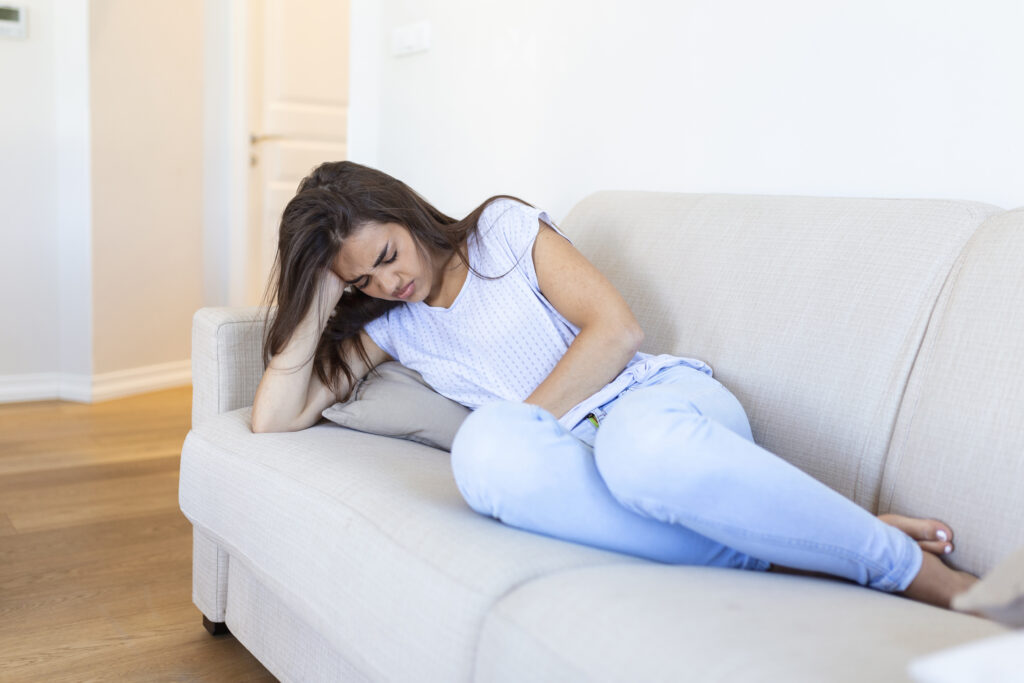
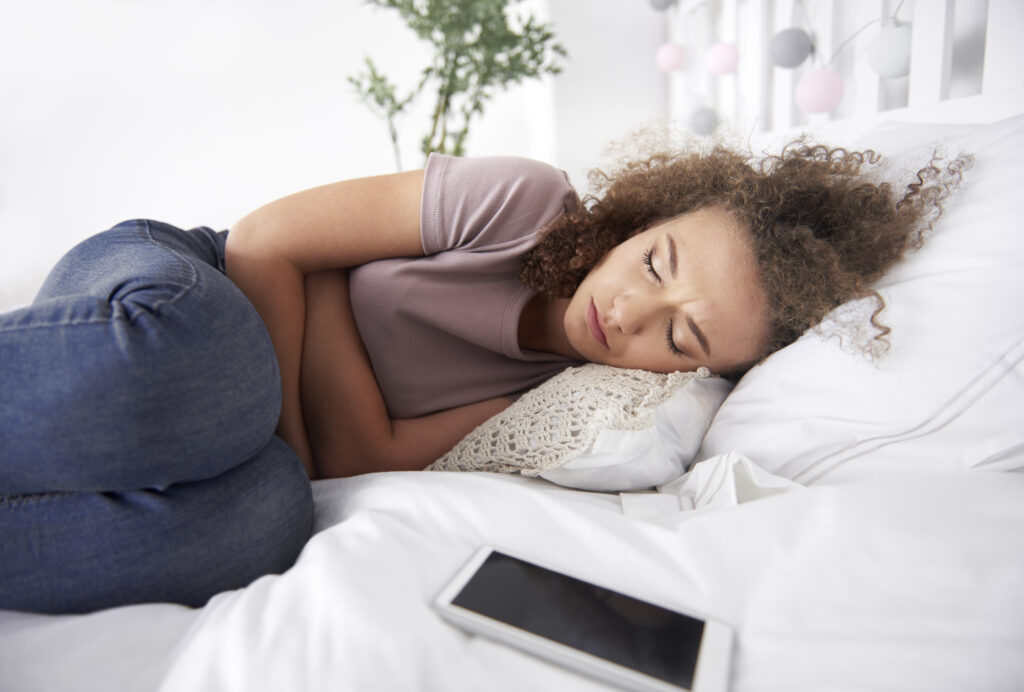
    The most significant symptom in the first 24 hours is pelvic cramping — often described as intense menstrual cramping — that begins as the embolization takes effect and the fibroids are cut off from their blood supply. This cramping is managed with prescribed pain medications and typically peaks in the first 12 to 24 hours before beginning to decrease. You will need someone to drive you home and should plan to rest for the remainder of the day.

    The access site in your wrist or groin will have a small dressing. Keep it clean and dry as directed. Minor bruising and tenderness at the site are normal and resolve over one to two weeks. You may also experience a low-grade fever, fatigue, and nausea in the first 24 to 48 hours as part of the post-embolization syndrome — a normal inflammatory response to the treated fibroids.

    Days 2 Through 7: Post-Embolization Syndrome

    The first week after UFE is characterized by what is called post-embolization syndrome: a cluster of symptoms including fatigue, mild fever (typically below 101°F), pelvic cramping or aching, vaginal discharge, and general malaise. These symptoms reflect the body’s response to the treated fibroids and are expected rather than alarming. They typically peak around day two to three and gradually improve through the first week.

    Pain management during this phase usually transitions from stronger medications prescribed at discharge to over-the-counter anti-inflammatory medications as the cramping becomes more manageable. Most patients find they need strong pain medication for the first two to four days and manage adequately with ibuprofen or naproxen afterward. Staying ahead of pain with scheduled doses rather than waiting until pain is severe is generally more effective.

    Activity during the first week should be light. Walking around your home, short walks outside, and light daily tasks are appropriate. Avoid strenuous exercise, heavy lifting, and prolonged sitting or standing. Most patients feel significantly better by the end of the first week and begin to feel more like themselves. If your fever exceeds 101°F, is accompanied by shaking chills, or if pelvic pain is worsening rather than improving after day three, contact the office.

    Weeks 2 Through 4: Returning to Normal Activities

    By week two, most patients have completed the acute recovery phase and are transitioning back to normal activities. Women with desk jobs or sedentary work often return to work during the second week. Women with physically demanding jobs typically need three to four weeks before returning to full duty.

    Exercise can resume gradually during weeks two to four. Walking is appropriate immediately. Light exercise such as yoga, stretching, and moderate cardio can typically resume by week two to three. More intense exercise, heavy lifting, and high-impact activities should wait until week four or until cleared by Dr. Bhatti at your follow-up appointment.

    You may notice changes in your menstrual cycle beginning with your first period after UFE, which typically occurs four to six weeks after the procedure. Some women notice their first post-UFE period is heavier than usual as the uterine lining sheds residual fibroid tissue. Subsequent cycles should progressively become lighter and more regular as fibroids continue to shrink. If you have questions about what you’re experiencing, contact Seamless Medical Centers.

    Months 2 Through 6: Maximum Benefit Develops

    The full benefit of UFE develops over three to six months as fibroids continue to shrink. Most women experience significant improvement in heavy menstrual bleeding within the first one to two cycles after the procedure. Bulk symptoms — pelvic pressure, urinary frequency, abdominal fullness — improve as fibroid volume decreases. The extent of shrinkage depends on individual fibroid characteristics and vascular anatomy. Learn how UFE compares to other fibroid treatments to understand what makes UFE different from surgical options.

    Follow-up imaging, typically a pelvic MRI or ultrasound, is usually performed three to six months after UFE to assess fibroid response. This imaging helps confirm the degree of shrinkage and identify any fibroids that may not have responded fully. Most women find that the combination of reduced bleeding, reduced bulk symptoms, and improved quality of life represents a meaningful improvement compared to their pre-treatment baseline.

    When to Contact Seamless Medical Centers During Recovery

    Contact the office promptly if you develop fever above 101°F that persists more than 48 hours after the procedure, if pelvic pain is worsening rather than improving after the first three days, if you notice foul-smelling vaginal discharge, if you develop increasing redness or swelling at the access site, or if you experience symptoms of urinary tract infection. For any emergency symptoms including severe pain unresponsive to medication, shortness of breath, or chest pain, call 911 or go to the emergency room.

    Contact us with any questions during your recovery. Our team is available to help you determine whether what you’re experiencing is part of the normal recovery process or warrants evaluation.

    Schedule Your Consultation

    If you’re ready to explore your options, contact Seamless Medical Centers to schedule a consultation with Dr. Bhatti. Phone: 409-213-9575. Address: 3300 Jimmy Johnson Blvd, Suite #130, Port Arthur, Texas 77642.

    Medical Disclaimer

    Individual results may vary. This information is for educational purposes only and should not replace professional medical advice. Treatment decisions should be made in consultation with qualified healthcare providers.

    Published by Seamless Medical Centers | Clinical information reflects the expertise of Dr. Zagum Bhatti, MD, Board-Certified Interventional Radiologist, Founder of Seamless Medical Centers.

  • Uterine Fibroid Embolization: How It Works and Who It Helps

    Uterine Fibroid Embolization: How It Works and Who It Helps

    If you have been told you have uterine fibroids and are exploring your treatment options, you may have heard about uterine fibroid embolization without a clear explanation of what it actually involves. UFE is a minimally invasive procedure that treats fibroids by cutting off their blood supply, causing them to shrink and the symptoms they cause to improve — without removing the uterus or requiring open surgery.

    Uterine fibroids are noncancerous growths that develop in the walls or on the surface of the uterus. They are remarkably common — many women have them without knowing it. But when fibroids cause heavy menstrual bleeding, pelvic pain or pressure, urinary symptoms, or significant impact on daily life, treatment becomes an important consideration.

    At Seamless Medical Centers, Dr. Zagum Bhatti, Board-Certified Interventional Radiologist, performs UFE for patients across Southeast Texas and the Houston area. Uterine Fibroid Embolization (UFE ) is available for both Houston-area patients and Port Arthur patients. The procedure is also available for menorrhagia — heavy menstrual bleeding — through dedicated service pages for Houston and Port Arthur.

    What Causes Uterine Fibroids?

    Uterine fibroids develop from the smooth muscle cells of the uterine wall. The exact trigger for their development is not fully understood, but the growth of existing fibroids is strongly influenced by estrogen and progesterone — the hormones that regulate the menstrual cycle. This is why fibroids typically grow during the reproductive years, may enlarge during pregnancy, and tend to shrink after menopause when hormone levels decline.

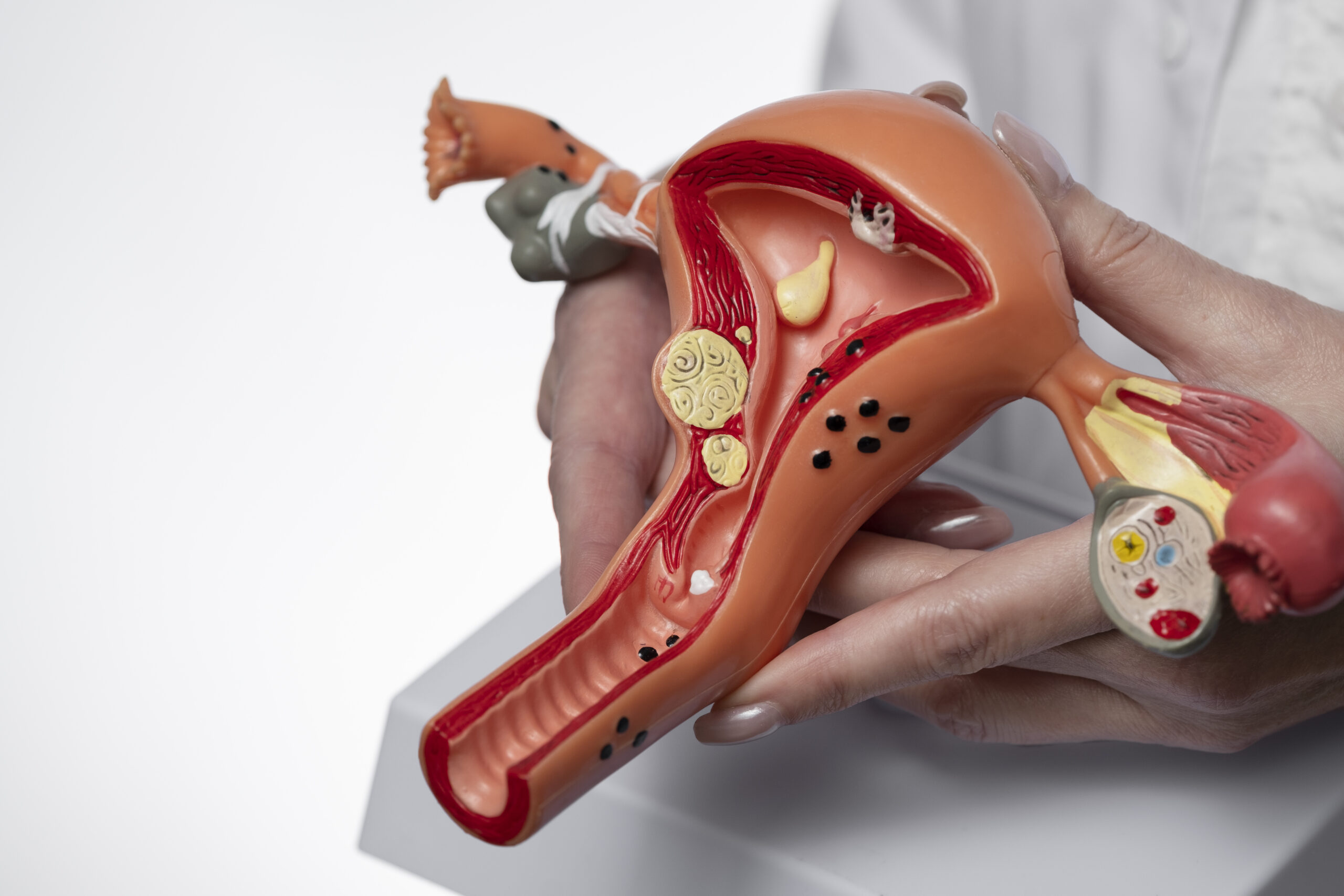
    Risk factors for developing fibroids include family history, race (Black women develop fibroids more often and at younger ages, with more severe symptoms), obesity, and never having been pregnant. Diet and lifestyle factors may also influence development, though the evidence is less definitive. Fibroids can be single or multiple, range from microscopic to larger than a grapefruit, and can be located inside the uterine cavity (submucosal), within the uterine wall (intramural), or on the outer surface of the uterus (subserosal).

    The location of fibroids matters as much as their size for determining symptoms. Submucosal fibroids that protrude into the uterine cavity are most commonly associated with heavy menstrual bleeding because they increase the surface area that sheds during menstruation and disrupt normal uterine contractions. Intramural fibroids can cause both bleeding and pressure symptoms. Subserosal fibroids are more likely to cause pelvic pressure, urinary symptoms, and back pain.

    How UFE Works: The Procedure Step by Step

    UFE is performed by an interventional radiologist using image guidance to navigate a catheter through the vascular system to the uterine arteries — the vessels that supply blood to the uterus and, critically, to the fibroids. Fibroids are highly dependent on their blood supply for survival and growth. When that supply is cut off, they shrink and the symptoms they cause improve.

    The procedure begins with a small puncture, typically in the wrist or groin, through which the catheter is introduced. Using real-time X-ray imaging (fluoroscopy), Dr. Bhatti navigates the catheter to the uterine arteries on both sides of the pelvis. Once positioned, tiny embolic particles — microspheres smaller than a grain of sand — are delivered to block these arteries. The particles lodge in the small vessels supplying the fibroids, blocking blood flow.

    UFE is performed under conscious sedation, not general anesthesia. The procedure itself typically takes 45 to 90 minutes, and patients go home the same day or after a short overnight observation period. The uterus itself retains its blood supply through collateral vessels, which is why UFE treats fibroids without removing or permanently damaging the uterus.

    What to Expect After UFE: Symptom Improvement

    Over the weeks and months following UFE, fibroids gradually shrink as their blood supply is eliminated. Most patients notice reduction in heavy menstrual bleeding within the first one to two cycles after the procedure. Pelvic pressure, bulk symptoms, and urinary frequency typically improve as the fibroids reduce in volume. The extent and timeline of improvement vary by individual, fibroid characteristics, and overall response to treatment. Read the complete UFE recovery guide for a detailed timeline of what to expect during healing.

    The post-embolization syndrome — a period of cramping, pelvic discomfort, low-grade fever, and fatigue in the days following the procedure — is a normal part of the recovery process as the body responds to the treated fibroids. Most patients manage this with prescribed pain medication and return to work within one to two weeks, significantly faster than recovery from hysterectomy or myomectomy.

    UFE Versus Surgical Options

    Two surgical alternatives to UFE are most commonly compared: hysterectomy (surgical removal of the uterus) and myomectomy (surgical removal of individual fibroids while preserving the uterus). Understanding how UFE differs from each helps clarify whether it may be the right choice for your situation. Read the UFE vs hysterectomy comparison and UFE vs myomectomy comparison for detailed breakdowns.

    The key advantages of UFE compared to surgical options include no incisions to the abdomen, no general anesthesia, no risk of adhesion formation, shorter recovery time, and preservation of the uterus. UFE is performed as an outpatient or short-stay procedure. Surgical options involve operating room time, anesthesia, longer recoveries, and the specific risks associated with abdominal surgery.

    UFE treats all fibroids simultaneously rather than requiring the surgeon to individually locate and remove each one — an advantage in women with multiple fibroids. However, UFE is generally not recommended for women who plan future pregnancies, as its effect on fertility is less well-studied than myomectomy, which is the preferred surgical option for fertility-preserving fibroid treatment.

    Who Is a Good Candidate for UFE?

    UFE is most appropriate for women with symptomatic fibroids who want to preserve their uterus, who prefer to avoid surgery and general anesthesia, and who are not planning future pregnancies. Candidates should have adequate ovarian reserve and should not have evidence of malignancy on imaging. Fibroids of varying sizes, numbers, and locations can generally be treated with UFE, though the degree of benefit depends on fibroid characteristics that Dr. Bhatti evaluates during the consultation.

    Women with pedunculated subserosal fibroids — fibroids that are attached to the outside of the uterus by a narrow stalk — may not be ideal candidates because there is a risk that the fibroid could detach after embolization, which can require surgical management. Submucosal and intramural fibroids causing heavy bleeding are among the most reliably treated with UFE.

    To determine whether UFE is appropriate for your specific situation, a consultation with Dr. Bhatti includes review of your symptoms, imaging, and overall health to make a specific recommendation. Contact Seamless Medical Centers to schedule. Visit our services overview for information on all available procedures.

    Schedule Your Consultation

    If you’re ready to explore your options, contact Seamless Medical Centers to schedule a consultation with Dr. Bhatti. Phone: 409-213-9575. Address: 3300 Jimmy Johnson Blvd, Suite #130, Port Arthur, Texas 77642.

    Medical Disclaimer

    Individual results may vary. This information is for educational purposes only and should not replace professional medical advice. Treatment decisions should be made in consultation with qualified healthcare providers.

    Published by Seamless Medical Centers | Clinical information reflects the expertise of Dr. Zagum Bhatti, MD, Board-Certified Interventional Radiologist, Founder of Seamless Medical Centers.

  • Understanding Uterine Fibroids: Symptoms and Treatment in Southeast Texas

    Understanding Uterine Fibroids: Symptoms and Treatment in Southeast Texas

    Uterine fibroids affect up to 70 to 80 percent of women by age 50, making them one of the most common gynecological conditions. Despite being so prevalent, many women throughout Southeast Texas don’t fully understand what fibroids are, why they develop, or when treatment becomes necessary. If you’ve been told you have fibroids or are experiencing symptoms that might indicate their presence, understanding this condition helps you make informed decisions about your health.

    At Seamless Medical Centers in Port Arthur, TX, Dr. Zagum Bhatti provides comprehensive fibroid treatment in Port Arthur for patients across the Golden Triangle, including Beaumont, Orange, Nederland, and western Louisiana. Our minimally invasive approach offers relief without requiring hysterectomy.

    What Are Uterine Fibroids?

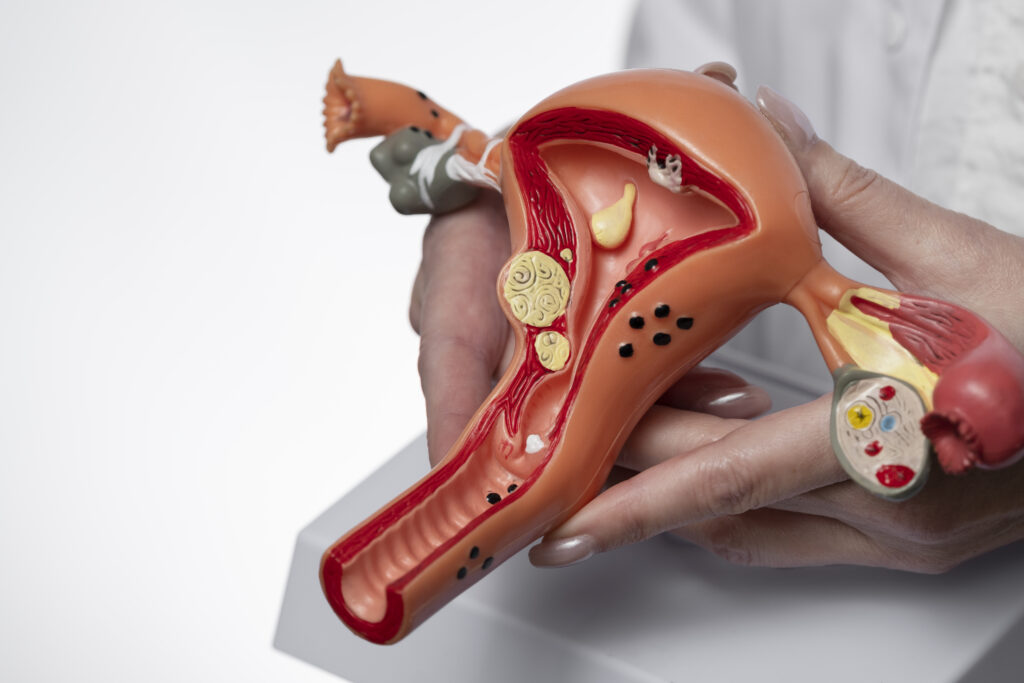
    Uterine fibroids are benign (non-cancerous) growths that develop in or on the uterus. They consist of muscle tissue and fibrous connective tissue, ranging in size from as small as a seed to as large as a melon. Some women have a single fibroid, while others develop multiple fibroids of varying sizes. The medical term for fibroids is leiomyomas or myomas.

    Fibroids are classified by their location in the uterus. Intramural fibroids grow within the muscular uterine wall and are the most common type. Submucosal fibroids protrude into the uterine cavity and often cause heavy menstrual bleeding even when relatively small. Subserosal fibroids grow on the outer surface of the uterus and may cause pelvic pressure and pain. Pedunculated fibroids attach to the uterus by a thin stalk and can twist, causing sudden severe pain.

    While fibroids are benign, they can cause significant symptoms and impact quality of life. The good news is that cancer developing within a fibroid is extremely rare—fewer than one in 1,000 fibroids becomes malignant. However, symptomatic fibroids warrant treatment to restore comfort and normal function.

    Common Fibroid Symptoms

    Many women with small fibroids experience no symptoms at all. However, as fibroids grow or depending on their location, symptoms often develop. Heavy menstrual bleeding is the most common symptom, particularly with submucosal fibroids. You may soak through pads or tampons every hour, pass large blood clots, or have periods lasting more than seven days. This excessive bleeding can lead to anemia, causing fatigue, weakness, and shortness of breath.

    Pelvic pain and pressure affect many women with fibroids. You might feel a constant sense of fullness in your lower abdomen, aching that worsens as the day progresses, or sharp pain if a fibroid degenerates or twists. Large fibroids can press on your bladder, causing frequent urination, urgency, or difficulty emptying your bladder completely. Pressure on your rectum can cause constipation or a feeling of rectal fullness.

    Other fibroid symptoms include pain during intercourse, lower back pain, leg pain from nerve compression, and an enlarged abdomen that makes you look pregnant. For women throughout Lumberton, Groves, and Bridge City dealing with these symptoms, understanding that fibroids are causing them is the first step toward finding effective treatment.

    When to Seek Treatment for Fibroids

    Not all fibroids require treatment. Small fibroids causing no symptoms can often be monitored with periodic ultrasounds to track their growth. However, treatment becomes appropriate when fibroids cause symptoms that interfere with your daily life, when heavy bleeding leads to anemia, or when fibroids grow rapidly.

    You should seek evaluation if you experience heavy periods that soak through protection hourly, pelvic pain that doesn’t respond to over-the-counter medications, pressure symptoms affecting your bladder or bowel function, or difficulty conceiving when fibroids are suspected as a contributing factor. Women in western Louisiana who have limited local options for fibroid care can access specialized treatment in Port Arthur, just across the state line.

    Understanding how uterine fibroid embolization works helps you evaluate whether this minimally invasive treatment is appropriate for your situation.

    Treatment Options for Uterine Fibroids

    Treatment for fibroids ranges from watchful waiting to surgery, with several options in between. Medications can help manage heavy bleeding or shrink fibroids temporarily, though symptoms typically return when medication is stopped. Hormonal IUDs may reduce bleeding for some women. For more definitive treatment, options include uterine fibroid embolization, myomectomy (surgical removal of fibroids while preserving the uterus), and hysterectomy (removal of the entire uterus).

    Uterine fibroid embolization blocks blood flow to fibroids, causing them to shrink and die. The procedure is performed through a tiny puncture with no abdominal incisions, allowing most women to return to work within a week. For Golden Triangle women seeking treatment that preserves the uterus, UFE in Port Arthur offers an alternative to major surgery with faster recovery.

    Understanding UFE recovery expectations helps you prepare for treatment and plan your return to normal activities.

    Frequently Asked Questions About Uterine Fibroids

    What causes uterine fibroids?

    The exact cause of fibroids is not fully understood, but they appear to be influenced by hormones (particularly estrogen and progesterone) and genetics. Women with a family history of fibroids are more likely to develop them. Fibroids grow during reproductive years and typically shrink after menopause when hormone levels decline.

    Are uterine fibroids cancerous?

    Uterine fibroids are benign (non-cancerous) growths. While extremely rare cases of leiomyosarcoma (a malignant tumor) can develop, this occurs in fewer than one in 1,000 cases. Fibroids do not increase your risk of developing uterine cancer.

    Can fibroids go away on their own?

    Fibroids typically grow during reproductive years and shrink after menopause when estrogen levels drop. However, waiting for menopause can mean years of symptoms. Fibroids rarely disappear completely on their own before menopause.

    Do I need surgery for fibroids?

    Surgery is not the only option for fibroids. Minimally invasive procedures like uterine fibroid embolization can effectively treat symptomatic fibroids without requiring abdominal surgery, hysterectomy, or removal of the uterus. Your treatment choice depends on your symptoms, fibroid characteristics, and personal goals.

    Can fibroids affect pregnancy?

    Fibroids can sometimes interfere with conception or pregnancy, particularly submucosal fibroids that distort the uterine cavity. However, many women with fibroids have successful pregnancies. If you’re planning pregnancy, discuss your fibroids with your physician to determine whether treatment is advisable.

    Fibroid Treatment in Southeast Texas

    If you’ve been diagnosed with fibroids or are experiencing symptoms, contact Seamless Medical Centers to schedule a consultation with Dr. Bhatti. We serve patients throughout the Golden Triangle and western Louisiana, providing access to advanced fibroid treatment close to home.

    Phone: 409-213-9575

    Address: 3300 Jimmy Johnson Blvd, Suite #130, Port Arthur, Texas 77642

    Medical Disclaimer

    Individual results may vary. This information is for educational purposes only and should not replace professional medical advice. Treatment decisions should be made in consultation with qualified healthcare providers.

    Published by Seamless Medical Centers | Clinical information reflects the expertise of Dr. Zagum Bhatti, MD, Board-Certified Interventional Radiologist, Founder of Seamless Medical Centers.

  • Heavy Menstrual Bleeding and Anemia: When Your Period Is Affecting Your Health

    Heavy Menstrual Bleeding and Anemia: When Your Period Is Affecting Your Health

    You’re exhausted in a way that rest doesn’t fix. You’re pale, you feel short of breath climbing stairs, and your heart races doing things that never used to wind you. Your periods are heavy—so heavy that you plan your schedule around them, keep extra supplies everywhere, and have stopped wearing anything light-colored. You may have started putting these two things together: the blood loss and the exhaustion.

    Heavy menstrual bleeding that leads to iron-deficiency anemia is one of the most medically significant—and most commonly undertreated—consequences of uterine fibroids. Women across Houston and surrounding communities often accept this level of blood loss as “just how their periods are,” not realizing that the fatigue, weakness, and shortness of breath they’ve normalized are symptoms of anemia caused by their periods, not simply stress or being busy.

    At Seamless Medical Centers, Dr. Zagum Bhatti, Board-Certified Interventional Radiologist, treats women with fibroid-related heavy bleeding from across the Houston area—including Katy, Sugar Land, The Woodlands, Pearland, League City, Friendswood, and Pasadena. Houston-area patients are seen at our Port Arthur office. Learn about UFE for Houston-area patients or our menorrhagia treatment page.

    How Fibroids Cause Heavy Bleeding and Anemia

    Uterine fibroids are noncancerous growths that develop within or around the uterine wall. When fibroids grow in certain locations—particularly submucosal fibroids that protrude into the uterine cavity—they dramatically increase the surface area of uterine lining that sheds during menstruation. They also interfere with the uterus’s ability to contract effectively, which is the mechanism that normally limits menstrual blood loss.

    The result is menorrhagia: heavy menstrual bleeding defined as soaking through more than one pad or tampon per hour for several consecutive hours, passing large blood clots, or bleeding for more than seven days. When this level of blood loss occurs month after month, the body cannot replace the lost iron and red blood cells fast enough. Iron-deficiency anemia develops, characterized by fatigue, weakness, pallor, shortness of breath with exertion, headaches, and difficulty concentrating.

    For women in Houston’s sprawling suburbs—managing demanding jobs in The Woodlands’ corporate corridors, caring for families in Katy and Friendswood, commuting across Harris County and Fort Bend County—the fatigue of fibroid-related anemia can make an already demanding life feel unmanageable. Read more about UFE and how it addresses fibroid symptoms to understand how treatment works.

    Why Iron Supplementation Alone Is Not Enough

    Many women with fibroid-related anemia are prescribed iron supplements. Iron supplementation is appropriate and helps replenish iron stores, but it cannot solve the underlying problem if heavy bleeding continues. If you’re taking iron every day but your periods are still soaking through a pad every hour, you’re supplementing at the same time as the problem continues. It’s like trying to fill a bath with the drain still open.

    Meaningful resolution of fibroid-related anemia requires addressing the heavy bleeding itself—which requires addressing the fibroids causing it. Once the source of the excessive blood loss is treated, iron stores can recover and anemia resolves. For many women, this represents a turning point: energy returns, shortness of breath resolves, and they feel like themselves again.

    UFE: Treating the Bleeding at the Source

    Uterine fibroid embolization (UFE) is a minimally invasive procedure that treats fibroids by blocking the blood vessels that supply them. Without a blood supply, fibroids shrink over the following weeks and months, and the heavy bleeding they were causing typically decreases significantly. For appropriate candidates, UFE offers a fibroid treatment option that does not require surgery, does not require a hysterectomy, and allows most patients to return to normal activities within one to two weeks. Compare UFE to hysterectomy and UFE to myomectomy to understand how the options compare.

    Patients with significant anemia at the time of evaluation may also benefit from iron supplementation or other anemia management in the weeks before UFE, so that any necessary sedation or procedure is done with the best possible hemoglobin level. The team at Seamless Medical Centers accounts for anemia in the pre-procedure planning process.

    Learn about UFE at our Port Arthur location, where Houston-area patients are seen. Port Arthur is approximately 90 miles from central Houston, with same-week consultations often available.

    Frequently Asked Questions About Fibroid-Related Heavy Bleeding and Anemia

    How do I know if my heavy bleeding is caused by fibroids?

    A pelvic ultrasound can identify uterine fibroids in most cases. Women with heavy periods who have not had a recent ultrasound should ask their gynecologist for imaging. If fibroids are identified, the size, number, and location help determine whether they are likely causing the heavy bleeding. Submucosal fibroids—those that grow into the uterine cavity—are most commonly associated with menorrhagia.

    Can I be treated for anemia before having UFE?

    Yes. Optimizing hemoglobin levels before the procedure is often recommended. Iron supplementation, dietary changes, and in some cases other medications can help build iron stores before UFE. Dr. Bhatti will evaluate your hemoglobin and iron levels as part of the pre-procedure assessment and make specific recommendations.

    How long after UFE does heavy bleeding typically improve?

    Many women notice a reduction in menstrual bleeding within the first one to three cycles after UFE as fibroids begin to shrink. The full benefit typically develops over three to six months as the fibroids continue to reduce in size. Individual results vary based on fibroid size, number, and type.

    Is UFE appropriate if I still want to have children?

    UFE is generally not recommended as a first-line option for women who plan future pregnancies. Myomectomy—surgical removal of the fibroids—is typically the preferred approach for women seeking fibroid treatment while preserving fertility. However, each situation is different, and this is an important discussion to have during the consultation.

    Schedule Your Consultation

    If heavy periods have been affecting your quality of life and you’re ready to explore your options, contact Seamless Medical Centers to schedule a consultation. Houston-area patients are seen at our Port Arthur office. Phone: 409-213-9575. Address: 3300 Jimmy Johnson Blvd, Suite #130, Port Arthur, Texas 77642.

     Seamless Medical Centers home page

    Medical Disclaimer

    Individual results may vary. This information is for educational purposes only and should not replace professional medical advice. Treatment decisions should be made in consultation with qualified healthcare providers.

    Published by Seamless Medical Centers | Clinical information reflects the expertise of Dr. Zagum Bhatti, MD, Board-Certified Interventional Radiologist, Founder of Seamless Medical Centers.

  • Fibroid Pain: When to Seek Treatment in Southeast Texas

    Fibroid Pain: When to Seek Treatment in Southeast Texas

    Severe cramping that doubles you over. Constant pelvic aching that worsens throughout the day. Sharp pain that makes you catch your breath. Back pain that radiates down your legs. If fibroids are causing pain that disrupts your ability to work, care for your family, or enjoy daily activities, you don’t have to accept it as something you just have to live with.

    For women throughout the Golden Triangle—Port Arthur, Beaumont, Orange, and Nederland—Fibroid Pain-related often goes untreated for years because they’ve been told it’s normal or that hysterectomy is the only solution. At Seamless Medical Centers, Dr. Zagum Bhatti provides treatment for fibroid pain in Port Arthur, offering minimally invasive relief that preserves your uterus and gets you back to your life quickly.

    Understanding Fibroid-Related Pain

    Fibroids cause pain through several mechanisms. Large fibroids create constant pelvic pressure and aching simply by taking up space in your pelvis and pressing on surrounding organs. Submucosal fibroids that protrude into the uterine cavity trigger severe cramping as your uterus contracts trying to expel them, especially during menstruation. When fibroids press on nerves, you may experience pain that radiates to your lower back, hips, or down your legs.

    Fibroid degeneration—when a fibroid outgrows its blood supply—causes acute pain that can be severe and alarming. This pain is sharp and localized, often accompanied by fever and tenderness over the affected area. The pain typically lasts several days to a week as the fibroid tissue dies and begins to shrink. Pedunculated fibroids attached by a stalk can twist on themselves, causing sudden severe pain that may require emergency evaluation.

    Some women experience pain only during certain activities or times of their cycle, while others have constant background discomfort punctuated by episodes of sharper pain. The pain may interfere with work, exercise, intimacy, and sleep. When fibroid pain significantly affects your quality of life, treatment becomes appropriate regardless of fibroid size.

    Pain Patterns That Signal Fibroids

    Fibroid pain often has characteristic patterns. Cramping that is significantly worse than your typical menstrual cramps and doesn’t respond well to over-the-counter pain medications may indicate submucosal fibroids. Pelvic pressure and aching that worsen as the day progresses and improve when you lie down suggest large fibroids creating mechanical pressure. Pain during intercourse, particularly with deep penetration, can signal fibroids pressing on sensitive pelvic structures.

    Lower back pain that doesn’t respond to typical back pain treatments may actually be referred pain from posterior fibroids pressing on nerves. Leg pain, particularly pain that runs down the back of your thigh, can occur when large fibroids compress nerves in the pelvis. For women in western Louisiana who have traveled to Baton Rouge or New Orleans for care, Port Arthur offers closer access to specialized fibroid treatment.

    Understanding how UFE works to reduce fibroid pain helps you evaluate whether this minimally invasive procedure is right for you.

    When Fibroid Pain Requires Treatment

    Pain that interferes with your daily activities warrants evaluation and treatment. If you’re missing work because of fibroid pain, avoiding activities you enjoy, unable to exercise, having difficulty sleeping, or relying on pain medications daily, your fibroids are significantly impacting your quality of life. Pain during intercourse that affects your relationship or prevents intimacy is another valid reason to seek treatment.

    Sudden severe pain, particularly if accompanied by fever, requires prompt medical evaluation to rule out fibroid degeneration, torsion of a pedunculated fibroid, or other complications. While these conditions may resolve on their own, proper evaluation ensures appropriate care and rules out other serious problems.

    If conservative treatments like pain medications haven’t adequately controlled your fibroid pain, learn how UFE compares to hysterectomy for treating fibroid-related symptoms while preserving your uterus.

    Treatment Options for Fibroid Pain

    Pain medications can help manage fibroid discomfort temporarily but don’t address the underlying problem. Hormonal treatments may slow fibroid growth or reduce symptoms for some women, though effects are typically temporary and symptoms return when treatment stops. For lasting relief, treatment must target the fibroids themselves.

    Uterine fibroid embolization blocks blood flow to fibroids, causing them to shrink and die. As fibroids shrink, pressure on surrounding organs decreases and pain improves. The procedure is performed through a tiny puncture with no abdominal surgery, allowing most women to return to work within a week. For women seeking relief from fibroid pain in the Golden Triangle, UFE in Port Arthur offers effective treatment close to home.

    Frequently Asked Questions About Fibroid Pain

    Why do fibroids cause so much pain?

    Fibroids cause pain by pressing on surrounding organs and nerves, triggering uterine cramping (especially submucosal fibroids), or degenerating when they outgrow their blood supply. The type and severity of pain depends on fibroid size, location, and number.

    Can fibroid pain come and go?

    Yes, fibroid pain can be constant or intermittent. Some women experience pain only during menstruation or certain activities, while others have ongoing discomfort with episodes of sharper pain. Pain patterns often correlate with hormonal fluctuations during your menstrual cycle.

    Will fibroid pain get worse over time?

    Fibroid pain typically worsens as fibroids grow larger. Without treatment, fibroids often continue growing during reproductive years, leading to progressively worse symptoms. Waiting for menopause to shrink fibroids can mean years of pain.

    Can I treat fibroid pain without surgery?

    Yes, uterine fibroid embolization is a minimally invasive procedure performed through a tiny puncture rather than abdominal surgery. UFE effectively reduces fibroid pain without requiring hysterectomy or surgical removal of fibroids, preserving your uterus with faster recovery than traditional surgery.

    Find Relief from Fibroid Pain in Southeast Texas

    If fibroid pain is affecting your quality of life, contact Seamless Medical Centers to schedule a consultation with Dr. Bhatti. We serve patients throughout Southeast Texas and western Louisiana, providing advanced fibroid treatment without the need to travel to Houston or Louisiana cities.

    Phone: 409-213-9575

    Address: 3300 Jimmy Johnson Blvd, Suite #130, Port Arthur, Texas 77642

    Medical Disclaimer

    Individual results may vary. This information is for educational purposes only. Treatment decisions should be made in consultation with qualified healthcare providers.

    Published by Seamless Medical Centers | Clinical information reflects the expertise of Dr. Zagum Bhatti, MD, Board-Certified Interventional Radiologist, Founder of Seamless Medical Centers.

  • Pelvic Pain and Pressure? Understanding Fibroid Symptoms in Houston

    Pelvic Pain and Pressure? Understanding Fibroid Symptoms in Houston

    A constant feeling of pressure in your pelvis. Aching that worsens as the day goes on. Discomfort during intercourse. Pain when your bladder fills. If fibroids are causing pelvic pain and pressure that disrupts your daily life, you don’t have to accept it as normal.

    For women throughout the Houston area—from Sugar Land and Katy to The Woodlands and Pearland—pelvic pain from fibroids often goes untreated for years. At Seamless Medical Centers, Dr. Zagum Bhatti provides treatment for fibroid-related pelvic pain in Houston, helping patients across Harris County and Fort Bend County find relief through minimally invasive approaches.

    How Fibroids Cause Pelvic Pain and Pressure

    Uterine fibroids cause pelvic pain through several mechanisms. Large fibroids create a sense of pelvic fullness and pressure simply by taking up space in your pelvis. When fibroids press against your bladder, you may experience frequent urination, urgency, or difficulty emptying your bladder completely. Fibroids pressing on your rectum can cause constipation or a sensation of rectal fullness. When they press on nerves, you may experience pain that radiates to your lower back or down your legs.

    Submucosal fibroids—those that grow into the uterine cavity—often cause severe cramping as your uterus tries to expel them. Intramural fibroids embedded in the uterine wall can cause the uterus to enlarge significantly, creating constant pelvic pressure and a visibly distended lower abdomen. Pedunculated fibroids attached by a stalk can twist, causing sudden severe pain that requires urgent evaluation.

    Some fibroids undergo degeneration when they outgrow their blood supply, causing acute pain that can last several days. This pain is often sharp and localized, accompanied by fever and tenderness. While the pain eventually subsides as the fibroid tissue dies and shrinks, the episode can be frightening and debilitating.

    Recognizing Fibroid-Related Pelvic Pain Patterns

    Pelvic pain from fibroids often has characteristic patterns that distinguish it from other causes. The pressure may worsen when you stand for long periods or at the end of the day, improving somewhat when you lie down and allow gravity to reduce the pressure on pelvic structures. Pain during intercourse—particularly with deep penetration—can signal fibroids pressing on sensitive areas.

    Many women throughout Cypress, Spring, and Humble notice that their pelvic pain correlates with their menstrual cycle. Pain may intensify just before and during menstruation when hormones cause fibroids to swell slightly. Some women experience constant background pressure punctuated by episodes of sharper cramping pain, while others have continuous dull aching that never fully resolves.

    The impact on daily activities helps gauge severity. If pelvic pain prevents you from exercising, standing for your job, sitting comfortably during your commute, or enjoying activities with family, it warrants treatment regardless of fibroid size. Quality of life matters as much as objective measurements.

    When Pelvic Pressure Signals a Problem

    A feeling of pelvic fullness or heaviness that persists most of the time indicates significant fibroid growth. When you can feel a firm mass in your lower abdomen, when your pants fit tighter around your midsection despite no weight gain, or when you look several months pregnant, fibroids have likely grown large enough to warrant evaluation.

    Pressure symptoms that interfere with bladder or bowel function deserve attention. Needing to urinate every hour, waking multiple times at night to use the bathroom, experiencing urinary urgency, or developing new-onset constipation can all result from fibroids compressing adjacent organs. These symptoms affect your ability to work, travel, sleep, and participate in normal activities.

    If you’re experiencing pelvic pressure along with heavy periods, learn how UFE compares to myomectomy for treating multiple fibroid symptoms while preserving your uterus.

    Treatment Options for Fibroid-Related Pelvic Pain

    Pain medications and hormonal treatments may reduce fibroid-related discomfort temporarily but do not address the underlying fibroids. As fibroids continue growing, symptoms typically worsen over time. For meaningful long-term relief, treatment must target the fibroids themselves.

    Uterine fibroid embolization blocks blood flow to fibroids, causing them to shrink and reducing both pain and pressure. The procedure is performed through a tiny puncture in your wrist or groin with no abdominal incisions. Most women return to normal activities within a week. For Houston-area women seeking fibroid treatment that preserves the uterus, UFE in Houston provides an alternative to hysterectomy or myomectomy.

    Understanding what to expect during UFE recovery helps you plan treatment around your work and family schedule.

    Find Relief from Pelvic Pain in Houston

    If pelvic pain and pressure from fibroids are affecting your quality of life, contact Seamless Medical Centers to schedule a consultation with Dr. Bhatti. We serve patients throughout the Houston area and can help determine whether UFE is appropriate for your situation.

    Phone: 409-213-9575

    Address: 3300 Jimmy Johnson Blvd, Suite #130, Port Arthur, Texas 77642

    Medical Disclaimer

    Individual results may vary. This information is for educational purposes only and should not replace professional medical advice. Treatment decisions should be made in consultation with qualified healthcare providers.

    Frequently Asked Questions About Pelvic Pain from Fibroids

    Q1. Can fibroids cause constant pelvic pressure?

    Yes, large fibroids can cause constant pelvic fullness and pressure by physically taking up space in your pelvis and pressing on surrounding organs. This pressure often worsens when standing and improves when lying down.

    Q2. Why does fibroid pain get worse during my period?

    Hormonal changes during menstruation can cause fibroids to swell slightly, increasing pressure and pain. Submucosal fibroids in the uterine cavity also cause severe cramping as your uterus contracts during menstruation.

    Q3. Can fibroids cause pain during intercourse?

    Yes, fibroids can cause pain during intercourse, particularly with deep penetration. Large fibroids pressing on sensitive pelvic structures or fibroids located near the cervix commonly cause this symptom.

    Q4. Do fibroids cause lower back pain?

    Large fibroids can press on nerves and cause lower back pain that may radiate down the legs. Fibroids located on the back wall of the uterus are particularly likely to cause back pain and pressure.

    Q5. Will pelvic pain from fibroids go away without treatment?

    Fibroid-related pelvic pain typically worsens over time as fibroids continue growing. While fibroids may shrink after menopause, relying on this can mean years of pain and diminished quality of life. Treatment addresses symptoms now rather than waiting.

  • Heavy Periods? Understanding What’s Normal and When to Seek Help in Houston

    Heavy Periods? Understanding What’s Normal and When to Seek Help in Houston

    Soaking through a tampon or pad every hour. Changing protection in the middle of the night. Passing blood clots the size of quarters. Feeling exhausted all the time. If this describes your menstrual experience, you’re dealing with heavy periods and you don’t have to accept this as normal.

    For women throughout the Houston area from Katy and Sugar Land to The Woodlands and Pearland heavy menstrual bleeding often signals an underlying condition that can be treated. At Seamless Medical Centers, Dr. Zagum Bhatti provides treatment for heavy periods in Houston, helping patients across Harris County, Fort Bend County, and Montgomery County understand what’s causing their symptoms and find effective solutions.

    What Defines Heavy Menstrual Bleeding?

    Heavy menstrual bleeding medically called menorrhagia—is defined as losing more than 80 milliliters of blood during a period or having periods that last longer than seven days. Since measuring blood loss isn’t practical, healthcare providers use more straightforward indicators. Signs of heavy menstrual bleeding include situations where you you soak through a pad or tampon every hour for several consecutive hours, pass blood clots larger than a quarter, need to double up on protection, wake up at night to change protection, or feel tired and weak from blood loss.

    While some variation in flow is normal from cycle to cycle, consistently heavy bleeding that disrupts your daily activities or causes anemia is not something you should ignore. Many women throughout League City, Friendswood, and Missouri City delay seeking help because they assume heavy periods are just part of being a woman. This assumption prevents them from getting treatment that could significantly improve their quality of life.

    Common Causes of Heavy Periods

    Several conditions can cause heavy menstrual bleeding. Uterine fibroids benign growths in or on the uterus are one of the most common causes, particularly when fibroids grow into the uterine cavity or increase the surface area of the uterine lining. Hormonal imbalances that prevent normal shedding of the uterine lining can also lead to heavy flow. Adenomyosis, where uterine lining tissue grows into the muscular wall, often causes both heavy bleeding and severe cramping.

    Polyps small growths on the uterine lining may contribute to heavy bleeding, as can certain intrauterine devices (IUDs). Blood clotting disorders, thyroid problems, and certain medications can also affect menstrual flow. For women in Cypress, Spring, or Humble experiencing heavy periods, identifying the underlying cause is the first step toward finding effective treatment.

    If fibroids are causing your heavy bleeding, learn about uterine fibroid embolization as a treatment option that preserves the uterus while addressing the source of bleeding.

    How Heavy Periods Affect Your Life

    Heavy menstrual bleeding does more than create inconvenience. The constant worry about leaking through clothing affects your confidence at work, during social activities, and in daily interactions. Planning your schedule around your period avoiding travel, missing events at the Houston Zoo or Discovery Green, turning down invitations becomes exhausting. The fatigue and weakness from chronic blood loss make it difficult to maintain energy for your job, family responsibilities, and activities you enjoy.

    Iron deficiency anemia develops when heavy bleeding depletes your body’s iron stores faster than they can be replaced. Symptoms include persistent fatigue, weakness, pale skin, shortness of breath with exertion, and difficulty concentrating. Many women throughout Pasadena, Kingwood, and Pearland find themselves too tired to exercise, struggle to keep up at work, or lack the energy to spend quality time with family all because of untreated heavy periods.

    The emotional toll matters too. Feeling trapped by your menstrual cycle, frustrated by ineffective treatments, or embarrassed by heavy bleeding in public situations takes a psychological toll that deserves recognition and appropriate care.

    When to See a Specialist About Heavy Periods

    You should see a healthcare provider if your periods regularly last longer than seven days, you soak through protection every one to two hours, you pass large blood clots, bleeding interferes with your daily activities, or you experience symptoms of anemia like fatigue and weakness. These signs indicate that your bleeding exceeds normal parameters and warrants evaluation.

    Initial evaluation typically includes a pelvic exam, blood tests to check for anemia and thyroid problems, and imaging studies like ultrasound to visualize your uterus and identify potential causes such as fibroids or polyps. Understanding what’s causing your heavy bleeding allows your physician to recommend appropriate treatment rather than simply trying to manage symptoms.

    If you’ve been diagnosed with fibroids and conservative treatments haven’t adequately controlled your heavy bleeding, explore how UFE compares to hysterectomy for treating fibroid-related menorrhagia.

    Treatment Options for Heavy Menstrual Bleeding

    Treatment for heavy periods depends on the underlying cause, your desire for future pregnancy, and the severity of your symptoms. Hormonal medications like birth control pills or hormonal IUDs can reduce flow for some women. Iron supplements address anemia but don’t fix the underlying bleeding problem. For fibroid-related heavy bleeding, minimally invasive procedures like uterine fibroid embolization offer effective treatment without requiring hysterectomy.

    Uterine fibroid embolization blocks blood flow to fibroids, causing them to shrink and reducing heavy bleeding. The procedure is performed through a tiny puncture with no abdominal incisions, allowing most women to return to normal activities within a week. For Houston-area women seeking fibroid treatment that preserves the uterus, UFE in Houston provides an alternative to more invasive surgical options.

    Understanding UFE recovery timelines helps you plan treatment around your work and family schedule.

    Frequently Asked Questions About Heavy Periods

    Can fibroids cause heavy periods?

    Yes, uterine fibroids are one of the most common causes of heavy menstrual bleeding. Fibroids increase the surface area of the uterine lining and interfere with normal uterine contractions, leading to heavier, longer periods with larger blood clots.

    When should I see a doctor about heavy periods?

    See a doctor if you regularly soak through a pad or tampon every hour, pass blood clots larger than a quarter, have periods lasting more than seven days, or experience fatigue and weakness from blood loss. These signs indicate abnormal bleeding that warrants evaluation.

    Why are my periods so heavy?

    Heavy periods can result from uterine fibroids, hormonal imbalances, adenomyosis, polyps, blood clotting disorders, or thyroid problems. Imaging studies and blood tests help identify the underlying cause so appropriate treatment can be recommended.

    Can heavy periods cause anemia?

    Yes, chronic heavy menstrual bleeding can lead to iron deficiency anemia. When you lose more blood than your body can replace, iron stores become depleted, causing fatigue, weakness, pale skin, and shortness of breath. Blood tests can confirm anemia.

    What treatment options exist for heavy bleeding from fibroids?

    Treatment options for fibroid-related heavy bleeding include hormonal medications, uterine fibroid embolization, myomectomy (fibroid removal), and hysterectomy. UFE offers a minimally invasive approach that preserves the uterus while effectively reducing bleeding for many women.

    Find Relief from Heavy Periods in Houston

    If heavy menstrual bleeding is affecting your quality of life, contact Seamless Medical Centers to schedule a consultation with Dr. Bhatti. We serve patients throughout the Houston area and can help determine what’s causing your heavy periods and discuss treatment options that fit your goals.

    Phone: 409-213-9575

    Address: 3300 Jimmy Johnson Blvd, Suite #130, Port Arthur, Texas 77642

    Medical Disclaimer

    Individual results may vary. This information is for educational purposes only and should not replace professional medical advice. Treatment decisions should be made in consultation with qualified healthcare providers who can evaluate your specific symptoms.

  • Chronic Knee Pain Treatment Using Genicular Artery Embolization

    Chronic Knee Pain Treatment Using Genicular Artery Embolization

    Knee Pain Treatment has advanced beyond pills, braces, and repeated injections. If you live with long-lasting knee pain and inflammation from osteoarthritis, genicular artery embolization (GAE) may offer a minimally invasive, non-surgical option. It aims to reduce pain while preserving your natural knee joint.

    Many people try physical therapy, anti-inflammatory medications, or steroid injections first. However, these options may not provide lasting relief. In that case, Knee Pain Treatment that targets the source of inflammation can be worth discussing with a specialist.

    Knee pain treatment for chronic pain and osteoarthritis

    Chronic knee pain is commonly linked to osteoarthritis. Over time, knee cartilage wears down, which increases friction inside the joint. As a result, swelling, stiffness, and pain often become more frequent and more limiting.

    Effective Knee Pain Treatment usually focuses on two goals. First, it reduces inflammation. Second, it improves function so you can walk, climb stairs, and stay active with less discomfort.

    What is Genicular Artery Embolization

    Genicular artery embolization is a minimally invasive procedure that targets tiny blood vessels supplying inflamed tissue around the knee. A specialist uses imaging guidance to place a small catheter and deliver microscopic particles. These particles reduce abnormal blood flow that fuels chronic inflammation.

    If you want to learn more about this option, you can review genicular artery embolization. It is increasingly recognized as a modern Knee Pain Treatment for people seeking alternatives to surgery.

    How the procedure works

    The process starts with an evaluation and imaging to locate the inflamed areas. Next, the provider inserts a catheter through a small access point and guides it to the genicular arteries near the knee. This step is done with real-time imaging for precision.

    Once positioned, the specialist releases tiny embolic particles to reduce blood flow to the inflamed tissue. Over time, inflammation can decrease, which may lower pain and improve mobility. Because this is a catheter-based treatment, recovery is often faster than traditional surgery.

    Why targeting inflammation matters

    Many traditional approaches focus on symptom control only. GAE aims to address a key driver of osteoarthritis pain: ongoing inflammation supported by increased blood flow. Therefore, it can be a useful addition to a complete plan for chronic knee pain management.

    Benefits of genicular artery embolization for knee pain treatment

    GAE is designed for people who want pain relief without major surgery. It may be especially appealing if you want to stay active and avoid long recovery periods.

    • Minimally invasive approach with no major incision
    • Targeted reduction of knee inflammation
    • Shorter recovery time compared to many surgical options
    • Potential improvement in walking comfort, daily function, and quality of life

    For many patients, this Knee Pain Treatment can complement other non-surgical strategies such as exercise therapy, weight management, and lifestyle changes.

    Comparing GAE with traditional knee pain treatment options

    Common chronic knee care may include physical therapy, anti-inflammatory medication, braces, activity modification, and injections. These can help, but some people still experience persistent symptoms.

    GAE differs because it addresses the vascular component of inflammation. In other words, it targets a biological pathway that standard therapies may not fully address. As a result, it can be considered when conventional osteoarthritis treatments have not worked well enough.

    Who is a candidate for this knee pain treatment

    Not everyone is a good fit for GAE. It is often considered for people with osteoarthritis who still have moderate to severe pain despite conservative care. A full medical evaluation is necessary to confirm suitability and safety.

    Potential candidates often include:

    • Adults with ongoing knee pain affecting daily activities
    • People seeking non-surgical knee pain treatment options
    • Patients who are not ideal candidates for knee surgery
    • Individuals with persistent knee inflammation and swelling

    Managing knee inflammation, swelling, and pain

    Inflammation can lead to swelling, stiffness, and reduced range of motion. That combination makes everyday movement harder and can reduce confidence in the knee. Knee Pain Treatment that reduces inflammation may also reduce swelling and improve comfort during walking and standing.

    Because GAE targets blood flow to inflamed tissue, it may help address both pain and swelling. Additionally, it can support better knee function over time, especially when paired with a guided rehabilitation plan.

    Recovery and expected outcomes

    Most patients experience a relatively quick recovery compared to surgical procedures. Mild soreness can occur early on, but many people return to routine activities within a short period. Improvement often develops gradually as inflammation decreases.

    Outcomes vary based on osteoarthritis severity, overall health, and treatment response. Regular follow-up helps track progress and adjust your overall Knee Pain Treatment plan if needed.

    Why an expert evaluation is important

    A specialist assessment is essential for accurate diagnosis and the right treatment choice. It also helps rule out other causes of knee pain and confirms whether GAE is appropriate for your situation.

    To understand the team and approach behind these services, visit the about Us. A careful evaluation supports better outcomes and safer care.

    When to consider advanced knee pain treatment

    It may be time to consider advanced options if pain remains persistent, mobility is declining, or inflammation continues despite standard therapies. Earlier action can also help protect function and reduce the impact on daily life.

    Discussing next-step Knee Pain Treatment options with a specialist can clarify whether GAE or another minimally invasive procedure fits your goals.

    Get started with knee pain treatment

    If chronic knee pain is limiting your lifestyle, consider scheduling a consultation to review your options. A provider can determine whether genicular artery embolization may be a good match for your condition and medical history.

    Ready to take the next step? Visit the contact Us to request an evaluation and learn more about available care.

    Conclusion

    Knee Pain Treatment is entering a new phase with minimally invasive options like genicular artery embolization. By focusing on inflammation at its source, GAE may provide meaningful relief for people with osteoarthritis who want to avoid surgery.

    With the right evaluation and plan, patients may experience reduced pain, less swelling, and improved mobility. Exploring modern Knee Pain Treatment options can be a practical step toward better long-term joint health.

    Frequently Asked Questions

    Q1. What is knee pain treatment using embolization?

    It is a minimally invasive procedure that reduces inflammation by targeting specific blood vessels around the knee.

    Q2. Who may benefit from genicular artery embolization?

    People with osteoarthritis and ongoing knee pain who have not improved with standard treatments may be candidates.

    Q3. Is genicular artery embolization safe?

    It is generally considered safe when performed by trained specialists and when patients are properly evaluated.

    Q4. How long does recovery take?

    Recovery is often shorter than surgery. Many patients return to normal routines within days, depending on individual factors.

    Q5. When should I consider this knee pain treatment?

    Consider it when pain, swelling, or limited mobility persists despite physical therapy, medication, or injections.

  • Non Surgical Knee Pain Treatment in Port Arthur TX for Chronic Joint Inflammation

    Non Surgical Knee Pain Treatment in Port Arthur TX for Chronic Joint Inflammation

    Introduction

    Non Surgical Knee Pain Treatment is a practical and increasingly preferred option for individuals managing chronic joint inflammation and osteoarthritis. Non Surgical Knee Pain Treatment focuses on reducing pain, improving mobility, and preserving the natural structure of the knee without the need for invasive procedures. For adults in Port Arthur experiencing long term discomfort, Non Surgical Knee Pain Treatment offers a pathway to relief that aligns with both safety and long term joint health goals.

    Knee pain can develop gradually due to wear and tear, or it may result from injury or underlying conditions like arthritis. Many individuals seek knee pain non surgical treatment to avoid the risks associated with surgery and to maintain an active lifestyle. By understanding available treatment options and how they address chronic inflammation, patients can make informed decisions about their care.

    Understanding Chronic Knee Pain and Osteoarthritis

    Chronic knee pain is commonly linked to osteoarthritis, a condition where cartilage within the joint deteriorates over time. This leads to friction between bones, causing inflammation and discomfort.

    Common contributing factors include:

    • Age related degeneration of cartilage
    • Repetitive strain from daily activities
    • Previous injuries affecting joint stability
    • Excess weight placing stress on the knee

    Arthritis knee pain treatment focuses on managing these factors while slowing disease progression.

    Symptoms That Indicate the Need for Treatment

    Recognizing symptoms early allows for more effective management of knee conditions.

    Typical signs include:

    • Persistent or worsening knee pain
    • Swelling and stiffness around the joint
    • Difficulty bending or straightening the knee
    • Reduced ability to perform daily activities

    Treatment for pain in knee joint conditions often begins with conservative methods before progressing to advanced options.

    What Is Non Surgical Knee Pain Treatment

    Non Surgical Knee Pain Treatment includes a range of therapies designed to relieve pain and improve function without surgery. These treatments target inflammation, support joint stability, and enhance overall mobility.

    Common approaches include:

    • Physical therapy programs
    • Medication for inflammation and pain relief
    • Injection based therapies
    • Lifestyle and activity modifications

    This comprehensive approach helps address both symptoms and underlying causes.

    Benefits of a Surgery Free Approach

    For many patients, avoiding surgery is a key priority. Non surgical methods provide several advantages.

    Key benefits include:

    • Lower risk compared to surgical procedures
    • Minimal recovery time
    • Preservation of natural joint structure
    • Ability to continue daily routines

    Knee pain non surgical treatment is especially beneficial for individuals who want to maintain mobility without undergoing invasive interventions.

    Advanced Non Surgical Treatment Options

    In addition to traditional therapies, advanced procedures are now available for chronic knee pain treatment.

    One notable option is genicular artery embolization, a minimally invasive technique that reduces inflammation by targeting the blood supply to affected areas of the knee. This method is particularly useful for patients who have not responded to standard treatments.

    Role of Physical Therapy in Recovery

    Physical therapy is a cornerstone of knee pain management. It focuses on strengthening muscles and improving joint function.

    Key elements include:

    • Exercises to strengthen surrounding muscles
    • Stretching routines to improve flexibility
    • Techniques to enhance balance and coordination
    • Education on proper movement patterns

    Consistent therapy can significantly reduce symptoms and improve quality of life.

    Managing Knee Swelling and Inflammation

    Knee swelling pain treatment aims to control inflammation and restore normal joint function.

    Effective strategies include:

    • Applying ice to reduce swelling
    • Elevating the leg to improve circulation
    • Using compression supports
    • Following prescribed exercise routines

    These methods are often combined with medical treatments for better results.

    Medications and Injection Therapies

    Medications and injections are commonly used to manage symptoms of chronic knee pain.

    Options may include:

    • Anti inflammatory medications
    • Corticosteroid injections
    • Hyaluronic acid injections

    These treatments provide temporary relief and are often part of a broader treatment plan.

    Lifestyle Changes That Support Joint Health

    Lifestyle modifications play a significant role in managing knee pain.

    Important changes include:

    • Maintaining a healthy weight to reduce joint stress
    • Engaging in low impact exercises such as swimming or walking
    • Avoiding activities that strain the knee
    • Wearing supportive footwear

    These adjustments help support long term joint health and complement medical care.

    Importance of Early Intervention

    Early treatment is essential for preventing further joint damage. Addressing symptoms promptly can improve outcomes and reduce the need for more intensive interventions.

    Benefits of early care include:

    • Slowing the progression of osteoarthritis
    • Preserving joint function
    • Reducing long term pain
    • Improving overall mobility

    Seeking treatment for swollen knee pain at an early stage can make a significant difference in long term results.

    Choosing the Right Treatment Provider

    Selecting the right provider is an important step in managing knee pain effectively. Experience and a patient focused approach are key factors. You can learn more about care philosophy and expertise through the about Seamless page.

    When to Seek Professional Help

    It is important to seek medical evaluation if symptoms persist or worsen over time.

    Signs that require attention include:

    • Ongoing pain that limits daily activities
    • Significant swelling or inflammation
    • Reduced range of motion
    • Lack of improvement with home remedies

    Professional guidance ensures accurate diagnosis and appropriate treatment planning.

    Getting Started with Non Surgical Treatment

    If you are considering Non Surgical Knee Pain Treatment, the first step is to consult with a specialist who can evaluate your condition and recommend suitable options.

    To learn more or schedule a consultation, you can visit the contact page.

    Conclusion

    Non Surgical Knee Pain Treatment offers a comprehensive and effective approach for managing chronic joint inflammation in Port Arthur TX. By combining traditional therapies with advanced procedures, patients can achieve meaningful relief without surgery.

    Understanding the available options and taking a proactive approach to care allows individuals to maintain mobility and improve their quality of life. With the right treatment plan, managing knee pain becomes a realistic and sustainable goal.

    Frequently Asked Questions

    Q1. What is Non Surgical Knee Pain Treatment

    It involves therapies and procedures that relieve knee pain without surgery, focusing on reducing inflammation and improving joint function.

    Q2. Who is a good candidate for these treatments

    Adults with osteoarthritis or chronic knee pain who want to avoid surgery are ideal candidates.

    Q3. How effective is arthritis knee pain treatment without surgery

    Many patients experience significant improvement through a combination of therapy, medication, and advanced procedures.

    Q4. What is genicular artery embolization

    It is a minimally invasive procedure that reduces inflammation by targeting blood flow in the knee.

    Q5. When should I seek treatment for knee pain

    You should seek treatment if pain persists, worsens, or interferes with daily activities.

  • Non Surgical Fibroid Treatment for Long-Term Relief from Heavy Menstrual Bleeding

    Non Surgical Fibroid Treatment for Long-Term Relief from Heavy Menstrual Bleeding

    Heavy menstrual bleeding can significantly disrupt daily life, leading to fatigue, discomfort, and challenges at work or during social activities. For many women in Houston, uterine fibroids are a primary cause of prolonged or excessively heavy periods. While hysterectomy has long been viewed as a definitive treatment, many women now prefer less invasive alternatives that preserve the uterus, minimize recovery time, and offer long-term symptom relief. 

    Non-surgical fibroid treatments, such as Uterine Fibroid Embolization (UFE) and MRI-guided focused ultrasound, have proven effective in reducing fibroid size and controlling menorrhagia. At Seamless Medical Centers, women can access advanced, evidence-based therapies tailored to their unique needs, providing lasting relief from heavy menstrual bleeding while avoiding major surgery and promoting faster recovery. 

    Understanding Uterine Fibroids and Their Impact

    Uterine fibroids are noncancerous growths that develop in or around the uterus. They vary in size, number, and location, which influences the severity of symptoms.

    Common Symptoms of Fibroids

    • Heavy menstrual bleeding
    • Prolonged menstruation lasting more than 7 days
    • Pelvic pressure or pain
    • Frequent urination
    • Fatigue due to blood loss

    Among these, heavy bleeding is one of the most disruptive symptoms, often requiring specialized heavy bleeding treatment Houston.

    Why Consider Fibroid Treatment Without Surgery Houston

    Surgical procedures such as hysterectomy or myomectomy may not be suitable for everyone. Many women prefer fibroid treatment without surgery in Houston for several reasons.

    Benefits of Non Surgical Approaches

    • Preservation of the uterus
    • Shorter recovery time
    • Lower risk of complications
    • Outpatient or minimally invasive procedures
    • Faster return to normal activities

    These benefits make non surgical uterine fibroid treatments an increasingly preferred choice for women seeking effective yet less invasive care.

    Types of Non Surgical Fibroid Treatments Available

    There are several non-surgical options available today for managing fibroids. The most appropriate treatment depends on individual symptoms, fibroid size, location, and overall health. 

    Options such as uterine fibroid embolization, ovarian vein embolization, medication therapy, and minimally invasive procedures can provide effective symptom relief while reducing recovery time and preserving fertility, allowing women to maintain their daily activities with minimal disruption.

    1. Uterine Fibroid Embolization Houston

    Uterine fibroid embolization Houston is a minimally invasive procedure performed by interventional radiologists. It works by blocking the blood supply to fibroids, causing them to shrink over time.

    How It Works

    • A small catheter is inserted into a blood vessel
    • Tiny particles are used to block blood flow to fibroids
    • Fibroids shrink gradually, reducing symptoms

    Key Advantages

    • No surgical incision
    • Short hospital stay or same-day discharge
    • Effective for multiple fibroids
    • Significant reduction in heavy bleeding

    This procedure is widely recognized as a reliable menorrhagia treatment Houston.

    2. Hormonal Therapy for Symptom Control

    Hormonal medications can help regulate the menstrual cycle and reduce heavy bleeding.

    Common Options

    • Birth control pills
    • Hormonal intrauterine devices (IUDs)
    • Gonadotropin-releasing hormone agonists

    Limitations

    • Temporary relief
    • Symptoms may return after discontinuation
    • Not suitable for long-term use in all patients

    Hormonal therapy is often used as part of a broader prolonged menstruation treatment plan.

    3. MRI Guided Focused Ultrasound

    This is a non-invasive outpatient procedure that uses high intensity ultrasound waves to destroy fibroid tissue.

    Benefits

    • No incisions
    • Minimal recovery time
    • Targeted treatment

    Considerations

    • Not suitable for all fibroid types
    • Availability may be limited

    4. Endometrial Ablation

    Endometrial ablation removes or destroys the lining of the uterus to reduce bleeding.

    Suitable For

    • Women with smaller fibroids
    • Those not planning future pregnancies

    Limitations

    • Does not remove fibroids entirely
    • May not be effective for large or multiple fibroids

    Comparison of Non Surgical Fibroid Treatments

    Treatment OptionInvasivenessRecovery TimeEffectiveness for Heavy BleedingSuitable for Large Fibroids
    Uterine Fibroid EmbolizationMinimally invasiveShort 1 to 2 weeksHighYes
    Hormonal TherapyNon invasiveNoneModerateNo
    MRI Guided UltrasoundNon invasiveVery shortModerate to HighLimited
    Endometrial AblationMinimally invasiveShortModerateNo

    Choosing the Right Heavy Bleeding Treatment Houston

    Selecting the right treatment depends on several factors, including the severity of symptoms, underlying causes, overall health, and personal preferences. A personalized approach ensures the best outcomes, whether you are considering uterine fibroid embolization (UFE) or other advanced therapies, providing effective relief while minimizing risks and supporting long-term reproductive and overall health.

    Factors to Consider

    • Severity of symptoms
    • Size and number of fibroids
    • Age and reproductive goals
    • Overall health condition
    • Previous treatments

    Consulting a specialist experienced in uterine fibroid treatments can help determine the most suitable option.

    Long Term Relief from Menorrhagia

    Menorrhagia or excessive menstrual bleeding requires targeted care. Effective menorrhagia treatment Houston focuses on both symptom relief and addressing the root cause.

    Benefits of Treating Fibroids Early

    • Prevents anemia
    • Improves quality of life
    • Reduces risk of complications
    • Minimizes need for invasive surgery

    Early intervention using non surgical fibroid treatment Houston can provide lasting relief without major procedures.

    What to Expect During Treatment

    Before the Procedure

    • Medical evaluation and imaging tests
    • Discussion of treatment options
    • Personalized care plan

    During the Procedure

    • Minimally invasive or non invasive techniques
    • Typically performed under local or mild sedation

    After the Procedure

    • Short recovery period
    • Gradual improvement in symptoms
    • Follow up appointments for monitoring

    Patients undergoing uterine fibroid embolization Houston often notice reduced bleeding within a few menstrual cycles.

    Lifestyle and Supportive Measures

    While medical treatment is essential, lifestyle adjustments can support recovery and symptom management.

    Helpful Practices

    • Maintaining a balanced diet rich in iron
    • Regular physical activity
    • Stress management techniques
    • Tracking menstrual cycles

    These measures complement prolonged menstruation treatment and enhance overall well being.

    When to Seek Medical Advice

    It is important to consult a healthcare provider if you experience:

    • Bleeding lasting longer than 7 days
    • Passing large blood clots
    • Severe fatigue or dizziness
    • Pelvic pain or pressure

    Timely evaluation can help identify fibroids and initiate appropriate fibroid treatment without surgery Houston.

    Conclusion

    Non surgical fibroid treatment Houston offers effective less invasive solutions for women dealing with heavy menstrual bleeding and fibroids. With options like uterine fibroid embolization Houston and other advanced therapies it is possible to achieve long term relief without undergoing major surgery. 

    Understanding your options and seeking timely medical advice can help improve quality of life and support better long term health outcomes. Contact us today to schedule a consultation and explore the best treatment options for you.

    Frequently Asked Questions

    Q1. What is the most effective non surgical fibroid treatment in Houston

    Uterine fibroid embolization Houston is considered one of the most effective options for reducing fibroid size and controlling heavy bleeding without surgery.

    Q2. Can fibroids be treated without removing the uterus

    yes, many uterine fibroid treatments focus on preserving the uterus. Options like embolization and hormonal therapy are designed to manage symptoms while maintaining reproductive organs.

    Q3. How long does it take to recover from non surgical fibroid treatment

    Recovery time varies by procedure. Most minimally invasive treatments require a few days to two weeks which is significantly shorter than surgical recovery.

    Q4. Is non surgical treatment suitable for all fibroid cases

    Not all cases are the same. The suitability of fibroid treatment without surgery Houston depends on fibroid size location and patient health.

    Q5. Will heavy bleeding stop completely after treatment

    Many patients experience a significant reduction in bleeding. In some cases symptoms may resolve completely especially after uterine fibroid embolization Houston.