Author: a_mustafa

  • Urinary Retention, Causes, Symptoms, Diagnoses, & Treatments

    Urinary Retention, Causes, Symptoms, Diagnoses, & Treatments

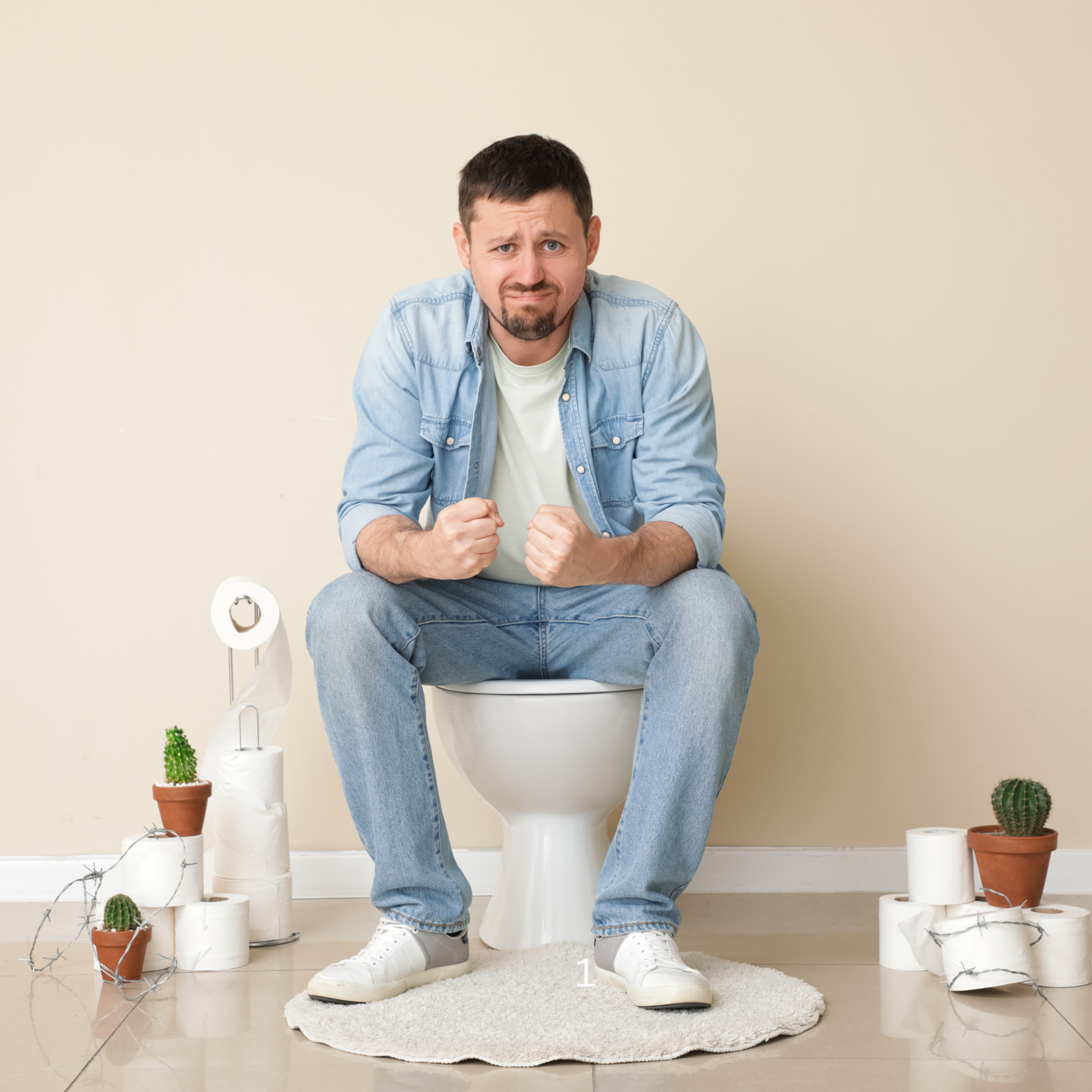
    Urinary retention is a condition where the bladder does not empty properly.

    For many people, it starts as a heavy or tight feeling in the lower abdomen. You may feel a strong urge to urinate but struggle to start, strain to pass urine, or release only a small amount even though your bladder still feels full.

    This can be uncomfortable, frustrating, and sometimes painful.

    In some cases, urinary retention happens suddenly and causes severe pain and pressure. In others, it develops slowly over time.

    Because these symptoms can build up gradually, they are sometimes ignored until the discomfort becomes hard to manage.

    Urinary retention can affect both men and women and may be linked to blockages, nerve problems, medications, infections, or recent surgery.

    This guide explains what urinary retention is, its causes, signs, and symptoms, how it is diagnosed, and the treatment options available, so you can better understand what is happening and what steps to take next.

    What is Urinary Retention?

    what is urinary retention

    Urinary retention is a condition where your bladder does not empty fully, or cannot empty at all, when you urinate (pee). This means urine stays trapped inside the bladder instead of flowing out normally.

    Your bladder works like a storage tank. Your kidneys filter waste from your blood and turn it into urine. That urine travels to your bladder, where it is stored until you’re ready to urinate.

    When you pee, the bladder muscles squeeze, and urine flows out through the urethra.

    With urinary retention, this process does not work properly. The bladder may not squeeze properly, the urethra may be blocked, or the nerves may not send the right signals. As a result, urine stays in the bladder, causing pressure, discomfort, and other urinary problems.

    What Causes Urinary Retention?

    Urinary retention can happen for several different reasons. Common causes can include:

    • A blockage in the urine flow
    • Medications that affect the nervous system
    • Nerve problems that stop the brain and the urinary system from communicating
    • Infections or inflammations can block or slow the flow
    • Surgery or anesthesia can cause retention

    While these causes apply to both men and women, the specific reasons for urinary retention often differ by sex due to anatomical differences and common health conditions.

    What are the Causes of Urinary Retention in Females?

    what are the causes of urinary retention in females

    The most common and female-specific causes include:

    Pelvic Organ Prolapse (POP)

    Sometimes the bladder, uterus, or other pelvic organs sag or drop down. When the bladder bulges into the vagina (a cystocele), it can kink the bladder outlet or press on the urethra, making it hard to empty fully.

    Childbirth & Pregnancy

    Pregnancy and vaginal delivery can stretch or injure the pelvic muscles and nerves that help you pee. A very full uterus or an unusual uterus position (like a retroverted uterus) can press on the bladder.

    Epidural anesthesia during labor can also make the bladder less able to squeeze for a short time.

    Fowler’s Syndrome

    A less common problem in younger women is where the ring of muscle around the urethra (the sphincter) doesn’t relax properly. That tightness obstructs urine flow even when the bladder is full.

    Pelvic Surgery or Trauma

    Operations on the pelvis (for example, for urine incontinence or hysterectomy) or injuries can damage nerves or change the shape of pelvic organs. That can weaken bladder control or cause a physical condition that impedes the flow of urine.

    Menopause

    Lower hormone levels after menopause result in thinner, less elastic pelvic tissues. The urethral opening can narrow, and weak tissues can alter the position of the bladder and urethra, which may lead to difficulty emptying.

    Uterine Fibroids and Pelvic Tumors

    Noncancerous growths (fibroids) or other pelvic masses can press on the bladder or urethra. That pressure can partially obstruct urine flow or make it difficult to fully empty the bladder.

    What are the Causes of Urinary Retention in Males?

    what are the causes of urinary retention in males

    The most common and male-specific causes include:

    Benign Prostatic Hyperplasia (BPH)

    As men get older, the prostate gland often becomes enlarged. The prostate sits just below the bladder and surrounds the urethra (the tube that carries urine out of the body). When it enlarges, it can squeeze the urethra, slowing or blocking urine flow.

    Prostatitis

    Prostatitis is inflammation or infection of the prostate. It can cause the prostate to swell suddenly, narrowing the urethra.

    Prostate Cancer

    Prostate cancer can also press on the urethra and block urine flow. Unlike infections, this usually develops slowly over time.

    Urethral Stricture

    A urethral stricture occurs when scar tissue narrows the urethra. This scar tissue can form after injury, surgery, catheterization, or infection (e.g., sexually transmitted infections), restricting urinary flow.

    Phimosis and Paraphimosis

    These conditions affect uncircumcised men.

    • Phimosis happens when the foreskin cannot be pulled back over the tip of the penis, which can trap urine and cause swelling.
    • Paraphimosis occurs when the foreskin is pulled back but cannot return to its normal position, causing painful swelling that can block urine flow.

    Penile Trauma (Injury)

    Injury to the penis, such as from an accident, fall, or sports injury, can cause swelling, bleeding, or damage to the urethra. This swelling or damage can block urine flow and lead to sudden urinary retention.

    What are the Signs and Symptoms of Urinary Retention?

    The symptoms of urinary retention can be different depending on whether it is acute (sudden) or chronic (long-term).

    Some people, especially those with nerve damage, may not feel pain even when the bladder is not emptying properly.

    Acute (Sudden)

    People with acute urinary retention (AUR) may experience:

    • Sudden inability to urinate despite a strong urge
    • Severe pressure, pain, or discomfort in the lower abdomen
    • Swelling or bloating in the lower belly
    • Lower back pain

    Chronic (Long-Term)

    Chronic urinary retention (CUR) typically develops gradually and may not cause severe pain initially. People with chronic urinary retention may experience:

    • Trouble starting urine flow
    • A weak or slow urine stream
    • A urine stream that stops and starts
    • A strong urge to urinate, but passing only a small amount
    • Feeling the need to urinate again right after going
    • Frequent trips to the bathroom, including at night
    • Mild, ongoing discomfort in the lower abdomen or urinary tract
    • Leakage of urine during sleep or at rest due to bladder overflow

    ​How is Urinary Retention Diagnosed?

    ​how is urinary retention diagnosed

    Healthcare professionals diagnose urinary retention by reviewing your medical history, performing a physical exam, and measuring how much urine remains in your bladder after you urinate (called a post-void residual).

    Additional lab tests and imaging studies may be ordered to find the exact cause.

    Medical History

    Your health care professional will ask detailed questions about your health and symptoms, including:

    • Urinary symptoms (also called lower urinary tract symptoms)
    • Current and past medical conditions, surgeries, or catheter use
    • Prostate problems (in men)
    • Pregnancy and childbirth history (in women)
    • Over-the-counter and prescription medications
    • Eating and drinking habits
    • Bowel habits

    This information helps identify possible triggers or underlying causes.

    Physical Exam

    A physical exam is done to look for signs of bladder or nerve problems. This may include:

    • Checking your lower abdomen for a full or swollen bladder
    • A rectal exam to examine the prostate (in men)
    • A pelvic exam (in women)
    • A basic neurological exam to assess nerve function

    Post-Void Residual (PVR) Urine Measurement

    A post-void residual test measures how much urine remains in your bladder after you urinate. The leftover urine is called the post-void residual.

    This test is done using:

    • A small catheter is placed briefly into the bladder, or
    • A bladder ultrasound scan
    • A high amount of leftover urine suggests urinary retention.

    Lab Tests

    Your health care professional may order lab tests to look for conditions linked to urinary retention, such as:

    • Urinalysis: Checks for urinary tract infection (UTI), kidney problems, or diabetes
    • Blood tests: Check kidney function and chemical imbalances in the body

    You may be asked to provide a urine sample for testing.

    Imaging Tests

    Imaging tests help identify structural problems or blockages in the urinary tract. These may include:

    • Ultrasound: Uses sound waves to view the bladder, kidneys, and urinary tract
    • Voiding cystourethrogram (VCUG): Uses X-rays to show how urine flows through the bladder and urethra
    • MRI (magnetic resonance imaging): Creates detailed images of the urinary tract and spine
    • CT scan: Provides detailed cross-sectional images of the urinary system

    Urodynamic Testing

    Urodynamic tests check how well the bladder, urethra, and sphincter muscles store and release urine. These tests may include:

    • Uroflowmetry: Measures how much urine you pass and how fast
    • Pressure-flow studies: Measure bladder pressure and urine flow during urination
    • Video urodynamics: Uses images or video to show bladder filling and emptying
    • Cystometry: Measures bladder capacity and pressure as it fills
    • Electromyography: Tests how well nerves and muscles around the bladder work together

    Cystoscopy

    Cystoscopy is a procedure in which a thin, flexible tube with a camera (a cystoscope) is inserted into the urethra to visualize the urethra and bladder. This helps doctors check for:

    • Blockages or narrowing
    • Inflammation or infection
    • Tumors or cancer
    • Structural abnormalities

    Urinary Retention Treatment Options

    urinary retention treatment options

    There are several treatment options for urinary retention, including the following:

    Catheterization

    Acute urinary retention is a medical emergency. If you suddenly can’t pee at all, a doctor will quickly drain your bladder. This is usually performed by inserting a thin tube (a catheter) through the urethra into the bladder to allow urine to flow out.

    Draining the bladder relieves pain and prevents damage to your bladder or kidneys. Once the bladder is empty, doctors will treat the cause (for example, an enlarged prostate, a blood clot, or an infection).

    In some cases of long-term (chronic) retention, people learn to use a catheter at home to empty their bladder regularly.

    Home Remedies

    While medical treatment is essential for urinary retention, some gentle at-home tricks can help encourage urination. These are not cures, but they may make it easier to go until you can see a doctor:

    • Warm water and sound: Sit on the toilet and run warm water from the tap. The sound and feel of warm water can sometimes trigger bladder emptying.
    • Warm bath or perineal rinse: A warm sitz bath or rinsing the genital area with warm water can relax pelvic muscles.
    • Body position and relaxation: Lean slightly forward while sitting on the toilet (for women, putting feet on a small stool) and take deep breaths.
    • Walking and gentle movement: Sometimes a short walk or light activity can help stimulate bladder function or relieve constipation, which in turn can facilitate urination.
    • Peppermint oil: Some individuals report that the scent of peppermint oil may facilitate urination.
    • Herbal teas: Teas made from herbs such as dandelion or stinging nettle are sometimes used to relieve bladder symptoms.

    If you still cannot urinate or have severe pain, seek medical help right away. Home tips are intended only for mild cases or for use while waiting for care.

    Lifestyle & Behavioral Changes

    Certain habits and exercises can support treatment and ease symptoms over time. These changes are especially useful for chronic retention or after initial treatment:

    • Bladder training: Go to the toilet at regular times, even if you don’t feel a strong urge. For example, try urinating every 2–4 hours.
    • Double voiding: After you urinate, wait a minute and then try again. This “double peeing” helps make sure your bladder is as empty as possible.
    • Relax on the toilet: Take a moment to relax while seated fully. Breathe deeply and give yourself time. For women, sitting with the knees apart (or even slightly squatting) allows the pelvic muscles to relax more effectively.
    • Fluid management: Drink adequate water during the day, but limit fluids before bedtime to avoid nocturnal retention.
    • Avoid bladder irritants: Cut down on caffeine (coffee, tea, cola), alcohol, and carbonated drinks, as these can irritate the bladder and make retention worse.
    • Go when you need to: Don’t “hold it” when you feel the urge. Responding promptly to the urge to urinate helps prevent bladder overstretching.
    • Manage constipation: Straining during defecation can worsen retention by compressing the bladder or pelvic nerves.
    • Weight and posture: Maintaining a healthy weight and good posture can reduce pressure on pelvic organs. Lifting properly (bending the knees, not the back) can also help prevent problems.

    Making these changes takes time, but they are low-risk ways to help your bladder. Always discuss lifestyle plans with your doctor or nurse.

    Medication

    Your health care provider may prescribe medicines to treat the underlying cause of urinary retention. The type of medication depends on what is preventing your bladder from emptying properly.

    • Enlarged prostate (in men): Medicines such as alpha-blockers help relax the muscles around the prostate and bladder neck, making it easier for urine to flow. 5-alpha reductase inhibitors work by slowly shrinking the prostate, which can reduce blockage over time.
    • Infections: If an infection is causing swelling or blockage, antibiotics are used to clear the infection and relieve urinary retention.

    Medical Procedures

    If medicines and behavior changes aren’t enough, doctors have many procedures and therapies to fix the cause of retention:

    • Cystoscopy and stone removal: A cystoscope is a thin, lighted tube passed into the bladder. It allows the physician to see inside and remove any stones or growths obstructing urine flow.
    • Urethral dilation: If a urethral stricture (scar tissue narrowing the urethra) is the problem, the doctor can stretch or widen the urethra during an office visit.
    • Vaginal pessary (women): In women with pelvic organ prolapse, a pessary is a removable ring placed inside the vagina to hold the bladder up.
    • Pelvic floor therapy: A specialized pelvic-floor therapist can use biofeedback, electrical stimulation, or manual techniques to improve pelvic muscle function.

    Frequently Asked Questions (FAQs)

    Can UTI cause urinary retention?

    Yes, a urinary tract infection (UTI) can cause urinary retention. When the bladder or urethra becomes inflamed or swollen due to infection, it can block or slow the flow of urine. In some cases, the bladder muscles may also become weak or unable to contract properly, making it difficult to empty the bladder completely. Urinary retention and UTIs can also make each other worse: urine left in the bladder provides a place for bacterial growth, increasing the risk of infection. If you experience difficulty urinating along with symptoms of a UTI, such as burning, urgency, or lower abdominal discomfort, it’s essential to seek medical care promptly.

    Can urinary retention be cured?

    Yes, urinary retention can often be cured or well-managed. Treatment usually involves draining the bladder and addressing the underlying cause, which may include an enlarged prostate, infections, or nerve problems. Depending on the cause, doctors may use catheters, medications, pelvic floor therapy, or surgery to restore normal urination, relieve discomfort, and improve bladder function.

    Does constipation cause urinary retention?

    Yes, constipation can contribute to urinary retention. A full rectum can press on the bladder or urethra, making it hard to empty, and straining can weaken pelvic muscles or interfere with the nerves that control urination. This can lead to incomplete bladder emptying and increase the risk of urinary tract infections.

    Can you die from urinary retention?

    Yes, urinary retention can be life-threatening, but usually only if complications develop. When urine stays in the bladder for too long, it can lead to serious infections that may spread to the kidneys or bloodstream, causing sepsis, a dangerous body-wide reaction that can result in organ failure. It can also cause acute kidney damage if the blockage prevents urine from leaving the body.

    What can urinary retention lead to?

    Urinary retention can lead to several complications if it isn’t treated, including:

    • Urinary tract infections (UTIs): Residual urine allows bacteria to grow, increasing the risk of recurrent or severe infections.
    • Bladder damage: A chronically overfilled bladder can stretch and weaken, reducing its ability to contract and empty.
    • Overflow incontinence: The bladder may leak small amounts of urine when it becomes overly full.
    • Urine backup in the kidneys (hydronephrosis): A blockage can cause urine to flow backward into the kidneys, leading to swelling and damage.
    • Acute kidney injury/chronic kidney disease: Severe or prolonged obstruction can impair kidney function.
    • Sepsis (blood infection): A UTI that spreads can lead to life-threatening sepsis, particularly in older adults or immunocompromised individuals.
    • Stones and irritation: Stagnant urine can lead to bladder stones and ongoing irritation or inflammation.
    • Sexual dysfunction & reduced quality of life: Ongoing urinary problems can affect sexual function, sleep, mood, and daily activities.
    • Falls or injuries: Nighttime urgency or hurried bathroom trips increase the risk of falls, particularly among older adults.
    • When to get urgent care: inability to urinate at all, severe belly pain, fever, chills, confusion, vomiting, fainting, or decreased urine output. These can signal serious complications and need immediate medical attention.

    How long before urinary retention is dangerous?

    If urinary retention is acute (sudden), it becomes dangerous right away, and you should seek emergency care the moment you cannot urinate because immediate bladder drainage is needed to prevent pain and complications. Research shows that obstruction can cause acute kidney injury within hours to days, and the risk of lasting kidney damage rises noticeably after about 48–72 hours of ongoing blockage. Whereas chronic (long-term) retention is less often immediately life-threatening but can slowly cause bladder damage, infections, stones, and kidney problems over weeks to months if not treated.

    How long does post-operative urinary retention last?

    Postoperative urinary retention (POUR) usually improves on its own, with most patients regaining normal urination within a few days to a few weeks after surgery. In some cases, it can last 4–6 weeks, and rarely even longer, depending on the type of surgery, anesthesia used, and individual factors. Retention often resolves as the effects of anesthesia wear off and urinary tract swelling decreases. Still, prolonged cases may require additional interventions, such as catheterization, medications, or further evaluation by a healthcare provider.

    How to prevent urinary retention?

    You can often reduce the risk of urinary retention by addressing factors that compress the bladder, interfere with emptying, or disrupt nerve function. Here’s how:

    • Perform pelvic floor exercises (Kegels) or consult a pelvic floor therapist to maintain muscle function.
    • Avoid constipation by increasing fiber intake, maintaining adequate hydration, exercising, and using gentle laxatives or stool softeners if needed, as a full rectum can press on the bladder.
    • Drink regularly during the day but cut down before bedtime; avoid excess caffeine and alcohol that irritate the bladder.
    • Get UTIs or prostatitis checked and treated promptly so swelling does not block urine flow.
    • Review medicines with your clinician, as some drugs (antihistamines, strong painkillers, decongestants) can cause retention; your doctor may adjust them.
    • Manage prostate and pelvic conditions, follow up for BPH, prolapse, or fibroids, so mechanical blockages are identified and treated.
    • Sit properly, take your time, try “double voiding” (pee, wait a minute, try again), and don’t ignore urges.
    • After surgery, follow post-op care, as early walking, pain control, and close bladder checks reduce the risk of postoperative retention.
    • See your doctor for regular checks if you have diabetes, spinal problems, prior pelvic surgery, or recurrent urinary issues.

    If you start having trouble emptying your bladder, sudden inability to urinate, severe pain, fever, or worsening symptoms, seek medical help right away.

    Doctors who treat acute urinary retention

    Doctors who treat acute urinary retention (AUR) are mainly urologists, specialists in the urinary and reproductive systems, who manage immediate bladder drainage with a catheter and treat the underlying cause through medications or procedures. If you cannot see a urologist immediately, going to the emergency room is essential, where an emergency physician can provide urgent care and relieve the obstruction. Other healthcare professionals, such as nurse practitioners, physician assistants, and pelvic floor physical therapists, may also be involved in ongoing management and rehabilitation to prevent recurrence and improve bladder function.

    Conclusion

    Urinary retention can be uncomfortable, frustrating, and even frightening, especially when you feel a full bladder but cannot urinate.

    This condition is fairly common and can occur suddenly (acute) or develop over time (chronic), with causes ranging from infections, an enlarged prostate, nerve problems, pelvic organ prolapse, to certain medications.

    As a result, symptoms can vary widely, from difficulty starting urination and a weak urine stream to an inability to urinate, lower abdominal pain, or frequent urination.

    To determine the cause, diagnosis typically involves obtaining a detailed medical history, performing a physical examination, performing urinalysis, and, in some cases, using imaging or specialized bladder studies.

    Based on the findings, treatment depends on the severity and underlying cause of the retention. Available options include immediate catheterization, medications, nonsurgical therapies, lifestyle adjustments, and, when necessary, surgical intervention.

    It is important to remember that if you are experiencing urinary difficulties, you are not alone, and medical help is available to restore comfort, improve bladder function, and provide peace of mind.

  • Uterine Fibroids: Types, Causes, Symptoms, Diagnosis, & Treatments

    Uterine Fibroids: Types, Causes, Symptoms, Diagnosis, & Treatments

    Uterine fibroids (also called leiomyomas) are benign tumours made of smooth muscle and fibrous tissue that form in or on the muscular wall of the uterus.

    It can range in size from a seedling to masses bigger than a melon.

    Epidemiological analyses estimate that 40–80 % of people with a uterus have fibroids, with the greatest prevalence between 30 to 50 years.

    Despite being non‑malignant, fibroids can severely affect quality of life by causing heavy menstrual bleeding, chronic pelvic pain, pressure symptoms, infertility, or pregnancy complications.

    Moreover, new survey data from The Harris Poll for the Society of Interventional Radiology show that many women still have misunderstandings about their treatment options.

    In fact, 17% believe a hysterectomy, the complete removal of the uterus, is the only solution, including 27% of women aged 18–34. However, minimally invasive treatments like UFE, in addition to surgical treatment, are a great option.

    This article explains uterine fibroids, including their types, causes, symptoms, complications, and treatment options.

    What are Uterine Fibroids?

    what are uterine fibroids

    Uterine fibroids are non-cancerous (benign) growths that develop in the wall of the uterus. They are made of smooth muscle cells and fibrous (connective) tissue. Fibroids can be as small as a pea or as large as a grapefruit, and a woman may have one fibroid or many.

    Most fibroids grow slowly or not at all and do not turn into cancer. Fibroids are usually described by where they grow:

    • Submucosal
    • Intramural
    • Subserosal

    Each fibroid’s size and location influence the symptoms a person may have and which treatments are appropriate.

    Who Usually Develops Uterine Fibroids?

    Fibroids are most common in women of reproductive age, particularly between about 30 and 50 years old. The risk increases with age during the childbearing years and then generally decreases after menopause.

    Evidence from epidemiological and mechanistic research identifies several modifiable and non‑modifiable risk factors:

    Risk FactorEvidences
    Race/ethnicityResearch shows that black women are about three times more likely to develop fibroids than the general population, often experiencing earlier onset, larger fibroids, and more severe symptoms such as pelvic pain, menopause, bladder problems, and heavy bleeding.
    Genetic predispositionHaving close relatives with fibroids increases the risk, with genetic predisposition playing a significant role.
    Age, early menarche & late menopauseFibroids are rare before puberty; incidence peaks in the 40s and declines after menopause. Early menarche and late menopause prolong estrogen exposure and increase risk.
    Obesity and high BMIA nutritional review shows that obesity increases aromatase activity, converting androgens to estrogens, which stimulate fibroid growth.
    HypertensionA longitudinal analysis of 2,570 midlife women found that untreated hypertension was associated with a 19 % higher risk of incident fibroids, whereas antihypertensive medication reduced risk by 37 %. Participants who developed hypertension during follow‑up had a 45 % increased risk.
    NulliparityWomen who have not delivered children have a higher risk. Pregnancy may be protective because uterine remodelling during pregnancy may reduce the number of uterine stem cells.
    Hormonal factorsA study highlights that prolonged exposure to estrogen and progesterone stimulates growth; fibroids enlarge during pregnancy and shrink after menopause.
    Vitamin D deficiencyLow vitamin D levels increase risk; supplementation may inhibit fibroid growth.
    Environmental factorsResearch indicates diets high in red meat, saturated fats, and alcohol, exposure to endocrine‑disrupting chemicals (e.g., organophosphate esters, plasticizers), tobacco use, and vitamin D deficiency have been associated with increased risk.
    Genitourinary microbiome & inflammationAlterations in the reproductive tract microbiome and chronic low‑grade inflammation may promote fibroid growth.

    3 Types of Uterine Fibroids

    Fibroids are classified according to their location in the uterus and relationship to the uterine wall.

    The most commonly used system is the International Federation of Gynecology and Obstetrics (FIGO) classification. For clinical purposes, three broad types are usually discussed:

    1. Submucosal Fibroids

    Grow just beneath the uterine lining and can protrude into the uterine cavity. They’re the type most likely to cause heavy or prolonged menstrual bleeding and fertility problems because they distort the lining where an embryo would implant.

    2. Intramural Fibroids

    Form inside the muscular wall of the uterus and are the most common type. They can make the uterus feel larger, cause pelvic pain or pressure, and may contribute to heavy bleeding and fertility issues, depending on size and exact location.

    3. Subserosal Fibroids

    Develop on the outer surface of the uterus and grow outward. These usually cause bulk-related symptoms, such as pelvic pressure, pain, or urinary/bowel problems, from pressing on nearby organs. Some subserosal fibroids are pedunculated (stalked) and can cause acute pain if they twist.

    Clinical Note: The fibroid’s location strongly affects symptoms and treatment choices. For example, submucosal fibroids are often removed hysteroscopically to improve bleeding or fertility, while large intramural or subserosal fibroids may need other surgical or radiologic approaches.

    What Causes Uterine Fibroids?

    what are the causes of uterine fibroids

    The exact cause of fibroid development is still unclear, but several mechanisms are implicated:

    • Hormonal Imbalance

    Estrogen and progesterone promote the proliferation of smooth muscle cells and the extracellular matrix in fibroids. Fibroids contain more estrogen and progesterone receptors than normal myometrium.

    Hormone fluctuations explain why fibroids grow during pregnancy and shrink after menopause.

    • Genetic and Molecular Alterations

    Somatic mutations in the MED12 gene are the most common driver mutation, detected in 45–90% of fibroids. Other genes can also be involved. These changes make the cells grow more than they should.

    • Growth Factors and Vascular Regulation

    Fibroids produce growth factors (e.g., transforming growth factor‑β and vascular endothelial growth factor) and exhibit altered angiogenic signalling, leading to increased vascularisation and fibroid growth.

    • Environmental and Inflammatory Triggers

    Vitamin D deficiency, endocrine‑disrupting chemicals, chronic inflammation, and obesity contribute to pathogenesis by altering hormone metabolism and extracellular matrix deposition.

    What are the Symptoms of Uterine Fibroids?

    what are the symptoms of uterine fibroids

    Symptoms depend on the size, number, and location of fibroids; many women are asymptomatic.

    The most common symptoms include:

    • Heavy or Prolonged Menstrual Bleeding (Menorrhagia)

    Submucosal fibroids, which grow close to the uterine lining, are the most likely to cause heavy, long, or irregular periods. This type of bleeding can be severe enough to lead to iron-deficiency anemia, causing fatigue, weakness, or shortness of breath.

    • Pelvic Pain or Pressure

    Larger intramural or subserosal fibroids can press on nearby organs. This pressure may cause:

    • Low back pain
    • A swollen or enlarged abdomen
    • Urinary frequency or difficulty emptying the bladder
    • Constipation or discomfort during bowel movements

    These symptoms are caused by the fibroid pushing against the bladder, bowel, or pelvic nerves.

    • Reproductive and Fertility Issues

    Fibroids can affect fertility by changing the shape of the uterus, blocking the fallopian tubes, or interfering with embryo implantation. They may also increase the risk of miscarriage.

    Studies show fibroids are found more in women seeking fertility treatment, and both the number and size of fibroids are directly linked to how severe symptoms are and how much they impact quality of life.

    • Pregnancy Complications

    During pregnancy, fibroids can increase the risk of:

    • Difficulty becoming pregnant
    • Preterm birth
    • Breech presentation
    • Heavy bleeding after delivery (postpartum hemorrhage)

    The risk depends heavily on the fibroid’s location and size. Some fibroids remain stable during pregnancy, while others may grow due to higher hormone levels.

    What are the Risk Factors for Uterine Fibroids?

    Several factors can increase a woman’s chances of developing uterine fibroids:

    • Family history: Women with a mother or sister who had fibroids are more likely to develop them.
    • Age (30–50 years): Fibroids usually appear and grow during the reproductive years, especially in the 30s and 40s, then often shrink after menopause.
    • Obesity and high blood pressure: Higher body weight and hypertension are both linked to a greater risk of fibroids.
    • Lifestyle factors: Low physical activity, a diet high in red meat, and low intake of fruits and vegetables may contribute to fibroid growth.
    • Early menstruation and late menopause: Starting periods at a young age and going through menopause later in life expose the uterus to hormones for longer, increasing the chance of developing fibroids.

    What are the Complications of Uterine Fibroids?

    Besides the symptoms listed above, fibroids can lead to specific complications:

    • Anemia from Heavy Bleeding

    When fibroids, especially those near the uterine lining, cause heavy or prolonged periods, chronic blood loss can lead to iron-deficiency anemia. This may require iron supplements or other medical treatment to restore iron levels.

    • Infertility and Adverse Pregnancy Outcomes

    A study shows that large submucosal fibroids (those that grow into the uterine cavity) are linked with infertility and a higher risk of miscarriage and preterm birth.

    For selected patients, removing submucosal fibroids with hysteroscopic myomectomy has been shown to improve reproductive outcomes. However, the benefit depends on the fibroid type and individual factors.

    • Urinary and Bowel Dysfunction

    Fibroids that press on the bladder or rectum can cause urinary frequency, urgency, difficulty emptying the bladder, or constipation and discomfort during bowel movements.

    These “bulk” effects come from the fibroid’s size and location rather than bleeding.

    • Rare Risk of Cancer

    Malignant transformation of a fibroid into a leiomyosarcoma is extremely rare (well under 1% of cases). Because the risk is small but clinically important, doctors evaluate rapidly growing or suspicious masses carefully.

    How are Uterine Fibroids Diagnosed?

    Evaluation begins with a clinical history and pelvic examination. The choice of test depends on symptoms, suspected fibroid location, and whether fertility is a concern.

    Initial Assessment

    • Pelvic Exam: A doctor may feel an enlarged or irregular uterus during a routine pelvic exam, which can suggest the presence of fibroids.
    • Medical History and Symptoms: Information about heavy bleeding, pelvic pain, or urinary problems helps guide which tests are needed.

    Imaging Tests

    • Pelvic Ultrasound (first-line test): Ultrasound is the most common and readily accessible modality for detecting fibroids. It shows their size, number, and basic location.
    • Magnetic Resonance Imaging (MRI): MRI provides detailed fibroid mapping and is useful for surgical planning or when ultrasound results are inconclusive.
    • CT Scan: CT is not routinely used to diagnose fibroids, but it may show them incidentally if performed for another reason.

    Procedures for Uterine Cavity Assessment

    • Hysteroscopy or Hysterosalpingography: Hysteroscopy allows direct visualisation and treatment of submucosal fibroids. Hysterosalpingography helps evaluate intracavitary lesions.
    • Laparoscopy: Used when other imaging is inconclusive or when concomitant pelvic pathology is suspected.

    Additional Tests

    • Blood Tests: These help check for anemia from heavy bleeding and rule out other causes of symptoms.

    Uterine Fibroids Treatment Options

    uterine fibroids treatment options

    Uterine treatment decisions depend on fibroid size, location, symptom severity, patient age, and fertility desires. Many small or asymptomatic fibroids can be monitored (“watchful waiting”).

    Symptomatic fibroids may require medical therapy, minimally invasive procedures, or surgery.

    Here are some options supported by recent evidence and guideline recommendations.

    Medical Management

    • Symptom Control

    Symptom control is the goal of medical therapy; medications generally do not eradicate fibroids but can reduce bleeding and shrink tumours.

    According to the American College of Radiology’s Appropriateness Criteria, first‑line agents include oral contraceptive pills and progestin‑containing intrauterine devices, which reduce bleeding symptoms.

    Non‑hormonal alternatives such as tranexamic acid are effective for heavy menstrual bleeding.

    • GnRH Agonists and Antagonists

    Two types of medicines can shrink fibroids and reduce symptoms: GnRH agonists (such as leuprolide) and GnRH antagonists (such as elagolix, linzagolix, and relugolix).

    Research shows that these medicines work by lowering estrogen levels, which in turn causes fibroids to shrink. Because low estrogen can cause side effects such as hot flashes and bone thinning, they are usually used for a short time, often to shrink fibroids before surgery.

    Newer treatments combine a low dose of estrogen and progestin with the medication. This helps prevent strong side effects while still controlling heavy menstrual bleeding, and this approach is FDA-approved.

    • Selective Progesterone Receptor Modulators (SPRMs)

    Drugs such as ulipristal acetate reduce bleeding and fibroid size, but concerns about hepatotoxicity have limited widespread use.

    Other Agents: NSAIDs relieve pain; combined oral contraceptives, progestin injections or implants, and the levonorgestrel intrauterine device control bleeding. Iron supplementation addresses anemia.

    Minimally Invasive Procedures

    • Uterine Fibroid Embolization (UFE)

    Uterine fibroid embolization is a catheter‑based procedure performed by Dr. Zagum Bhatti, a board-certified interventional radiologist..

    A catheter is introduced through the femoral or radial artery and navigated into the uterine arteries; small embolic particles occlude the branches supplying the fibroids, causing ischemic necrosis and shrinkage.

    Randomised trials show that UFE provides symptom relief comparable to myomectomy; quality‑of‑life scores and re‑intervention rates at four years are not significantly different. Advantages include a shorter hospital stay, lower risk of blood transfusion, and faster recovery.

    However, patients may experience post‑embolization syndrome (pelvic pain, fever, nausea) and expulsion of submucosal fibroids.

    Another retrospective study of 155 patients undergoing UFE for submucosal fibroids found that UFE reduced the median volume of the dominant fibroid by 64% and achieved >90% devascularization in 94.8% of cases.

    High patient satisfaction was reported, with 84.5% discharged without further intervention.

    Severe adverse events were rare (3.2 %), while mild adverse events (mainly infection or vaginal discharge) occurred in 16.8 %. These findings support UFE as an effective and safe option for submucosal fibroids.

    • Radiofrequency Ablation (RFA)

    RFA (available as laparoscopic Acessa or transcervical Sonata systems) uses thermal energy to coagulate fibroid tissue.

    Under ultrasound guidance, a needle electrode delivers radiofrequency energy, heating the fibroid to ~100 °C and causing coagulative necrosis, which is gradually reabsorbed. RFA is typically a day surgery and preserves the uterine wall structure.

    • MRI‑Guided Focused Ultrasound (MRgFUS/HIFU)

    MRgFUS uses high‑intensity focused ultrasound waves to thermally ablate fibroid tissue under MRI guidance. Advantages include no incisions, minimal blood loss, and rapid recovery.

    According to the ACR Appropriateness Criteria, complications are rare but can include skin burns, nerve injury, and deep vein thrombosis.

    Compared with UFE, MRgFUS has longer procedure times and higher re‑intervention rates.

    Surgical Options

    • Myomectomy (Uterine‑Sparing Surgery)

    Myomectomy removes fibroids while preserving the uterus and fertility. It can be performed hysteroscopically (for submucosal fibroids), laparoscopically/robotically, or via open abdominal surgery.

    • Hysterectomy

    Hysterectomy (removal of the uterus) provides definitive treatment with no risk of recurrence, making it appropriate for women who do not desire future fertility.

    Options include total hysterectomy (uterus and cervix removed), supracervical hysterectomy (uterus only), and may be performed vaginally, laparoscopically, or abdominally.

    Frequently Asked Questions (FAQs)

    Are Uterine fibroids common?

    Yes. About 40–80% of people with a uterus develop fibroids, with the highest prevalence between ages 30 and 50. Most fibroids are small and cause no symptoms, so many people only find out about them during a pelvic exam or ultrasound.

    Do uterine fibroids cause pain?

    Many women experience pelvic pressure or pain; symptoms depend on fibroid size and location. Submucosal fibroids often cause heavy bleeding, while large intramural or subserosal fibroids can cause back pain, urinary frequency, and constipation.

    Can uterine fibroids be cancerous?

    Fibroids are almost always benign. Malignant transformation into leiomyosarcoma (cancer) is extremely rare.

    What size of uterine fibroids should be removed?

    There is no single size threshold. Indications include significant symptoms (heavy bleeding, pain, infertility), rapid growth, or distortion of the uterine cavity. Fibroids larger than 5 cm or submucosal fibroids causing heavy bleeding often warrant intervention.

    Can uterine fibroids cause bleeding?

    Yes. Heavy menstrual bleeding is one of the most common symptoms and can lead to iron‑deficiency anemia. Iron supplementation or treatment to reduce bleeding may be necessary.

    Can uterine fibroids cause anemia?

    Yes, uterine fibroids can lead to anemia. This happens when heavy or prolonged menstrual bleeding caused by fibroids depletes the body’s iron stores, which are essential for making red blood cells. Over time, this can lead to a low red blood cell count, resulting in fatigue, weakness, and other anemia-related symptoms.

    Can I get pregnant with uterine fibroids?

    Yes, you can get pregnant with a uterine fibroid, but it can sometimes affect fertility or pregnancy depending on its size, number, and location. Submucosal fibroids, which grow into the uterine cavity, are most likely to interfere with embryo implantation or increase the risk of miscarriage. Large intramural fibroids within the uterine wall can also reduce fertility or cause complications, while subserosal fibroids on the outer surface usually do not affect fertility but may cause discomfort if very large. Doctors may recommend monitoring, medication, or surgical removal for fibroids that could interfere with conception or a healthy pregnancy.

    Do uterine fibroids go away on their own?

    Uterine fibroids usually do not disappear on their own, but their growth often slows or stops after menopause when hormone levels (estrogen and progesterone) decline. Some small fibroids may remain stable for years without causing symptoms, so not all fibroids require treatment. Doctors often monitor fibroids that aren’t causing problems and only recommend intervention if they grow, cause symptoms, or affect fertility.

    Can uterine fibroids be prevented?

    No, uterine fibroids cannot always be prevented. However, certain lifestyle choices may help reduce the risk or slow their growth. Maintaining a healthy weight, exercising regularly, eating a balanced diet rich in fruits, vegetables, and fiber, controlling blood pressure, getting enough vitamin D, limiting alcohol and red meat, and using certain hormonal contraceptives may all help. While these steps don’t guarantee prevention, they can support overall uterine health and may reduce the chances of fibroids developing or growing quickly.

  • Infertility: Causes, Signs, Symptoms, & Treatments

    Infertility: Causes, Signs, Symptoms, & Treatments

    Infertility is a common medical condition that can also be deeply stressful and emotionally painful for individuals and couples.

    But you are not alone. It is more common than many people realize.

    According to the CDC, 1 in 5 (19%) of married women aged 15 to 49 in the U.S. with no prior births are unable to get pregnant after 1 year of trying.

    Studies suggest that after 1 year of having unprotected sex, 12% to 15% of couples are unable to conceive, and after 2 years, 10% of couples still have not had a live-born baby.

    Infertility is not only a “woman’s problem.”

    Causes may arise from the female side or from the male side.  Many couples have mixed or unexplained factors, which is why evaluating both partners is standard practice.

    Some causes of infertility are preventable. Medications or assisted reproductive technologies are aimed at maximizing the chances of conception.

    In this guide, you’ll gain an understanding of what infertility is, its types, causes, signs and symptoms, diagnoses, and available treatment options.

    What is Infertility?

    what is infertility

    According to the World Health Organization (WHO), infertility is a disease of the male or female reproductive system defined by the failure to achieve a pregnancy after 12 months or more of regular unprotected sexual intercourse.

    Conception requires a series of coordinated steps: a mature egg released during the ovulation portion of the menstrual cycle, sperm reaching and fertilizing the egg (typically in the fallopian tube), formation of an embryo, and successful embryo implantation in a receptive uterine lining.

    Disruption at any step, irregular or absent ovulation (menstrual cycle dysregulation), poor egg quality or reduced ovarian reserve, impaired sperm quality (count, shape, motility), tubal blockage, or uterine factors, can cause infertility.

    What are the Types of Infertility?

    Infertility affects millions of people and has an impact on their families and communities.

    WHO estimates suggest that approximately one in every six people of reproductive age worldwide experiences infertility in their lifetime.

    Types of infertility include:

    1. Primary Infertility

    This refers to a person or couple who have never achieved a pregnancy (or live birth) despite at least 12 months of regular, unprotected intercourse (or 6 months if the woman is 35 or older).

    Because no prior conception has occurred, the evaluation typically begins once the diagnostic threshold (12 or 6 months) is reached.

    Also, there is no prior successful pregnancy history; clinicians often consider a full infertility work-up (ovulation assessment, ovarian reserve, tubal/uterine imaging, semen analysis) more promptly.

    The absence of prior conception may suggest more significant or multiple contributing factors.

    2. Secondary Infertility

    It occurs when a person or couple has had at least one prior pregnancy (regardless of outcome) but is now unable to conceive after the defined interval of regular unprotected intercourse.

    Because a prior conception occurred, some systems (ovulatory, tubal, sperm) were once functional. The evaluation may focus on “what changed.

    For example, age-related decline in ovarian reserve, new tubal damage, and a change in partner sperm quality.

    Therefore, prompt assessment is required, especially if age or other risk factors are present. Still, the perceived urgency is sometimes slightly less than in primary infertility (depending heavily on age and other context).

    3. Female-Factor Infertility

    This refers to cases in which the primary or sole contributing cause lies in the female partner’s reproductive system.

    For example, ovulatory dysfunction (irregular or absent ovulation), diminished ovarian reserve (reduced egg quantity/egg quality), tubal factor (blocked or damaged fallopian tubes), uterine or endometrial factors (uterine fibroids, endometriosis, poor endometrial receptivity).

    The clinician (often a reproductive endocrinologist) will assess menstrual cycle regulation, hormone levels (FSH, AMH), ovulation status, ovarian reserve, tubal patency, or uterine anatomy.

    Because female fertility declines with age (especially egg quality after age 35–40), the timeframe for intervention may be compressed, meaning earlier work-up and possibly earlier referral for assisted reproductive technologies may be indicated when diminished ovarian reserve or significant structural issues are found.

    4. Male-Factor Infertility

    This refers to infertility in which the male partner is the primary contributor. Common issues include reduced sperm quality (count, motility, morphology), sperm transport problems, hormonal/andrologic disorders.

    For this, evaluation begins with a partner’s semen analysis, hormonal testing (testosterone, FSH, LH), a physical/andrologic exam, and possibly imaging or genetic testing.

    Also, management may include lifestyle modifications, medical or surgical treatments (e.g., varicocele repair, hormonal therapy), and assisted reproduction when appropriate.

    If the male factor is severe, the timeline for moving to assisted reproductive technologies may be faster rather than prolonged expectant management.

    5. Tubal Infertility

    This is a specific female-factor category in which the fallopian tubes are blocked, scarred, or damaged, preventing the egg and sperm from meeting or the embryo from reaching the uterus.

    It’s often evaluated via imaging (hysterosalpingogram, sonohysterography, or laparoscopy).

    If tubal damage is significant (e.g., hydrosalpinx, bilateral obstruction), the timeline for moving to assisted reproduction (such as in vitro fertilization) may be accelerated because natural conception is unlikely.

    In some cases, surgical repair may be an option.

    6. Combined Infertility

    This category applies when both partners (female and male) have contributing fertility-limiting factors.

    For example, the female partner may have diminished ovarian reserve or tubal damage, and the male partner may have suboptimal sperm quality.

    Because two sets of problems exist, management often needs coordinated care involving both the reproductive endocrinologist and male fertility specialist (andrologist).

    Also, the timeline for intervention may be shorter given the combined burden, so clinicians often recommend more proactive assessment and treatment rather than “wait and see.”

    7. Unexplained Infertility

    This occurs when, after a standard infertility evaluation (including ovulation assessment, ovarian reserve testing, semen analysis, tubal and uterine imaging), no specific cause is identified.

    Even though no cause is found, treatment is still possible, but it’s empiric.

    Options may include ovulation induction, intrauterine insemination (IUI) timed to the fertile window, or more directly assisted reproductive technologies (ART), depending on age and other risk factors.

    Because there is no targetable cause, prognosis depends heavily on age, duration of infertility, and other subtle factors; timing becomes important, especially when the female partner is older.

    What Causes Infertility?

    what are the causes of infertility

    Many underlying medical, lifestyle, and environmental factors can impair egg quality, sperm quality, or the fertilisation/implantation sequence.

    The reasons for infertility vary from person to person. Here are the most common causes of infertility in women.

    Some reasons for female fertility problems include:

    • Ovulatory Disorders

    A normal menstrual cycle averages about 28 days; cycles that are fairly regular, roughly every 21 to 35 days, usually indicate that ovulation is occurring. Irregular or infrequent periods often mean ovulation is irregular or absent.

    When ovarian function is disrupted, a health-care provider should evaluate possible causes.

    Typical tests include follicle-stimulating hormone (FSH), anti-Müllerian hormone (AMH), and antral follicle count (AFC) on pelvic ultrasound.

    Common conditions that affect ovarian function

    • Polycystic ovary syndrome (PCOS): The most frequent cause of ovulatory infertility. PCOS disrupts the normal hormonal signals that trigger ovulation, causing irregular or absent ovulation and often associated metabolic and androgenic features.
    • Diminished ovarian reserve (DOR): Fewer eggs remain in the ovaries than expected for a woman’s age. DOR may be congenital, related to prior surgery or medical treatment, or unexplained; it reduces both the quantity and often the quality of eggs available for fertilization.
    • Hypothalamic or pituitary dysfunction: Research shows that problems in the brain’s reproductive control centers (the hypothalamus and pituitary) can alter the release of GnRH, LH, and FSH, impairing follicle development and ovulation.
    • Functional hypothalamic amenorrhea (FHA): A reversible condition caused by low body weight, rapid weight loss, excessive exercise, or significant stress. FHA suppresses GnRH secretion and stops or reduces ovulation.
    • Primary ovarian insufficiency (POI): Also called premature ovarian failure, POI occurs when the ovaries stop functioning before age 40. It’s characterized by irregular or absent periods, elevated FSH, and low estrogen, and may result in early loss of fertility.

    If ovarian dysfunction is suspected, timely evaluation and targeted testing help identify the specific cause and guide management, whether lifestyle changes, medical treatment to restore ovulation, or fertility-preserving or assisted-reproductive options.

    • Age-Related Decline

    As a woman ages, two key fertility-related processes deteriorate: the number of eggs remaining in her ovaries (often measured as ovarian reserve) and the ability of those eggs to fertilize and develop into healthy embryos (egg quality).

    Research shows that age-related changes in oocyte (egg) energy metabolism (for example, reduced ATP production, altered mitochondrial and lipid metabolism) degrade egg quality.

    Another study found that the prevalence of Diminished Ovarian Reserve (DOR) increased significantly with age, with more than double the rate in women over 30 compared to those under 30.

    Because both quantity and quality decline with age, the “fertile window” shrinks in both monthly opportunities and cumulative chances.

    • Tubal Issues

    When the tubes are damaged, blocked, scarred, or their epithelial lining is compromised, the egg and sperm cannot meet properly, or the resulting embryo cannot travel safely to the uterus. This condition is known as tubal factor infertility (TFI).

    Causes of fallopian tube damage or blockage can include:

    • Blockage or scarring: Infections trigger inflammation that leads to adhesions, scar tissue, or complete tubal occlusion, preventing the egg and sperm from meeting.
    • Epithelial damage: The ciliated cells of the fallopian tube help transport the fertilised egg into the uterus. Damage to these cells slows or stops embryo transit.
    • Ectopic risk: Because the embryo’s path is compromised, implantation may occur in the tube itself rather than the uterus, leading to ectopic pregnancy.

    One retrospective cohort of 2,892 women with tubal infertility found that those with prior ectopic pregnancy had worse outcomes in IVF/ICSI cycles.

    Because tubal damage is often irreversible, prompt identification can shift management earlier to assisted reproductive technologies (ART) rather than prolonged natural-cycle attempts.

    • Endometriosis

    Endometriosis is the presence of endometrial-like tissue outside the uterus (for example, on the ovaries, fallopian tubes, or pelvic peritoneum).

    This aberrant tissue can cause inflammation, adhesions (scar tissue), hormonal dysregulation, and altered pelvic anatomy. These changes can impact fertility by:

    • Impairing ovulation or reducing egg/follicle quality when the ovary is involved (e.g., endometrioma).
    • Causing tubal/peritoneal adhesions that interfere with the meeting of egg and sperm or embryo transport.
    • Altering the uterine lining (endometrium) so that embryo implantation is less likely.
    • Creating a hostile, inflammatory environment in the pelvis may reduce fertility potential.

    A study found that women with endometriosis exhibit endometrial changes (hormonal imbalances, immune dysregulation, altered microRNA/gene expression) that reduce the likelihood of successful implantation.

    Another research report found that, among women with endometriosis, oxidative stress, dysregulated steroidogenesis (via aromatase P450), and elevated cytokines (IL-6, IL-8, TNF-α) were identified as factors likely impairing follicle/oocyte development and thus fertility.

    • Uterine Factors

    Uterine-factor infertility refers to conditions in the uterus that interfere with one or more steps of conception, implantation, or maintenance of a pregnancy.

    These include anatomical abnormalities and acquired lesions that alter the uterine cavity, lining, or musculature.

    A cross-sectional study found a high prevalence of acquired uterine anomalies (polyps, submucosal fibroids) and congenital anomalies (septate, bicornuate uteri) among sub-fertile women.

    Because these uterine issues affect the “plumbing and lining” part of the reproductive system, the cavity where the embryo must implant, timely detection and repair can often improve chances of conception.

    • Thyroid Disease

    According to the American Thyroid Association, one in eight women will develop a thyroid disorder in her lifetime.

    Thyroid problems usually fall into two main types:

    • Hyperthyroidism (overactive thyroid): The gland makes too much thyroid hormone.
    • Hypothyroidism (underactive thyroid): The gland does not produce enough thyroid hormone.

    Some people may also develop thyroid nodules, which are small lumps or growths in the thyroid. Most nodules are harmless, but in some cases, they can cause hormonal changes or make swallowing uncomfortable.

    Research shows that overt (clinical) hypothyroidism is consistently associated with menstrual irregularities, anovulation, luteal-phase defects, and reduced conception rates. Treating overt hypothyroidism (levothyroxine) typically restores regular cycles and improves chances of conceiving.

    Another research from the National Institutes of Health (NIH) also highlights that about 2–4% of women of reproductive age have hypothyroidism.

    This condition can interfere with normal ovulation and disrupt menstrual cycles, which may lead to infertility. Hypothyroidism can appear on its own, develop after pregnancy, or occur following treatment for an overactive thyroid. In some cases, it may also be present from birth.

    • Autoimmune Disorders

    Autoimmune diseases develop when the immune system mistakenly targets the body’s own healthy cells, leading to ongoing inflammation and tissue damage. This heightened immune response can impact fertility in several ways.

    A large population-based study analyzed over 568,000 births and discovered that women with untreated infertility were 25% more likely to develop conditions such as lupus, Sjögren’s syndrome, or inflammatory myopathies within nine years after delivery.

    Also, the research indicates that infertility itself may act as an early warning sign for underlying autoimmune dysfunction, even when a pregnancy is achieved naturally.

    Autoimmune disorders can affect fertility in several ways:

    • Hormonal disruptions: Some autoimmune conditions can damage hormone-producing glands, leading to irregular periods and ovulation issues.
    • Chronic inflammation: Ongoing inflammation may affect egg quality, embryo development, and the uterus’s ability to accept an embryo.
    • Auto-antibodies: In conditions like antiphospholipid syndrome, antibodies can interfere with blood flow to the uterus and placenta, increasing the risk of miscarriage.
    • Medication effects: Certain immunosuppressants used to treat autoimmune diseases may temporarily reduce fertility or affect ovarian function.
    • Higher miscarriage risk: Women with autoimmune disorders, especially lupus and antiphospholipid syndrome, have a greater chance of pregnancy loss.

    Overall, autoimmune activity, inflammation, and treatment effects can all contribute to fertility challenges.

    • Chronic Medical Conditions

    Long-term illnesses such as diabetes, hypertension, autoimmune disorders, kidney disease, and untreated thyroid problems can disrupt the delicate hormonal balance needed for ovulation and healthy menstrual cycles.

    These conditions may also affect blood flow to reproductive organs, increase inflammation, or lead to complications like irregular periods, poor egg quality, or difficulty maintaining a pregnancy.

    For example, research shows that chronic metabolic disorders such as obesity and metabolic syndrome impair fertility by disrupting the hypothalamic–pituitary–ovarian (HPO) axis, lowering oocyte quality, and reducing implantation and live-birth rates; multiple recent reviews document these mechanisms and worse assisted reproduction outcomes in obese women.

    Another research indicates that decreased ovarian reserve, altered ovarian function, and worse clinical pregnancy rates in women with diabetes.

    • Lifestyle Factors

    Unhealthy habits such as smoking, excessive alcohol use, poor diet, and lack of exercise can disrupt the hormonal balance required for ovulation and regular menstrual cycles.

    Moreover, exposure to environmental toxins, like pesticides, plastics (BPA), and certain chemicals, may also damage eggs and sperm or affect implantation.

    Plus, poor sleep, chronic dehydration, and overuse of caffeine further strain the body’s hormonal regulation.

    What are the Signs of Infertility?

    what are the signs of infertility

    Infertility in people who menstruate is often first suspected from objective clues in the reproductive history, physical exam, or simple tests.

    Many of these signs point to hormonal or structural problems that can impair ovulation, egg quality, tubal function, or uterine receptivity.

    The common signs of infertility include:

    • Irregular menstrual cycles: Cycles shorter than 21 days, longer than 35 days, or unpredictable, often a sign of ovulatory problems like PCOS or hormonal imbalance.
    • Very heavy or very light periods: Abnormal flow can signal fibroids, polyps, hormonal disorders, or uterine lining problems that affect implantation.
    • Absence of ovulation: No ovulation confirmed by tests (like low mid-luteal progesterone). Seen in PCOS, thyroid issues, hyperprolactinemia, or POI.
    • History of pelvic inflammatory disease (PID) or STIs: Documented infections such as chlamydia or gonorrhea increase the risk of tubal scarring and blocked fallopian tubes.
    • Recurrent miscarriages (2 or more): Repeated pregnancy loss may indicate uterine abnormalities, genetic issues, autoimmune disorders, or hormonal imbalance.
    • Abnormal vaginal discharge (infection-related): Clinically confirmed infections can travel upward and damage the tubes, affecting fertility.
    • Persistent pelvic pain: Exam-related or recorded chronic pelvic pain may be a sign of endometriosis or pelvic adhesions that interfere with conception.

    What are the Symptoms of Infertility

    what are the symptoms of infertility

    While infertility itself often has no symptoms, many women experience physical changes that point to an underlying condition affecting their reproductive health.

    Common symptoms linked to infertility include:

    • Painful periods (dysmenorrhea): Severe cramping may indicate endometriosis or pelvic inflammation.
    • Pain during intercourse (dyspareunia): Often linked to endometriosis, pelvic adhesions, or chronic inflammation.
    • Chronic pelvic pain: Persistent pain outside menstruation may reflect endometriosis, fibroids, or pelvic scarring.
    • Hot flashes or night sweats: A sign of low estrogen and possible premature ovarian insufficiency (POI).
    • Nipple discharge (galactorrhea): Can indicate hyperprolactinemia, which disrupts ovulation.
    • Rapid weight gain: Frequently associated with insulin resistance or hormonal imbalance, especially in PCOS.
    • Acne or excessive facial hair (hirsutism): Signs of androgen excess are often seen in PCOS and other ovulatory disorders.

    How Is Infertility Diagnosed?

    No single test can detect every cause of infertility, and many tests miss mild problems.

    A comprehensive approach typically includes:

    Detailed Medical History and Physical Exam

    Your clinician reviews your menstrual cycle, past pregnancies, infections, surgeries, medications, lifestyle factors, and overall health.

    A pelvic exam checks for fibroids, ovarian masses, or signs of endometriosis. This guides which tests come next.

    Basic Ovulation Testing (Is ovulation occurring?)

    Home ovulation kits detect the LH surge and help time intercourse.

    Also, a mid-luteal progesterone test is performed ~7 days before your period to confirm ovulation. Low levels suggest absent or irregular ovulation.

    Ovarian-Reserve Testing (How many eggs remain/ovarian activity)

    It typically includes three key measures:

    • AMH (anti-Müllerian hormone): A blood test that can be done any time in the cycle and provides an estimate of ovarian reserve.
    • FSH and estradiol: Usually measured on cycle day 2–4; an elevated FSH or abnormal estradiol can indicate reduced reserve.
    • Antral follicle count (AFC): A transvaginal ultrasound performed early in the cycle counts small follicles and gives a visual estimate of ovarian reserve.

    Transvaginal ultrasound (TVUS) (structural and functional imaging)

    A transvaginal ultrasound evaluates the uterus and ovaries: it detects fibroids, ovarian cysts or endometriomas, and helps assess the antral follicle count.

    It’s a routine, non-invasive test used throughout the diagnostic workup.

    Tests of Tubal Patency

    To check whether eggs and sperm meet, the following tests are done:

    • Hysterosalpingography (HSG): X-ray with contrast to see if the fallopian tubes are open.
    • Saline infusion sonohysterogram (SIS): ultrasound with saline to detect polyps, fibroids, or adhesions in the uterine cavity.

    Diagnostic Laparoscopy (Selected cases)

    A laparoscopy is a minimally invasive surgery (small incisions, camera into the pelvis) reserved for specific indications: suspected endometriosis not visible on imaging, persistent pelvic pain, or unclear tubal disease after HSG/other tests.

    It can both diagnose and, in some cases, treat adhesions or endometriosis.

    Remember, the testing protocols vary between providers, so it is reasonable to seek a second opinion if you’re unsure about results or next steps.

    Infertility Treatment Options: From Least Invasive to Most Advanced

    infertility treatment options

    Infertility treatments vary in complexity and invasiveness, ranging from lifestyle changes to advanced assisted reproductive technologies (ART). Also, they are tailored to age, diagnosis, and reproductive goals.

    Here are some of the most commonly used infertility treatment options:

    Lifestyle Changes

    Optimizing overall health can naturally improve fertility. This includes achieving a healthy weight, eating a balanced diet, quitting smoking, limiting alcohol, managing stress, and avoiding endocrine-disrupting chemicals.

    Even modest lifestyle adjustments can improve ovulation, egg quality, sperm quality, and endometrial receptivity.

    Ovulation Induction Medications

    For women with ovulatory dysfunction (such as PCOS or hormonal imbalance), medications stimulate ovulation:

    • Clomiphene citrate: Oral medication that induces ovulation.
    • Letrozole: An aromatase inhibitor often preferred for women with PCOS.
    • Gonadotropins: Injectable hormones for more controlled ovarian stimulation.

    Hormonal regulation may also include correcting thyroid, prolactin, or luteal-phase deficiencies.

    Intrauterine Insemination (IUI)

    IUI involves placing washed sperm directly into the uterus around the conception window to increase the chances of fertilization.

    Often combined with ovulation induction. Suitable for mild male factor infertility, unexplained infertility, or cervical issues.

    In Vitro Fertilization (IVF)

    IVF is an ART procedure where eggs are retrieved from the ovaries, fertilized with sperm in a lab, and the resulting embryos are cultured to the blastocyst stage for transfer.

    Embryo grading helps select the best embryos for transfer, maximizing success rates. IVF is used for tubal ligation factor, severe male infertility, or when IUI has failed.

    Intracytoplasmic Sperm Injection (ICSI)

    A specialized form of IVF where a single sperm is injected directly into an egg. Often used for severe male infertility, low sperm count, poor motility, or previous fertilization failure in IVF.

    Donor Gametes

    When a woman’s eggs are of poor quality, or a man has no viable sperm, donor eggs or sperm can be used. This allows fertilization with donor genetic material.

    This is often recommended for women over 40 or for couples where male infertility is severe. Donor eggs have a higher success rate in older women.

    Gestational Surrogacy

    Gestational surrogacy involves another woman carrying a pregnancy for a couple who cannot conceive or carry a pregnancy themselves. The embryo is created through IVF using the eggs and sperm from the intended parents or donors.

    It is typically used when a woman cannot carry a pregnancy due to health conditions or failed IVF cycles.

    Fertility Preservation (Egg/Embryo Freezing)

    Fertility preservation includes freezing eggs or embryos for future use. This is often done by women who wish to delay childbearing for personal or medical reasons, such as cancer treatment.

    Common for women over 35 who want to delay childbearing, or for those facing medical treatments that may affect fertility.

    However, for men, sperm freezing is an option before undergoing treatments like chemotherapy.

    Choosing the right treatment requires a personalized evaluation by a reproductive endocrinologist or fertility specialist, taking into account age, diagnosis, and prior response to therapy.

    Complications of Infertility Treatment

    Infertility treatments, especially those involving hormonal stimulation or assisted reproduction, carry some risks, though serious problems are relatively rare.

    Here are some complications of infertility treatment:

    Ovarian Hyperstimulation Syndrome (OHSS)

    OHSS occurs when the ovaries over-respond to stimulation, causing fluid leakage, ovarian swelling, and sometimes more severe effects.

    A recent large review estimated that moderate to severe OHSS affects 1–5% of IVF cycles. Severe OHSS can lead to complications such as hemoconcentration, clotting risk, and more.

    Multiple Pregnancy Risk

    Fertility treatments (especially when more than one embryo is transferred, or with strong ovulation stimulation) increase the likelihood of twins or higher-order multiples.

    Also, multiple gestations are a major contributor to pregnancy complications after fertility treatment. Studies show that many of the excess risks (preterm birth, cesarean section, preeclampsia) are mediated by having multiples.

    Ectopic Pregnancy

    Although relatively uncommon, ectopic pregnancy (when an embryo implants outside the uterus) can occur following fertility treatment.

    Research shows that ectopic pregnancies have been observed as one of the more serious adverse events, especially in protocols involving embryo transfer.

    Emotional Stress, Anxiety, Depression

    The emotional toll of infertility treatments can be significant, leading to increased stress, anxiety, and depression.

    The uncertainty of treatment outcomes, coupled with hormonal changes, can exacerbate these feelings.

    For this, support from counselors, support groups, and a strong partner relationship can help alleviate emotional distress.

    Procedure-Related Discomfort

    Some infertility treatments, particularly egg retrieval and sperm collection procedures, may cause temporary discomfort or pain.

    These procedures are generally quick and performed under sedation or local anesthesia, ensuring patient comfort.

    Financial and Insurance Considerations

    Infertility treatments can be expensive, and not all insurance plans cover the full cost.

    This financial burden can add stress to the process, but many fertility clinics offer payment plans, and some regions have specific fertility treatment insurance coverage.

    Medication Side Effects

    Fertility drugs (gonadotropins, hCG trigger, etc.) can cause side effects like bloating, nausea, mood changes, and fluid shifts.

    Because some protocols involve high doses of hormones, the body’s response can be quite variable, which is why close monitoring is essential.

    While there are potential complications associated with infertility treatments, most are rare and manageable with appropriate medical supervision.

    To address these, open communication with healthcare providers and proper monitoring significantly reduce the chances of severe complications.

    How to Prevent Infertility?

    While not all cases of infertility are preventable, many risk factors are modifiable, and taking proactive steps to address these factors can improve your chances of maintaining fertility.

    Here are some practical ways to reduce your risk:

    • Maintain a Healthy BMI: A healthy weight supports regular menstrual cycles and ovulation.
    • Quit Smoking: Smoking affects egg quality in women and sperm in men, reducing fertility.
    • Limit Alcohol Intake: Excess alcohol can disrupt hormone production and ovulation.
    • Use STI Protection: Condoms and regular screenings can prevent infections that damage reproductive organs.
    • Treat Infections Promptly: Prompt treatment of infections such as pelvic inflammatory disease (PID) prevents fertility issues.
    • Manage Thyroid Disease: Regular monitoring and treatment of thyroid issues support fertility.
    • Control Chronic Conditions: Managing diabetes and autoimmune disorders reduces their impact on fertility.
    • Reduce Toxin Exposure: Limiting exposure to BPA and pesticides protects reproductive health.
    • Get Regular Well-Woman Exams: Regular exams help detect fertility issues early.
    • Track Menstrual Cycles: Monitoring your cycle helps identify irregularities that may affect fertility.

    By taking these steps, individuals can improve their reproductive health and increase their chances of conception.

    Frequently Asked Questions (FAQs)

    Why am I not getting pregnant?

    Not getting pregnant can be frustrating, but it is often related to a combination of factors involving both partners. Several factors can affect fertility:

    • Ovulation Issues: Irregular ovulation can prevent conception. Tracking ovulation can help identify this issue.
    • Male-Factor Infertility: Low sperm count or poor motility can impact fertility. A semen analysis can identify sperm issues.
    • Age: As you age, egg quality and quantity decline, reducing the chances of pregnancy.
    • Timing: Conception is most likely when intercourse happens close to ovulation.
    • Underlying Conditions: Conditions like thyroid disorders or diabetes can affect fertility.

    How to know if you’re infertile?

    You may consider a fertility evaluation if you haven’t conceived after 12 months of trying (<35 years) or 6 months (≥35 years). Earlier assessment is recommended for signs like irregular periods, missed ovulation (anovulation), recurrent miscarriages, or known reproductive conditions. Tests often include cycle monitoring, ovulation tracking, and AMH testing to assess ovarian reserve and guide next steps.

    How common is infertility?

    Infertility affects a significant number of couples in the U.S. According to the CDC, about 19% of married women aged 15–49 with no prior births are unable to get pregnant after one year of trying. Delays in childbearing (women starting families later) and demographic shifts contribute to this trend.

    Is infertility genetic?

    Yes, genetics can play a role in certain infertility conditions. Some women may inherit risks for endometriosis, premature ovarian insufficiency (POI), or polycystic ovary syndrome (PCOS), while men can inherit Y-chromosome deletions or Klinefelter syndrome, affecting sperm production. Therefore, a family history of reproductive issues can signal a higher risk. Couples concerned about hereditary infertility may benefit from genetic counseling to understand risks and testing options.

    Can infertility be cured?

    Some infertility causes are treatable; for example, hormonal imbalances can be managed with medications, ovulation issues may improve with lifestyle changes, and structural problems like fibroids or tubal blockages can sometimes be corrected surgically. Other cases may not be fully “curable” but can be managed effectively with assisted reproductive technologies (ART) such as IVF. Success depends on the underlying cause, age, and overall reproductive health.

    Conclusion

    Infertility is a common medical condition, affecting nearly 1 in 5 women of reproductive age in the U.S., and often involves factors from both partners.

    Causes range from ovulation disorders, tubal or uterine issues, and age-related egg decline to male-factor infertility, including low sperm count or genetic conditions.

    Many signs, such as irregular cycles, recurrent miscarriages, or difficulty conceiving despite regular intercourse, can signal the need for evaluation. Plus, symptoms like painful periods or hormonal changes may indicate underlying disorders.

    The good news is that most infertility causes are treatable or manageable. Lifestyle changes, ovulation induction, hormonal therapy, surgical correction, or advanced ART procedures like IVF and ICSI can significantly improve the chance of conception.

    While the journey can be emotionally challenging, understanding the causes, monitoring cycles, and accessing appropriate care empowers couples.

    Infertility is not a reflection of personal failure, and with timely support and evidence-based treatment, many individuals and couples achieve successful pregnancy outcomes. Your fertility matters, and help is available.

  • Comparing Fibroid Treatments: Why Minimally Invasive Options Are Changing the Game

    Comparing Fibroid Treatments: Why Minimally Invasive Options Are Changing the Game

    Not long ago, women with problematic fibroids faced a limited and often daunting set of treatment options: suffer through symptoms, undergo major surgery, or accept hysterectomy as the “final solution.” Today’s landscape looks dramatically different, with minimally invasive procedures offering effective relief without the risks and recovery time of traditional surgery.

    At Seamless Medical Centers, we’ve witnessed this evolution firsthand. Our patients often express amazement that they waited so long to seek treatment, not realizing that cutting edge solutions could address their symptoms with minimal disruption to their lives.

    The Traditional Treatment Landscape

    Historically, fibroid treatment followed a predictable progression:

    Watchful Waiting: Monitoring fibroids without active treatment

    Medical Management: Hormonal therapies to control symptoms

    Myomectomy: Surgical removal of fibroids while preserving the uterusHysterectomy: Complete removal of the uterus

    While these approaches remain valid for specific situations, they often involve significant limitations. According to the Fibroid Foundation, 300,000 women a year have hysterectomies due to uterine fibroids, representing a major surgical solution for what might be addressed less invasively.

    The Minimally Invasive Revolution

    Modern interventional radiology has transformed uterine fibroid treatment by offering procedures that are:

    • Less Invasive: Using small incisions or no incisions at all
    • More Precise: Targeting fibroids while preserving healthy tissue
    • Faster Recovery: Returning to normal activities within days, not weeks
    • Outpatient-Based: Going home the same day rather than hospital stays

    Detailed Treatment Comparison

    Traditional Open Myomectomy

    Approach: Large abdominal incision to remove fibroids

    Recovery: 4-6 weeks off work

    Hospital Stay: 2-3 days typically

    Risks: Higher infection risk, significant scarring, longer anesthesia exposure

    Laparoscopic/Robotic Myomectomy

    Approach: Multiple small incisions with specialized instruments

    Recovery: 2-3 weeks off work

    Hospital Stay: Usually same-day or overnight

    Advantages: Smaller scars, reduced pain compared to open surgery

    Hysterectomy

    Approach: Removal of entire uterus (various surgical approaches)

    Recovery: 6-8 weeks for full recovery

    Considerations: Permanent solution but eliminates future pregnancy possibility

    Impact: Significant life change requiring careful consideration

    Radiofrequency Ablation (RFA)

    Approach: Targeted thermal energy to destroy fibroid tissue

    Recovery: 3-5 days average return to work

    Hospital Stay: Outpatient procedure

    Precision: Treats fibroids while preserving healthy tissue

    Uterine Fibroid Embolization (UFE) – Our Specialty

    Approach: Blocking blood supply to fibroids through catheter in leg artery

    Recovery: About 1 week

    Performed by: Interventional radiologist

    Considerations: UFE has proven to be safe, versatile, and effective in reducing or eliminating symptoms related to uterine fibroids

    Why Minimally Invasive Matters

    The advantages of minimally invasive approaches extend beyond shorter recovery times:

    Reduced Complications: Smaller incisions mean lower infection risks and fewer surgical complications.

    Faster Healing: Less tissue trauma allows your body to heal more quickly and with less pain.

    Preserved Function: Maintaining uterine structure and function when possible offers long-term benefits.

    Cost Effectiveness: Shorter procedures, same-day discharge, and faster return to work reduce overall healthcare costs.

    Quality of Life: Minimal downtime means less disruption to work, family, and personal activities.

    Real-World Outcomes

    Research consistently demonstrates the effectiveness of modern minimally invasive approaches. Studies show UFE treatments were associated with fibroid volume reduction of 46.0% at 3 months and 65.4% at 12 months, with significant improvements in quality of life scores.

    Patient satisfaction rates for minimally invasive procedures consistently exceed those for traditional surgical approaches, largely due to the combination of effective symptom relief and reduced treatment burden.

    Choosing the Right Approach

    The best treatment depends on multiple factors:

    Fibroid Characteristics: Size, location, and number of fibroids influence treatment options

    Symptom Profile: Heavy bleeding, pressure symptoms, or pain may favor different approaches

    Personal Goals: Desire to preserve fertility, avoid surgery, or minimize recovery time

    Medical History: Previous surgeries, overall health, and other medical conditions

    Lifestyle Factors: Work demands, family responsibilities, and personal preferences

    Seamless Medical Centers Advantage

    Our focus on minimally invasive interventional radiology offers several key benefits:

    Expertise: Board-certified interventional radiologists with extensive experience in image-guided procedures

    Technology: State-of-the-art equipment and advanced imaging for optimal precision and safety

    Comprehensive Care: From initial consultation through follow-up, we support you throughout your treatment journey

    Insurance Coverage: Most major insurance plans cover our procedures, and we handle authorization processes

    Making an Informed Decision

    Choosing fibroid treatment is a personal decision that should be based on accurate, current information about all available options. Many women are surprised to learn about minimally invasive alternatives to traditional surgery.

    During your consultation, we’ll:

    • Review your specific fibroid characteristics
    • Discuss your symptoms and treatment goals
    • Explain all appropriate treatment options
    • Provide detailed information about what to expect
    • Answer all your questions thoroughly

    The Future Is Now

    The landscape of fibroid treatment continues to evolve, with new technologies and techniques constantly emerging. However, the fundamental shift toward minimally invasive, precision-based treatments represents a permanent change in how we approach this common condition.

    Ready to explore your options?

    Contact Seamless Medical Centers to learn how modern, minimally invasive treatments can address your fibroid symptoms effectively while minimizing disruption to your life. Your journey to better health starts with understanding your choices.

  • Dr. Zagum Bhatti: Pioneering Minimally Invasive Care at Seamless Medical Centers

    Dr. Zagum Bhatti: Pioneering Minimally Invasive Care at Seamless Medical Centers

    If you’ve ever felt like just another number in a crowded waiting room, or wondered if your doctor was recommending a procedure based on what’s best for you or what’s best for the hospital’s bottom line, you’re not alone. These frustrations drove Dr. Zagum Bhatti to completely reimagine what patient care could look like.

    For Dr. Zagum Bhatti, a board-certified interventional radiologist and minimally invasive procedure specialist, the conviction that patients deserve better has been the guiding principle throughout his distinguished career. Frustrated by a healthcare system that often prioritizes the bottom line over individual well-being, Dr. Bhatti founded Seamless Medical Centers—a practice where he could revolutionize the entire patient experience, from start-to-finish.

    Educational Excellence: The Foundation of Expertise

    Dr. Bhatti’s journey to becoming one of Texas’s leading interventional radiologists began with rigorous medical training at some of the nation’s most prestigious institutions.

    He earned his medical degree from the Medical College of Wisconsin, consistently ranked among America’s top medical schools for clinical excellence and innovative research. Following medical school, Dr. Bhatti completed his Diagnostic Radiology Residency at Michigan State University College of Human Medicine in Grand Rapids, Michigan, from 2008 to 2013. His exceptional clinical skills and leadership abilities earned him the prestigious position of Chief Resident—an honor reserved for the most outstanding residents who demonstrate excellence in patient care, teaching ability, and leadership.

    Dr. Bhatti completed two fellowship programs to develop his specialized skills. His Fellowship in Neuroradiology at the Medical College of Wisconsin focused on imaging the brain, spine, and nervous system. He then completed a Fellowship in Vascular and Interventional Radiology at Rush University Medical Center in Chicago, where he trained in minimally invasive, image-guided procedures.

    With 17 years of medical experience, Dr. Bhatti has performed thousands of successful minimally invasive procedures. His extensive hands-on experience and proficiency in interventional radiology allow Dr. Bhatti to deliver effective, precise care for his patients.

    The Seamless Difference: Patient-Centered Philosophy

    Why Dr. Bhatti Founded His Own Practice

    Throughout his career, Dr. Bhatti witnessed a troubling pattern: patients being pushed toward more invasive, expensive procedures when minimally invasive alternatives could achieve equal or better outcomes with less risk and faster recovery. The healthcare system’s financial incentives often seemed misaligned with patient interests.

    This frustration drove him to found Seamless Medical Centers, where he could control every aspect of the patient experience and ensure that treatment decisions are based solely on what’s best for each individual patient.

    What Makes Seamless Medical Centers Different?

    Comprehensive, Unhurried Consultations: Unlike rushed appointments common in traditional healthcare settings, Dr. Bhatti and his team ensure patients fully understand their condition and all available treatment options. The philosophy at Seamless is that informed patients make better decisions about their health.

    Truly Minimally Invasive Care: Most procedures are performed via pinhole access point just 2-3 millimeters wide. Advanced image guidance allows Dr. Bhatti to treat only the affected areas while preserving healthy tissue. According to the Society of Interventional Radiology, minimally invasive procedures significantly reduce risks of infection, bleeding, and other complications compared to surgery. Patients are discharged the same day as their procedure and generally return to normal activities within just a few days.

    Transparent Decision Making: Dr. Bhatti recommends the best treatment option even if it’s not one his practice offers, provides transparent discussion of all risks and benefits, and respects patient preferences and values. Patients are true partners in their care—never pressured toward procedures they don’t need.

    Outstanding Patient Reviews

    The true measure of Dr. Bhatti’s approach to patient care comes from those he’s treated. Patients consistently share stories of transformative experiences—from walking pain-free after procedures they thought would require lengthy recoveries, to finally finding a physician who takes time to listen and explain treatment options thoroughly.

    Many express surprise at how different their experience was compared to traditional healthcare settings, noting that Dr. Bhatti treated them as partners in their care rather than just another appointment on a busy schedule. These genuine patient testimonials reflect what happens when a physician prioritizes patient wellbeing above all else, combining advanced medical expertise with authentic compassion and respect for each individual’s unique concerns and goals.

    Experience the Difference: Schedule Your Consultation

    Whether you’re suffering from prostate issues, chronic knee pain, uterine fibroids, or other conditions treatable through minimally invasive interventions, Dr. Bhatti offers the expertise, technology, and patient-centered approach you deserve.

    Contact Us:

    Location: 3300 Jimmy Johnson Blvd, Suite #130, Port Arthur, Texas 77642

    Phone: 409-213-9575

  • Genicular Artery Embolization: Revolutionary Knee Pain Treatment Without Surgery

    Genicular Artery Embolization: Revolutionary Knee Pain Treatment Without Surgery

    If you’ve been struggling with persistent knee pain from osteoarthritis, you’re not alone. Adults aged 45 and older who experience knee osteoarthritis often find limited relief from traditional treatments like medications, physical therapy, or injections. While many eventually face the prospect of knee replacement surgery, a revolutionary alternative is changing the treatment landscape: Genicular Artery Embolization (GAE).

    GAE offers a minimally invasive path to lasting knee pain relief without the risks, lengthy recovery, and surgical trauma associated with traditional knee surgery. This breakthrough procedure is helping patients reclaim their mobility and quality of life through an outpatient treatment that takes just a few hours.

    What Is Genicular Artery Embolization?

    Genicular Artery Embolization is a minimally invasive procedure that treats chronic knee pain caused by osteoarthritis by reducing abnormal blood flow and inflammation in the knee joint. Unlike surgery that replaces or removes damaged joint tissue, GAE addresses the issues that cause osteoarthritis pain: synovial inflammation and abnormal blood vessel growth.

    How GAE Works

    Genicular Artery Embolization (GAE) is a minimally invasive procedure that targets one of the key sources of osteoarthritis pain — inflammation in the knee joint lining. When osteoarthritis develops, the synovial membrane (the soft tissue that lines the joint) can become inflamed and grow abnormal new blood vessels and pain-sensing nerves. These changes feed ongoing inflammation and increase pain sensitivity.

    During the GAE procedure, an interventional radiologist makes a tiny incision, usually in the groin or wrist, and inserts a thin catheter into the bloodstream. Using advanced X-ray imaging, the doctor carefully guides the catheter to the genicular arteries, which supply blood to the knee joint. Once in position, microscopic embolic particles are gently released into these arteries. These particles block the abnormal small vessels that sustain inflammation in the joint. By reducing excess blood flow and calming pain-sensitive nerves, GAE helps decrease swelling and relieve pain.

    The result is lasting pain reduction and improved knee function — all without removing any bone, cartilage, or healthy tissue.

    The Benefits of GAE for Knee Osteoarthritis

    Proven Pain Relief

    Genicular Artery Embolization (GAE) has been shown in clinical studies to deliver lasting relief from knee pain and significant improvements in quality of life. Approximately 70-80% of patients experience significant pain reduction and improved function. Many patients report being able to walk longer distances, stay active, and return to their daily routines with greater comfort. Sleep quality often improves as nighttime pain decreases, and overall joint stiffness and inflammation are noticeably reduced.

    GAE offers an effective, minimally invasive option for those seeking relief from chronic knee pain without surgery.

    Minimally Invasive with Rapid Recovery

    Unlike knee replacement surgery that requires large incisions, extended hospital stays, and months of rehabilitation, GAE is performed as an outpatient procedure. Most patients return home the same day with only a small bandage covering the catheter insertion site. Recovery is remarkably quick—many patients resume normal activities within one to two weeks, compared to the three to six months typically required after knee replacement.

    No General Anesthesia Required

    GAE is performed under moderate sedation, eliminating the risks associated with general anesthesia. This makes the procedure accessible to patients who might be considered high-risk surgical candidates due to age or other medical conditions like heart disease or diabetes.

    Long-Lasting Results

    Research shows that GAE provides sustained pain relief extending from 1-3 years or longer for many patients. For patients seeking to delay or avoid knee replacement surgery, GAE offers a durable solution that can provide years of improved function and quality of life.

    Who Is a Candidate for GAE?

    Genicular Artery Embolization (GAE) may be an excellent option for individuals seeking relief from chronic knee pain caused by osteoarthritis — especially when other treatments haven’t provided lasting results.

    You may be a good candidate if you:

    Have mild to moderate knee osteoarthritis (Kellgren–Lawrence grade 2–3)Experience persistent knee pain despite conservative treatmentsHave not found adequate relief from physical therapy, anti-inflammatory medications, or cortisone injectionsWish to avoid or delay knee replacement surgeryAre not a surgical candidate due to other medical conditionsHave preserved joint structure but ongoing pain from inflammation

    Patients with more advanced osteoarthritis can still experience benefits from GAE, though outcomes are often more durable in earlier stages of the disease.

    During your consultation, an interventional radiologist will review your imaging studies and medical history to determine whether GAE is the most appropriate treatment for your condition.

    The GAE Procedure: What to Expect

    Before Your Procedure

    Your interventional radiologist will review your medical history, current medications, and imaging studies. You’ll receive detailed instructions about preparing for the procedure, including when to stop eating and drinking. Blood tests may be ordered to ensure your body can safely process the contrast dye used during imaging.

    During the Procedure

    On the day of your treatment, you’ll receive moderate sedation to keep you comfortable but awake. The interventional radiologist will numb the access site (typically your groin or wrist) and make a tiny puncture to insert the catheter. Using real-time X-ray guidance, the catheter is advanced to the genicular arteries supplying your knee.

    Contrast dye is injected to visualize the blood vessels and identify the abnormal vessels contributing to your pain. Once identified, embolization material is carefully delivered through the catheter to block these vessels. The entire procedure typically takes one to two hours.

    After the Procedure

    Following the GAE procedure, you’ll rest in a recovery area for several hours while medical staff monitor you. Most patients experience minimal discomfort and are discharged home the same day with specific care instructions. You’ll be advised to avoid strenuous activities for a few days, but most people can walk immediately after the procedure.

    Recovery and Results Timeline

    Pain relief from GAE typically begins within one to two weeks as inflammation in the knee joint subsides. Many patients notice gradual, continued improvement over the following two to three months. During this time, the abnormal blood vessels remain blocked while your body’s normal circulation adapts to maintain healthy knee tissue.

    You can expect to return to work within a few days, depending on your job’s physical demands. Low-impact activities like walking can usually resume almost immediately, while higher-impact activities may need to wait a few weeks. Your interventional radiologist will provide personalized guidance based on your recovery progress.

    Experience GAE at Seamless Medical Centers

    At Seamless Medical Centers in Port Arthur, TX, Dr. Zagum Bhatti and our team of board-certified interventional radiologists specialize in providing life-changing, minimally invasive procedures like Genicular Artery Embolization. Dr. Bhatti’s patient-first philosophy means we’re committed to helping you understand all your treatment options—even if that means recommending a procedure we don’t offer, because your health and wellbeing come first.

    We understand that chronic knee pain significantly impacts every aspect of your life—from limiting your favorite activities to affecting your independence and overall well-being. GAE offers hope for those who thought surgery was their only option, providing an effective, minimally invasive alternative that can restore your quality of life with less pain, fewer risks, and faster recovery times.

    Most insurance plans, including Medicare and Medicaid, cover medically necessary procedures like GAE. We’ll work with your insurance provider to verify coverage and obtain pre-authorization before scheduling your treatment.

    If you’re tired of living with knee pain and want to explore whether GAE is right for you, we invite you to schedule a consultation with our team. We’ll thoroughly evaluate your condition, answer all your questions, and ensure you fully understand your options.

    Contact Seamless Medical Centers Today

    Ready to explore minimally invasive solutions for your knee pain?Phone: 409-213-9575Address: 3300 Jimmy Johnson Blvd, Suite #130, Port Arthur, Texas 77642

    Call us or book your consultation online to learn how Genicular Artery Embolization can help you return to the activities you love—the seamless way.

  • PAE Recovery: Your Complete Guide to Healing After Prostate Artery Embolization

    PAE Recovery: Your Complete Guide to Healing After Prostate Artery Embolization

    Understanding what to expect after prostate artery embolization (PAE) helps you prepare for a smooth recovery and recognize the signs of successful treatment. While PAE recovery is generally faster and more comfortable than traditional prostate surgery, knowing the typical timeline and healing process ensures confidence throughout your journey back to improved urinary function.

    At Seamless Medical Centers, we believe well-informed patients have better outcomes. This comprehensive recovery guide walks you through every phase of PAE healing, from the first hours after your procedure through long-term results.

    Immediate Post-Procedure Period (First 24 Hours)

    What Happens Right After PAE

    Following your PAE procedure, you’ll spend a brief monitoring period at our facility before going home the same day. Most men experience:

    Normal post-procedure sensations:

    • Mild pelvic discomfort or cramping
    • Some burning sensation during urination
    • Slight fatigue from sedation
    • Minimal tenderness at the catheter insertion site

    Our monitoring process:

    • Continuous observation until fully alert
    • Assessment of urinary function
    • Pain management as needed
    • Clear discharge instructions for home care

    Managing First-Day Symptoms

    PAE is designed to minimize post-procedure discomfort. Most men find their symptoms easily manageable with:

    Comfort measures:

    • Over-the-counter pain medications as directed
    • Adequate hydration to promote healing
    • Rest with gradual mobilization
    • Heat therapy for pelvic cramping if needed

    Activity guidelines:

    • Rest at home with gradual return to light activities
    • Avoid driving for 24 hours after sedation
    • No heavy lifting or strenuous activity
    • Short walks encourage circulation and healing

    Early Recovery Phase (Days 2-7)

    Understanding Post-PAE Syndrome

    Some men experience “post-PAE syndrome” during this period, which is a normal part of the healing process:

    Common symptoms include:

    • Low-grade fever (usually resolves in 2-3 days)
    • Flu-like aches and fatigue
    • Pelvic discomfort or burning with urination
    • Temporary increase in urinary frequency

    Why this happens:

    • Normal inflammatory response as the prostate begins to shrink
    • Body’s natural reaction to the embolization process
    • Sign that the procedure is working effectively
    • Typically resolves within a week

    Symptom Management Strategies

    For fever and aches:

    • Over-the-counter fever reducers as directed
    • Adequate rest and fluid intakeLight, nutritious meals
    • Gradual increase in activity as tolerated

    For urinary symptoms:

    Maintain good hydration

    • Avoid caffeine and alcohol initially
    • Empty bladder completely when urinating
    • Contact us if symptoms worsen significantly

    The Improvement Phase (Weeks 2-8)

    When Benefits Begin to Appear

    This is when PAE’s therapeutic effects start becoming noticeable:

    Progressive improvement timeline:

    Weeks 2-3: Resolution of post-procedure symptoms

    Weeks 3-4: Initial improvements in urinary flow may begin

    Weeks 4-6: Reduction in nighttime urination often noticed

    Weeks 6-8: Significant symptom improvements typically evident

    Understanding the Healing Process

    PAE works by gradually shrinking the prostate as blood flow is reduced. This process takes time, which is why benefits accumulate progressively rather than appearing immediately.

    The science of gradual improvement:

    • Prostate tissue begins shrinking within days of PAE
    • Reduced pressure on the urethra follows
    • Urinary symptoms improve as compression decreases
    • Maximum benefits typically occur at 3-6 months

    Peak Benefit Period (Months 2-12)

    Maximum Therapeutic Effects

    This is when most men experience PAE’s full benefits:

    Expected improvements:

    Urinary flow: Stronger, more consistent stream

    Frequency: Significant reduction in daytime and nighttime urination

    Urgency: Improved bladder control and reduced rushing to bathroom

    Emptying: Better sense of complete bladder emptying

    Quality of life: Return to activities without urinary concerns

    Measuring Your Progress

    Regular follow-up appointments help track improvement and ensure optimal results:

    Typical follow-up schedule:

    1-2 weeks: Initial recovery assessment

    1 month: Early symptom evaluation

    3 months: Significant improvement assessment

    6-12 months: Long-term outcome evaluation

    What’s Normal vs. When to Call

    Expected Recovery Experiences

    Normal symptoms that resolve on their own:

    Mild burning with urination for several days

    Temporary increase in urinary frequency

    Some pelvic discomfort or cramping

    Gradual energy return over the first week

    Slight blood in urine initially (rare)

    When to Contact Us Immediately

    Call for concerning symptoms:

    Inability to urinate or severe retention

    High fever (over 101°F) persisting beyond 3 days

    Severe pelvic pain unrelieved by medication

    Heavy bleeding or blood clots in urine

    Signs of infection at the puncture site

  • HAE Recovery: What to Expect After Hemorrhoid Artery Embolization

    HAE Recovery: What to Expect After Hemorrhoid Artery Embolization

    If you’ve just undergone or are considering Hemorrhoidal Artery Embolization (HAE), understanding what to expect during recovery can help ease any anxiety and ensure optimal healing. The good news? HAE recovery is remarkably straightforward, with most patients experiencing minimal discomfort and returning to normal activities within just a few days.

    At Seamless Medical Centers in Port Arthur, TX, we’ve helped countless patients through successful HAE recoveries. This comprehensive guide walks you through every stage of the healing process, from the moment your procedure ends to your return to completely normal activities—hemorrhoid-free.

    Immediate Post-Procedure Period (First 24 Hours)

    In the Recovery Area

    Immediately after your HAE procedure, you’ll be moved to a comfortable recovery area where medical staff will monitor you. This monitoring period allows the sedation to wear off and ensures there’s no bleeding from the catheter insertion site—typically in your wrist or groin.

    During this time, you may feel drowsy from the sedation medication. This is completely normal and expected. Some patients also notice mild fatigue or lightheadedness, which resolves as the medication leaves your system. You’ll be offered water and light snacks once you’re fully alert.

    The puncture site will have a small bandage that should remain clean and dry. Staff will check it periodically to ensure proper hemostasis (blood clotting). Most patients feel well enough to walk to the bathroom and move around the recovery area without difficulty.

    Going Home

    Before discharge, you’ll receive detailed written instructions for home care, prescriptions if needed (typically just over-the-counter pain relievers), and contact information for reaching our team if you have questions or concerns. It’s essential to have someone drive you home, as the sedation medication temporarily impairs your ability to drive safely.

    Most patients go home feeling surprisingly good. The absence of surgical trauma to the anorectal area means you won’t experience the severe pain that characterizes traditional hemorrhoid surgery recovery.

    First Evening at Home

    On your first evening home, plan to take it easy. Rest on the couch or in bed, avoid strenuous activities, and focus on staying comfortable. You can eat normally—there are no dietary restrictions after HAE, though staying well-hydrated is always beneficial.

    You may notice mild rectal pressure or a feeling of fullness in the anal area. This is a normal response to the embolization and typically doesn’t require more than over-the-counter pain medication.

    The puncture site may feel slightly sore or bruised. Keep the area clean and dry, and avoid removing the bandage for at least 24 hours unless instructed otherwise.

    Days 2-7: Early Recovery Phase

    What to Expect

    During the first week after HAE, your body begins responding to the blocked blood flow to your hemorrhoids. This is when post-embolization syndrome may occur—a normal, expected response to embolization procedures that affects a small percentage of patients.

    Post-Embolization Syndrome symptoms include:

    • Low-grade fever (usually under 101°F)
    • Mild fatigue
    • Localized discomfort or irritation in the rectal area
    • General malaise

    These symptoms are your body’s inflammatory response to the embolization and typically resolve within three to five days. They’re mild enough that most patients manage them easily with rest and over-the-counter medications.

    Bowel Movements: You can have normal bowel movements after HAE. There are no restrictions, though some patients prefer to use stool softeners for a few days to avoid straining. You might notice slight spotting or minor bleeding during the first few bowel movements—this is normal and should decrease quickly.

    Activity Level: Most patients feel well enough to return to work within one to two days, especially if your job involves primarily desk work or light activity. If your work is physically demanding, you might want to take three to four days off to allow for complete healing of the puncture site.

    Avoid heavy lifting (anything over 10-15 pounds) for the first week. Light walking is encouraged and helps prevent blood clots, but save vigorous exercise for after your first follow-up appointment.

    Caring for the Puncture Site

    After 24 hours, you can remove the bandage and shower normally. Gently wash the puncture site with mild soap and water, pat it dry, and leave it open to air—no need for continued bandaging unless there’s drainage or your doctor advises otherwise.

    Some bruising around the puncture site is normal and expected. It may look alarming initially but will fade gradually over one to two weeks. Call us if you notice increasing redness, warmth, swelling, or drainage from the site, as these could indicate infection (though this is very rare).

    Managing Discomfort

    • Most HAE patients report minimal pain during the first week. If you do experience discomfort, these strategies can help:
    • Take over-the-counter pain relievers as directed
    • Apply a warm compress to the rectal area for comfort (avoid ice, which can cause discomfort)
    • Use a donut cushion when sitting if you experience pressure
    • Stay well-hydrated to keep stools soft

    Weeks 2-4: Hemorrhoid Shrinkage Phase

    Symptom Improvement Begins

    Weeks 2-4 post-procedure are when you’ll start noticing real improvement in your hemorrhoid symptoms. As your hemorrhoids start to shrink, bleeding should decrease significantly or stop entirely. Many patients report that rectal bleeding—often their most troublesome symptom—resolves completely during this timeframe.

    The sensation of fullness, pressure, or a “lump” in the anal area diminishes as the hemorrhoid tissue reduces in size. Itching and irritation also improve as the engorged tissue shrinks away from sensitive nerve endings.

    Returning to Full Activity

    By week two, most patients have returned to all normal activities, including:

    Full work schedules, including physically demanding jobs

    Regular exercise routines, including running, weightlifting, and sports

    Normal sexual activity with no restrictions

    Travel and all usual daily activities

    There are no long-term activity limitations after HAE. Once you’ve healed from the puncture site (typically within one week), you can resume everything you did before without concern about damaging your treatment results.

    What If Symptoms Persist?

    While most patients notice improvement by week two to four, hemorrhoid shrinkage is a gradual process that continues for several months. If you’re not seeing any improvement by four weeks, or if symptoms worsen, contact our office. Sometimes simple interventions can enhance results, and we want to ensure you’re progressing as expected.

    Months 2-3: Continued Improvement

    Maximum Benefit

    The full benefits of HAE typically become apparent around the three-month mark. By this time, the hemorrhoids have shrunk to their minimal size, and you should be experiencing the maximum improvement in symptoms. Most patients report:

    • Complete resolution of rectal bleeding
    • Elimination of pain and discomfort
    • No more itching or irritation
    • Return to normal bowel function without fear or anxiety
    • Restored confidence and quality of life

    Follow-Up Appointments

    Your interventional radiologist will likely schedule a follow-up appointment during this timeframe to assess your results and ensure optimal healing. This is an excellent opportunity to discuss any lingering concerns and confirm that your hemorrhoids have responded as expected to treatment.

    If you’re among the small percentage who haven’t experienced adequate symptom relief, your doctor can discuss options, which may include repeat HAE (the procedure can be safely repeated) or alternative treatments.

    Long-Term Outlook and Maintenance

    Sustained Results

    One of HAE’s greatest advantages is the durability of results. Clinical studies demonstrate that most patients maintain their improvement long-term, with many remaining symptom-free for years after a single treatment. The procedure doesn’t just temporarily mask symptoms—it actually reduces the size of hemorrhoidal tissue by cutting off its excessive blood supply.

    Because HAE preserves the normal anatomy of the anal canal and doesn’t create surgical changes, your body functions naturally after treatment. There are no permanent alterations that could cause problems down the road.

    Preventing Recurrence

    While HAE is highly effective, hemorrhoids can potentially recur if the underlying factors that caused them aren’t addressed. To maintain your results and minimize recurrence risk:

    Dietary Habits: Consume a high-fiber diet with 25-30 grams of fiber daily from fruits, vegetables, whole grains, and legumes. Adequate fiber keeps stools soft and reduces straining during bowel movements—a primary contributor to hemorrhoid development.

    Hydration: Drink plenty of water throughout the day. Proper hydration works synergistically with fiber to maintain healthy bowel function and prevent constipation.

    Bathroom Habits: Don’t delay bowel movements when you feel the urge. Sitting on the toilet for extended periods increases pressure on hemorrhoidal tissue, so complete your business and move on. Avoid straining—if you’re having difficulty, fiber supplements or stool softeners can help.

    Physical Activity: Regular exercise promotes healthy bowel function and reduces constipation risk. It also helps maintain a healthy weight, reducing pressure on pelvic blood vessels.

    Weight Management: Excess weight increases intra-abdominal pressure, which can contribute to hemorrhoid formation. Maintaining a healthy weight through diet and exercise supports long-term hemorrhoid prevention.

    Avoid Prolonged Sitting: If your job involves long periods of sitting, take breaks to stand and walk every hour. Prolonged sitting increases pressure on the rectal area.

    Tips for Optimal Recovery

    Do’s

    • Stay Active: Light walking from day one promotes circulation and prevents complications. Gradually increase activity as you feel comfortable.
    • Maintain Hygiene: Keep the anal area clean with gentle washing after bowel movements. Pat dry rather than wiping vigorously.
    • Eat Normally: Continue your regular diet with emphasis on fiber-rich foods and adequate hydration.
    • Take Prescribed Medications: If you were given any medications, take them as directed.
    • Rest When Needed: Listen to your body and don’t push yourself too hard in the first few days.
    • Attend Follow-Up Appointments: Keep scheduled appointments so your interventional radiologist can monitor your progress.

    Don’ts

    • Don’t Lift Heavy Objects: Avoid lifting anything over 10-15 pounds for the first week.
    • Don’t Exercise Vigorously: Save intense workouts for after your first week of recovery.
    • Don’t Ignore Warning Signs: Call if you develop fever over 101°F, severe pain, heavy bleeding, or signs of infection.
    • Don’t Remove Bandages Early: Follow instructions about when to remove the puncture site bandage.
    • Don’t Drive While Sedated: Have someone drive you home on procedure day and don’t drive until sedation has completely worn off.
    • Don’t Strain During Bowel Movements: Use stool softeners if needed to keep bowel movements comfortable.

    When to Call Seamless Medical Centers

    While serious complications after HAE are extremely rare, you should contact us immediately if you experience:

    • Temperature above 101°F that doesn’t respond to over-the-counter fever reducers
    • Severe pain not controlled by recommended medications
    • Heavy rectal bleeding (more than spotting)
    • Increasing redness, warmth, swelling, or drainage from the puncture siteInability to urinate
    • Chest pain, shortness of breath, or leg swelling
    • Any symptoms that concern you

    Our team is available to answer questions and address concerns throughout your recovery. We’d rather you call with a question than worry unnecessarily or delay addressing a potential issue.

    Comparing HAE Recovery to Other Treatments

    HAE vs. Hemorrhoidectomy Recovery

    Traditional surgical hemorrhoid removal (hemorrhoidectomy) requires two to six weeks of recovery, with significant pain that often requires prescription pain medications. Patients describe the recovery as one of the most painful experiences they’ve endured, with difficulty sitting, standing, and having bowel movements for weeks.

    In contrast, HAE recovery is so mild that most patients return to work within one to two days and resume full activities within a week—all while experiencing minimal pain that’s easily managed with over-the-counter medications.

    HAE vs. Rubber Band Ligation Recovery

    Rubber band ligation causes the banded hemorrhoid tissue to die and fall off over several days, often causing significant discomfort, bleeding, and the unsettling experience of passing necrotic tissue. Multiple treatment sessions are usually needed, extending the overall recovery process.

    HAE is completed in a single treatment session with minimal discomfort and no tissue necrosis to manage during recovery.

    Your Recovery Success at Seamless Medical Centers

    At Seamless Medical Centers in Port Arthur, TX, we’re committed to supporting you through every stage of your HAE recovery. Our board-certified interventional radiologists provide detailed post-procedure instructions, remain available to answer questions, and schedule appropriate follow-up appointments to ensure optimal outcomes.

    We understand that choosing hemorrhoid treatment requires trust, and we take that responsibility seriously. Our goal is not just to perform an excellent procedure but to guide you through a comfortable recovery that leads to lasting relief from hemorrhoid symptoms.

    Most insurance plans, including Medicare and Medicaid, cover medically necessary HAE procedures. We handle all insurance verification and pre-authorization, so you can focus on healing rather than administrative concerns.

    If you’re considering HAE and have questions about recovery, or if you’ve already had the procedure and have concerns, we invite you to contact our office. We’re here to provide the support, guidance, and expert care you need throughout your journey to hemorrhoid-free living.

    Contact Seamless Medical Centers for Recovery Support

    Have questions about HAE recovery?

    Our team is here to help.

    Phone: 409-213-9575

    Address: 3300 Jimmy Johnson Blvd, Suite #130, Port Arthur, Texas 77642

    Contact us for expert guidance and compassionate care throughout your healing process—the seamless way.

  • PAD Recovery: Life After Peripheral Artery Disease Treatment

    PAD Recovery: Life After Peripheral Artery Disease Treatment

    If you’ve undergone or are preparing for minimally invasive treatment for Peripheral Artery Disease (PAD), understanding the recovery process can help you know what to expect and how to optimize your results. The good news? Modern minimally invasive PAD procedures offer remarkably quick recovery times, with most patients noticing immediate improvement in symptoms and returning to normal activities within just days.

    At Seamless Medical Centers in Port Arthur, TX, we guide patients through successful PAD recoveries every day. This comprehensive guide walks you through what to expect after your procedure, from the immediate post-treatment period through long-term circulation maintenance, helping you achieve the best possible outcomes.

    Immediate Post-Procedure Period (First 24 Hours)

    In the Recovery Area

    Immediately after your angioplasty, stenting, or atherectomy procedure, you’ll be moved to a recovery area where medical staff will closely monitor you. An observation period is crucial for ensuring there’s no bleeding or complications from the catheter insertion site—typically in your groin or wrist.

    Many patients notice an immediate difference in their treated limb during the recovery period. They may feel warmer than before the procedure as restored blood flow brings oxygen-rich blood to tissues that have been deprived. Some patients can wiggle their fingers or toes more easily or notice that previously pale skin has better color.

    Monitoring and Assessments

    Throughout your recovery period, nursing staff will:Check your vital signs regularly (blood pressure, heart rate, oxygen levels)Assess the puncture site for bleeding or swellingMonitor pulses to confirm improved circulationCheck for sensation and movement in your treated limbsEnsure you’re comfortable and pain-free

    You’ll be encouraged to drink plenty of fluids to help flush the contrast dye used during imaging from your kidneys. This is especially important if you have existing kidney concerns or diabetes.

    Going Home

    Our PAD procedures are outpatient, meaning you’ll go home the same day once medical staff confirm you’re stable and the puncture site has clotted properly. Before discharge, you’ll receive:Detailed written instructions for home carePrescriptions for any necessary medicationsInformation about activity restrictionsA follow-up appointmentContact information for reaching us with questions or concerns

    You’ll need someone to drive you home, as you shouldn’t drive for at least 24 hours after the procedure.

    First Evening at Home

    On your first evening home, plan to take it very easy. Rest with your legs elevated when sitting or lying down, which helps reduce swelling and promotes healing. Avoid any strenuous activities, and don’t lift anything heavier than 10 pounds.

    The puncture site will have a bandage or closure device that should remain clean and dry. Some bruising around the site is normal and expected—it may look dramatic but will fade over the coming weeks.

    You might notice improved circulation immediately. Your treated limb may feel warmer, look pinker, and any cramping pain you experienced with walking (claudication) may be dramatically reduced or absent. This immediate relief is one of the most gratifying aspects of PAD treatment for many patients.

    Days 2-7: Early Recovery Phase

    Activity Restrictions

    During the first week after your PAD procedure, it’s recommended that you restrict activity:

    Days 1-2:

    Rest at homeNo driving for 24-48 hoursNo lifting over 10 poundsNo strenuous exercise or heavy physical workLight walking around your house is encouraged

    Days 3-7:

    Gradually increase walking distanceCan return to desk work or light-duty jobsContinue avoiding heavy lifting, pushing, or pullingNo vigorous exercise yetCan drive if you feel comfortable

    Caring for the Access Site

    Keep the puncture site clean and dry for the first 48 hours. After this time, you can shower normally but avoid soaking in bathtubs, hot tubs, or swimming pools for one week to prevent infection.

    Watch for signs of complications at the access site:

    Normal: Mild tenderness, small bruise (1-3 inches), slight swellingCall Us If You Notice: Large or expanding bruise, significant swelling, warmth and redness suggesting infection, drainage or oozing, numbness or tingling, severe pain

    A small hard lump at the puncture site is normal and will gradually dissolve over several weeks as your body absorbs the clotted blood.

    Managing Discomfort

    Most patients experience minimal pain after PAD procedures. Any discomfort is typically related to the access site rather than the treated artery. Over-the-counter pain relievers are usually sufficient.

    Some patients experience mild cramping in the treated limb as muscles adjust to improved blood flow. This typically resolves within a few days and is actually a positive sign that circulation is improving.

    Walking and Exercise

    Walking is one of the best things you can do during recovery. Start with short distances—even just to the mailbox and back—and gradually increase as you feel able. Walking promotes circulation, prevents blood clots, and helps maintain the openness of your treated arteries.

    You’ll likely notice you can walk farther and longer without leg pain than before your procedure. This is the goal of PAD treatment, and you should take advantage of your improved circulation by staying active.

    Weeks 2-4: Returning to Full Activity

    Resuming Normal Activities

    By week two, most PAD patients have returned to their normal routines:
    Work: Most people can return to full work schedules, including moderately physical jobs. Very heavy labor may need to wait until week three or four.Exercise: You can resume regular exercise routines, including walking programs, stationary cycling, swimming, and light strength training. Start gradually and build up intensity over time.Driving: Full driving privileges resume, including long-distance travel.Household Activities: Normal household tasks, including laundry, cooking, cleaning, and yard work (though avoid very heavy lifting).Travel: Air travel and long car trips are fine, though make sure to move around regularly to prevent blood clots.

    Continued Improvement

    During weeks two through four, you’ll continue noticing improvements in circulation-related symptoms:Walking Distance: You should be able to walk significantly farther without cramping painLeg Appearance: Improved color and temperature in your feet and legsWound Healing: Any ulcers or sores should show signs of healing with healthy tissueNight Symptoms: Reduction or elimination of nighttime leg pain or coldness

    Follow-Up Appointments

    Your interventional radiologist will schedule follow-up visits to assess your recovery and ensure your treated arteries remain open. These typically occur around two to four weeks post-procedure and may include:Physical examination of your legs and feetAnkle-brachial index (ABI) testing to measure circulation improvementUltrasound imaging of treated arteriesDiscussion of your symptoms and activity levels

    Long-Term Recovery and Maintenance (Months 2-12 and Beyond)

    Sustained Circulation Improvement

    The full benefits of PAD treatment become apparent over the first three to six months as your body adapts to restored blood flow. Many patients find they can:Walk without pain for extended distancesResume recreational activities they’d given upExperience complete healing of wounds that wouldn’t closeFeel confident and independent in their daily activities

    Medication Management

    Long-term success after PAD treatment requires ongoing medication to prevent new blockages and optimize cardiovascular health. Your doctor will likely prescribe:

    Antiplatelet Therapy: Medications like aspirin or clopidogrel (Plavix) keep platelets from clumping and forming clots in your arteries. These are crucial after stenting and important for all PAD patients.

    Cholesterol Management: Statins lower cholesterol levels and stabilize plaque in your arteries, reducing the risk of new blockages.

    Blood Pressure Control: ACE inhibitors or other blood pressure medications protect your arteries and reduce cardiovascular disease risk.

    Diabetes Management: If you have diabetes, optimal blood sugar control is essential for preventing further vascular damage.

    Take all prescribed medications exactly as directed, even if you feel great. These medications work behind the scenes to protect your circulation and overall cardiovascular health.

    Lifestyle Modifications for Long-Term Success

    Your PAD treatment opens a window of opportunity, but maintaining results requires addressing the factors that caused PAD in the first place.

    Smoking Cessation: This is absolutely critical. Smoking is the single most significant risk factor for PAD progression. If you smoke, quitting is the most important thing you can do for your vascular health.

    Regular Exercise: Aim for at least 30 minutes of walking most days of the week. Structured exercise programs specifically for PAD have been shown to dramatically improve walking distance and quality of life.

    Heart-Healthy Diet: Follow a diet rich in fruits, vegetables, whole grains, lean proteins, and healthy fats. Limit saturated fats, trans fats, and sodium.

    Weight Management: If you’re overweight, even modest weight loss (5-10% of body weight) can significantly improve your cardiovascular health and reduce PAD symptoms.

    Diabetes Control: If you have diabetes, work closely with your endocrinologist to maintain optimal blood sugar levels through diet, exercise, and medication.

    Foot Care: Daily foot inspection and proper foot care are essential for PAD patients. Check your feet every day for cuts, blisters, or sores, especially if you have diabetes. Wear proper footwear and see a podiatrist regularly.

    Monitoring for Restenosis

    While PAD procedures are highly effective, arteries can occasionally narrow again over time—a complication called restenosis. Watch for the return of symptoms:Leg cramping or pain with walking that progressively worsensNew coldness or color changes in your feetWounds or sores that won’t healRest pain in your legs or feetDecreased walking distance

    If you notice any of these symptoms, contact Seamless Medical Centers promptly. Early detection of restenosis allows for simple interventional procedures to restore circulation before serious problems develop.

    When to Contact Seamless Medical Centers

    Emergency Symptoms (Call 911 or Go to ER):

    Sudden severe pain in your treated legLeg becomes cold, pale, and pulselessLoss of sensation or ability to move your legChest pain or shortness of breathSigns of stroke (facial drooping, arm weakness, speech difficulty)

    Urgent Symptoms (Call Our Office):

    Increasing pain not controlled by medicationLarge or expanding bruise at access siteBleeding from the puncture site that doesn’t stop with pressureSigns of infection (fever, redness, warmth, drainage)Return of claudication symptomsNew numbness or weakness in your leg

    Your Partner in Vascular Health

    At Seamless Medical Centers in Port Arthur, TX, we’re committed to supporting you through every stage of your PAD recovery and beyond. Our board-certified interventional radiologists combine technical expertise with compassionate care, ensuring you receive the highest quality treatment and ongoing support.

    We understand that PAD affects not just your physical health but your independence, confidence, and quality of life. Our goal is to restore your circulation and help you return to the activities you love through minimally invasive procedures that offer less pain, fewer risks, and faster recovery than traditional surgery.

    Most insurance plans, including Medicare and Medicaid, cover medically necessary PAD treatments. We handle all insurance verification and pre-authorization, allowing you to focus on your recovery rather than administrative details.

    Contact Seamless Medical Centers for PAD Recovery Support

    Have questions about recovering from PAD treatment? Our team is here to help you every step of the way.Phone: 409-213-9575Address: 3300 Jimmy Johnson Blvd, Suite #130, Port Arthur, Texas 77642

    Contact us for expert guidance and compassionate care—the seamless way.