Category: Women’s Health

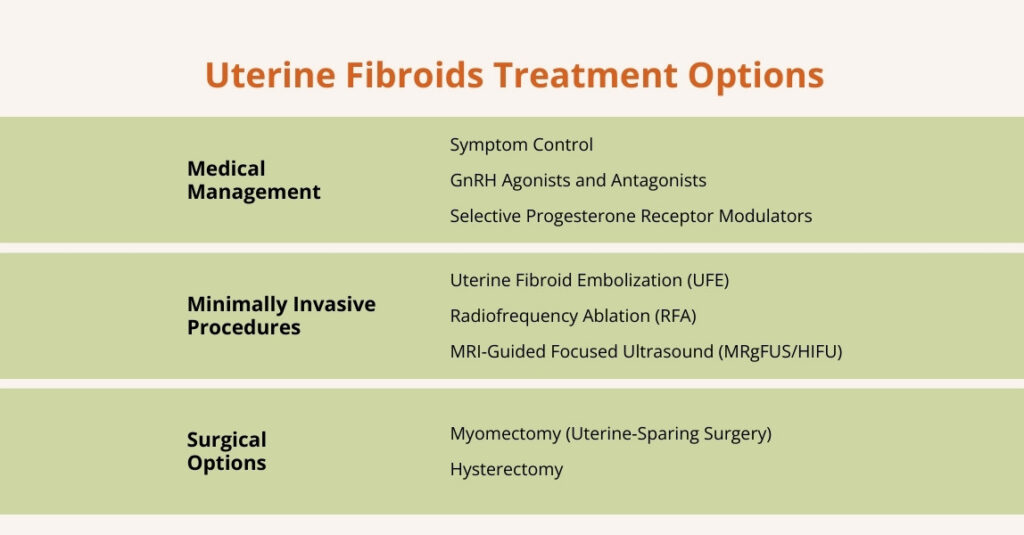
Fibroids, heavy periods, and pelvic pain — what causes these conditions, how they are diagnosed, and the uterus-preserving options that avoid surgery.

  • Heavy Periods? Understanding What’s Normal and When to Seek Help in Houston

    Heavy Periods? Understanding What’s Normal and When to Seek Help in Houston

    Published by Seamless Medical Centers | Clinical information reflects the expertise of Dr. Zagum Bhatti, MD, Board-Certified Interventional Radiologist, Founder of Seamless Medical Centers.

    Soaking through a tampon or pad every hour. Changing protection in the middle of the night. Passing blood clots the size of quarters. Feeling exhausted all the time. If this describes your menstrual experience, you’re dealing with heavy periods—and you don’t have to accept this as normal.

    For women throughout the Houston area—from Katy and Sugar Land to The Woodlands and Pearland—heavy menstrual bleeding often signals an underlying condition that can be treated. At Seamless Medical Centers, Dr. Zagum Bhatti provides treatment for heavy periods in Houston, helping patients across Harris County, Fort Bend County, and Montgomery County understand what’s causing their symptoms and find effective solutions.

    What Defines Heavy Menstrual Bleeding?

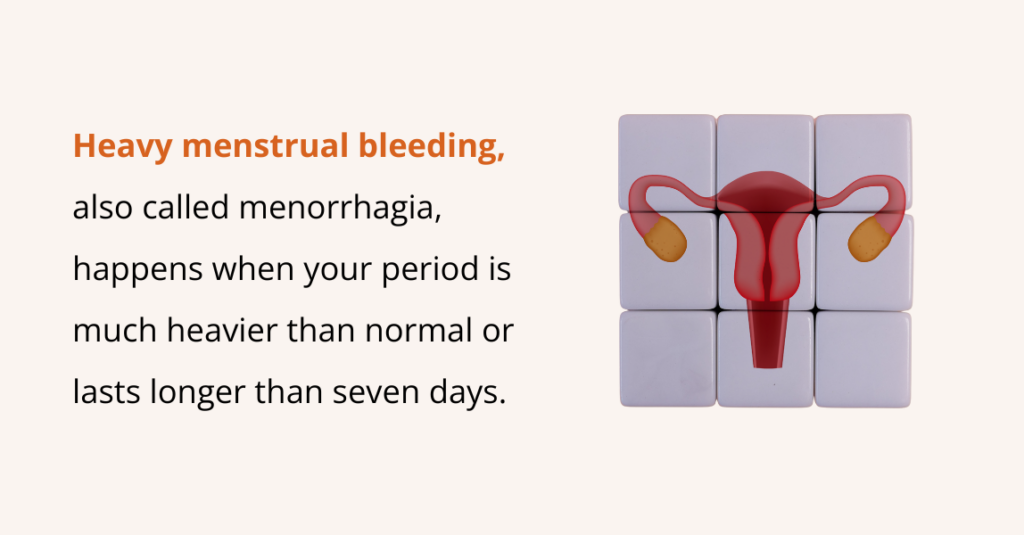
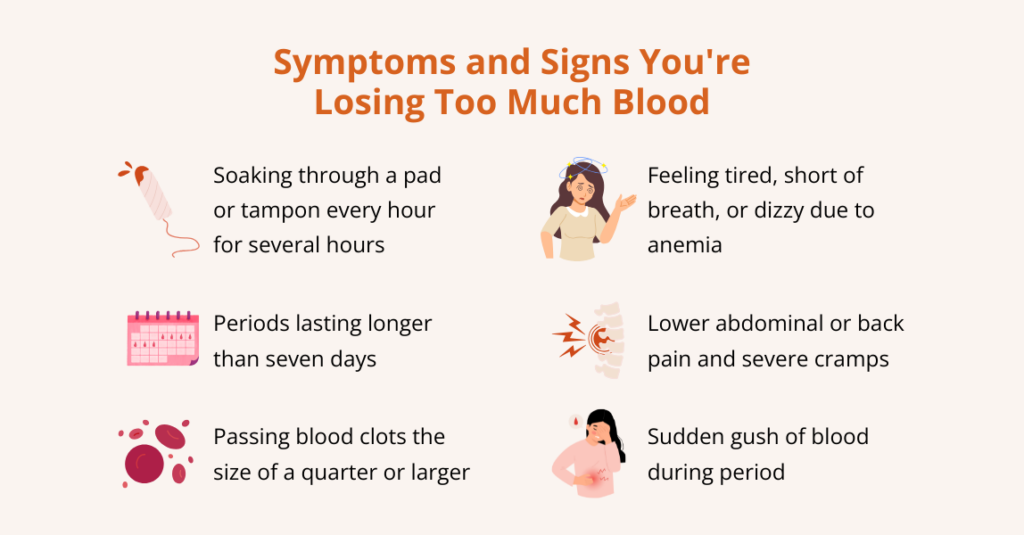
    Heavy menstrual bleeding—medically called menorrhagia—is generally defined, including in guidance from the Centers for Disease Control and Prevention, as losing more than 80 milliliters of blood during a period or having periods that last longer than seven days. Since measuring blood loss isn’t practical, healthcare providers use more straightforward indicators. Signs of heavy menstrual bleeding include situations where you soak through a pad or tampon every hour for several consecutive hours, pass blood clots larger than a quarter, need to double up on protection, wake up at night to change protection, or feel tired and weak from blood loss.

    While some variation in flow is normal from cycle to cycle, consistently heavy bleeding that disrupts your daily activities or causes anemia is not something you should ignore. Many women throughout League City, Friendswood, and Missouri City delay seeking help because they assume heavy periods are just part of being a woman. This assumption prevents them from getting treatment that could significantly improve their quality of life.

    Common Causes of Heavy Periods

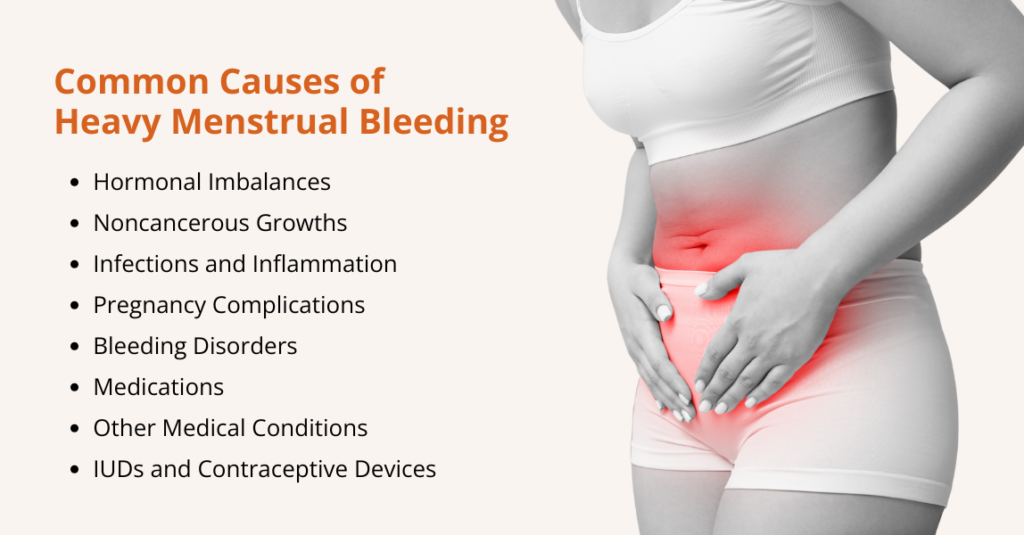
    Several conditions can cause heavy menstrual bleeding. Uterine fibroids—benign growths in or on the uterus—are one of the most common causes, particularly when fibroids grow into the uterine cavity or increase the surface area of the uterine lining. Hormonal imbalances that prevent normal shedding of the uterine lining can also lead to heavy flow. Adenomyosis, where uterine lining tissue grows into the muscular wall, often causes both heavy bleeding and severe cramping.

    Polyps—small growths on the uterine lining—may contribute to heavy bleeding, as can certain intrauterine devices (IUDs). Blood clotting disorders, thyroid problems, and certain medications can also affect menstrual flow. For women in Cypress, Spring, or Humble experiencing heavy periods, identifying the underlying cause is the first step toward finding effective treatment.

    If fibroids are causing your heavy bleeding, learn about uterine fibroid embolization as a treatment option that preserves the uterus while addressing the source of bleeding.

    How Heavy Periods Affect Your Life

    Heavy menstrual bleeding does more than create inconvenience. The constant worry about leaking through clothing affects your confidence at work, during social activities, and in daily interactions. Planning your schedule around your period—avoiding travel, missing events at the Houston Zoo or Discovery Green, turning down invitations—becomes exhausting. The fatigue and weakness from chronic blood loss make it difficult to maintain energy for your job, family responsibilities, and activities you enjoy.

    Iron deficiency anemia develops when heavy bleeding depletes your body’s iron stores faster than they can be replaced. Symptoms include persistent fatigue, weakness, pale skin, shortness of breath with exertion, and difficulty concentrating. Many women throughout Pasadena, Kingwood, and Pearland find themselves too tired to exercise, struggle to keep up at work, or lack the energy to spend quality time with family—all because of untreated heavy periods.

    The emotional toll matters too. Feeling trapped by your menstrual cycle, frustrated by ineffective treatments, or embarrassed by heavy bleeding in public situations takes a psychological toll that deserves recognition and appropriate care.

    When to See a Specialist About Heavy Periods

    You should see a healthcare provider if your periods regularly last longer than seven days, you soak through protection every one to two hours, you pass large blood clots, bleeding interferes with your daily activities, or you experience symptoms of anemia like fatigue and weakness. These signs indicate that your bleeding exceeds normal parameters and warrants evaluation.

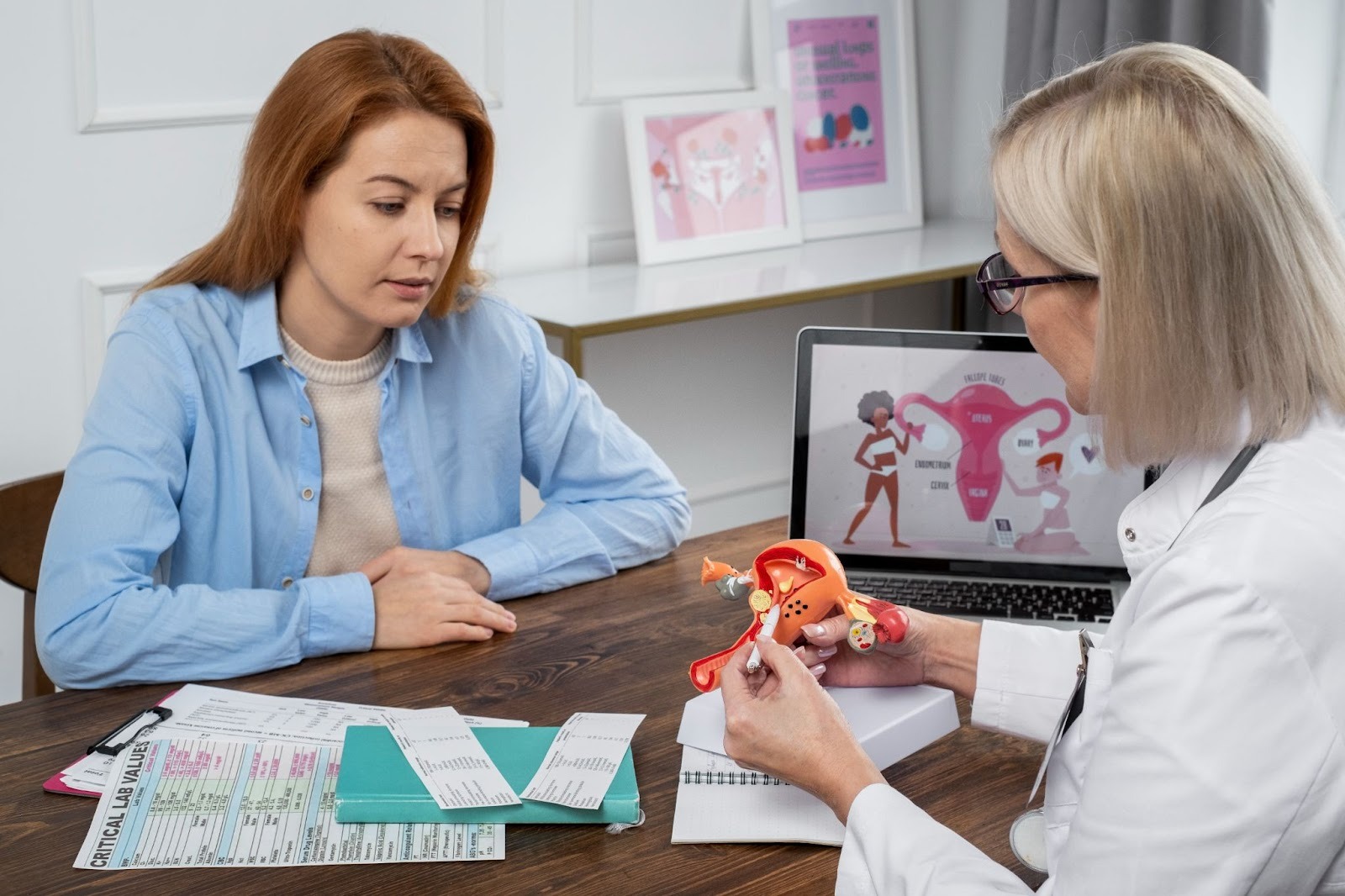
    Initial evaluation typically includes a pelvic exam, blood tests to check for anemia and thyroid problems, and imaging studies like ultrasound to visualize your uterus and identify potential causes such as fibroids or polyps. Understanding what’s causing your heavy bleeding allows your physician to recommend appropriate treatment rather than simply trying to manage symptoms.

    If you’ve been diagnosed with fibroids and conservative treatments haven’t adequately controlled your heavy bleeding, explore how UFE compares to hysterectomy for treating fibroid-related menorrhagia.

    Treatment Options for Heavy Menstrual Bleeding

    Treatment for heavy periods depends on the underlying cause, your desire for future pregnancy, and the severity of your symptoms. Hormonal medications like birth control pills or hormonal IUDs can reduce flow for some women. Iron supplements address anemia but don’t fix the underlying bleeding problem. For fibroid-related heavy bleeding, minimally invasive procedures like uterine fibroid embolization offer effective treatment without requiring hysterectomy.

    Uterine fibroid embolization blocks blood flow to fibroids, causing them to shrink and reducing heavy bleeding. The procedure is performed through a tiny puncture with no abdominal incisions, allowing most women to return to normal activities within a week. For Houston-area women seeking fibroid treatment that preserves the uterus, UFE in Houston provides an alternative to more invasive surgical options.

    Understanding UFE recovery timelines helps you plan treatment around your work and family schedule.

    Tracking Your Bleeding Before Your Appointment

    One of the most useful things you can do before seeing a specialist is to track your bleeding for a cycle or two, because concrete details help your physician far more than a general sense that your periods are heavy. Note how often you change a pad or tampon and whether you are ever soaking through in an hour, how many days the heavy flow lasts, and the size of any clots – comparing them to a coin makes this easier to describe. Record the first and last days of bleeding so the length of your cycle is clear, and jot down any spotting between periods. It also helps to note how the bleeding affects you day to day: nights you wake to change protection, days you stayed home or changed plans, and whether you feel drained or light-headed. You do not need anything elaborate; a note on your phone or a period-tracking app works well. Bringing this record to your visit turns a vague complaint into a clear picture a physician can act on, and it often reveals patterns – steadily worsening flow, or bleeding that has crept past seven days – that are easy to miss when each month blurs into the next. If the exhaustion that so often accompanies heavy bleeding sounds familiar, our companion guide on heavy bleeding and anemia explains how ongoing blood loss affects your iron levels and energy.

    Heavy Periods at Different Stages of Life

    Heavy menstrual bleeding can show up at any point in a woman’s reproductive life, and the likely explanations shift with age. In your twenties and early thirties, heavy periods are often driven by hormonal patterns or by fibroids, which are common and frequently develop during these years. As women move through their late thirties and forties, fibroids and adenomyosis become more frequent contributors, and the hormonal fluctuations of perimenopause can make cycles heavier, longer, or less predictable than they used to be – sometimes after years of regular periods. Bleeding can also change after childbirth or after starting or stopping a contraceptive. What matters is less your age than a change from your own normal: a flow that has become noticeably heavier, periods that now last longer, or new clotting and spotting all deserve attention regardless of the decade you are in. For women throughout the Houston area – in Katy, Sugar Land, The Woodlands, Pearland, and across Harris and Fort Bend Counties – it is worth resisting the common assumption that worsening periods are simply an inevitable part of getting older. Whatever your stage of life, bleeding heavy enough to disrupt your days or wear down your energy can usually be explained and treated once its cause is identified, rather than something you have to wait out.

    Frequently Asked Questions About Heavy Periods

    Can fibroids cause heavy periods?

    Yes, uterine fibroids are one of the most common causes of heavy menstrual bleeding. Fibroids increase the surface area of the uterine lining and interfere with normal uterine contractions, leading to heavier, longer periods with larger blood clots.

    When should I see a doctor about heavy periods?

    See a doctor if you regularly soak through a pad or tampon every hour, pass blood clots larger than a quarter, have periods lasting more than seven days, or experience fatigue and weakness from blood loss. These signs indicate abnormal bleeding that warrants evaluation.

    Why are my periods so heavy?

    Heavy periods can result from uterine fibroids, hormonal imbalances, adenomyosis, polyps, blood clotting disorders, or thyroid problems. Imaging studies and blood tests help identify the underlying cause so appropriate treatment can be recommended.

    Can heavy periods cause anemia?

    Yes, chronic heavy menstrual bleeding can lead to iron deficiency anemia. When you lose more blood than your body can replace, iron stores become depleted, causing fatigue, weakness, pale skin, and shortness of breath. Blood tests can confirm anemia.

    What treatment options exist for heavy bleeding from fibroids?

    Treatment options for fibroid-related heavy bleeding include hormonal medications, uterine fibroid embolization, myomectomy (fibroid removal), and hysterectomy. UFE offers a minimally invasive approach that preserves the uterus while effectively reducing bleeding for many women.

    Is UFE appropriate if I want to become pregnant?

    Uterine fibroid embolization is not automatically the first-line option for women planning future pregnancies. Each situation differs, and this is an important discussion to have at consultation.

    Find Relief from Heavy Periods in Houston

    If heavy menstrual bleeding is affecting your quality of life, contact Seamless Medical Centers to schedule a consultation with Dr. Bhatti. We serve patients throughout the Houston area and can help determine what’s causing your heavy periods and discuss treatment options that fit your goals.

    Phone: 409-213-9575

    Address: 3300 Jimmy Johnson Blvd, Suite #130, Port Arthur, Texas 77642

    Medical Disclaimer

    Individual results may vary. This information is for educational purposes only and should not replace professional medical advice. Treatment decisions should be made in consultation with qualified healthcare providers who can evaluate your specific symptoms.
  • Non Surgical Fibroid Treatment for Long-Term Relief from Heavy Menstrual Bleeding

    Non Surgical Fibroid Treatment for Long-Term Relief from Heavy Menstrual Bleeding

    Heavy menstrual bleeding can significantly disrupt daily life, leading to fatigue, discomfort, and challenges at work or during social activities. For many women in Houston, uterine fibroids are a primary cause of prolonged or excessively heavy periods. While hysterectomy has long been viewed as a definitive treatment, many women now prefer less invasive alternatives that preserve the uterus, minimize recovery time, and offer long-term symptom relief. 

    Non-surgical fibroid treatments, such as Uterine Fibroid Embolization (UFE) and MRI-guided focused ultrasound, have proven effective in reducing fibroid size and controlling menorrhagia. At Seamless Medical Centers, women can access advanced, evidence-based therapies tailored to their unique needs, providing lasting relief from heavy menstrual bleeding while avoiding major surgery and promoting faster recovery. 

    Understanding Uterine Fibroids and Their Impact

    Uterine fibroids are noncancerous growths that develop in or around the uterus. They vary in size, number, and location, which influences the severity of symptoms.

    Common Symptoms of Fibroids

    • Heavy menstrual bleeding
    • Prolonged menstruation lasting more than 7 days
    • Pelvic pressure or pain
    • Frequent urination
    • Fatigue due to blood loss

    Among these, heavy bleeding is one of the most disruptive symptoms, often requiring specialized heavy bleeding treatment Houston.

    Why Consider Fibroid Treatment Without Surgery Houston

    Surgical procedures such as hysterectomy or myomectomy may not be suitable for everyone. Many women prefer fibroid treatment without surgery in Houston for several reasons.

    Benefits of Non Surgical Approaches

    • Preservation of the uterus
    • Shorter recovery time
    • Lower risk of complications
    • Outpatient or minimally invasive procedures
    • Faster return to normal activities

    These benefits make non surgical uterine fibroid treatments an increasingly preferred choice for women seeking effective yet less invasive care.

    Types of Non Surgical Fibroid Treatments Available

    There are several non-surgical options available today for managing fibroids. The most appropriate treatment depends on individual symptoms, fibroid size, location, and overall health. 

    Options such as uterine fibroid embolization, ovarian vein embolization, medication therapy, and minimally invasive procedures can provide effective symptom relief while reducing recovery time and preserving fertility, allowing women to maintain their daily activities with minimal disruption.

    1. Uterine Fibroid Embolization Houston

    Uterine fibroid embolization Houston is a minimally invasive procedure performed by interventional radiologists. It works by blocking the blood supply to fibroids, causing them to shrink over time.

    How It Works

    • A small catheter is inserted into a blood vessel
    • Tiny particles are used to block blood flow to fibroids
    • Fibroids shrink gradually, reducing symptoms

    Key Advantages

    • No surgical incision
    • Short hospital stay or same-day discharge
    • Effective for multiple fibroids
    • Significant reduction in heavy bleeding

    This procedure is widely recognized as a reliable menorrhagia treatment Houston.

    2. Hormonal Therapy for Symptom Control

    Hormonal medications can help regulate the menstrual cycle and reduce heavy bleeding.

    Common Options

    • Birth control pills
    • Hormonal intrauterine devices (IUDs)
    • Gonadotropin-releasing hormone agonists

    Limitations

    • Temporary relief
    • Symptoms may return after discontinuation
    • Not suitable for long-term use in all patients

    Hormonal therapy is often used as part of a broader prolonged menstruation treatment plan.

    3. MRI Guided Focused Ultrasound

    This is a non-invasive outpatient procedure that uses high intensity ultrasound waves to destroy fibroid tissue.

    Benefits

    • No incisions
    • Minimal recovery time
    • Targeted treatment

    Considerations

    • Not suitable for all fibroid types
    • Availability may be limited

    4. Endometrial Ablation

    Endometrial ablation removes or destroys the lining of the uterus to reduce bleeding.

    Suitable For

    • Women with smaller fibroids
    • Those not planning future pregnancies

    Limitations

    • Does not remove fibroids entirely
    • May not be effective for large or multiple fibroids

    Comparison of Non Surgical Fibroid Treatments

    Treatment OptionInvasivenessRecovery TimeEffectiveness for Heavy BleedingSuitable for Large Fibroids
    Uterine Fibroid EmbolizationMinimally invasiveShort 1 to 2 weeksHighYes
    Hormonal TherapyNon invasiveNoneModerateNo
    MRI Guided UltrasoundNon invasiveVery shortModerate to HighLimited
    Endometrial AblationMinimally invasiveShortModerateNo

    Choosing the Right Heavy Bleeding Treatment Houston

    Selecting the right treatment depends on several factors, including the severity of symptoms, underlying causes, overall health, and personal preferences. A personalized approach ensures the best outcomes, whether you are considering uterine fibroid embolization (UFE) or other advanced therapies, providing effective relief while minimizing risks and supporting long-term reproductive and overall health.

    Factors to Consider

    • Severity of symptoms
    • Size and number of fibroids
    • Age and reproductive goals
    • Overall health condition
    • Previous treatments

    Consulting a specialist experienced in uterine fibroid treatments can help determine the most suitable option.

    Long Term Relief from Menorrhagia

    Menorrhagia or excessive menstrual bleeding requires targeted care. Effective menorrhagia treatment Houston focuses on both symptom relief and addressing the root cause.

    Benefits of Treating Fibroids Early

    • Prevents anemia
    • Improves quality of life
    • Reduces risk of complications
    • Minimizes need for invasive surgery

    Early intervention using non surgical fibroid treatment Houston can provide lasting relief without major procedures.

    What to Expect During Treatment

    Before the Procedure

    • Medical evaluation and imaging tests
    • Discussion of treatment options
    • Personalized care plan

    During the Procedure

    • Minimally invasive or non invasive techniques
    • Typically performed under local or mild sedation

    After the Procedure

    • Short recovery period
    • Gradual improvement in symptoms
    • Follow up appointments for monitoring

    Patients undergoing uterine fibroid embolization Houston often notice reduced bleeding within a few menstrual cycles.

    Lifestyle and Supportive Measures

    While medical treatment is essential, lifestyle adjustments can support recovery and symptom management.

    Helpful Practices

    • Maintaining a balanced diet rich in iron
    • Regular physical activity
    • Stress management techniques
    • Tracking menstrual cycles

    These measures complement prolonged menstruation treatment and enhance overall well being.

    When to Seek Medical Advice

    It is important to consult a healthcare provider if you experience:

    • Bleeding lasting longer than 7 days
    • Passing large blood clots
    • Severe fatigue or dizziness
    • Pelvic pain or pressure

    Timely evaluation can help identify fibroids and initiate appropriate fibroid treatment without surgery Houston.

    Conclusion

    Non surgical fibroid treatment Houston offers effective less invasive solutions for women dealing with heavy menstrual bleeding and fibroids. With options like uterine fibroid embolization Houston and other advanced therapies it is possible to achieve long term relief without undergoing major surgery. 

    Understanding your options and seeking timely medical advice can help improve quality of life and support better long term health outcomes. Contact us today to schedule a consultation and explore the best treatment options for you.

    Frequently Asked Questions

    Q1. What is the most effective non surgical fibroid treatment in Houston

    Uterine fibroid embolization Houston is considered one of the most effective options for reducing fibroid size and controlling heavy bleeding without surgery.

    Q2. Can fibroids be treated without removing the uterus

    yes, many uterine fibroid treatments focus on preserving the uterus. Options like embolization and hormonal therapy are designed to manage symptoms while maintaining reproductive organs.

    Q3. How long does it take to recover from non surgical fibroid treatment

    Recovery time varies by procedure. Most minimally invasive treatments require a few days to two weeks which is significantly shorter than surgical recovery.

    Q4. Is non surgical treatment suitable for all fibroid cases

    Not all cases are the same. The suitability of fibroid treatment without surgery Houston depends on fibroid size location and patient health.

    Q5. Will heavy bleeding stop completely after treatment

    Many patients experience a significant reduction in bleeding. In some cases symptoms may resolve completely especially after uterine fibroid embolization Houston.

  • Fibroid Treatment Focused on Preserving Uterine Health with Embolization

    Fibroid Treatment Focused on Preserving Uterine Health with Embolization

    Uterine fibroids are a common health concern affecting many women, often during their reproductive years. While some fibroids remain asymptomatic, others can significantly impact daily life through pain, pressure, and heavy menstrual bleeding. For women in Louisiana exploring advanced and less invasive care, understanding available options is essential.

    Seamless Medical Centers offers guidance on fibroid treatment in Louisiana with a focus on uterine preservation, highlighting uterine fibroid embolization and other non-surgical approaches. This resource is designed to help women make informed decisions based on symptoms, lifestyle, and long-term health goals.

    Understanding Uterine Fibroids

    Uterine fibroids are noncancerous growths that develop in or around the uterus. They vary in size, number, and location, and symptoms can differ widely from one person to another.

    Common symptoms of fibroids

    • Heavy or prolonged menstrual bleeding
    • Pelvic pain or pressure
    • Frequent urination
    • Pain during intercourse
    • Lower back discomfort

    In many cases, women seek treatment for heavy bleeding during periods when fibroids begin to interfere with normal routines or cause anemia.

    Why Treatment May Be Necessary

    Not all fibroids require immediate intervention. However, treatment becomes important when symptoms affect quality of life or reproductive health.

    Key reasons to consider treatment

    • Persistent menorrhagia or heavy bleeding
    • Rapid fibroid growth
    • Fertility concerns
    • Chronic pelvic discomfort
    • Pressure on surrounding organs

    For women researching menorrhagia treatment in Louisiana, identifying the root cause is the first step toward effective care.

    Overview of Fibroid Treatment Options in Louisiana

    There are multiple approaches to fibroid management, ranging from medication to surgery. The right choice depends on factors such as age, symptoms, fibroid size, and future pregnancy plans.

    Comparison of treatment options

    Treatment TypeProcedure TypeRecovery TimeUterus PreservedBest For
    MedicationNon-invasiveMinimalYesMild symptoms
    MyomectomySurgicalModerateYesFertility preservation
    HysterectomySurgicalLongerNoSevere cases
    Uterine Fibroid EmbolizationMinimally invasiveShortYesSymptomatic fibroids

    For many women seeking fibroid treatment without surgery in Louisiana, minimally invasive procedures are becoming a preferred option.

    What Is Uterine Fibroid Embolization

    Uterine fibroid embolization, often referred to as UFE, is a minimally invasive procedure performed by interventional radiologists. It works by blocking the blood supply to fibroids, causing them to shrink over time.

    How the procedure works

    • A small catheter is inserted through the groin or wrist
    • Tiny particles are delivered to fibroid blood vessels
    • Blood flow to fibroids is reduced
    • Fibroids gradually shrink and symptoms improve

    This approach is widely recognized as a non surgical fibroid treatment in Louisiana, particularly for women who want to avoid major surgery.

    Benefits of Uterine Fibroid Embolization

    UFE offers several advantages, especially for women focused on preserving uterine health.

    Key benefits

    • Minimally invasive with no large incisions
    • Shorter recovery time compared to surgery
    • Preservation of the uterus
    • Effective reduction in heavy bleeding
    • Improvement in bulk-related symptoms

    For individuals seeking uterine fibroid embolization in Louisiana, understanding these benefits can help in evaluating whether the procedure aligns with personal health goals.

    Who May Be a Good Candidate

    Not all patients are ideal candidates for every treatment. UFE is generally suitable for women who:

    • Experience moderate to severe symptoms
    • Prefer a non-surgical approach
    • Want to retain their uterus
    • Have multiple fibroids

    A detailed consultation and imaging evaluation are typically required to determine eligibility.

    Addressing Heavy Menstrual Bleeding

    Heavy menstrual bleeding, also known as menorrhagia, is one of the most common reasons women seek care for fibroids.

    Impact of heavy bleeding

    • Fatigue due to anemia
    • Disruption of daily activities
    • Emotional stress
    • Reduced quality of life

    Effective heavy bleeding in periods treatment often involves addressing the underlying fibroids rather than only managing symptoms.

    Non-Surgical Fibroid Treatment Options

    While uterine fibroid embolization is a leading option, there are additional non-surgical approaches that may be considered depending on the case.

    Other options include

    • Hormonal therapies
    • Tranexamic acid for bleeding control
    • Lifestyle and dietary adjustments

    However, these methods may provide temporary relief rather than long-term resolution, especially for larger fibroids.

    Recovery and What to Expect

    Recovery after uterine fibroid embolization is typically quicker than traditional surgery.

    Post-procedure expectations

    • Mild to moderate cramping for a few days
    • Return to normal activities within one to two weeks
    • Gradual symptom improvement over several months

    Patients are usually monitored through follow-up visits and imaging to assess fibroid shrinkage.

    Choosing the Right Fibroid Treatment in Louisiana

    Selecting the appropriate treatment requires a balanced understanding of medical needs and personal preferences.

    Factors to consider

    • Severity of symptoms
    • Desire for future pregnancy
    • Size and number of fibroids
    • Recovery time expectations
    • Access to specialized care

    Women exploring fibroid treatment in Louisiana are encouraged to seek comprehensive evaluations to better understand all available options.

    Role of Specialized Care

    Access to experienced specialists plays an important role in treatment outcomes. Interventional approaches such as uterine fibroid embolization and spinal neuromodulation therapy require expertise in image-guided and minimally invasive procedures. Reliable information, accurate diagnosis, and individualized care planning contribute to better decision-making and improved long-term health outcomes.

    Conclusion

    Fibroid treatment has evolved significantly, offering women more choices than ever before. For those seeking to preserve uterine health, uterine fibroid embolization provides a minimally invasive alternative to traditional surgery.

    Understanding the full range of options, including fibroid treatment without surgery in Louisiana, allows women to make informed decisions that align with their health goals and lifestyle. Careful evaluation and guidance from qualified professionals remain essential in choosing the most appropriate path forward. Contact us today to schedule a consultation and explore the best treatment options for you.

    Frequently Asked Questions

    Q1. Is uterine fibroid embolization safe

    Uterine fibroid embolization is considered a safe and effective procedure for many women. Like all medical treatments, it carries some risks, but complications are relatively uncommon when performed by trained specialists.

    Q2. Can fibroids return after embolization

    Fibroids that are treated typically shrink and do not regrow. However, new fibroids may develop over time in some patients.

    Q3. How quickly will symptoms improve

    Some symptoms, such as heavy bleeding, may improve within the first few cycles. Others, like pelvic pressure, may take a few months as fibroids shrink.

    Q4. Is this a good option for treating heavy periods

    Yes, uterine fibroid embolization is often used as a heavy bleeding in periods treatment, especially when fibroids are the underlying cause.

    Q5. Are there completely non-surgical options available

    Yes, several non surgical fibroid treatment options in Louisiana exist, including medications and minimally invasive procedures like embolization.

    Q6. Will I need to stay in the hospital

    Most embolization procedures are performed as outpatient or short-stay procedures, depending on the patient, depending on individual circumstances.

  • Fibroids and Pregnancy: Everything You Should Know

    Fibroids and Pregnancy: Everything You Should Know

    For many expecting parents, the discovery of fibroids during a routine prenatal ultrasound comes as a surprise.

    Fibroids are incredibly common, and in many cases, people don’t even know they have them until pregnancy brings them to light.

    As more individuals choose to start families later in life, when fibroids naturally become more frequent, these findings are becoming part of the modern pregnancy experience.

    While most pregnancies involving fibroids progress smoothly, their presence can raise understandable questions.

    • Will they affect the baby’s growth?
    • Increase the risk of preterm birth?
    • Lead to pain or complications later in pregnancy?

    The answers depend on factors like size, number, and location, and with the right monitoring, many people navigate pregnancy with fibroids without major issues.

    In this guide, we’ll explain the impact of fibroids on pregnancy, outline potential risks, describe diagnostic approaches, and provide practical strategies for managing fibroids while pregnant.

    How Fibroids Affect Pregnancy

    how fibroids affect pregnancy

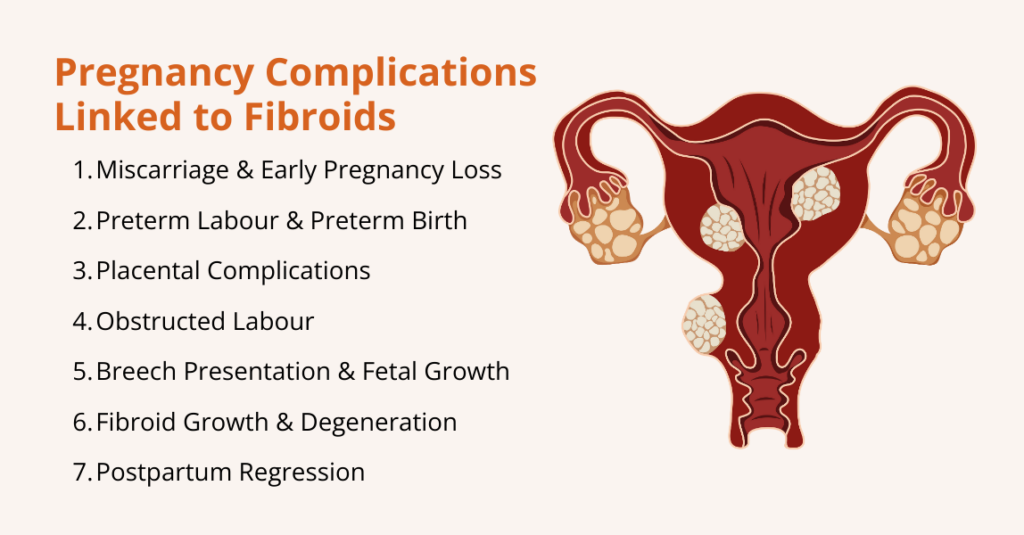
    The presence of uterine fibroids (even when they’ve been harmless before pregnancy) can influence pregnancy in several ways, from early pregnancy loss to complications late in pregnancy or at delivery. The risks vary based on fibroid size, number, and location.

    Here are some of the ways fibroids can influence pregnancy:

    1.  Miscarriage and Early Pregnancy Loss

    Fibroids, particularly submucosal lesions, are associated with an increased risk of miscarriage.

    A meta‑analysis pooling data from more than 237,000 participants found that women with fibroids had a higher risk of miscarriage than those without fibroids (relative risk RR ≈ 4.5, with miscarriage rates 13.42 % vs. 2.84 % in controls).

    The risk is highest when fibroids distort the uterine cavity, because the altered blood supply and mechanical interference impair implantation and early placental development.

    2. Preterm Labour and Preterm Birth

    Large or multiple fibroids can irritate the uterus and trigger contractions, leading to preterm labour.

    A study reported that preterm birth occurred in 12.85 % of pregnant patients with fibroids versus 9.43 % of controls; after adjusting for confounders, fibroids remained associated with preterm birth.

    Another study estimated that 10 %–30 % of pregnant women with fibroids develop obstetric complications such as preterm labour. Also, premature uterine contractions may be due to local inflammation, degenerating fibroids, or increased uterine irritability.

    3. Placental Issues

    Fibroids can interfere with placentation. If a fibroid is located near the placenta, it may lead to:

    • Placenta Previa: The placenta covers the cervix, obstructing the birth canal.
    • Placental Abruption: Premature separation of the placenta. The meta‑analysis found an elevated risk of placental abruption in women with fibroids.
    • Placenta Accreta Spectrum: Fibroids may increase the likelihood of abnormal placental attachment; however, the data remain limited.

    4. Need for Caesarean Delivery

    Large intramural or subserosal fibroids can physically obstruct the birth canal, preventing the fetal head from descending. Thus, fibroids raise the odds of cesarean delivery.

    For example, fibroids growing low in the uterus or near the cervix may block the birth canal, preventing the baby’s head from descending.

    Others may distort the uterus, making it harder for the baby to settle into a head-down position and leading to breech or transverse presentations.

    5. Breech Presentation and Fetal Growth Restriction

    Fibroids, especially those in the lower uterine segment, can distort the uterine cavity and limit space for the fetus. Research highlights that breech presentation or other fetal malposition is more common when fibroids are present, likely because fibroids can alter the shape of the uterine cavity.

    Similarly, in analyses comparing by fibroid size, larger fibroids conferred especially high risk of breech presentation and placenta previa.

    However, the overall effect on fetal growth remains uncertain because many pregnancies with fibroids result in normal birth weights.

    6. Fibroid Growth and Degeneration during Pregnancy

    Fibroids behave unpredictably during pregnancy.

    A study describes a woman in early pregnancy who arrived with severe abdominal pain, which imaging later confirmed was caused by a degenerating fibroid. This degeneration occurs when a fibroid outgrows its blood supply, leading to tissue ischemia and necrosis.

    7. Postpartum Regression

    After delivery, many fibroids shrink as hormonal levels decline and the uterus involutes.

    A case series found that fibroids decreased in size in 72% of women postpartum and that their volume could shrink by 50% within 6 months.

    Ongoing breastfeeding may further promote fibroid regression. Another observational study reported that 37 % of fibroids disappeared postpartum and that breastfeeding was associated with fibroid regression.

    What are the Risks and Complications of Fibroids during Pregnancy

    what are the risks and complications of fibroids during pregnancy

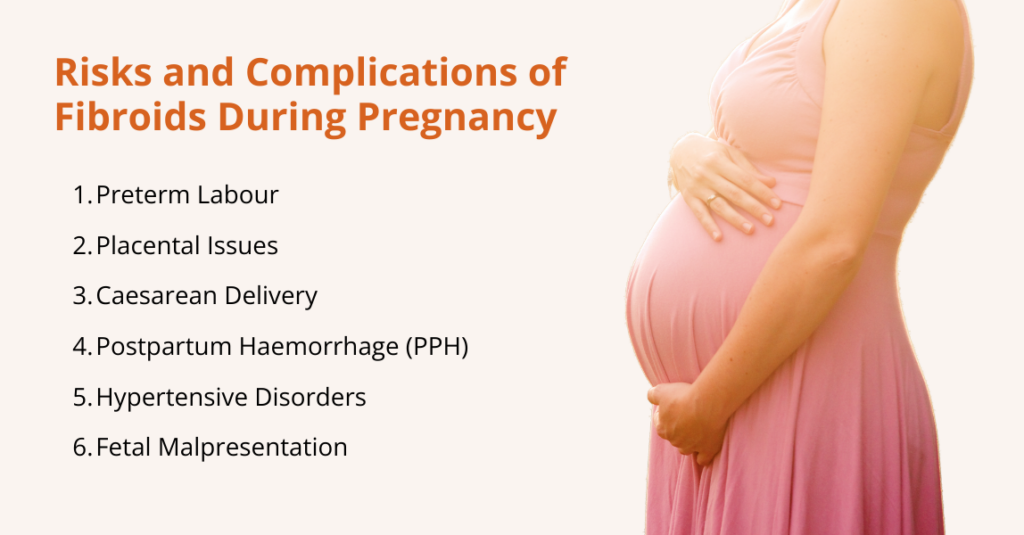
    While many women with fibroids have healthy pregnancies, these benign growths can sometimes create challenges as the uterus expands and hormonal changes intensify.

    Here are the key complications associated with fibroids during pregnancy:

    1. Premature Rupture of Membranes

    Fibroids can cause uterine irritability, increasing the frequency of contractions and elevating the risk of preterm labour.

    The high‑risk pregnancy resource notes that adverse outcomes such as preterm labour and premature rupture of membranes (PROM) are more common when fibroids exceed 10 cm.

    The meta‑analysis reported that fibroids were associated with both preterm birth and preterm PROM. Continuous antenatal care with ultrasound monitoring can help detect early cervical changes and manage preterm labour, sometimes using medications such as tocolytics to delay delivery.

    2. Heavy Bleeding Due to Placental Problem

    Placental problems can cause heavy bleeding and require early delivery or caesarean section. Women with placenta previa are more likely to deliver via caesarean section.

    Research shows that placenta previa may manifest as painless vaginal bleeding, often requiring bed rest or early delivery; placental abruption presents with painful bleeding and is an obstetric emergency.

    Importantly, fibroids located near the placenta or in the lower uterine segment increase these risks.

    3. Obstructed Labour

    Large fibroids can obstruct the cervix or lower uterine segment. When the fibroid blocks the birth canal, a caesarean delivery becomes necessary.

    Additionally, fibroids may cause dystocia (slow cervical dilation), prolonging labour and increasing the likelihood of operative delivery.

    The High‑Risk Pregnancy Information site states that a caesarean section is six times more likely in women with fibroids, highlighting the need for careful intrapartum planning.

    4. Postpartum Haemorrhage (PPH)

    PPH is excessive bleeding after delivery, often due to uterine atony (failure of the uterus to contract). Fibroids can impede uterine contraction, particularly if they distort the uterine muscle or occupy the uterine wall.

    The meta‑analysis found that postpartum haemorrhage occurred in 10.10 % of women with fibroids compared with 3.96 % in controls. Obstetric teams anticipate this risk and prepare for active management of the third stage of labour in women with known fibroids.

    5. Preeclampsia and Other Hypertensive Disorders

    Emerging evidence indicates a modestly increased risk of preeclampsia (new‑onset hypertension with end‑organ damage) in women with fibroids. The meta‑analysis reported an association between fibroids and preeclampsia.

    Although the absolute increase is small, pregnant women with fibroids should be monitored for blood pressure changes.

    6. Fetal Malpresentation and Growth Issues

    Fibroids can affect how a baby positions itself in the uterus, sometimes leading to malpresentation, when the baby is not head-down at the time of delivery.

    For example, large fibroids or those located near the lower uterine segment can physically block the baby from turning into the optimal head-first position, increasing the likelihood of breech or transverse presentation.

    In addition, fibroids may influence fetal growth. Large or multiple fibroids can reduce the space available for the baby to grow or interfere with blood flow to the placenta, which can occasionally lead to fetal growth restriction (FGR).

    While not all fibroids cause these issues, monitoring fetal position and growth via ultrasounds is crucial to ensure timely interventions if complications arise.

    How to Diagnose Fibroids during Pregnancy?

    how to deal with fibroids during pregnancy

    Diagnosing fibroids during pregnancy can be challenging because the growing uterus often makes physical examination unreliable.

    As a result, healthcare providers rely primarily on imaging to identify fibroids, determine their size, location, and number, and monitor any changes throughout pregnancy.

    Here are the main diagnostic approaches:

    • Ultrasound (US): Ultrasound is the primary tool for detecting fibroids during pregnancy. Using a transabdominal or transvaginal probe, providers can visualize the uterus, count fibroids, measure their size, and monitor growth. Ultrasound is safe because it uses sound waves rather than radiation.
    • Magnetic Resonance Imaging (MRI): MRI provides detailed images of uterine tissue when ultrasound is unclear, for example, with large fibroids or fibroids behind the placenta.
    • Other Tests: Techniques like X-ray, CT scans, hysterosalpingography, and sonohysterograms exist but are rarely used during pregnancy due to radiation exposure.
    • Surgical Diagnosis: In rare cases when imaging cannot clearly differentiate fibroids from other uterine masses, laparoscopy or hysteroscopy may be performed to visualize the uterus directly. These procedures are generally avoided during pregnancy unless absolutely necessary.

    Monitoring Fibroids during Pregnancy

    Once diagnosed, fibroids are monitored regularly. Obstetricians often perform ultrasounds at 20 weeks, 32 weeks, and sometimes earlier if symptoms (pain, bleeding, rapid uterine growth) arise.

    They assess fibroid size, location relative to the cervix and placenta, and signs of degeneration. Given this, frequent imaging helps detect complications such as placental abruption or fetal growth restriction in a timely manner.

    How to Deal with Fibroids during Pregnancy?

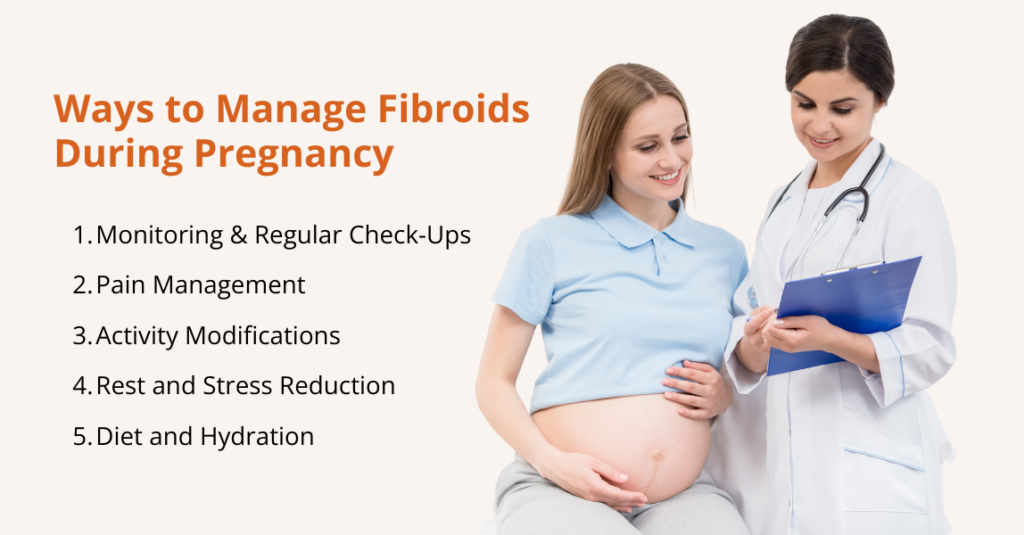
    Managing fibroids during pregnancy focuses on monitoring for complications, controlling pain, modifying activities, and maintaining overall health.

    Here are some of the most common ways to deal with fibroids during pregnancy:

    Monitoring and Regular Check-Ups

    Once fibroids are diagnosed during pregnancy, ongoing monitoring is essential to ensure both maternal and fetal health.

    Regular check-ups help track fibroid growth, assess fetal development, and identify potential complications early. Here’s how:

    • Routine Ultrasounds: These are performed periodically to track fibroid size, monitor fetal growth, and detect issues such as placental problems or cervical shortening.
    • MRI when indicated: If ultrasound images are unclear, particularly with large, multiple, or posteriorly located fibroids, MRI can provide more detailed information without radiation exposure.
    • Fetal Growth Assessments: Serial ultrasounds measure fetal size to identify intrauterine growth restriction (IUGR). If growth concerns arise, obstetricians may adjust delivery planning to ensure optimal outcomes.
    • Cervical Length Monitoring: Transvaginal ultrasounds measure cervical length, and if the cervix is short, treatments such as progesterone supplementation or cervical cerclage may be recommended.

    Regular monitoring ensures that both the mother and baby are closely observed throughout pregnancy, allowing healthcare providers to respond quickly to any complications related to fibroids.

    Pain Management

    Managing pain safely is crucial to protect both the mother and the developing baby. Treatment strategies should balance effective relief with fetal safety.

    If pain or discomfort occurs, acetaminophen (paracetamol) is one of the safest options. According to the American College of Obstetricians and Gynecologists (ACOG), when used as needed, at the lowest effective dose, and for the shortest possible time, acetaminophen remains the preferred pain and fever medicine in pregnancy.

    Untreated pain or fever itself can pose risks to a developing baby, so controlling pain wisely matters.

    Also, the U.S. Food and Drug Administration (FDA) warns that using NSAIDs after about 20 weeks can harm the baby’s kidneys, reduce the fluid around the baby (amniotic fluid), and lead to serious complications.

    Because of these risks, NSAIDs like ibuprofen or naproxen should generally be avoided after mid‑pregnancy, unless a doctor says otherwise.

    For mild pain, non‑medication options can also help. Simple measures, such as warm compresses, warm baths or showers, a pregnancy support belt, gentle stretching or prenatal yoga, and rest, can safely ease discomfort.

    Activity Modifications

    Making thoughtful adjustments to daily activities can help reduce discomfort from fibroids and support a healthy pregnancy.

    Gentle modifications, along with proper rest and nutrition, play a key role in managing symptoms safely. Here are the practical tips for activity and lifestyle:

    • Low-impact exercise: Avoid heavy lifting or high-impact workouts; choose walking, prenatal yoga, or swimming.
    • Rest and stress management: Use mindfulness, meditation, or prenatal massage to reduce discomfort.
    • Hydration and diet: Eat a high-fiber, nutrient-rich diet and stay hydrated to prevent constipation and pelvic pressure.

    These simple changes help ease symptoms and promote maternal and fetal well-being.

    Rest and Stress Reduction

    Managing stress and getting adequate rest are important for easing fibroid-related discomfort during pregnancy.

    • Relaxation Techniques: Practices such as prenatal yoga, deep breathing exercises, and mindfulness can help reduce stress and relieve pelvic or abdominal discomfort caused by fibroids.
    • Adequate Rest: Prioritizing sufficient rest allows the body to recover, lowers physical strain, and helps minimize pain, especially when fibroids contribute to pelvic pressure.

    Incorporating these habits can improve overall comfort and support a healthier pregnancy experience.

    Diet and Hydration

    Good nutrition and plenty of fluids can ease fibroid-related discomfort and support a healthy pregnancy.

    • Balanced diet: Eat regular, nutrient-rich meals with plenty of fiber, fruits, vegetables, legumes, and whole grains, plus lean protein and healthy fats. Fiber helps prevent constipation, which can worsen pelvic pressure from fibroids.
    • Staying hydrated: Drink water throughout the day to support digestion and circulation; staying well hydrated also helps reduce constipation and general discomfort.

    Together, a fiber-rich diet and consistent hydration help manage everyday stress and support overall maternal and fetal health.

    Frequently Asked Questions (FAQs)

    Do fibroids affect pregnancy?

    No. Most women with fibroids have normal pregnancies, particularly when fibroids are small or located away from the uterine cavity. The High‑Risk Pregnancy Information site estimates that only 10 %–30 % of pregnant women with fibroids develop complications. Nevertheless, because complications can be serious, women with fibroids should have enhanced prenatal care.

    Can fibroids cause pain during pregnancy?

    Yes, fibroids can cause pain during pregnancy, and it is the most common symptom associated with these growths. Pain often appears in the second or third trimester when fibroids grow faster than their blood supply, leading to a condition called red degeneration (also known as carneous degeneration). Fibroid pain may also result from mechanical pressure on nearby organs or from torsion of a pedunculated fibroid. Most mild pain can be safely managed with acetaminophen and rest. However, severe or persistent abdominal pain should prompt immediate medical evaluation, as it may indicate complications such as fibroid degeneration, placental issues, or preterm labour.

    Do fibroids grow during pregnancy?

    Yes, fibroid growth can occur during pregnancy, but patterns vary depending on the size and location of the fibroid. Many fibroids tend to grow in the first trimester due to rising estrogen and progesterone levels. Research shows that small fibroids (less than 1 cm) often increase in volume, medium-sized fibroids usually remain stable, and large fibroids (3 cm or more) may actually shrink. Interestingly, about 10–12% of fibroids regress spontaneously during pregnancy.

    Do fibroids shrink after pregnancy?

    Yes, many fibroids shrink postpartum. A case series found that fibroid size decreased in 72 % of women after giving birth and that fibroid volume could decrease by 50 % within six months. The postpartum uterus contracts to its pre‑pregnancy size, and hormonal changes (lower estrogen and progesterone levels) contribute to fibroid regression. Breastfeeding may enhance regression. However, some fibroids persist or regrow over time, so postnatal follow‑up is important.

    Conclusion

    Fibroids are common benign tumors that often coexist with pregnancy. For the majority of women, fibroids will not significantly impact fertility or pregnancy outcome.

    Nevertheless, fibroids can increase the risk of miscarriage, preterm labour, placental complications, caesarean delivery, breech presentation, and postpartum haemorrhage.

    Comprehensive prenatal care, including regular ultrasounds, growth monitoring, and blood pressure screening, allows obstetricians to detect complications early and implement appropriate interventions.

    The safest pain management strategy during pregnancy is to use acetaminophen judiciously after consulting a healthcare professional; NSAIDs should generally be avoided after 20 weeks because they can reduce amniotic fluid and harm the fetus.

    Non‑pharmacologic measures such as rest, gentle exercise, hydration, and stress reduction can help alleviate discomfort. Most fibroids regress after birth, especially with breastfeeding.

    Given this, women with fibroids should work closely with their healthcare team to develop a personalized care plan.

  • Uterine Fibroid Treatment in Port Arthur TX Using Minimally Invasive Embolization

    Uterine Fibroid Treatment in Port Arthur TX Using Minimally Invasive Embolization

    Find Relief from Uterine Fibroids at Seamless Medical Centers

    Living with uterine fibroids can feel exhausting, frustrating, and at times overwhelming. Heavy periods that disrupt your workday. Cramping that makes you cancel plans. Fatigue caused by blood loss that leaves you feeling drained and not like yourself.

    If you’re searching for uterine fibroid treatment in Port Arthur TX, you’re likely not just looking for information, you’re looking for relief, reassurance, and a solution that truly fits your life.

    At Seamless, we understand that fibroid symptoms affect more than your body. They impact your confidence, your energy, your relationships, and your peace of mind. That’s why we offer minimally invasive uterine fibroid embolization, a non surgical fibroid treatment designed to relieve symptoms while preserving your uterus and minimizing downtime.

    This guide explains your treatment options with clarity and understanding, while recognizing what you’re experiencing.


    Understanding Uterine Fibroids

    Uterine fibroids (also called leiomyomas) are noncancerous growths that develop within the muscular wall of the uterus.They are incredibly common, especially during reproductive years, yet many women feel alone in their experience.

    Some fibroids remain small and symptom-free. Others can significantly interfere with daily life.

    Common Fibroid Symptoms

    If you are experiencing any of the following, you are not imagining it — and you are not overreacting:

    • Heavy bleeding during periods
    • Prolonged menses lasting more than seven days
    • Pelvic pressure or fullness
    • Lower back discomfort
    • Frequent urination
    • Constipation
    • Pain during intercourse
    • Ongoing fatigue

    For many women, treatment for heavy bleeding during periods becomes urgent when anemia develops or when everyday life starts revolving around managing menstrual flow.

    You deserve more than just coping strategies. You deserve answers.

    Why Women Seek Uterine Fibroid Treatment in Port Arthur TX

    Many women try medications first. While medications may help temporarily, they often do not address the underlying fibroids themselves.

    Traditional surgery — such as hysterectomy or myomectomy — has long been considered the standard solution. However, surgery involves incisions, anesthesia, longer recovery time, and in some cases, removal of the uterus.

    For women who want to:

    • Preserve their uterus
    • Avoid major surgery
    • Minimize time away from family or work
    • Feel heard and supported in their care decisions

    Minimally invasive fibroid treatment offers an empowering alternative.

    What Is Uterine Fibroid Embolization?

    Uterine fibroid embolization (UFE) is a minimally invasive fibroid treatment that works by blocking blood flow to fibroids, causing them to shrink over time.

    Instead of surgically removing fibroids or the uterus, this non-surgical fibroid treatment treats fibroids from the inside — through a small catheter placed in an artery.

    How the Procedure Works

    • A tiny incision is made in the wrist or groin.
    • A thin catheter is guided to the uterine arteries.
    • Small particles are released to block blood flow to the fibroids.
    • Over time, the fibroids shrink, and symptoms improve.

    The procedure typically takes one to two hours and is performed on an outpatient basis. Most women return home the same day.

    There are no large incisions. No hospital stay. No removal of the uterus.

    Just targeted treatment focused on restoring your comfort.

    Benefits of Minimally Invasive Fibroid Treatment

    Choosing uterine fibroid treatment is deeply personal. Many women feel relief simply knowing they have an option that respects both their health and their preferences.

    Uterine Preservation

    Your uterus remains intact. For many women, this matters emotionally, culturally, or for future fertility considerations.

    Outpatient Convenience

    You recover at home — in your own space — rather than spending nights in the hospital.

    Faster Recovery

    Most women resume light activity within a few days and return to normal routines within one to two weeks.

    Meaningful Symptom Relief

    Women often experience significant improvement in:

    • Heavy menstrual bleeding
    • Prolonged menses
    • Pelvic pressure and discomfort
    • Energy levels

    When bleeding becomes manageable again, many patients describe feeling like themselves for the first time in years.

    Who May Be a Candidate for Fibroid Treatment Without Surgery?

    You may be a candidate for uterine fibroid embolization if you:

    • Experience heavy menstrual bleeding
    • Have prolonged menses
    • Feel pelvic pressure or discomfort
    • Prefer to avoid major surgery
    • Wish to preserve your uterus

    A comprehensive evaluation, including imaging such as ultrasound or MRI, ensures that the treatment plan is tailored specifically to you.

    At Seamless, your concerns are heard first. The technology comes second.

    Finding Relief from Heavy Bleeding and Prolonged Menses

    Heavy periods are not something you simply have to endure.

    Fibroids can increase the surface area of the uterine lining and interfere with normal contractions, leading to excessive or prolonged bleeding.

    Treatment for Heavy Bleeding During Periods

    By reducing blood supply to fibroids, uterine fibroid embolization often leads to lighter periods within a few months.

    Prolonged Menses Treatment

    As fibroids shrink, menstrual cycles typically become shorter and more predictable.

    Instead of managing symptoms month after month, this non surgical fibroid treatment addresses the root cause.

    What to Expect: Before, During, and After

    We know medical procedures can cause anxiety. Understanding the process can bring peace of mind.

    Before Treatment

    • Thorough medical review
    • Imaging to confirm diagnosis
    • Honest discussion of risks and benefits
    • Clear preparation instructions

    You will have time to ask questions — and you will receive real answers.

    During the Procedure

    The procedure is performed under local anesthesia with sedation. You remain comfortable without general anesthesia.

    A small bandage covers the insertion site afterward. There are no large scars.

    After the Procedure

    Some cramping and fatigue are common for a few days. Medication helps manage discomfort.

    Over the next several months, fibroids shrink gradually, and symptoms steadily improve.

    We stay connected with you through follow-up care to ensure your recovery feels supported every step of the way.

    Safety and Long-Term Outcomes

    Uterine fibroid embolization is considered safe and effective for appropriately selected patients.

    Possible risks may include:

    • Infection
    • Temporary menstrual changes
    • Mild fever or cramping (post embolization syndrome)
    • Rare complications

    Serious complications are uncommon. A detailed consultation ensures you feel confident in your decision.

    Many women experience long lasting relief, improved energy, and renewed confidence after treatment.

    Choosing Uterine Fibroid Treatment in Port Arthur TX

    Choosing treatment is about more than medical outcomes. It’s about how you feel throughout the process.

    At Seamless, compassionate care is not an afterthought — it’s the foundation of everything we do. From your first consultation to your final follow-up, our goal is to make you feel:

    • Heard
    • Respected
    • Supported
    • Fully informed

    If fibroid symptoms are interfering with your life, you do not have to continue pushing through the discomfort.

    Conclusion

    If you’re searching for uterine fibroid treatment in Port Arthur TX, know that relief is possible — and you don’t have to choose between effective treatment and compassionate care.

    Minimally invasive uterine fibroid embolization offers a uterine-preserving, outpatient solution for heavy bleeding, prolonged menses, and pelvic discomfort.

    At Seamless, we are committed to delivering advanced treatment with exceptional patient care. Contact us today to schedule your consultation and learn whether minimally invasive fibroid treatment is right for you.

    Frequently Asked Questions

    What is recovery time after uterine fibroid embolization?

    Most women return to light activity within a few days and resume normal routines in one to two weeks.

    Will my periods stop completely?

     The goal is to reduce heavy bleeding and prolonged menses, not eliminate periods entirely.

    Is UFE effective for heavy periods?

     Yes, uterine fibroid embolization is widely used as treatment for heavy menstrual bleeding when fibroids are the cause.

    Can fibroids return?

     Treated fibroids typically shrink permanently. However, new fibroids may develop over time.

  • Understanding Uterine Fibroids: What Every Woman Should Know

    Understanding Uterine Fibroids: What Every Woman Should Know

    Heavy periods that interfere with your daily life. Pelvic pressure that makes you uncomfortable. Frequent trips to the bathroom. If these symptoms sound familiar, you might be among the millions of women dealing with uterine fibroids.

    At Seamless Medical Centers, we believe knowledge empowers better health decisions. Understanding what fibroids are and recognizing their symptoms is the first step toward reclaiming your comfort and confidence.

    What Are Uterine Fibroids?

    Uterine fibroids are noncancerous growths that develop in the smooth muscle cells of the uterus. These growths can appear alone or in groups and range dramatically in size, from as small as a grain of rice to as large as a melon. While the exact cause remains unclear, research indicates that genetics, age, race, and prolonged estrogen exposure may increase your risk.

    The numbers tell a compelling story: An estimated 20% to 50% of women of reproductive age currently have fibroids, and up to 77% of women will develop fibroids sometime during their childbearing years. Despite their prevalence, many women suffer silently, accepting symptoms as “normal” parts of womanhood.

    Recognizing Fibroid Symptoms

    Fibroids don’t always cause symptoms, but when they do, the impact on your daily life can be significant. Common symptoms include:

    Heavy and Prolonged Bleeding: Women with fibroids often have periods lasting longer than seven days that can be very heavy, requiring changing sanitary protection frequently.

    Pelvic Pressure and Pain: Large fibroids can create a feeling of fullness in your lower abdomen or cause chronic pelvic discomfort.

    Urinary Issues: Frequent urination or difficulty emptying your bladder completely when fibroids press against the bladder.

    Digestive Problems: Constipation or rectal pressure when fibroids affect nearby organs.

    Reproductive Challenges: In some cases, fibroids can contribute to fertility issues or pregnancy complications.

    Types and Locations Matter

    Understanding where your fibroids are located helps determine the best treatment approach. Our specialists classify fibroids by their position:

    Subserosal: Located on the outer wall of the uterus, typically causing bulk or pressure symptoms.

    Intramural: Within the muscular walls, often causing heavy bleeding or pressure.

    Submucosal: Inside or near the uterine cavity, usually causing heavy bleeding and the least common type.

    The size, location, and number of fibroids influence both your symptoms and treatment options.

    Modern Treatment: Beyond Traditional Surgery

    Gone are the days when hysterectomy was the only solution for problematic fibroids. Today’s minimally invasive approaches offer effective relief while preserving your uterus and dramatically reducing recovery time.

    At Seamless Medical Centers, we specialize in advanced techniques that target fibroids precisely while protecting healthy tissue. Uterine Fibroid Embolization (UFE) is a new, FDA-cleared uterine sparing, outpatient procedure for uterine fibroids that utilizes recent technological advancements in instrumentation and imaging.

    Your Path Forward

    If fibroid symptoms are affecting your quality of life, you have options beyond “waiting it out” or accepting major surgery. Our team of board-certified interventional radiologists brings decades of experience in minimally invasive procedures that can restore your comfort and confidence.

    We believe every woman deserves to live free from the limitations that fibroid symptoms can impose. During your consultation, we’ll review your medical history, discuss your symptoms, and create a personalized treatment plan that aligns with your goals and lifestyle.

    Take the First Step

    Ready to see if UFE is right for you? Contact Seamless Medical Centers to schedule your consultation. Our experienced team will evaluate your specific situation and help determine if UFE is the right choice for your specific needs. Most major insurance plans cover our procedures, and our team handles the authorization process for you.

  • Heavy Periods and Pelvic Pain: When ‘Normal’ Isn’t Actually Normal

    Heavy Periods and Pelvic Pain: When ‘Normal’ Isn’t Actually Normal

    “I thought heavy periods were just normal.” “This bloating feeling must be part of being a woman.”

    These are comments our specialists hear daily from patients who’ve been suffering unnecessarily with fibroid symptoms.

    The truth is that debilitating periods and chronic pelvic discomfort are not something you should accept as normal. Approximately 70% of Caucasian women and 80% of African American women have uterine fibroids, but you don’t have to let them control your life.

    Defining Abnormal Bleeding

    Understanding what constitutes abnormal bleeding helps you recognize when to seek treatment. According to the Centers for Disease Control and Prevention (CDC), a longer than usual period is defined as menstrual bleeding that lasts more than 7 days.

    Red flags for abnormal bleeding include:

    • Changing a pad or tampon every hour for several hours
    • Using double protection (tampon and pad together)
    • Bleeding for more than seven daysBlood clots larger than a quarter
    • Flooding or gushing that limits daily activities

    Fibroids can cause your periods to be very heavy or for you to even bleed between periods, leading to anemia and fatigue that compound the problem.

    The Hidden Impact of “Managing” Symptoms

    Many women develop elaborate coping strategies around their periods – staying close to bathrooms, avoiding white clothing, canceling plans during their cycle. While these adaptations might seem manageable, they represent a significant reduction in quality of life.

    Research shows that women with fibroid symptoms often wait years before seeking treatment. The study populations were demographically diverse and clinically heterogeneous, with women waiting an average of 3.6 years to seek treatment.

    Beyond Periods: Other Concerning Symptoms

    Heavy bleeding gets the most attention, but fibroids cause other symptoms that significantly impact daily life:

    Pelvic Pressure: It is not unusual for a uterus with fibroids to reach the size of a four to five month pregnancy. This enlargement creates persistent pressure that can affect your posture, comfort, and confidence.

    Urinary Problems: Frequent urination, especially at night, disrupts sleep and daily activities. Some women develop urinary urgency or difficulty emptying their bladder completely.

    Digestive Issues: Constipation and bowel pressure occur when fibroids compress nearby organs, affecting normal digestive function.

    Fatigue and Anemia: Heavy bleeding often leads to iron deficiency anemia, causing exhaustion, weakness, and difficulty concentrating.

    When to Seek Treatment

    You don’t need to wait until symptoms become severe. Consider consulting a specialist if you experience:

    • Menstrual bleeding that interferes with daily activities
    • Periods lasting longer than seven days
    • Pelvic pain or pressure that affects your comfortUrinary frequency or urgency
    • Fatigue related to heavy bleeding
    • Any symptoms that concern you or reduce your quality of life

    Modern Solutions for an Age-Old Problem

    The good news is that effective, minimally invasive treatments are available. At Seamless Medical Centers, we offer advanced procedures that address uterine fibroid symptoms without requiring major surgery or long recovery periods.

    Our interventional radiology approach uses image-guided techniques to target fibroids precisely while preserving healthy tissue. Uterine Fibroid Embolization (UFE) has proven to be safe, versatile, and effective in reducing or eliminating symptoms related to uterine fibroids.

    Benefits of our approach include:

    • Outpatient procedures with same-day discharge
    • Minimal incisions (small pinhole access)
    • Faster recovery compared to traditional surgery
    • Preservation of the uterus
    • Significant symptom improvement

    Your Journey to Better Health

    Every woman’s fibroid experience is unique, which is why we create personalized treatment plans based on your specific symptoms, goals, and medical history. During your consultation, we’ll discuss all available options, ensuring you make an informed decision about your care.

    Our team includes board-certified interventional radiologists who specialize in minimally invasive procedures. We understand that choosing treatment involves both medical and personal considerations, and we’re here to support you through every step of the process.

    Remember: Your health and comfort matter. You deserve to live without the limitations that fibroid symptoms can impose.

    Contact us to learn how modern, minimally invasive treatments can help you reclaim your quality of life.

  • Pelvic Pain: Causes, Symptoms, Diagnosis, & Treatments

    Pelvic Pain: Causes, Symptoms, Diagnosis, & Treatments

    Pelvic pain usually presents as discomfort or pain in the lower abdomen or pelvic region, and for many, it’s more than just physical pain.

    Importantly, it can disrupt daily routines, affect work and relationships, and leave people feeling worried, frustrated, or unheard.

    Pelvic pain can have multiple causes, including reproductive organs, the urinary tract, parts of the digestive system, and supportive muscles and ligaments, making diagnosis difficult without proper care.

    What feels like a simple ache one day may raise anxiety the next when it doesn’t go away.

    In this post, we’ll guide you through everything you need to know about pelvic pain, what it is, the common causes and symptoms, how it’s diagnosed, and the treatment options that can help you find relief.

    What is Pelvic Pain?

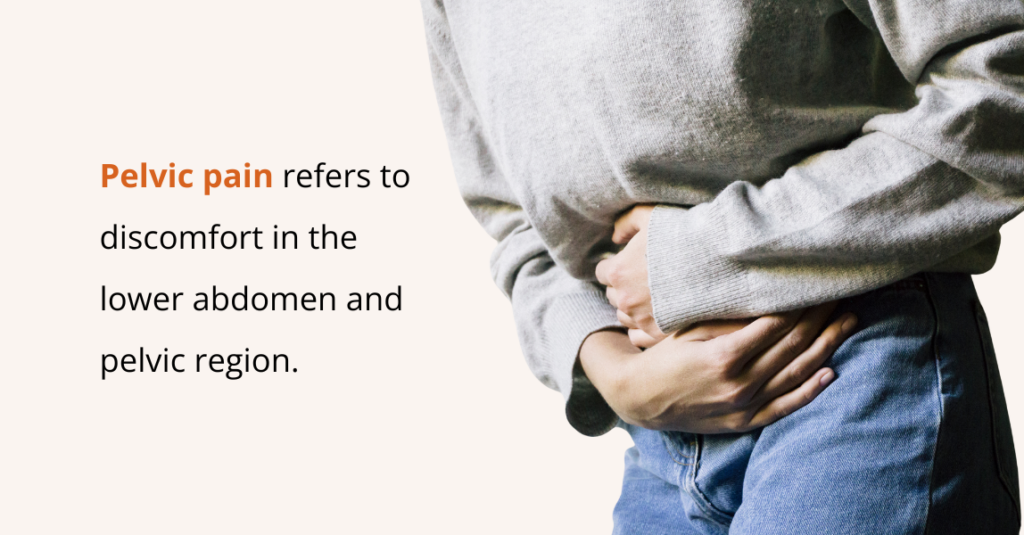
    Pelvic pain refers to discomfort in the lower abdomen and pelvic region. While it is often associated with the female reproductive organs, it can affect people of all sexes.

    Pelvic pain can feel different depending on its cause. Some people describe it as a dull, aching sensation in the lower abdomen, while others may feel sharp, stabbing, or cramping pain.

    It can be constant or come and go, and sometimes it spreads to the lower back, hips, or thighs. The intensity can range from mild discomfort to severe pain that interferes with daily activities.

    In women, pelvic pain may also be linked to menstruation, ovulation, or sexual activity, making it feel more noticeable at certain times.

    Where is Pelvic Pain Located?

    The pelvis is the lowest part of the abdomen, bounded by the pelvic bones and containing the reproductive organs, parts of the digestive and urinary tracts, and supporting muscles and ligaments. Pain may be localised or diffuse.

    What are the Causes of Pelvic Pain?

    Pelvic pain can come from the reproductive system, the urinary tract, the bowel, muscles/ligaments, or nerves. Causes often overlap, and one person may have more than one reason for their pain.

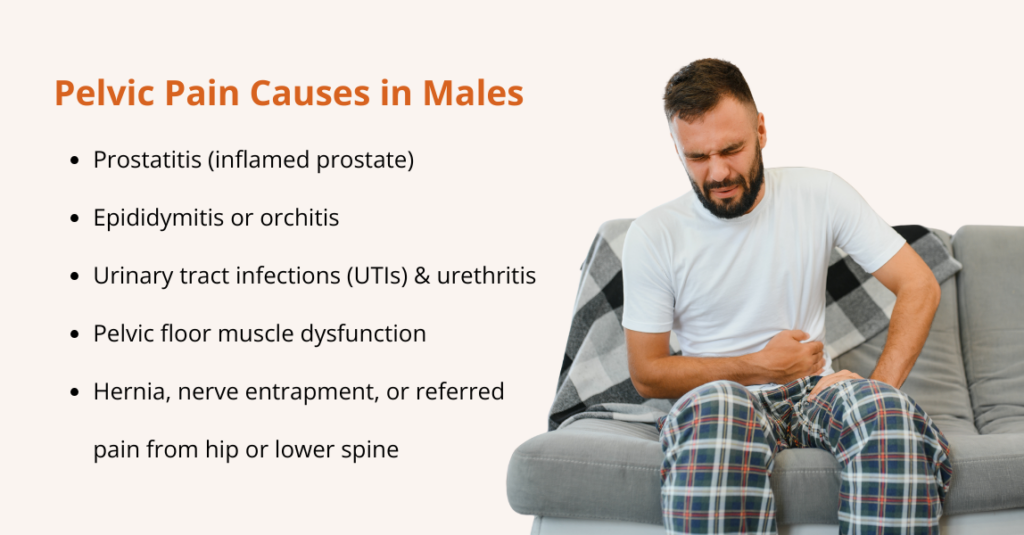
    Pelvic Pain Causes in Males

    Possible pelvic pain causes in males include:

    • Prostatitis (inflamed prostate) can cause aching, burning, painful ejaculation, or urinary problems.
    • Epididymitis or orchitis is inflammation or infection of the testicle or epididymis.
    • Urinary tract infections (UTIs) and urethritis (including STIs) can cause pain with urination, urgency, or discharge.
    • Pelvic floor muscle dysfunction can tighten or spasm pelvic muscles that cause ongoing pain, aching, or pain with sitting/sex.
    • Hernia, nerve entrapment, or referred pain from hip or lower spine problems.

    Pelvic Pain Causes in Females

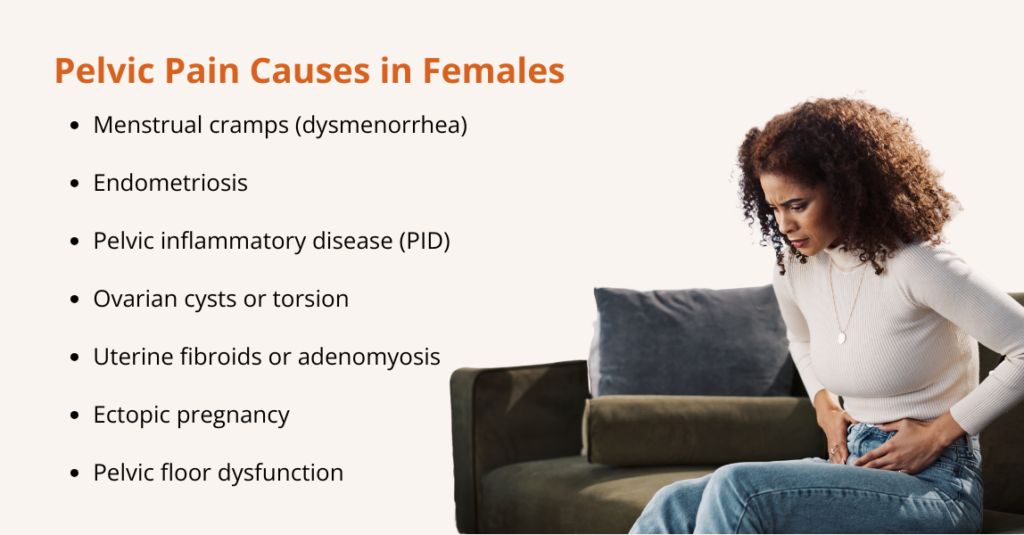
    Possible pelvic pain causes in females include:

    • Menstrual cramps (dysmenorrhea) can cause crampy pelvic pain during periods.
    • Endometriosis, or uterine lining tissue outside the uterus, can cause chronic or cyclical pain.
    • Pelvic inflammatory disease (PID) is an infection of the reproductive organs, often from STIs, causing deep pelvic pain and sometimes fever.
    • Ovarian cysts or torsion can cause sudden, sharp pain if a cyst ruptures or the ovary twists.
    • Uterine fibroids or adenomyosis can cause heavy bleeding and pelvic pressure or pain.
    • Ectopic pregnancy is a medical emergency that causes sharp, one-sided pelvic pain and should be ruled out in anyone of childbearing potential with acute pain.
    • Pelvic floor dysfunction (also common in people assigned female) can cause pain with intercourse, bowel movements, or sitting.

    Pelvic Conditions that Affect all Genders

    Possible causes of pelvic pain in both males and females may include:

    • Gastrointestinal problems, such as constipation, irritable bowel syndrome (IBS), diverticulitis, and appendicitis.
    • Urinary causes, including kidney stones, pyelonephritis (kidney infection), and recurrent UTIs.
    • Musculoskeletal, pulled hip, or abdominal muscles, pubic symphysis pain, or referred pain from the back.
    • Nerve problems, such as pudendal nerve entrapment or other nerve irritation, can cause burning or shooting pain.

    What are the Symptoms of Pelvic Pain?

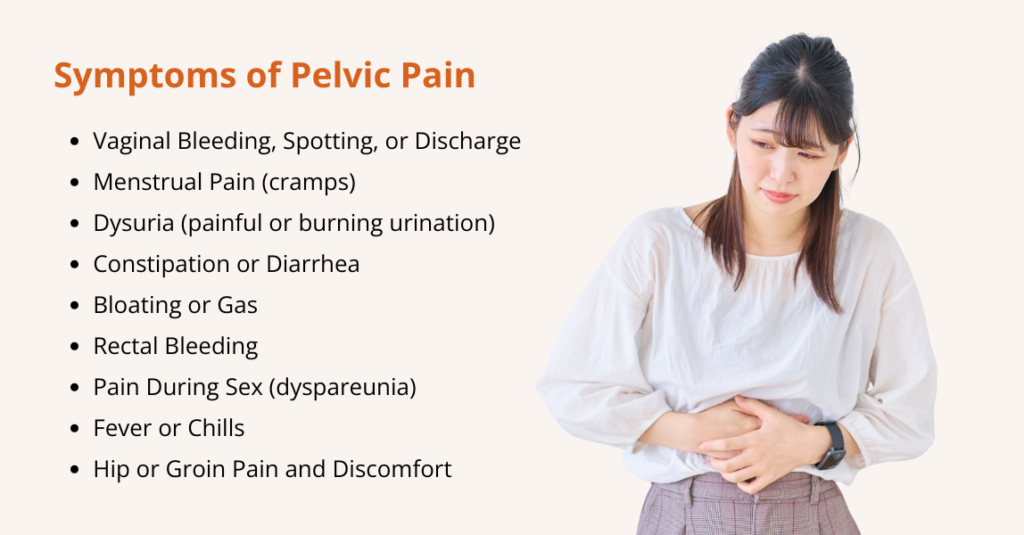
    Symptoms of pelvic pain vary and may include:

    • Vaginal Bleeding, Spotting, or Discharge

    This includes unusual bleeding between periods or after sex, unusual vaginal discharge, or bleeding heavier than normal. 

    • Menstrual Pain (cramps)

    Painful cramps before or during periods are common and may be part of normal menstruation, but if unusually severe, they can indicate conditions like endometriosis or fibroids.

    • Dysuria (painful or burning urination)

    Pain, burning, or discomfort during urination may indicate a urinary tract infection (UTI), bladder irritation, or other urinary issues.

    • Constipation or Diarrhea

    Digestive changes such as hard stools, infrequent bowel movements, or loose stools with discomfort may occur with pelvic pain, particularly when the intestines or nerves near the pelvis are involved.

    • Bloating or Gas

    Feeling full, stretched, or gassy in the lower belly often goes with pelvic pain caused by digestive conditions like irritable bowel syndrome (IBS).

    • Rectal Bleeding

    Seeing blood when you have a bowel movement can be alarming and may come from conditions like hemorrhoids or more serious digestive issues. If present with pelvic pain, it needs evaluation.

    • Pain During Sex (dyspareunia)

    Pain with intercourse is a frequent companion to pelvic pain and can be related to muscular tension, reproductive organ conditions, or pelvic floor dysfunction.

    • Fever or Chills

    Feeling hot or shivery with pelvic pain may suggest an infection, such as PID (pelvic inflammatory disease) or a UTI that has spread.

    • Hip or Groin Pain and Discomfort

    Pain that spreads to the hip, groin, or lower back often accompanies pelvic pain, especially when muscles, ligaments, or nerves in the area are involved.

    Which Kind of Pelvic Pain Is This? Matching the Pattern to the Right Path

    Pelvic pain resolves faster when the pattern is matched to the right starting point, and three patterns cover most of what this page describes. Pain accompanied by heavy or prolonged periods, pressure or fullness that persists through the month, and bladder or bowel changes fits the fibroid pattern — our guide to pelvic pain and pressure from fibroids covers it, and uterine fibroid embolization is the non-surgical treatment path where fibroids are confirmed.

    Pain that has lasted more than six months, worsens through the day on your feet or after standing, eases when lying down, and often dates from a pregnancy fits the pelvic congestion pattern — assessed differently, and treatable with ovarian vein embolization where enlarged pelvic veins are confirmed. Pain in men alongside urinary symptoms points toward the prostate and is covered in our prostate health resources]. None of these patterns is a diagnosis; each is a reason to have the right evaluation rather than a general one.

    How is Pelvic Pain Diagnosed?

    Because pelvic pain has numerous causes, diagnosis requires a comprehensive evaluation. 

    Initial Assessment

    Your doctor will ask about when the pain started, where it hurts, what makes it better or worse, whether it’s related to urination, bowel movements, sexual activity, or your menstrual cycle, and your medical history.

    Medical History

    Your clinician will ask detailed questions about:

    • Pain pattern and duration
    • Other related symptoms (urinary, bowel, sexual)
    • Past infections, surgeries, or conditions

    These details help narrow down the possible causes.

    Physical Exam

    A physical and pelvic exam allows the physician to assess tenderness, masses, muscle tightness, or abnormalities around the pelvis. This exam guides what tests might be needed next. 

    Lab & Imaging Tests

    Blood and urine tests can identify infections, inflammation, anaemia, or pregnancy.

    • Blood Tests: Used to check for infection, inflammation, and sometimes pregnancy (when relevant). They can also screen for sexually transmitted infections if indicated.
    • Urine Tests: Urinalysis helps rule out urinary tract infections, kidney stones, or bladder problems that can cause pelvic pain.
    • Pregnancy Test: A pregnancy test is essential for persons of reproductive age to rule out pregnancy‑related causes such as ectopic pregnancy.
    • Ultrasound: Ultrasound uses sound waves to create images of the pelvic organs and is often the first imaging test. It can identify ovarian cysts, fibroids, and other structural issues. Both transabdominal and transvaginal ultrasounds may be used.
    • CT Scan/MRI: CT and MRI offer detailed cross‑sectional imaging that can reveal abnormalities of bone, organs, or soft tissues and help diagnose conditions that ultrasound can’t fully visualize. 

    Specialized Procedures

    Depending on the case, the following specialized procedures may be required:

    • Laparoscopy: This is a minimally invasive surgical procedure where a camera is inserted through a small incision to directly view pelvic organs. It is often used when other tests don’t clarify the cause or when conditions like endometriosis, adhesions, or cysts are suspected.
    • Cystoscopy: A thin scope with a camera is inserted through the urethra to examine the bladder for inflammation, structural abnormalities, or other causes of pain.
    • Colonoscopy or Sigmoidoscopy: These procedures examine the colon and rectum using a flexible scope. They may be used if bowel causes (e.g., inflammatory bowel disease, ulcers, tumors) are suspected.

    What are the Treatments for Pelvic Pain?

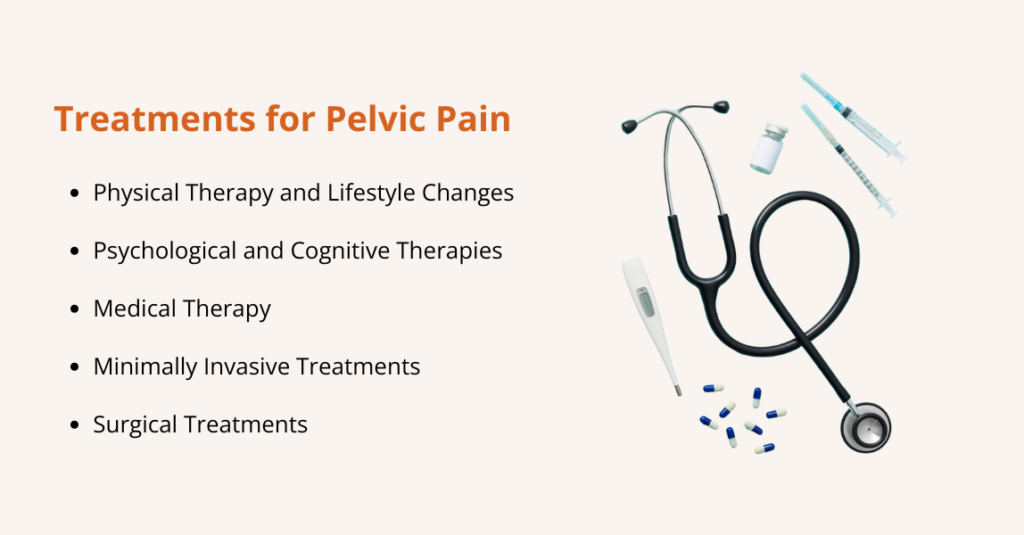
    Treatment depends on the underlying cause, the severity and duration of pain, and the individual’s goals. Management usually involves one or more of the following approaches:

    Physical Therapy and Lifestyle Changes

    Pelvic floor physical therapy helps relax or strengthen pelvic muscles, reduce trigger points, and improve bladder and bowel function. Techniques may include manual therapy, biofeedback, and guided exercises.

    Also, lifestyle changes such as regular physical activity, stretching, a high-fiber diet, and smoking cessation also support pain reduction and overall pelvic health.

    Psychological and Cognitive Therapies

    Chronic pelvic pain often involves nervous system sensitivity and emotional stress.

    Cognitive behavioral therapy (CBT), mindfulness, and counseling can help manage pain, improve coping skills, and address anxiety or depression linked to long-term pain.

    Medical Therapy

    Over-the-counter pain relievers such as NSAIDs and acetaminophen (i.e. Advil & Tylenol) are commonly used to ease mild to moderate pain.

    For chronic or nerve-related pelvic pain, doctors may prescribe medications like tricyclic antidepressants, SNRIs, or anticonvulsants.

    Antibiotics are used when pelvic pain is caused by bacterial infections such as pelvic inflammatory disease (PID), urinary tract infections (UTIs), or bacterial vaginosis, and early treatment helps prevent complications like infertility.

    Moreover, hormonal therapies, including combined oral contraceptives, progestin-only pills, depot medroxyprogesterone, or GnRH agonists with add-back therapy, help reduce pain by suppressing ovulation and thinning the uterine lining, making them effective for conditions like endometriosis and painful periods.

    In some cases, muscle relaxants, vaginal medications, antidepressants, or targeted pain injections are used, and nerve blocks may be performed to interrupt pain signals, serving both diagnostic and therapeutic purposes.

    Minimally Invasive Treatments

    When conservative care fails, or a specific cause is found, several minimally invasive or image-guided options may be used before or instead of open surgery:

    • Laparoscopy: Small-port surgery with a camera to excise endometriosis implants, drain or remove ovarian cysts, or free adhesions.
    • Uterine Fibroid Embolization (UFE): A non-surgical, interventional radiology procedure that blocks blood flow to fibroids to shrink them and relieve symptoms.
    • Ovarian Vein Embolization (OVE): an image-guided procedure that closes the malfunctioning pelvic veins responsible for pelvic congestion syndrome (PCS). PCS is chronic pelvic pain lasting more than six months that worsens with standing and often follows pregnancy.
    • Neuromodulation/Spinal Cord Stimulation: Implanted or percutaneous devices that alter pain signals for refractory pelvic pain syndromes; can be trialed minimally invasively.
    • Targeted Nerve Blocks and Injections: Pudendal or other nerve blocks are used diagnostically and therapeutically to reduce pain.

    Surgical Treatments

    Surgery is considered when minimally invasive options are insufficient or when definitive removal of pathology is required:

    • Excisional Surgery (laparoscopic or open): Removal of disease, such as deep endometriosis; the choice of approach depends on the extent and location of the disease.
    • Myomectomy: Surgical removal of symptomatic fibroids when uterine preservation is desired.
    • Hysterectomy: Removal of the uterus for chronic, refractory uterine causes of pain when childbearing is complete, and other treatments have failed.

    How to Relieve Pelvic Pain?

    For people with chronic or mild pelvic pain, there are several steps you can take at home to help manage and ease your symptoms. For example:

    • Heat Therapy: Applying a heating pad or warm compress to the pelvic area, or taking a warm bath, relaxes muscles and improves blood flow.
    • Regular Exercise: Moderate physical activity improves circulation and may reduce discomfort. Avoid overuse; limit activities requiring prolonged standing or walking.
    • Dietary Adjustments: A high‑fibre diet aids bowel movements and prevents constipation-related pelvic pain. Stay hydrated and limit caffeine and alcohol if they exacerbate bladder pain.
    • Relaxation and Mindfulness: Practices such as yoga, meditation, or mindfulness reduce stress and tension and may ease chronic pain.
    • Stop Smoking: Tobacco products inflame nerves and reduce blood flow; quitting smoking may help relieve pain.
    • It’s important to consult a healthcare professional before attempting self‑treatment, especially when pain is severe, new, or accompanied by concerning symptoms.

      Frequently Asked Questions (FAQs)

      What are the different types of pelvic pain?

      There are several ways to classify pelvic pain, and understanding the pattern helps clinicians identify potential causes.

      1. Acute vs. Chronic: Acute pelvic pain occurs suddenly, lasts minutes to days, and often signals an urgent condition (e.g., ruptured ovarian cyst, appendicitis, ectopic pregnancy). Chronic pelvic pain lasts at least six months; it may be constant or intermittent and can be cyclic (related to the menstrual cycle) or non‑cyclic.
      2. Cyclic vs. Non‑Cyclic: Cyclic pain occurs at specific times in the menstrual cycle, such as menstrual cramps or mid-cycle ovulation pain. Non-cyclic pain has no link to the menstrual cycle and may be caused by conditions like endometriosis, interstitial cystitis, IBS, or pelvic floor dysfunction.
      3. Primary vs. Secondary Chronic Pain: Primary chronic pelvic pain occurs without an identifiable physical cause and is often linked to nervous system sensitization and psychological factors. Secondary chronic pelvic pain results from a known condition such as infection, inflammation, nerve damage, or endometriosis.
      4. Visceral vs. Somatic vs. Neuropathic: Visceral pain comes from internal organs and feels dull or crampy. Somatic pain arises from muscles, ligaments, or bones and is usually sharp or aching. Neuropathic pain is caused by nerve injury or entrapment and may present as burning or electric sensations.
      5. By Organ System: Pelvic pain may also be classified by the affected system, including gynecologic, urologic, gastrointestinal, musculoskeletal/neurologic, or psychological causes.

      Can pelvic pain be prevented?

      Pelvic pain cannot always be prevented, but certain healthy habits may help lower your risk and reduce symptom flare-ups, such as:

      • Avoid overuse: Limit activities that involve prolonged standing or walking to reduce strain on the pelvic muscles.
      • Eat more fiber: A high-fiber diet supports digestion and may help prevent pelvic pain associated with constipation or diverticulitis.
      • Exercise regularly: Staying active maintains muscle and joint strength and improves overall pelvic health.
      • Stretch before activity: Warming up and stretching before exercise helps reduce muscle tension and the risk of injury.
      • See your healthcare provider regularly: Routine checkups can help detect and treat potential issues early, before symptoms worsen.

      When should I see a doctor for pelvic pain?

      Seek immediate medical care if pelvic pain is sharp, severe, or sudden; if you cannot stand upright; if you notice blood in your urine or stool; if you have a fever; or if you are pregnant or have been pregnant in the last six months. Persistent pelvic pain lasting more than two weeks also warrants evaluation. Red‑flag findings such as postcoital bleeding, postmenopausal bleeding, unexplained weight loss, or a pelvic mass require prompt assessment.

      Conclusion

      Pelvic pain is more than just a physical symptom; it can affect your comfort, confidence, relationships, and daily life.

      Its causes are complex and may involve the reproductive organs, urinary system, digestive tract, muscles, nerves, or emotional health.

      Sudden pelvic pain can be frightening and may signal an urgent medical problem, while ongoing or recurring pain can be exhausting and discouraging, especially when answers are not immediate.

      Chronic pelvic pain, in particular, is often influenced by how the nervous system processes pain and by emotional stress, making it feel overwhelming and isolating for many people.

      Therefore, a thorough medical evaluation is essential to understand what’s happening and to rule out serious conditions.

      Treatment is highly individualized and may include medications, hormonal therapy, antibiotics, pelvic floor physical therapy, lifestyle adjustments, psychological support, or surgery.

      Most importantly, persistent pelvic pain is not something you should ignore or feel you must “live with.” If pelvic pain is affecting you, reaching out to a healthcare provider is an important first step toward understanding, support, and healing.

  • Heavy Menstrual Bleeding Explained: Causes, Symptoms & Solutions

    Heavy Menstrual Bleeding Explained: Causes, Symptoms & Solutions

    Periods are a normal part of life, but they shouldn’t dominate it.

    Many people silently endure heavy menstrual bleeding, feeling embarrassed or believing it’s just their “normal.”

    Yet this condition can drain energy, disrupt work or family life, and lead to anemia and other health problems.

    Importantly, heavy periods also stir emotions, fear of leaking in public, cancelling social plans, or worrying about possible health issues. Your struggle is valid, and compassionate care exists.

    In this post, we’ll walk you through what heavy periods are, why they happen, and the steps you can take to regain control and feel like yourself again.

    What is Heavy Menstrual Bleeding?

    Heavy menstrual bleeding, also called menorrhagia, happens when your period is much heavier than normal or lasts longer than seven days.

    If heavy or prolonged bleeding isn’t treated, it can start to affect your everyday life and make it hard to do normal activities. It can also lead to anemia, a common blood condition that may cause fatigue, weakness, or low energy.

    Also, constantly layering pads, worrying about leaks, and staying home because of heavy bleeding can feel exhausting and overwhelming.

    In some cases, ongoing heavy bleeding may be linked to other underlying health problems that need medical care.

    Common Causes of Heavy Menstrual Bleeding

    Menorrhagia can stem from multiple factors; sometimes the cause is unknown. Common categories include:

    Hormonal Imbalances

    Estrogen and progesterone control the uterine lining. Imbalances from obesity, insulin resistance, thyroid disease, or polycystic ovary syndrome (PCOS) can thicken the lining and lead to heavy bleeding. Anovulation (when the ovaries don’t release an egg) is another cause.

    Noncancerous Growths

    Uterine fibroids (benign muscle tumors), polyps, and adenomyosis (endometrial tissue growing into the uterine muscle) increase blood loss. Fibroids can distort the uterus and cause sudden gushes of blood during periods.

    Infections and Inflammation

    Sex ually transmitted infections such as trichomoniasis, gonorrhea, and chlamydia, or chronic endometritis, can trigger heavy bleeding.

    Pregnancy Complications

    Miscarriage, ectopic pregnancy, or a cesarean scar (“C‑section niche”) may present as unexpected heavy bleeding.

    Bleeding Disorders

    Von Willebrand disease, platelet function disorders, and other genetic bleeding disorders impair clotting. These often go undiagnosed but should be considered when menstrual bleeding is severe.

    Medications

    Blood thinners (e.g., warfarin, apixaban, rivaroxaban), aspirin, and certain hormonal therapies can increase blood flow.

    Other Medical Conditions

    Liver, kidney, and thyroid problems, pelvic inflammatory disease, leukemia, and certain cancers (uterine or cervical) are linked with heavy bleeding. Obesity and approaching menopause are risk factors.

    IUDs and Contraceptive Devices

    Hormone‑free intrauterine devices may cause heavier periods. Forgotten IUDs or implants can cause abnormal bleeding.

    Symptoms and Signs You’re Losing Too Much Blood

    Heavy menstrual bleeding can interfere with daily life and cause anemia. Warning signs include:

    • Soaking through a pad or tampon every hour for several hours, needing double protection, or changing pads at night.
    • Periods lasting longer than seven days. Some people report a period lasting two weeks or more.
    • Passing blood clots the size of a quarter or larger. Clots suggest that blood is pooling and clotting in the uterus.
    • Feeling tired, short of breath, or dizzy due to anemia. Iron deficiency can cause fatigue and palpitations.
    • Lower abdominal or back pain and severe cramps.
    • Sudden gush of blood during period that drenches clothes or bedding; this can be frightening and may suggest fibroids or endometrial polyps.

    If you bleed through two or more pads or tampons each hour for two or three hours, you should seek immediate medical care.

    Diagnosis: How Doctors Evaluate Heavy Menstrual Bleeding

    Doctors evaluate heavy period bleeding using a step-by-step approach to understand symptoms and identify the underlying cause.

    This process typically includes a detailed medical history, a physical and pelvic examination, and, when indicated, diagnostic tests.

    Patient History & Physical Exam

    The evaluation begins with a close review of the patient’s symptoms and the impact of heavy bleeding on daily life. Key areas include:

    Menstrual History

    The provider will ask about the age of the first period, cycle length and regularity, how long bleeding lasts, and how heavy the flow feels. Patients may be asked to keep a period diary, or track pad, or a tampon use to help estimate blood loss.

    Symptom Review

    Doctors look for clear signs of HMB, such as soaking through pads or tampons every hour for several hours, passing large blood clots (quarter-sized or larger), needing to change menstrual products during the night, or symptoms of anemia such as fatigue or shortness of breath.

    Medical and Family History

    The provider will review current health conditions (such as thyroid or liver problems), medications (including blood thinners), and any personal or family history of bleeding disorders or gynecologic cancers.

    Physical Examination

    This usually includes a general exam to check for signs of anemia and a pelvic exam to look for structural issues like fibroids or polyps, as well as signs of infection or other abnormalities.

    Diagnostic Tests

    A pelvic ultrasound is the most common test used by healthcare providers to evaluate menorrhagia.

    Based on the initial assessment, doctors may order one or more tests. Common diagnostic tests may include:

    • Blood tests to check for anemia, clotting problems, or thyroid disorders
    • A transvaginal ultrasound is used to closely examine the organs and tissues in the pelvis
    • Magnetic resonance imaging (MRI) is used if an ultrasound does not provide enough detail about the uterus
    • Pap smear to examine cervical cells for abnormal changes that could suggest cancer
    • Cervical culture to test for infection
    • Endometrial biopsy to analyze uterine tissue for cancer or other abnormalities

    Additional procedures that may help identify the cause include:

    • Sonohysterogram (saline-infusion sonography): A test in which saline is placed in the uterus to give a clearer view of the uterine lining and detect abnormalities.
    • Hysteroscopy: A procedure that allows the provider to look directly inside the vagina, cervix, and uterus to identify polyps, fibroids, or other abnormal tissue. In some cases, growths causing heavy bleeding can be removed during this procedure.

    Treatments for Heavy Menstrual Bleeding

    Treatment depends on the cause, severity, age, overall health, fertility goals, and personal preferences. Options range from lifestyle adjustments and supplements to medication and surgery.

    In some cases, menorrhagia may improve on its own without treatment. This is more likely when heavy bleeding is caused by mild hormonal changes or factors such as being overweight. For some individuals, menstrual bleeding may become lighter after achieving a healthier weight.

    It’s important to discuss your symptoms, overall health, and treatment goals with your healthcare provider.

    Home Remedies and Lifestyle Changes

    Some people seek ways to stop menstrual bleeding immediately or ask how to slow down period flow. While there is no “quick fix,” you may try these supportive measures:

    1. Stay Hydrated and Rest: Drink extra water to maintain blood volume and rest when needed.
    2. Cold Compress: Placing a cold pack on the lower abdomen may constrict blood vessels and temporarily reduce bleeding.
    3. Elevate Legs: Raising the legs while lying down can ease blood flow back to the heart.
    4. Avoid Aspirin: Choose ibuprofen or naproxen instead (if safe for you) because aspirin can increase bleeding.
    5. Discuss TENS (transcutaneous electrical nerve stimulation: Some find relief from cramps with TENS units.

    If heavy bleeding continues beyond seven days, see a healthcare provider.

    Medications to Treat Heavy Menstrual Bleeding

    Healthcare providers usually try medications first before recommending surgical treatment. Depending on the cause and severity of your symptoms, treatment options may include:

    • Iron supplements help restore low iron levels and treat or prevent anemia.
    • Nonsteroidal anti-inflammatory drugs (NSAIDs), such as ibuprofen or aspirin, can be used to reduce menstrual cramps and help lessen blood loss.
    • Birth control methods (including pills, patches, vaginal rings, and hormonal IUDs) are used to regulate menstrual cycles and reduce heavy bleeding.
    • Hormone replacement therapy (HRT) to balance estrogen and progesterone levels and reduce heavy flow; this option is often used during perimenopause and should be discussed carefully due to potential risks.
    • Gonadotropin-releasing hormone (GnRH) agonists or antagonists are used to reduce or stop menstrual bleeding temporarily.
    • Desmopressin nasal spray (Stimate®) to control bleeding in people with von Willebrand disease by improving blood clotting.
    • Antifibrinolytic medications, such as tranexamic acid, help prevent blood clots from breaking down and reduce excessive bleeding.

    Your healthcare provider can help determine which medication is most appropriate based on the cause of your heavy periods, overall health, and treatment goals.

    Minimally Invasive Procedures for Heavy Menstrual Bleeding

    When medications do not provide enough relief, healthcare providers may recommend procedures to control heavy menstrual bleeding.

    The choice depends on the cause of bleeding, symptom severity, and whether a future pregnancy is desired.

    Hysteroscopy

    This procedure allows the provider to look directly inside the uterus using a thin, lighted instrument. It is commonly used to identify and remove polyps or small fibroids located within the uterine cavity that may be causing heavy bleeding.

    Dilation and Curettage (D&C)

    During a D&C, the cervix is gently opened, and part of the uterine lining is removed. This can help reduce heavy bleeding and may also be used to diagnose underlying causes, such as abnormal tissue growth or complications related to pregnancy, including miscarriage.

    Myomectomy

    A myomectomy involves the surgical removal of uterine fibroids while preserving the uterus. This option is often recommended for people who wish to maintain fertility but need treatment for fibroids that cause heavy or painful periods.

    Uterine Fibroid Embolization (UFE)

    UFE is a minimally invasive procedure that blocks the blood supply to fibroids, causing them to shrink over time. As fibroids decrease in size, menstrual bleeding and related symptoms often improve.

    Endometrial Ablation or Resection

    These procedures destroy or remove all or part of the uterine lining using heat, lasers, freezing, or electrical energy. They can significantly reduce or stop menstrual bleeding. However, they are not recommended for people who plan to become pregnant, as the uterus may no longer support a healthy pregnancy.

    Hysterectomy

    A hysterectomy is the surgical removal of the uterus and is considered a permanent solution for heavy menstrual bleeding. It completely ends menstruation and fertility and is usually reserved for severe cases or when other treatments have not worked.

    Frequently Asked Questions (FAQs)

    How heavy is too heavy for a period?

    A period is generally considered “too heavy” when the amount of bleeding is more than what’s typical and starts to interfere with your life or health. In a typical menstrual cycle, most people lose about 2–3 tablespoons (30–40 mL) of blood over several days. Heavy menstrual bleeding (menorrhagia) is often defined as losing more than about 80 mL (roughly 5–6 tablespoons) of blood during a period, although exact measurement is hard to do in everyday life.

    Why is my period so heavy this month?

    Your period may be heavier than usual this month due to short-term hormone changes, stress, recent weight changes, or shifts in birth control. Other common causes include uterine conditions like fibroids or polyps, thyroid problems, perimenopause, certain medications (such as blood thinners), or pregnancy-related issues like an early miscarriage. Sometimes, a single heavy period occurs without a serious cause, but if the bleeding is very heavy, lasts more than 7 days, or affects your daily life, it’s important to consult a healthcare provider.

    Why am I bleeding so much on my period?

    Excessive bleeding (menorrhagia) can result from hormone imbalances, uterine growths, pregnancy issues, bleeding disorders, or medications. Only a healthcare provider can determine the exact cause through history and testing.

    When to go to the emergency for heavy menstrual bleeding?

    Go to the emergency room for heavy menstrual bleeding if you soak two or more pads or tampons per hour for several hours, pass large clots continuously, feel faint, or have trouble breathing. Heavy bleeding with severe pain or suspected pregnancy complications also warrants urgent medical attention.

    How to stop menstrual bleeding after 7 days?

    To stop menstrual bleeding that lasts more than 7 days, medical treatments like hormonal birth control (pills, IUD, or implant), NSAIDs, or tranexamic acid are most effective. Lifestyle measures, managing stress, staying hydrated, eating a balanced diet, and gentle exercise, may also help. However, prolonged bleeding should always be evaluated by a doctor to check for underlying health issues.

    How to stop heavy menstrual bleeding with clots?

    To stop heavy menstrual bleeding with clots, medical treatments are usually the most effective. Options include hormonal therapy such as birth control pills, IUDs, or high-dose progesterone, and tranexamic acid, which helps stabilize blood clots. NSAIDs like ibuprofen can reduce bleeding and relieve cramps. Lifestyle measures,  such as staying hydrated, managing stress, engaging in gentle exercise, and using appropriate menstrual products, can also help. However, if bleeding soaks a pad or tampon every hour, passes very large clots, lasts more than 7 days, or causes dizziness, fainting, or rapid heartbeat, it’s important to seek medical care immediately to rule out serious underlying issues and receive urgent treatment.

    Conclusion

    Heavy menstrual bleeding, or menorrhagia, is more than just an inconvenient period; it’s your body’s way of signaling that something may need attention.

    Causes can range from hormonal changes, fibroids or polyps, thyroid issues, pregnancy-related complications, to certain bleeding disorders.

    It’s important to recognize the warning signs: soaking through pads or tampons every hour, bleeding for more than seven days, passing large clots, or feeling unusually tired or weak.

    These symptoms are not something you have to just “live with.” A careful medical evaluation can help pinpoint the cause and guide the best treatment for you.

    Treatment options vary depending on your needs and may include lifestyle changes, iron supplements, NSAIDs, hormonal therapies, minimally invasive procedures, or, in rare cases, surgery.

    Most importantly, caring for yourself means seeking help without hesitation; you deserve to live your life fully without being held back by heavy periods.

  • Uterine Fibroids: Types, Causes, Symptoms, Diagnosis, & Treatments

    Uterine Fibroids: Types, Causes, Symptoms, Diagnosis, & Treatments

    Uterine fibroids (also called leiomyomas) are benign tumours made of smooth muscle and fibrous tissue that form in or on the muscular wall of the uterus.

    It can range in size from as small as a pea or as large as a grapefruit.

    Epidemiological analyses estimate that 40–80 % of people with a uterus have fibroids, with the greatest prevalence between 30 to 50 years.

    Despite being non‑malignant, fibroids can severely affect quality of life by causing heavy menstrual bleeding, chronic pelvic pain, pressure symptoms, infertility, or pregnancy complications.

    Moreover, new survey data from The Harris Poll for the Society of Interventional Radiology show that many women still have misunderstandings about their treatment options.

    In fact, 17% believe a hysterectomy, the complete removal of the uterus, is the only solution, including 27% of women aged 18–34. However, minimally invasive treatments like UFE, in addition to surgical treatment, are a great option.

    This article explains uterine fibroids, including their types, causes, symptoms, complications, and treatment options.

    What are Uterine Fibroids?

    what are uterine fibroids

    Uterine fibroids are non-cancerous (benign) growths that develop in the wall of the uterus. They are made of smooth muscle cells and fibrous (connective) tissue. Fibroids can be as small as a pea or as large as a grapefruit, and a woman may have one fibroid or many.

    Most fibroids grow slowly or not at all. Fibroids are usually described by where they grow:

    • Submucosal
    • Intramural
    • Subserosal

    Each fibroid’s size and location influence the symptoms a person may have and which treatments are appropriate.

    Who Usually Develops Uterine Fibroids?

    Fibroids are most common in women of reproductive age, particularly between about 30 and 50 years old. The risk increases with age during the childbearing years and then generally decreases after menopause.

    Evidence from epidemiological and mechanistic research identifies several modifiable and non‑modifiable risk factors:

    Risk FactorEvidences
    Race/ethnicityResearch shows that black women are about three times more likely to develop fibroids than the general population, often experiencing earlier onset, larger fibroids, and more severe symptoms such as pelvic pain, menopause, bladder problems, and heavy bleeding.
    Genetic predispositionHaving close relatives with fibroids increases the risk, with genetic predisposition playing a significant role.
    Age, early menarche & late menopauseFibroids are rare before puberty; incidence peaks in the 40s and declines after menopause. Early menarche and late menopause prolong estrogen exposure and increase risk.
    Obesity and high BMIA nutritional review shows that obesity increases aromatase activity, converting androgens to estrogens, which stimulate fibroid growth.
    HypertensionA longitudinal analysis of 2,570 midlife women found that untreated hypertension was associated with a 19 % higher risk of incident fibroids, whereas antihypertensive medication reduced risk by 37 %. Participants who developed hypertension during follow‑up had a 45 % increased risk.
    NulliparityWomen who have not delivered children have a higher risk. Pregnancy may be protective because uterine remodelling during pregnancy may reduce the number of uterine stem cells.
    Hormonal factorsA study highlights that prolonged exposure to estrogen and progesterone stimulates growth; fibroids enlarge during pregnancy and shrink after menopause.
    Vitamin D deficiencyLow vitamin D levels increase risk; supplementation may inhibit fibroid growth.
    Environmental factorsResearch indicates diets high in red meat, saturated fats, and alcohol, exposure to endocrine‑disrupting chemicals (e.g., organophosphate esters, plasticizers), tobacco use, and vitamin D deficiency have been associated with increased risk.
    Genitourinary microbiome & inflammationAlterations in the reproductive tract microbiome and chronic low‑grade inflammation may promote fibroid growth.

    3 Types of Uterine Fibroids

    Fibroids are classified according to their location in the uterus and relationship to the uterine wall.

    The most commonly used system is the International Federation of Gynecology and Obstetrics (FIGO) classification. For clinical purposes, three broad types are usually discussed:

    1. Submucosal Fibroids

    Grow just beneath the uterine lining and can protrude into the uterine cavity. They’re the type most likely to cause heavy or prolonged menstrual bleeding and fertility problems because they distort the lining where an embryo would implant.

    2. Intramural Fibroids

    Form inside the muscular wall of the uterus and are the most common type. They can make the uterus feel larger, cause pelvic pain or pressure, and may contribute to heavy bleeding and fertility issues, depending on size and exact location.

    3. Subserosal Fibroids

    Develop on the outer surface of the uterus and grow outward. These usually cause bulk-related symptoms, such as pelvic pressure, pain, or urinary/bowel problems, from pressing on nearby organs. Some subserosal fibroids are pedunculated (stalked) and can cause acute pain if they twist.

    Clinical Note: The fibroid’s location strongly affects symptoms and treatment choices. For example, submucosal fibroids are often removed hysteroscopically to improve bleeding or fertility, while large intramural or subserosal fibroids may need other surgical or radiologic approaches.

    What Causes Uterine Fibroids?

    what are the causes of uterine fibroids

    The exact cause of fibroid development is still unclear, but several mechanisms are implicated:

    • Hormonal Imbalance

    Estrogen and progesterone promote the proliferation of smooth muscle cells and the extracellular matrix in fibroids. Fibroids contain more estrogen and progesterone receptors than normal myometrium.

    Hormone fluctuations explain why fibroids grow during pregnancy and shrink after menopause.

    • Genetic and Molecular Alterations

    Somatic mutations in the MED12 gene are the most common driver mutation, detected in 45–90% of fibroids. Other genes can also be involved. These changes make the cells grow more than they should.

    • Growth Factors and Vascular Regulation

    Fibroids produce growth factors (e.g., transforming growth factor‑β and vascular endothelial growth factor) and exhibit altered angiogenic signalling, leading to increased vascularisation and fibroid growth.

    • Environmental and Inflammatory Triggers

    Vitamin D deficiency, endocrine‑disrupting chemicals, chronic inflammation, and obesity contribute to pathogenesis by altering hormone metabolism and extracellular matrix deposition.

    What are the Symptoms of Uterine Fibroids?

    what are the symptoms of uterine fibroids

    Symptoms depend on the size, number, and location of fibroids; many women are asymptomatic.

    The most common symptoms include:

    • Heavy or Prolonged Menstrual Bleeding (Menorrhagia)

    Submucosal fibroids, which grow close to the uterine lining, are the most likely to cause heavy, long, or irregular periods. This type of bleeding can be severe enough to lead to iron-deficiency anemia, causing fatigue, weakness, or shortness of breath.

    • Pelvic Pain or Pressure

    Larger intramural or subserosal fibroids can press on nearby organs. This pressure may cause:

    • Low back pain
    • A swollen or enlarged abdomen
    • Urinary frequency or difficulty emptying the bladder
    • Constipation or discomfort during bowel movements

    These symptoms are caused by the fibroid pushing against the bladder, bowel, or pelvic nerves.

    • Reproductive and Fertility Issues

    Fibroids can affect fertility by changing the shape of the uterus, blocking the fallopian tubes, or interfering with embryo implantation. They may also increase the risk of miscarriage.

    Studies show fibroids are found more in women seeking fertility treatment, and both the number and size of fibroids are directly linked to how severe symptoms are and how much they impact quality of life.

    • Pregnancy Complications

    During pregnancy, fibroids can increase the risk of:

    • Difficulty becoming pregnant
    • Preterm birth
    • Breech presentation
    • Heavy bleeding after delivery (postpartum hemorrhage)

    The risk depends heavily on the fibroid’s location and size. Some fibroids remain stable during pregnancy, while others may grow due to higher hormone levels.

    What are the Risk Factors for Uterine Fibroids?

    Several factors can increase a woman’s chances of developing uterine fibroids:

    • Family history: Women with a mother or sister who had fibroids are more likely to develop them.
    • Age (30–50 years): Fibroids usually appear and grow during the reproductive years, especially in the 30s and 40s, then often shrink after menopause.
    • Obesity and high blood pressure: Higher body weight and hypertension are both linked to a greater risk of fibroids.
    • Lifestyle factors: Low physical activity, a diet high in red meat, and low intake of fruits and vegetables may contribute to fibroid growth.
    • Early menstruation and late menopause: Starting periods at a young age and going through menopause later in life expose the uterus to hormones for longer, increasing the chance of developing fibroids.

    What are the Complications of Uterine Fibroids?

    Besides the symptoms listed above, fibroids can lead to specific complications:

    • Anemia from Heavy Bleeding

    When fibroids, especially those near the uterine lining, cause heavy or prolonged periods, chronic blood loss can lead to iron-deficiency anemia. This may require iron supplements or other medical treatment to restore iron levels.

    • Infertility and Adverse Pregnancy Outcomes

    A study shows that large submucosal fibroids (those that grow into the uterine cavity) are linked with infertility and a higher risk of miscarriage and preterm birth.

    For selected patients, removing submucosal fibroids with hysteroscopic myomectomy has been shown to improve reproductive outcomes. However, the benefit depends on the fibroid type and individual factors.

    • Urinary and Bowel Dysfunction

    Fibroids that press on the bladder or rectum can cause urinary frequency, urgency, difficulty emptying the bladder, or constipation and discomfort during bowel movements.

    These “bulk” effects come from the fibroid’s size and location rather than bleeding.

    Malignant transformation of a fibroid into a leiomyosarcoma is extremely rare. Because the risk is small but clinically important, doctors evaluate rapidly growing or suspicious masses carefully.

    How are Uterine Fibroids Diagnosed?

    Evaluation begins with a clinical history and pelvic examination. The choice of test depends on symptoms, suspected fibroid location, and whether fertility is a concern.

    Initial Assessment

    • Pelvic Exam: A doctor may feel an enlarged or irregular uterus during a routine pelvic exam, which can suggest the presence of fibroids.
    • Medical History and Symptoms: Information about heavy bleeding, pelvic pain, or urinary problems helps guide which tests are needed.

    Imaging Tests

    • Pelvic Ultrasound (first-line test): Ultrasound is the most common and readily accessible modality for detecting fibroids. It shows their size, number, and basic location.
    • Magnetic Resonance Imaging (MRI): MRI provides detailed fibroid mapping and is useful for surgical planning or when ultrasound results are inconclusive.
    • CT Scan: CT is not routinely used to diagnose fibroids, but it may show them incidentally if performed for another reason.

    Procedures for Uterine Cavity Assessment

    • Hysteroscopy or Hysterosalpingography: Hysteroscopy allows direct visualisation and treatment of submucosal fibroids. Hysterosalpingography helps evaluate intracavitary lesions.
    • Laparoscopy: Used when other imaging is inconclusive or when concomitant pelvic pathology is suspected.

    Additional Tests

    • Blood Tests: These help check for anemia from heavy bleeding and rule out other causes of symptoms.

    Uterine Fibroids Treatment Options

    uterine fibroids treatment options

    Uterine treatment decisions depend on fibroid size, location, symptom severity, patient age, and fertility desires. Many small or asymptomatic fibroids can be monitored (“watchful waiting”).

    Symptomatic fibroids may require medical therapy, minimally invasive procedures, or surgery.

    Here are some options supported by recent evidence and guideline recommendations.

    Medical Management

    • Symptom Control

    Symptom control is the goal of medical therapy; medications generally do not eradicate fibroids but can reduce bleeding and shrink tumours.

    According to the American College of Radiology’s Appropriateness Criteria, first‑line agents include oral contraceptive pills and progestin‑containing intrauterine devices, which reduce bleeding symptoms.

    Non‑hormonal alternatives such as tranexamic acid are effective for heavy menstrual bleeding.

    • GnRH Agonists and Antagonists

    Two types of medicines can shrink fibroids and reduce symptoms: GnRH agonists (such as leuprolide) and GnRH antagonists (such as elagolix, linzagolix, and relugolix).

    Research shows that these medicines work by lowering estrogen levels, which in turn causes fibroids to shrink. Because low estrogen can cause side effects such as hot flashes and bone thinning, they are usually used for a short time, often to shrink fibroids before surgery.

    Newer treatments combine a low dose of estrogen and progestin with the medication. This helps prevent strong side effects while still controlling heavy menstrual bleeding, and this approach is FDA-approved.

    • Selective Progesterone Receptor Modulators (SPRMs)

    Drugs such as ulipristal acetate reduce bleeding and fibroid size, but concerns about hepatotoxicity have limited widespread use.

    Other Agents: NSAIDs relieve pain; combined oral contraceptives, progestin injections or implants, and the levonorgestrel intrauterine device control bleeding. Iron supplementation addresses anemia.

    Minimally Invasive Procedures

    • Uterine Fibroid Embolization (UFE)

    Uterine fibroid embolization is a catheter‑based procedure performed by Dr. Zagum Bhatti, a board-certified interventional radiologist.

    A catheter is introduced through the femoral or radial artery and navigated into the uterine arteries; small embolic particles occlude the branches supplying the fibroids, causing ischemic necrosis and shrinkage.

    Randomised trials show that UFE provides symptom relief comparable to myomectomy; quality‑of‑life scores and re‑intervention rates at four years are not significantly different. Advantages include a shorter hospital stay, lower risk of blood transfusion, and faster recovery.

    However, patients may experience post‑embolization syndrome (pelvic pain, fever, nausea) and expulsion of submucosal fibroids.

    Another retrospective study of 155 patients undergoing UFE for submucosal fibroids found that UFE reduced the median volume of the dominant fibroid by 64% and achieved >90% devascularization in 94.8% of cases.

    High patient satisfaction was reported, with 84.5% discharged without further intervention.

    Severe adverse events were rare (3.2 %), while mild adverse events (mainly infection or vaginal discharge) occurred in 16.8 %. These findings support UFE as an effective and safe option for submucosal fibroids.

    • Radiofrequency Ablation (RFA)

    RFA (available as laparoscopic Acessa or transcervical Sonata systems) uses thermal energy to coagulate fibroid tissue.

    Under ultrasound guidance, a needle electrode delivers radiofrequency energy, heating the fibroid to ~100 °C and causing coagulative necrosis, which is gradually reabsorbed. RFA is typically a day surgery and preserves the uterine wall structure.

    • MRI‑Guided Focused Ultrasound (MRgFUS/HIFU)

    MRgFUS uses high‑intensity focused ultrasound waves to thermally ablate fibroid tissue under MRI guidance. Advantages include no incisions, minimal blood loss, and rapid recovery.

    According to the ACR Appropriateness Criteria, complications are rare but can include skin burns, nerve injury, and deep vein thrombosis.

    Compared with UFE, MRgFUS has longer procedure times and higher re‑intervention rates.

    Surgical Options

    • Myomectomy (Uterine‑Sparing Surgery)

    Myomectomy removes fibroids while preserving the uterus and fertility. It can be performed hysteroscopically (for submucosal fibroids), laparoscopically/robotically, or via open abdominal surgery.

    • Hysterectomy

    Hysterectomy (removal of the uterus) provides definitive treatment with no risk of recurrence, making it appropriate for women who do not desire future fertility.

    Options include total hysterectomy (uterus and cervix removed), supracervical hysterectomy (uterus only), and may be performed vaginally, laparoscopically, or abdominally.

    Frequently Asked Questions (FAQs)

    Are Uterine fibroids common?

    Yes. About 40–80% of people with a uterus develop fibroids, with the highest prevalence between ages 30 and 50. Most fibroids are small and cause no symptoms, so many people only find out about them during a pelvic exam or ultrasound.

    Do uterine fibroids cause pain?

    Many women experience pelvic pressure or pain; symptoms depend on fibroid size and location. Submucosal fibroids often cause heavy bleeding, while large intramural or subserosal fibroids can cause back pain, urinary frequency, and constipation.

    Can uterine fibroids be cancerous?

    Fibroids are almost always benign. Malignant transformation into leiomyosarcoma (cancer) is extremely rare.

    What size of uterine fibroids should be removed?

    There is no single size threshold. Indications include significant symptoms (heavy bleeding, pain, infertility), rapid growth, or distortion of the uterine cavity. Fibroids causing heavy bleeding often warrant intervention.

    Can uterine fibroids cause bleeding?

    Yes. Heavy menstrual bleeding is one of the most common symptoms and can lead to iron‑deficiency anemia. Iron supplementation or treatment to reduce bleeding may be necessary.

    Can uterine fibroids cause anemia?

    Yes, uterine fibroids can lead to anemia. This happens when heavy or prolonged menstrual bleeding caused by fibroids depletes the body’s iron stores, which are essential for making red blood cells. Over time, this can lead to a low red blood cell count, resulting in fatigue, weakness, and other anemia-related symptoms.

    Can I get pregnant with uterine fibroids?

    Yes, you can get pregnant with a uterine fibroid, but it can sometimes affect fertility or pregnancy depending on its size, number, and location. Submucosal fibroids, which grow into the uterine cavity, are most likely to interfere with embryo implantation or increase the risk of miscarriage. Large intramural fibroids within the uterine wall can also reduce fertility or cause complications, while subserosal fibroids on the outer surface usually do not affect fertility but may cause discomfort if very large. Doctors may recommend monitoring, medication, or surgical removal for fibroids that could interfere with conception or a healthy pregnancy.

    Do uterine fibroids go away on their own?

    Uterine fibroids usually do not disappear on their own, but their growth often slows or stops after menopause when hormone levels (estrogen and progesterone) decline. Some small fibroids may remain stable for years without causing symptoms, so not all fibroids require treatment. Doctors often monitor fibroids that aren’t causing problems and only recommend intervention if they grow, cause symptoms, or affect fertility.

    Can uterine fibroids be prevented?

    No, uterine fibroids cannot always be prevented. However, certain lifestyle choices may help reduce the risk or slow their growth. Maintaining a healthy weight, exercising regularly, eating a balanced diet rich in fruits, vegetables, and fiber, controlling blood pressure, getting enough vitamin D, limiting alcohol and red meat, and using certain hormonal contraceptives may all help. While these steps don’t guarantee prevention, they can support overall uterine health and may reduce the chances of fibroids developing or growing quickly.